Top 10 Most Traded Commodities In The World 2026: A Market Outlook

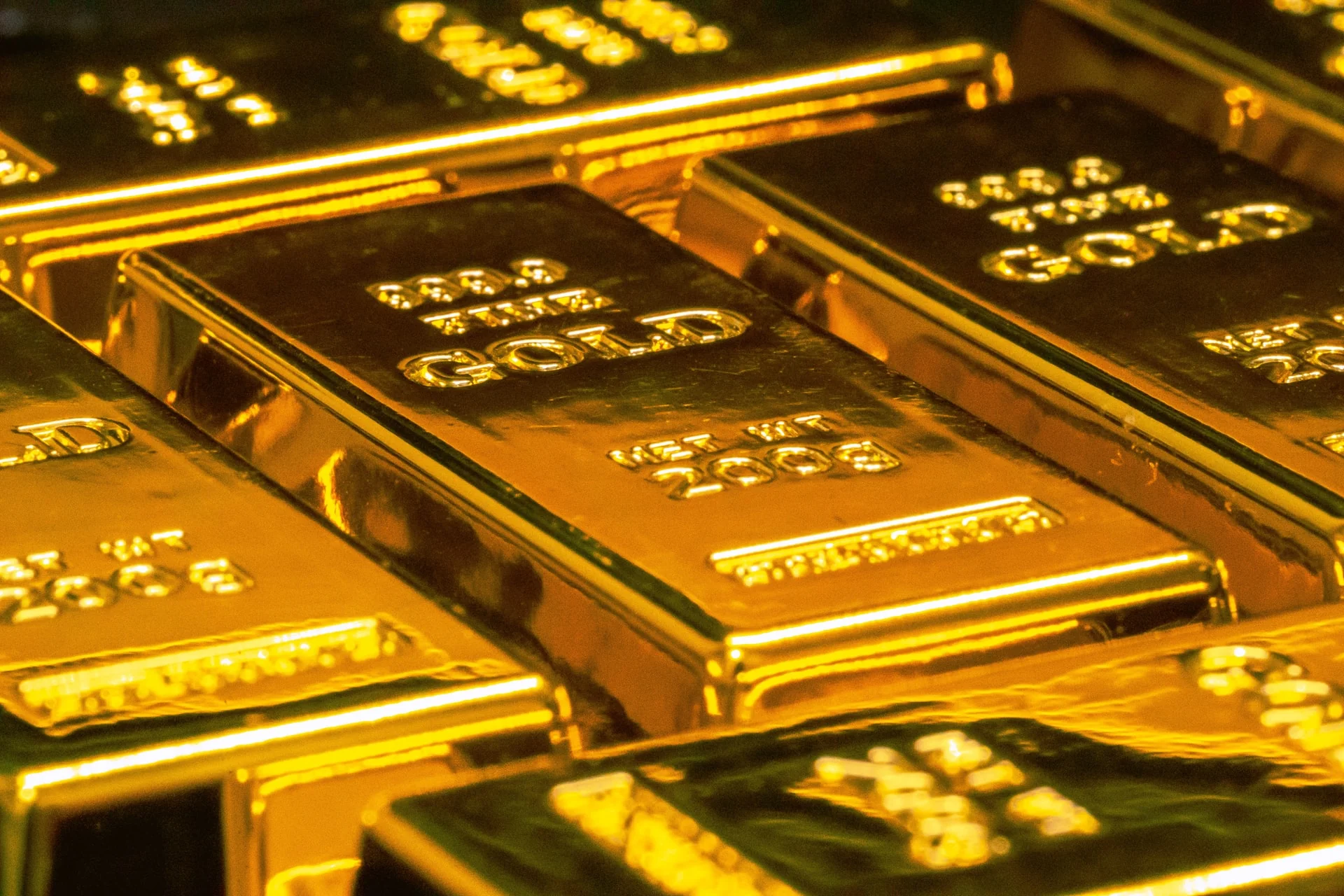
Table of Contents
Commodities represent the foundational elements of the global economy, providing essential raw materials and resources that drive industries, power nations, and sustain populations. These tangible assets, ranging from energy products and metals to agricultural goods, are exchanged across international markets, influencing everything from manufacturing costs to consumer prices. As we project into 2026, understanding the dynamics of the most traded commodities in the world is paramount for investors, policymakers, and businesses alike. Our analysis delves into the key commodities expected to dominate global trade, highlighting their economic significance, market trends, and future outlook.
Our Methodology for Ranking Global Commodities
To identify and rank the most traded commodities in the world for 2026, our methodology considers several critical factors. We prioritize commodities with consistently high trading volumes on major exchanges, reflecting broad market participation and liquidity. Emphasis is placed on their strategic importance to global industries, their role in economic development, and their susceptibility to supply-demand shifts. We incorporate forward-looking projections from reputable financial institutions and economic bodies, such as the World Bank, BloombergNEF, ING, and Oxford Economics, to assess anticipated price movements, supply-demand balances, and emerging market trends for the upcoming year. This approach ensures our ranking is based on verifiable data and expert forecasts, providing a precise and authoritative perspective on the commodities landscape.
The Top 10 Most Traded Commodities In The World 2026:
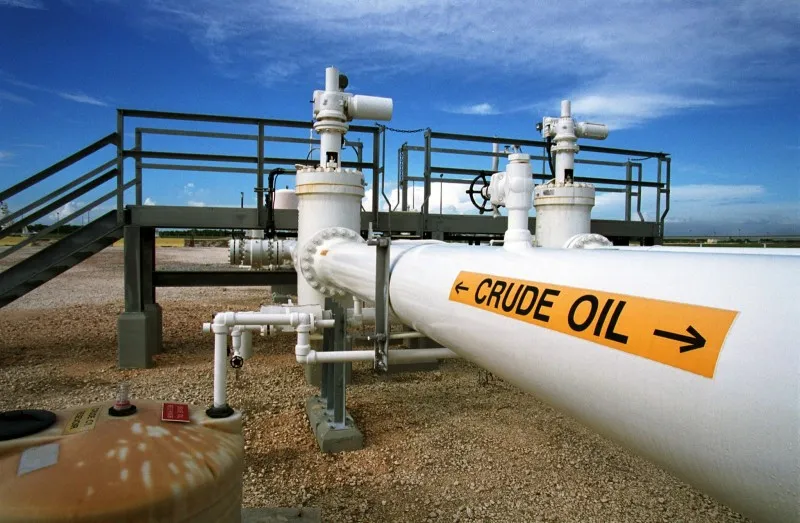
The rise of the US shale revolution has dramatically increased WTI production, transforming the United States into a net oil exporter and solidifying WTI's position in international trade. On the New York Mercantile Exchange (NYMEX), WTI futures contracts are actively traded, with an average of 1,870 contracts exchanged daily as of June 2020, each representing 1,000 barrels. This robust trading volume underscores its liquidity and its role as a key indicator of global energy market sentiment. The continued industrial demand and transportation needs ensure WTI's sustained prominence in the commodity markets for 2026.
2. Brent Crude Oil
Brent crude oil functions as a leading international benchmark, dictating the pricing for a substantial portion of the world's oil supply. Primarily extracted from the North Sea, its influence extends across markets in Europe, Africa, and the Middle East. This benchmark is crucial for price discovery and risk management in the global petroleum industry, with its pricing impacting nearly two-thirds of all internationally traded crude oil.
The World Bank projects Brent crude prices to average around $60 per barrel in 2026. This forecast reflects an expectation of persistent surplus conditions in the market, where global supply is anticipated to continue growing, while demand expands at a more subdued pace. Geopolitical events, production decisions by OPEC+, and the ongoing transition to renewable energy sources all contribute to the complex factors influencing Brent's price trajectory. Despite these shifts, Brent crude's strategic position in global energy supply chains assures its high trading volume and critical importance in 2026.
3. Natural Gas
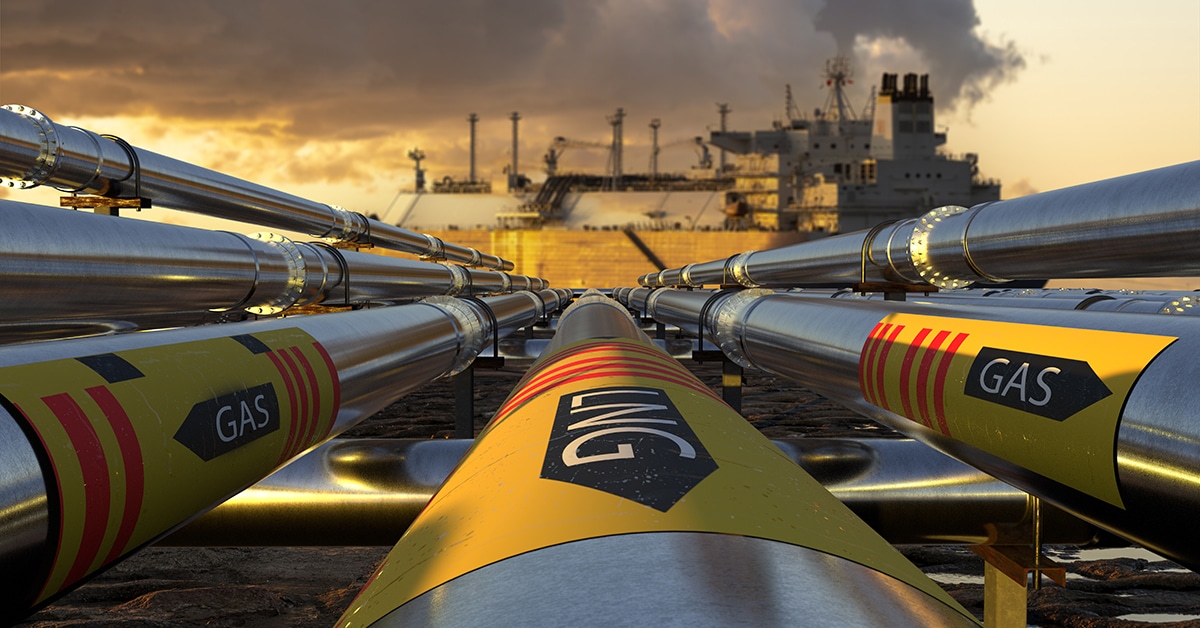
Natural gas is a crucial energy commodity, experiencing significant trading volumes driven by burgeoning global energy demand and the rapid expansion of the Liquified Natural Gas (LNG) market. LNG exports reached record levels in 2025, marking a 25% increase compared to the previous year. This growth trajectory is set to continue, with an anticipated 29 million metric tons of new supply capacity expected to come online in 2026.
Major projects in the United States and Qatar are contributing substantially to this new capacity. The increased availability of flexible LNG supply is having a dual effect: it is tightening US domestic balances while simultaneously easing European prices as LNG effectively replaces Russian pipeline gas. As nations seek cleaner energy alternatives and energy security, natural gas, particularly in its LNG form, remains a highly traded and strategically important commodity for the foreseeable future, playing a central role in the global energy transition.
4. Gold
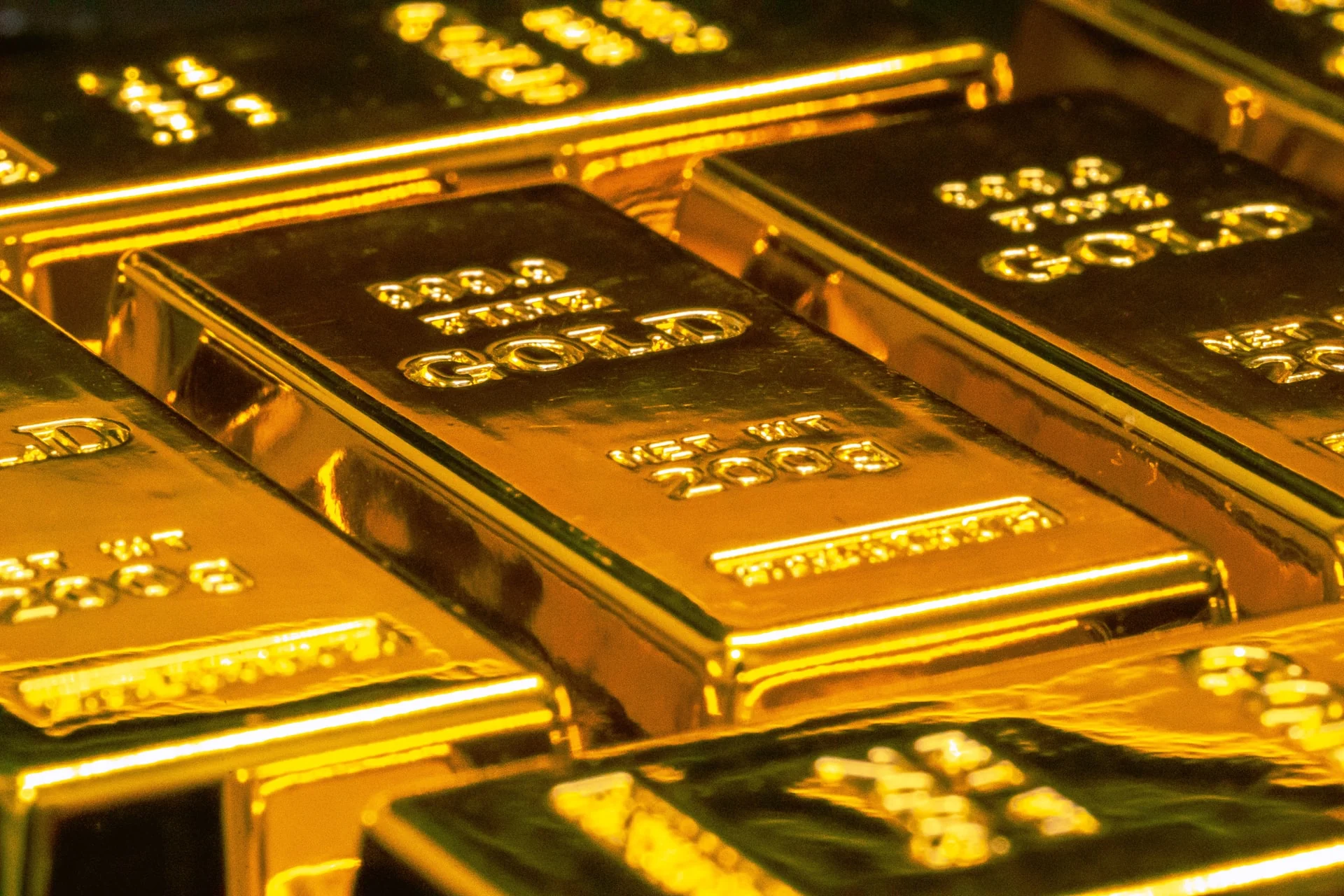
Gold maintains its enduring status as one of the world's most traded precious metals, widely sought after for its investment appeal and its traditional role as a safe-haven asset, especially during periods of economic uncertainty. The metal's price rallied to record highs in late 2025, surpassing $4,300 per ounce, demonstrating its resilience and investor confidence. As of March 29, 2026, gold was trading at $3311.76, reflecting its continued strength in the market.
The World Bank forecasts a 5% increase for precious metals in 2026, extending the significant gains observed in 2025. This positive outlook is supported by consistent demand from central banks globally, which continue to steadily add to their gold reserves. Furthermore, persistent geopolitical tensions and inflation concerns often drive investors towards gold, reinforcing its role as a reliable store of value. Its diverse applications, from jewelry to electronics, further underpin its consistent demand and high trading volume across international markets.
5. Silver
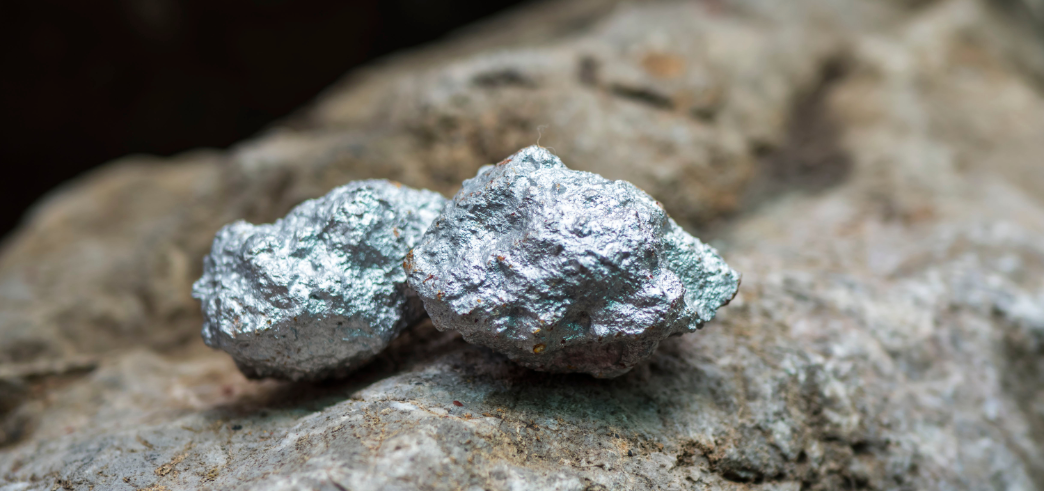
Silver occupies a unique position in commodity markets, serving as both a precious metal and an indispensable industrial input. This dual role makes its trading volume highly sensitive to both investment flows and broader economic trends. Demand for silver has seen remarkable growth, particularly from solar panel producers, with an increase of 143% since 2016. This surge in industrial demand has pushed the silver market into a deficit since 2019, indicating that consumption has outpaced production.
The price of silver surged past $65 per ounce in late 2025, breaking prior records established in 1980 and 2011. As of March 29, 2026, silver was trading at $32.811, continuing to benefit from strong investor interest and robust industrial applications. Beyond solar energy, silver is crucial in electronics, medical technology, and various other high-tech sectors. Its increasing industrial utility, combined with its appeal as an investment hedge, positions silver for continued high trading volumes and price appreciation in 2026.
6. Copper
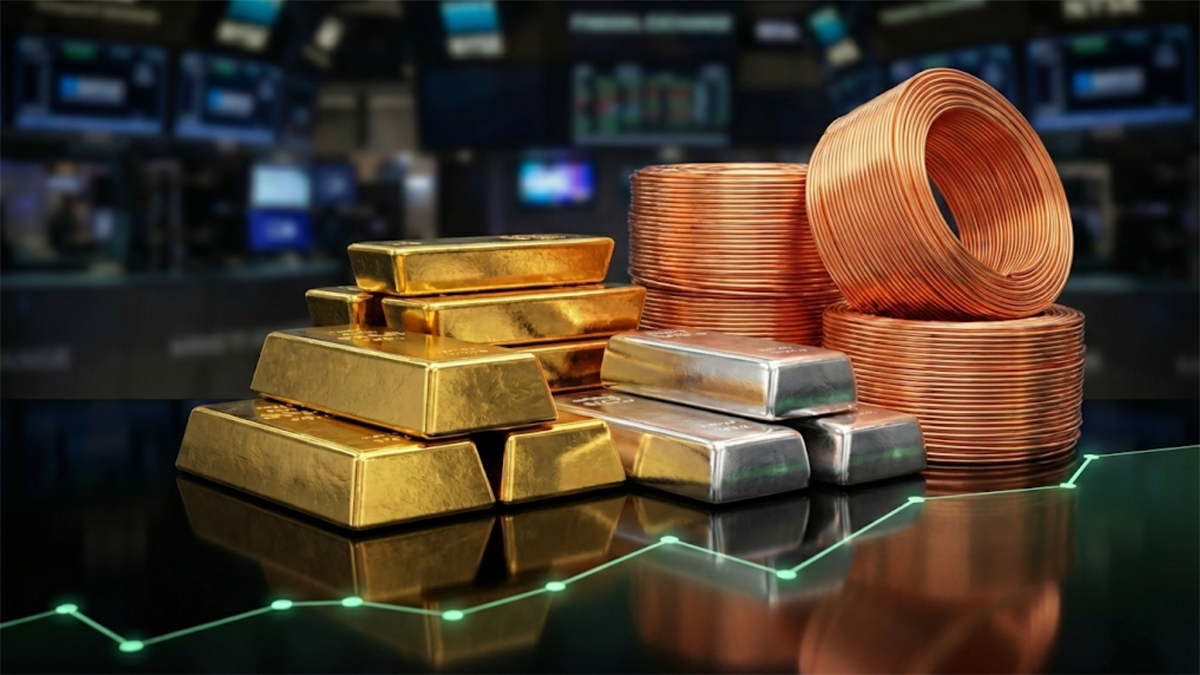
Copper is an essential industrial metal, experiencing robust demand driven by global electrification initiatives, the burgeoning electric vehicle manufacturing sector, and significant investments in data centers and artificial intelligence infrastructure. Its excellent conductivity and malleability make it indispensable across a vast array of modern applications. The market for copper is projected to swing into a 1 million metric ton supply deficit in 2026, signaling tightening supply conditions that could exert upward pressure on prices.
Prices for copper moved to all-time highs in late 2025, breaking above $11,000 per tonne, reflecting the intense demand and anticipated supply shortages. COMEX inventories soared over 300% to more than 400 kilotons by December 2025, indicating strong buying interest and a responsive supply chain, yet still insufficient to fully meet future demand projections. As the world continues to industrialize and electrify, copper's role as a foundational commodity will ensure its sustained high trading volume and strategic importance.
7. Aluminum
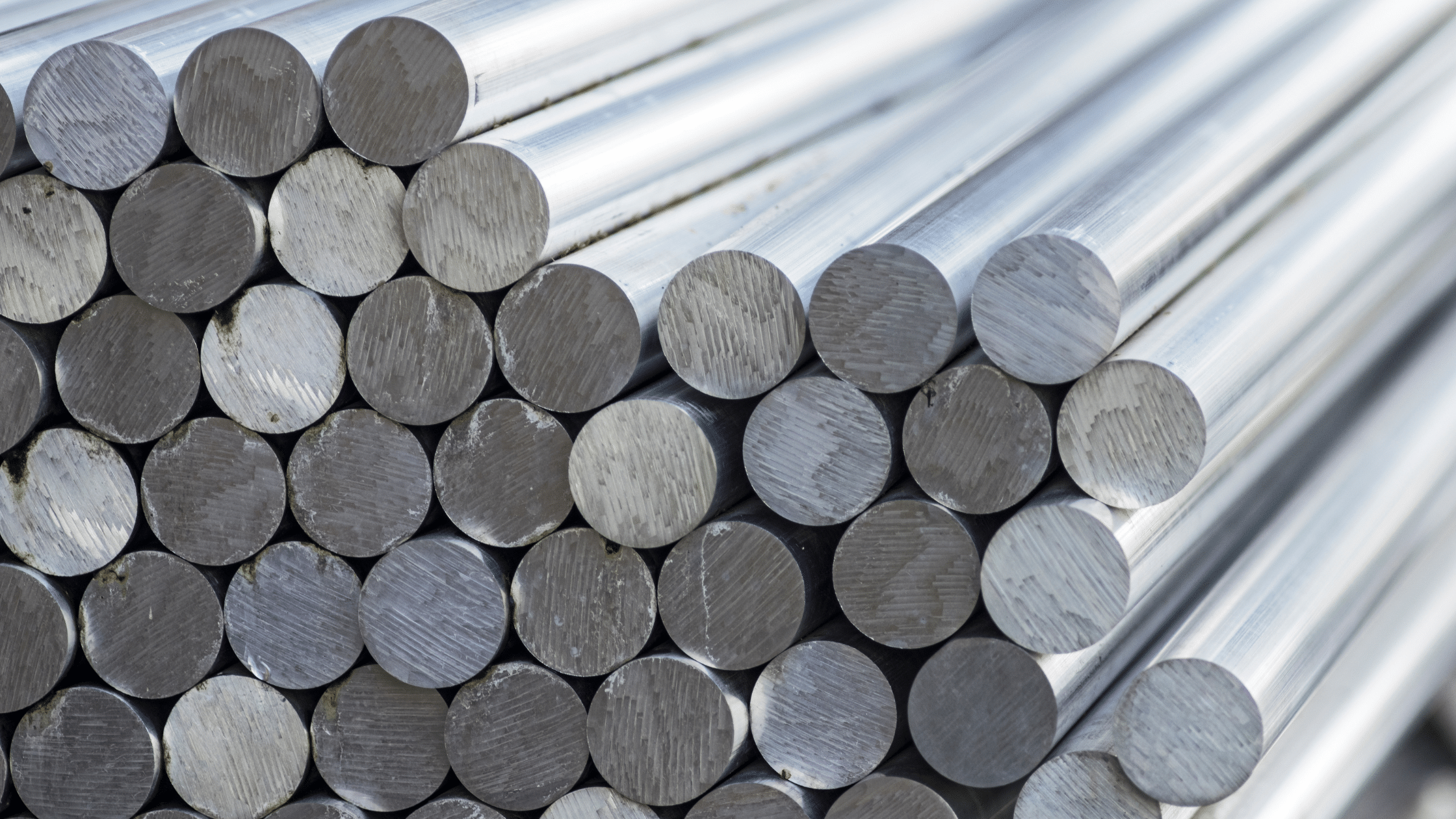
Aluminum is a widely traded base metal, critical for a diverse range of industries including construction, automotive manufacturing, and packaging. Its lightweight properties, strength, and corrosion resistance make it a preferred material for numerous applications. China, a major global producer, is nearing its self-imposed 45 million tonne capacity cap as of December 2025, which has had a tangible impact on global supply dynamics.
This capacity constraint, coupled with anticipated supply disruptions in other key producing regions, has contributed to a significant decrease in China's net aluminum exports, which were down 700 kilotons year-to-date by December 2025. Such conditions are expected to create a global aluminum deficit, thereby supporting higher prices in 2026. The increasing demand from green technologies, such as electric vehicles and renewable energy infrastructure, further cements aluminum's position as a highly traded and economically significant commodity.
8. Iron Ore
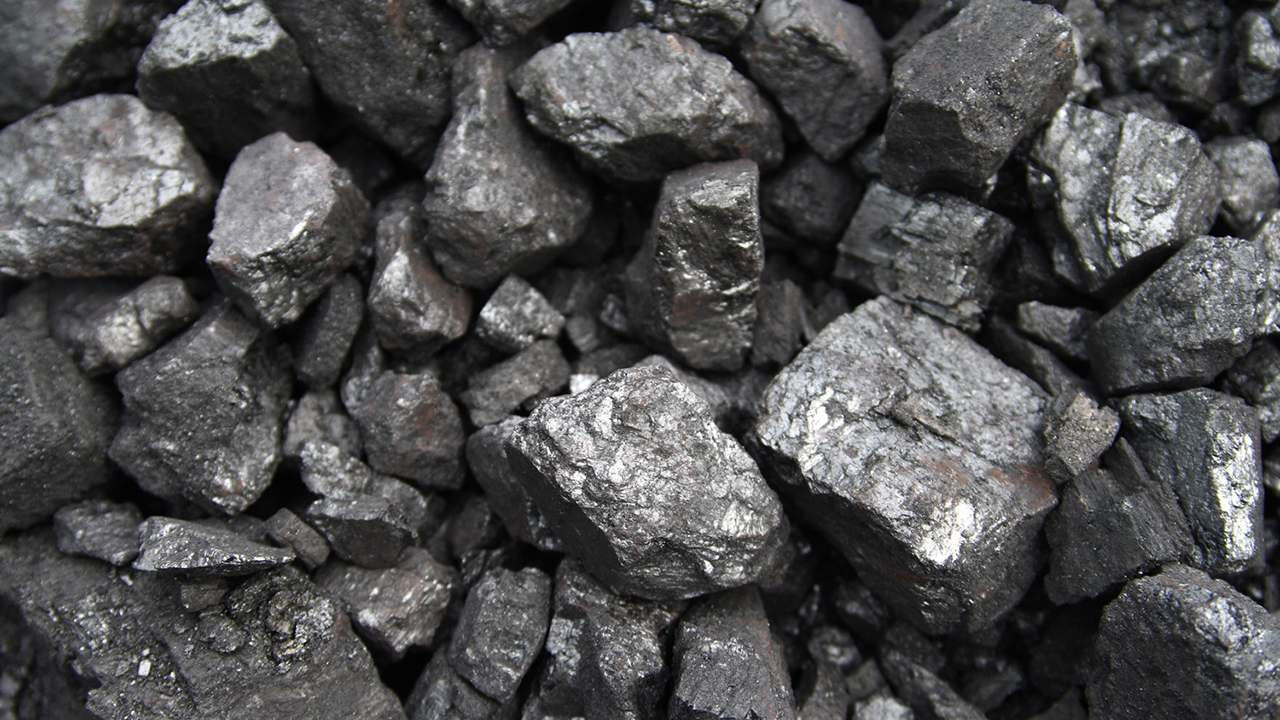
Iron ore is a primary raw material for steel production, making it a highly significant commodity in global trade due to its fundamental role in industrial development and large-scale infrastructure projects. Steel, derived from iron ore, is the backbone of modern construction, automotive, and manufacturing sectors. Despite its continuous demand, the World Bank projects iron ore prices to decline by 4% in 2026, following a 10% fall observed in 2025.
This projected trend reflects a combination of factors, including subdued global economic activity and potential oversupply conditions in the market. While China's demand, as the world's largest steel producer, remains influential, shifts in its economic growth model and steel production policies can significantly impact iron ore prices. Nevertheless, the sheer volume required for ongoing global urbanization and industrialization ensures iron ore remains among the most traded commodities, albeit with a moderated price outlook for the coming year.
9. Wheat
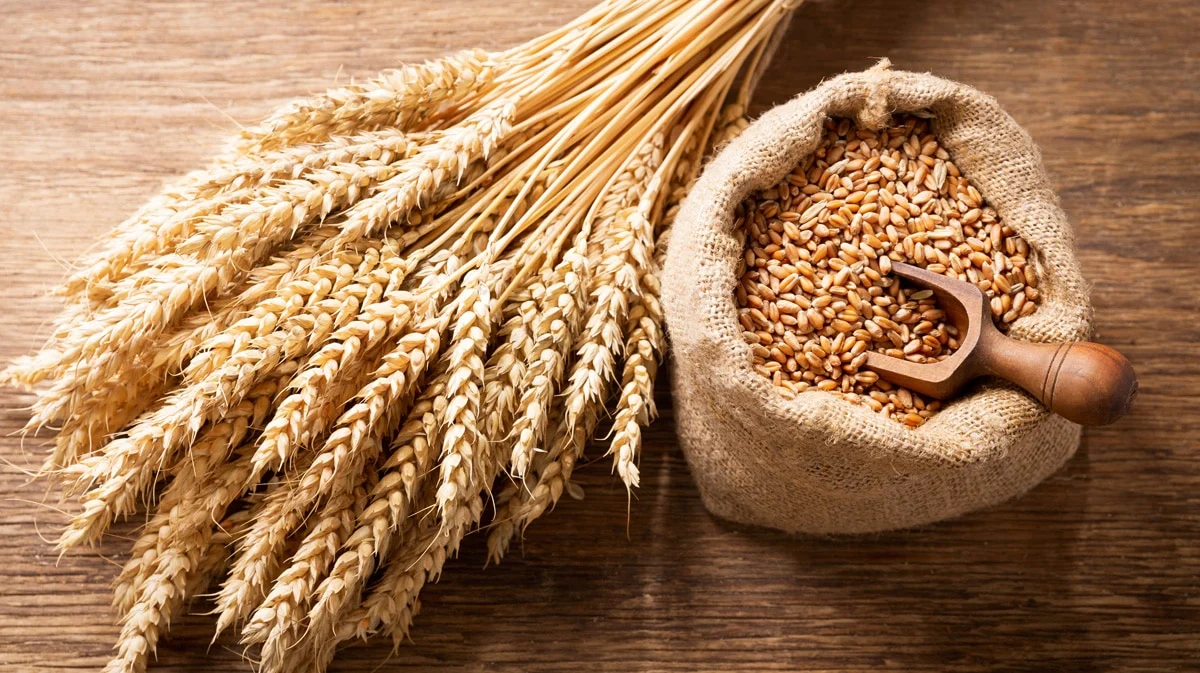
Wheat is one of the most vital agricultural commodities globally, serving as a staple food for billions and a key component of international food trade. Its widespread cultivation and consumption ensure consistently high trading volumes across futures markets and physical exchanges worldwide. The commodity's importance extends beyond direct consumption, impacting livestock feed and various processed food products.
While wheat's fundamental importance remains, agricultural prices, including those for wheat, are projected to edge lower in 2026. This outlook is largely attributed to favorable supply conditions resulting from strong global harvests and elevated inventories, which collectively create downward pressure on prices. Despite these supply-side dynamics, robust global demand, driven by population growth and dietary shifts, underpins wheat's sustained position as a top-traded commodity. Geopolitical stability in major producing regions and weather patterns will, as always, be critical factors to monitor.
10. Sugar
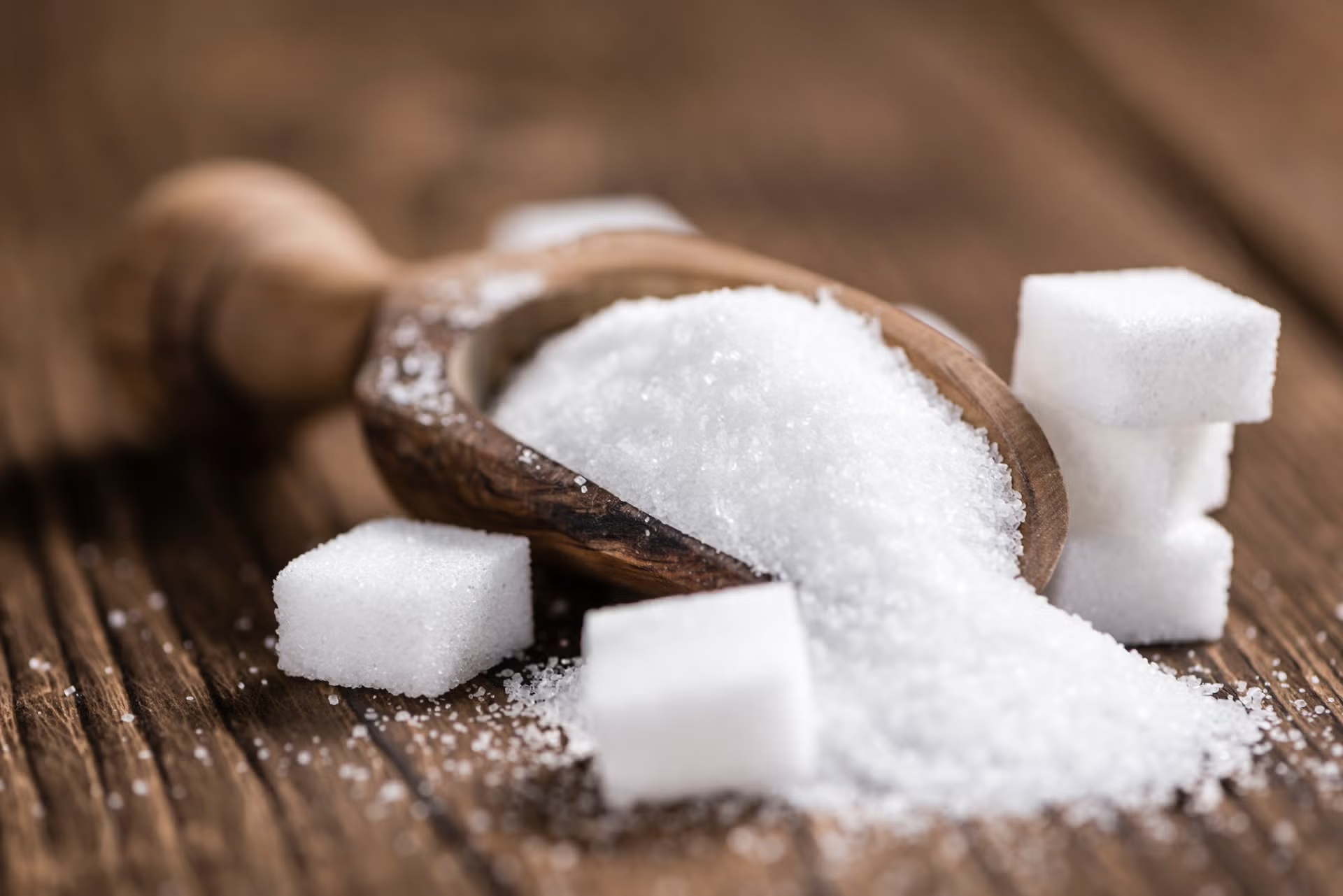
Sugar is a significant soft commodity, actively traded globally and known for its high trading volume, particularly through futures contracts. Its extensive use in the food and beverage industry, as well as in biofuels, ensures consistent and substantial global demand. The most commonly traded futures contracts for sugar include No. 11, which represents raw cane sugar for physical delivery, and No. 16, both measured in pounds.
Additionally, white sugar is popular under the No. 407 contract, traded in tons. Major producing countries, primarily Brazil, India, and Thailand, play a critical role in global supply dynamics, with weather conditions and government policies in these regions heavily influencing market prices. The persistent global appetite for sweeteners and its growing applications in other industrial sectors solidify sugar's status as a high-volume soft commodity in the global marketplace for 2026.
The global commodities market in 2026 continues to be shaped by a complex interplay of supply, demand, geopolitical events, and technological advancements. From the energy powerhouses of West Texas Intermediate and Brent crude oil to the industrial mainstays like copper and aluminum, and the essential agricultural products such as wheat and sugar, these ten commodities represent the foundational pillars of international trade. Our analysis highlights the enduring importance of these resources, with some facing supply deficits due to rising demand from electrification and new technologies, while others contend with oversupply or shifting economic conditions. Understanding these dynamics is critical for navigating the global economic landscape. The most traded commodities in the world for 2026 reflect both traditional reliance on basic resources and the evolving demands of a modernizing, interconnected planet. As we move forward, monitoring these markets will be essential for identifying trends, managing risks, and capitalizing on opportunities within the global economy.
Related Posts



0 Comments
Join the discussion and share your thoughts
No Comments Yet
Be the first to share your thoughts on this article!