Top 10 Most Forested Countries in the World 2026: Uncover the Green Giants


Table of Contents
Our analysis of global forest coverage reveals a world where a small number of nations hold the majority of a critical planetary resource. As of 2026, forests cover approximately 20% of the world's land area, serving as indispensable carbon sinks, biodiversity reservoirs, and climate regulators. The data confirms that the top ten most forested countries collectively hold about two-thirds of the world's total forest area, a concentration with profound implications for international climate policy and conservation efforts. This ranking, based on the most current available data, prioritizes total forest area in hectares, as this metric most accurately reflects a nation's contribution to global carbon storage and ecological stability.
Understanding the Rankings: Scale Versus Density
When evaluating forest coverage, our research indicates a necessary distinction between absolute scale and relative density. A country like Russia leads in total area, while nations like Finland and Sweden, though not in the top ten by sheer size, have a far greater percentage of their land covered by trees. The figures presented here represent the latest comprehensive assessments, drawing from sources including the UN Food and Agriculture Organization's Global Forest Resources Assessment. Minor annual fluctuations from deforestation and reforestation are expected, but the hierarchical order of these ten nations remains a consistent feature of the global environmental landscape. The evidence points to these countries bearing a disproportionate responsibility for the stewardship of the world's forest ecosystems.
The Top 10 Most Forested Countries In The World 2026
1. Russia
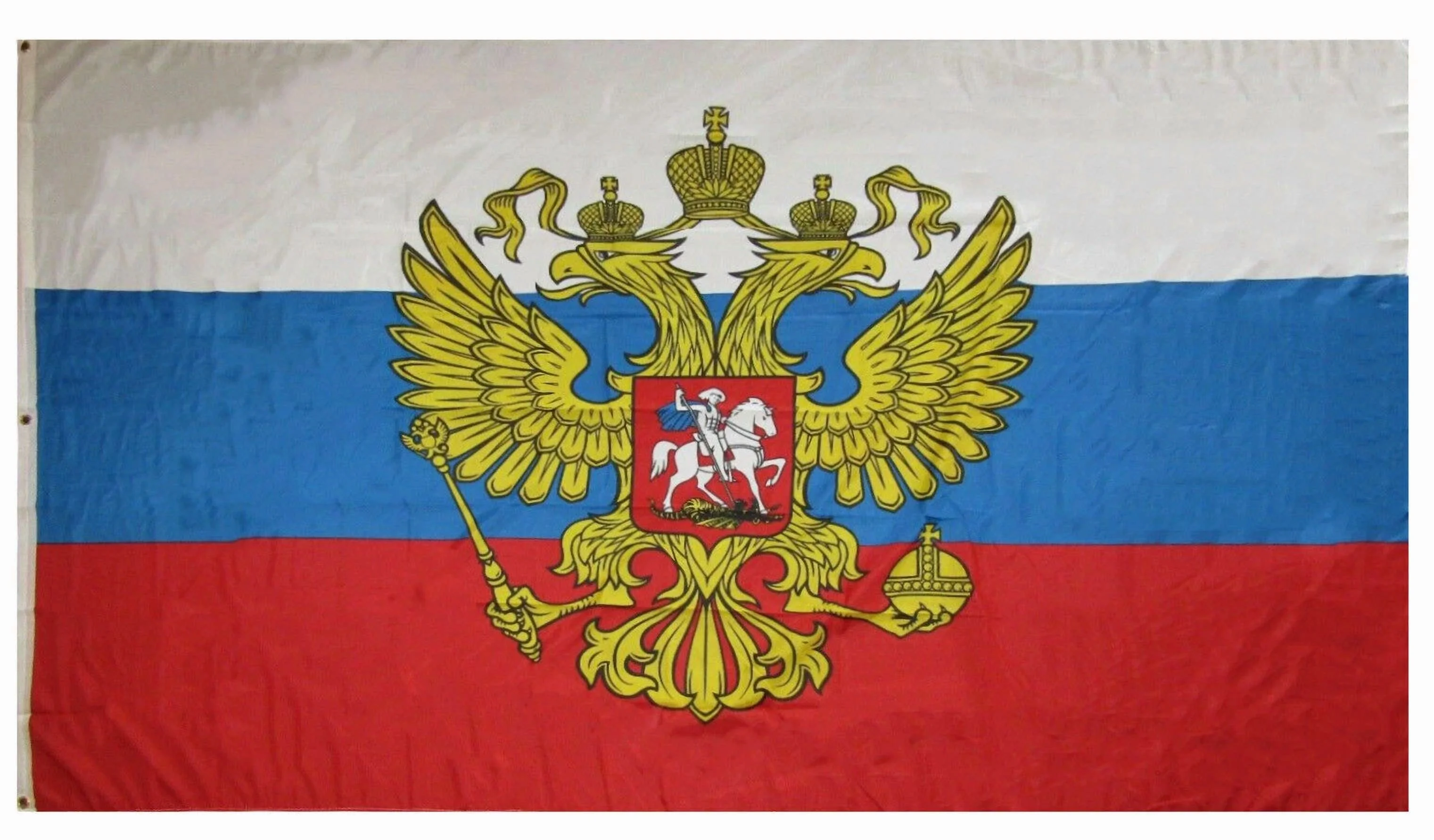
Russia's position as the world's foremost forest nation is unchallenged. Our analysis shows the country contains approximately 832.63 million hectares of forest, accounting for over 20% of the global total. This vast expanse, primarily the boreal forest known as the taiga, stretches across Siberia and represents the largest continuous forest ecosystem on Earth. The Russian taiga, dominated by birch, pine, spruce, and fir, plays an outsized role in global carbon cycling. Research from institutions like the International Boreal Forest Research Association consistently highlights its climate regulation function. Despite its scale, this forest system faces documented pressures from commercial logging, mining, and increasing vulnerability to wildfires linked to climate change.
2. Brazil
Brazil holds the second-largest forest area globally, with about 486 million hectares covering nearly 60% of its national territory. This figure is anchored by the Amazon rainforest, which constitutes roughly 60% of Brazil's forested land. The data confirms this region as the planet's most biodiverse terrestrial ecosystem, home to an estimated 16,000 tree species. According to Brazil's National Institute for Space Research (INPE), the Amazon is a critical component of regional and global weather patterns through its massive evapotranspiration. However, our research indicates persistent threats from deforestation driven by agricultural expansion, illegal logging, and infrastructure development, making its conservation a persistent international concern.
3. Canada

With approximately 368.82 million hectares, Canada's forests represent nearly 9% of the world's total and cover close to 40% of the country's landmass. The evidence points to the boreal forest as the dominant biome, accounting for about 75% of Canada's forested area. Canada's State of the Forests report, aligned with the Montréal Process criteria, details a management approach where over 95% of forests are naturally regenerated. These ecosystems support unique wildlife communities and are integral to the cultures and economies of many Indigenous communities. The data also shows that Canada's forests are a net carbon sink, though scientific assessments note this role is being increasingly stressed by outbreaks of pests like the mountain pine beetle and more frequent severe fire seasons.
4. United States

The United States ranks fourth with an estimated 308.9 million hectares of forest, accounting for 7.5% of the global forest area. This coverage encompasses an exceptionally diverse range of ecosystems, from the temperate rainforests of the Pacific Northwest and the boreal forests of Alaska to the deciduous hardwood forests of the Appalachian region. The US Forest Service's Forest Inventory and Analysis program provides detailed data showing these lands support a substantial timber industry and recreation economy while providing habitat for countless species. Our analysis reveals a complex trend of forest loss in some regions due to urbanization and development, offset by gains in others through natural regeneration and reforestation projects, resulting in relatively stable net coverage in recent years.
5. China

China's forest area of roughly 227.15 million hectares is notable not only for its scale but for the trajectory of its expansion. The data confirms China has undertaken the world's most ambitious reforestation campaign over the past three decades, increasing its forest coverage by approximately 25%. Initiatives like the "Great Green Wall," designed to combat desertification, and the Sloping Land Conversion Program have driven this growth. Satellite analysis from sources like NASA's Earth Observatory visually corroborates the significant increase in vegetative cover in northern and southwestern China. This large-scale afforestation, while ecologically beneficial in terms of carbon sequestration, has drawn scrutiny from some conservation biologists who note the plantations often lack the biodiversity of natural forests.
6. Democratic Republic of Congo

The Democratic Republic of the Congo (DRC) possesses approximately 139.19 million hectares of forest, predominantly the tropical rainforest of the Congo Basin. This ecosystem is the world's second-largest tropical rainforest after the Amazon, covering over half of the DRC's land area. Research from the Center for International Forestry Research (CIFOR) identifies the Congo Basin as a vital global climate regulator and a hotspot for endemic species. The forests are also a critical resource for millions of people. However, our analysis indicates they face mounting pressure from artisanal logging, charcoal production, agricultural conversion, and mineral extraction. The complex interplay of poverty, governance challenges, and global commodity demand makes sustainable management a persistent hurdle.
7. Australia

Australia's forest cover, estimated at 133.56 million hectares, presents a unique case. Despite the continent's famous arid interior, its forest ecosystems are diverse, ranging from tropical rainforests in Queensland to temperate eucalyptus forests in the southeast and jarrah forests in the southwest. Data from Australia's State of the Forests Report shows these areas support uniquely high levels of endemism. The evidence also points to significant gains in forest area between 2015 and 2025, largely due to improved monitoring of sparse woodlands and regrowth in previously cleared areas. Australian forests face distinct threats, including increased frequency and intensity of wildfires, droughts exacerbated by climate change, and invasive species.
8. Indonesia
Indonesia's forest estate covers about 95.97 million hectares, representing nearly half of the nation's land area and comprising some of the world's most biodiverse tropical rainforests on islands like Sumatra, Borneo, and New Guinea. These forests are globally significant carbon stores, particularly the peat swamp forests which hold dense concentrations of carbon below ground. However, data from Global Forest Watch and Indonesia's own Ministry of Environment and Forestry has historically shown high rates of deforestation, primarily driven by conversion to palm oil and pulpwood plantations. In recent years, our analysis of policy shifts reveals a slowing of deforestation rates due to moratoriums on new plantation licenses in primary forests and peatlands, though enforcement remains a key challenge.
9. India

India maintains approximately 72.74 million hectares of forest and tree cover, a notable achievement given its high population density. The country's forest types are highly varied, including the tropical wet evergreen forests of the Western Ghats, the dry deciduous forests of central India, the Himalayan temperate forests, and the mangrove forests of the Sundarbans. India's Forest Survey Report, published biennially, documents a gradual net increase in forest cover over the past two decades, attributed to large-scale afforestation programs and improved conservation of protected areas. This expansion, while positive for carbon metrics, often involves plantation-style forests. Ecologists note the ongoing challenge of preserving high-quality, biodiverse natural forests amidst development needs and human-wildlife conflict.
10. Peru
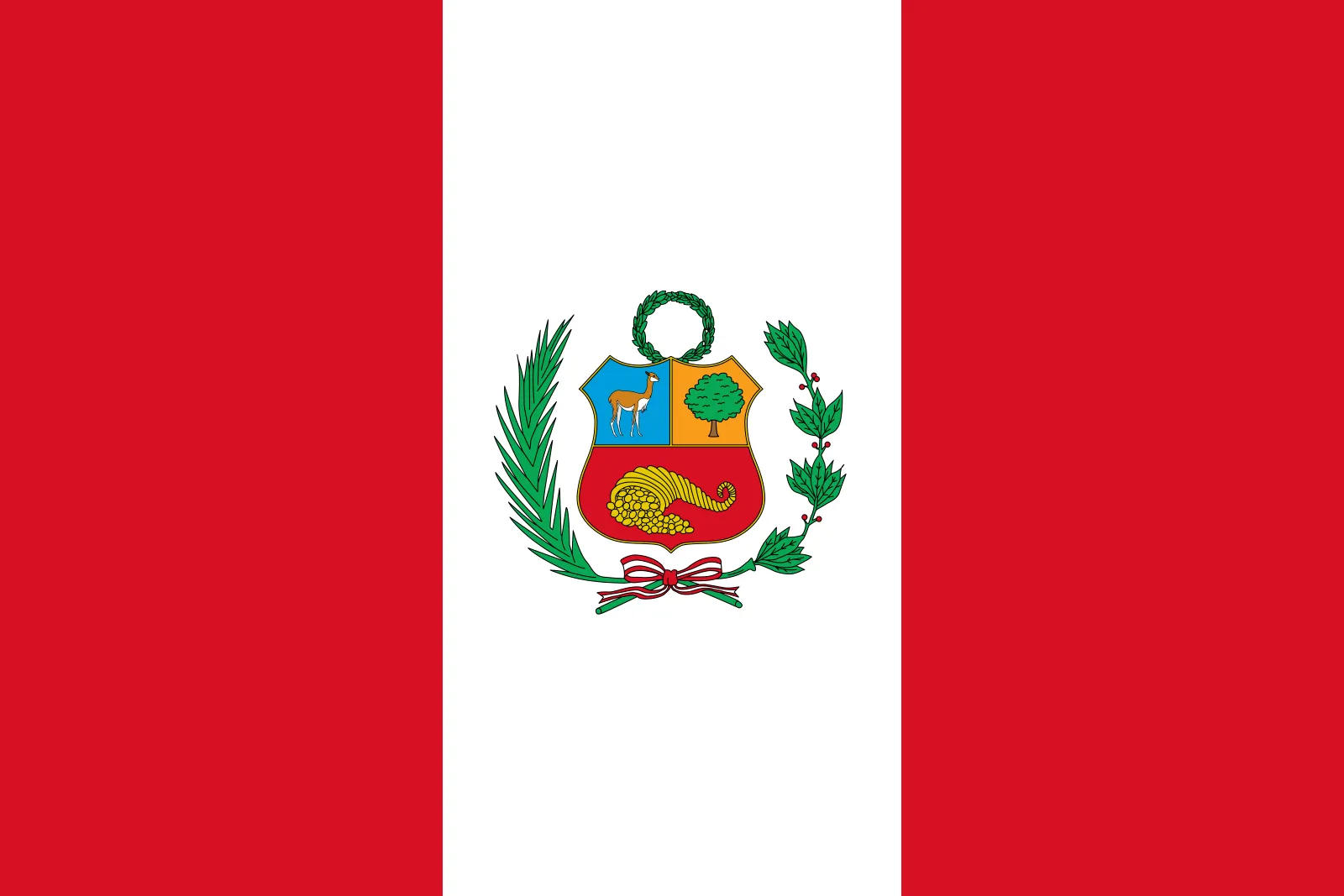
Peru rounds out the top ten with an estimated 67.16 million hectares of forest, covering over 56% of its national territory. The majority of this is Amazon rainforest, making Peru one of the most forested countries in the Amazon Basin. These forests are recognized for extraordinary biodiversity, with the Manu National Park area holding one of the highest recorded counts of species on Earth. Peru's forests are also home to numerous Indigenous communities whose livelihoods are intimately tied to the ecosystem. The data indicates deforestation drivers include small-scale agriculture, illegal gold mining, and coca cultivation. Peru has established a framework for forest conservation through climate finance mechanisms like REDD+ and the designation of large protected areas, but effective on-the-ground enforcement is often limited.
The collective forest area of these top ten most forested countries constitutes a foundational element of global ecological health. Our analysis reveals that their management decisions directly impact global carbon budgets, biodiversity conservation, and climate resilience. The evidence points to a future where international cooperation, sustainable economic models, and science-based policy will be essential for preserving these critical ecosystems for 2026 and beyond.
Related Posts

Top 10 Female Hockey Players in 2026: Meet the Game's Brightest Stars
Women’s ice hockey has experienced significant growth and development by 2026, with players from all over the world demonstrating outstanding skill, leadership, and commitment to the sport. The following is a detailed summary of the top ten female hockey players in the world in 2026, emphasizing their contributions to the game and their impact on […] More

Top 10 Best Hospitality Schools In The World (2026 Update): Where Tomorrow's Leaders Train
The world’s top hospitality schools continue to be essential in the context of a global economy because of their emphasis on offering exceptional guest experiences and high-quality service. People who want to work in hotels and other hospitality-related fields are actively looking for educational opportunities that will equip them with the skills and knowledge they […] <a class="g1-link g1-link-more" href="https://nubiapage.com/top-10-best-hospitality-schools-in-the-world-2024-up

Top 10 Greatest Packer Players in the World 2026: Surprising Picks & Legends
The Green Bay Packers, which are considered to be one of the most illustrious franchises in the history of the National Football League, have, throughout its existence, boasted a roster of remarkable talent. The history of the Packers is filled with players that have stood out for some reason, whether it be their iconic Super […] More

Top 10 Biggest Concert Stadiums In The World 2026
In 2026, the world of concert venues includes some of the biggest and most famous stadiums, known for hosting huge crowds and providing live music experiences that are unmatched. The following is a list of the ten largest concert stadiums in the world: List Of Top 10 Biggest Concert Stadiums In The World 2026 1. […] More
3 Comments
Join the discussion and share your thoughts