Top 10 Most Dangerous Special Forces In The World 2026: Ranking the Elite

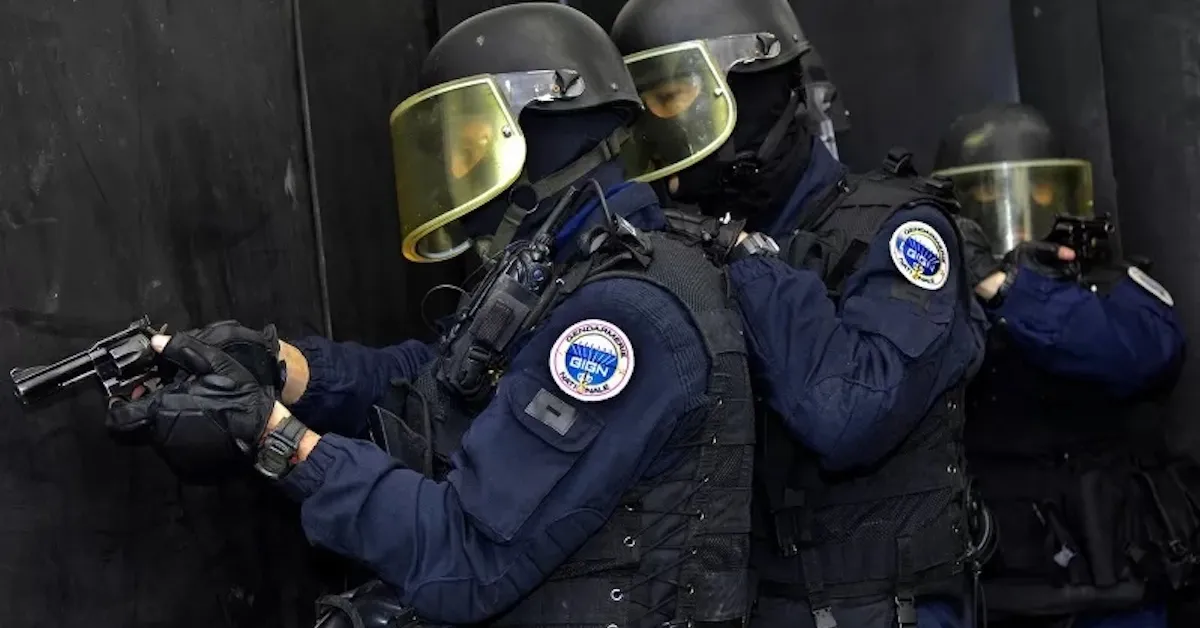
Table of Contents
Special forces units represent the absolute pinnacle of military capability, operating where conventional forces cannot and executing missions that determine the outcome of conflicts without the public ever knowing. In 2026, these highly trained operators continue to adapt to evolving threats, incorporating advanced technology while maintaining the brutal physical standards and psychological resilience that define tier-one units. The following ten special forces stand apart from hundreds of elite units worldwide, distinguished by their operational records, selection rigor, and combat effectiveness in the world's most hostile environments.
What Makes a Special Forces Unit "Dangerous"
The most dangerous special forces aren't measured by equipment or budget alone. These units combine several critical factors: selection processes that reject 80-95% of candidates, training programs designed to break egos while building surgical precision, operational records spanning decades of classified missions, and the psychological makeup to execute zero-fail operations regardless of personal cost. Many maintain such extreme operational security that their most significant achievements remain classified years after completion.
The Top 10 Most Dangerous Special Forces In The World 2026:
1. British Special Air Service
Units in the United States, Australia, and Canada have directly modeled their structures on SAS doctrine, making it the global gold standard for special operations. The SAS promotes low-profile professionalism with most operations remaining classified indefinitely, and their training selection at Hereford is designed specifically to break down egos while producing operators capable of surgical precision in close quarters combat. The physical demands are severe, but the psychological resilience required separates SAS selection from nearly every other military course worldwide.
Unlike many special forces that gained fame through publicized operations, the SAS deliberately maintains operational secrecy as a core principle. This discretion, combined with their proven combat effectiveness across multiple conflicts since 1941, solidifies their position as the most influential special forces unit in modern military history.
2. U.S. Navy SEAL Team 6
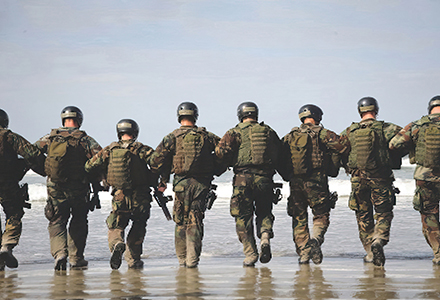
Navy SEAL Team 6, officially designated as the Naval Special Warfare Development Group (DEVGRU), represents America's most elite maritime special operations capability. While the broader SEAL teams were founded in 1962, DEVGRU operates as the tier-one unit selected from already exceptional operators who survived the notorious BUD/S training program, which covers all aspects of unconventional warfare including air, sea, and land operations with underwater training among the world's most demanding.
The BUD/S selection process tests resilience, teamwork, and mental fortitude through obstacle courses and training scenarios designed to break candidates physically and psychologically. Hell Week alone eliminates the majority of candidates, and those who complete it face months of additional specialized training before joining regular SEAL teams. DEVGRU selection pulls from this already elite pool, requiring additional years of operational experience and another selection process that further reduces candidates.
SEAL Team 6 gained global recognition for the 2011 raid that killed Osama bin Laden in Pakistan, but that single mission represents just one of thousands of classified operations conducted over six decades. Their expertise in maritime operations, airborne insertions, and direct action missions has established standards that many other elite forces attempt to replicate. The unit's combination of specialized maritime capabilities and tier-one operational standards makes them uniquely capable in scenarios other units can't execute.
3. U.S. Delta Force
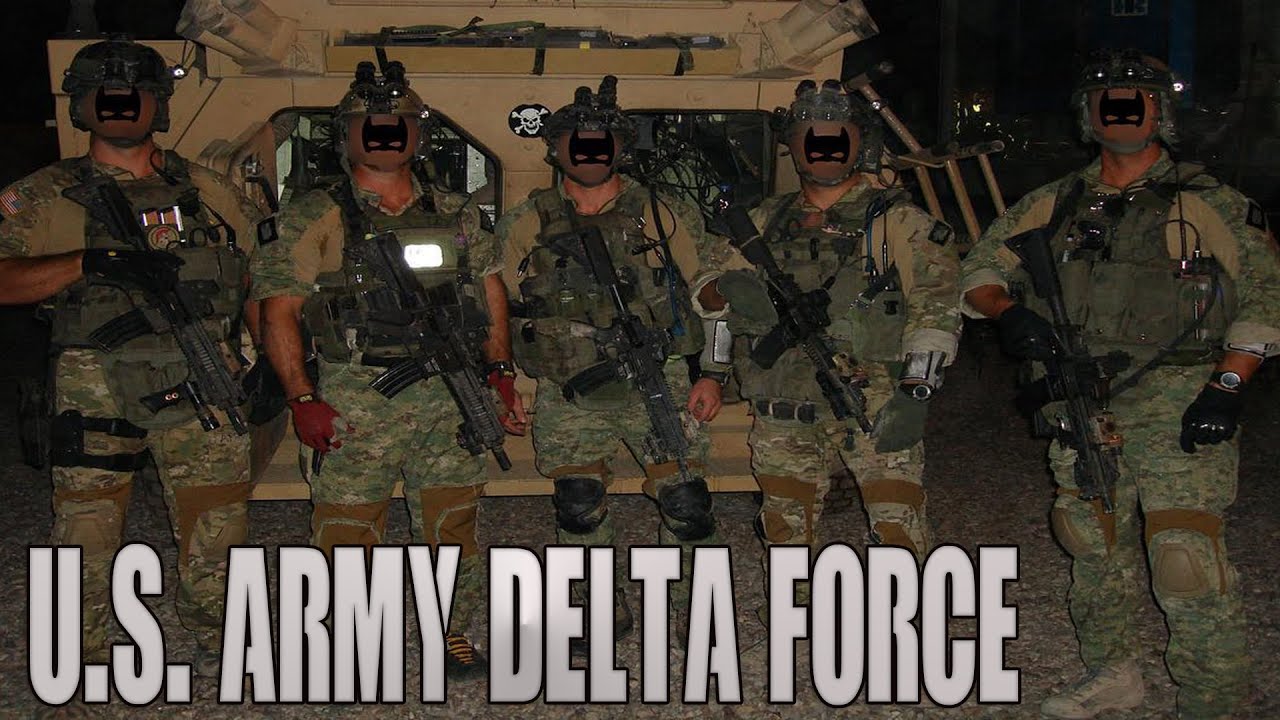
Active since November 19, 1977, the 1st Special Forces Operational Detachment-Delta operates as America's most secretive tier-one unit, officially known within classified channels as the Combat Applications Group. Delta Force selects operators from the best Army Rangers, Green Berets, and occasionally Navy and Air Force personnel, subjecting them to a selection process that emphasizes initiative, intellectual flexibility, precision, and psychological resilience above raw physical capability.
The unit maintains extreme operational security, with most missions remaining classified for decades and operators expected to never publicly discuss their work. This stands in contrast to Navy SEALs, whose public profile has grown significantly since the bin Laden raid. Delta specializes in capturing or killing high-value targets, dismantling terrorist cells, and conducting covert missions in denied areas with a reputation for zero-failure operations that require minimal oversight once deployed.
Delta's selection differs from most special forces by deliberately testing candidates' ability to operate independently with ambiguous orders. The unit wants operators who can assess complex situations, make strategic decisions under pressure, and execute missions without constant guidance. This intellectual requirement, combined with world-class combat skills and absolute discretion, produces operators capable of the most sensitive missions in the U.S. military's arsenal. Their work remains largely unknown to the public, exactly as the unit prefers.
4. Russian Spetsnaz Alpha Group
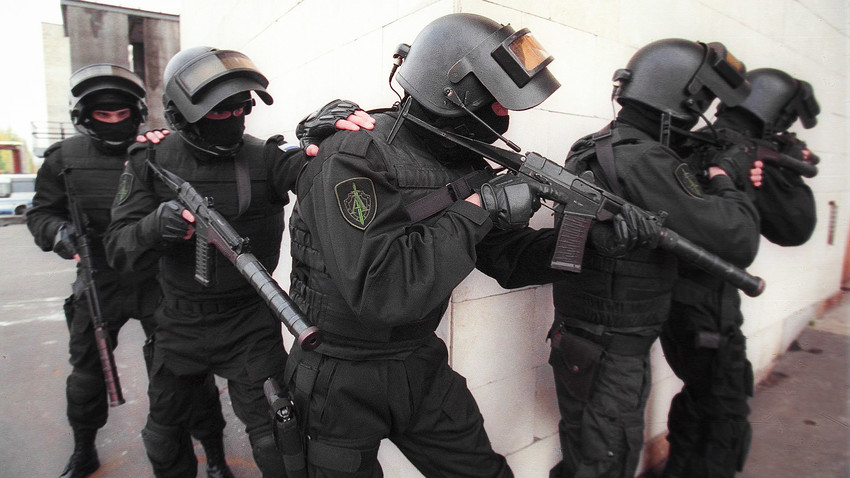
Russia's Alpha Group operates with a reputation for absolute mission commitment that accepts collateral damage as an operational reality rather than something to minimize. Specialized in both domestic and foreign operations, Alpha Group represents one of the most secretive and ruthless special forces units globally, with little public information about their primary objectives or current operational status.
The unit's operational history demonstrates their "mission accomplished at any cost" doctrine. During the 2002 Moscow Theatre hostage crisis, Alpha Group pumped an aerosolized chemical agent into the building to incapacitate Chechen terrorists holding 850 hostages. The operation killed all 40 terrorists but also resulted in 172 civilian deaths from the chemical exposure. Western special forces condemned the operation as unacceptable, while Russian military leadership considered it a success because the terrorists were eliminated.
Alpha Group participated in Afghanistan regime change operations during the Soviet era and numerous classified missions where destroying entire city blocks was deemed acceptable to complete objectives. Their training emphasizes brutal efficiency, physical endurance, hand-to-hand combat with particular focus on Sambo (a Soviet martial art), and extreme survival skills. This willingness to accept massive collateral damage for mission success makes them fundamentally different from Western tier-one units that prioritize surgical precision, but it also makes them one of the most feared special forces in global operations.
5. Israeli Sayeret Matkal
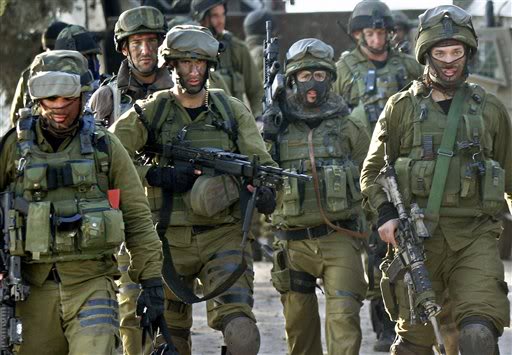
Sayeret Matkal operates as Israel's primary strategic reconnaissance and counter-terrorism unit, functioning as the nation's equivalent to the British SAS and U.S. Delta Force. The unit conducts deep reconnaissance missions and direct action operations in environments that rank among the world's most hostile, with most missions remaining completely classified under their official designation as the General Staff Reconnaissance Unit.
Given Israel's unique security situation, Sayeret Matkal remains in near-constant operational deployment, conducting both intelligence gathering and direct action missions across multiple hostile borders. The unit can't afford training cycles or downtime that Western special forces enjoy because threats are continuous and immediate. This operational tempo produces exceptional combat experience but also demands psychological resilience that selection specifically identifies.
Selection emphasizes tactical innovation and the ability to operate in small teams deep behind enemy lines with minimal support. The unit has trained alongside British SAS and U.S. Delta Force, earning respect from Western special operations communities for combat effectiveness and operational discretion that matches or exceeds allied standards. Sayeret Matkal's operational security rivals Delta Force, with very few details about capabilities or missions ever acknowledged publicly, contributing directly to their effectiveness in high-stakes operations where surprise determines success.
6. Canadian Joint Task Force 2
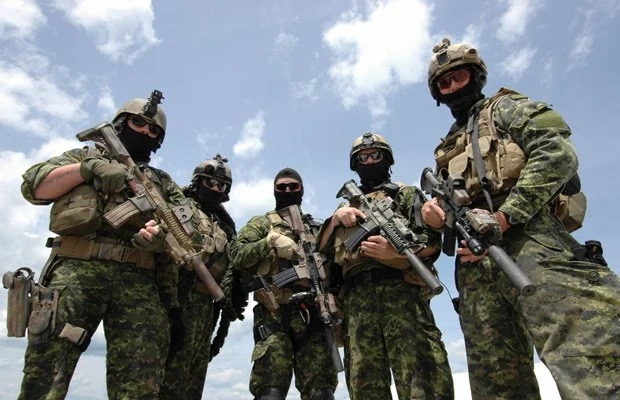
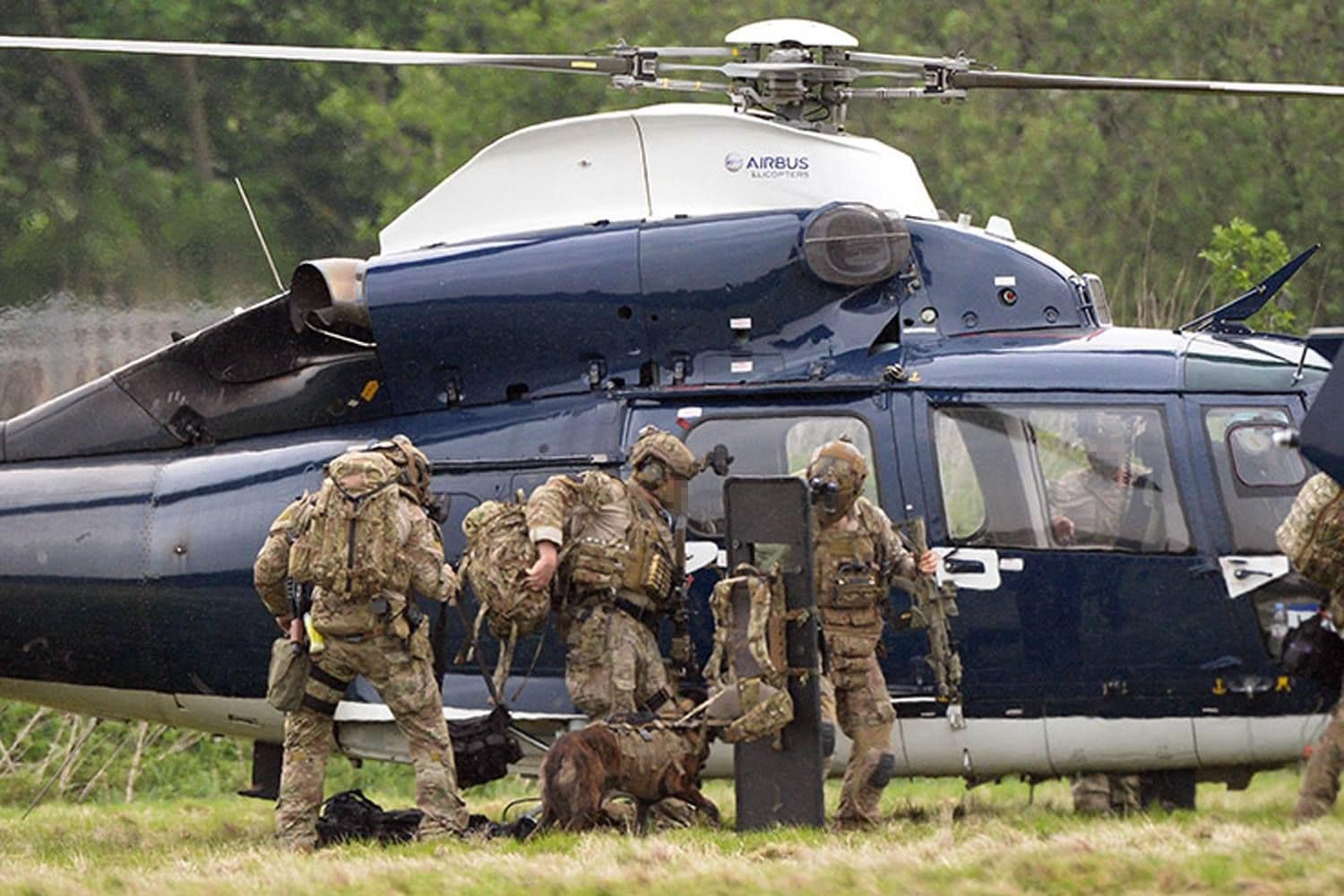
Canada's JTF2 operates as one of the most secretive yet effective special forces units in the world, with some defense analysts suggesting they may have the highest kill-per-operator ratio among Western forces based on classified operational data. The unit has conducted joint operations with British SAS and Special Boat Service during the 2011 Libyan civil war and was secretly deployed to Kosovo in October 2000, with neither mission publicly acknowledged until years later.
JTF2 operators are known for exceptional long-range marksmanship, with Canadian snipers holding multiple world records for longest confirmed kills in combat. In 2017, a JTF2 sniper achieved a confirmed kill at 3,540 meters in Iraq, breaking the previous record and demonstrating the unit's emphasis on precision long-range engagement. This capability makes them particularly valuable in counter-terrorism operations where surgical precision at extreme distances can resolve hostage situations without risking assault teams.
Despite Canada's relatively small military, JTF2 maintains standards equivalent to British SAS and U.S. Delta Force through rigorous selection and continuous training. The unit's discretion, high-level cooperation with allied forces, and zero-failure operational record place them among top-tier global operators. Their extreme operational security means very few details about missions or capabilities are ever publicly acknowledged, which directly contributes to their effectiveness in high-stakes operations where surprise and stealth determine outcomes.
7. French GIGN
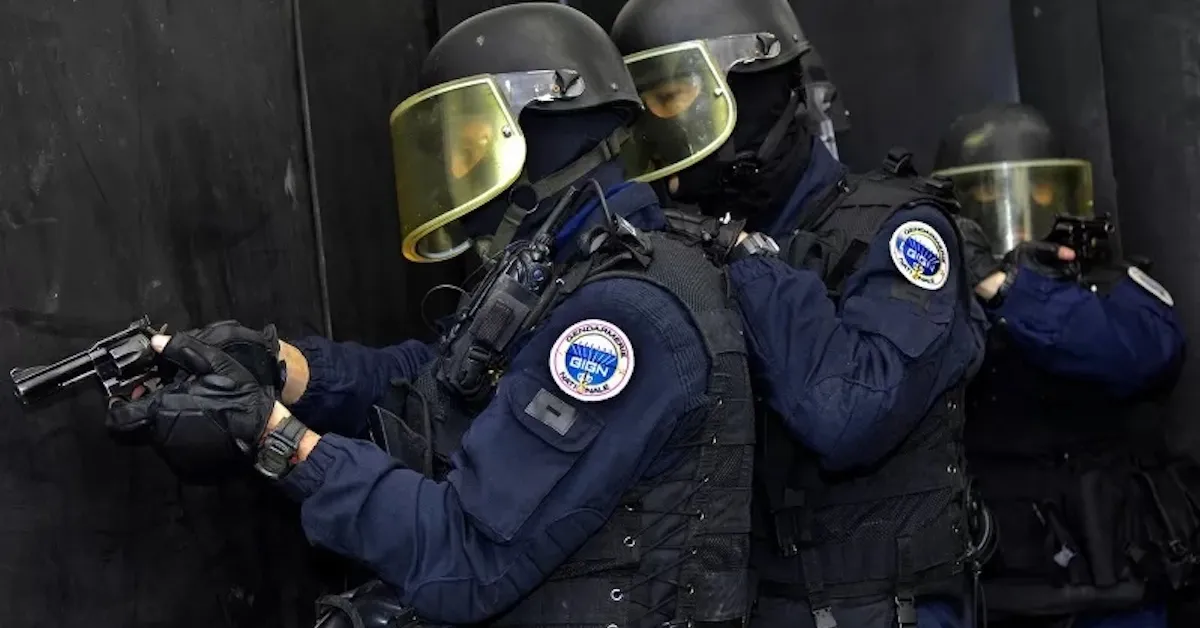
France's National Gendarmerie Intervention Group was formed in March 1974 after the 1972 Munich Olympics massacre and the 1973 Clairvaux prison mutiny exposed gaps in France's ability to handle hostage situations and terrorist threats. With approximately 380 operators, GIGN has been involved in over 1,800 missions and freed over 600 hostages across five decades of operations, establishing one of the world's most impressive operational records.
GIGN maintains one of the world's best shooting schools, producing exceptional long-range marksmen through a rigorous 14-month training program encompassing weapons mastery, airborne insertion, and survival skills in any environment. The unit achieved global recognition for the successful 1994 rescue of 166 hostages from an Air France flight hijacked by Algerian terrorists, an operation that required rapid deployment to Marseille and precise assault execution under extreme time pressure.
The unit specializes in rapid response to terrorist threats with surgical precision and speed, operating anywhere globally with expertise spanning complex hostage rescue and high-risk raids. French law protects the identities and photographs of GIGN members, maintaining operational security similar to tier-one military units despite GIGN's status as a law enforcement organization. This legal protection allows operators to conduct domestic and international operations without personal exposure, contributing to their long-term effectiveness.
8. Polish GROM
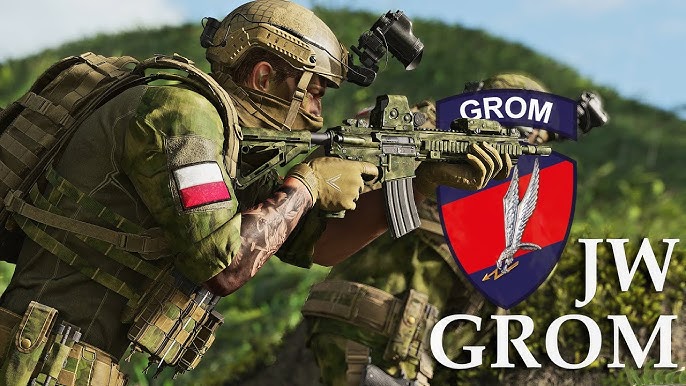
Poland's Jednostka Wojskowa GROM, whose name means "thunder," was formed in 1990 with direct assistance from U.S. and British special forces who helped establish standards equivalent to SAS, Navy SEALs, and Delta Force. Despite being one of the youngest elite units on this list, GROM quickly established itself as a world-class counter-terrorism force through operational deployments that tested their capabilities against real-world threats.
The unit has served alongside allied forces in Haiti, Iraq, and Afghanistan, earning an exceptional reputation for professionalism and combat effectiveness from Western special forces who conducted joint operations with them. In Iraq, GROM operators secured critical oil infrastructure and conducted direct action missions that American commanders considered equal to U.S. tier-one unit performance. This combat record, achieved in less than three decades, demonstrates the effectiveness of their selection and training programs.
GROM's selection includes intense psychological and physical tests designed to identify only the most resilient individuals, with operators trained in special operations, counter-terrorism, and underwater operations that mirror SAS and SEAL capabilities. Western special forces operators who have worked directly with GROM consistently rate them within the world's top-tier units, placing them in the same operational league as the British SAS and American tier-one forces despite Poland's smaller defense budget and resources.
9. Australian SASR
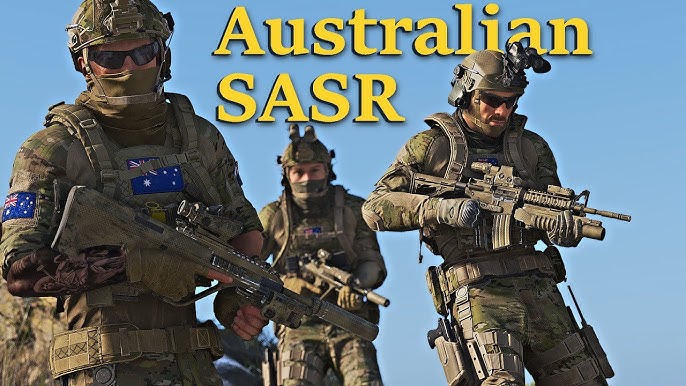
The Australian Special Air Service Regiment, active since 1957, operates as one of the Asia-Pacific region's most combat-experienced special forces, with deployment history spanning 14 major conflicts including Borneo (1965), Vietnam (1968), Cambodia (1997), Kuwait (1998), East Timor (1999), Afghanistan, and Iraq. This extensive operational record provides SASR operators with combat experience that rivals units from much larger militaries.
SASR conducts covert reconnaissance and surveillance missions with small teams, full-scale raids with larger groups, and maintains specialist counter-terrorism capabilities for domestic and regional threats. The regiment played key roles in Afghanistan's Operation Slipper and Operation Anaconda, conducting long-range reconnaissance and direct action missions in some of the conflict's most challenging terrain. Australian operators also maintain responsibility for training local allied forces and rescuing Australian nationals from hostage situations globally.
Based on the British SAS model, SASR operators undergo similarly rigorous selection and training that emphasizes long-range reconnaissance, direct action capability, and the ability to operate independently in hostile territory for extended periods. The Australian selection process at Swanbourne deliberately replicates SAS Hereford's psychological and physical demands, producing operators who can seamlessly integrate with British and American special forces during coalition operations. This interoperability, combined with decades of combat experience, establishes SASR as the premier special forces unit in the Southern Hemisphere.
10. German KSK
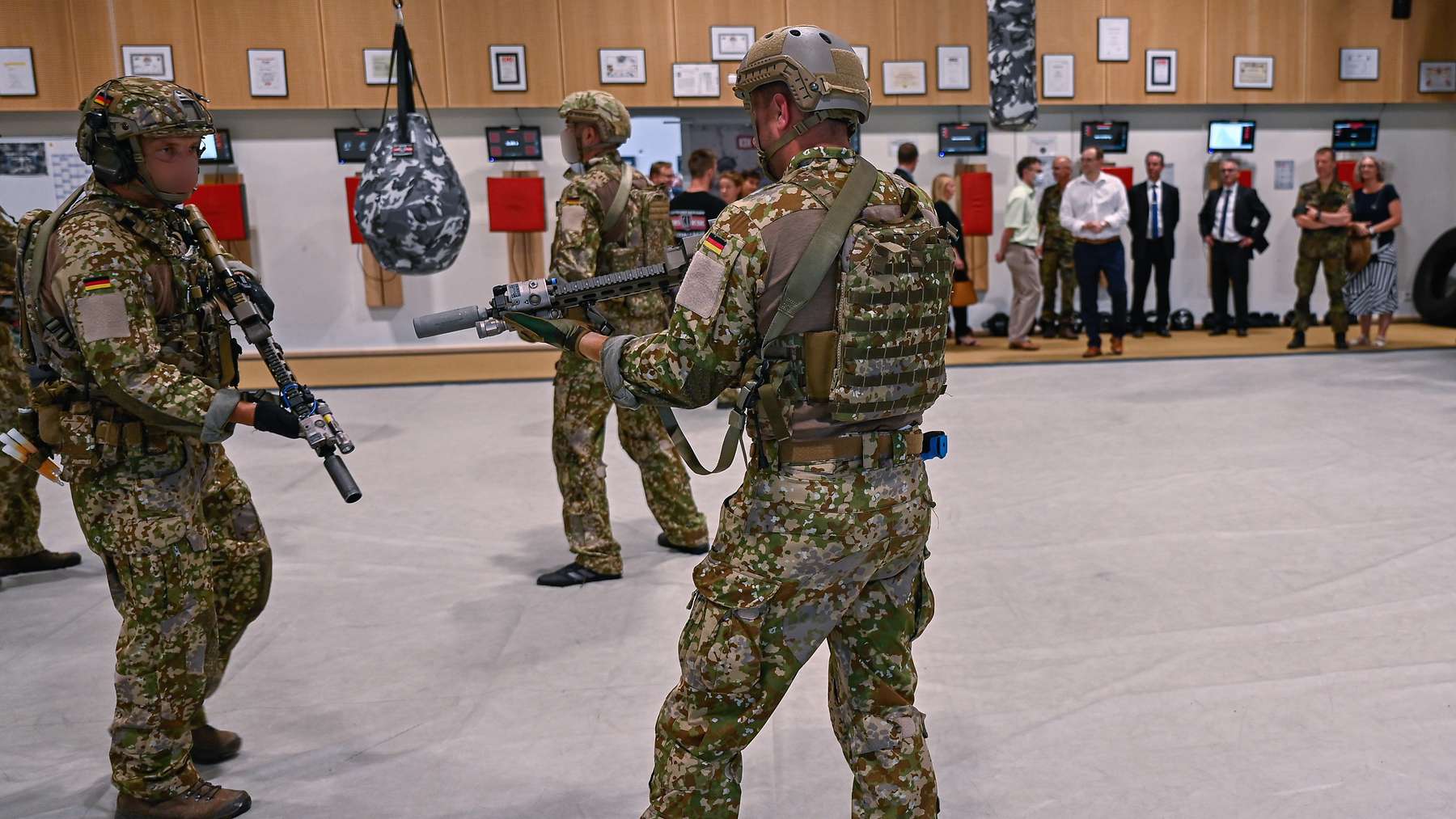
Germany's Kommando Spezialkräfte represents the nation's premier special operations capability, conducting missions requiring stealth, speed, and strategic precision while operating in tandem with NATO allied forces. The unit was developed to provide Germany with tier-one special operations capability for counter-terrorism, hostage rescue, and strategic reconnaissance missions that conventional forces cannot execute.
The KSK maintains advanced training in rigorous environments with a strict no-fail mission ethos, emphasizing rapid response and tactical superiority. Operators train relentlessly for high-risk operations and follow the "zero hesitation" operational doctrine, meaning immediate action upon mission execution without waiting for additional authorization. This decisiveness, combined with exceptional tactical skills, allows KSK to operate at the speed required for modern counter-terrorism operations.
KSK has participated in numerous NATO operations including Afghanistan and other classified missions, establishing themselves as one of Europe's most capable special forces units alongside the British SAS and French GIGN. The unit faced controversy in 2020 when extreme right-wing materials were discovered in some operators' possession, leading to the disbandment of one company and significant reforms. Despite these challenges, the KSK continues to maintain operational standards that place them among Europe's elite tier-one units, with selection and training programs designed to produce operators capable of the most demanding special operations missions.
Related Posts

Top 10 Richest Chefs in USA 2026: How They Built Culinary Empires
In recent years, the world of celebrity chefs has developed into a multi-billion dollar industry that combines culinary expertise with media savvy, entrepreneurialism, and the development of distinctive brands. In the year 2026, a number of the wealthiest chefs in the United States have not only established themselves as influential figures in the kitchen, but […] More
Top 10 Best Skaters in the World 2026: The Ultimate Showdown Awaits
As we move through 2026, a few skaters stand out for their extraordinary skills, creativity, and contributions to the sport. Here’s a look at the top 10 skaters in the world right now, each pushing the boundaries of skateboarding in their own unique way. Skateboarding has evolved into a highly dynamic sport, showcasing remarkable talent […] More

Top 10 Highest Paid Female Footballers In The World 2026: Salaries That Shocked the Industry
Top 10 Highest Paid Female Footballers In The World 2026 1. Sam Kerr One of the most notable players in women’s football is Sam Kerr, who hails from Australia and operates as a striker. Kerr has emerged as a significant personality in the sport as a result of her remarkable speed, her extraordinary ability to […] More
The Largest Oil Refineries In The World 2026: Essential Insights for Energy Stakeholders
As of the year 2026, the following is a list of the top ten largest refineries in the world, which are known for their enormous processing capacities and strategic significance. Refineries play an important part in the global energy sector because they convert crude oil into valuable products such as gasoline, diesel, and other petrochemicals. […] More
5 Comments
Join the discussion and share your thoughts