Top 10 Countries With The Best Economy In Africa 2026: The Future of African Wealth

Table of Contents
Africa's economic landscape is dynamic, marked by increasing investment, expanding populations, and a strategic positioning within global trade. As we approach 2026, understanding which nations are poised to lead this growth becomes essential for investors, policymakers, and observers alike. Our analysis focuses on the Top 10 Countries With The Best Economy In Africa 2026, examining the factors that underpin their projected economic strength and influence across the continent.
Understanding Economic Performance Metrics
Defining a "best economy" involves evaluating several key indicators beyond just sheer size. While Gross Domestic Product (GDP) is a primary measure of economic output, we also consider factors such as economic diversification, stability, growth rates, and the overall investment climate. A strong economy often exhibits resilience to external shocks, a capacity for innovation, and a commitment to policies that foster sustainable development and attract foreign capital.
Our Data Sourcing and Projections for 2026
The rankings presented in this report are based on nominal GDP projections for 2026, as compiled by Worldometers.info, which references data from the International Monetary Fund (IMF). These projections offer a forward-looking perspective on economic performance, reflecting current trends, anticipated policy impacts, and global economic forecasts. Relying on these authoritative sources ensures our assessment is grounded in credible, widely accepted economic data.
1. South Africa
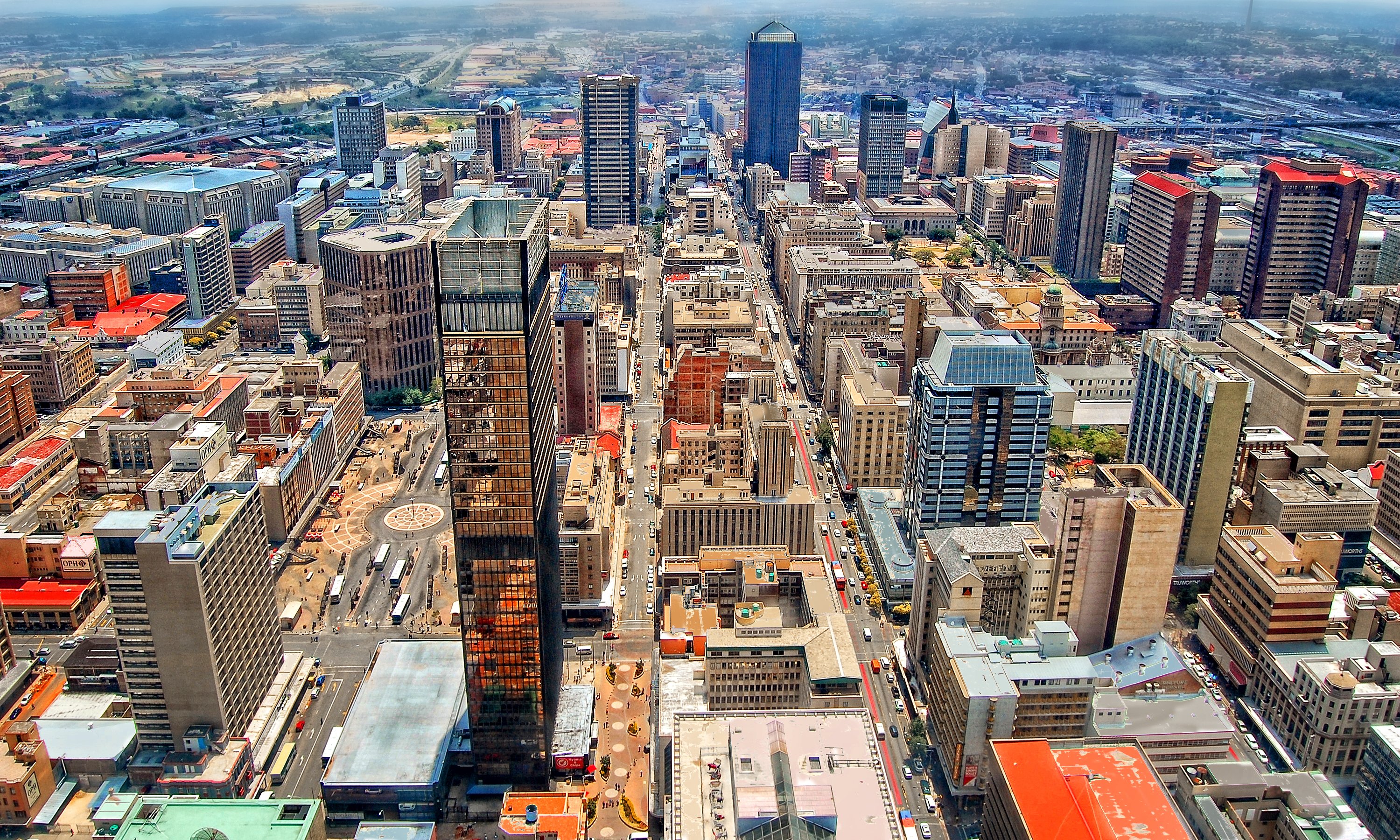
South Africa is projected to maintain its position as Africa's largest economy, with a nominal GDP expected to reach $443.64 billion by 2026, according to Worldometers.info, citing IMF data. This economic strength is rooted in a highly diversified industrial base, which includes significant contributions from mining, manufacturing, and a sophisticated financial services sector. The Johannesburg Stock Exchange (JSE) stands as the largest stock exchange on the continent, reflecting the nation's advanced capital markets and its role as a regional financial hub.
Despite facing persistent internal challenges such as high unemployment, income inequality, and infrastructure constraints, South Africa's economy benefits from robust institutions and a well-developed legal framework. Its abundant natural resources, particularly in minerals like gold, platinum, and diamonds, continue to be significant export drivers. Furthermore, the country's strategic location and well-established trade relationships with global partners contribute to its enduring economic influence within Southern Africa and across the wider continent.
2. Egypt
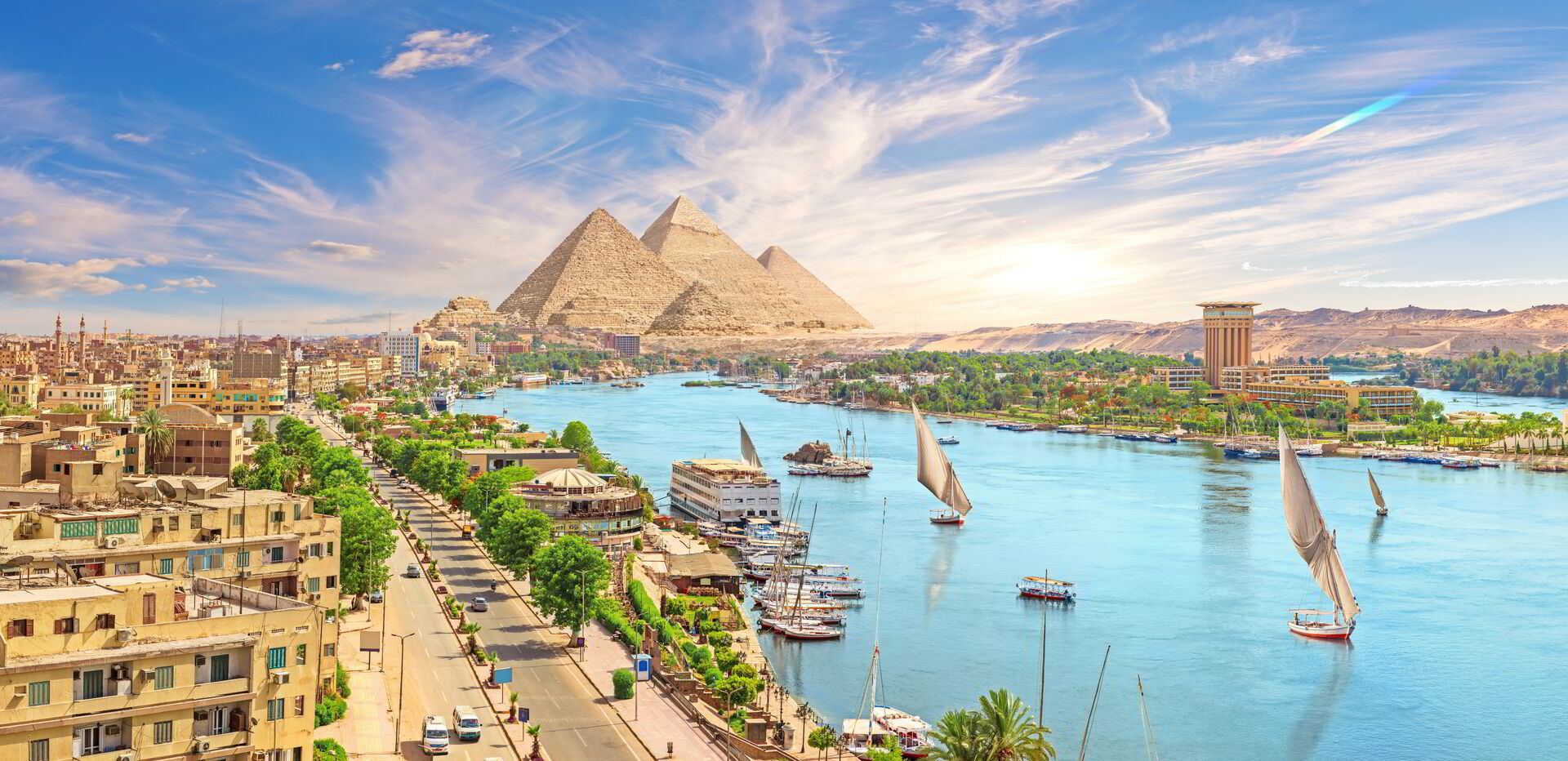
Egypt's economy is forecast to secure the second-largest position in Africa by 2026, with a nominal GDP projected at $399.51 billion. A major pillar of Egypt's economic stability and growth is the strategic Suez Canal, which generates substantial revenues from international shipping. This vital waterway facilitates global trade between Europe and Asia, making Egypt a critical player in maritime logistics and a recipient of consistent foreign currency inflows.
Beyond the Suez Canal, Egypt benefits from a large and growing population, which fuels domestic demand and supports expanding manufacturing and services sectors. The government has also pursued significant macroeconomic reforms aimed at strengthening fiscal stability, attracting investment, and diversifying the economy away from traditional sectors. These efforts, combined with ongoing infrastructure development and a burgeoning tourism industry, are expected to underpin continued economic expansion and contribute to its strong regional standing.
3. Nigeria
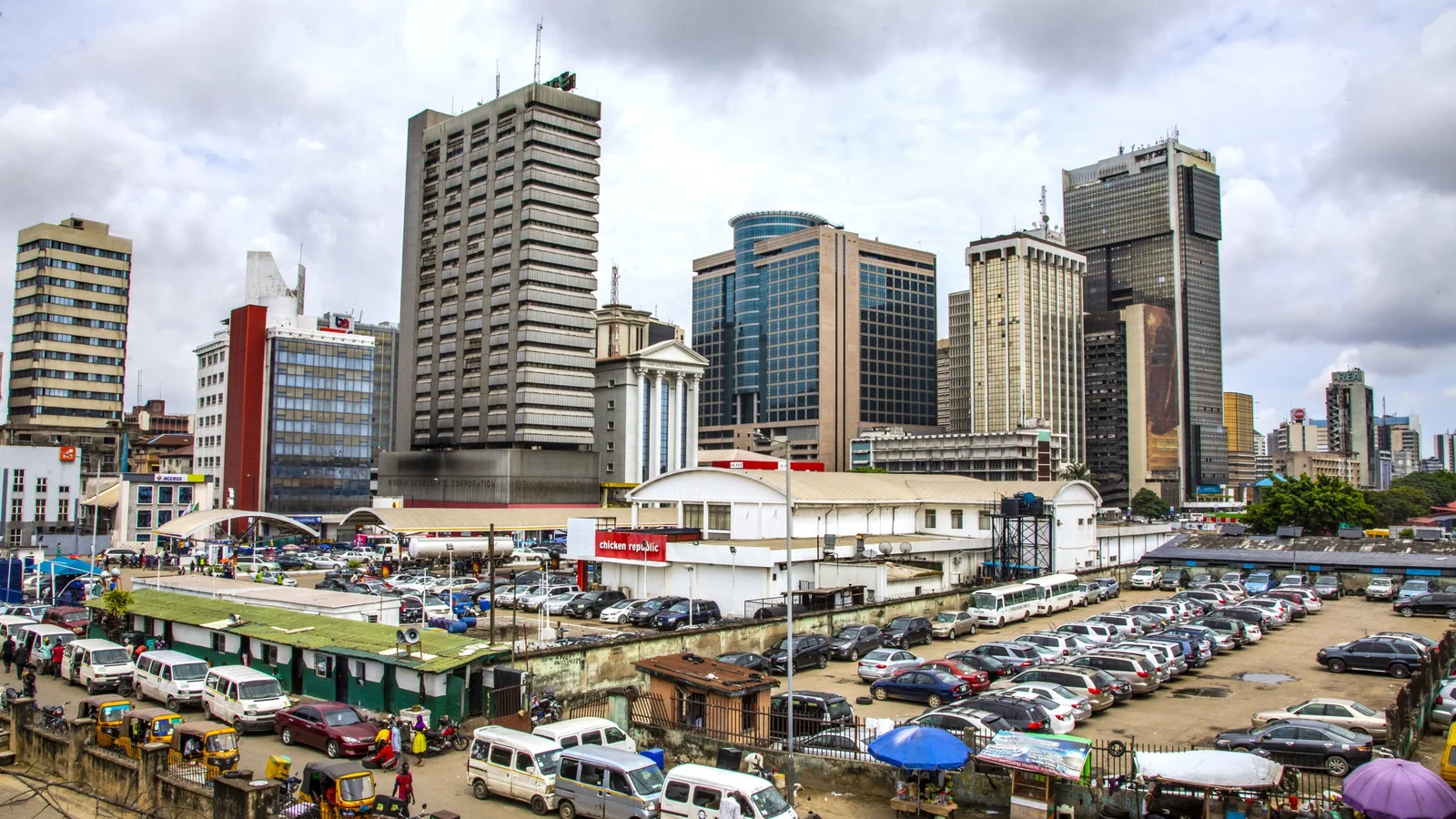
As Africa's most populous nation, Nigeria's economy is estimated to reach $334.34 billion in 2026. Historically, its economic performance has been heavily reliant on its vast oil resources, which account for a substantial portion of government revenue and export earnings. The Niger Delta region, in particular, is a key area for crude oil production, influencing global energy markets and providing significant economic leverage for the country.
Nigeria's government is actively implementing policy reforms to diversify the economy and reduce its dependence on hydrocarbons. Initiatives are underway to bolster sectors like telecommunications, technology, entertainment (Nollywood), and agriculture. However, the nation continues to navigate structural constraints, including naira volatility, foreign exchange challenges, and infrastructure deficits. Overcoming these hurdles will be crucial for Nigeria to fully realize its immense economic potential and foster more inclusive growth.
4. Algeria
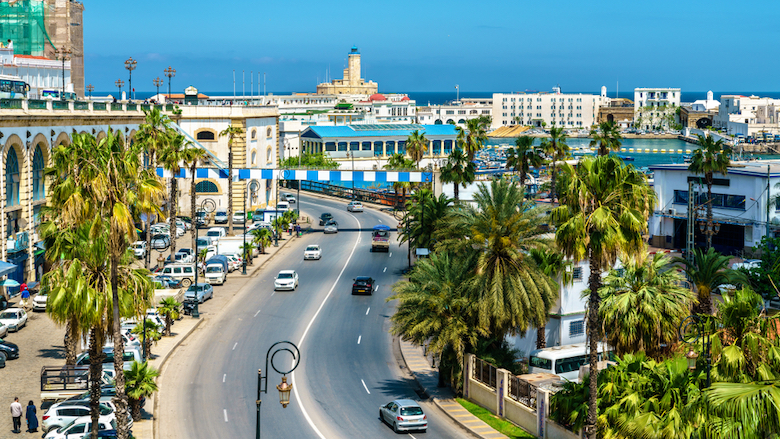
Algeria's economy is projected to reach $284.98 billion by 2026, establishing it as a dominant economic force on North Africa's western flank. The country possesses substantial oil and gas reserves, which form the bedrock of its economy, driving export revenues and government spending. Sonatrach, the state-owned oil and gas company, is a major global player, underpinning Algeria's energy sector and its overall economic stability.
Recognizing the need to reduce its heavy reliance on hydrocarbons, the Algerian government is actively pursuing reforms aimed at diversifying the economy. Efforts are focused on developing non-oil sectors such as manufacturing, agriculture, and renewable energy. These strategic investments seek to create new employment opportunities, enhance industrial capacity, and build a more resilient economic structure. The country's vast land area and strategic location also offer potential for agricultural expansion and regional trade integration.
5. Morocco
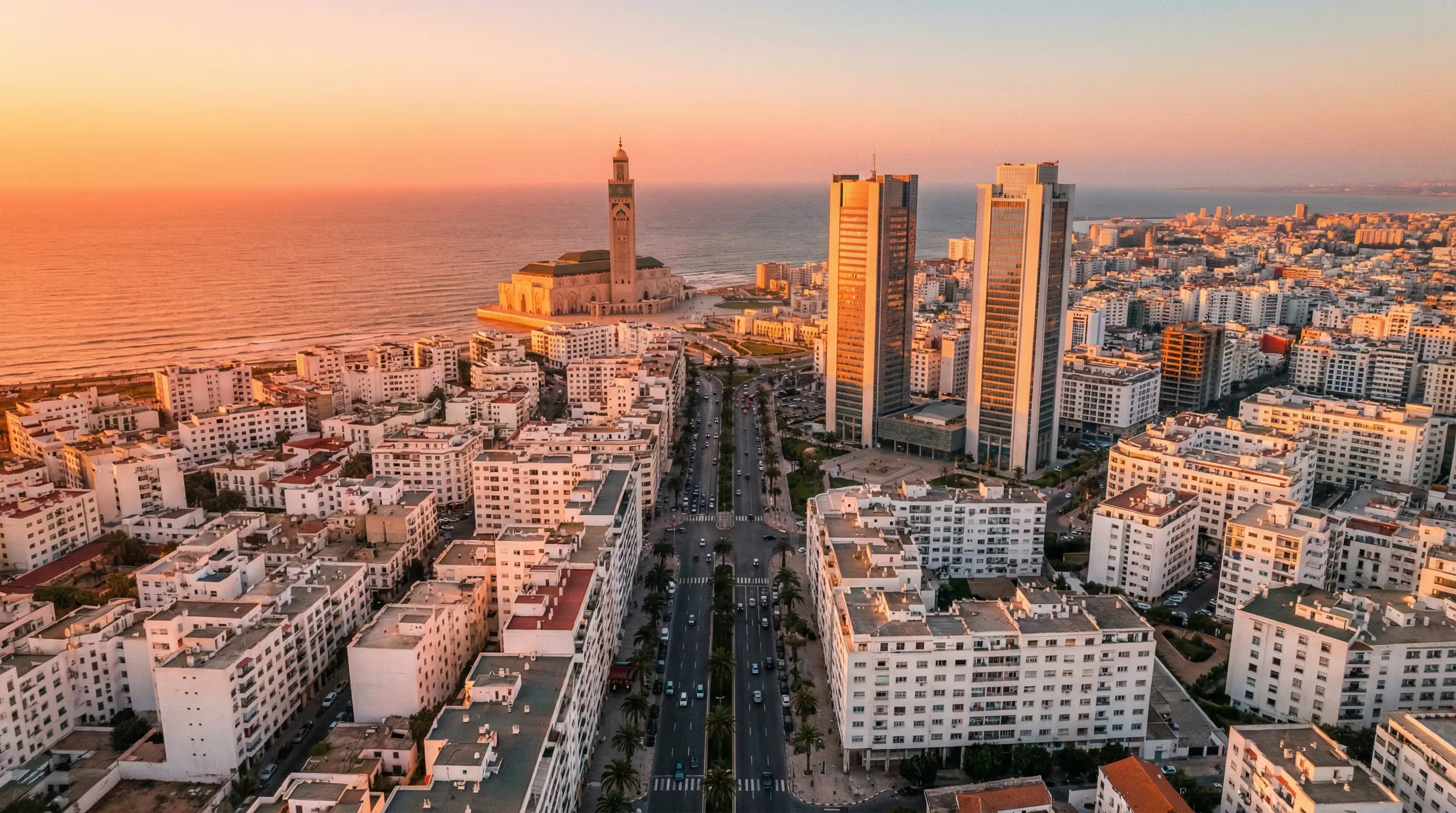
Morocco's economy is projected to reach $196.12 billion in 2026, distinguished as one of Africa's most diversified and reform-oriented economies. The Kingdom has made significant strides in modernizing its economic framework, attracting substantial foreign direct investment through a combination of political stability, a strategic geographic location, and business-friendly policies. Its proximity to Europe provides a crucial advantage for trade and investment partnerships.
Key sectors driving Morocco's growth include manufacturing, particularly in the automotive and aerospace industries, where it has established itself as a regional production hub. The country also benefits from a strong tourism sector, vibrant agriculture, and a growing renewable energy industry. Ongoing infrastructure projects, such as high-speed rail and expanded port facilities, further enhance its competitiveness and connectivity, supporting its ambition to become a gateway to Africa.
6. Kenya
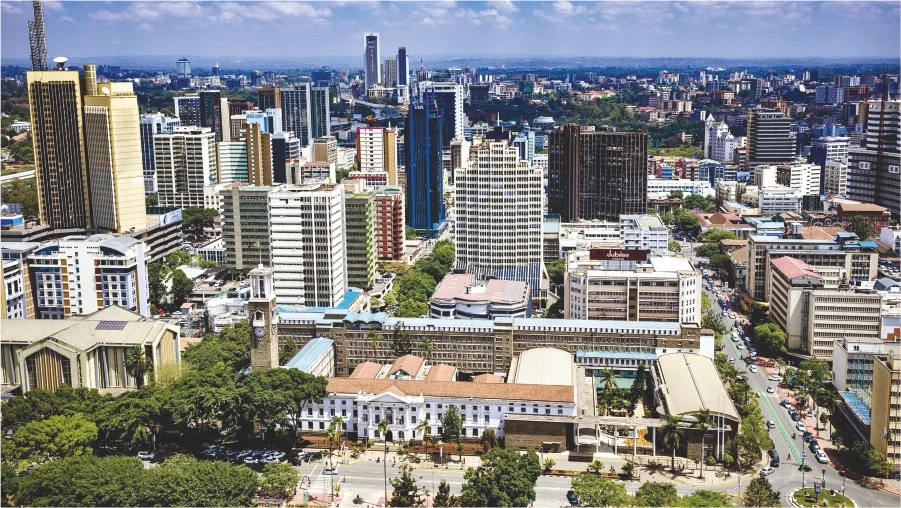
Kenya is expected to solidify its position as East Africa's economic anchor by 2026, with a nominal GDP projected at $140.87 billion. Its capital, Nairobi, serves as a vital financial, technological, and logistical hub for the entire East African region. The country has gained international recognition for pioneering mobile money solutions, notably M-Pesa, which has revolutionized financial inclusion and digital transactions across the continent.
The Kenyan economy is diverse, with significant contributions from agriculture, tourism, manufacturing, and a rapidly expanding digital sector. The government has made substantial investments in digital and transport infrastructure, including the Standard Gauge Railway and various road networks, to improve connectivity and facilitate trade. These strategic investments, coupled with a dynamic entrepreneurial spirit, position Kenya for continued growth and regional leadership.
7. Ethiopia
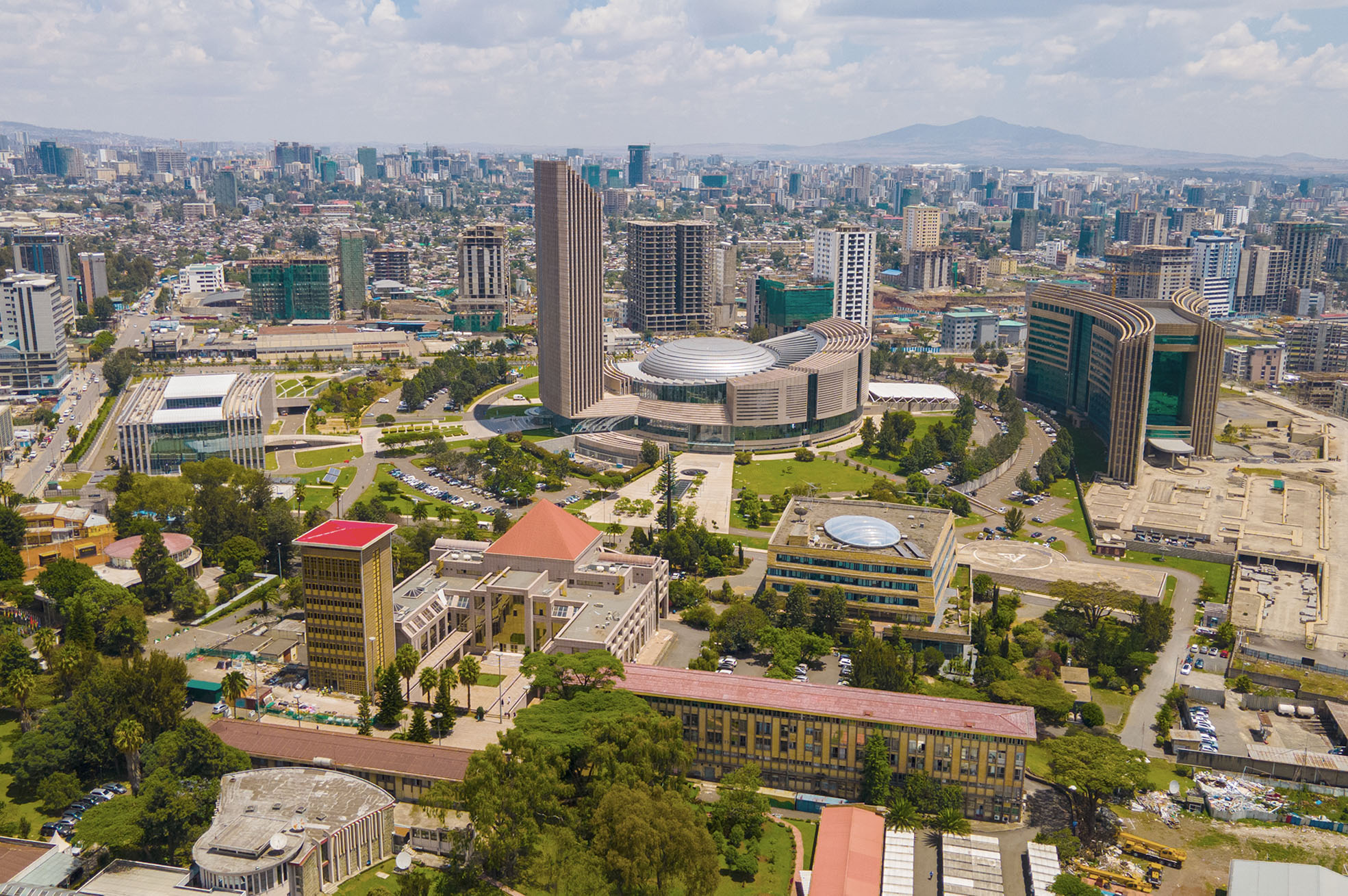
Despite experiencing recent internal conflicts, Ethiopia is projected to achieve a $125.74 billion economy in 2026, sustaining one of Africa's fastest growth rates at 7.1%. This remarkable growth is driven by its massive population, which provides a large labor force and domestic market, and its considerable manufacturing potential. The government has been pursuing ambitious industrialization policies, creating industrial parks to attract foreign investment in light manufacturing.
Transformative hydroelectric projects, such as the Grand Ethiopian Renaissance Dam (GERD), are set to significantly increase the nation's energy capacity, providing crucial power for industrial development and potentially positioning Ethiopia as a regional energy exporter. Alongside these infrastructure initiatives, the country is undertaking significant economic reforms aimed at liberalizing key sectors and fostering private sector growth. These efforts are designed to build a more resilient and diversified economy, reducing reliance on traditional agriculture and positioning Ethiopia for long-term prosperity.
8. Ghana
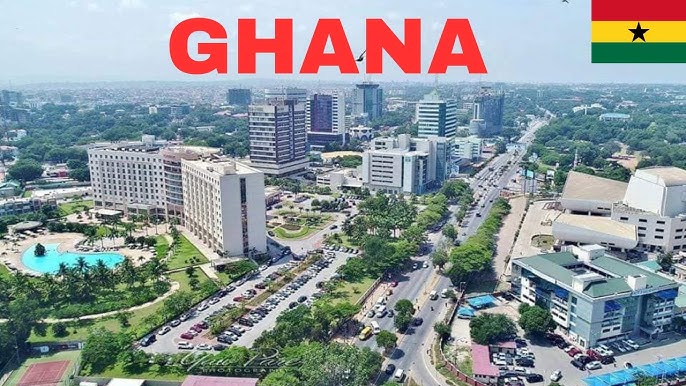
Ghana's economy is forecast to reach $113.49 billion in 2026, building on its reputation for stable democracy and a diversified economic structure. The country has successfully cultivated an environment conducive to growth, attracting foreign investment across various sectors. Its economy is characterized by significant contributions from gold mining, which makes it one of Africa's largest gold producers, and cocoa production, where it remains a global leader.
Increasingly, Ghana's rapid economic growth is being driven by non-oil sectors, reflecting successful diversification efforts. The services sector, particularly in finance and telecommunications, is expanding, alongside emerging opportunities in infrastructure development and renewable energy. The government's commitment to fiscal discipline and structural reforms aims to sustain this growth trajectory and enhance the country's overall economic resilience.
9. Côte d'Ivoire
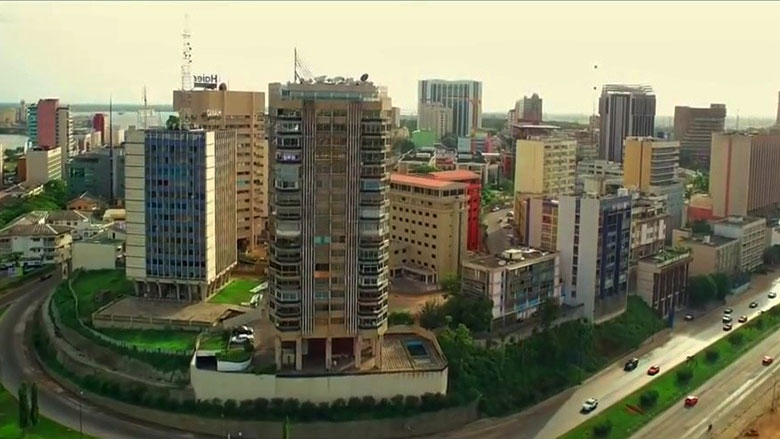
Côte d'Ivoire is projected to achieve a nominal GDP of $111.45 billion by 2026, demonstrating strong economic growth at 6.4%. The nation is steadily evolving into a regional financial services hub, leveraging its strategic position in West Africa and its robust economic performance. Historically, Côte d'Ivoire has been the world's largest producer and exporter of cocoa beans, a sector that remains a cornerstone of its economy and a significant source of export earnings.
The country's economic expansion is supported by sound macroeconomic policies, which have fostered stability and attracted investment. Sustained infrastructure investment, including improvements in transport networks and energy supply, further enhances its productive capacity. Additionally, rising oil production is complementing traditional agricultural strengths, contributing to a more diversified economic base and strengthening its overall economic outlook.
10. Angola
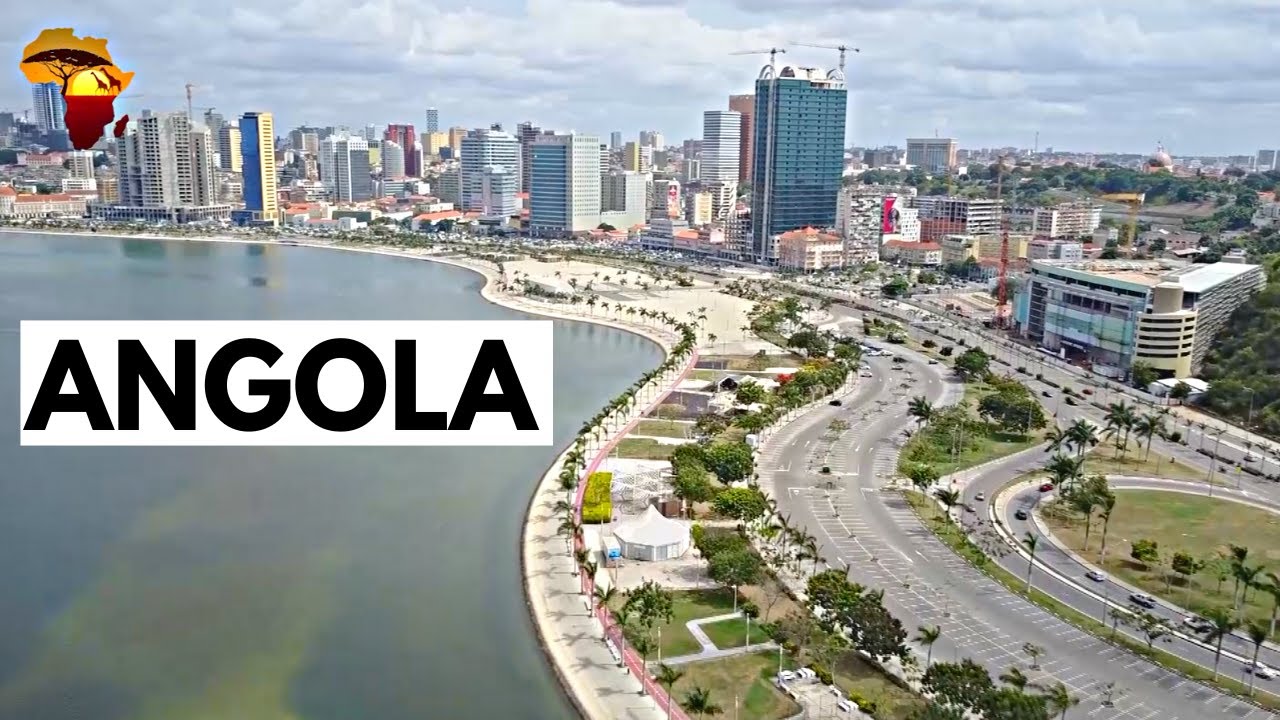
Angola's economy is estimated at $109.86 billion in 2026, with its economic landscape heavily influenced by its status as a major oil producer. Oil production accounts for a significant portion of its GDP, government revenue, and export earnings, making the economy highly susceptible to fluctuations in global oil prices. The country is the second-largest oil producer in sub-Saharan Africa, a position that provides substantial foreign exchange but also presents challenges related to economic diversification.
To address this reliance, the Angolan government is actively pursuing economic reforms and diversification strategies. These initiatives aim to reduce the significant dependence on the petroleum sector by fostering growth in non-oil industries such as agriculture, fisheries, and manufacturing. Investments in infrastructure and efforts to improve the business climate are critical components of these strategies, designed to promote more sustainable and inclusive economic growth for the long term.
The economic landscape of Africa in 2026 illustrates a continent of diverse strengths and considerable potential. The Countries With The Best Economy In Africa 2026, as projected by Worldometers.info citing IMF data, showcase a mix of established powerhouses and rapidly growing economies. From South Africa's diversified industrial base to Egypt's strategic Suez Canal revenues, and Nigeria's vast population, each nation contributes uniquely to the continent's overall economic narrative. While resource-rich countries like Algeria and Angola continue to benefit from their natural endowments, there is a clear trend towards economic diversification across the board. Nations such as Morocco, Kenya, and Ghana are demonstrating the power of strategic reforms, infrastructure investment, and burgeoning non-oil sectors. Ethiopia's sustained high growth rate, despite challenges, underscores the potential that strong demographic trends and transformative projects can unlock. As these economies continue to evolve, their collective dynamism will undoubtedly shape Africa's future role in the global economy.
Related Posts

Top 10 Female Hockey Players in 2026: Meet the Game's Brightest Stars
Women’s ice hockey has experienced significant growth and development by 2026, with players from all over the world demonstrating outstanding skill, leadership, and commitment to the sport. The following is a detailed summary of the top ten female hockey players in the world in 2026, emphasizing their contributions to the game and their impact on […] More

Top 10 Best Hospitality Schools In The World (2026 Update): Where Tomorrow's Leaders Train
The world’s top hospitality schools continue to be essential in the context of a global economy because of their emphasis on offering exceptional guest experiences and high-quality service. People who want to work in hotels and other hospitality-related fields are actively looking for educational opportunities that will equip them with the skills and knowledge they […] <a class="g1-link g1-link-more" href="https://nubiapage.com/top-10-best-hospitality-schools-in-the-world-2024-up

Top 10 Greatest Packer Players in the World 2026: Surprising Picks & Legends
The Green Bay Packers, which are considered to be one of the most illustrious franchises in the history of the National Football League, have, throughout its existence, boasted a roster of remarkable talent. The history of the Packers is filled with players that have stood out for some reason, whether it be their iconic Super […] More

Top 10 Biggest Concert Stadiums In The World 2026
In 2026, the world of concert venues includes some of the biggest and most famous stadiums, known for hosting huge crowds and providing live music experiences that are unmatched. The following is a list of the ten largest concert stadiums in the world: List Of Top 10 Biggest Concert Stadiums In The World 2026 1. […] More
4 Comments
Join the discussion and share your thoughts