Top 10 Cheapest Online Shopping Sites In The World 2026


Table of Contents
For shoppers looking to stretch their budgets further in 2026, finding genuinely affordable online marketplaces has become more important than ever. The global e-commerce landscape continues to shift, with platforms competing fiercely on price, shipping speed, and product variety. This ranking takes into account average price levels across major product categories, the frequency and depth of discounts, the breadth of inventory, and user satisfaction data from consumer forums and retail analysts. We also weighed factors like shipping costs, return policies, and the consistency of low pricing rather than just promotional flash sales. The result is a list of ten platforms where bargain hunters can consistently find the lowest prices on everything from fashion and electronics to home goods and accessories.
The Top 10 Cheapest Online Shopping Sites In The World 2026:
1. Temu

Temu has rapidly established itself as the dominant force in ultra-low-price online shopping. Operated by PDD Holdings, the same parent company behind Pinduoduo, Temu launched in the United States in late 2022 and expanded globally at a pace that surprised even seasoned retail analysts. By 2026, it has become the default destination for shoppers seeking rock-bottom prices on a vast array of goods.
The platform's business model revolves around direct-from-manufacturer sourcing, heavy subsidies, and aggressive coupon stacking that often reduces already low prices by an additional 30 to 50 percent. Temu's catalog spans apparel, home goods, electronics, pet supplies, beauty products, and automotive accessories. What sets it apart is the sheer consistency of low pricing. While other platforms might offer deep discounts on select items during sales events, Temu maintains low margins across nearly its entire inventory year-round.
Shoppers frequently report finding identical products on Temu at prices 40 to 70 percent lower than on mainstream retail sites. The platform also offers free shipping on orders above a modest threshold, typically around $10, and a generous 90-day return policy that reduces the risk of buying sight unseen. For budget-conscious consumers in 2026, Temu represents the current ceiling of how cheap online shopping can be without sacrificing selection breadth.
2. AliExpress
AliExpress, a subsidiary of the Alibaba Group, remains a cornerstone of global bargain shopping. The platform connects consumers directly with Chinese manufacturers and wholesale suppliers, cutting out the layers of distribution that inflate prices in traditional retail. In 2026, AliExpress continues to host millions of sellers competing against each other, which naturally drives prices downward across virtually every product category.
The platform is especially strong in consumer electronics, phone accessories, home improvement tools, and fashion accessories. A smartphone case that might cost $20 at a local electronics store can often be found on AliExpress for $2 to $4, including shipping. The trade-off has always been delivery time, with standard shipping taking two to four weeks to most destinations. However, AliExpress has improved its logistics network significantly, and many sellers now offer faster shipping options through Cainiao, Alibaba's logistics arm, for a small fee.
Flash sales and coupon campaigns are a constant feature, with major shopping events like the AliExpress 11.11 Global Shopping Festival in November offering some of the deepest discounts of the year. The platform's buyer protection program also provides a layer of security, holding payments until the buyer confirms receipt and satisfaction. For shoppers willing to plan ahead and wait for international delivery, AliExpress remains one of the cheapest options available in 2026.
3. SHEIN
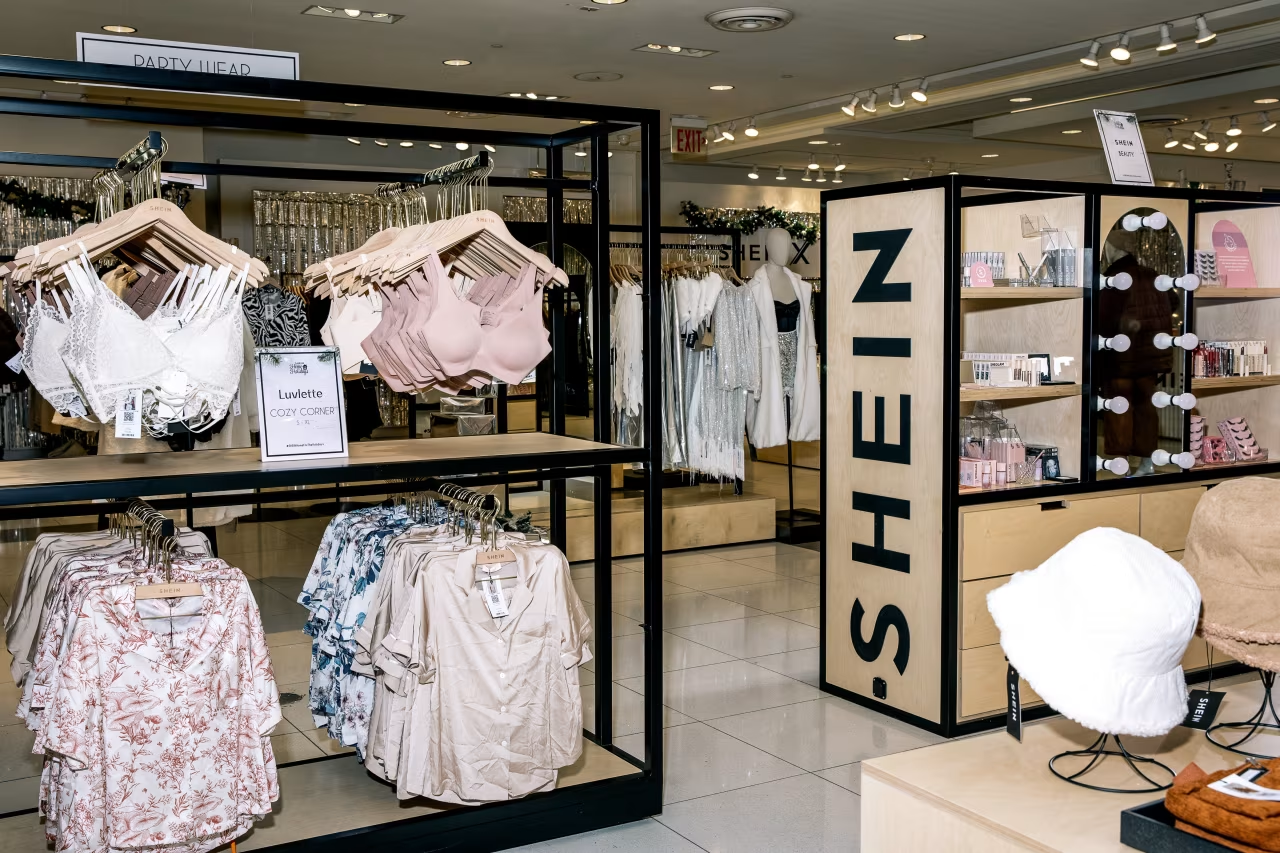
SHEIN has transformed the fast-fashion industry with a pricing model that traditional retailers struggle to match. The company's data-driven approach to inventory management means it produces small batches of thousands of new styles daily, testing demand before committing to larger production runs. This reduces overstock waste and keeps prices exceptionally low.
In 2026, SHEIN remains the go-to platform for ultra-cheap clothing, particularly for women's fashion, basics, and accessories. A dress that might cost $40 to $60 at a mall retailer can often be found on SHEIN for $8 to $15. The quality varies, as one would expect at these price points, but the platform has made noticeable improvements in fabric and construction over the past few years in response to customer feedback.
SHEIN's pricing strategy relies on constant markdowns, loyalty points, and a gamified reward system that encourages repeat purchases. The SHEIN app also features live-streamed shopping events with exclusive discounts. For fashion-forward shoppers on a tight budget, SHEIN offers an unmatched combination of trend speed and low cost. The platform has also expanded into home goods, beauty products, and pet accessories, though its core strength remains apparel.
4. Wish

Wish pioneered the mobile-first, discovery-based shopping experience that many competitors have since adopted. The platform curates a feed of low-cost products from international sellers, with an emphasis on impulse-buy items priced under $20. In 2026, Wish continues to attract bargain hunters looking for deals on gadgets, accessories, home decor, and novelty items.
The platform's pricing is built around direct sourcing and a focus on lesser-known brands that offer lower price points than established names. Wish also uses gamified features like spin-to-win discounts and flash sales that create a sense of urgency and reward engagement. However, shoppers should be aware that Wish's product quality and shipping times can be inconsistent. Many items take three to six weeks for delivery, and the actual product may differ from the listing photos.
Despite these drawbacks, Wish remains a legitimate destination for extreme budget shopping. The key is to read reviews carefully, check seller ratings, and manage expectations. For shoppers who approach it with caution, Wish can deliver genuine bargains that are hard to find elsewhere. The platform has also improved its return process and customer service in recent years, addressing some of the complaints that plagued it earlier in its history.
5. Banggood
Banggood occupies a specific niche in the discount online shopping world: it is the platform of choice for hobbyists, makers, and tech enthusiasts who need affordable electronics, tools, and gadgets. The site is particularly strong in the RC hobby category, 3D printing supplies, drone accessories, and DIY electronics components.
What distinguishes Banggood from other Chinese marketplaces is its investment in regional warehouses. The company operates fulfillment centers in the United States, Europe, and Australia, which allows for much faster shipping on popular items. A product stored in a local warehouse can arrive in three to seven days, compared to the three to four weeks typical of direct-from-China shipping. This speed advantage makes Banggood a more practical option for shoppers who need items quickly but still want low prices.
Banggood's pricing is consistently competitive, especially during its flash sale events and coupon campaigns. The platform also offers a points-based rewards system and a "Lucky Draw" feature that provides additional discounts. For electronics and gadgets specifically, Banggood frequently undercuts both Amazon and AliExpress, making it a top destination for tech bargain hunters in 2026.
6. Joom

Joom is a mobile-centric marketplace that has carved out a loyal following in Europe and parts of Asia. The app presents a curated, visually appealing shopping experience that feels more like a social media feed than a traditional e-commerce site. This approach has resonated particularly well with younger shoppers who value convenience and discovery.
The platform sources products directly from manufacturers, primarily in China, and offers them at prices that are competitive with AliExpress and Wish. Joom's strength lies in everyday low-cost items: accessories, beauty products, home organization tools, and novelty merchandise. Shipping is often free, and the app frequently runs promotions like "Live Shopping" events where hosts showcase products with real-time discounts.
Joom also offers a feature called "Joom Coins," which users earn through purchases and engagement, then redeem for discounts on future orders. This loyalty mechanism encourages repeat shopping and can significantly reduce costs over time. While Joom's catalog is smaller than the largest marketplaces, its focus on curation means shoppers spend less time sifting through low-quality listings. For mobile shoppers in regions where Joom has a strong logistics presence, it is one of the cheapest and most convenient options available.
7. LightInTheBox
LightInTheBox has been a fixture in the cross-border discount shopping space for over a decade. The platform offers a broad selection of apparel, home goods, electronics, and specialty items like wedding attire and costumes. Its longevity in the market speaks to its ability to maintain low prices while building a degree of trust with international consumers.
The site is particularly well-known for its wedding and eventwear category, where brides and bridesmaids can find dresses at a fraction of the cost of traditional bridal boutiques. LightInTheBox also offers custom sizing options for many garments, which adds value for shoppers who might otherwise need expensive alterations. Prices on home accessories, decor items, and small electronics are consistently low, often matching or beating AliExpress on comparable products.
LightInTheBox has invested in better product photography and more detailed size guides, addressing two of the most common complaints about online discount shopping. Shipping times remain a consideration, with standard delivery taking two to three weeks to most destinations. However, the platform offers expedited options at checkout. For shoppers who value reliability and customer service alongside low prices, LightInTheBox remains a solid choice in 2026.
8. Cider

Cider has emerged as a strong competitor in the affordable fashion space, targeting a demographic that wants trendy, Instagram-ready clothing without the price tag of traditional fast-fashion brands. The platform focuses on women's fashion, with an emphasis on capsule collections, coordinated sets, and on-trend silhouettes.
What sets Cider apart from SHEIN and Boohoo is its aesthetic curation. The site feels more like a boutique than a massive discount warehouse, with cohesive styling and editorial-quality product photos. Prices are still very low, typically ranging from $5 to $30 for most items, but the presentation suggests a higher perceived value. Cider also offers a "Cider Community" feature where shoppers can post outfit photos and earn rewards, building a sense of brand loyalty that encourages repeat purchases.
The platform's pricing strategy relies on small-batch production and direct-to-consumer sales, avoiding the markups of wholesale distribution. Frequent sales, bundle discounts, and a referral program further reduce costs. While Cider's catalog is narrower than the major general marketplaces, its focused approach to affordable fashion makes it a favorite among style-conscious budget shoppers in 2026.
9. Boohoo
Boohoo is a UK-based fast-fashion retailer that has built a global following through aggressive pricing and relentless promotion. The site offers thousands of clothing items, accessories, and beauty products, with new arrivals added daily. Boohoo's pricing model relies heavily on sales cycles, with discounts of 30 to 70 percent off list prices being a near-constant feature.
The platform targets a young, trend-driven audience with categories ranging from going-out outfits to loungewear and activewear. Boohoo also operates several sub-brands, including BoohooMAN for men and BoohooPlus for extended sizes, expanding its reach across demographics. Student discounts, first-purchase offers, and clearance sections provide additional opportunities for savings.
One of Boohoo's advantages is its fast shipping within the UK and Europe, where it operates its own distribution network. International shipping is also available, though delivery times and costs vary by region. The quality of Boohoo's clothing is typical of the fast-fashion segment: acceptable for the price but not built for longevity. For shoppers who prioritize low cost and trend variety over durability, Boohoo remains a go-to destination in 2026.
10. Stradivarius
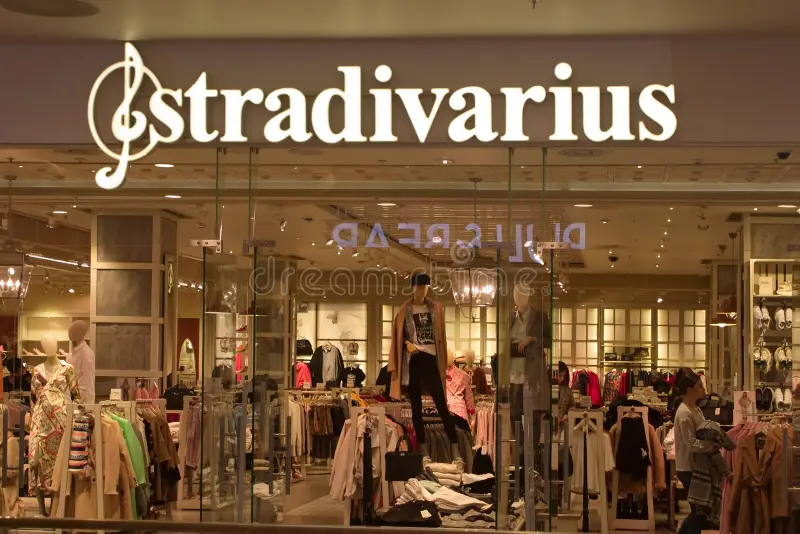
Stradivarius rounds out our list as a budget fashion brand under the Inditex umbrella, the same parent company as Zara. While Stradivarius is not an ultra-discount marketplace like Temu or AliExpress, it offers competitive pricing on trend-led women's fashion with a level of quality and consistency that the pure discount platforms often lack.
The brand focuses on seasonal collections that rotate frequently, keeping the online store fresh and aligned with current fashion trends. Prices are accessible, typically ranging from $10 to $40 for most items, with regular markdowns during sales periods. Stradivarius also offers a strong online shopping experience with free returns on many orders, reducing the risk of buying clothes without trying them on.
What Stradivarius lacks in absolute rock-bottom pricing, it makes up for in reliability and brand trust. Shoppers know what to expect in terms of sizing, fabric quality, and fit, which is not always the case on the more chaotic discount marketplaces. For fashion shoppers who want affordable clothing without the gamble of inconsistent quality, Stradivarius represents a sensible middle ground. It is the most expensive option on this list, but its value proposition is strong when quality and consistency are factored into the equation.
These ten platforms represent the best options for budget-conscious online shoppers in 2026. Each has its strengths and weaknesses, and the right choice depends on what you are buying, how quickly you need it, and how much risk you are willing to accept on quality and sizing. For the absolute lowest prices across the broadest range of products, Temu leads the pack. For specialized needs like fashion, electronics, or hobby supplies, the other platforms on this list offer targeted value that can be even more compelling.
Related Posts




9 Comments
Join the discussion and share your thoughts