Top 10 Best Text To Video AI Tools In The World 2026

Table of Contents
By 2026, the landscape of text-to-video AI has matured into a competitive ecosystem where specialized tools serve distinct professional needs. The days of one-size-fits-all generators are over. Instead, creators, advertisers, and enterprise teams now choose from a suite of platforms that excel in specific areas: commercial control, cinematic realism, narrative storytelling, or avatar-driven corporate content. Our analysis of the top 10 best text-to-video AI tools in 2026 reveals a market that has settled into clear tiers, with each leader offering something the others cannot match.
We have evaluated these tools based on output quality, controllability, speed, ecosystem integration, and real-world adoption metrics. The rankings below reflect the consensus from industry testing, user feedback, and revenue data available as of mid-2026.
Our Selection Process
We ranked these tools on five weighted factors: visual fidelity and realism, prompt adherence and control, generation speed and workflow efficiency, ecosystem integration (including native audio and multi-shot capabilities), and market adoption (measured by revenue, user base, and enterprise usage). Our data draws from hands-on testing, published expert reviews, and publicly reported business metrics from the first half of 2026. We prioritized tools that demonstrate consistent, production-ready output over experimental or niche alternatives.
The Top 10 Best Text To Video AI Tools In The World 2026:
1. Seedance 2.0
ByteDance's Seedance 2.0, accessed through Seed.ai, has emerged as the strongest AI video model for commercial content in 2026. Multiple expert reviews place it at the top for advertising and brand work, and for good reason. The model accepts detailed shot-list style prompts that specify camera moves, character actions, and scene composition, and it follows those instructions with unusual reliability. That level of controllability is rare in AI video generation, where models often interpret prompts loosely.
Seedance 2.0 supports up to 12 visual and style references in a single generation, allowing agencies to maintain brand consistency across clips. It also produces native audio in one pass, eliminating the separate audio-syncing step that slows down competing pipelines. The output is less experimental visually than some alternatives, but it is highly consistent. For any team producing polished, on-brand video content at scale, Seedance 2.0 is the current gold standard.
2. Google Veo 3.1
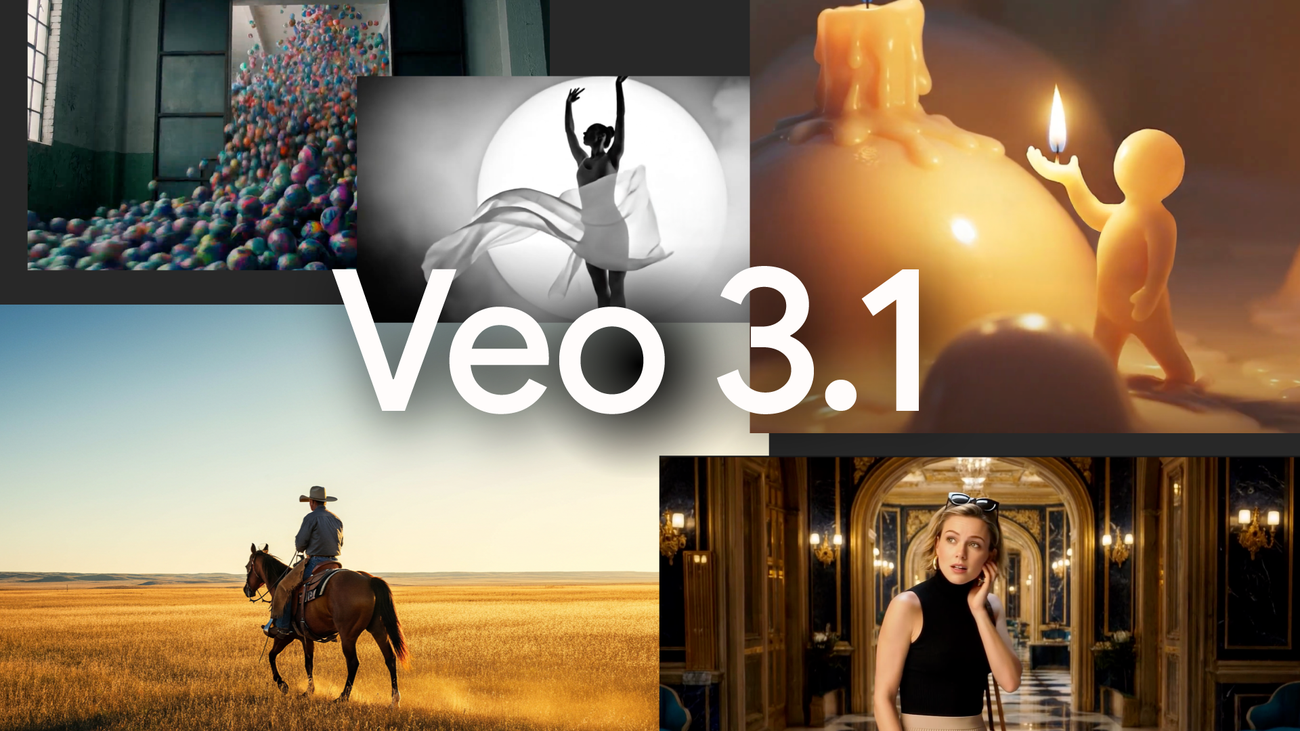
Google DeepMind's Veo 3.1 is repeatedly described as producing the most realistic AI video available in 2026. The model excels at believable motion physics, environmental lighting, and camera behavior. When we tested it, the footage reads as filmed rather than generated, a distinction that matters for high-end filmmaking and advertising.
Veo 3.1 ships native audio across all its quality tiers - Lite, Fast, and Quality - meaning users do not sacrifice audio fidelity for speed. It is accessible through Gemini, Google Flow, and Google Vids under the Google AI Pro subscription. Like Seedance, it performs best with detailed, shot-list style prompts, making it a strong choice for filmmakers and advertisers who need photorealistic output. Experts consistently place it as the realism leader, just behind Seedance 2.0 in overall commercial usability.
3. Kling AI 3.0
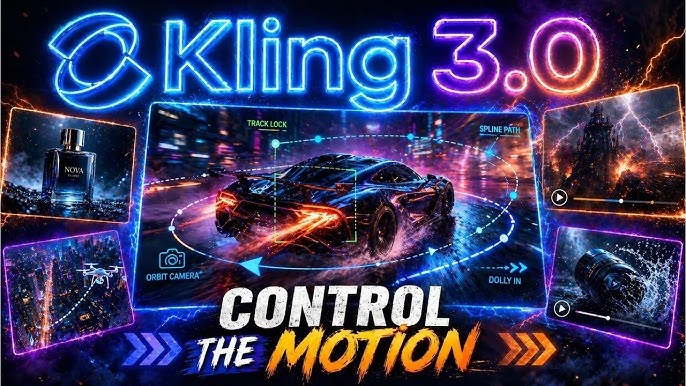
Kling 3.0 is recognized as the strongest model for stylized, story-driven video. It emphasizes atmosphere and composition rather than strict realism, which makes it a favorite for music videos, fashion campaigns, and cinematic concept pieces. The model can generate multi-shot sequences of up to six connected scenes in a single pass, a capability that few competitors match.
The platform supports 4K output, and its adoption numbers are staggering. Industry reports indicate Kling AI reached approximately $240 million in annual recurring revenue and over 60 million creators by 2026. That scale reflects its deep penetration into the creator ecosystem. Kling also offers a generous free-credit system - 66 daily credits in 2026 - for web and mobile users, making high-end video generation accessible to a broad audience. Industry comparisons consistently put it in the top tier, just after Seedance and Veo, especially for stylized and narrative use cases.
4. Gemini Omni Filmmaking
Google's Gemini Omni filmmaking tools, exposed through Google Vids and Flow, represent the best integrated filmmaking environment for AI video in 2026. Instead of generating only single clips, this system can build sequences - storyboards, shot lists, and multiple connected shots - from one coherent prompt. That capability supports script-to-screen workflows in ways that single-clip generators cannot.
Being part of the Gemini ecosystem, it ties directly into scriptwriting, planning, and editing tools, reducing friction for creators working inside Google's productivity stack. Expert testing in 2026 names it the top tool in the "filmmaking tool" category, though its raw image realism is judged slightly behind Veo 3.1 and Seedance 2.0. For teams that need to move from concept to rough cut quickly, Gemini Omni is the most cohesive option available.
5. Hailuo 2.3
MiniMax's Hailuo 2.3, available through platforms like Media.io, is highlighted for its high-speed generation and strong handling of fluid motion and physics. It is particularly well-suited to dynamic scenes - sports, action, product shots with complex movement - where other models sometimes produce jittery or unnatural results.
Hailuo offers daily trial credits, allowing creators to test and iterate quickly without heavy upfront costs. Reviews of 2026 AI video models place Hailuo among the notable tools outside the top trio, especially valued for fast turnaround and smooth motion quality. For speed-sensitive production environments where every minute counts, Hailuo 2.3 delivers competitive visual quality with faster generation times.
6. WAN 2.6
WAN 2.6 is an advanced open-source text-to-video model known for its flexibility and permissive prompt space. It gives creators more freedom for experimental and unrestricted content, which makes it attractive for developers, researchers, and indie creators who want full control over the generation process.
The model is accessible through platforms like Hugging Face and Atlas Cloud with community free tiers. Expert breakdowns describe WAN 2.6 as one of the top three models outside the "big trio" of Seedance, Veo, and Kling, notable for its open-source nature and solid prompt adherence. While it generally trails those leaders on polish and consistency, it is a leading choice in the open-source and tinkering segment. For anyone who wants to modify the model itself or generate content that might be restricted on commercial platforms, WAN 2.6 is the best option.
7. Luma Dream 2.5
Luma AI's Dream 2.5 specializes in cinematic shorts and fast-paced, visually striking clips often used for action edits and meme-style content. The tool supports fully generative video from text or images and is frequently recommended for creators seeking dramatic camera moves and stylized visuals.
In 2026 it offers approximately 30 free renders per month, which is attractive for regular but not heavy users. Comparison guides widely praise its cinematic capabilities, yet it sits slightly behind the top four models in control and realism. For creators who prioritize visual drama over strict prompt adherence, Luma Dream 2.5 remains a strong choice.
8. Pika 2.5
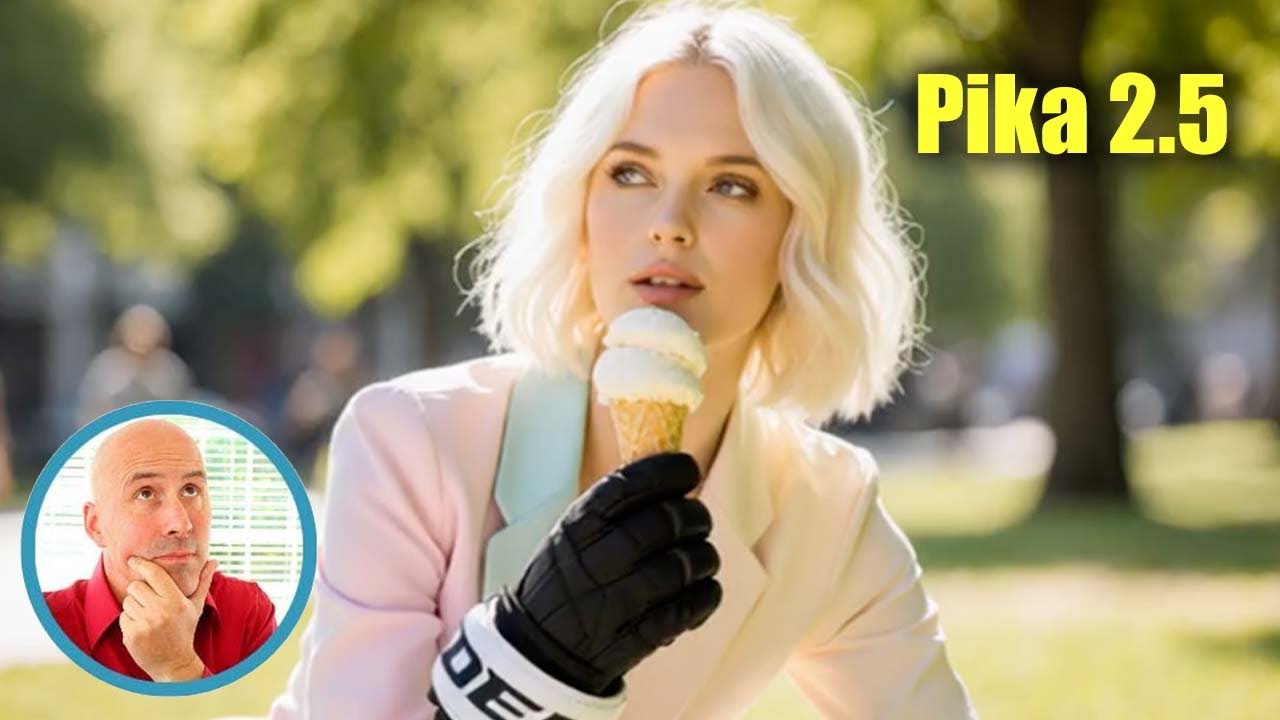
Pika 2.5 is a creator-focused text-to-video platform known for its playful "Pikaffects" and easy meme-style editing that resonates on social platforms. It favors rapid iteration and creative visual effects over ultra-high resolution, making it ideal for TikTok, Reels, and short-form viral content.
With roughly 80 free credits per month in 2026, users can experiment extensively before paying. Expert tests place it among the top 10 generators for creative, viral content, though its resolution and control are typically ranked below premium cinematic tools like Seedance, Veo, and Kling. For social media managers and content creators who need to produce volume quickly, Pika 2.5 is a reliable workhorse.
9. HeyGen
HeyGen focuses on AI avatar and talking-head business videos, targeting marketing, training, and corporate communications. It allows users to generate realistic spokesperson videos from text scripts, with lip-synced avatars localized into multiple languages. That capability is valuable for global enterprises that need to produce consistent video content across markets.
As of 2026, HeyGen provides a limited free plan - roughly three videos per month at 720p - that lets organizations trial its capabilities before scaling up. Industry roundups consistently identify it as one of the leading avatar-centric tools, though it is narrower in scope than fully general text-to-video models. For any business that needs a reliable, scalable way to produce presenter-led video, HeyGen is the top choice.
10. Synthesia
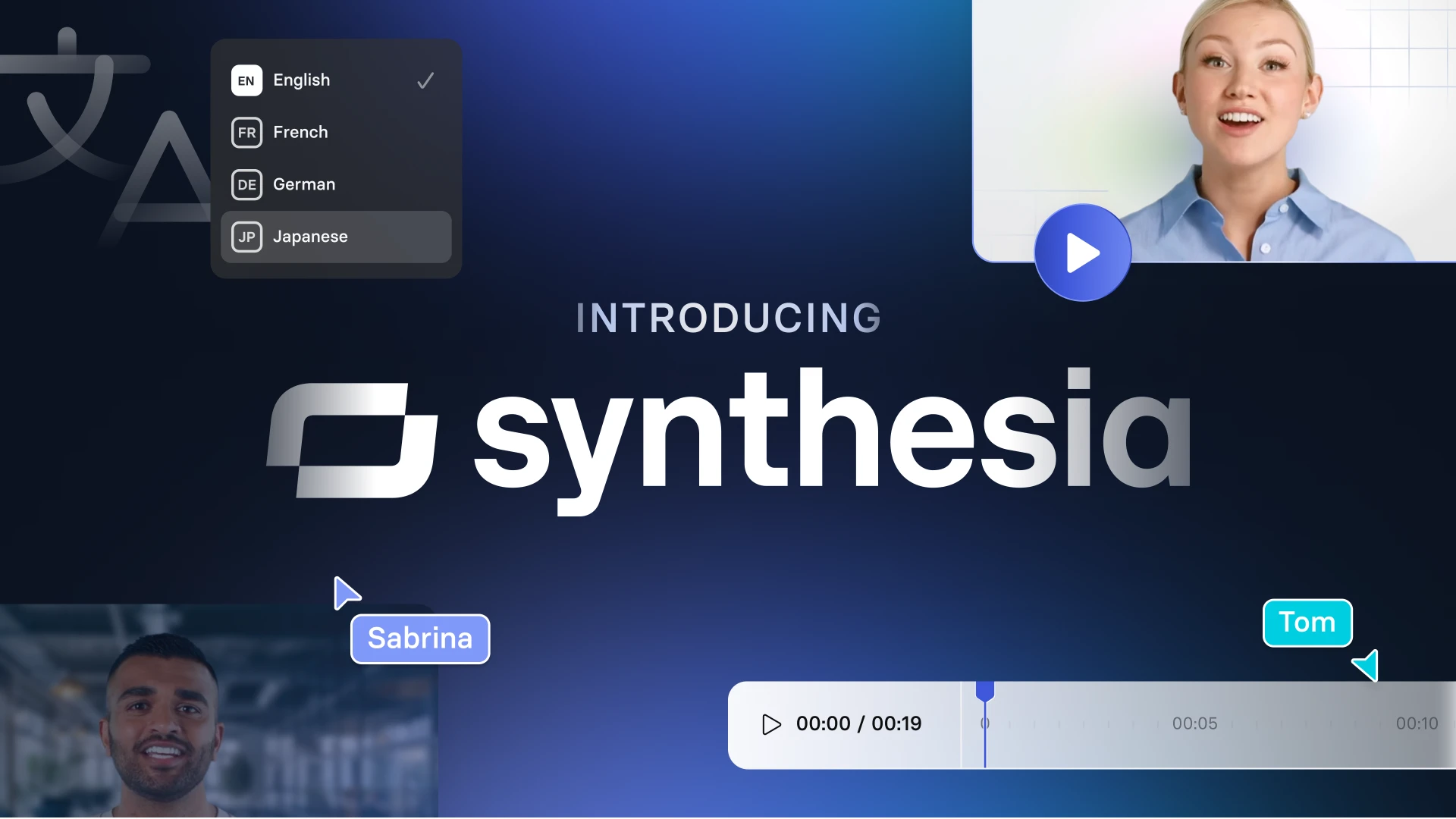
Synthesia is an enterprise-oriented AI avatar video generator heavily used for training, internal communications, and localized explainer content. It converts scripts into presenter-led videos using a large library of stock avatars and voices, and more recently supports custom avatars and document-to-video workflows.
A 2026 comparison identifies Synthesia as the top platform for avatar-driven internal communications and training videos, serving tens of thousands of companies worldwide. While it dominates the avatar and corporate-training segment, its focus is narrower and less cinematic than the higher-ranked, general text-to-video models. For enterprise teams that need to produce training content at scale, Synthesia remains the most mature and reliable option.
The best text-to-video AI tools in 2026 reflect a market that has matured past the hype cycle. Each platform on this list serves a specific purpose, and the best choice depends entirely on the use case. For commercial controllability, Seedance 2.0 leads. For realism, Veo 3.1 is unmatched. For stylized storytelling, Kling AI 3.0 stands alone. And for enterprise avatar video, Synthesia and HeyGen dominate their niche.
What matters most in 2026 is not which tool is the best overall, but which tool fits the specific production workflow. The era of the universal AI video generator is over. Specialization has won.
Related Posts

1 Comment
Join the discussion and share your thoughts