Top 10 Best Private Space Companies In The World 2026

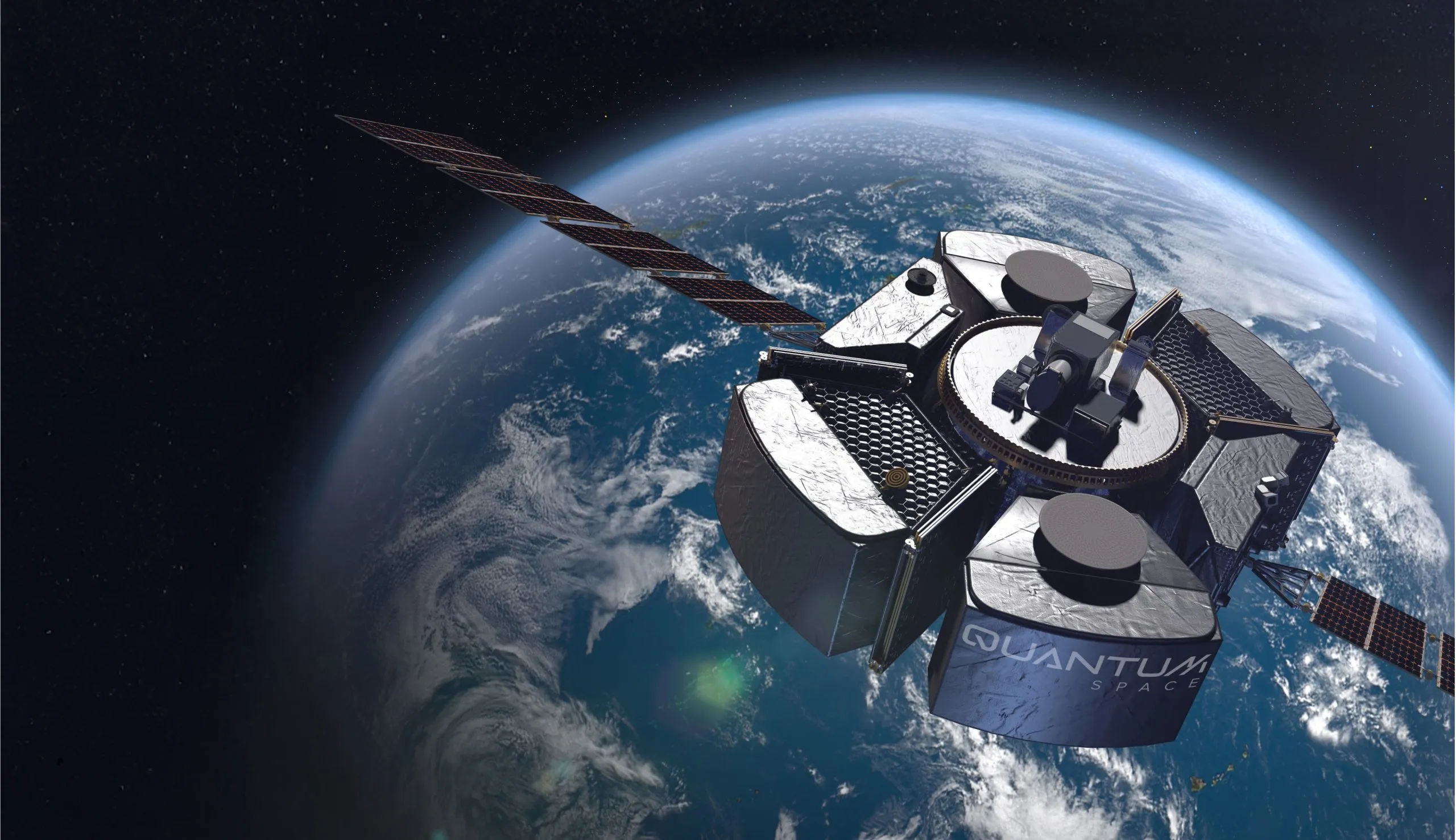
Table of Contents
Remember when space travel was just for governments and the occasional billionaire with a death wish? Ha. Those days are long gone. We're living in an era where private companies are not just catching up to national space agencies, they're often outrunning them, pushing the boundaries of what's possible faster than anyone thought. From reusable rockets that land themselves to entire constellations beaming internet from orbit, the private space scene is an absolute wild west of innovation.
For us here at Nubia Magazine, trying to figure out who's truly leading the pack in 2026 isn't just about looking at who has the prettiest rocket. It's a deep dive into the guts of the industry: the tech, the money, the sheer audacity of these ventures. Who's actually delivering on their promises? Who's got the long game in mind? And who's just making a lot of noise?
How We Picked the Best: Our Method
Look, ranking private space companies in 2026 isn't a popularity contest. It requires some serious digging. For we put together a pretty rigorous system, pulling data from the latest industry reports, private market indices, and even some whispers from the venture capital world. We looked at over a hundred companies, big and small, but only the truly private ones made the cut - no massive defense contractors masquerading as space startups here.
Here's what we focused on, weighted to give you the real picture:
- Innovation and R&D (20%):Are they just copying old ideas, or are they genuinely inventing new ways to get to space, live in space, or use space? This includes everything from propulsion tech to in-orbit manufacturing.
- Funding and Valuation (20%):Money talks. How much capital have they raised? What are the smart investors saying their company is worth? This tells you who has the fuel to keep pushing forward.
- Recent Milestones and Launches (15%):Promises are cheap. We looked at actual successful launches, deployments, and major contract wins, especially those from late 2024 through early 2026.
- Sustainability and ESG Adherence (15%):Space is getting crowded. Are they thinking about debris, green fuels, and responsible operations? This isn't just a nice-to-have anymore; it's a business imperative.
- Market Traction (10%):Who's actually buying their services? How many satellites are deployed? How many customers do they have? Real revenue and real users are key.
- Founding Recency and Team Expertise (10%):Sometimes, a fresh perspective with seasoned pros behind it can outpace an old guard. We looked at the founders and their track records.
- Scalability Potential (5%):Can they grow beyond a niche? Can their technology be mass-produced or widely adopted?
- Third-Party Validations (5%):What are the independent experts and analysts saying? Do they have big partnerships or awards?
We crunched the numbers, poured over the reports, and argued a bit over the details. Only companies scoring above 85 out of 100 made it onto this list. It's a mix of the giants, the disruptors, and the quiet innovators that are truly shaping the future. So, if you're looking to invest, geek out, or just stay informed, this is our take on the top private space companies you need to watch in 2026.
The Top 10 Best Private Space Companies In The World 2026:
1. SpaceX
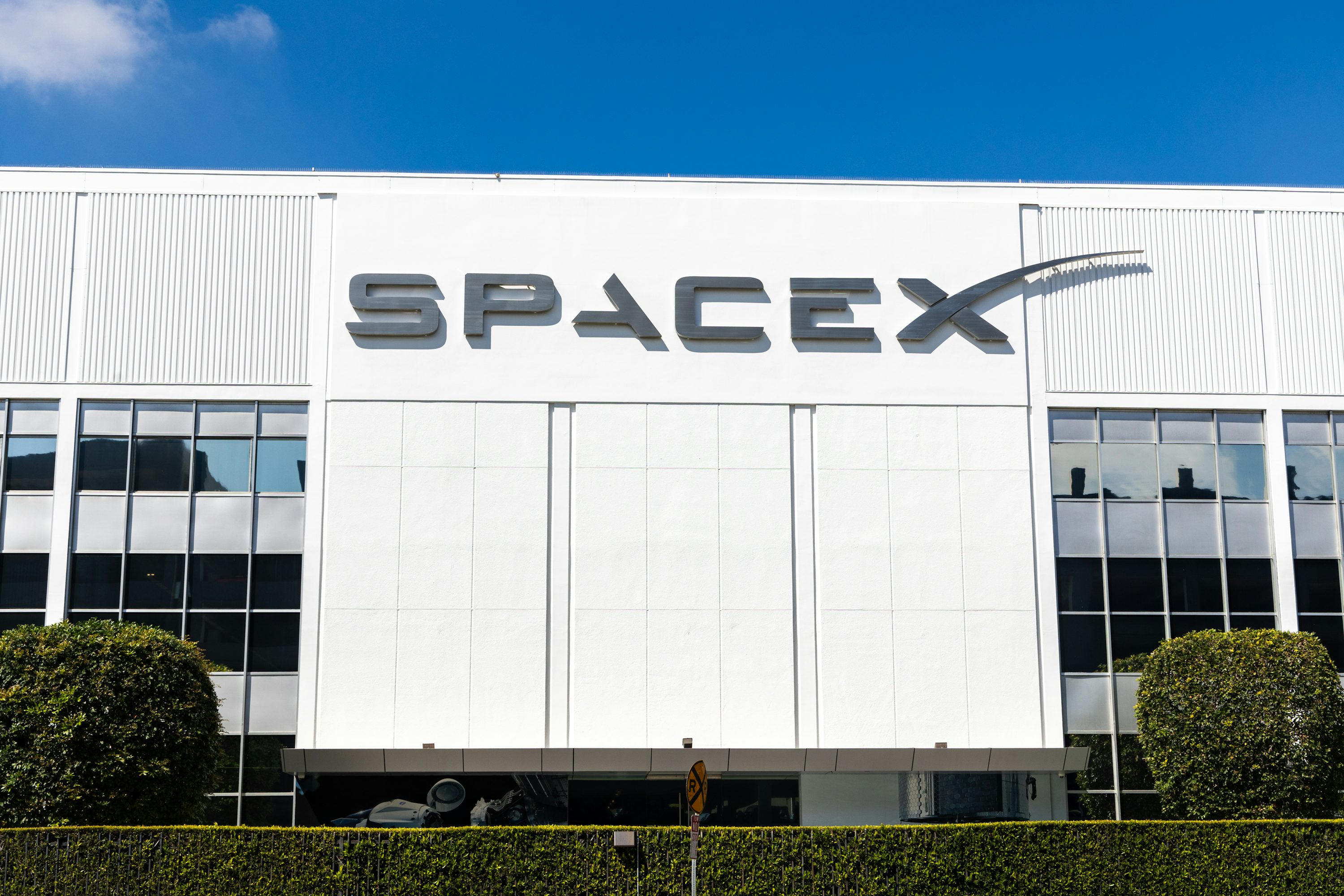
Let's be real, you can't talk about private space without starting with SpaceX. Elon Musk's baby has been the undeniable force reshaping the entire industry. They didn't just build rockets; they made them reusable, bringing launch costs down to a level no one thought possible. In 2025, the Falcon 9 and Falcon Heavy were basically doing 90% of the heavy lifting for commercial orbital launches. We're talking over 300 successful Falcon launches to date, which is just insane.
But 2026? That's the year of Starship. The first crewed orbital test is slated for Q1, and if it achieves full reusability as planned, we're looking at launch costs potentially dropping to a mind-boggling $10 million per launch. That's a 67% cut from their nearest competitors. Suddenly, Mars colonization doesn't sound quite so crazy. Then there's Starlink, their satellite internet service, which hit 8 million subscribers globally by early 2026, pulling in about $12 billion in annual revenue. They've got over 6,000 satellites up there. The sheer scale is dizzying. Experts at MSCI are already talking about SpaceX becoming the fourth-largest industrials constituent in benchmarks if they ever go public, which could happen as early as late 2026 for a Starlink spin-off. My only real gripe? The sheer volume of Starlink satellites, while revolutionary, does raise some eyebrows about orbital clutter. But hey, you can't argue with results.
2. Axiom Space
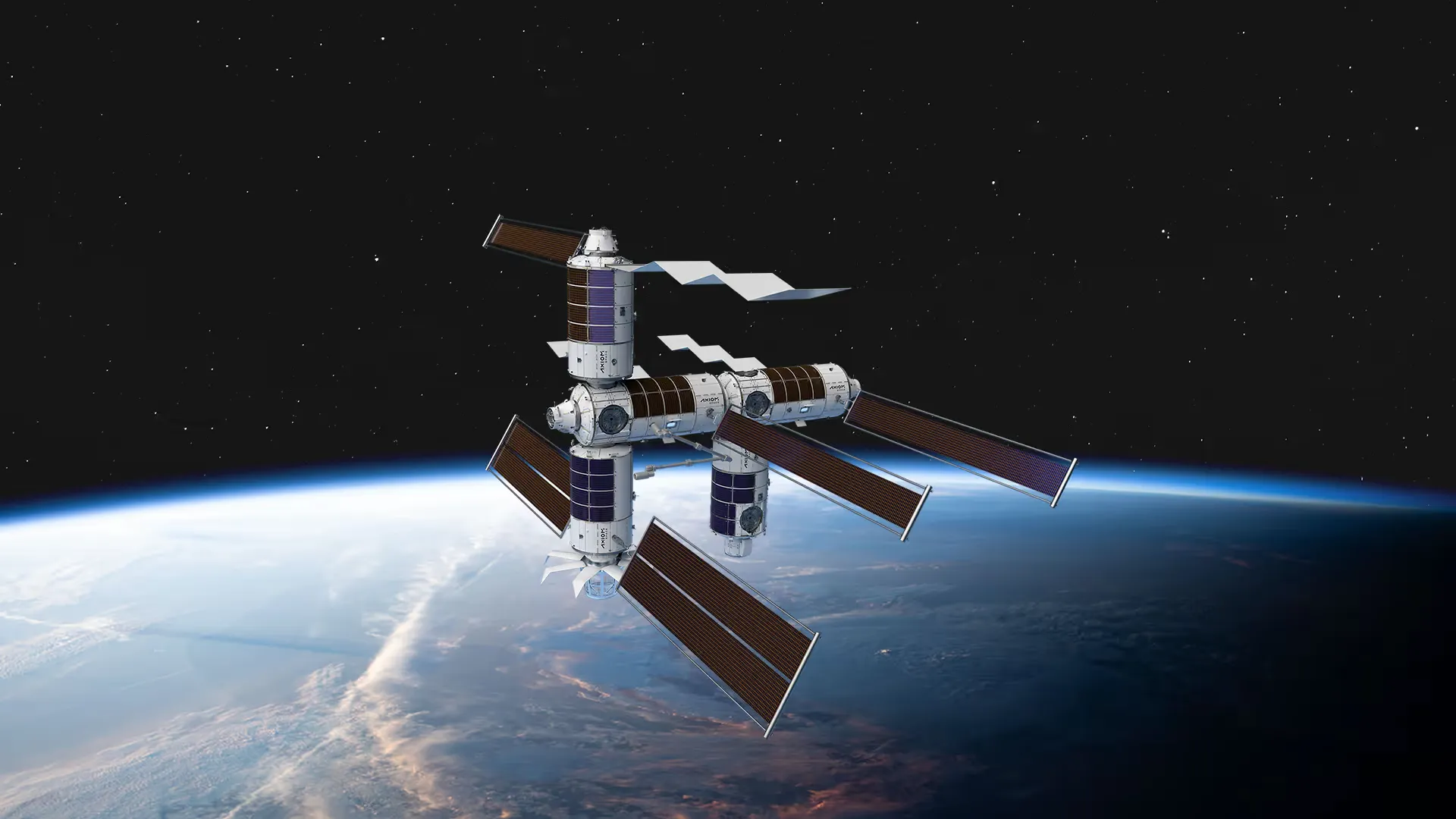
While SpaceX gets all the launch glory, Axiom Space is quietly building the future real estate market in orbit. These folks aren't just sending people up; they're constructing the world's first private space station. Think of it as the next evolution after the ISS, set to take over by 2028. Founded in 2016, Axiom has already racked up $3.5 billion in contracts, and they're planning to launch their first private space station module in Q3 2026. NASA even certified their Ax-4 mission for 2026, which will host 12 private astronauts. That's a huge vote of confidence.
They raised a hefty $350 million Series B round in 2025, specifically to fund these habitat modules. Partnerships with SpaceX for crew transport mean they're smart about leveraging existing tech. F6S, a major player in startup tracking, called their work "era-defining infrastructure." They're talking about a $10 billion market for private low-Earth orbit economies by 2030, and Axiom is positioned right at the top. My only concern is their dependency on the ISS deorbit timeline - what if that gets delayed again? And that $500 million annual R&D burn rate is no joke, though it's the cost of pioneering.
3. Isar Aerospace
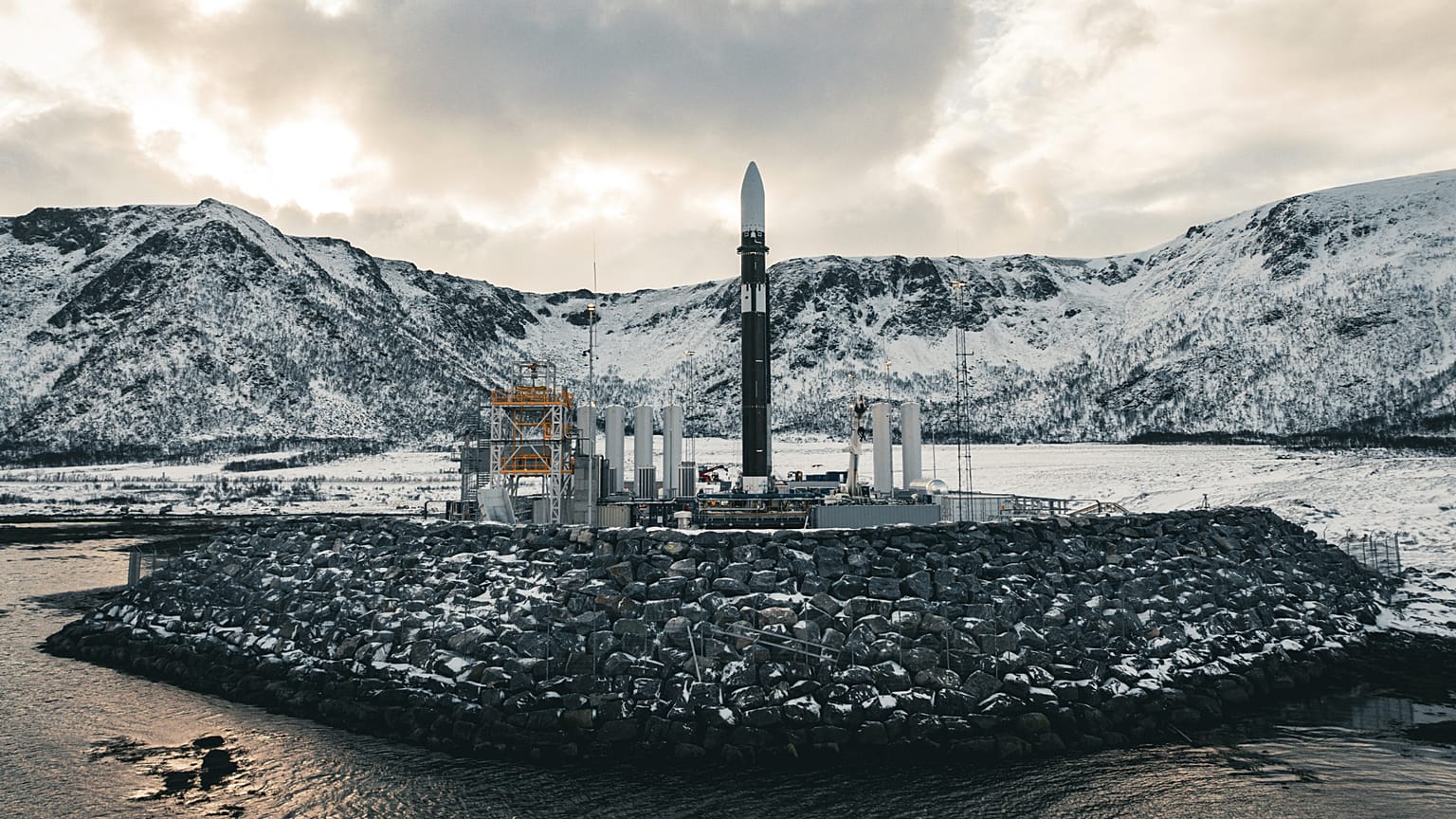
From Germany, Isar Aerospace is making some serious noise in the launch market, especially for small and medium satellites. Founded in 2018, these guys are all about sustainability. Their Spectrum rockets run on methane, which cuts emissions by 80% compared to traditional kerosene fuels. That's a big deal for the environmental side of space. They had their maiden flight success in December 2025, which was a huge win, and their second test flight in 2026 hit a 200km apogee. They're not just about being green; they're about being effective.
With a 50-tonne payload capacity, Spectrum isn't messing around. They've secured €200 million in funding to ramp up to a 10-launch cadence. F6S praised them for "next-generation sustainable access," and they've already got contracts for 20 EUMETSAT satellites. McKinsey also pointed out how much private equity is pouring into European and APAC space firms, and Isar is definitely benefiting. My one quibble? Europe's regulatory environment can be a bit slow. They'll need to keep up the pace to truly challenge the established players.
4. Quantum Space
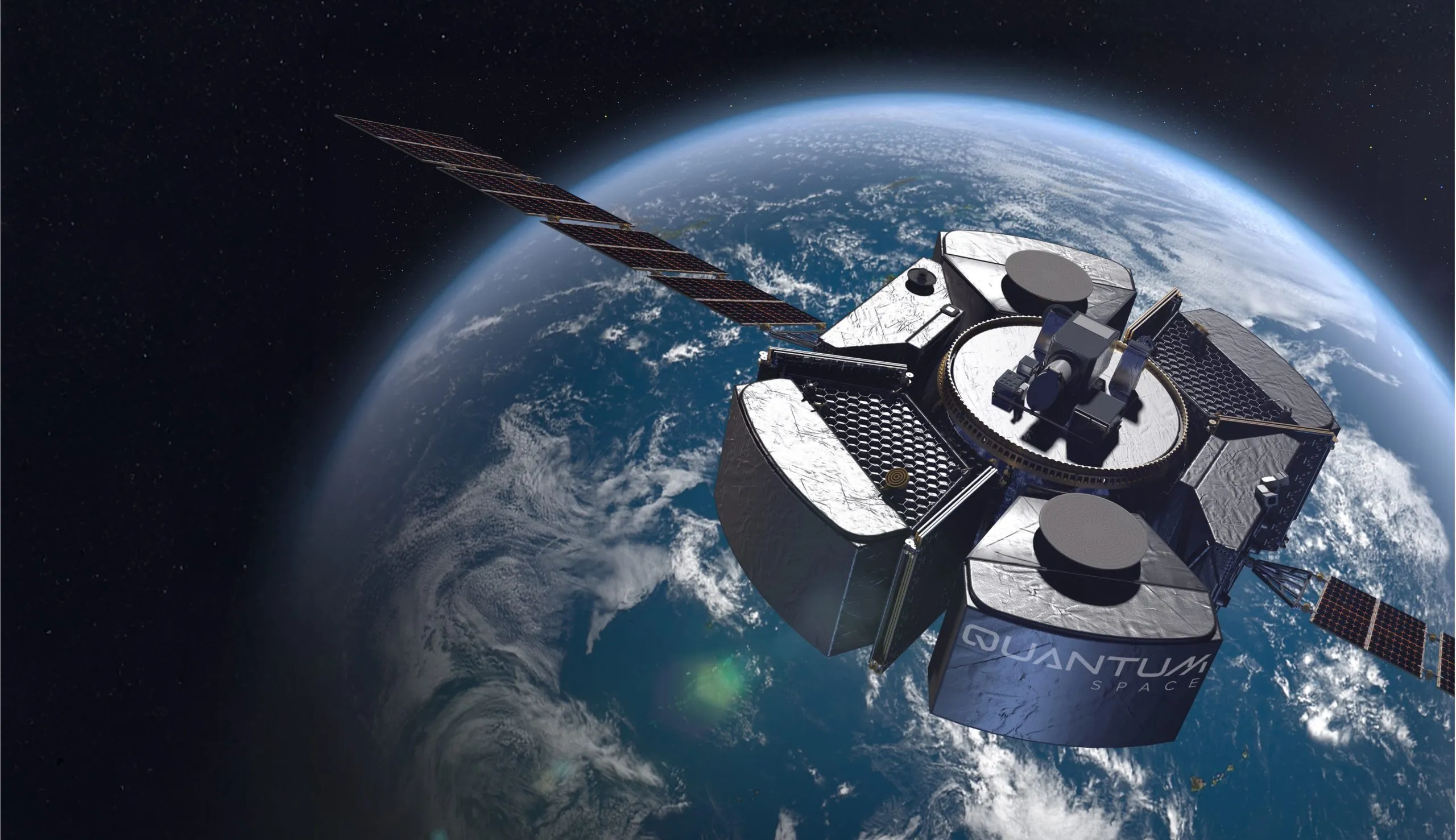
just in 2021, is one of those companies that sounds like something out of science fiction. They're all about giving satellites "freedom to maneuver" in orbit. What does that mean? They use electric propulsion to enable things like in-orbit refueling and even assembly. Imagine extending the life of a satellite by 40% just by topping up its fuel. That's what their first commercial NORQ demo did in 2026 for a client payload.
They've raised around $75 million, and F6S is raving about their autonomy tech for deep space missions. The in-space servicing market is projected to hit $7 billion by 2028, and Quantum Space is right there at the forefront. They're pushing towards a future where satellites aren't just disposable items. My main concern is the scalability of their propulsion tech - it's sophisticated, but can they produce enough units to meet what will surely be massive demand?
5. Starcloud
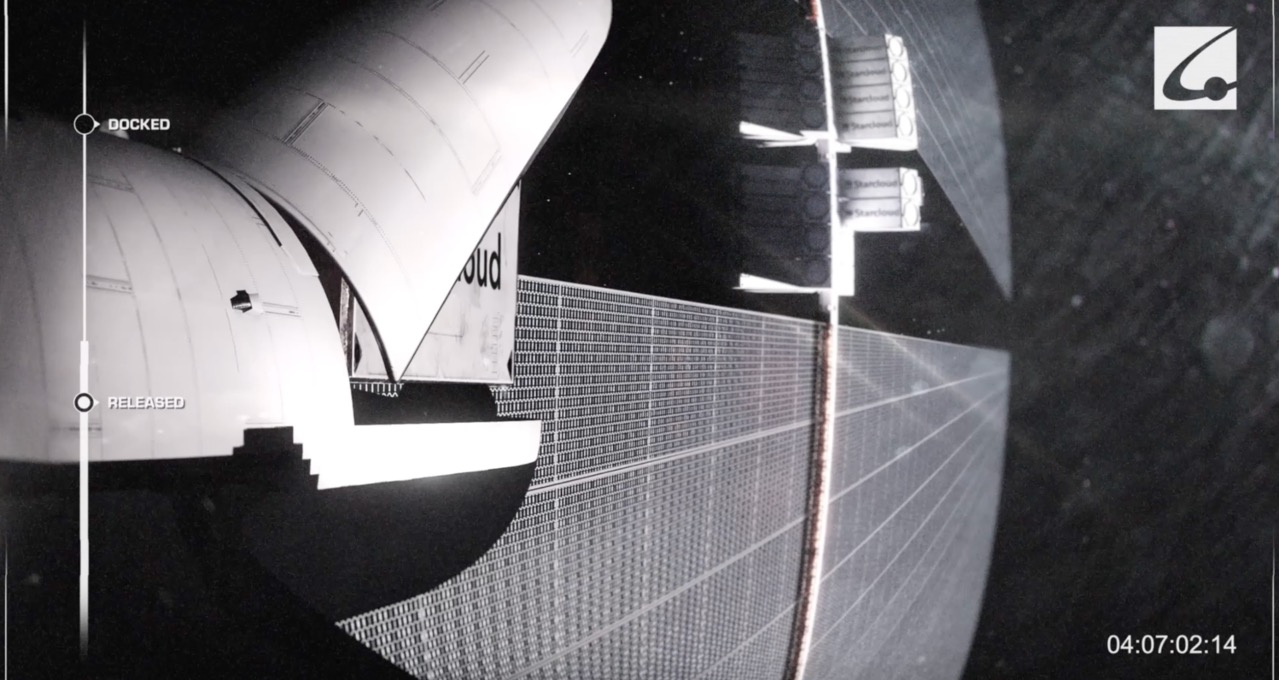
This is where things get really wild. Starcloud, launched in 2024, is building orbital data centers. Yes, you read that right. They want to put your cloud computing and AI processing in space, where latency is lower and the vacuum environment is actually good for certain operations. Their first in-orbit data center prototype launched in Q1 2026, capable of a petabyte of processing. That's a lot of data.
They're partnering with major cloud providers (think an AWS for space infrastructure) and their initial module is already processing hyperspectral data five times faster than on Earth. F6S sees their network vision as a game-changer. This plays right into the booming space-edge computing trend, especially with the AI surge. The big challenges here are going to be power and thermal management - keeping those servers cool in space is no small feat - and, of course, making sure they don't become another piece of space junk.
6. Reditus Space
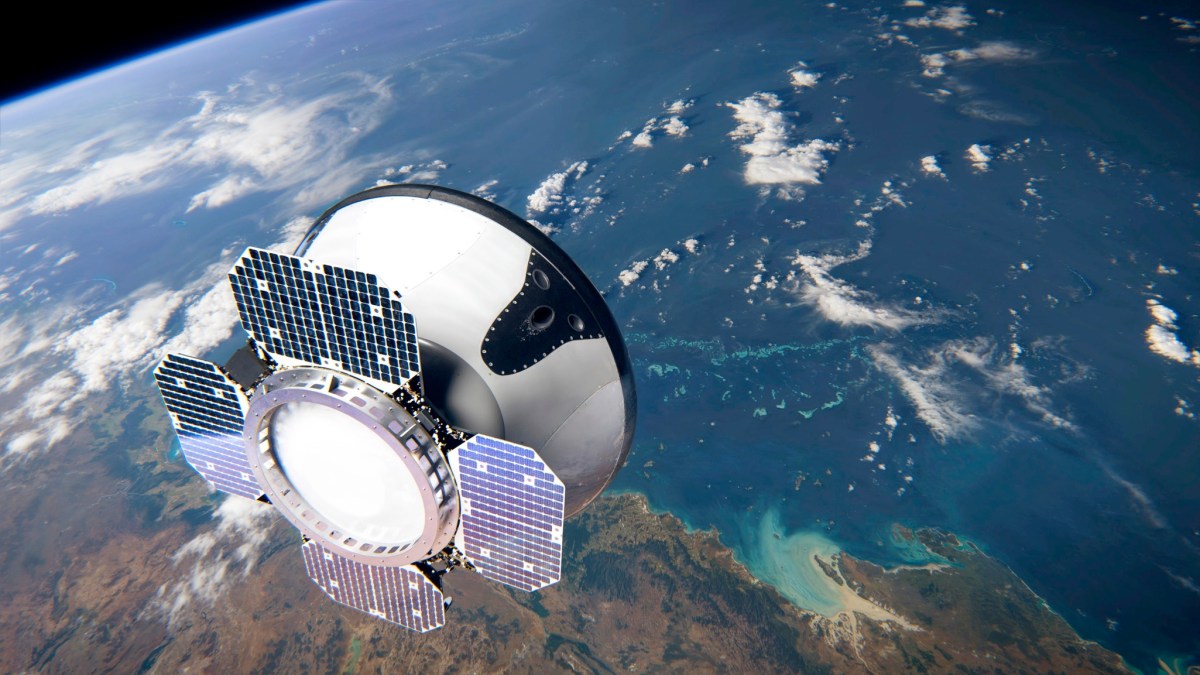
Reditus Space, another 2024 startup, has a unique angle: in-space manufacturing. They're not just sending stuff tospace; they're making things inspace. Specifically, they're focused on creating advanced materials like pharmaceuticals and crystals that are impossible to produce with Earth's gravity. Their big milestone for 2026? Their first revenue from fiber optic production in orbit, with a $50 million contract already in the bag. They're using reusable satellite prototypes to bring these zero-g manufactured goods back down, boasting a 95% yield in their tests. That's impressive.
F6S sees this as revolutionary, and honestly, I agree. The potential for new materials and drugs is enormous. Private equity is fueling these rapid scalers, and Reditus is a prime example. The real headache for them will be reentry precision - getting those valuable, delicate products back to Earth safely and accurately. And then there's the whole IP protection issue when you're manufacturing in international orbit. Who owns what?
7. Catalyx Space

If Starcloud is building the data centers, Catalyx Space is building the operating system for everything else in orbit. Founded in 2024, they're aiming to be the "AWS for in-space infrastructure," offering modular computing and storage for all sorts of payloads. Think of it as a plug-and-play platform for space missions. Their AWS-like platform went live in 2026 and is already supporting over 100 payloads. They've raised a $40 million seed round and integrated with Axiom Space to provide services for their private station.
F6S highlighted founder Rifath's expertise, which is always a good sign for a young company in a complex field. This is all part of the hybrid cloud-space model that's picking up steam. My main concern? Bandwidth. Getting all that data back and forth from Earth can be a bottleneck. And of course, cybersecurity in space is a whole new can of worms they'll need to keep tightly sealed.
8. SpaceFields
 SpaceFields, founded in 2021, is all about propulsion - the engines that actually get things moving. They're not just tinkering; they're reimagining it with hybrid air-breathing and electric engines designed for everything from suborbital hops to orbital insertion. Their hybrid propulsion engine test in 2025 showed a 30% thrust efficiency gain, which is significant. For 2026, they've secured $25 million in funding and performed a demo flight for hypersonic cargo. F6S gives a nod to founder Sudarshan, another strong technical leader.
This company is riding the wave of sustainable propulsion, trying to make rockets more efficient and less impactful on the environment. The biggest challenge for them? Material durability. These engines operate under extreme conditions, and making sure they hold up for repeated use is a constant battle. But if they crack it, they could truly change the game for how quickly and cheaply we move things around near Earth.
9. Cascade Space
Okay, we're talking about deep space now. Cascade Space, a 2025 startup, is tackling the problem of communicating with the Moon and beyond. They're offering "lunar and deep space communications as a service," using laser-based relays to ensure high-bandwidth, reliable connections. Their lunar comms demo in 2026 promises 99.9% uptime to the Moon - that's better than my home internet sometimes. They've already raised $30 million and, perhaps more importantly, landed a NASA Artemis contract. That's a huge stamp of approval.
F6S praised founder Jacob, and it's clear they're tapping into the burgeoning cislunar economy - all the activity happening between Earth and the Moon. The big challenge for laser comms, though, is alignment. Keeping a laser beam perfectly aimed over vast distances, especially with moving targets, is incredibly difficult. But if they can crack that, they'll be essential infrastructure for future lunar bases and missions.
10. EraDrive

Rounding out our list is EraDrive, a company focused on making spacecraft smarter and more autonomous. They're providing "autonomy for every spacecraft" through AI-powered navigation and software. Think of it as the self-driving car tech, but for satellites. In 2026, their software was deployed on 50 satellites, and they've already shown a 70% reduction in collision risks. That's a massive safety improvement in an increasingly crowded orbital environment. They've also secured $20 million in funding.
F6S picked them as a top choice, and it's easy to see why. As we get more and more satellites, and even "swarms" of them, human operators just can't keep up. AI is the only answer. My biggest worry is the reliability of AI in space. A bug in a car's software is one thing; a bug in a satellite's collision avoidance system is a catastrophic nightmare. But the potential for making space operations safer and more efficient is too big to ignore.
Related Posts

Top 10 Richest Chefs in USA 2026: How They Built Culinary Empires
In recent years, the world of celebrity chefs has developed into a multi-billion dollar industry that combines culinary expertise with media savvy, entrepreneurialism, and the development of distinctive brands. In the year 2026, a number of the wealthiest chefs in the United States have not only established themselves as influential figures in the kitchen, but […] More

Top 10 Best Skaters in the World 2026: The Ultimate Showdown Awaits
As we move through 2026, a few skaters stand out for their extraordinary skills, creativity, and contributions to the sport. Here’s a look at the top 10 skaters in the world right now, each pushing the boundaries of skateboarding in their own unique way. Skateboarding has evolved into a highly dynamic sport, showcasing remarkable talent […] More

Top 10 Highest Paid Female Footballers In The World 2026: Salaries That Shocked the Industry
Top 10 Highest Paid Female Footballers In The World 2026 1. Sam Kerr One of the most notable players in women’s football is Sam Kerr, who hails from Australia and operates as a striker. Kerr has emerged as a significant personality in the sport as a result of her remarkable speed, her extraordinary ability to […] More

The Largest Oil Refineries In The World 2026: Essential Insights for Energy Stakeholders
As of the year 2026, the following is a list of the top ten largest refineries in the world, which are known for their enormous processing capacities and strategic significance. Refineries play an important part in the global energy sector because they convert crude oil into valuable products such as gasoline, diesel, and other petrochemicals. […] More
2 Comments
Join the discussion and share your thoughts