Top 10 Best Mobile Wallets In Saudi Arabia 2026

Table of Contents
The best mobile wallets in Saudi Arabia in 2026 are defined by regulatory licensing, merchant coverage, and how deeply each app is wired into the Kingdom's mada and instant payment rails. We built this ranking by weighing Saudi Central Bank (SAMA) licensing status, registered user scale, integration with the mada network and the national instant payment system, real-world acceptance at NFC terminals and QR points, and the breadth of everyday functions each wallet handles, from peer-to-peer transfers to bill payments and remittances. We also factored in momentum: the Vision 2030 target of pushing cashless transactions past 70% has reshaped which wallets merchants actually accept and which ones consumers keep on their home screens.
Market structure matters here. Saudi Arabia's wallet sector splits into three camps: telecom-backed fintechs, bank-bundled wallets, and payment processors extending into consumer tools. Each camp behaves differently on fees, onboarding, and customer support. A wallet with 8 million users and a SAMA license carries different weight than a bank app with wallet features bolted onto mobile banking. We ranked accordingly, prioritizing standalone wallet utility and verified scale over brand prestige alone.
Figures in this ranking draw on public 2024-2025 data from SAMA, mada, stc pay disclosures, and Saudi fintech reporting, projected into the 2026 context. Readers should treat user counts as directional rather than audited, since Saudi fintechs do not all publish identical metrics.
These Are The Top 10 Best Mobile Wallets In Saudi Arabia 2026:
1. stc pay
The wallet handles peer-to-peer transfers, bill payments, domestic and international remittances, and a prepaid card tied to mada rails. Its parent, stc Group, bundles the wallet into telecom subscriber touchpoints, which drives adoption at a rate standalone fintechs struggle to match. stc pay has since evolved into a full digital bank under the stc bank banner, a transition that deepened its deposit and lending capabilities.
What keeps it at the top is coverage. Bill payment categories, remittance corridors, and merchant acceptance all run deeper than competitors. For a Saudi resident who wants one app for salary-adjacent transfers and utility bills, stc pay remains the default answer.
2. Apple Pay
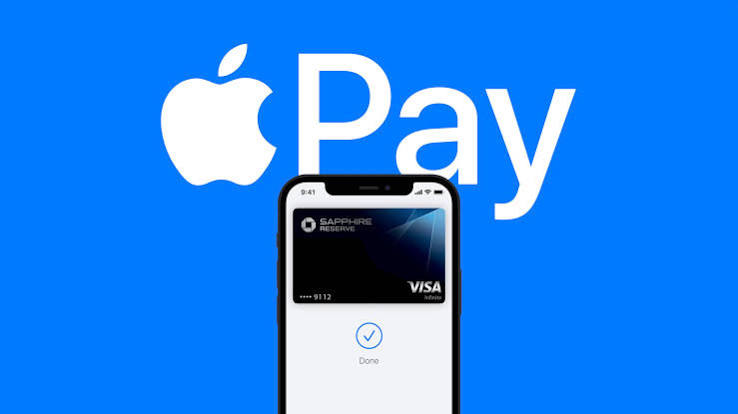
Onboarding happens inside banking apps, so an iPhone user can add a mada card in under two minutes. That frictionless setup, combined with the Kingdom's iOS-heavy premium segment, makes Apple Pay the wallet most Saudis with an iPhone actually use daily.
The limitation is obvious: it only works on Apple devices. For everyone else, the next entry covers the gap.
3. Google Wallet
Google Wallet, the successor to Google Pay, brings tap-to-pay to Android phones and Wear OS devices across Saudi Arabia. It integrates with mada and major banks, and stores cards, boarding passes, and loyalty programs in a single app. The open Android ecosystem gives it reach across every device brand in the Kingdom, from flagship Samsung phones to budget handsets.
Adoption trails Apple Pay in the premium segment, largely because Saudi Arabia's high-income users skew toward iOS. But on raw device coverage, Google Wallet touches far more phones. For the majority of Saudi Android users, it is the most practical contactless option available.
4. Al Rajhi Bank Mobile / urpay

Al Rajhi Bank ranks among the Kingdom's largest banks by customer base, and its digital wallet strategy runs on two tracks. The main mobile banking app handles transfers, bill payments, and merchant payments for millions of retail customers. urpay operates as a standalone SAMA-licensed fintech wallet aimed at both banked and underbanked users.
The dual approach is smart. Bank customers get wallet features without leaving the app they already trust. Unbanked users get a lighter entry point through urpay. Al Rajhi's conservative, Sharia-compliant brand positioning carries real weight with Saudi consumers, and that trust translates directly into wallet adoption.
The tradeoff is that the experience feels bank-centric rather than wallet-first. Users who want a sleek standalone fintech app may find the interface heavier than stc pay or Apple Pay.
5. SNB AlAhli Mobile / QuickPay
Saudi National Bank is the Kingdom's largest bank by assets, and its mobile app reflects that scale. Wallet-style peer-to-peer transfers, QR payments, and bill management all run through mada integration. SNB has invested heavily in digital onboarding and instant payments via the national instant payment system, known locally as sarie.
QuickPay features let customers send money using just a mobile number, removing the need for IBAN entry. For a bank with millions of retail customers, that convenience compounds quickly.
Like Al Rajhi, SNB bundles wallet functionality inside banking rather than marketing a standalone wallet brand. That keeps it from ranking higher on wallet-specific criteria, but the underlying infrastructure is among the most capable in the country.
6. Riyad Bank Mobile / RiyadPay
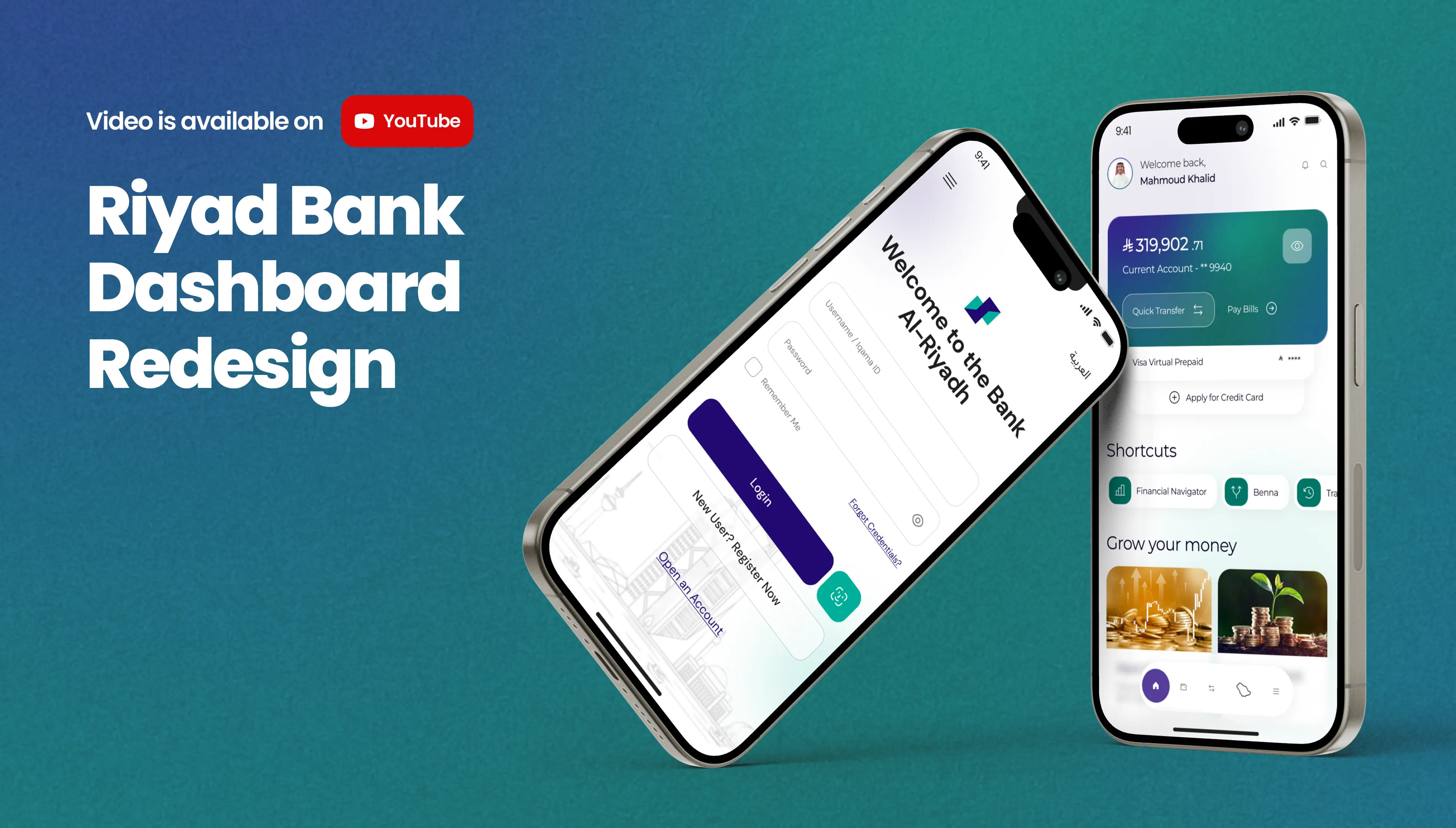
Riyad Bank sits in Saudi Arabia's "big four" and has built a reputation for digital execution. Its mobile app offers transfers, QR-based merchant payments, and granular card controls, and it participates fully in the national instant payments infrastructure. Regional banking app rankings have repeatedly recognized the user experience.
The bank's fintech partnership strategy has expanded its wallet use cases for both retail and SME customers. RiyadPay functionality covers the essentials: send, receive, pay, and manage.
What holds it at sixth is scale. Riyad Bank's wallet-specific user base trails stc pay and the two largest banks, even though the feature set holds up well in side-by-side comparisons.
7. PayTabs Wallet
PayTabs is a Saudi-headquartered payments technology company with SAMA licensing and mada integration, and its wallet capabilities straddle two audiences. On the merchant side, it powers payment acceptance for e-commerce and in-app transactions across the GCC. On the consumer side, it offers digital wallet tools tied to that acceptance network.
This B2B-first positioning makes PayTabs different from everything above it on this list. Businesses adopting PayTabs for checkout often pull consumer wallet functionality along with it. The company's regional reach across the Gulf adds volume that purely domestic players lack.
Consumer brand recognition remains the weak point. Most Saudis interact with PayTabs without knowing it, at checkout rather than through a standalone wallet app.
8. Halalah
Halalah launched as one of Saudi Arabia's earliest SAMA-licensed fintech wallets, built around a cashback and rewards model that stood out in a market of plain-vanilla payment apps. Peer-to-peer transfers, bill payments, and merchant rewards formed the core offer, and the rewards approach influenced loyalty features that later appeared across the sector.
Halalah's story is also a consolidation story. The wallet was absorbed into the stc pay ecosystem, a move that reflects broader consolidation in Saudi fintech as smaller players fold into larger platforms with deeper pockets and wider merchant networks.
Its standalone prominence has faded accordingly, but the early license and rewards innovation earn it a place on this list.
9. Geidea Wallet / Geidea Pay
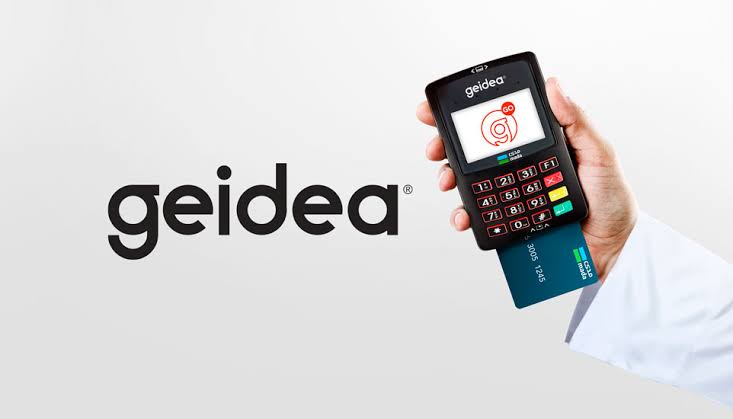
Geidea is a major Saudi payments provider built on merchant acquiring, POS terminals, and digital payment tools integrated with mada. Its wallet and acceptance features serve SMEs directly, supporting QR payments and softPOS setups that turn a merchant's phone into a payment terminal.
The company's growth tracks Saudi Arabia's cashless push under Vision 2030. Small businesses that once handled cash now run entirely on Geidea infrastructure, and wallet-like functionality extends naturally to their customers.
Consumer-facing brand recognition trails the banks and stc pay, which caps its ranking. But as payments plumbing for the Kingdom's SME economy, Geidea's role is substantial.
10. Alinma Pay, Bank Albilad, and Other Bank Wallets

Several additional SAMA-licensed bank wallets round out the landscape. Alinma Bank and Bank Albilad both offer wallet features inside their mobile apps, supporting peer-to-peer transfers, QR payments, and bill payments through mada and the national instant payment system. Combined, these apps serve millions of customers.
Each benefits from a captive customer base and full regulatory backing. None individually matches the scale or differentiation of the leaders above, which is why they share the final slot rather than ranking separately.
Their collective presence matters for competition. As Vision 2030 pushes cashless transaction targets past 70%, every licensed bank wallet adds pressure on the leaders to keep improving fees, speed, and merchant coverage.
The best mobile wallets in Saudi Arabia in 2026 reflect a market that has largely solved the basics. Contactless payments work nearly everywhere, instant transfers settle in seconds, and SAMA licensing has thinned out the risky options. What separates the top 10 now is scale, ecosystem integration, and the depth of everyday use cases each wallet supports.
stc pay leads on all three. Apple Pay and Google Wallet own the tap-to-pay layer by device ecosystem. The banks bring captive audiences and regulatory weight. And the processors, PayTabs and Geidea, keep the merchant rails running underneath it all. For Saudi consumers, the practical advice is simple: pick the wallet that matches your phone and your bank, then keep a second one installed for remittances and bills.
Related Posts

0 Comments
Join the discussion and share your thoughts
No Comments Yet
Be the first to share your thoughts on this article!