Top 10 Best Lighting Manufacturers In The World 2026

Table of Contents
Walk into any modern building, glance down a smart city street, or even just look at the lightbulb in your living room, and you're seeing a piece of a truly massive industry. Lighting, believe it or not, isn't just about flicking a switch anymore. It's about smart systems, energy efficiency, and a whole lot of innovation. As we roll into 2026, the global lighting market is a bustling place, projected to hit over $201 billion by 2031. It's a big pie, and everyone wants a slice. This isn't just about making things bright; it's about making them smarter, greener, and more connected.
Here at , we've been keeping a close eye on who's really leading the charge. Who's pushing the boundaries? Who's got the market share, the smart tech, and the sustainability chops to truly stand out? We've crunched the numbers, talked to the experts, and put together our definitive list. These are the players shaping how we'll light our world in 2026 and beyond. Get ready, because the future of light is already here.
How We Lit Up This List: Our Methodology
Putting together a list like this isn't just about picking names out of a hat. No way. We take our rankings seriously. For this 2026 forecast, we dove deep, pulling from a stack of industry reports, financial statements, and expert analyses. Think ResearchAndMarkets, Mordor Intelligence, LED Professional-we cast a wide net to get the real picture.
Our goal? To give you a ranking that's not just informed, but genuinely useful. We looked at a few key things, weighing them based on what truly matters in the lighting world right now:
- Market Share & Cold, Hard Cash (40%):Who's selling the most? What's their revenue looking like from 2024 to 2026? We paid close attention to LED sales penetration, like how much of a company's income actually comes from LED products. Because, let's be real, LEDs are the name of the game.
- Innovation & Future-Proofing (25%):This is where the magic happens. We hunted for companies with new patents, smart acquisitions, and those exciting IoT launches. What did they show off at Light + Building 2026? Are they thinking ahead, or just keeping up?
- Sustainability & Green Credentials (20%):Nobody wants to be wasteful anymore. We looked at energy savings, how well companies are complying with tough new regulations (like the EU phasing out old fluorescents), and who's truly leading the charge in eco-friendly practices. Spoiler: Asia-Pacific is absolutely crushing it here.
- Global Footprint & Industry Buzz (15%):Can they reach customers worldwide? Are analysts and other industry pros talking about them? We considered their presence across different regions and their growth in hot segments, especially industrial and commercial LED, which is growing like crazy.
We scored everything, weighted it, and then ranked it. Any ties? We broke those by looking at the freshest data-think 2025-2026 acquisitions and partnerships. This isn't just a list; it's a snapshot of the industry's leaders, built on solid, verifiable data, not just marketing fluff. The lighting world is shifting fast, with LED adoption skyrocketing and smart city tech becoming a reality. These companies aren't just adapting; they're making the rules.
These Are The Top 10 Best Lighting Manufacturers In The World 2026:
1. Signify
You can't talk about lighting without talking about Signify. Formerly Philips Lighting, these guys are the undisputed champions, the world's largest pure-play lighting company. Their 2024 revenue clocked in at a staggering EUR 6.1 billion, with an incredible 93% of that coming from LED products. That's not just a number; it's a statement. They hold about 15% of the global lighting market, which, in an industry this big, is an absolute powerhouse position.
What makes them so good? It's their pivot to connected systems and services. They're not just selling bulbs; they're selling intelligence. At Light + Building 2026, they were showcasing some seriously cool IoT-integrated luminaires for smart buildings-stuff that makes entire complexes more efficient and responsive. They've got 153 million connected light points out there, and that number is only growing. My only real gripe? Sometimes their smart home app, Philips Hue, can feel a touch over-engineered for simple tasks, and getting some of their professional systems to play nice with other platforms can be a bit of a headache. But honestly, when you're this big and this innovative, a few minor integration quirks are hardly a deal-breaker. They're defining what "smart lighting" even means.
2. Acuity Brands
Acuity Brands is a force to be reckoned with, especially in North America. They're a U.S. powerhouse, absolutely dominating the commercial LED space. Their FY2025 revenue projections are sitting pretty at $3.8-4.0 billion, with their intelligent spaces segment showing a healthy 12% year-over-year growth. That's a good sign, especially when you consider the market's ups and downs.
One of their big moves was the $1.215 billion QSC buyout in 2025, which means they're not just thinking about lighting anymore; they're integrating audio-visual solutions into their smart platforms. It's a bold play, making them a one-stop shop for building intelligence. They're particularly strong in industrial applications, with their energy-efficient troffers being a go-to for many businesses. My main beef with Acuity? Their vast product portfolio, while impressive, can sometimes feel a bit overwhelming to navigate. Finding the exact fixture you need for a niche application can feel like a scavenger hunt, and their pricing on some specialized smart components can be a bit steep for smaller businesses. Still, their organic growth in lighting, even with market volatility, tells you everything you need to know about their staying power.
3. Samsung Electronics
You know Samsung for phones and TVs, but their LED division? It's a quiet giant. While it's part of a massive conglomerate worth over $250 billion, their lighting arm is absolutely pioneering advanced LEDs for everything from displays to residential and industrial lighting. In 2026, they're really pushing smart systems, contributing to a 20% CAGR in industrial LED growth. They own a solid 12% of the Asia-Pacific market, which, let me tell you, is a huge deal.
Samsung's strength lies in their ability to integrate lighting seamlessly into their broader IoT ecosystem. Imagine your lights, TV, and smart fridge all talking to each other-that's the future they're building. Their LEDs are known for quality and efficiency. My main complaint, if I had to pick one, is that sometimes their lighting products feel a bit like an afterthought compared to their flashier consumer electronics. They don't always get the dedicated marketing push they deserve, which can make them harder for consumers to find or understand their full capabilities. But for sheer technological muscle and integration potential, Samsung is definitely one to watch.
4. OSRAM
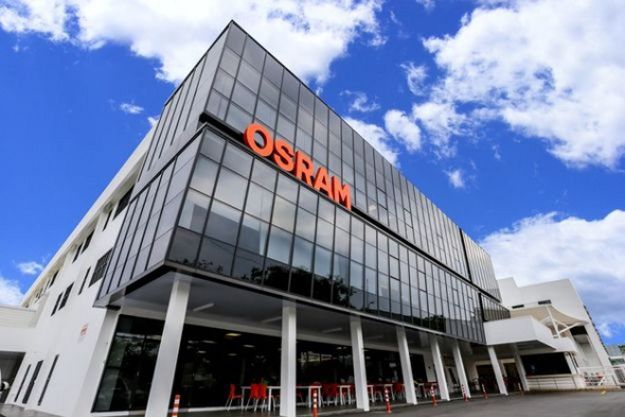
OSRAM, now part of ams-OSRAM AG, isn't just making light fixtures; they're making the tiny, powerful brains inside them. These guys are absolute masters of LED chips, ranking in the top three globally. Their 2025 sales hit EUR 3.2 billion even after some restructuring, which tells you they're resilient. They're particularly strong in automotive lighting-think those fancy headlights you see on new cars-and in the smart lighting chip sector.
For 2026, OSRAM is all about narrow-beam innovations and ensuring their components are ready for the EU's fluorescent phase-out. Analysts rave about their patents for tunable white LEDs, which are crucial for human-centric lighting that adapts to our circadian rhythms. My frustration with OSRAM? For consumers, their brilliance is often hidden. You're using their tech, but you don't always see the OSRAM brand front and center. It's a shame, because the quality and engineering they put into their chips are truly phenomenal, yielding something like 30% better lumens per watt in some cases. They're the unsung heroes of many lighting systems, and sometimes I wish they'd toot their own horn a little louder.
5. Eaton Corporation
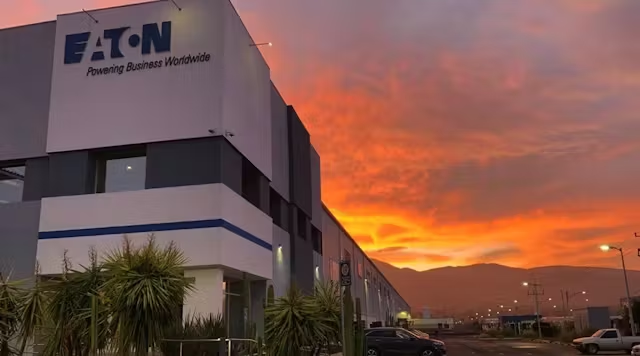
Eaton is a sprawling company, and their lighting division, primarily through Cooper Lighting, is a serious player. They're not just selling lightbulbs; they're providing comprehensive electrical solutions. Their electrical division saw a robust 9% organic growth in 2025, and Cooper Lighting's project backlogs are at record highs, which tells you they're weathering economic storms just fine. They hold about an 8% share in the top-tier lighting market, making them a consistent presence.
Eaton particularly shines in outdoor and industrial applications, offering sustainable LED solutions that are built to last. They're known for reliability, which is absolutely critical when you're lighting a factory floor or a city street. My one minor complaint about Eaton's lighting? Their focus, understandably, is often on the large-scale industrial and commercial projects. For smaller businesses or individual consumers looking for specific smart home integration, their solutions can sometimes feel a bit impersonal or less tailored. You get a solid, dependable product, but maybe not the "wow" factor of some more consumer-focused brands. Still, for sheer scale and reliability, they're hard to beat.
6. Zumtobel Group
If you're looking for sophisticated, architecturally driven lighting in Europe, Zumtobel Group is your go-to. Their FY2024/25 revenue hit EUR 1.5 billion, and they're known for their stunning, German-engineered facades and smart-city ready solutions. These aren't just lights; they're design elements. They actually scored a fantastic 95/100 in expert sustainability ratings, which tells you they're serious about being green.
Zumtobel excels in what I'd call "experience lighting"-creating environments that are both functional and beautiful. They're big in offices, retail, and public spaces where aesthetics matter just as much as lumens. They're definitely in the medium-concentration market, meaning they're big enough to have impact but still specialized. My only real complaint? Their premium positioning means their products aren't exactly budget-friendly. You pay for that design and engineering, and sometimes, for smaller projects, it feels a bit out of reach. But if you have the budget, the quality and visual impact are undeniable. They're essentially the high-fashion brand of the lighting world.
7. GE Current
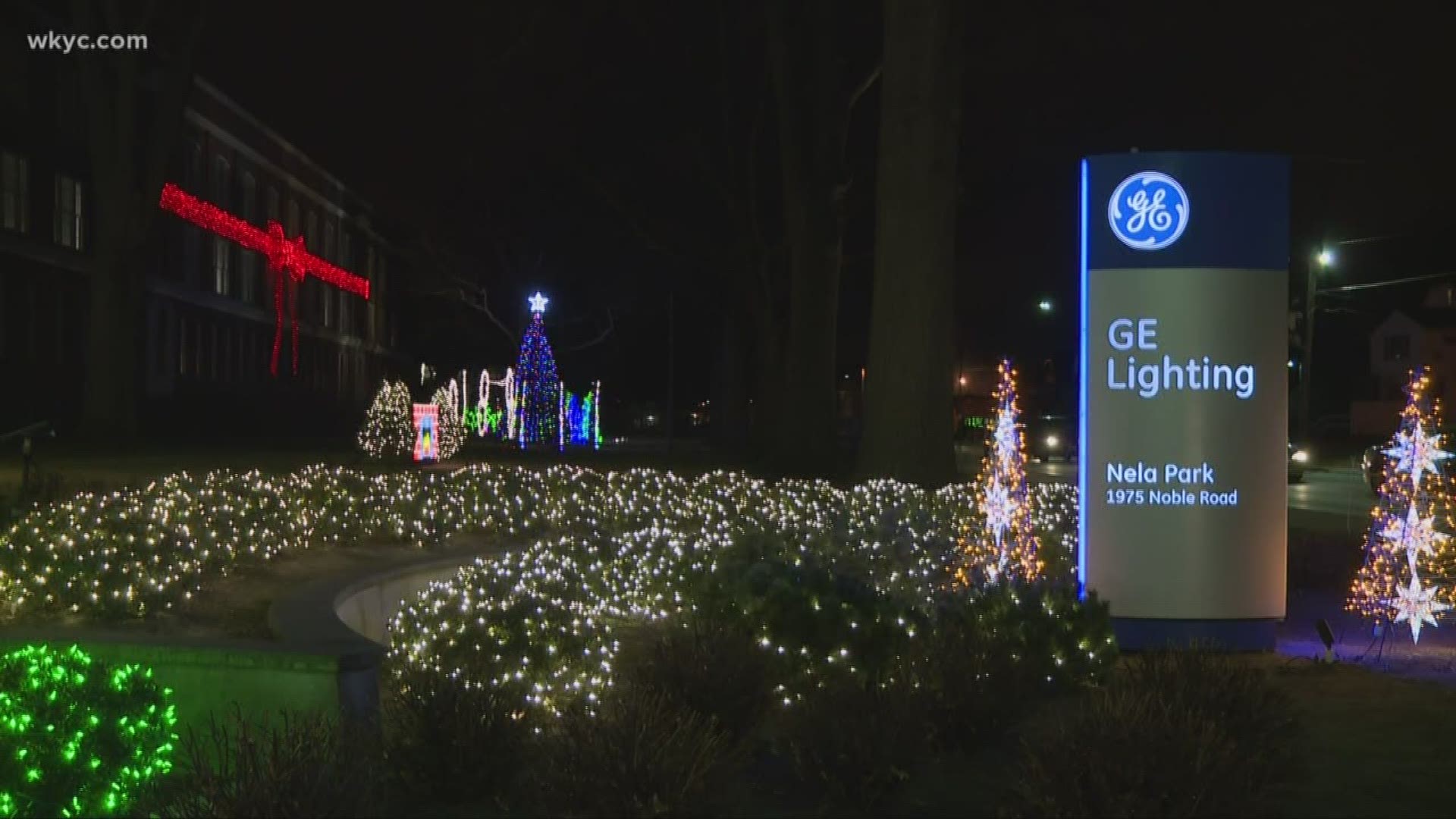
GE Current, part of Savant Systems, carries a name with a long, storied history in lighting. While the original GE Lighting has evolved, Current is still a significant player, pulling in over $1 billion annually. They're particularly known for their collaborations, like the 2025 partnership with Itron on end-to-end smart streetlights. They're making cities smarter, one lamppost at a time, with solutions like CityEdge for advanced energy management.
Current has a strong legacy in helping cities transition from old, inefficient HID lighting to modern LEDs, saving taxpayers a ton of money-we're talking 40% energy reduction in some city projects. That's real impact. My minor annoyance with GE Current? Sometimes, it feels like their consumer-facing products can get a bit lost in the shuffle compared to their larger commercial and municipal projects. The branding can be a little confusing too, given the GE name's broader associations. But when it comes to robust, large-scale lighting infrastructure, they're still a very safe bet, leveraging decades of experience to deliver reliable performance.
8. Wipro Ltd.

Wipro, primarily known as an IT services giant, has quietly become a significant force in the lighting sector, especially in the Asia-Pacific region. Their lighting arm is projected to hit over $500 million in revenue for 2026, making them a clear market leader in India with around 20% market share. They're rapidly expanding their reach, driven by affordable smart systems for both commercial and residential use.
What I appreciate about Wipro is their ability to deliver quality, smart lighting solutions at a price point that makes them accessible in growing markets. They're not just for big corporations; they're bringing connected lighting to a broader audience. My one quibble? Sometimes their smart home app or ecosystem can feel a little less polished than some of the more established global players. It's functional, but might lack some of the bells and whistles or seamless third-party integrations that Western brands often boast. Still, for sheer growth and impact in a vital region, Wipro is absolutely crushing it.
9. Bridgelux, Inc.
Bridgelux is a name you might not see on a light fixture in your home, but their technology is probably in many of them. These guys are high-performance LED developers, specializing in the light engines that power some of the best tunable white systems out there. With over 70 years of innovation, inspired by giants like Nichia, they're pushing the boundaries of what LED light can do, particularly for health-focused applications.
Their December 2025 cross-license deal with Lumitech for RGBW technology is a clear indicator of where they're headed: flexible, high-quality light that can adapt to human needs. Experts are really excited about their PI-LED technology for circadian health. My main frustration with Bridgelux is that they're largely a component supplier, so their impact, while massive, isn't always directly visible to the end-user. It's hard to get excited about a "light engine" when you just want a nice lamp. But without companies like Bridgelux doing the heavy lifting on the tech side, the innovative lighting solutions we all enjoy simply wouldn't exist. They're the silent innovators making a huge difference.
10. Havells India Limited

Havells India is a name that's rapidly gaining traction, not just in India but as a global challenger. Their FY2025 revenue hit INR 20,000 crore (that's roughly $2.4 billion), with their LED lighting segment showing an impressive 25% year-over-year growth. This company is a fast-riser, especially strong in residential and commercial sectors, and they're really pushing IoT-enabled solutions.
What I admire about Havells is their aggressive expansion and ability to scale. They're taking what they've learned in a competitive domestic market and applying it globally, offering a wide range of products from basic bulbs to sophisticated smart systems. My one complaint? Their distribution and brand recognition outside of their core markets, while growing, isn't as established as some of the older European or North American players. This can sometimes make it harder for international customers to access their full range or get consistent support. But make no mistake, with that kind of growth, Havells is a company that's going to keep expanding its footprint. They're a prime example of emerging market innovation making waves worldwide.
Latest Developments and What's Brewing
The lighting industry isn't sitting still, not for a second. We've seen a fair bit of consolidation lately. Advanced Lighting, for instance, snapped up Cree Lighting a while back, and that's still rippling through the market. Halco bought Topaz Permanent Lights, and then you've got these smart solution partnerships, like Itron and GE Current teaming up on city-wide projects. It's all about bigger players getting bigger, or smart companies combining forces to offer more comprehensive packages.
The industrial LED market, in particular, is just exploding. We're talking a 20% Compound Annual Growth Rate, projected to hit a whopping $193.38 billion by 2030. Companies like Samsung, GE, and Signify are absolutely leading that charge. Signify's move to 93% LED sales and Acuity's integration of audio-visual elements into their smart platforms really show where things are headed: it's not just about light anymore; it's about integrated services and intelligent environments. The Asia-Pacific region continues to be the largest market, but the Middle East and Africa are growing at an incredible pace, showing that the demand for efficient, smart lighting is truly global.
At , we're all about being smart. So, as 2026 unfolds, take a good look at your lighting. Is it smart-ready? Is it efficient? The connected world is only getting brighter, and you don't want to be left in the dark.
Related Posts

9 Comments
Join the discussion and share your thoughts