Top 10 Best Language Learning Apps In 2026

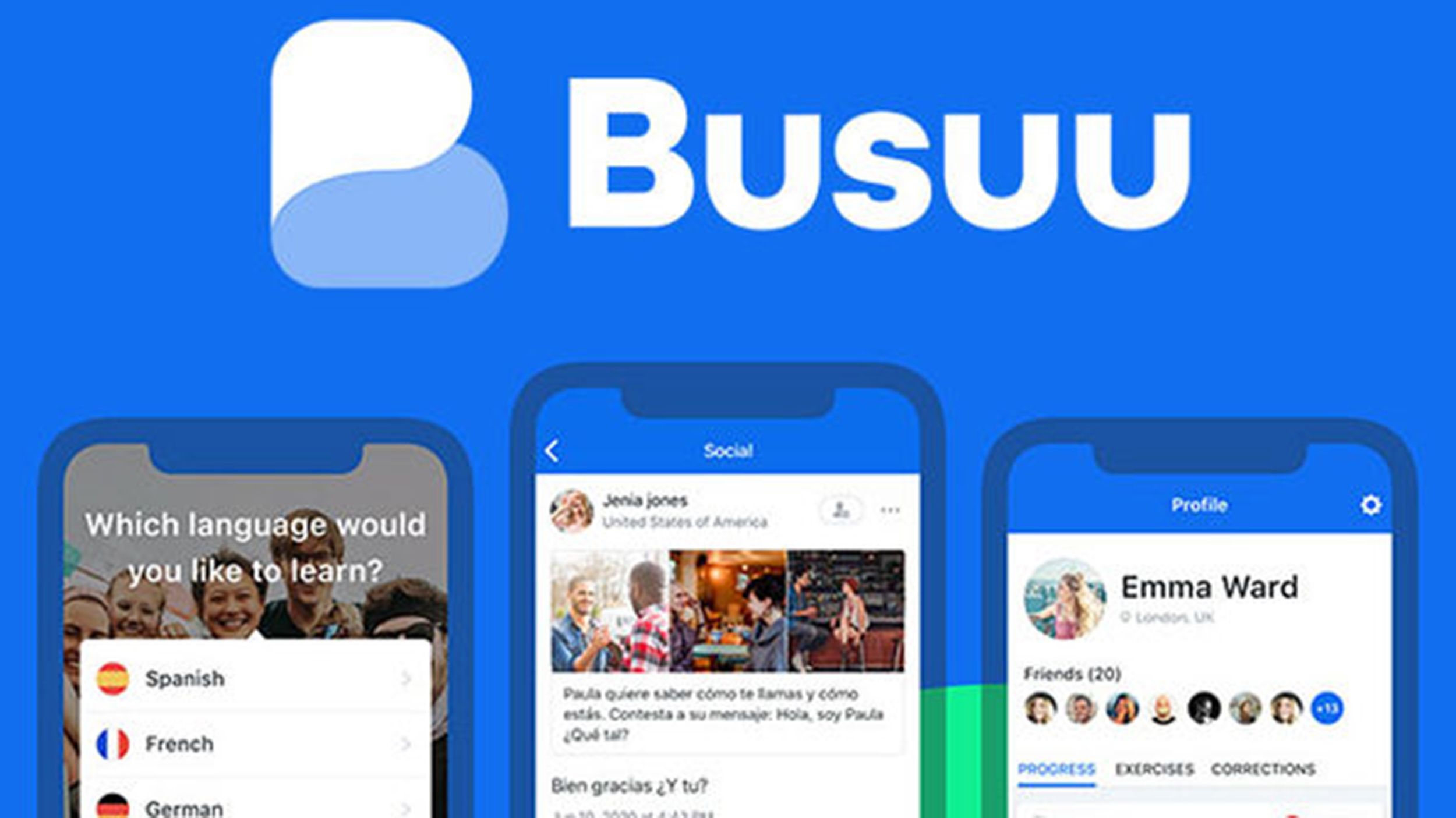
Table of Contents
The language learning app market has matured considerably over the past decade. What started as a handful of flashcard tools has grown into a crowded field of AI-powered platforms, each claiming to be the fastest route to fluency. Our ranking of the top 10 best language learning apps in 2026 reflects a simple reality: no single app works for everyone. The right choice depends on your goals, your budget, and how you learn best.
We evaluated these apps based on curriculum quality, teaching methodology, user engagement, pricing, and real-world outcomes reported by learners. We also weighed how each platform has adapted to the AI shift that has reshaped the industry since 2024. Some apps have embraced the technology meaningfully. Others have bolted on features that feel more like marketing than substance.
How We Ranked These
Our rankings draw on expert reviews from PCMag and Test Prep Insight, user sentiment from language learning communities, and our own testing of each platform. We weighed curriculum design against CEFR standards, the quality of speech recognition technology, pricing transparency, and whether the app can realistically take you beyond beginner level. We also considered each app's unique strengths: a pronunciation tool cannot be judged by the same criteria as a full curriculum platform. The result is a list that reflects the best options across different learning styles, not just the most popular downloads.
These Are The Top 10 Best Language Learning Apps 2026:
1. Babbel
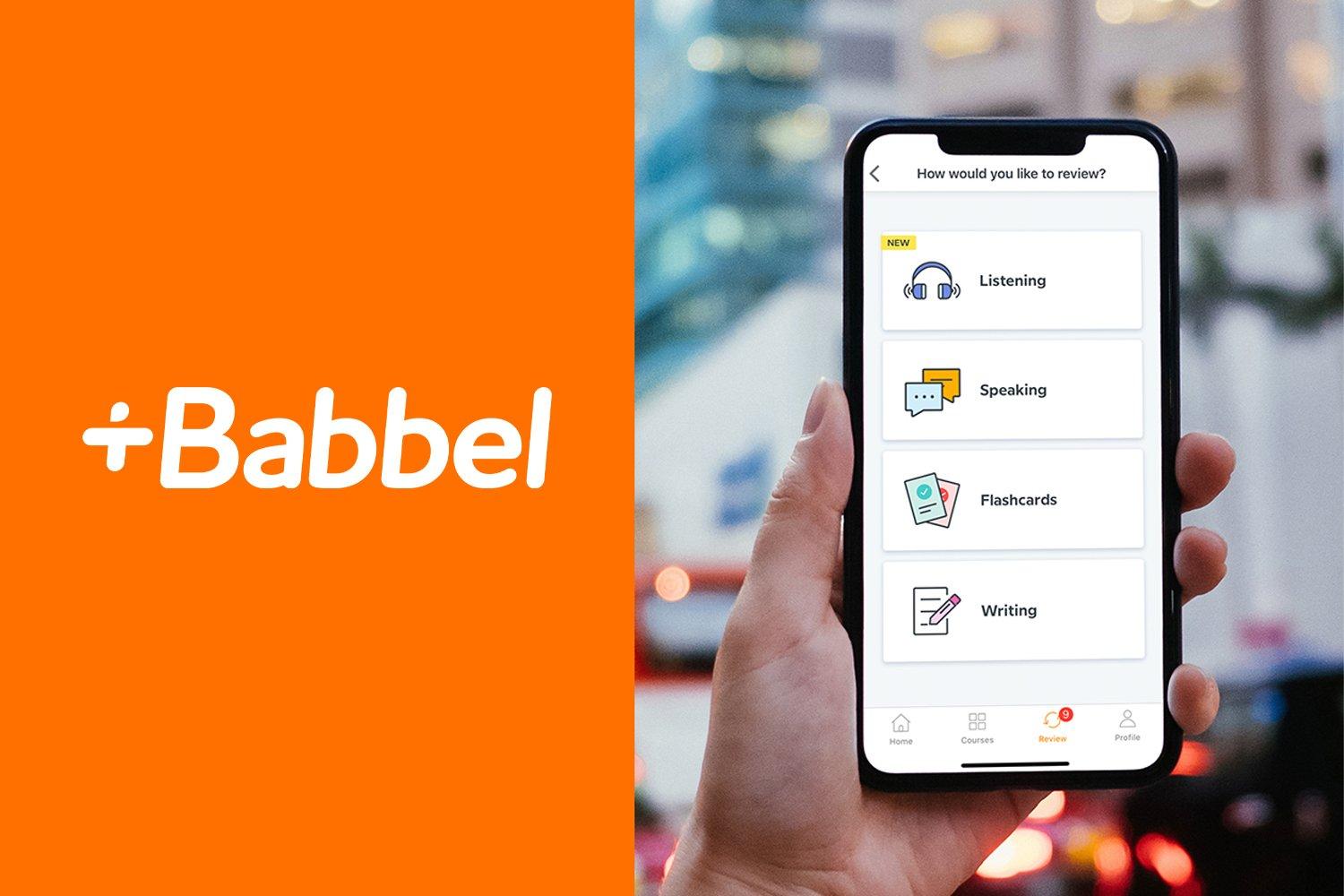
Babbel offers the strongest linguist-designed curriculum on the market. Its lessons are built around real-world dialogues and grammatical progression aligned to CEFR standards, making it a favorite among learners who want structure without the chaos of gamification. PCMag rates it 4.0/5.0 Excellent, and the platform covers 14 languages with a focus on practical conversation skills.
The 2026 update introduced Babbel Speak, an AI-powered speech recognition system for conversation drills, along with an AI conversation partner that launched in 2025. These additions address what was historically Babbel's weakest area: speaking practice. Babbel Live, the optional human group class component, remains available for those who want live instruction. At roughly $14 per month on the annual plan, Babbel sits in the mid-range of pricing. Lifetime plans are frequently discounted to between $200 and $300, which makes it a solid long-term investment for serious learners.
2. Duolingo
Duolingo remains the most popular language learning app in the world, and for good reason. PCMag gives it a 5.0/5.0 Exemplary rating, the highest of any app we reviewed. The platform offers courses in more than 40 languages, from Spanish and French to Hawaiian and High Valyrian. Its gamified interface, built around streaks, leaderboards, and bite-sized lessons, has proven remarkably effective at building daily habits. For beginners, particularly those learning new scripts like Japanese or Arabic, Duolingo's structured progression is hard to beat.
The 2025 energy system, however, has drawn criticism from the user base. Free users are now capped at roughly 15 to 20 minutes of practice per day, which limits how much progress you can make without upgrading. Most learners also report plateauing around the A2 level. The app is excellent at getting you started, but it struggles to push you into intermediate territory. Duolingo Max, the premium AI tier, adds Roleplay and Explain My Answer features powered by GPT-4, which help address some of these gaps. Still, the core product is best viewed as an entry point rather than a complete solution.
3. Pimsleur
Pimsleur takes a fundamentally different approach to language learning. Developed by Dr. Paul Pimsleur, the method relies on spaced-repetition and timed recall intervals to strengthen memory retention. Every lesson simulates a private class with native speakers, emphasizing listening and speaking over reading and writing. It is the only major app on this list designed primarily for audio, which makes it ideal for commuters and drivers. A dedicated driving mode keeps the interface hands-free.
The platform offers programs in 50 languages, one of the largest catalogs available, including ESL courses for English learners. PCMag rates it 4.0/5.0 Excellent, and Test Prep Insight's 2025 review similarly praised its effectiveness for building conversational confidence quickly. The drawbacks are the higher price point, around $20 per month, and the difficulty of learning non-Latin scripts through an audio-only format. If you need to read and write in your target language, Pimsleur alone will not get you there. For spoken fluency, it remains one of the best tools we have tested.
4. Rosetta Stone
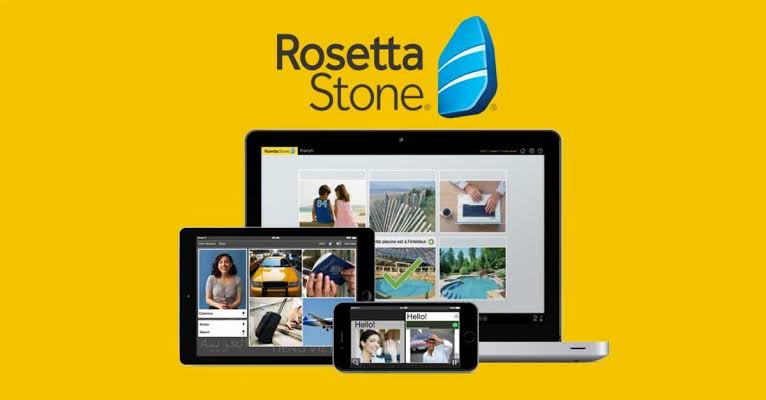
Rosetta Stone's Dynamic Immersion method has been a fixture in language learning for three decades. The approach teaches without translation, using contextual images and the TruAccent speech recognition engine to build intuitive understanding. PCMag rates it 4.0/5.0 Excellent, and the platform covers 23 languages. It is particularly effective for building a foundational grasp of a language, especially for visual learners.
The 2026 Sapphire rebranding shifted the platform toward shorter, mobile-first lessons. This change has been controversial among longtime users. The structured 30-minute practice sessions that made Rosetta Stone distinctive have been abandoned, and lifetime memberships no longer include access to the new AI features. The pricing, at $19.99 per month or $159 per year, sits at the higher end of the market. You will not achieve fluency with Rosetta Stone alone, but for establishing a solid base, it remains a reliable option.
5. italki
italki is not an app in the traditional sense. It is a marketplace connecting learners with more than 30,000 professional teachers and community tutors across 150 languages in 190 countries. The platform has over 10 million registered learners. Instead of following a preset curriculum, you choose your teacher based on their background, teaching style, and student reviews, then schedule lessons around your availability.
The pay-per-lesson model offers flexibility that subscription apps cannot match. Prices range from approximately $5 to $80+ per hour depending on the tutor's credentials and experience. For learners who prioritize real conversation practice over gamified exercises, italki is the clear choice. It is also the only platform on this list where you can learn less commonly taught languages like Swahili, Icelandic, or Filipino with a native speaker. The tradeoff is that you must take responsibility for your own curriculum and consistency. There is no streak counter to keep you honest.
6. Busuu
Busuu distinguishes itself through its peer-to-peer learning community. You submit speaking and writing exercises, and native speakers correct them. In return, you help others learning your language. This human feedback loop, combined with a curriculum structured around CEFR levels, makes Busuu one of the most well-rounded options available. The platform covers 14 languages with goal-oriented study plans and offers official-style certificates for exam preparation.
In 2025 and 2026, Busuu added AI-powered conversation practice as a Premium Plus feature. This complements, rather than replaces, the human correction system. The freemium model is generous, and the premium tier is competitively priced against Babbel and Duolingo Max. For learners who want structured progression with a community component, Busuu is a strong contender. The CEFR alignment also makes it easier to track your progress against recognized proficiency standards.
7. Memrise
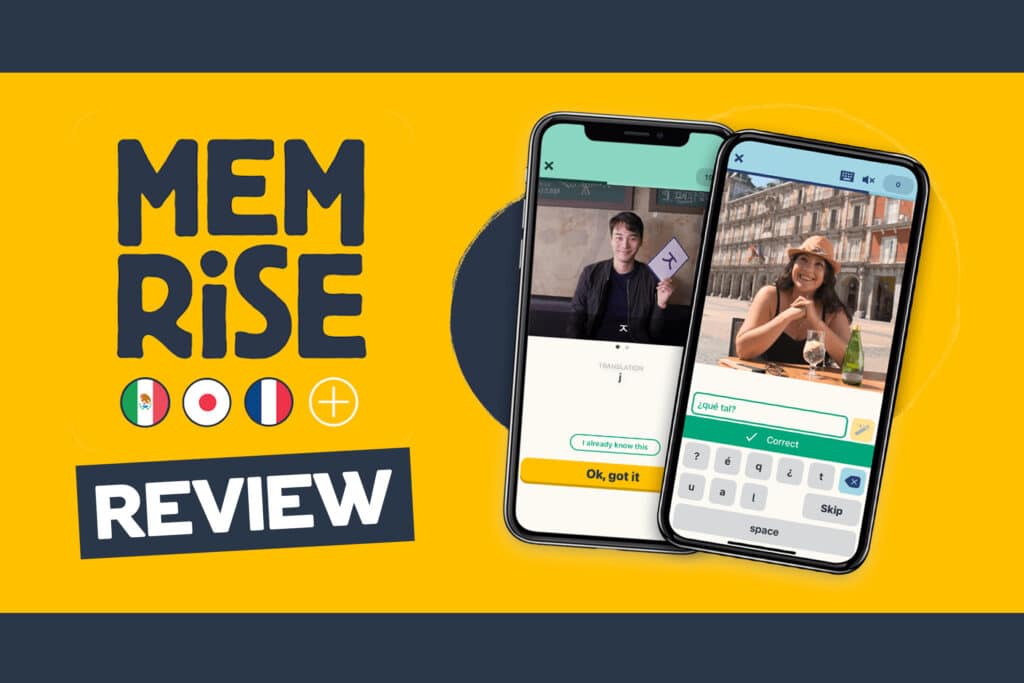
Memrise is the best vocabulary-building tool on this list. The platform uses native-speaker video clips and strong spaced repetition algorithms to help you retain words and phrases. The free plan is among the most generous available, which makes it a top choice for budget-conscious learners. Pro costs roughly $5 per month on the annual plan, and the platform covers more than 20 languages.
The AI coach, MemBot, provides decent conversation practice and written error correction. It catches details like missing accents in French, which is a level of precision most competitors miss. However, Memrise works best as a supplemental resource rather than a standalone program. Its limited sentence production and speaking practice mean you will need another platform for comprehensive instruction. Reddit users consistently describe it as a companion tool, not a primary curriculum.
8. LingQ
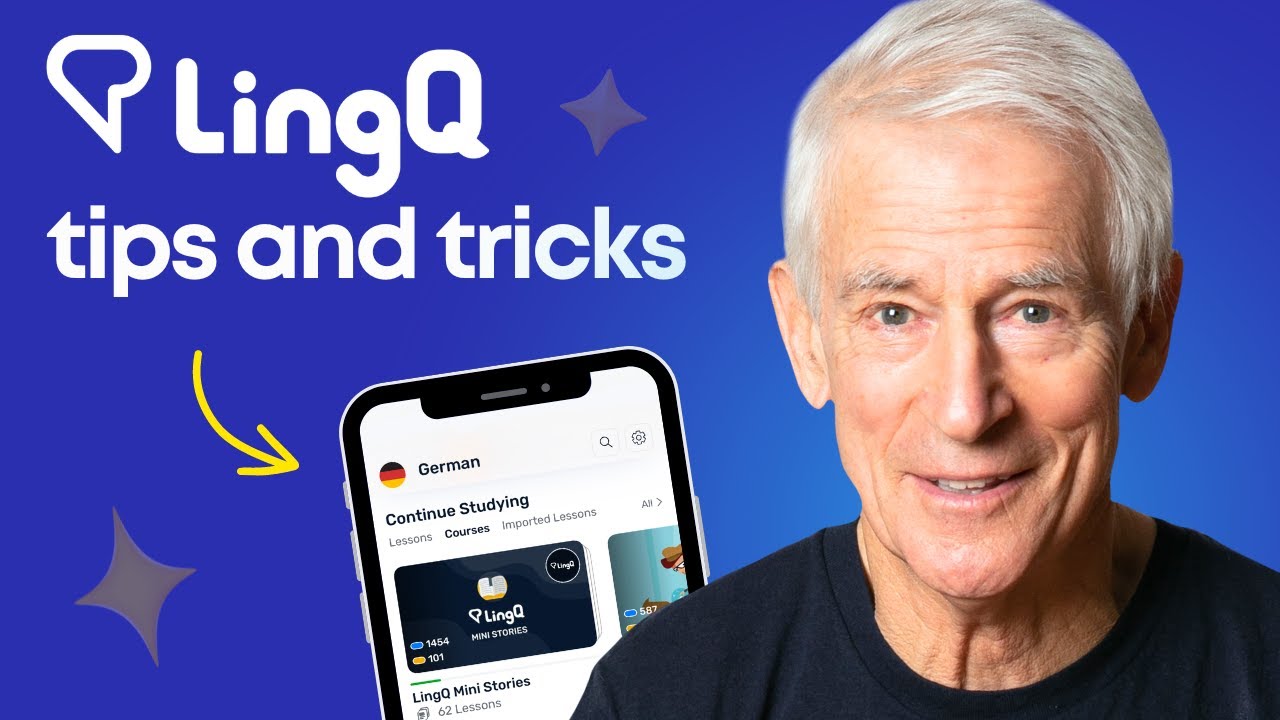
LingQ takes a content-based approach to language learning. The platform lets you import or access thousands of authentic texts and audio in more than 40 languages, with integrated vocabulary tracking. The Mini Stories feature provides comprehensible input for beginners, while advanced learners can import news articles, podcasts, and YouTube content. The underlying philosophy, that languages are "grown, not memorized," appeals to learners who find traditional curricula tedious.
The free tier is notably generous, with the full reading and listening interface accessible without payment. This makes LingQ an excellent option for learners who want to immerse themselves in real content without committing to a subscription. The tradeoff is that LingQ is not a structured course. You must be self-directed and willing to find or import your own materials. For intermediate and advanced learners, it is one of the most effective tools available. For complete beginners, it can feel overwhelming.
9. Elsa Speak
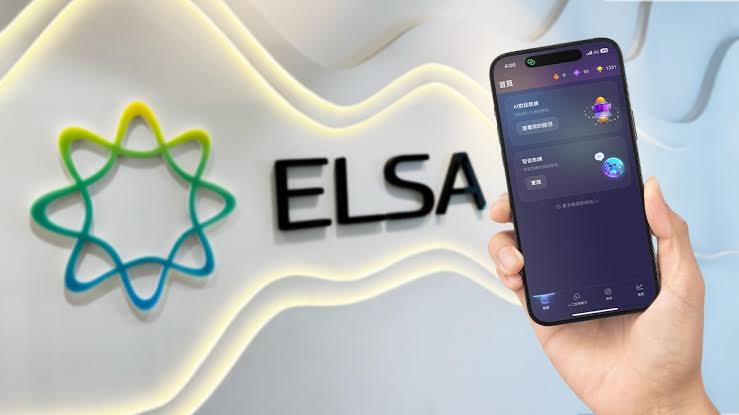
ELSA Speak specializes in one thing: pronunciation. The app uses AI to analyze your speech at the phoneme level, providing targeted feedback on specific sounds you are getting wrong. It is particularly valuable for professionals who need clear pronunciation for work, or for learners struggling with sounds that do not exist in their native language. With more than 15 million downloads and strong App Store ratings, it has established itself as the gold standard for pronunciation-specific training.
The pricing ranges from $11 to $19 per month depending on the plan. The narrow focus means ELSA works best alongside a more comprehensive learning platform. It cannot teach you grammar, vocabulary, or culture. But no other app on this list can match its precision in correcting your accent. For learners at any level who want to sound more natural, it is worth the subscription.
10. Anki
Anki is not a language learning app in the conventional sense. It is a spaced repetition flashcard system, completely free on desktop and Android, that lets users create custom decks or download millions of shared decks for virtually any language. The algorithm schedules reviews at optimal intervals to maximize long-term retention. Serious language learners consistently rate it as essential, despite its steep learning curve and unpolished interface.
The platform requires more self-direction than any other app on this list. You must create or find appropriate content, manage your own review schedule, and resist the urge to skip days. The payoff is one of the most efficient vocabulary-building systems ever designed. The desktop version is free, with a paid iOS app supporting development. Anki is not for everyone, but for learners who stick with it, the results speak for themselves.
The best language learning app in 2026 depends entirely on your circumstances. If you are a beginner looking to build a daily habit, Duolingo is the easiest entry point. If you want structured, linguist-designed lessons with real conversation practice, Babbel offers the best balance. Commuters and audio learners should look at Pimsleur. Learners who need human interaction should consider italki. And if you are serious about long-term vocabulary retention, Anki deserves a place in your toolkit regardless of which primary app you choose.
Related Posts


3 Comments
Join the discussion and share your thoughts