Top 10 Best Healthcare Systems In Asia 2026


Table of Contents
Asia has become the proving ground for healthcare innovation, with systems that range from single-payer models of remarkable efficiency to hybrid public-private structures that attract patients from every continent. Our 2026 ranking of the best healthcare systems in Asia weighs several factors: international index scores from sources like the Numbeo Health Care Index and the CEOWORLD Health Care Index, life expectancy data, hospital accreditation standards, G20 clustering analysis from public health research, and the strength of each country's medical tourism sector. We also considered accessibility, cost control mechanisms, and how each system serves both citizens and international patients. The result is a picture of a region that is not just catching up to Western healthcare standards but, in several cases, surpassing them.
These Are The Top 10 Best Healthcare Systems In Asia 2026:
1. Taiwan
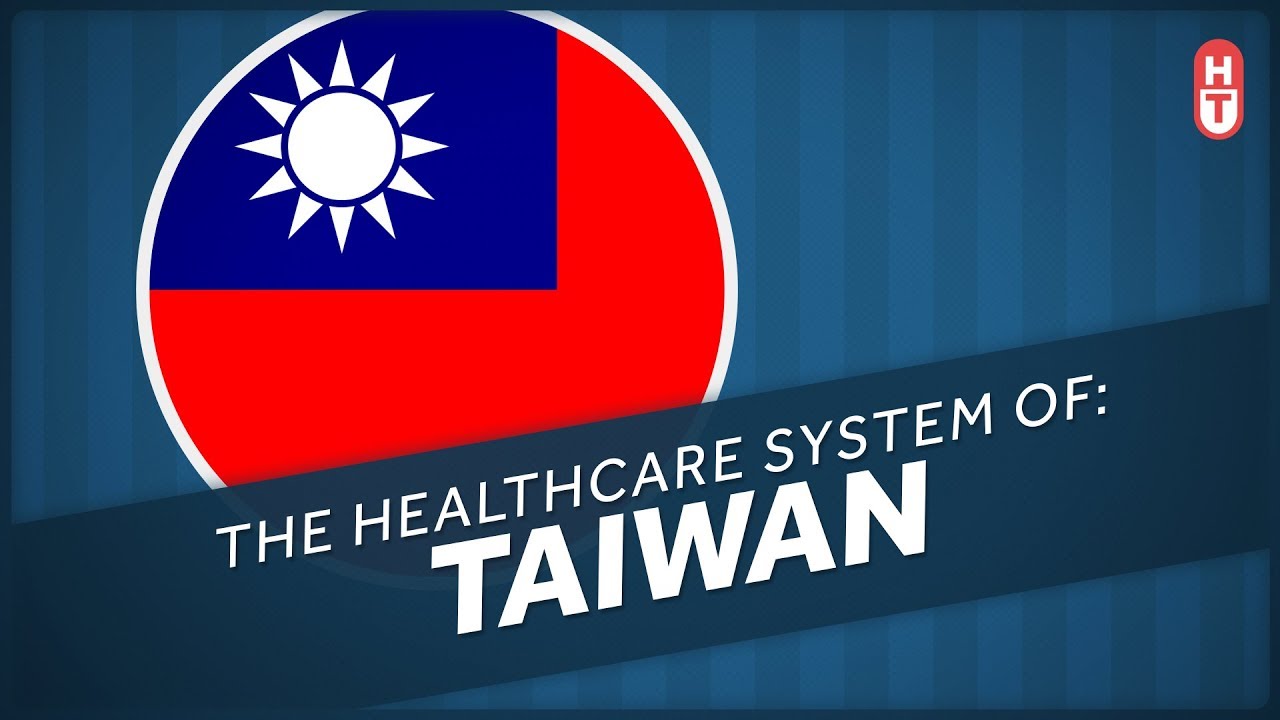
Taiwan sits atop our ranking, and it is not a close call. The country's single-payer National Health Insurance (NHI) program, launched in 1995, covers every citizen and resident with a comprehensiveness that most wealthy nations have failed to replicate. The NHI posts a 158.2 point score in global healthcare rankings for 2026 and a 87.1 score on the Numbeo Health Care Index, the highest figures anywhere in the world.
What makes Taiwan exceptional is not just coverage, but execution. Wait times are short, digital health records are fully integrated, and public hospitals are equipped with technology that rivals private institutions in the United States. The system covers everything from preventive screenings to advanced oncology treatments, all at a cost that rarely burdens patients financially. Taiwan has effectively solved the puzzle that still confounds many Western systems: how to deliver world-class care without bankrupting the state or the patient.
The NHI's administrative overhead is famously low, around 2 percent of total spending, because it operates as a single payer with no marketing costs, no profit margins, and no claims denials based on pre-existing conditions. For international observers, Taiwan is the gold standard of what universal healthcare can achieve when political will and administrative competence align.
2. South Korea
South Korea's ascent in global healthcare rankings has been steady and impressive. The country scores 151.3 points in international indices and 83.0 on the Numbeo Health Care Index, placing it second among Asian nations. Its mandatory National Health Insurance system covers citizens and long-term foreign residents, with enrollment required after six months of residence.
What sets Korea apart is its embrace of technology. Robotic surgeries are routine at major hospitals, AI-assisted diagnostics are becoming standard practice, and the country's pharmaceutical sector is among the most advanced in the world. These investments have produced measurable results: high life expectancy and one of the lowest infant mortality rates on the planet.
Patients enjoy direct access to specialists without the gatekeeping that frustrates patients in many Western systems. If you want to see a neurologist at Samsung Medical Center or Asan Medical Center, you simply book an appointment. No referrals, no waiting lists, no prior authorization battles. The system is not without its critics, who note that the fee-for-service model can encourage over-treatment, but for the patient experience, it is hard to beat.
South Korea's medical tourism sector is thriving, with 2.01 million international patients in 2024, the highest number since 2009. The vast majority, 85.4 percent, receive treatment in the Seoul metropolitan area, where the concentration of world-class hospitals is unmatched in the region.
3. Japan
Japan's healthcare system is a study in quiet efficiency. The country requires all residents to carry insurance, and the cost-sharing model is straightforward: patients pay 30 percent of medical costs, insurers cover the rest, and caps on out-of-pocket expenses prevent catastrophic financial burden. The system posts a 79.9 score on the Numbeo Health Care Index, and Japan's life expectancy of 82 to 84 years remains among the highest in the world.
What impresses us about Japan is access. Patients can see specialists the same day they request an appointment, a convenience that is almost unheard of in countries with gatekeeping models. The hybrid structure, which combines public oversight with market incentives, keeps costs controlled while maintaining quality. Strong regulation ensures transparency, and the system has managed to avoid the inflation problems that plague healthcare in many other developed nations.
Japan sits in Group 1 of the G20 healthcare systems clustering, alongside South Korea and Australia, a designation that reflects strong outcomes and comprehensive infrastructure. The system is not perfect, and an aging population is putting increasing strain on resources, but for now, Japan remains a model of accessible, affordable, and effective care.
4. Singapore

Singapore is the most efficient healthcare system in Asia, and arguably the most disciplined. The country ranks 8th in the U.S. News Best Countries 2026 health category and 4th among the best countries for expats seeking healthcare. What makes Singapore remarkable is that it achieves outcomes matching or exceeding Western nations while spending significantly less per capita.
The system rests on a three-pillar structure: Medisave, a mandatory savings account that patients draw from for medical expenses; MediShield, a catastrophic insurance scheme; and subsidies that keep public hospital care affordable for citizens and permanent residents. The result is a system where costs are controlled without sacrificing quality, a balance that most countries have failed to strike.
Private hospitals, including Mount Elizabeth, Raffles Hospital, and Gleneagles, offer world-class specialist care that attracts patients from across the region and beyond. Public hospitals are accessible and significantly cheaper, with government subsidies reducing costs for locals. For expatriates, however, the system is one of the more expensive in Asia, with private health insurance running SGD 200 to 600 per month. That premium buys access to some of the best medical facilities in the world, so the value proposition remains strong.
5. Thailand

Thailand has carved out a unique position in Asian healthcare: it is the region's undisputed medical tourism leader, and it has built a domestic system that serves its citizens well. The country ranks 10th among the best countries for expats seeking healthcare, and its hospitals have earned a reputation for quality that extends far beyond its borders.
Thai private hospitals are a study in hospitality meets medicine. JCI-accredited facilities like Bumrungrad International Hospital in Bangkok have become destinations in their own right, attracting patients from the Middle East, Europe, and the United States with a combination of modern facilities, highly trained physicians, and service standards that feel more like a five-star hotel than a medical center. The costs are competitive, often 50 to 70 percent lower than equivalent procedures in the United States.
For Thai citizens, the Universal Coverage Scheme ensures access to essential services, and the government has invested heavily in public health infrastructure over the past two decades. The system demonstrates that strategic investment in healthcare can improve population health outcomes while simultaneously building a thriving medical tourism industry.
6. Malaysia

Malaysia's healthcare system has grown steadily in international recognition, earning inclusion in Newsweek's World's Best Hospitals 2026 evaluation, which assessed facilities across 32 countries. The selection was based on comparability factors including standard of living, life expectancy, and hospital density, and Malaysia held its own against far wealthier nations.
The country operates a dual-track system: a public sector that provides subsidized care to citizens and a private sector that serves both locals and international patients. Malaysian private hospitals are internationally accredited and have built a strong reputation for quality at competitive prices. The government has invested significantly in healthcare infrastructure and technology, recognizing that medical tourism is a growth sector worth courting.
Malaysia's strengths lie in its affordability and its growing expertise in specialized procedures. Cardiac surgery, orthopedics, and fertility treatments are particular areas of competence, and the country's proximity to Singapore, where healthcare costs are significantly higher, has made it an attractive alternative for cost-conscious patients.
7. India

India's healthcare system is a tale of two realities. On one hand, the country has world-class private hospitals that attract international patients with specialized cardiac care, orthopedic procedures, and advanced technology adoption at costs that are a fraction of Western prices. On the other, the public system struggles to serve a population of over 1.4 billion, with significant disparities between urban and rural access.
India's inclusion in Newsweek's World's Best Hospitals 2026 evaluation reflects its growing standing in global healthcare, and the country's G20 clustering analysis shows moderate GDP with rising healthcare performance. Major government initiatives have expanded access to essential services, and the private hospital sector, including institutions like Apollo Hospitals and Fortis Healthcare, has earned international accreditation and recognition.
For international patients, India offers exceptional value. Complex procedures like coronary artery bypass surgery can cost 90 percent less than in the United States, and the quality of care at top-tier hospitals is comparable to Western standards. The challenge for India is extending that quality beyond its elite institutions to the broader population, a task that will require sustained investment and policy focus.
8. China

China's healthcare system has undergone dramatic transformation over the past two decades, and the results are increasingly visible in international rankings. The country sits in Group 3 of the G20 healthcare systems clustering, alongside the United States, Poland, Turkey, and Saudi Arabia, a grouping that reflects moderate GDP but rising healthcare performance.
The government has implemented major healthcare reforms to expand coverage and improve infrastructure across the country's vast population. Hospital construction has proceeded at a remarkable pace, and medical technology adoption has been rapid. China's healthcare system continues to evolve, with significant investment in everything from rural clinics to cutting-edge research hospitals in major cities like Beijing, Shanghai, and Guangzhou.
Challenges remain, particularly in equity and access across regions. Rural areas still lag significantly behind urban centers in healthcare quality and availability, and the system's reliance on hospital-based care rather than primary care has created inefficiencies. But the trajectory is clear: China is investing heavily in healthcare, and the results are beginning to show.
9. Philippines

The Philippines earned inclusion in Newsweek's World's Best Hospitals 2026 evaluation, a recognition that reflects the country's growing healthcare infrastructure and improving data availability. The system has been undergoing gradual improvement, with increased government investment in public health programs and hospital modernization.
Philippine hospitals are increasingly pursuing international accreditation standards to improve quality and safety, and the country's healthcare workforce, which includes many nurses and physicians trained to international standards, is a significant asset. The private hospital sector in Metro Manila, including institutions like St. Luke's Medical Center and Makati Medical Center, offers care that compares favorably with regional peers.
The system faces real challenges, including resource constraints and uneven access between urban and rural areas. But the direction of travel is positive, and the country's inclusion in international rankings signals that its healthcare system is being taken seriously on the global stage.
10. Indonesia
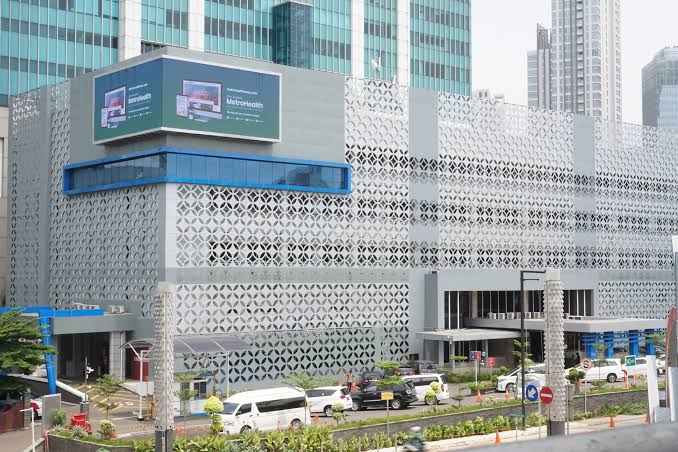
Indonesia's healthcare system is in a developmental phase, placed in Group 5 of the G20 healthcare systems clustering alongside India and South Africa. The country faces a unique challenge: delivering healthcare across a vast archipelago of thousands of islands, which creates logistical difficulties that landlocked nations never encounter.
The government has implemented universal health coverage initiatives to improve access to essential services for its large population, and investment in healthcare infrastructure has increased. Indonesia has been working to expand its healthcare workforce and improve the quality of care in rural and remote areas, where access remains a significant challenge.
Healthcare outcomes in Indonesia are improving, but the country still lags behind more developed Asian nations. The system continues to develop its infrastructure and workforce capacity, and international recognition, while not yet at the level of its regional peers, is growing. For Indonesia, the path forward is clear: continued investment, continued reform, and continued focus on extending quality care to every corner of the archipelago.
Asia's healthcare systems are as diverse as the continent itself, ranging from Taiwan's single-payer model of near-perfect efficiency to Indonesia's developing infrastructure. What unites the leaders on this list is a commitment to expanding access, controlling costs, and investing in quality. As Western nations struggle with rising costs and inequitable access, these Asian systems offer lessons worth studying.
Related Posts




2 Comments
Join the discussion and share your thoughts