Top 10 Best Financial Institutions In Africa 2026

Table of Contents
Across the African continent, financial institutions are shaping the economic future with their scale, innovation, and commitment to serving diverse markets. In this article, we present our ranking of the Top 10 Best Financial Institutions in Africa for 2026, highlighting the banks that stand out for their asset strength, regional impact, and forward-thinking strategies. Our analysis draws on verifiable data and industry trends to showcase the leaders driving financial inclusion and growth. From South Africa to Nigeria and beyond, these institutions represent the backbone of Africa's banking sector.
How We Ranked These
Our ranking of the Top 10 Best Financial Institutions in Africa for 2026 is based on a careful evaluation of key factors that reflect strength and influence in the sector. We prioritized total asset size as a primary indicator of scale and stability, using data projections for 2025 and 2026 from industry reports. Additionally, we considered geographic reach, innovation in digital banking, contributions to financial inclusion, and leadership in sustainability or trade finance. Customer service excellence and market dominance in specific regions also played a role in shaping this list, ensuring a balanced view of each institution's impact.
The Top 10 Best Financial Institutions In Africa 2026:
1. Standard Bank Group

Topping our list is Standard Bank Group, headquartered in Johannesburg, South Africa, with assets exceeding $200 billion as of 2025. Operating in over 20 African countries, the bank offers a wide array of services, including retail banking, corporate services, wealth management, and investment banking. Its dominance in sub-Saharan Africa, paired with heavy investments in digital platforms, cements its position as the continent's largest bank by assets.
We note that Standard Bank's ability to adapt to varied economic conditions across markets is a key strength. Its extensive corporate client base and focus on digital transformation have positioned it as a leader in modern banking solutions. For readers interested in South African financial trends, our upcoming piece on regional banking hubs will provide deeper insights.
2. Absa Group Limited
With assets surpassing $130 billion in 2025, Absa Group Limited secures the second spot on our list. Based in South Africa, Absa delivers a comprehensive suite of services, from retail and business banking to investment management and insurance, across multiple African nations. Its emphasis on customer service and cutting-edge digital initiatives sets it apart.
The bank's steady growth, even in competitive markets, reflects its focus on risk management and client-centric solutions. Absa's consistent performance underscores its role as a major player in shaping Africa's financial future. We see this as a testament to its strategic vision in a dynamic industry.
3. FirstRand Bank
FirstRand Bank, also headquartered in South Africa, ranks third with assets over $120 billion as of 2025. Known for subsidiaries like First National Bank, it excels in personal banking, insurance, and investment management. What distinguishes FirstRand is its pioneering move in 2026 to issue Africa's first nature-linked performance-based bond worth ZAR2.5 billion through the Johannesburg Stock Exchange.
This innovative step toward sustainability, combined with a strong digital presence and cross-border transaction expertise, highlights FirstRand's forward-thinking approach. Its operations extend well beyond South Africa, providing a stable foundation for growth. Our analysis suggests this bank is setting new standards for environmental responsibility in finance.
4. Nedbank Group
Coming in at fourth is Nedbank Group, another South African giant with assets exceeding $100 billion in 2025. Offering a full range of services, including retail, commercial, and corporate banking as well as wealth management, Nedbank boasts an extensive branch network across the continent. Its commitment to corporate governance stands out.
We've observed that Nedbank's focus on sustainability and expanding digital capabilities enhances its influence. This balance of traditional banking strength and modern solutions makes it a trusted partner for individuals and businesses alike. For more on sustainable banking trends, keep an eye on our related coverage.
5. Ecobank Transnational Incorporated (ETI)
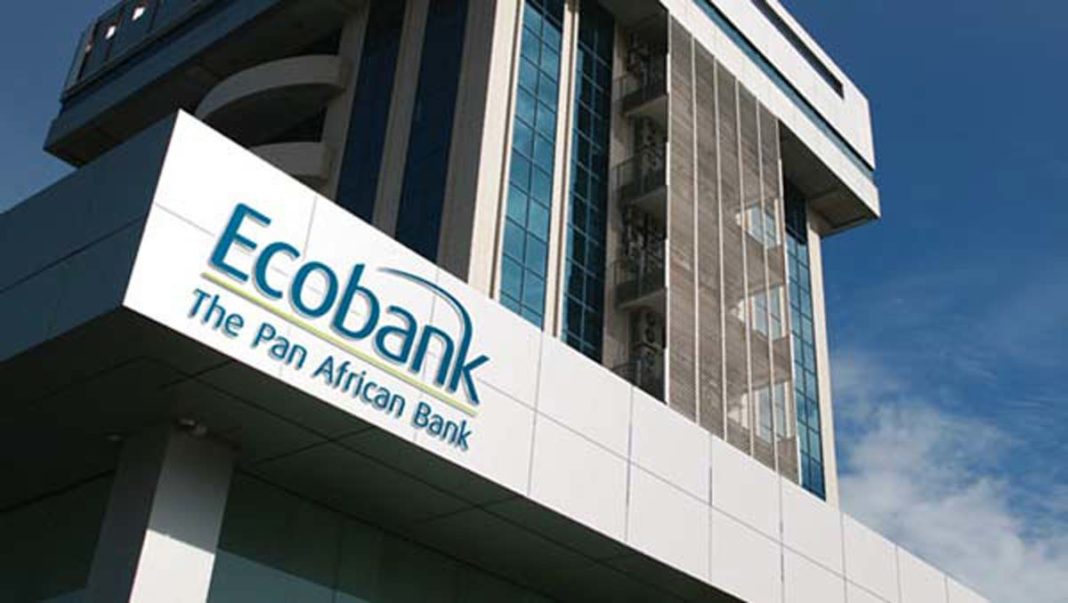
Ecobank Transnational Incorporated, based in Togo, takes the fifth position with assets over $70 billion in 2025 and operations spanning more than 30 countries. Specializing in retail, corporate, and investment banking, alongside mobile money services, Ecobank plays a vital role in facilitating cross-border trade across Africa.
Its vast network and partnerships with global institutions strengthen regional financial integration. We find Ecobank's leadership in trade finance particularly noteworthy, as it supports economic development on a pan-African scale. This institution's reach makes it indispensable for businesses navigating intra-African commerce.
6. Zenith Bank
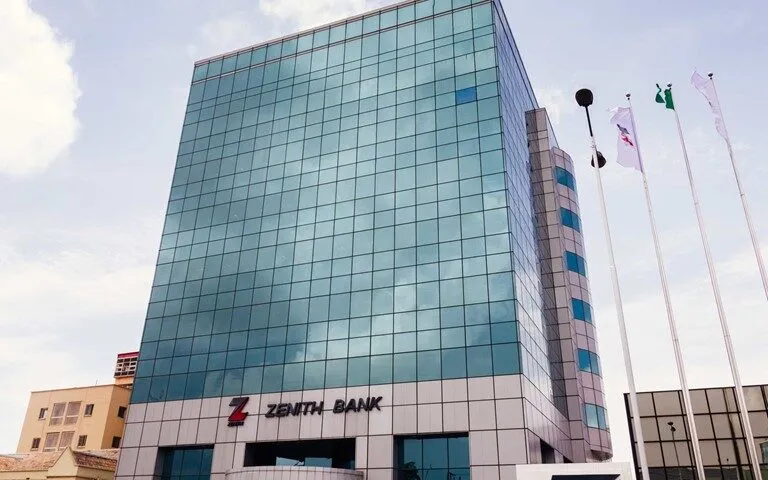
Zenith Bank, Nigeria's largest bank by market share, ranks sixth with assets surpassing $65 billion in 2025. It leads in West Africa with strong offerings in retail, corporate banking, investment services, and insurance. The bank's focus on digital innovation and solid credit ratings bolsters its regional prominence.
Our research points to Zenith's diversified services as a key factor in its resilience within Nigeria's fast-growing economy. Its ability to maintain customer trust in a competitive market is impressive. We anticipate further analysis of West African banking leaders in an upcoming feature.
7. Attijariwafa Bank

At seventh place, Attijariwafa Bank of Morocco holds assets of approximately $60 billion based on 2025 regional estimates. Operating across North and West Africa, it specializes in retail, corporate, and Islamic banking services. Strategic acquisitions have fueled its expansion into sub-Saharan markets.
We see Attijariwafa's strength in trade finance and SME lending as critical to its regional impact. Its push for digital transformation aligns with broader industry shifts, reinforcing its position. This bank's growth trajectory remains one to watch in North African financial circles.
8. United Bank for Africa (UBA)
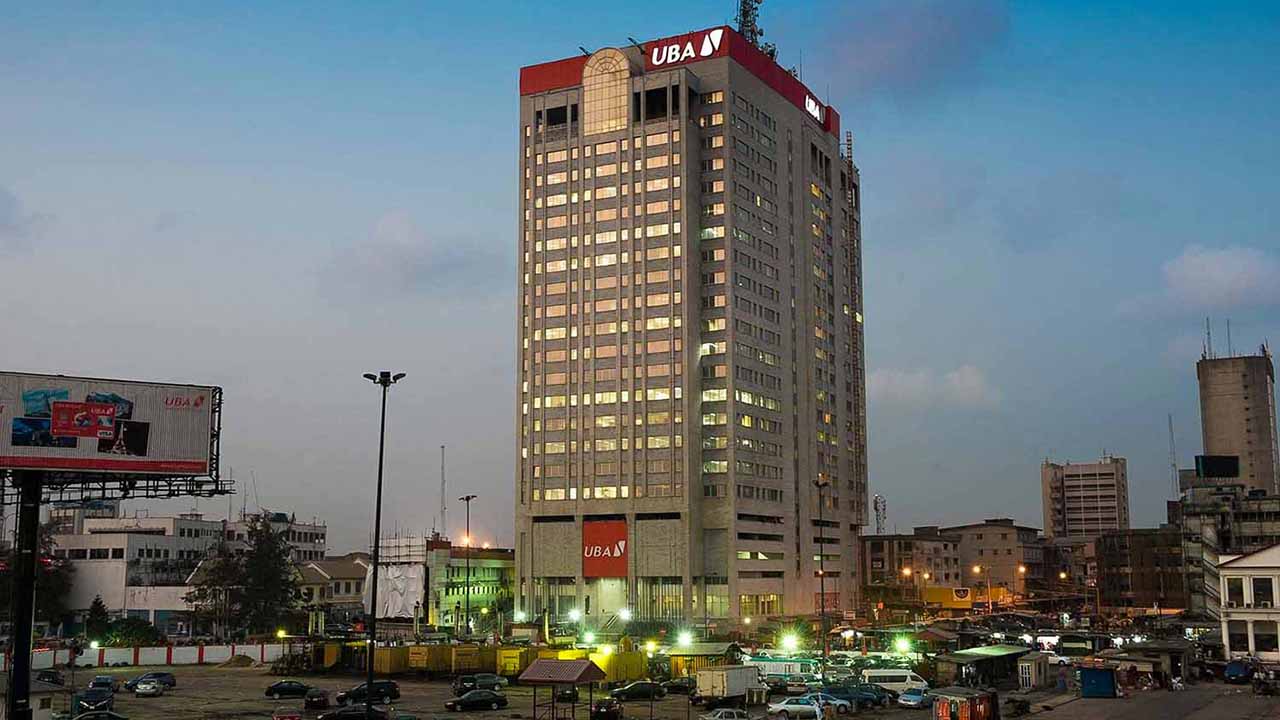
United Bank for Africa, headquartered in Nigeria, ranks eighth with assets over $45 billion in 2025. Spanning more than 20 African countries with over 1,000 branches, UBA focuses on retail, corporate, and digital banking through platforms like its UBAneo app. It plays a significant role in supporting SMEs.
The bank's contributions to cross-border payments and financial inclusion via mobile money are notable. Our analysis indicates that UBA's extensive network enhances intra-African trade, making it a key player. Its innovation in accessibility continues to shape the sector's evolution.
9. Fidelity Bank

Fidelity Bank, another Nigerian institution, secures the ninth spot with assets exceeding $30 billion in 2025. Specializing in retail banking, SME support, corporate services, and trade finance, it offers tailored digital solutions that resonate with local businesses. Its community focus drives high customer loyalty.
We've found that Fidelity's emphasis on small business development aligns with Nigeria's economic needs. Its growth in West Africa reflects a targeted strategy for impactful banking. This institution's role in SME financing is a topic we'll explore further in future reports.
10. Standard Chartered Bank (Kenya)
Rounding out our list is Standard Chartered Bank (Kenya), with assets over $25 billion in 2025. With a strong East African presence, it excels in corporate banking, retail, wealth management, and trade finance, leveraging global expertise for local impact. Its premium services cater to high-net-worth clients.
Our assessment highlights Standard Chartered's integration with international markets as a unique strength. Its reliability and specialized offerings position it as a trusted name in key growth regions. This bank's focus on elite clientele adds a distinct layer to its regional influence.
The Best Financial Institutions in Africa for 2026 reflect the continent's diverse and rapidly evolving banking sector. From Standard Bank Group's unparalleled scale to Standard Chartered Bank (Kenya)'s specialized services, these institutions demonstrate resilience, innovation, and a commitment to economic progress. We believe their collective impact will continue to drive financial inclusion and regional trade. As Africa's economy grows, staying informed about these leaders is essential, and we encourage readers to follow our ongoing coverage of financial trends across the continent.
Related Posts




3 Comments
Join the discussion and share your thoughts