Top 10 Best Fashion Brands in South Africa 2026

Table of Contents
South African fashion has never been more visible on the continental stage. When Brand Africa released its 100 most admired brands for 2026, four South African fashion labels appeared on the list, a first for the country's apparel sector. That result anchors our ranking of the top 10 best fashion brands in South Africa for 2026, which weighs pan-African brand recognition, design identity, cultural authenticity, sustainability practices, and longevity in the market.
To build this list, we considered several factors. Brand Africa 100 placement carried significant weight because it measures consumer admiration across the continent rather than domestic popularity alone. We also looked at how clearly each label communicates its design language, whether through signature prints, heritage references, or a consistent silhouette. Longevity mattered too, since surviving more than a decade in South African retail signals both commercial discipline and cultural staying power. Finally, we factored in production ethics, artisanal partnerships, and price accessibility, because the brands shaping 2026 are not just selling clothes. They are building identity.
Some names here are luxury labels stocked in international boutiques. Others are streetwear operations that built continental followings without a single rand spent on pan-African advertising. What they share is a refusal to imitate European or American fashion when South African stories, textiles, and traditions offer richer material.
Here Are The Top 10 Best Fashion Brands in South Africa 2026:
1. MaXhosa Africa
Laduma Ngxokolo founded MaXhosa Africa around a single, powerful idea: translate Xhosa beadwork and initiation traditions into luxury knitwear. That focus has not wavered in over a decade. The result is a brand whose pieces are identifiable from across a room, a rarity in an industry where trends flatten everything into sameness.
The numbers back up the cultural resonance. MaXhosa ranked #76 in the Brand Africa 100 for 2026, but the more striking figure is its #3 position across Gen Z, Millennials, and Gen X in pan-African brand preference. Holding the same rank across three generations is almost unheard of. It suggests the brand's appeal is not generational fashion, but something closer to permanent cultural value.
Ngxokolo's knitwear has shown at international fashion weeks and stocked in global retailers, yet the brand's identity remains firmly rooted in the Eastern Cape. For buyers looking to understand where South African fashion sits in 2026, MaXhosa is the starting point.
2. GALXBOY
GALXBOY took the 71 spot in the Brand Africa 100 for 2026, making it the highest-ranked South African fashion brand on the entire list. What makes that achievement remarkable is how it happened. The streetwear label spent nothing on pan-African media investment. It entered the Top 100 purely on organic consumer recall.
Rooted in hip hop and local street culture, GALXBOY built its following through the communities that actually wear the clothes: musicians, skaters, and young people in Johannesburg and beyond who found in the brand a visual language that matched their own. The brand's logo, a stylised skull motif, has become one of the most recognisable marks in South African streetwear.
GALXBOY's ranking above older, better-funded labels tells you something about how brand equity works in 2026. Authentic cultural connection now outperforms advertising spend, at least on this continent.
3. Redbat
Redbat entered the Brand Africa 100 at #86 in 2026, and like GALXBOY, it did so with zero pan-African media investment. The streetwear label has quietly become a fixture in South African wardrobes, particularly among younger consumers who want branded apparel that does not carry imported price tags.
Its inclusion alongside MaXhosa, GALXBOY, and Bathu signals something larger: South African streetwear is no longer a niche category. It is a continental force. Redbat's entry into the Top 100 reflects a generation of consumers who connect with local labels on cultural grounds first and product grounds second.
The brand's rise has been gradual rather than explosive, which may be its advantage. Slow, consistent growth tends to produce more durable businesses than viral moments.
4. Bathu
Bathu built its reputation on sneakers, and specifically on the argument that a proudly South African footwear brand could compete with international giants on comfort and style. The Brand Africa 100 recognised that argument in 2026 by placing Bathu in its Top 100.
Founder Theo Baloyi started the company in 2015, naming it after the township slang for shoes. What began as a small operation in Alexandra has grown into one of the country's most visible footwear brands, with stores in major malls and a following that treats the sneakers as statement pieces rather than utility purchases.
Bathu's presence in the pan-African ranking highlights how sneaker culture has become a primary driver of brand recognition across the continent. Footwear, not apparel, is often the entry point for young consumers building a personal style, and Bathu has claimed that space for South Africa.
5. Thebe Magugu
Thebe Magugu operates at the luxury end of ready-to-wear, and the label has earned international recognition that few African designers can match. Magugu won the LVMH Prize in 2019, becoming the first African designer to do so, and has since shown collections in Paris while maintaining production and storytelling rooted in South Africa.
His work balances cultural honour with daily wearability. Pieces reference South African history, family, and social issues, yet they are designed to be worn, not archived. That combination of intellectual weight and practical design has placed Magugu among the most important South African clothing brands to know in 2026.
The label represents the pinnacle of South African design talent on the global stage, and its continued output keeps the country's fashion sector visible in markets where African brands are still underrepresented.
6. RICH MNISI
Founded in Johannesburg in 2015, RICH MNISI describes itself as a platform for contemporary expressions of duality, anchored in culture, heritage, and craftsmanship. That sounds abstract until you see the clothes, which move fluidly between clothing, furniture, and other design disciplines under one creative vision.
Tsonga heritage runs through the work, alongside personal storytelling that gives each collection a specific emotional register. The brand sits at a high price level, and it does not try to be for everyone. Its strength is point of view. Even when a piece is not to your taste, the brand never feels undecided about who it is.
That clarity of identity has made RICH MNISI one of Johannesburg's most talked-about labels, and it has positioned the brand as a reference point for younger designers trying to build something with a spine.
7. Lukhanyo Mdingi
Cape Town's Lukhanyo Mdingi has built a label on restraint. Where other brands compete for attention through volume and novelty, Mdingi's work emphasises craft, timeless design, and a disciplined colour palette. The approach has earned recognition in Conscious Fashion Collective's sustainable fashion guide, which lists the brand among South African labels with genuinely conscious production methods.
Quality over quantity is not just a slogan here. Mdingi's pieces are designed to transcend seasonal trends, which means the brand's commercial model depends on customers returning for considered purchases rather than impulse buys. That is a harder business to run, but it produces clothing with a longer life.
The label represents the growing movement of South African designers prioritising ethical production and enduring design values over fast-turnaround fashion cycles.
8. Mantsho
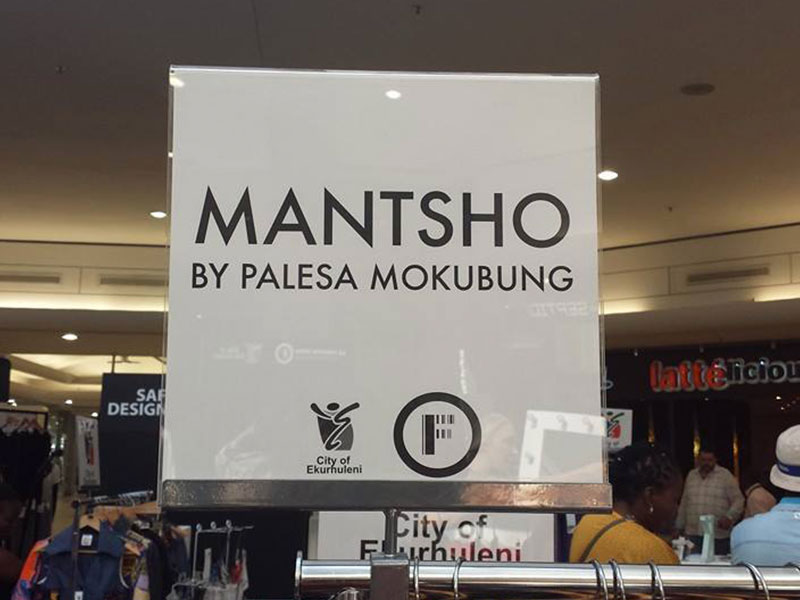
Palesa Mokubung founded Mantsho in 2007, making it one of the longer-running labels on this list. The womenswear brand specialises in statement prints and textile-led design, with bold patterns that celebrate African aesthetics without reducing them to folkloric decoration.
Mokubung's background in textile design shows in the way prints function as the architecture of each garment rather than as surface decoration. The result is clothing that is visually striking and culturally grounded at the same time. Mantsho has dressed prominent public figures and maintained a presence in South African fashion for nearly two decades.
That longevity matters. In a market where many labels fold within five years, surviving since 2007 demonstrates the enduring appeal of a distinctive design philosophy.
9. Selfi
Selfi takes its name from the word "self," and the Cape Town brand designs for the modern woman who wants clothing that is ready to go without excess fuss. Sustainability is central to the operation, with production using ramie linen, a fibre that is lightweight, breathable, and less resource-intensive than conventional cotton.
Pieces like the Stone Oval Sleeve Jumpsuit show how the brand handles detail. Designs draw on South African culture, history, and identity, but the references are integrated rather than announced. The clothing works as contemporary womenswear first and cultural statement second.
Selfi represents the growing segment of South African fashion focused on ethical production and everyday wearability. It is a smaller player than the Brand Africa names above it, but its positioning aligns with where consumer demand is heading.
10. Sindiso Khumalo
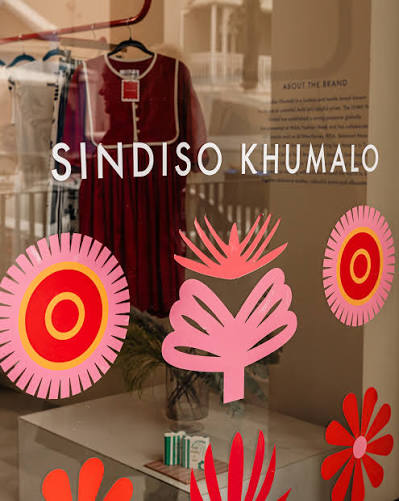
Sindiso Khumalo creates immaculately constructed garments featuring hand-drawn and painted motifs that she produces herself. Textiles and craft sit at the heart of every collection, and the brand works closely with NGOs and small workshops in South Africa and Burkina Faso to produce handwoven and hand-embroidered fabrics.
Khumalo uses these motifs to tell the stories of phenomenal Black women who have been excluded from the history books, which gives the clothing a narrative weight that few luxury labels attempt. The brand operates at an investment price level, with made-to-order production and international shipping available.
Recognition for the label centres on preservation of artisanal skills, use of natural materials, and a production model that keeps craft workers employed rather than outsourcing to anonymous factories. For buyers who want clothing with a documented human story behind it, Sindiso Khumalo is about as close as South African fashion gets to a complete proposition.
The 2026 Brand Africa 100 results mark a genuine turning point. Four South African fashion brands, MaXhosa Africa, GALXBOY, Redbat, and Bathu, earned places in the Top 100, and three of them did so without spending on pan-African media. That pattern suggests continental brand recognition is shifting toward labels with authentic cultural roots rather than those with the largest marketing budgets.
The top 10 best fashion brands in South Africa for 2026 span luxury knitwear, streetwear, sustainable womenswear, and artisanal made-to-order production. What connects them is a shared refusal to treat South African identity as a marketing angle. For these labels, heritage, craft, and community are the product itself, and that is precisely why consumers across the continent and beyond are paying attention.
Related Posts




2 Comments
Join the discussion and share your thoughts