Top 10 Best digital marketing tools In The World 2026

Table of Contents
The digital marketing landscape in 2026 is defined by artificial intelligence, deeper analytics, and a demand for unified platforms that can handle everything from SEO to social media. Choosing the right stack of tools is no longer a matter of convenience; it is a strategic decision that directly impacts customer acquisition, retention, and revenue. Our ranking of the top 10 digital marketing tools for 2026 considers several key factors: market adoption and user base size, feature depth across critical marketing functions, pricing relative to value, integration capabilities with other major platforms, and verified user satisfaction ratings from sources like G2 and independent reviews. We weighed criteria such as AI-powered automation, analytics sophistication, ease of use for non-specialists, and the ability to scale from small teams to enterprise deployments. The result is a curated list of platforms that represent the current gold standard for marketing professionals worldwide.
These Are The Top 10 Best Digital Marketing Tools 2026:
1. HubSpot Marketing Hub
HubSpot Marketing Hub remains the benchmark for all-in-one marketing platforms, and its position at the top of our list reflects its dominance in unifying CRM, marketing automation, email marketing, and advanced analytics. With a G2 rating of 4.5 out of 5 and a starting price of $800 per month, it is an investment that pays dividends for businesses serious about inbound marketing. The platform excels with lead scoring, AI-generated content suggestions, and sophisticated workflow automation that maps the entire customer journey. Its deep integrations with Salesforce, Shopify, and Google Ads mean that marketing data flows seamlessly into sales and e-commerce operations. For companies that need a single source of truth for their marketing efforts, HubSpot is the standard against which all others are measured.
2. SEMrush
SEMrush has cemented its reputation as the go-to tool for SEO and competitor analysis, used by over 10 million marketers as of 2026. Starting at $129.95 per month, it provides an extensive suite that covers keyword research, backlink analysis, traffic insights, and PPC advertising management. What sets SEMrush apart is its ability to let businesses monitor competitor strategies in real time, offering a level of competitive intelligence that was once reserved for large agencies. The platform has expanded well beyond SEO, now including content marketing tools, social media management, and an advertising toolkit that spans Google and Bing. For any marketing team focused on organic growth and paid search performance, SEMrush is indispensable.
3. Google Analytics 4 (GA4)
Google Analytics 4 is the free analytics platform that has become essential for data-driven marketing in 2026. Its shift from session-based tracking to event-based measurement, combined with AI-powered insights, allows marketers to understand user behavior across websites and mobile apps in a unified view. GA4's machine learning capabilities automatically surface trends and anomalies, helping teams optimize campaigns without manual data sifting. The platform's predictive metrics, such as purchase probability and churn likelihood, enable proactive audience segmentation. For businesses of any size, GA4 provides the foundational analytics layer that powers virtually every other marketing tool on this list.
4. Ahrefs
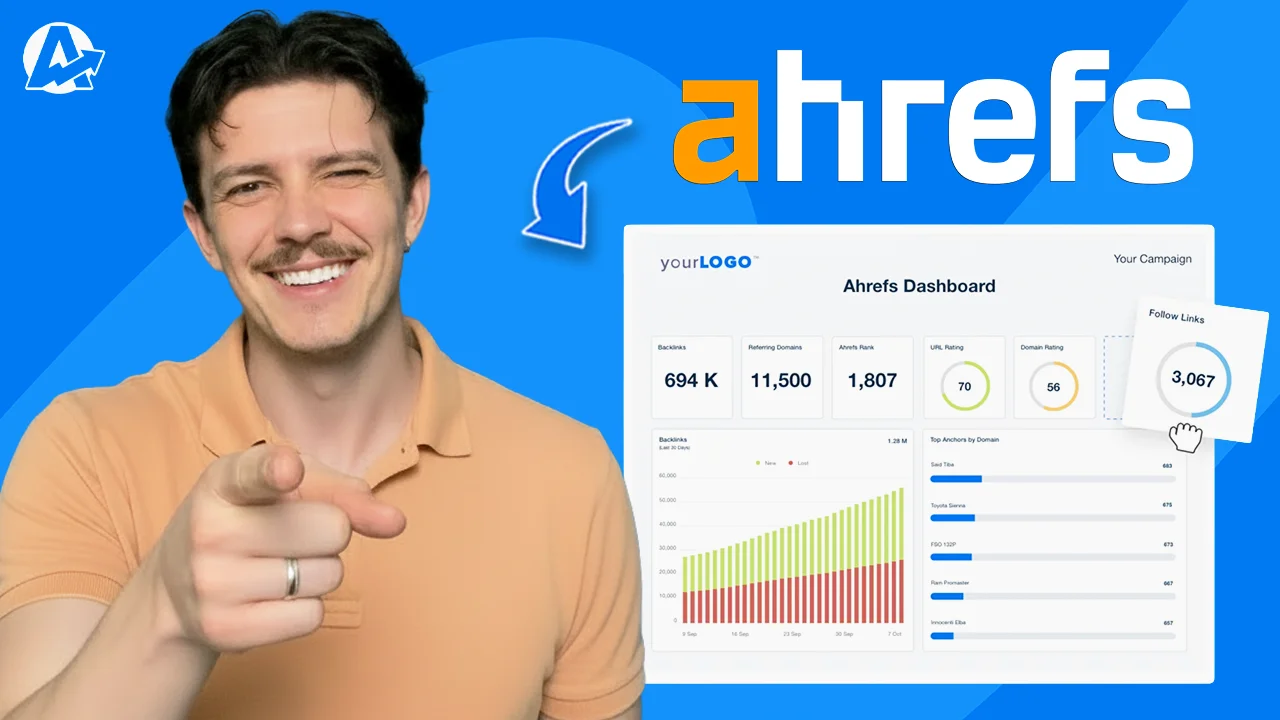
Ahrefs is a powerhouse for technical SEO and backlink analysis, with a Starter plan beginning at just $29 per month and a more robust Lite plan at $129 per month. The platform is particularly renowned for its Site Explorer, which provides detailed backlink profiles, organic traffic estimates, and keyword ranking data. Ahrefs' site audit tool crawls websites to identify technical SEO issues, from broken links to missing meta tags, making it invaluable for maintaining search visibility. The Keywords Explorer feature offers search volume, click-through rate data, and keyword difficulty scores that help marketers prioritize their content strategies. For SEO specialists, Ahrefs is the precision tool that complements broader platforms like SEMrush.
5. Canva Pro
Canva has evolved from a simple design tool into a marketing essential, with over 100 million monthly active users globally. Canva Pro, the paid tier, unlocks AI-powered features such as background removal, text generation, and design suggestions that dramatically reduce turnaround time for social media creatives, ads, presentations, and marketing visuals. The brand kits feature ensures visual consistency across campaigns by storing logos, colors, and fonts in a centralized library. Canva is particularly valuable for startups, small businesses, and marketing teams that lack dedicated graphic designers. Its ease of use and template library make it the most accessible design tool for non-designers in the marketing world.
6. Mailchimp
Mailchimp remains a dominant force in email marketing and marketing automation, with a customer service rating of 4.2 out of 5 and a free tier that supports up to 500 contacts. The platform has expanded well beyond email, now offering social media advertising, landing page creation, customer journey mapping, and predictive analytics. Dynamic personalization and behavioral targeting allow marketers to send the right message at the right time, while A/B testing capabilities optimize subject lines, content, and send times. Mailchimp's e-commerce integrations with platforms like Shopify and WooCommerce make it a natural choice for online retailers. For businesses looking to start with email marketing and scale into broader automation, Mailchimp offers a smooth growth path.
7. Sprout Social
Sprout Social is the premium choice for social media management, starting at $199 per month with a 30-day free trial. It distinguishes itself with a focus on analytics, customer engagement, and strategic insights that go beyond simple scheduling. The smart inbox aggregates messages from multiple social platforms, while AI-assisted replies help teams respond faster and more consistently. Sprout Social's social listening capabilities track brand sentiment and industry trends, and its reporting suite provides detailed data on audience behavior and campaign performance. Integrations with Salesforce, HubSpot, Canva, and Google Analytics ensure that social data flows into broader marketing and sales systems. For enterprises that treat social media as a serious channel for customer experience, Sprout Social is the gold standard.
8. WordPress
WordPress powers over 43 percent of all websites on the internet, making it the most widely adopted content management system in the world. As a free, open-source platform, it provides the foundation for blogs, marketing pages, lead generation sites, and full e-commerce stores. Thousands of plugins extend its functionality for SEO, analytics integration, landing page building, and email capture. WordPress is highly scalable, supporting everything from personal blogs to enterprise-level content platforms with millions of visitors. Its flexibility with hosting costs and the ability to customize every aspect of the site make it the backbone of content marketing for a vast majority of online businesses.
9. ActiveCampaign
ActiveCampaign is a CRM and marketing automation platform that excels at omnichannel communication, with a Starter plan beginning at $15 per month for up to 1,000 contacts and a 14-day free trial. The platform integrates email marketing, SMS marketing, live chat, and Facebook Custom Audiences into a single workflow engine. Its sales automation and lead scoring features help teams prioritize high-value prospects, while site tracking and split testing optimize campaign performance. ActiveCampaign's strength lies in customer experience automations that trigger personalized messages based on user behavior across channels. For small to mid-sized businesses that need sophisticated automation without enterprise-level pricing, ActiveCampaign is a compelling choice.
10. Hootsuite
Hootsuite is one of the longest-standing social media management tools, with a G2 rating of 4.3 out of 5 and a starting price of $99 per month. It centralizes publishing, engagement, and analytics across multiple social platforms, making it easier for teams to manage their social presence from a single dashboard. AI assistance helps with content suggestions and optimal posting times, while team workflows enable collaboration on approvals and scheduling. Social listening features monitor brand mentions and industry conversations, and robust reporting provides data on engagement, reach, and ROI. For organizations managing multiple social media accounts and needing a reliable, feature-rich platform, Hootsuite remains a trusted choice in 2026.
These ten tools represent the most effective solutions for digital marketing in 2026, covering the essential functions of SEO, analytics, content creation, email automation, social media management, and website management. The best digital marketing tools in the world are those that integrate well with each other, leverage AI to reduce manual work, and provide actionable data that drives real business results. As the marketing technology landscape continues to evolve, these platforms have proven their ability to adapt and deliver value for teams of all sizes.
Related Posts


2 Comments
Join the discussion and share your thoughts