Top 10 Best Clean Energy Technologies In Africa 2026

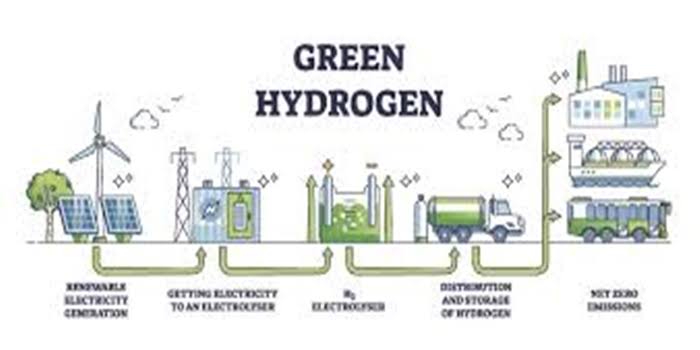
Table of Contents
Africa's clean energy transition has moved past the pilot phase. As of 2026, utility-scale solar paired with battery storage is delivering round-the-clock power to heavy industry, Kenya's wind farms are feeding national grids, and green hydrogen projects are attracting serious international capital. The continent holds roughly 60% of the world's best solar resources yet accounts for only about 1% of global installed solar PV capacity, according to the International Energy Agency (IEA). That gap defines both the challenge and the opportunity.
Our ranking of the top 10 best clean energy technologies in Africa for 2026 weighs installed capacity, commercial viability, scalability, and direct impact on energy access. We drew on data from the IEA, the International Renewable Energy Agency (IRENA), the South African Institute of International Affairs (SAIIA), RMI, Ember, and project-level reporting from developers and operators across the continent.
How We Ranked These
We assessed each technology on four factors: proven deployment at scale, cost competitiveness against fossil alternatives, potential to serve Africa's growing electricity demand, and contribution to closing the energy access gap that leaves over 600 million Africans without power. Technologies with operational projects and signed commercial agreements ranked higher than those still in feasibility or pilot stages. We also considered geographic applicability, since a technology confined to one region serves the continent less effectively than one deployable across multiple markets. Rankings reflect current market reality as of early 2026, not long-term theoretical potential.
The List Of The Top 10 Best Clean Energy Technologies In Africa 2026:
1. Utility-Scale Solar PV with Battery Storage
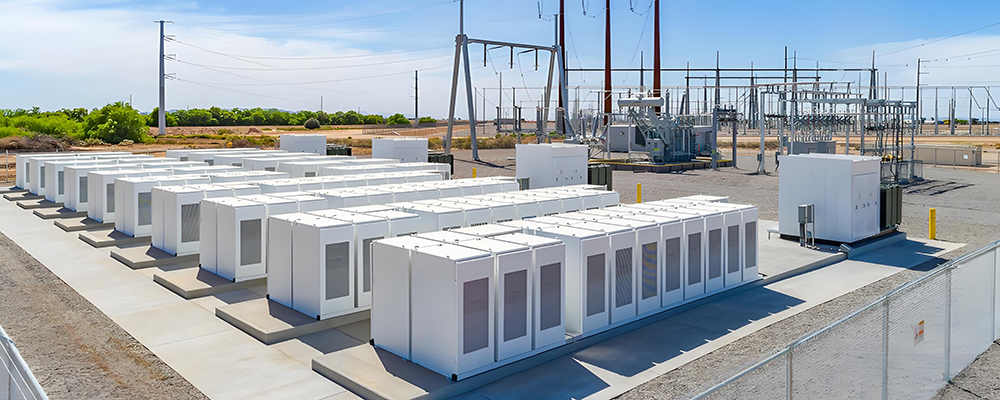
Solar-plus-storage has crossed the threshold from promising to proven. The Kamoa-Kakula project in the Democratic Republic of Congo, developed under one of Africa's largest commercial and industrial solar Power Purchase Agreements, combines 233 MW of solar PV with a 526 MWh battery system to deliver 30 MW of dispatchable baseload power. CrossBoundary Energy signed the deal in 2025 with Kamoa Copper S.A., operator of Africa's largest copper mine. The project entered final construction stages in 2026.
What makes this significant isn't the megawatt count. It's the demonstration that solar with battery storage can now replace fossil-fuel baseload for heavy industry, a sector that historically dismissed renewables as too intermittent for continuous operations. Mining companies across southern Africa are watching closely.
The economics support the shift. IEA data shows Africa's electricity sector investment rising from under USD 30 billion in 2022 to over USD 120 billion by 2030 under the Sustainable Africa Scenario. Solar resources are abundant, panel costs have fallen roughly 90% since 2010, and battery prices continue their downward trajectory. The constraint isn't technology or sunlight. It's financing, grid infrastructure, and regulatory frameworks that still favor incumbent fossil generation in many markets.
2. Wind Power (Onshore Utility-Scale)
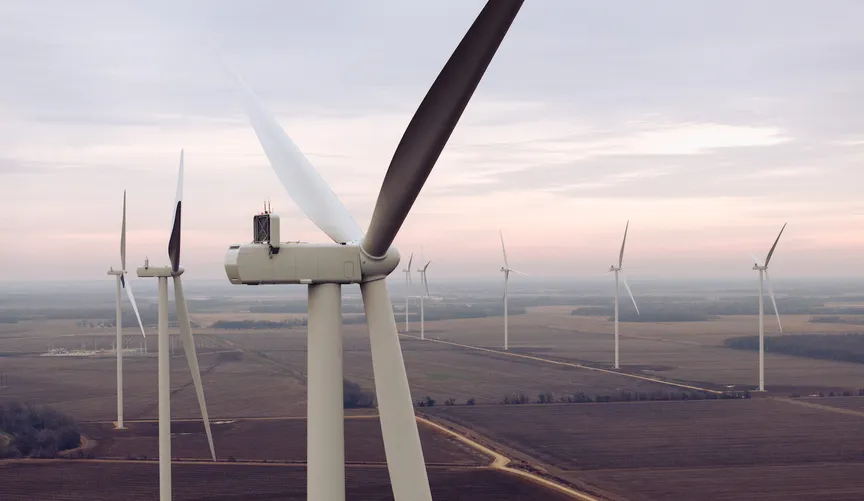
Kenya's Lake Turkana Wind Farm remains the anchor reference point for African wind: 310 MW of installed capacity, sub-Saharan Africa's largest wind installation, and over 10% of the country's energy mix. Kenya is pushing toward a 100% renewable energy target by 2030, and wind is central to that plan.
The continental picture is more uneven. South Africa has installed 2 GW of wind capacity, exceeding 2.5% of its grid mix. Ethiopia generates 4% of its electricity from wind, ranking second in the Greater Horn region. Djibouti is building its first 60 MW wind farm on the shores of Lake Assal, a project that will double the nation's entire installed power generation capacity.
The IFC estimates Africa's wind resources could produce approximately 180,000 TWh per annum. That figure dwarfs the continent's current total electricity consumption by orders of magnitude. The gap between potential and deployment comes down to grid connectivity, long permitting timelines, and the difficulty of securing financing for projects in markets with limited sovereign credit history. Wind ranks second because it's proven at utility scale and the untapped resource base is enormous.
3. Hydropower (Large-Scale and Small-Scale)
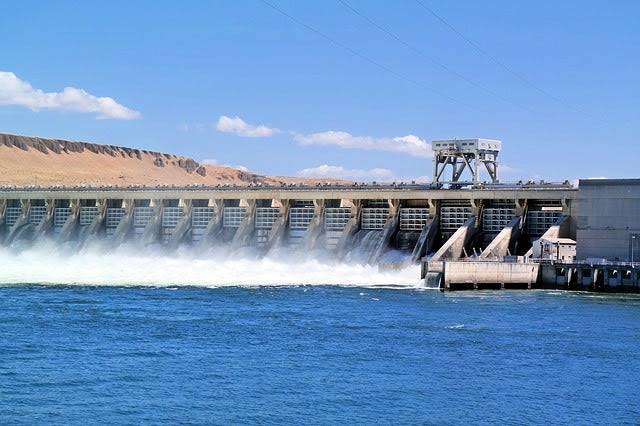
Hydropower is Africa's oldest large-scale renewable technology and still one of its most important. It provides dispatchable baseload power, something solar and wind require storage to match. Many African countries sit on high-potential river systems that remain largely undeveloped.
SAIIA notes that African countries have not fully exploited these resources, with International Water Power and Dam Construction highlighting hydropower as a key investment opportunity that requires technical, human, and financial partnerships. The continent has historically exported raw materials while importing the engineering expertise needed to build and maintain large dams.
The technology faces real headwinds. Changing rainfall patterns linked to climate change threaten the reliability of existing and planned installations. Large projects carry multi-billion-dollar price tags and construction timelines measured in decades, not years. Small-scale and run-of-river hydropower offers a lower-risk alternative for rural electrification, though it generates less power per site. Hydropower ranks third because it delivers proven, dispatchable clean power essential for industrial development, but its climate vulnerability and capital intensity keep it behind solar and wind.
4. Green Hydrogen Production
Green hydrogen is Africa's biggest long-term bet. The Africa Energy Portal estimates the continent could produce 30 to 60 million tonnes per annum by 2050, leveraging its solar and wind resources to split water into zero-carbon fuel for export and domestic industrial use.
IRENA has flagged "Enabling green hydrogen development: North Africa" as a key regional initiative, recognizing that countries like Morocco, Egypt, and Mauritania offer some of the world's most competitive production costs. European demand for green hydrogen is rising, and Africa's proximity to European ports gives it a shipping advantage over producers in Australia or South America.
Commercial-scale production remains early-stage. Electrolyzers are expensive, water supply in arid regions is a constraint, and the infrastructure needed to transport and store hydrogen at scale doesn't yet exist in most African markets. Several memoranda of understanding have been signed, but few have converted to final investment decisions. Green hydrogen ranks fourth because the potential is genuinely transformative, but it requires infrastructure investment, international partnerships, and technology transfer that will take years to materialize.
5. Distributed Solar Home Systems and Mini-Grids
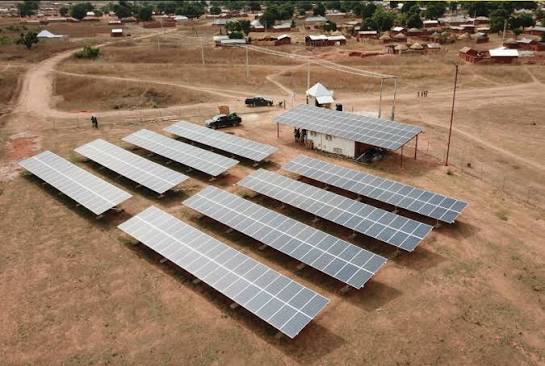
Over 600 million Africans lack electricity access, and more than half of those connected to the grid face unreliable supply, according to RMI. Distributed solar home systems and mini-grids are the most direct answer to that problem.
Companies including MKOPA, Greenlight Planet, and Lumos, operating across Kenya and Nigeria, have built pay-as-you-go business models that put solar panels, batteries, and LED lighting within reach of low-income households. Customers pay small installments via mobile money, typically less than what they previously spent on kerosene. These systems power lights, phones, and small appliances.
The limitation is scale. Average annual household consumption in Africa remains far below the 1,000 kWh modern energy minimum, and solar home systems serve a fraction of total household energy demand. They also struggle to power productive uses like irrigation pumps, milling equipment, or refrigeration at commercial scale. Mini-grids bridge some of that gap by serving entire communities with shared generation and distribution, but regulatory frameworks for mini-grid operators vary widely across countries and often create uncertainty for investors. This technology ranks fifth because it directly addresses energy poverty for millions of people, even if its current impact on total energy consumption is modest.
6. Clean Cooking Solutions (Biomass Gasification Cookstoves)
Cooking accounts for 95% to 99% of household energy demand in emerging markets. One hour of cooking consumes roughly 1,000 times the energy of one hour of lighting. That statistic, cited by RMI, explains why clean cooking deserves far more attention than it typically receives.
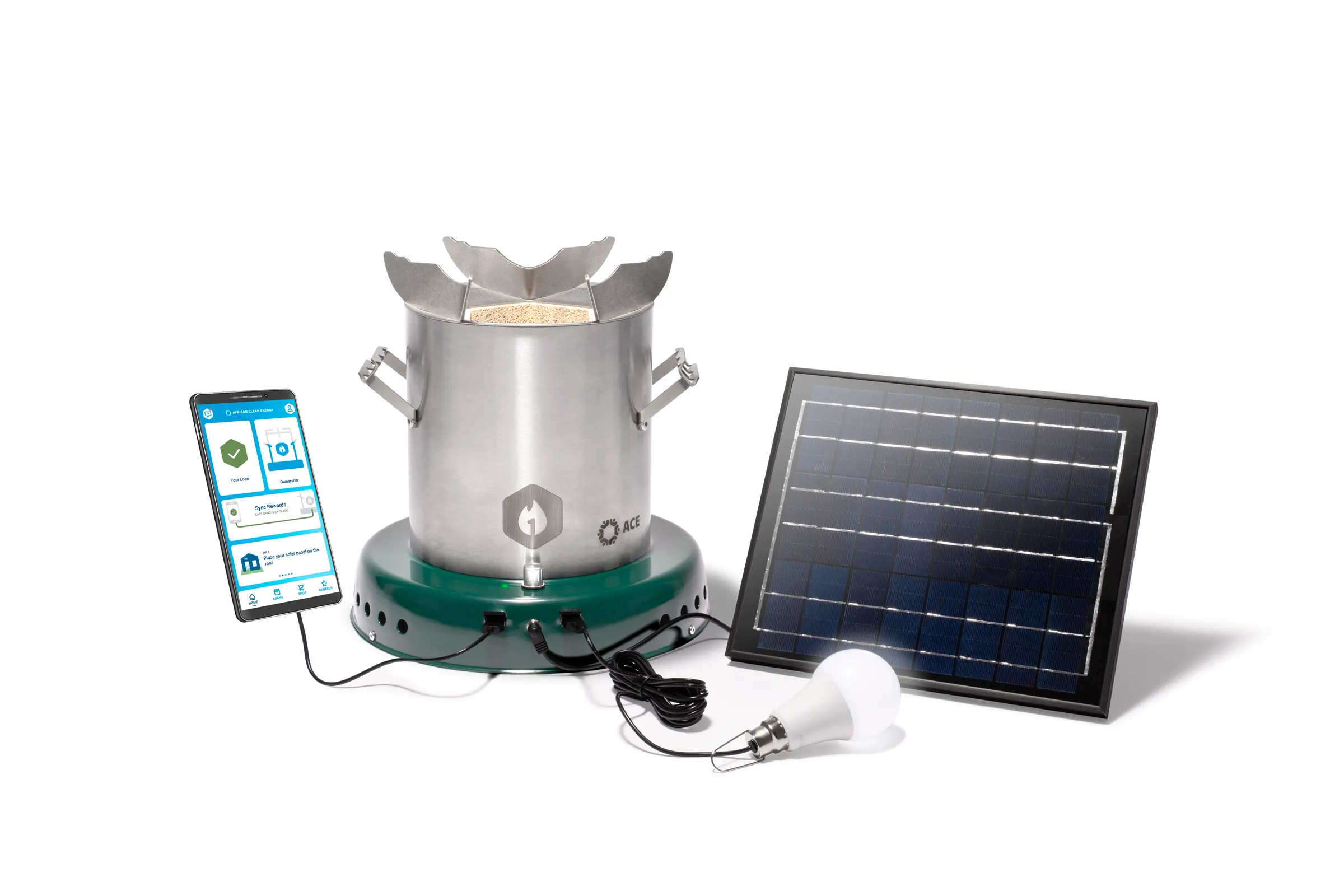
African Clean Energy's ACE One device represents the current state of the art. It's a biomass gasification cookstove that burns nearly any locally available biomass: pellets, briquettes, corn cobs, coconut shells, bamboo, sticks, agricultural waste, even animal dung. The unit integrates a solar panel, battery, LED lighting, phone charging, and digital monitoring for carbon measurement, reporting, and verification. The company has deployed these systems across five countries over 15 years.
The technology addresses a problem that kills. Household air pollution from traditional cooking fires contributes to millions of premature deaths globally each year, with Sub-Saharan Africa bearing a heavy share. Yet clean cooking has historically been underfunded relative to electricity access. IRENA's recent focus on "Financing clean cooking in Tanzania" signals that donors and development finance institutions are beginning to correct that imbalance. Clean cooking ranks sixth because while it addresses the single largest household energy demand, the sector's funding and policy support still lag behind its importance.
7. Geothermal Power
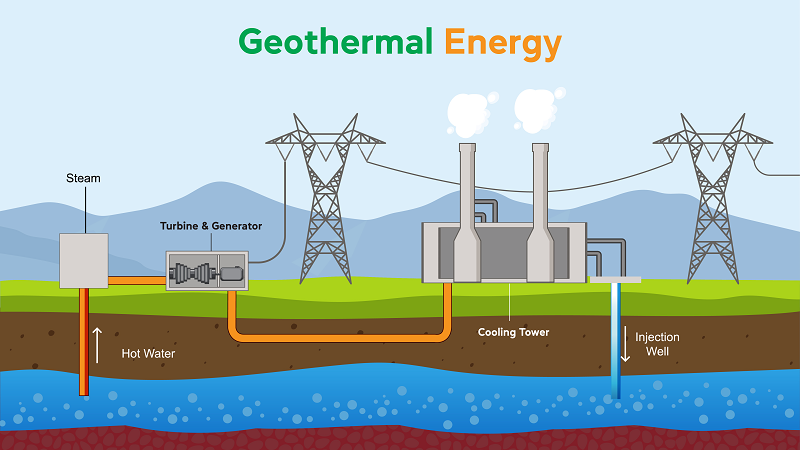
Kenya has been generating electricity from geothermal steam in the Rift Valley for decades and ranks among the world's top geothermal producers. The technology offers something solar and wind can't: consistent, weather-independent baseload power available 24 hours a day.
IRENA hosted a dedicated virtual event in June 2026 on geothermal-based hybrid clean heating systems, highlighting the technology's growing role in regional energy planning. The IEA notes that many African countries sit on high-potential geothermal resources, though exploration remains expensive and risky. Drilling test wells can cost millions before confirming whether a site is commercially viable.
The geographic constraint is significant. Geothermal potential is concentrated along the East African Rift Valley, running through Kenya, Ethiopia, Tanzania, Rwanda, and Uganda. Countries outside that geological zone can't access the resource. This limits geothermal's continental applicability compared to solar and wind, which is why it ranks seventh despite its reliability advantages and Kenya's demonstrated success.
8. Electric Mobility and Battery Technology
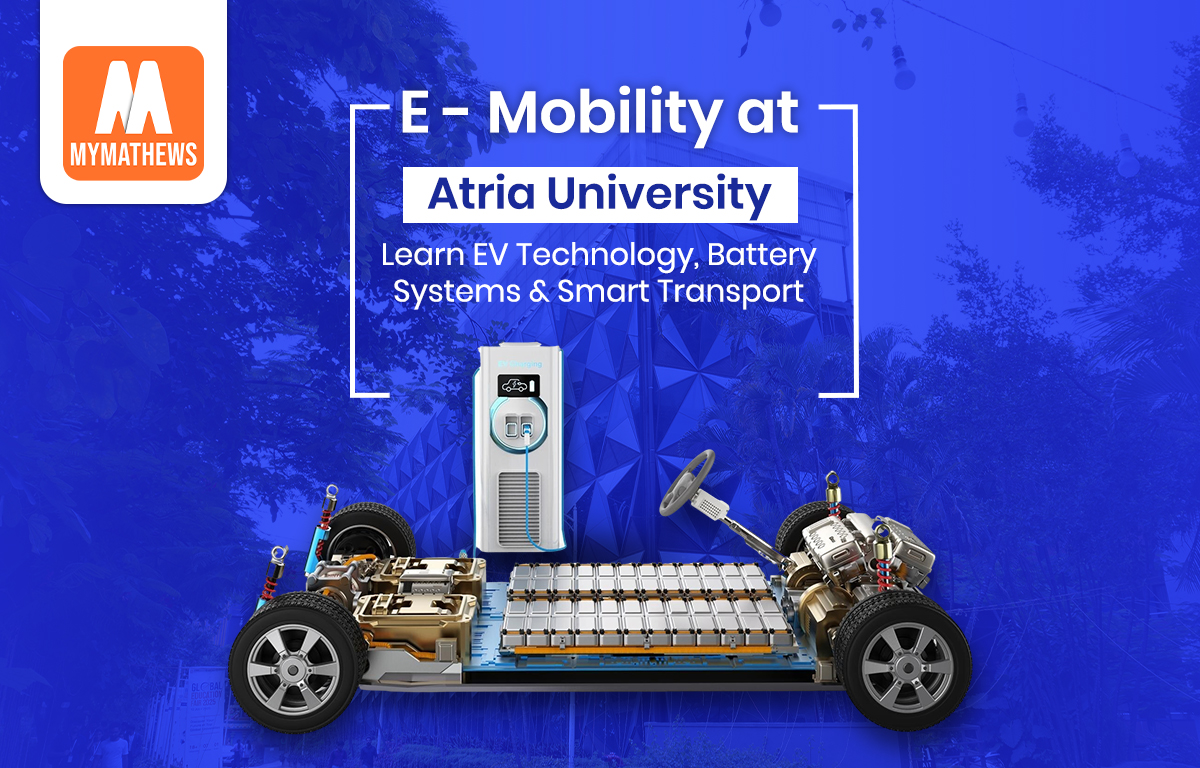
Electric two- and three-wheelers are finding a market in African cities, where motorcycles dominate short-distance transport and air quality in urban centers continues to deteriorate. Thinkbikes, a Nigerian startup, is among the companies pioneering electric alternatives for commercial riders.
SAIIA identifies electric mobility as one of the key technology areas where African startups are active, alongside digital technologies and cryptocurrencies. The continent also holds significant reserves of critical minerals needed for batteries, including cobalt from the DRC and lithium from Zimbabwe, though most processing currently happens offshore.
Adoption remains nascent. Charging infrastructure is sparse, upfront costs for electric vehicles exceed comparable petrol models, and most African countries have not established the policy frameworks, import incentives, or emissions standards that would accelerate the shift. Battery swapping models, where riders exchange depleted batteries for charged ones at kiosks, could bypass charging infrastructure constraints, and several startups are testing this approach. E-mobility ranks eighth because its potential to reduce oil dependence in transport is real, but the sector needs supportive policy and infrastructure that most markets haven't yet built.
9. Digital and Smart Grid Technologies
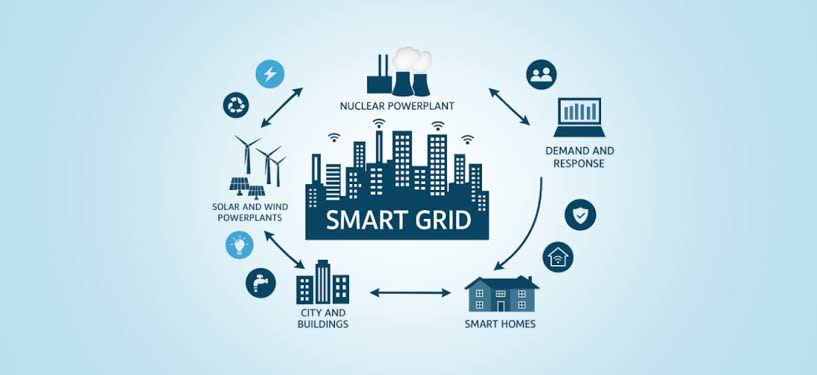
Clean power met 52% of Africa's new electricity demand between 2020 and 2025, according to Ember, with renewables overtaking coal in the continent's total electricity mix. Africa's electricity demand rose 3.2% in 2025, and clean power must grow faster to keep pace.
Digital technologies make that growth manageable. Companies like Gridless in Kenya and SLS Energy in Rwanda are developing solutions for grid management, remote monitoring, and energy distribution in areas where traditional grid infrastructure is impractical. Smart metering enables utilities to bill accurately, reduce losses from theft, and manage demand during peak periods.
SAIIA identifies digital and smart technologies as a key category driven by increased digitalization and demand for efficient energy services. These tools allow grid operators to integrate distributed renewables, balance supply and demand in real time, and extend service to areas that centralized grids can't economically reach. The technology ranks ninth because it's an enabler rather than a generation source. Without it, scaling renewables becomes far harder, but it doesn't produce a single kilowatt on its own.
10. Ocean and Marine Energy
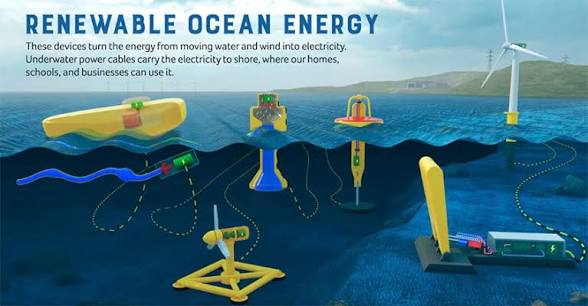
Wave, tidal, and ocean thermal energy represent the frontier of Africa's clean energy mix. IRENA convened a dedicated event in April 2026 on ocean energy readiness for Indian Ocean Rim Association member states, signaling that institutional attention is growing.
For island nations and coastal communities with limited land for solar or wind farms, ocean energy offers a complementary generation source. Wave power is more predictable than wind, and tidal currents follow reliable astronomical cycles. Ocean thermal energy conversion, which exploits temperature differences between surface and deep water, could provide continuous baseload power in tropical waters.
The technology remains in early development globally. Costs are high, deployment track records are thin, and engineering for African coastal environments, with their specific wave patterns and corrosion challenges, requires site-specific design work. Ocean energy ranks tenth because its long-term potential justifies continued research and pilot investment, but commercial-scale deployment in African waters is likely a decade or more away.
Related Posts



2 Comments
Join the discussion and share your thoughts