Top 10 Best Bebt Payoff Apps In UK 2026


Table of Contents
The best debt payoff apps in the UK have become a practical first stop for households looking to clear balances faster, and this guide ranks the ten strongest options available in 2026 based on how well each one helps you plan, track, and actually reduce what you owe. We weighed four things when building this list: how well each app forecasts a realistic debt-free date, how deeply it connects to UK bank accounts through Open Banking, what it costs across free and paid tiers, and how real users rate it on the App Store, Google Play, and Trustpilot. We also factored in whether each tool is purpose-built for debt or simply useful alongside it, since a budgeting app with strong forecasting can beat a dedicated tracker with none. Pricing, ratings, and user figures below reflect the 2025 to 2026 period and should be checked on each provider's own site before you commit, but the ranking itself reflects the balance of capability, cost, and UK-specific fit.
The Top 10 Best Debt Payoff Apps In UK 2026:
1. YNAB (You Need A Budget)
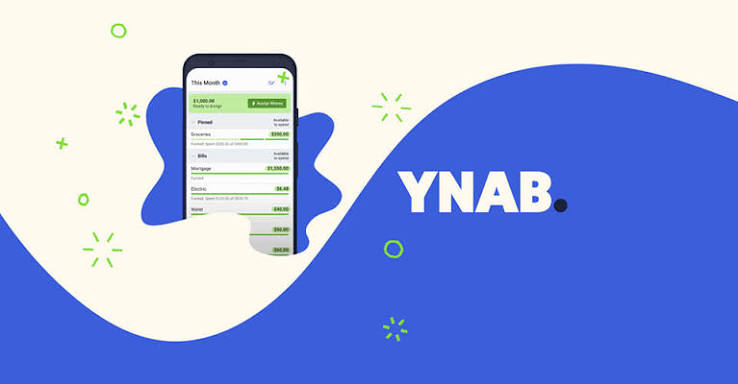
YNAB takes the top spot because it does the two hardest things in debt repayment at once: it forces you to plan where every pound goes, and it tells you exactly when you will be debt-free. The app runs on a zero-based budgeting method built around four rules, and its dedicated Loan Planner feature calculates the debt-free date and the monthly payment required to hit it. It syncs with UK bank accounts via Open Banking, so the numbers stay current without manual entry.
The trade-off is real. At £11.50 per month on annual billing, or £14.50 month to month, it is the most expensive tool on this list, and the learning curve is steeper than anything else here. YNAB's own company-reported data says new users save an average of $600 in their first two months, which offsets the fee quickly if you stick with the system. For anyone serious about clearing debt rather than just watching it, the combination of forecasting and budgeting is hard to beat.
2. Snoop

Snoop is the strongest free-first option built specifically for the UK market, with more than one million UK downloads behind it. The core app is free and connects to UK bank accounts and credit cards, then uses AI to flag overspending and surface personalised "Snoops" that suggest ways to cut bills and redirect the savings toward debt. Its Debt Payoff Planner shows how long repayment will take under different strategies, which makes the cost of a minimum-payment habit visible.
The catch is that the advanced debt tools sit behind Snoop Plus at £4.99 per month. Even so, the free tier alone is more useful for UK users than many paid apps, because the bank coverage is genuinely broad and the bill-switching suggestions produce real savings. If you want a low-commitment starting point before paying for anything, this is where we would begin.
3. Emma

Emma aggregates every UK current account, savings account, credit card, and loan into a single dashboard, with a debt-tracking view that shows your total owed across all providers. Founded in 2018, it has grown into one of the UK's fastest-growing personal finance apps and holds a 4.5 out of 5 rating on Trustpilot as of 2025.
Where Emma earns its place is subscription detection. It automatically finds recurring charges you may have forgotten about, and cancelling a handful of dormant subscriptions frees up cash that can go straight to repayments. The free tier covers the basics, while Emma Pro starts at £4.99 per month. Debt-payoff planning is lighter than YNAB's, so treat Emma as the app that finds you money rather than the one that maps your route out of debt.
4. Money Dashboard (now part of the Moneyhub group)

Money Dashboard was one of the original UK account-aggregation apps, and at its peak it served more than 500,000 UK users on a completely free basis. Its Planner view forecast balances forward and showed how debt repayments would affect future cash flow, which was ahead of its time when it launched.
A 2023 acquisition changed its status: the technology was folded into Moneyhub's platform, so standalone availability is reduced compared with its peak. It still earns a place on this list as a benchmark name in UK Open Banking finance apps, and anyone researching the category will encounter it. If you want the forecasting heritage without the uncertainty, Moneyhub at number ten is the modern successor.
5. Cleo

Cleo is an AI chat-based money assistant with a 4.6 out of 5 App Store rating, and it is especially popular with UK users under 35. The format is conversational: you ask questions, Cleo answers with spending insights and budget "roasts" that call out where your money is leaking. It connects to UK banks and highlights the leaks you can redirect toward repayments.
The free tier covers the core experience, while Cleo Plus at £5.99 per month adds cash advances that can help users avoid overdraft debt entirely. Cleo is less rigorous than YNAB on formal payoff math, and that is a genuine limitation if you want a precise debt-free date. What it does better than almost anything here is engagement, and for people whose problem is habit rather than spreadsheet, that matters more than forecasting precision.
6. Debt Payoff Planner (by MH Riley)
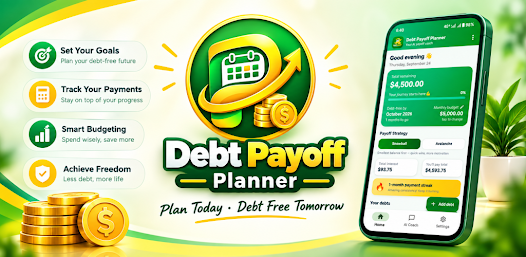
This is the purest debt tool on the list. You enter balances, APRs, and minimum payments manually, and the app compares the Snowball and Avalanche strategies side by side before projecting a debt-free date. It holds a 4.7 out of 5 rating on Google Play as of 2025 and is one of the most-downloaded dedicated payoff planners globally.
No bank connection is required, which makes it privacy-friendly for anyone uncomfortable linking accounts through Open Banking. It supports multiple currencies including GBP. The free version carries ads, and Premium is a one-off payment of around £4.99 rather than a subscription, which is unusual in this category. The limitation is manual data entry and no UK bank sync, so you must keep balances updated yourself. For strategy comparison alone, nothing here is simpler.
7. Debt Manager (Handy Apps)

Debt Manager gives you a clear dashboard of every debt, calculates payoff timelines under the snowball and avalanche methods, and sends payment reminders so you never miss a due date and trigger a penalty charge. It works entirely offline, which keeps your data on your device.
The app is free with ads, and the Pro upgrade costs around £2.99, making it one of the cheapest paid options available. It holds a 4.6 out of 5 rating on Google Play and has been a long-standing tracker on both Android and iOS. What it lacks is bank aggregation and any advanced analytics, so it suits people who want a disciplined reminder system rather than a connected overview. At this price, the reminders alone justify it.
8. Tally Money

Tally Money takes a different angle from everything else here. It is a UK-regulated e-money account offering a debit card backed by physical gold, positioned as a way to hold savings that hedge against inflation while you pay down debt. The app includes budgeting tools and spending insights alongside the account.
This is not a pure debt-payoff planner, and we would not recommend it as your only tool. Its value is the asset-backed savings angle, which gives UK users a place to park money that keeps pace with rising prices while repayments continue. For anyone worried that cash savings are losing value while they clear balances, Tally offers a complementary option that most debt apps ignore entirely.
9. Plum
Plum automates saving and investing through round-ups and smart rules, and with more than one million UK users it has scale behind it. The free tier handles the automation, while Plum Pro at £2.99 per month adds budgeting insights that help users find money to put toward debts. It connects to UK banks and is FCA-regulated.
Debt-specific tools are secondary here, sitting behind the saving and investing features rather than leading them. That is precisely why it earns a place: repayment discipline is largely a habit problem, and automatic rules that move small amounts aside build that habit without willpower. If your debts are under control but your savings are not, Plum fills the gap that dedicated payoff apps leave open.
10. Moneyhub
Moneyhub is an FCA-authorised Open Banking platform that aggregates accounts, tracks debts, and provides cash-flow forecasting showing how repayments affect your future finances. It is free for individuals, and more than 200 UK financial institutions used its technology as of 2025. It now incorporates the technology from Money Dashboard, which is why the two names are linked in this list.
The forecasting is institutional-grade, the kind of cash-flow modelling banks use internally, and consumers get it at no cost. The trade-off is a utilitarian interface that feels more like a professional tool than a consumer app, and it is less hand-holding than the top-ranked options. For anyone who wants powerful, free forecasting and does not need encouragement, Moneyhub delivers more analytical firepower per pound than anything else here.
The right choice depends on what is actually stopping you from clearing debt. If you need a precise debt-free date and are willing to learn a system, YNAB at number one justifies its subscription within weeks. If you want to start free and stay UK-focused, Snoop and Emma cover the essentials without a card on file. If your problem is strategy rather than tracking, the dedicated planners at six and seven do one job extremely well for a few pounds.
One practical note for 2026: check Open Banking connections before committing to any paid tier, since UK bank coverage varies between providers and a beautiful app that cannot see your current account is of limited use. All ratings, prices, and user figures in this guide reflect the 2025 to 2026 period and should be verified on each provider's official site or app store before you subscribe.
Related Posts



0 Comments
Join the discussion and share your thoughts
No Comments Yet
Be the first to share your thoughts on this article!