Top 10 Best AI Voice Cloning Apps In The World 2026

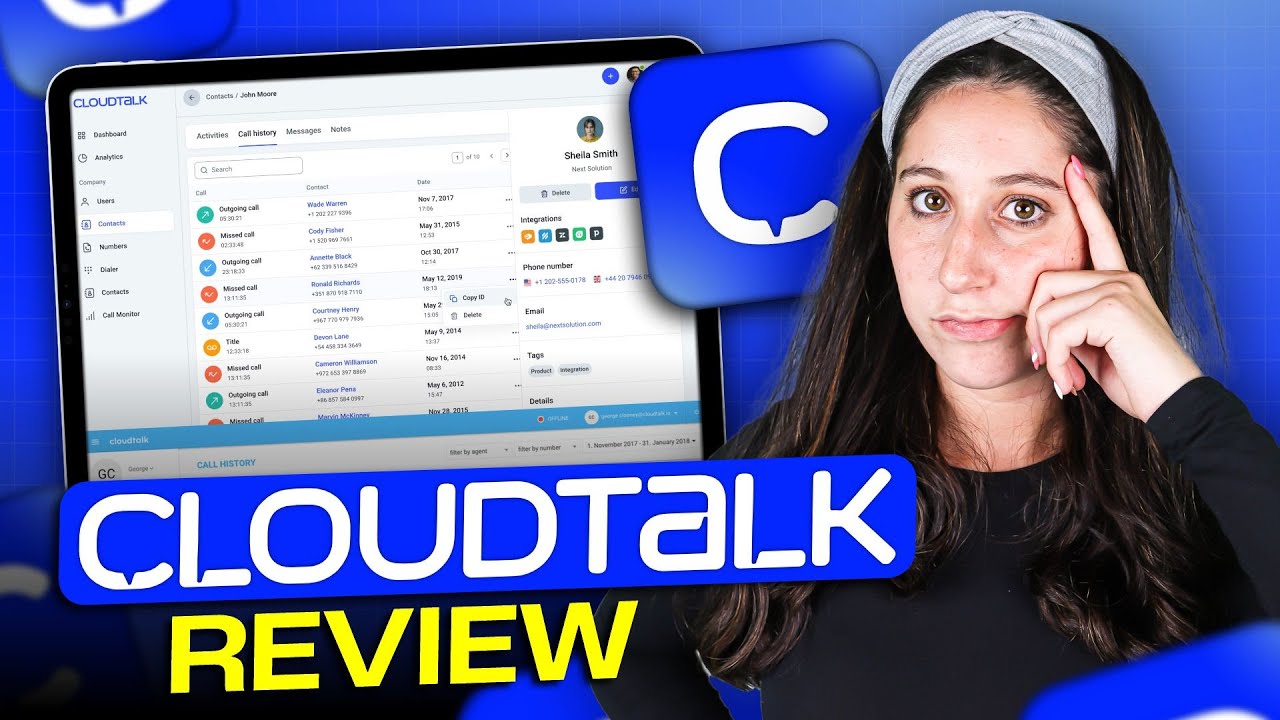
Table of Contents
Voice cloning technology has moved from experimental novelty to a core production tool across industries. The top 10 best AI voice cloning apps in the world for 2026 reflect this maturation, with platforms that deliver near-indistinguishable synthetic speech, support for dozens of languages, and deep integrations into professional workflows. To build this ranking, we evaluated each tool on voice realism, language and accent support, ease of use for both casual and enterprise users, commercial licensing flexibility, and adoption in real-world applications. We also weighed feedback from professional content creators, developers, and enterprise teams who rely on these tools daily. The result is a list that spans from industry-leading platforms to specialized niche utilities, all of which represent the current state of the art.
These Are The Top 10 Best AI Voice Cloning Apps In The World 2026:
1. ElevenLabs Voice AI
ElevenLabs remains the benchmark for voice cloning realism in 2026. The platform supports over 100 languages and offers access to more than 29,000 distinct voices, making it the most linguistically diverse cloning tool available. Users can clone their own voice from a short audio sample and generate speech that preserves accent, emotion, and natural pacing across multiple languages. This capability has made ElevenLabs the default choice for game studios, localization teams, and content creators who need consistent character voices without hiring multiple voice actors.
The platform's generous free tier, offering around 10,000 voice credits per month, has helped drive widespread adoption among independent creators. For enterprises, ElevenLabs provides a robust developer ecosystem with APIs that allow custom voice cloning at scale. Industry reviews consistently describe ElevenLabs as the best option when voice realism is the top priority, and its integration into professional dubbing and voiceover workflows gives it an edge that competitors have struggled to match.
2. OpenAI TTS
OpenAI's text-to-speech technology might not be marketed as a consumer voice cloning app, but it powers a significant portion of the voice cloning ecosystem in 2026. Services like TTSOpenAI leverage OpenAI's speech models to offer completely free, unlimited conversion of text, PDFs, and eBooks into natural-sounding audio. The underlying models produce expressive speech with smooth intonation and support multiple languages, making them a go-to for developers building custom voice experiences.
Because OpenAI TTS is available through APIs, startups and established companies alike embed it into their own branded applications. Many voice cloning apps that users interact with directly are actually running OpenAI's technology in the background. This infrastructure role makes OpenAI TTS foundational to the entire voice cloning landscape, even if it does not present itself as a standalone consumer product. For developers who want to build voice cloning into their own tools, OpenAI's API remains one of the most reliable and scalable options available.
3. LOVO / Genny

LOVO's Genny platform combines AI voice generation with video editing in a single workspace, a combination that appeals strongly to marketers, YouTubers, and e-learning providers. Genny supports over 500 voices across 100 languages and accents, and its custom voice cloning feature allows companies to create proprietary voices for branded content. The platform's user interface is designed for creators who want to produce voiceovers and edit video without switching between separate applications.
For commercial users, Genny offers studio-like output quality that can replace traditional voiceover workflows. The platform handles licensing and usage rights for cloned voices, which is a critical feature for businesses that need to protect their brand identity across ads and training materials. LOVO's focus on the end-to-end creator experience, rather than just providing an API, makes it one of the strongest all-in-one cloning tools available in 2026.
4. Play.ht

Play.ht takes a multi-engine approach to voice cloning, aggregating technology from IBM, Microsoft, Amazon, and Google to deliver over 900 AI voices across major languages. This strategy gives users access to a wide range of voice qualities and styles, all accessible through a single platform. Play.ht supports custom voice cloning, allowing businesses to build unique, reusable voices for podcasts, audiobooks, and training materials.
The platform targets professionals with features like SSML controls for fine-grained pronunciation adjustments, batch processing for large projects, and integrations for adding audio to websites. Users can download output in MP3 and WAV formats, making it easy to bring cloned voices into existing production pipelines. Play.ht's flexibility and production-grade export options have earned it a strong position among businesses that need reliable, high-quality voice cloning without locking into a single speech engine.
5. Canva AI Voice Cloner
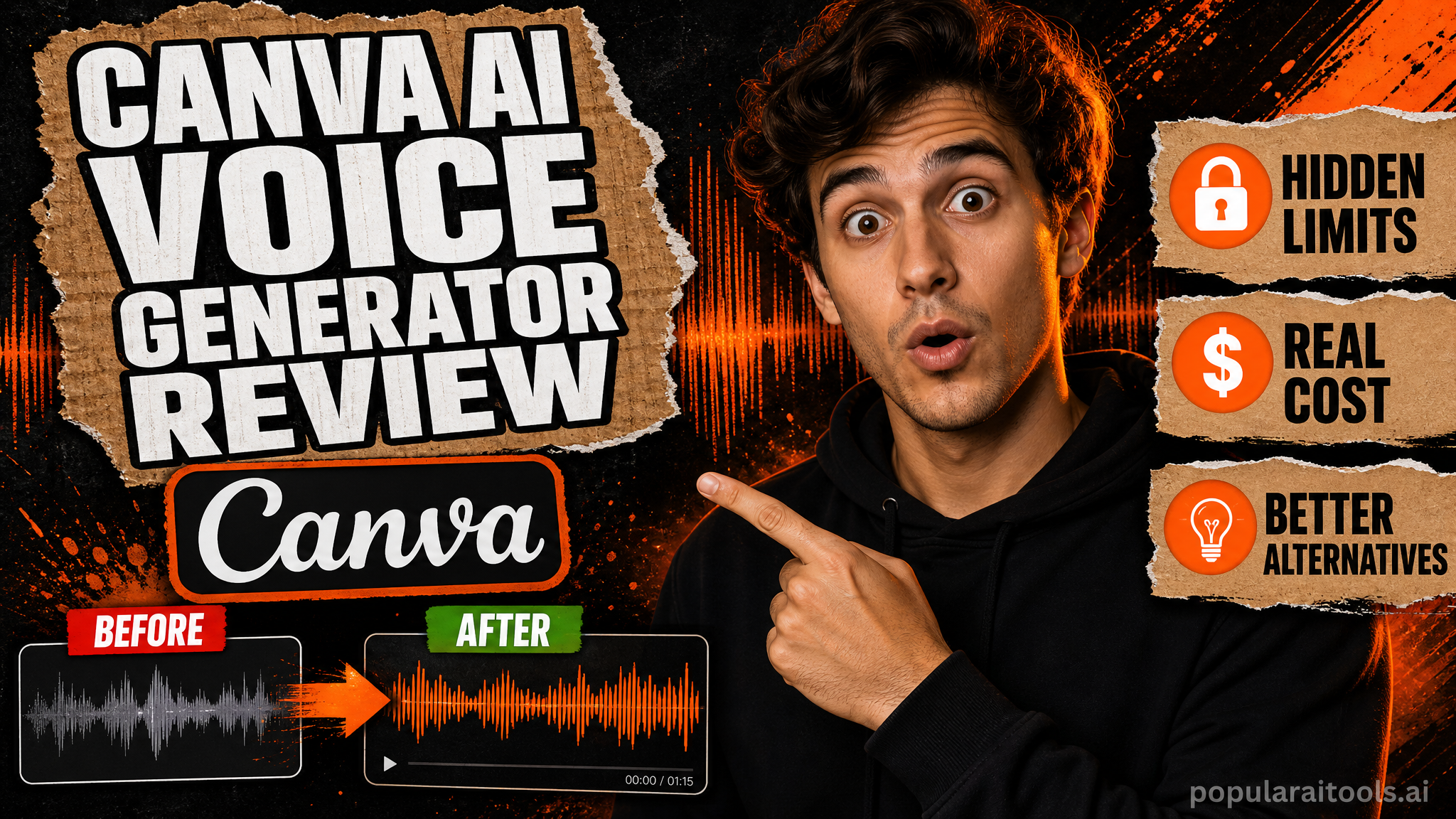
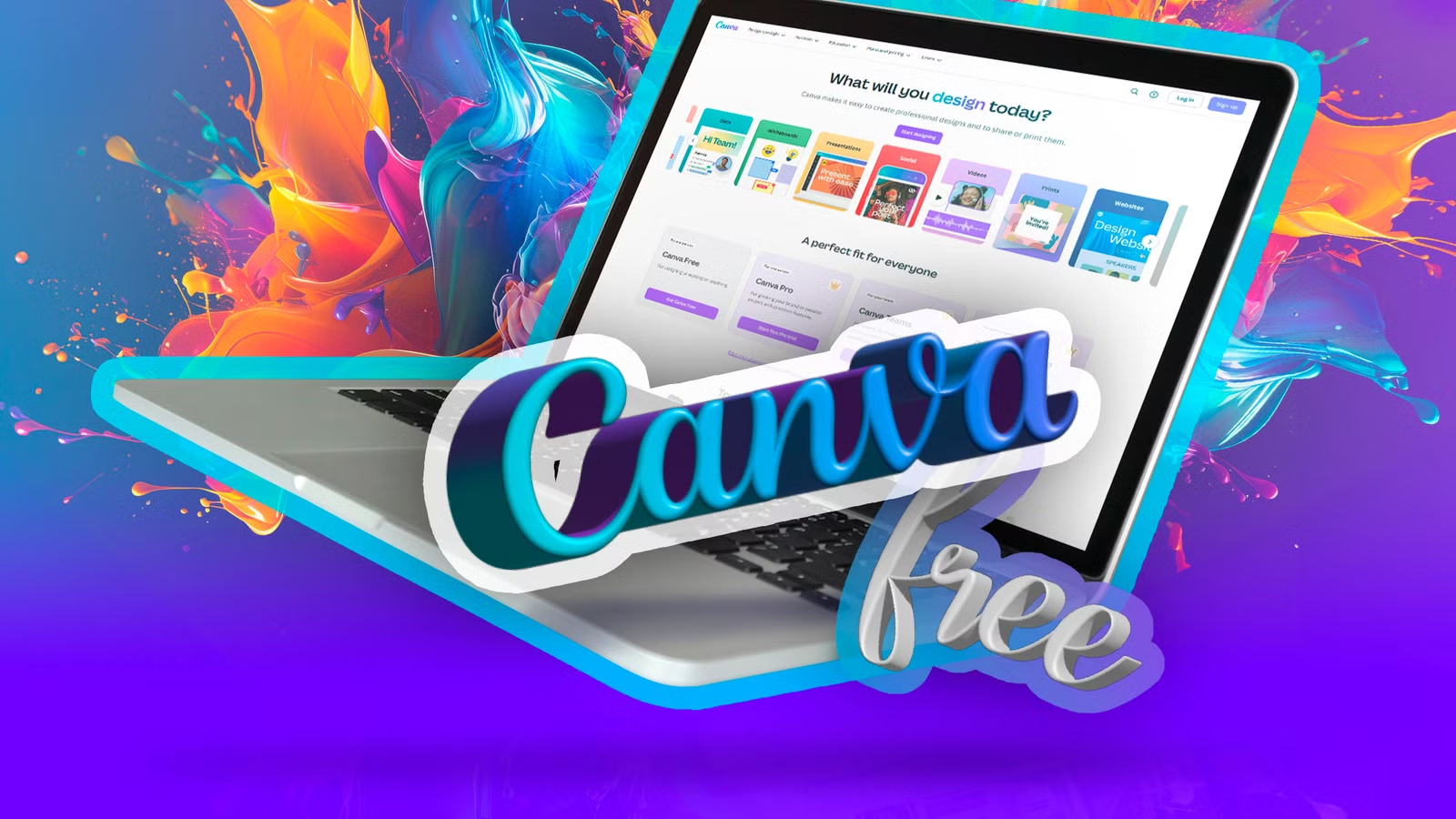
For small businesses and individual creators who already rely on Canva for graphic design, this integration eliminates the need for separate audio software. The tool offers unlimited voiceovers within plan limits, which is attractive for frequent content production. While Canva's voice cloning is newer than dedicated platforms like ElevenLabs, its deep integration into a widely used creative workflow makes it one of the most impactful voice cloning apps for everyday creators.
6. WellSaid Labs
WellSaid Labs focuses on enterprise-grade voice cloning with an emphasis on brand safety and commercial licensing. The platform offers over 50 curated digital voice actors optimized for corporate training videos, product explainers, and internal communications. Each voice is licensed for commercial use, removing the legal uncertainty that can come with other cloning tools.
WellSaid provides team collaboration features, pronunciation dictionaries, and project management tools that appeal to learning and development teams at large organizations. While the platform is less consumer-oriented than some competitors, it offers custom voice options for enterprise clients who need proprietary voices for long-term brand consistency. WellSaid's careful curation and focus on quality over quantity make it a reliable choice for businesses that cannot afford inconsistent or unlicensed voice output.
7. CloudTalk AI Voice Agent
CloudTalk is primarily a cloud phone system, but its 2026 AI Voice Agent represents one of the most practical applications of voice cloning in business. The agent integrates high-quality synthetic voices, often powered by ElevenLabs, to automate outbound calls, lead qualification, reminders, and follow-ups. These voices maintain consistent tone and identity across large volumes of calls, which is critical for sales teams and call centers that want to present a unified brand voice.
The system offers CRM integrations, analytics, and routing features tailored to sales workflows. Industry rankings in 2026 place CloudTalk's AI Voice Agent as the best option for businesses that need voice cloning applied to telephony. While it is not a general-purpose content creation tool, its use of cloned voices in real-time calling demonstrates how voice cloning technology is moving beyond media production into operational business processes.
8. Synthflow AI
Synthflow provides a no-code environment for designing AI voice agents that speak with natural, cloned voices. Agencies and businesses can build call flows, define prompts, and connect to APIs without writing code, then assign synthetic or cloned voices to represent their brands. This approach dramatically reduces the time required to deploy voice agents compared to custom development.
Synthflow is widely used by agencies that need to deploy multiple outbound or support agents with consistent voice identity. Its design tools and templates allow rapid prototyping and iteration, making it a top choice for teams that want to experiment with voice cloning in customer-facing applications. The platform ranks among the top five AI voice agent tools in 2026, though its focus on call-flow automation rather than multimedia voice cloning places it below creator-centric apps in this ranking.
9. Retell AI
Retell AI specializes in AI voice agents for inbound call management. Companies use the platform to build custom agents that answer customer calls in natural-sounding synthetic voices, handling routine inquiries and routing complex issues to human representatives. The system records, transcribes, and structures call data for integration with CRM and analytics tools.
For support desks and service companies that need 24/7 coverage, Retell AI offers a practical way to extend capacity without hiring large teams. Developers can use the platform's APIs for deep integration and customization. While Retell AI is more specialized in support workflows than general-purpose voice cloning tools, its ability to deploy consistent, high-quality cloned voices in live phone conversations makes it a valuable player in the voice cloning ecosystem.
10. Canva-based and Other Consumer Voice Clone Utilities
Beyond the major platforms, a long tail of smaller apps and websites offer simple voice cloning for casual users. These tools typically use white-label engines from ElevenLabs or OpenAI TTS to provide basic cloning functionality through web or mobile interfaces. Users can upload short audio samples and generate cloned voices for memes, social media videos, and hobby projects with minimal effort.
Many of these utilities operate on limited free usage tiers with watermarking or credit systems. They prioritize ease of use over advanced controls or enterprise features. While individually these apps are niche and fragmented, collectively they serve millions of casual users who want to experiment with voice cloning without committing to a paid platform. They rank last in this list because they depend heavily on upstream engines and rarely match the reliability, controls, or support of the major platforms, but they represent an important consumer segment that continues to grow.
The voice cloning market in 2026 is defined by a clear separation between infrastructure providers like OpenAI TTS, full-featured creator platforms like ElevenLabs and LOVO, and specialized business tools like CloudTalk and Retell AI. Each category serves a distinct need, and the best choice for any user depends on whether they prioritize realism, workflow integration, or operational automation. What is clear is that voice cloning has become a standard tool across content creation, enterprise training, and customer communication, and the gap between synthetic and human speech continues to narrow.
Related Posts


0 Comments
Join the discussion and share your thoughts
No Comments Yet
Be the first to share your thoughts on this article!