Top 10 Best AI Video Localization Tools With Lip Sync In The World 2026

Table of Contents
Video content is the dominant form of communication for businesses, educators, and creators. But reaching a global audience requires more than just subtitles. Viewers expect to hear a voice that matches the speaker's lip movements, creating a natural viewing experience in any language. That is where AI video localization tools with lip sync come in.
To build this ranking, we evaluated platforms on several criteria: the accuracy and naturalness of their lip-sync output, the breadth of language support, integration with existing video workflows, user ratings from trusted platforms like G2, market reputation in 2026 coverage, and the overall ease of use for both beginners and enterprise teams. We weighed performance data, user sentiment from professional forums, and the specific focus each tool places on localization rather than general video generation. The result is a list of ten tools that represent the current state of the art for translating video content while keeping the speaker's mouth movements in sync with the new audio.
These Are The Top 10 Best AI Video Localization Tools With Lip Sync In The World 2026:
1. HeyGen
HeyGen has established itself as the leading platform in AI video localization for 2026. It holds a 4.8 out of 5 rating on G2, reflecting strong user satisfaction across a wide range of use cases. The platform supports lip-synced voice translation in 175 languages, which is the widest language coverage among all tools we evaluated.
What sets HeyGen apart is its ability to work with both AI-generated avatars and real-person footage. This flexibility means a marketing team can use HeyGen to dub an existing CEO video into Spanish, while a training department can create entirely new avatar-led content in Japanese. The lip-sync performance for non-English languages is consistently praised in user reviews, with many noting that mouth movements match the dubbed audio far more naturally than older tools. HeyGen combines avatar generation, voice translation, and lip-sync into a single workflow, which reduces the need to jump between multiple software packages.
2. Synthesia
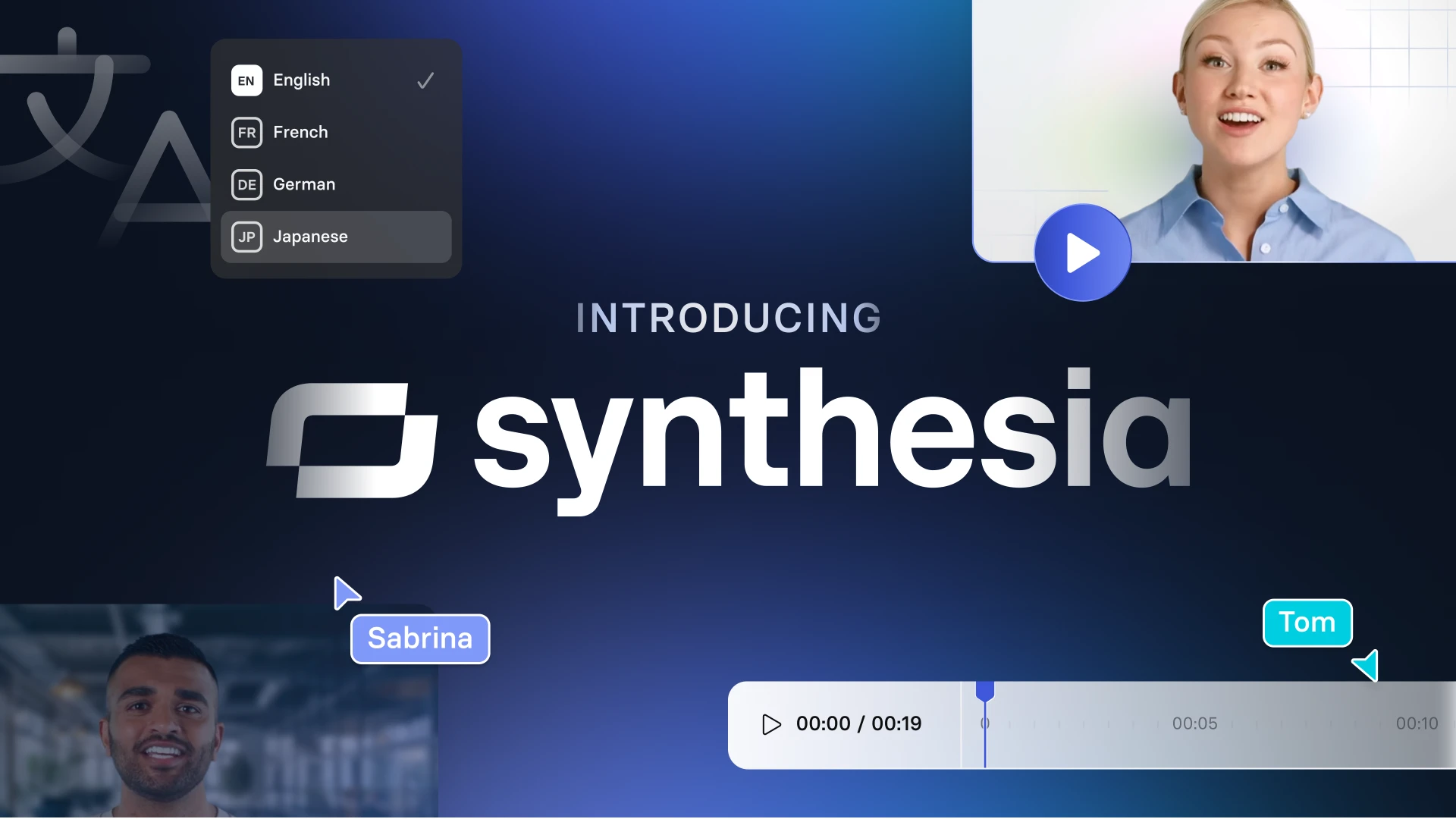
Synthesia has long been a dominant name in AI video production, and its localization capabilities have kept pace with the market in 2026. The platform is widely benchmarked in enterprise comparisons for its polished presenter-style videos and structured multilingual workflows. While Synthesia started as an avatar creation tool, its localization features have matured to include voice translation and lip-sync adjustments that work across dozens of languages.
For large organizations that need to produce consistent video content at scale, Synthesia offers reliability and governance features that smaller tools lack. Teams can manage brand guidelines, approve scripts, and publish localized versions without re-recording or re-shooting. The platform's strength is not in experimental effects but in predictable, high-quality output that meets enterprise standards. It ranks second because it remains one of the most trusted brands in the category, even as newer tools focus specifically on lip-sync-first workflows.
3. Rask AI
Rask AI is built specifically for localizing existing video content. While many AI video tools focus on generating new footage from text, Rask AI is designed to take a finished video and translate it into another language with voice replication and lip-sync. This makes it a natural fit for content repurposing, where a single video can be adapted for multiple regional markets without re-shooting.
The platform has a strong reputation in 2026 comparisons for its AI dubbing and translation accuracy. Users frequently highlight the ability to maintain the original speaker's vocal characteristics across languages, which preserves the presenter's identity and tone. Rask AI is commonly positioned as a creator and marketing tool, and its focused approach to localization earns it the third spot on our list. It is less broad than HeyGen or Synthesia, but for teams whose primary need is dubbing existing footage, it is one of the best options available.
4. Maestra AI
Maestra AI offers a complete workflow for making dubbed videos look and sound natural. The platform combines transcription, translation, dubbing, and lip-sync into a single pipeline aimed at content teams, educators, and media producers. In 2026 coverage, Maestra AI is frequently emphasized for its AI lip-sync technology that matches the new voice to the speaker's original mouth movements.
One of Maestra AI's strengths is its user interface, which simplifies the process of uploading a video, selecting target languages, and exporting a finished localized file. It is less dominant in overall market visibility than HeyGen or Synthesia, but it is one of the better-known dedicated localization tools. For teams that want a straightforward path from original footage to a dubbed version with accurate lip movements, Maestra AI delivers reliable results. It ranks fourth because its feature set is focused and effective, even if its brand recognition is slightly lower than the top three.
5. VMEG

VMEG has emerged in 2026 as a tool specifically marketed for AI video translation and dubbing with lip-sync. It is designed for creators who want to turn source videos into multiple languages with natural-sounding dubbing that includes synchronized mouth movements, rather than relying on simple subtitles or voice-overs that do not match the video.
The platform positions itself as a practical solution for content repurposing, particularly for social media creators and small businesses that need to reach international audiences without a large production budget. VMEG is clearly focused on localization, which places it above general-purpose video tools. However, it appears less established than the top four platforms in terms of user base, market coverage, and independent reviews. It earns the fifth spot because its specialization is genuine, but its track record is shorter than the category leaders.
6. Artlist AI Video Localization

Artlist is best known as a creative platform offering music, sound effects, and stock footage. Its AI video localization offering extends that broader ecosystem into lip-synced translation. In 2026 social and product coverage, Artlist reports 99.9% lip-sync accuracy and support for localization into 50 languages. These are strong claims, and the platform is particularly attractive for marketers and social media teams already using Artlist for other creative assets.
The integration with Artlist's existing library means users can combine localized video with licensed music and effects without leaving the platform. This workflow efficiency is a genuine advantage for teams that produce high volumes of short-form content. However, the public evidence for Artlist's localization capabilities is narrower than for the category leaders. Independent reviews and detailed benchmarks are less abundant, which is why it ranks sixth. The feature set is strong, but the tool is still building its reputation in this specific niche.
7. VideoExpress
VideoExpress is a newer AI video platform that combines text-to-video, image-to-video, and talking-photo generation with lip-sync capability. It is listed in 2026 catalog coverage as a tool that supports talking avatars and lip-sync among its core features. This broader scope makes it useful for teams that want more than dubbing alone, such as creating entirely new avatar-led content from scratch.
The platform is feature-rich and offers a wide range of creative options. However, VideoExpress is better known as a general AI video suite than as a specialized localization leader. Its lip-sync capabilities are part of a larger toolkit, which means the depth of localization features may not match dedicated tools like Rask AI or Maestra AI. It ranks seventh because it is versatile and useful, but for teams whose primary need is high-quality lip-sync localization, more focused options exist.
8. Fliki
Fliki is well known for turning scripts into videos quickly and is frequently evaluated alongside HeyGen and Synthesia in AI video workflow comparisons. Its strengths are speed, accessibility, and a broad content-creation focus that includes localization-adjacent use cases. In 2026 discussions, Fliki is often mentioned for its avatar quality and lip-sync performance.
The platform is popular among solo creators and small teams because it is easy to use and produces results quickly. However, Fliki's lip-sync specialization is usually seen as less central than the top-ranked tools. It is a general-purpose AI video platform that happens to support localization, rather than a tool built from the ground up for dubbing and translation. This distinction matters for teams that need deep localization features, which is why Fliki ranks eighth on our list. It is practical and popular, but it is not the best choice for dedicated localization workflows.
9. Runway
Runway is recognized in 2026 AI video tool lists as a leading generative video platform. It is not primarily a video localization product, but its influence in AI video creation means it sometimes appears in broader localization workflows. Runway's strength lies in advanced video generation and creative control, including editing, inpainting, and style transfer features that go far beyond dubbing.
For teams that need to generate or modify video content creatively, Runway is an essential tool. However, it is less directly focused on lip-sync localization than the tools ranked above it. Its localization capabilities are emerging rather than mature, and users typically need to combine Runway with other tools to achieve polished dubbed output. It ranks ninth because it is powerful and influential, but it is not a dedicated localization platform. For teams that already use Runway for other purposes, it can be part of a localization workflow, but it is not the best starting point for that specific task.
10. VideoDubber AI
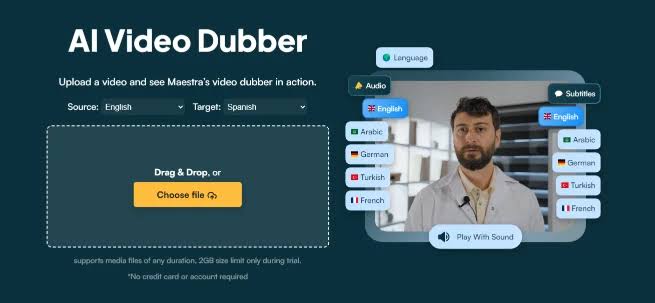
VideoDubber AI is built around translating and dubbing video content into multiple languages with synchronized mouth movement. It is aimed at creators and businesses that need a straightforward localization pipeline without a large production team. In 2026 discussions, it is mentioned as an AI lip-sync and dubbing platform that fits the localization category well.
The tool is designed to be simple: upload a video, select target languages, and receive a dubbed version with lip-sync. This simplicity is a genuine advantage for users who do not want to navigate complex interfaces. However, VideoDubber AI appears less prominent than the higher-ranked platforms in 2026 market coverage. Its user base is smaller, and independent reviews are less common. It earns the tenth spot because it fits the category and delivers on its core promise, but it has not yet achieved the market presence or feature depth of the tools ranked above it.
In 2026, AI video localization with lip sync has moved from experimental technology to a practical tool for global communication. The ten platforms listed here represent the best options available, ranging from enterprise-grade solutions like Synthesia to focused dubbing tools like Rask AI and VideoDubber AI. For teams looking to expand their video content across languages, investing in one of these tools is no longer optional. It is a competitive necessity.
Related Posts


0 Comments
Join the discussion and share your thoughts
No Comments Yet
Be the first to share your thoughts on this article!