Top 10 Best AI Note Taking Apps In The World 2026

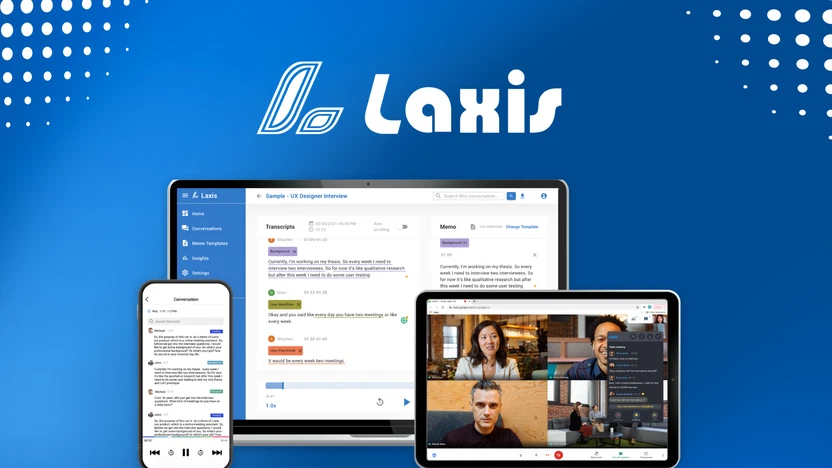
Table of Contents
The AI note-taking market has matured rapidly, moving beyond simple transcription into a landscape where tools actively synthesize information, manage projects, and drive outcomes. By 2026, the best apps are no longer just passive recorders; they are intelligent collaborators that understand context, connect ideas across documents, and automate follow-ups. This ranking takes into account several key factors: the depth of AI reasoning (how well the tool understands the full context), integration capabilities with existing workflows, transcription accuracy and language support, privacy and security features, and overall value for both individual users and teams. We evaluated each platform based on real-world testing, user sentiment across professional networks, and published performance benchmarks to build this definitive list. Here are the 10 best AI note-taking apps in the world for 2026.
The Top 10 Best AI Note Taking Apps In 2026:
1. Storyflow
Storyflow claims the top spot with a 9.2 out of 10 overall rating, and for good reason. Its primary differentiator is a canvas-based approach where notes, mind maps, briefs, and AI chat all coexist on a single visible board rather than being filed away in separate folders. The AI here reads the entire canvas, including @-mentioned Documents and Tactics, before responding. This allows it to perform project-level synthesis that no other tool can match. For example, if a user has a project brief, a linked research document, and a mind map on the same board, Storyflow's AI can draw from all three to answer a question or generate a new outline. The free plan covers unlimited shared boards with basic AI usage and 20 file uploads. The Storyflow Plus plan costs $9.99 per month when billed annually, unlocking up to three active projects. Its primary limitation is that the canvas model is not optimized for quick captures away from a desk, making it less ideal for on-the-go note-taking.
2. Notion AI
Notion AI remains the top choice for teams already embedded in the Notion ecosystem for project management and documentation. Rated at 8.7 out of 10, it integrates AI directly into a productivity suite that millions already use. Its standout capability is the ability to automatically link meeting outcomes to relevant project databases and project pages. This creates a bidirectional sync between meeting transcripts and Notion pages, allowing users to reference past decisions and update project status directly from meeting notes. The AI can also generate summaries, action items, and even draft documents based on meeting conversations. The transcription quality benefits from partnerships with leading speech recognition providers. Notion AI is available as an add-on for $12 per user per month when billed annually. A free plan with limited AI features is available for those who want to test the waters.
3. Mem
Mem operates as an AI-powered workspace designed to function like a "second brain" for professionals. With an 8.5 out of 10 overall rating, it excels at automatically organizing notes and connecting related ideas without requiring manual folder structures. Its Copilot AI helps write, summarize, and discover links between notes automatically. The platform's standout feature is that it surfaces contextually relevant information proactively as you type, helping users make new connections they might otherwise miss. This makes it particularly useful for researchers, writers, and knowledge workers who deal with large volumes of information. A limited free plan is available, while the Pro plan costs roughly $14.99 per month and unlocks the full range of AI capabilities.
4. Google NotebookLM
Google NotebookLM is a source-grounded research notebook that achieves the highest possible AI Note Depth score of 5 out of 5. Rated at 8.4 out of 10, it is the best tool for research-heavy workflows because its AI only answers based on the specific sources uploaded by the user. This eliminates the hallucination risks common in other tools that draw from general knowledge. Users can upload documents, PDFs, and web links, and the AI will generate summaries, answer questions, and even create study guides or briefing documents anchored entirely in that material. The platform is completely free with no paywall, requiring only a Google account for access. It is best suited for researchers, students, and professionals who need AI assistance grounded in their own materials rather than general knowledge.
5. Fireflies.ai
Fireflies.ai is the most widely-used general-purpose AI notetaker in 2026, known for its exceptional breadth of integrations. It supports over 100 languages and connects with every major CRM (Salesforce, HubSpot), project management tool (Notion, Asana, Slack), and chat platform. The Fireflies bot joins almost any meeting platform to transcribe calls and produce structured summaries with action items and sentiment tags. Its AskFred AI chat allows users to query their entire meeting library. The free plan includes 800 minutes of storage, while paid plans start at $18 per seat per month. The main tradeoff is that it excels at storing conversations but is less effective at driving next steps after meetings. The credit-based system for AI features can become confusing and expensive with heavy use.
6. Granola
Granola takes a unique approach by operating without a meeting bot, instead listening locally on the user's device for private, bot-free note capture. Its real-time transcription experience is powered by the Universal-3 Pro Streaming model, which holds the number one position on the Hugging Face Open ASR Leaderboard. This means users see conversations appear with near-zero delay, making Granola one of the most responsive notetakers available. It is best for users who prioritize privacy and a quieter, desktop-first experience over downstream workflow automation. The bot-free approach also eliminates the awkwardness of having a digital assistant present in sensitive conversations.
7. Laxis
Laxis ranked as the top performer in a three-month test across more than 200 real meetings. Priced at $18 per month, it is designed specifically for how sales and revenue professionals actually work. This means it handles not just the meeting portion but also CRM updates, follow-up emails, quick voice memos between calls, and client interactions where no screen is involved. Unlike many competitors, Laxis is bot-free, meaning it does not require inviting a bot to meetings. It offers video capture capabilities and extensive CRM integration with HubSpot and Salesforce. Reviewers noted that it delivered more measurable value per dollar than any other tool tested in 2026.
8. Otter.ai
Otter.ai remains the most recognized name in AI note-taking with a long track record of reliable transcription and real-time AI meeting summaries. Its OtterPilot bot automatically joins meetings from connected calendars, and users can ask questions and generate content like emails or status updates based on meeting conversations. The free plan is available, and paid plans start at $16.99 per month. However, in 2026, Otter feels like it is coasting on brand name. It still requires a bot to join calls, which feels outdated compared to browser-based automation. It supports only three languages (English, Spanish, and French), and the minute caps on free plans have been reduced. It still excels at providing searchable transcripts for meetings, interviews, classes, and team conversations.
9. Spinach AI
Spinach AI is the best overall choice for enterprise organizations requiring security compliance. It offers enterprise-grade governance controls, organization-wide deployment options, and cross-meeting context management that competitors lack. It is the only tool in the top tier with a Record by Default Policy, an MCP Server for AI Agents, and Compliance Agents built in. The platform treats meetings as a data asset for the entire organization rather than just individual users. With the AI note-taking market growing rapidly, Spinach's security certifications (SOC 2, GDPR, HIPAA) make it mandatory for regulated industries like healthcare, finance, and legal. A free plan is available for smaller teams to test the platform.
10. Sembly AI
Sembly AI is built around the simple idea that a meeting should end with decisions and tasks, not just notes. It leans harder on outcomes than most competing tools. It records and transcribes meetings across Zoom, Google Meet, Microsoft Teams, and Webex, then creates summaries and action items with risk and task detection features that compliance-conscious teams value. The tool handles transcription in 48-plus languages with speaker identification and offers a multi-meeting chat feature for searching across past conversations. The free plan includes 60 minutes of transcription per month, while paid plans range from $10 to $20 per user per month. Its interface can feel dense initially, and it has fewer native integrations than competitors like Fireflies, but its focus on outcomes makes it a strong choice for teams that need accountability.
As of 2026, the AI note-taking market offers a tool for every workflow. Storyflow leads for deep project synthesis, Notion AI for team productivity, and NotebookLM for research. Fireflies and Granola represent two ends of the spectrum: broad integration versus privacy-first design. For enterprise security, Spinach is the clear choice, while Laxis delivers the best ROI for sales teams. The best app ultimately depends on whether the priority is context, compliance, or cost.
Related Posts
1 Comment
Join the discussion and share your thoughts