Top 10 Most Digital Transformation Trends In The World 2026

Table of Contents
Remember when "digital transformation" was just a buzzword? Something you'd hear at a conference, maybe see on a consultant's slide deck? Well, those days are long gone. By 2026, we're not just talking about transformation; we're living it. It's not a competitive edge anymore, it's just how you do business. If you're not riding this wave, you're probably drowning.
This isn't about slapping some new tech onto old problems. This is about a complete rethink of how we work, how we serve customers, and how we keep everything secure. We're seeing a huge push toward smart automation, seriously tailored experiences, and security that's actually built to last. The tech world is buzzing, and honestly, it's a bit of a wild ride. So, what's actually making the biggest splash as we head toward 2026? Here's what I'm seeing.
Top 10 Most Digital Transformation Trends In The World 2026:
1. Quantum Computing

Quantum computing. Sounds like something out of a sci-fi movie, right? But by 2026, it's starting to make some real noise outside of university labs. We're not talking about replacing your laptop with a quantum machine just yet, but the breakthroughs are happening. This tech is getting seriously good at solving problems that traditional computers choke on, especially complex optimization tasks. Tech-Stack predicts that combining quantum with AI could solve 30% more optimization problems than AI alone. KPMG even talks about quantum "rewriting the rules" in this new Intelligence Age.
Early adopters are seeing efficiency gains of about 25%, particularly in areas like drug discovery, financial modeling, and logistics. It's still expensive, and the talent pool is tiny, which is a major headache. But the potential? It's mind-boggling. The big challenge is separating the genuine progress from the endless hype. A lot of companies are throwing money at it without a clear roadmap, and that's just burning cash.
2. Digital Twins
Imagine having a perfect virtual copy of your entire factory, a complex piece of machinery, or even a city, running in real-time. That's a digital twin. By 2026, these aren't just cool concepts; they're essential tools for making smart decisions. They're letting industries simulate processes, predict equipment failures before they happen, and essentially innovate without the risk of physical trials. We're seeing efficiency gains of 30-50% in simulated processes, which is huge.
Think about it: you can test out a new production line layout, optimize energy consumption, or even forecast traffic patterns without spending a dime on physical infrastructure. The data from the real world feeds into the twin, and the twin gives you insights you couldn't get otherwise. The big downside? Getting all the necessary sensors and data streams integrated is often a nightmare. It sounds simple, but the plumbing is incredibly complex, and that's where many projects get bogged down.
3. Increased Cybersecurity Risks

Here's a trend nobody wants, but everyone has to deal with: cybersecurity risks are just getting bigger and more sophisticated. As we push more and more into digital spaces, the attack surface expands dramatically. We're seeing everything from AI-driven threats that learn and adapt, to new challenges posed by the very idea of quantum computing. It's a constant arms race, and honestly, the defenders are often playing catch-up.
This means data governance is no longer a footnote; it's central. Organizations are having to completely overhaul their security frameworks, moving towards AI-powered metadata management to handle unstructured data and cut compliance risks by about 25%. Regulators like ESMA are even pushing for centralized data platforms by 2026. The annoyance? It feels like you're always patching holes, and the sheer volume of new threats means your security teams are perpetually exhausted. It's a never-ending game of whack-a-mole.
4. Post-Quantum Cryptography

This trend goes hand-in-hand with quantum computing. While quantum machines promise incredible problem-solving power, they also pose a serious threat to our current encryption methods. The algorithms we rely on today, like RSA, could be cracked by a sufficiently powerful quantum computer in the future. That's terrifying, especially for long-term sensitive data.
So, enter post-quantum cryptography, or PQC. This is about developing new encryption algorithms that can withstand a quantum attack. It's a race against time, really, to protect data from future threats. NIST is working on standards, and companies are starting to integrate these new methods. The annoyance here is that it's a massive undertaking to switch over. You can't just flip a switch; it requires a complete overhaul of existing systems, and that means a lot of cost and potential disruption for something that feels like a future problem, even if it's an inevitable one.
5. Agentic AI
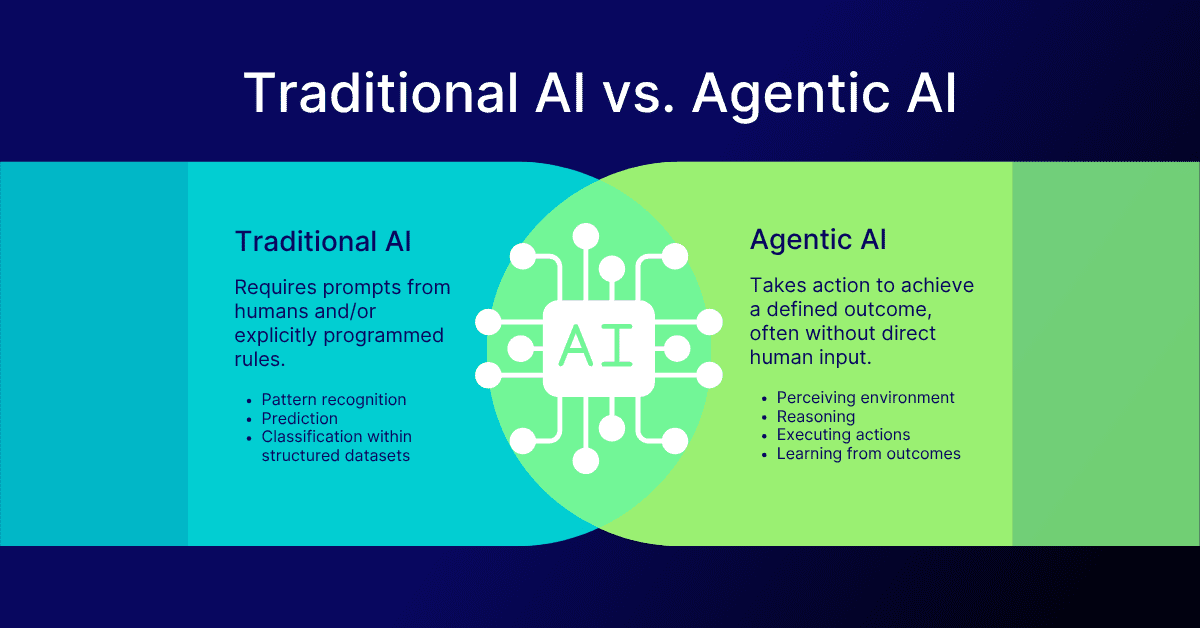
We've all messed around with AI chatbots, right? But agentic AI is a whole different beast. This isn't just AI that answers questions; it's AI that can set its own goals, make decisions, and actually carry out complex tasks without constant human hand-holding. KPMG's surveys show AI agents on 88% of tech exec roadmaps, and for good reason. We're talking about autonomous systems that can manage customer service, handle supply chain logistics, or even write code. ElevatIQ predicts "agentic customer service" will be a top retail trend, where AI handles 60%+ of routine support.
This is where the "human-machine hybrid" workforce really comes into play, as EY puts it. Humans focus on creativity and complex problem-solving, while agents handle the repetitive stuff. The annoyance, and a big one, is the governance. Who's responsible when an agentic AI makes a bad decision? The ethical questions are enormous, and frankly, we're building these things faster than we're figuring out the rules of engagement.
6. AI and Machine Learning
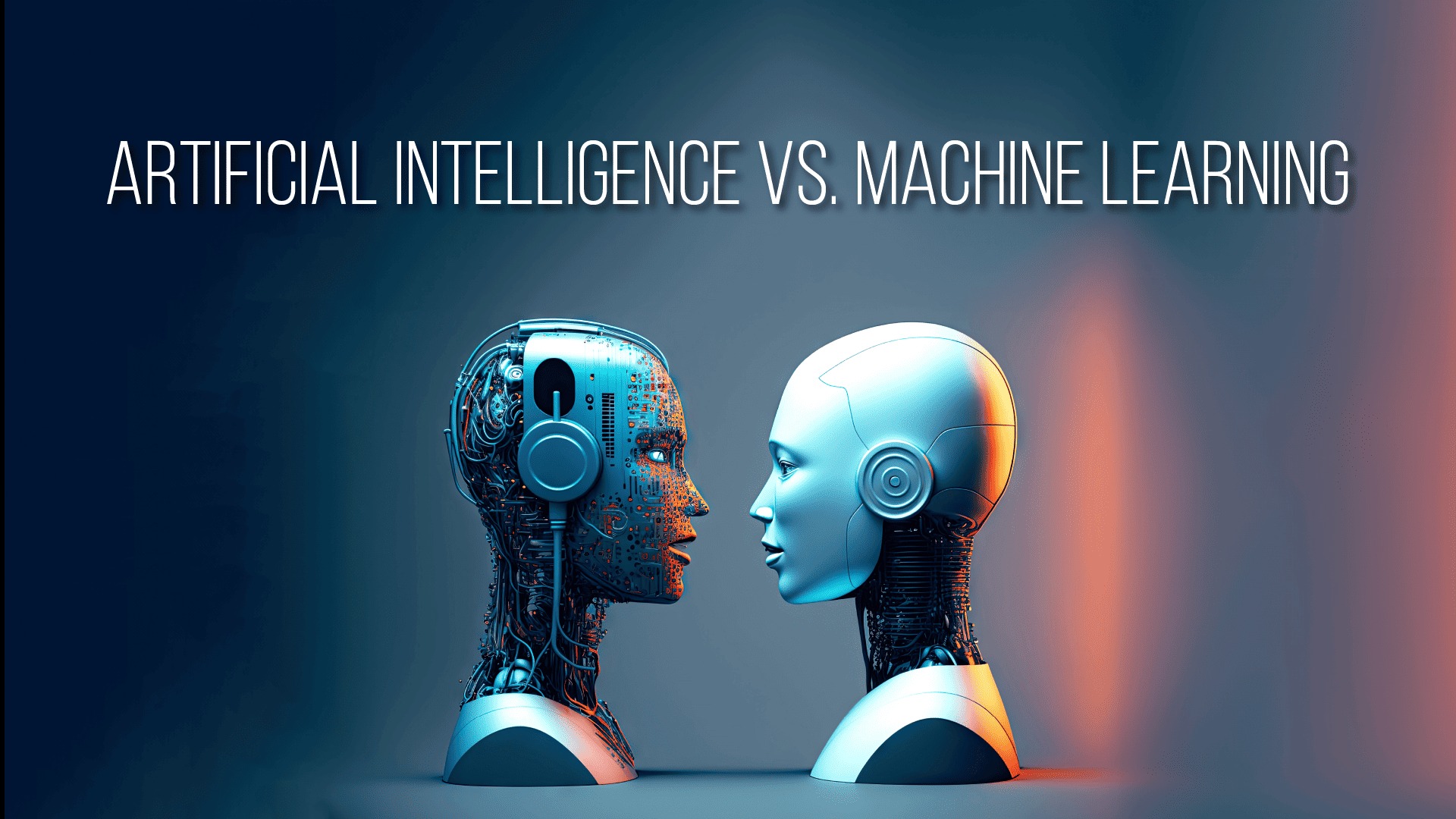
If agentic AI is the worker bee, then AI and machine learning, in general, are the queen. This isn't just a trend; it's the fundamental backbone of nearly all digital transformation in 2026. From automating routine tasks to powering complex predictive analytics, AI is everywhere. Capgemini calls it the "digital backbone," enabling software that can essentially build and adapt itself in real-time. We're seeing 88% of organizations embedding AI for a significant shift in ROI, according to KPMG.
AI is driving "superfluid enterprises" that aim to eliminate friction in operations. Think about How We might use AI to counter "AI slop" by verifying content. It's about unprecedented efficiency and decision-making. My biggest pet peeve here is the "AI washing" - every company slapping "AI" onto their product without any real substance. It makes it tough to figure out what's genuinely useful versus what's just marketing fluff.
7. Blockchain

Blockchain. Ah, blockchain. It's been touted as the answer to everything from supply chain woes to voting integrity. While it hasn't quite revolutionized every sector as some predicted, it's still a foundational component of digital transformation in 2026, especially where trust and transparency are paramount. Beyond cryptocurrencies, it's proving useful for decentralized systems, secure data management, and creating innovative business models that require an immutable ledger.
We're seeing it pop up in areas like digital identity, secure record-keeping in healthcare, and ensuring product authenticity. It's not the silver bullet some thought it would be, but its specific applications are maturing. My annoyance? The sheer complexity and energy consumption can be ridiculous for many use cases. It often feels like people are trying to force a blockchain solution onto a problem that a simple database could solve just as well, if not better. It's powerful, but it's not always the right tool for the job.
8. Digital Transformation Matures
This is a big one. By 2026, digital transformation isn't just about adopting new tech; it's about doing it smartly, with a clear strategy and measurable ROI. The days of "transforming for transformation's sake" are, thankfully, fading. Now, it's about integrating technology with a human-centered approach, aiming for seamless operations and sustainable outcomes. Organizations are really leaning into mature digital ecosystems, using everything from AI-driven automation to blockchain-enabled trust to boost efficiency, agility, and customer experiences.
With 85% of firms prioritizing it, the failure rates for these projects are dropping, but only when companies actually answer the hard questions: What problem are we solving? How do we deploy this? How do we measure success? for example, really hammers home that strategy trumps tools every single time for sustainable growth. My frustration? So many companies still think throwing money at a shiny new tool counts as a "strategy." It doesn't. You need a plan, people.
9. Hybrid Computing

Hybrid computing isn't just about mixing cloud and on-premises infrastructure anymore. In 2026, it's about seamlessly blending cloud, edge, and even specialized hardware for AI or quantum. It's about putting the compute power exactly where it needs to be for optimal performance, security, and cost. Think about an autonomous vehicle: it needs real-time decisions at the "edge" - right there in the car - but also relies on massive cloud processing for map updates and training data.
This trend is closely tied to the rise of "human-machine hybrid workforces" because it means distributing intelligence and capability across a complex landscape. For example, edge AI combined with 5G can cut IoT latency by 50-70%, which is critical for industrial applications. The problem? Managing this sprawling, interconnected infrastructure is a nightmare. It's like trying to conduct an orchestra where half the musicians are in different cities, and they all speak slightly different languages. Keeping it all secure and running smoothly requires a level of IT sophistication many companies just don't have yet.
10. CDP for Personalization

Generic marketing messages? Those are basically dead by 2026. Customers expect brands to know them, understand their preferences, and deliver truly personalized experiences. We're talking hyper-personalization, and that's where Customer Data Platforms (CDPs) come in. A CDP pulls all your customer data - from every touchpoint - into one unified profile. This lets AI-driven personalization strategies target individuals with incredible accuracy, potentially displacing 25% of retail search traffic, according to ElevatIQ.
It's about making every interaction feel like it was designed just for that person, from website recommendations to email offers. This isn't just a luxury; it's a driver of customer loyalty and revenue. My annoyance? The "creepy factor." There's a fine line between personalization and feeling like you're being watched. Companies often struggle to get this balance right, leading to customer backlash if they overstep. Plus, integrating all those disparate data sources into a truly unified CDP is always a bigger project than anyone anticipates.
The Bottom Line for 2026
So, there you have it. Digital transformation in 2026 isn't a gentle evolution; it's a full-throttle sprint. We're moving from simply adopting new tools to strategically embedding intelligence and automation into every corner of the business. It's about creating "superfluid enterprises" that can adapt on the fly, driven by AI and supported by robust, hybrid infrastructure.
The biggest takeaway for me? It's not just about the tech itself, but how we use it, and how we prepare our people for it. The human-machine hybrid workforce isn't a future concept; it's here. And the companies that figure out how to foster that collaboration, build in robust security, and measure real ROI, are the ones that will thrive. The rest? Well, they'll be left trying to figure out where their old buzzwords went. It's a challenging, exciting time, and honestly, I wouldn't have it any other way.
Related Posts
Top 10 Greatest Packer Players in the World 2026: Surprising Picks & Legends
The Green Bay Packers, which are considered to be one of the most illustrious franchises in the history of the National Football League, have, throughout its existence, boasted a roster of remarkable talent. The history of the Packers is filled with players that have stood out for some reason, whether it be their iconic Super […] More

Top 10 Biggest Concert Stadiums In The World 2026
In 2026, the world of concert venues includes some of the biggest and most famous stadiums, known for hosting huge crowds and providing live music experiences that are unmatched. The following is a list of the ten largest concert stadiums in the world: List Of Top 10 Biggest Concert Stadiums In The World 2026 1. […] More

Top 10 Richest Chefs in USA 2026: How They Built Culinary Empires
In recent years, the world of celebrity chefs has developed into a multi-billion dollar industry that combines culinary expertise with media savvy, entrepreneurialism, and the development of distinctive brands. In the year 2026, a number of the wealthiest chefs in the United States have not only established themselves as influential figures in the kitchen, but […] More

Top 10 Best Skaters in the World 2026: The Ultimate Showdown Awaits
As we move through 2026, a few skaters stand out for their extraordinary skills, creativity, and contributions to the sport. Here’s a look at the top 10 skaters in the world right now, each pushing the boundaries of skateboarding in their own unique way. Skateboarding has evolved into a highly dynamic sport, showcasing remarkable talent […] More
2 Comments
Join the discussion and share your thoughts