DataFast 2026 Review: Affiliate, App, Product, & FAQs

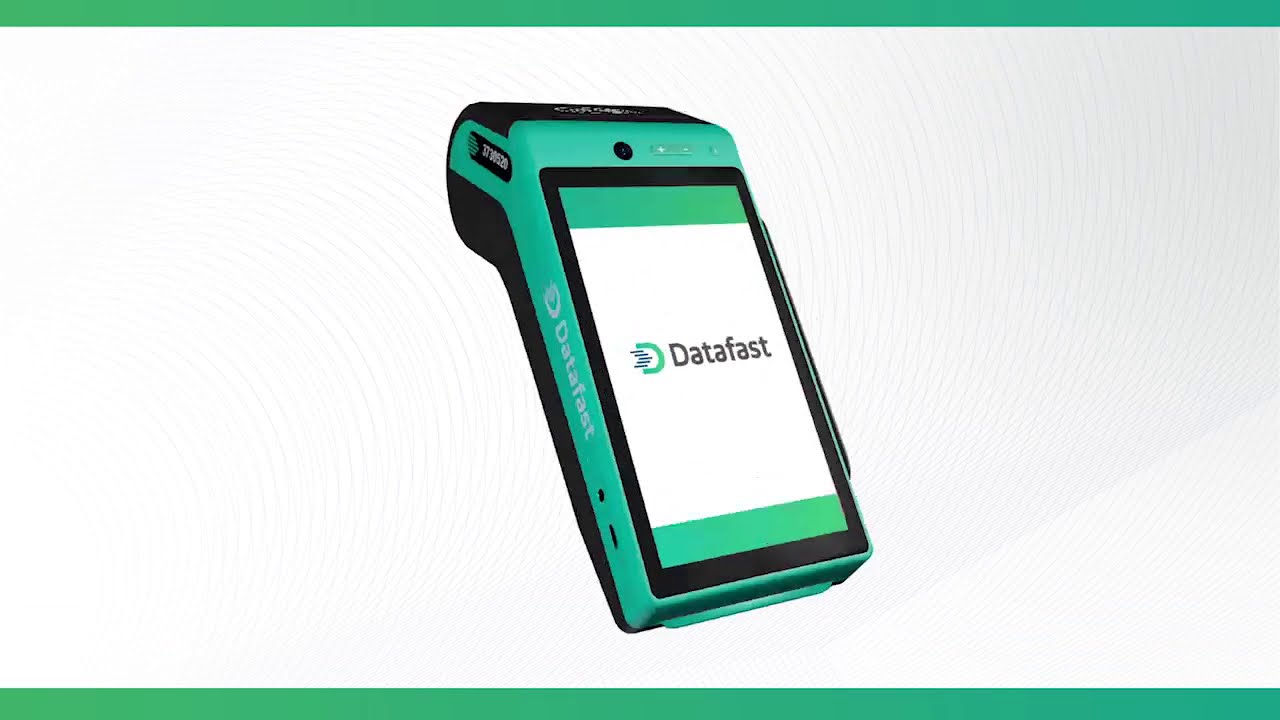
Table of Contents
Every few months, a new analytics tool shows up on Twitter and quietly takes over the timelines of indie founders. In 2026, that tool is DataFast. We kept seeing it pop up in conversations among solo founders, small SaaS teams, and Shopify store owners, so the team at NUBIA Magazine spent several weeks signing up, testing, breaking things, talking to current users, and digging through the company's public revenue numbers. Here is everything we found.
DataFast is built by Marc Lou, the same indie hacker behind ShipFast and CodeFast, and the platform pitches itself as a revenue first analytics tool, not just another pageview counter. The promise is simple: connect your traffic to your Stripe or Shopify account and finally see which marketing channels actually pay your bills. The reality is more nuanced, and that is what this review is about.
DataFast Brand Profile
Before we dive in, here is a quick at a glance summary of the brand for readers who just want the facts.
Detail | Information |
|---|---|
Brand Name | DataFast |
Founder | Marc Lou (Product Hunt Maker of the Year, 2023) |
Year Launched | 2024 |
Category | Web Analytics / Revenue Attribution SaaS |
Headquarters | Built in public, distributed (founder based in Bali) |
Website | datafa.st |
Starting Price | $9 per month (10,000 monthly events) |
Free Trial | 14 days, no credit card required |
Affiliate Commission | 50 percent recurring, up to 12 months |
Mobile App | Available on iOS and Android |
Integrations | Stripe, LemonSqueezy, Polar, Shopify, WordPress, Webflow, Framer, and more |
User Base | Over 17,000 entrepreneurs and indie founders |
NUBIA Magazine Rating | 3.5 / 5 |
What Exactly Is DataFast?
DataFast is a web analytics platform aimed at entrepreneurs, solo founders, and small marketing teams. Instead of overwhelming you with the kind of dashboards Google Analytics throws at the average user, the product focuses on one core question: where is your money actually coming from? You drop a small tracking script onto your website, link your payment processor, and DataFast stitches the two together so you can see which traffic source, country, device, or campaign is bringing in paying customers.
The script itself weighs around 4KB, which is genuinely lightweight, and the setup process took us under three minutes on a Next.js project. The platform integrates with Stripe, LemonSqueezy, Polar, and Shopify natively, and there are plugins for WordPress, Webflow, Framer, Bubble, Wix, Squarespace, Ghost, Podia, Kajabi, and Google Tag Manager. Developers also get an npm package and guides for Next.js, React Router, Vue, Django, and Laravel.
Founder Marc Lou has been very public about the journey. As of late 2025, he reported that DataFast was generating around 21,000 dollars in monthly recurring revenue, and the platform now serves more than 17,000 users, mostly indie hackers and small SaaS founders who hang out on Twitter and Product Hunt.
The Product: Features and What They Actually Do
We tested DataFast on a small content site and a SaaS demo project for about three weeks. Here is what stood out.
Revenue Attribution
This is the headline feature, and it is honestly where DataFast shines. After connecting Stripe, the dashboard shows revenue per visitor, revenue per traffic source, and revenue per page. We could see that one of our test blog posts was bringing in twice as much revenue per click as another, even though the second post had triple the traffic. That kind of insight is hard to get out of GA4 without spending a weekend wrestling with custom events.
Live Visitor View and Globe
DataFast has a live globe that shows current visitors as little avatars across the world map. It feels gimmicky at first, but it grew on us. There is something motivating about watching a real person from Lagos or Berlin land on your pricing page in real time. The platform also flags visitors who are likely to buy based on their behavior.
Goals and Funnels
You can set custom goals like signups or lead magnet downloads, and DataFast maps the full visitor journey from first click to conversion. The funnel builder is straightforward, though it is not as deep as what you would get from PostHog or Amplitude.
AI Agent and CLI
In 2026, DataFast added a CLI and AI agent integration that lets tools like Cursor, Claude Code, and Codex query your analytics through natural language prompts. You can literally ask things like, who visited the blog today and became customers, and the agent will run the right CLI commands and return the answer. It is a thoughtful nod to where developer workflows are heading.
What is Missing
DataFast still does not offer heatmaps or scroll depth tracking, which is a notable gap if you are used to tools like Hotjar or Microsoft Clarity. Data retention on the Starter tier is capped at three years, and behavioral analytics outside of the conversion funnel are pretty thin. If you need session replays, look elsewhere or pair DataFast with another tool.
Affiliate Program and Login
DataFast runs one of the more generous affiliate programs we have come across in the analytics space. Affiliates earn a 50 percent commission on every payment for up to 12 months. That means if you refer a customer on a 49 dollar per month plan, you can earn just under 25 dollars per month from that single referral for a full year.
The program is managed through Rewardful, which is the same affiliate infrastructure Marc Lou uses for his other products like ShipFast. Signup is straightforward: head to the affiliate page from the DataFast website, create an account through the Rewardful dashboard, and you get a unique referral link plus access to a basic affiliate login portal where you can track clicks, conversions, and pending payouts.
Two things to flag for would be affiliates. First, DataFast is a niche product. It sells well to indie hackers, founders, and small SaaS teams, so generic deal sites and unrelated tech blogs will not convert. Second, Marc Lou affiliates have built up a bit of a reputation on Reddit for spamming forums with affiliate links, and the community has pushed back. If you join the program, please promote the product where it actually fits and avoid the spray and pray approach.

The DataFast Mobile App
DataFast launched mobile apps on both the Apple App Store and Google Play, with the latest update on Google Play recorded on 28 February 2026. The app mirrors the core functionality of the web dashboard: you can check live visitors, see your revenue chart for the last 24 hours, 7 days, or 30 days, view top traffic sources, and get push notifications when something spikes.
In our testing, the iOS version felt smoother than the Android one, but both were functional and stable. The app is genuinely useful for founders who want to glance at their numbers between meetings or while travelling. It is not a replacement for the web dashboard, but it is one of the better analytics companion apps we have used.
One privacy note worth mentioning: according to the Google Play listing, the app does not share data with third parties and does not collect personal data from the device itself. That is in line with what we would expect from a paid analytics tool.
User Experience
The first thing you notice when you log into DataFast is how clean the interface is. There are no nested menus or jargon heavy reports. The main dashboard answers three questions immediately: how many visitors did I have, where did they come from, and how much money did they generate. For a founder running a small startup, that is exactly the right hierarchy.
Onboarding takes a few minutes. You add a website, paste the script, verify the install, and link your payment provider. The verification step is fast, and we did not run into any of the cryptic error messages that plague some analytics setups. The cookieless option is a nice touch for teams that want simpler GDPR compliance, though Marc has been very upfront that the cookieless mode trades accuracy for compliance, especially for revenue attribution that spans more than 24 hours.
Where the user experience falls a little short is in customisation. You cannot rearrange the dashboard widgets, the colour palette is locked, and there is no dark mode toggle as of our review period. For most users this will not matter, but power users coming from PostHog or Amplitude may feel boxed in. We also wish the export options were richer; CSV exports work but more granular API access would be welcome.
Customer support runs through an in app chat that Marc himself sometimes answers. We sent in two tickets during testing and got responses within a few hours both times, which is impressive for a product at this price point. The documentation is clear, the changelog is public, and the company genuinely operates in build in public mode. That transparency builds a lot of trust.
Pricing Snapshot
Pricing is event based. The entry plan starts at 9 dollars per month for 10,000 events, which suits solo founders and brand new sites. From there, plans scale up through 100,000, 200,000, 1 million, and beyond, depending on your traffic. There are two main tiers: the Starter tier is for one website, one team member, and three years of data retention, while the Growth tier supports up to 30 websites, 30 team members, five plus years of retention, and adds advanced features like social mention tracking on X and Reddit, plus link attribution. Annual billing saves you about two months compared to paying monthly.
If you exceed your event limit, DataFast keeps tracking your events but locks the dashboard until you upgrade. That is a fair compromise; you do not lose data, but you do need to pay to access it. There is a 14 day free trial with no credit card required, which is plenty of time to see if the tool fits your workflow.
The Verdict from NUBIA Magazine
DataFast earns a 3.5 out of 5 from us. That score is a respect score, not a slight. The product does what it promises, the founder is responsive, the pricing is fair, and the revenue attribution feature genuinely changes how a small founder thinks about marketing spend. Where it loses points is in feature depth. There are no heatmaps, no session recordings, limited dashboard customisation, and the platform is still maturing in areas where giants like Amplitude and PostHog have a clear advantage.
If you are a solo founder, indie hacker, Shopify store owner, or run a small SaaS and you are tired of staring at vanity metrics in Google Analytics, DataFast is one of the most refreshing tools you can adopt in 2026. If you run a 50 person marketing team that needs deep behavioural analytics across multiple products, this is probably not your tool yet. Pick the one that matches the stage you are actually at.
Frequently Asked Questions About DataFast
1. Is DataFast really worth it compared to Google Analytics in 2026?
For founders who care about revenue attribution, yes. Google Analytics is still more powerful for traffic analysis, but DataFast wins on simplicity and on linking dollars to traffic sources without custom event setup. If you mostly want to know which marketing channels are paying off, DataFast gives you that answer in one screen.
2. How much does DataFast cost and is there a free plan?
DataFast does not have a permanent free plan, but it offers a 14 day free trial with full feature access and no credit card required. Paid plans start at 9 dollars per month for 10,000 monthly events and scale up based on your traffic volume. Annual billing saves roughly two months compared to monthly.
3. How do I sign up for the DataFast affiliate program and what is the commission?
You can sign up through the affiliate page on the DataFast website. The program runs on Rewardful and pays a 50 percent commission on every customer payment for up to 12 months. After signup, you get a referral link and a Rewardful login dashboard to track clicks, conversions, and payouts.
4. Is DataFast GDPR compliant and does it use cookies?
Yes, DataFast is built to be used in line with GDPR. The default tracking script uses cookies, which means you will need to show a cookie banner just like with most analytics tools. There is also a cookieless script for teams that prefer not to use a banner, though it is less accurate for revenue attribution over weeks or months.
5. Does DataFast have a mobile app for iOS and Android?
Yes. The DataFast mobile app is available on both the Apple App Store and Google Play. It lets you check live visitors, view revenue charts, and monitor traffic sources on the go. The Android version was last updated on 28 February 2026.
6. Which payment processors and platforms does DataFast integrate with?
DataFast natively integrates with Stripe, LemonSqueezy, Polar, and Shopify. It also has plugins for WordPress, Webflow, Framer, Bubble, Wix, Squarespace, Ghost, Podia, Kajabi, and Google Tag Manager. Developers can use the npm package and follow guides for Next.js, React Router, Vue, Django, and Laravel.
7. What happens if I exceed my monthly event limit?
DataFast will keep tracking your events even after you cross the limit, so you do not lose data. However, you will need to upgrade to a larger plan to regain access to your dashboard. The platform usually warns you as you approach the cap.
8. Can I import my existing analytics data into DataFast?
Yes, partially. As of 2026, DataFast supports importing data from Plausible. Google Analytics import was on the public roadmap during our review period but had not shipped yet. You can also connect Google Search Console to see which keywords drive traffic and, with revenue attribution enabled, which keywords drive the most revenue.
9. Is DataFast suitable for non technical users or do I need to be a developer?
Non technical users are well served. Setup is mostly copy and paste, and the platform offers no code plugins for WordPress, Shopify, Webflow, Wix, Squarespace, and similar tools. If you can edit your website theme, you can install DataFast in under five minutes.
10. Who is DataFast not a good fit for?
DataFast is not the right tool for large enterprise marketing teams, agencies that need deep session replay and heatmap capabilities, or companies that rely heavily on multi product behavioural analytics. Tools like Amplitude, Mixpanel, and PostHog still cover those needs better. DataFast is laser focused on solo founders and small teams.
In a market full of analytics tools that try to do everything for everyone, DataFast quietly does one thing very well: it tells founders where their money is coming from. That focus is rare, and it is what makes the product feel useful rather than busy. Marc Lou has built a tool that respects the time and attention of small founders, and the affiliate program, the mobile app, and the build in public ethos all reinforce that culture.
Our 3.5 out of 5 rating reflects a product that is genuinely good at its core promise but still has room to grow into a more complete analytics suite. If you are the right kind of founder for DataFast, you will probably love it. If you are not, you will know within the 14 day trial. Either way, it is worth the test.
0 Comments
Join the discussion and share your thoughts
No Comments Yet
Be the first to share your thoughts on this article!