Top 10 Best Telecom Equipment Manufacturers In The World 2026

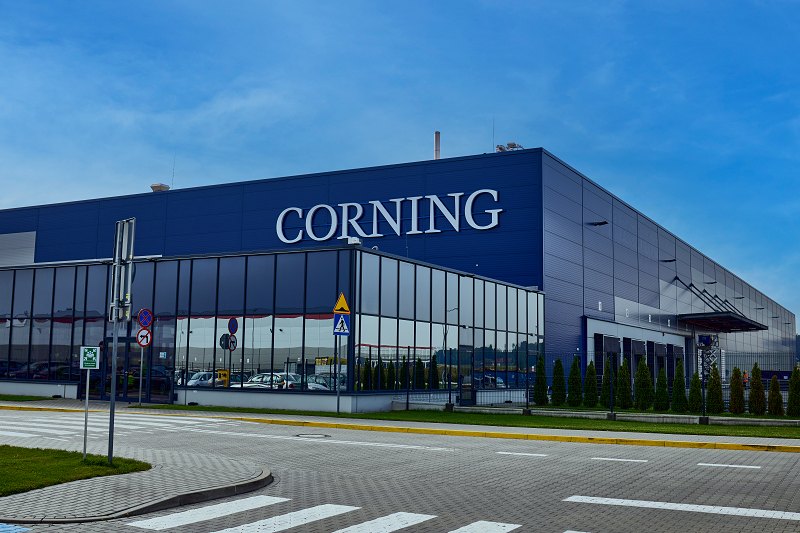
Table of Contents
It's 2026, and if you're reading this on your phone, streaming something in 4K, or just sending a text, you're tapping into a network built on the backbone of some serious telecom equipment. This isn't just about cell towers anymore. We're talking about the silent giants that make our digital lives possible, the companies pushing the boundaries of 5G, fiber optics, and whatever comes next. The telecom equipment market is a wild place right now. It's expected to hit around 695.72 billion dollars this year, and it's not slowing down, projected to climb to 942.76 billion by 2031. That's a 6.27% annual growth rate, driven by a global sprint to roll out 5G, the rise of Open RAN, and, let's be honest, a good dose of geopolitical drama that's reshuffling the deck. Here at Nubia Magazine, we've been watching this space closely, and we've put together a list of the top players shaping this future. 2026 Global Telecom Brand Leaders: VSaaS & Brand Value | Aipix
How We Picked the Best
Alright, so how do you even begin to rank companies in a market this big and complicated? We didn't just throw darts at a board. Our team dug into a mountain of data from industry reports, market intelligence firms, and sector analyses for 2025 and 2026. We built a multi-factor scoring model, because you can't just look at one thing. It's like judging a race car-you need to consider speed, handling, reliability, and how well it handles a pit stop. Here's a quick look at what went into our rankings:
- Market Share (30% of the score): This is about who's actually selling the most gear globally-think radio access networks (RAN), backhaul, and fiber optics. The top five companies, for instance, collectively pull in about 60% of the revenue. That's a big chunk.
- Revenue & Growth (25% of the score): We looked at their projected sales for 2026, how much they're growing each year, and where they're strongest. North America is the biggest market, but Asia-Pacific is absolutely flying.
- Innovation & R&D (20% of the score): Are they just keeping up, or are they leading the charge? We focused on investments in 5G, the bleeding-edge 800G Ethernet, Open RAN, and those clever AI-driven networks. The real leaders here are pumping over a billion dollars into R&D annually.
- Strategic Positioning (15% of the score): This is where things get interesting. How well are they dealing with the ongoing bans on certain Chinese gear? The EU, for example, is telling operators to phase out Huawei and ZTE by 2029, and that's creating a massive shift. We also considered partnerships and acquisitions.
- Portfolio Breadth (10% of the score): Do they offer everything from the antenna on the tower to the fiber in the ground? End-to-end solutions can really simplify things for network operators.
We crunched the numbers, normalized the scores, and broke any ties by looking at who's making the biggest moves in North America and Europe, simply because those markets offer a bit more stability right now. This isn't just some academic exercise. This is about giving you a clear, forward-looking picture of who's truly leading the charge in telecom equipment as we push deeper into 2026.
1. Huawei Technologies
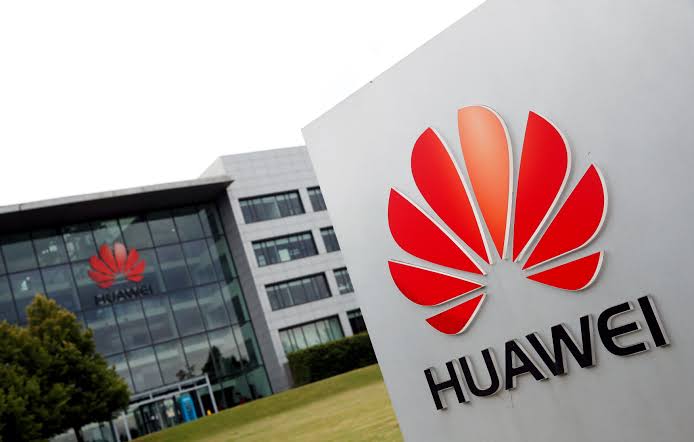
Look, I know what you're thinking. Huawei. The headlines, the bans, the whole nine yards. But here's the thing: despite all the geopolitical headwinds, Huawei is still a beast. They're estimated to hold a whopping 20-25% of the global telecom equipment market, and their influence on sector revenue is easily over 140 billion dollars. They're not just selling pieces; they're offering end-to-end 5G RAN, core networks, and optical transport solutions that power over half the 5G base stations worldwide. That's an insane footprint. Their R&D budget is eye-watering-over 20 billion dollars annually. They're pushing hard on Open RAN alternatives and AI-optimized backhaul. Yes, the bans in places like the EU are causing them a 1.1% drag on their growth, with mandates to remove their gear by 2029. But they're adapting, redesigning their silicon, and maintaining massive scale economies. You can't count them out, especially in Asia-Pacific and other emerging markets where their cost-effectiveness and innovation are still king. My only real gripe? The constant political drama around Huawei just makes long-term planning a headache for operators who simply want reliable gear.
2. Ericsson Inc
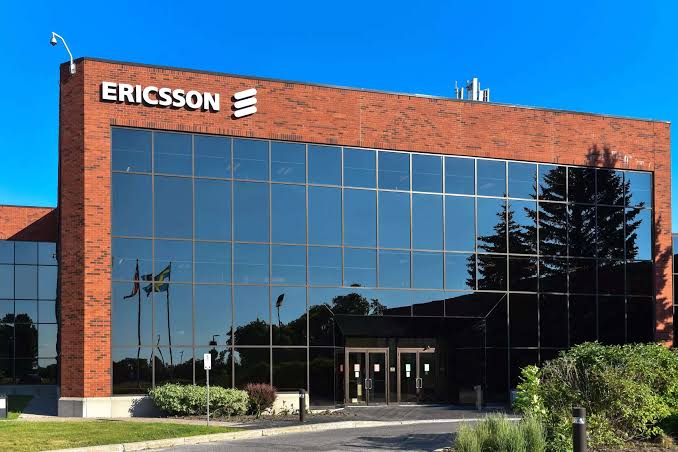
Ericsson is like that sturdy, reliable friend who always shows up. They're holding down 15-18% of the market, and they're seeing a huge surge in North America-we're talking 25% growth or more-as operators look for alternatives to Chinese vendors. They've been building 5G-ready backhaul solutions and virtualized RAN for ages, partnering with giants like Verizon and AT&T. Their All-IP implementations are cutting operational costs by a good 30-40% for carriers, which is no small feat. The Swedes are known for their quality, and it shows. They're one of the top players in wireless mobile backhaul, and their focus on network densification and end-to-end testing gives them a real edge. They're a premium choice, and they're benefiting directly from the ongoing geopolitical shifts. My main beef? Their gear is rock solid, but sometimes you feel like you're paying a premium for that "Made in Sweden" reliability, and the software updates can feel a bit slow to roll out compared to some more agile players.
3. Nokia
Nokia, another Nordic giant, is having a real moment. They've got about 14-17% of the market and are seeing some serious revenue gains, especially as operators start replacing banned Chinese RAN equipment. They're a big leader in the Open RAN movement, and their transport equipment is top-notch. With the EU's 24-month transition periods for phasing out Chinese vendors by 2029, Nokia is perfectly positioned to scoop up those contracts. They offer a pretty complete end-to-end portfolio, which helps streamline 5G and even 6G testing for the big operators. They're definitely consolidating their position as a top-three option alongside Ericsson and Samsung. Their millimeter-wave backhaul innovations are also worth noting. For me, Nokia's equipment works, no doubt, but I've heard engineers complain that their network management interfaces aren't always the most intuitive. Sometimes it feels like they could use a serious UI refresh.
4. ZTE Corporation
ZTE, like Huawei, has faced its share of restrictions, but they're still a significant force, especially in China and other developing markets. They command about 10-12% of the market. They're major players in 5G backhaul and fiber solutions, often leading in technological innovation even when they have to redesign sub-assemblies to get around bans. In Asia-Pacific, they're a dominant force with over 30% regional share, and they're known for offering cost-effective RAN solutions. They're one of the top three alongside Huawei and Nokia when it comes to backhaul, accounting for over 50% of the revenue in that specific segment. They're also heavily involved in 5G densification tools for networks in over 70 countries. You get a good price point from ZTE, which is great, but I've heard that getting consistent, in-depth technical support in some non-domestic regions can sometimes be a challenge.
5. Cisco Systems
Cisco might not be the first name you think of for "telecom equipment manufacturer" in the same way you think of Ericsson, but they're absolutely essential. They own the IP routing space, with an estimated 8-10% market share, making them a critical player in 5G convergence and the backbone of many networks. They've skillfully maintained their presence through partnerships, especially in wireless backhaul, which is vital for connecting all those new 5G small cells. Their scalable infrastructure is what helps power the Internet of Things (IoT) and broadband expansion, with solid traction particularly in North America. They're also big on carrier-neutral colocation, which helps data centers manage their growing needs. Cisco's IP dominance isn't going anywhere, especially with the push towards virtualization. My frustration with Cisco? Their licensing model. It can feel like a labyrinth. You just want to buy a router, not solve a complex puzzle every time you need an upgrade or a new feature.
6. Samsung Networks
Samsung isn't just about smartphones and TVs anymore. They've really made a name for themselves in the telecom equipment space, especially as a credible alternative to Huawei and ZTE. They've got about 7-9% of the market and are seeing significant growth in North America and Europe, consolidating their position as a "third option" for carriers. Their 5G RAN solutions are gaining traction with both carriers and enterprises. Their deep electronics heritage gives them a real edge in virtualization, and they're actively disrupting incumbents in the Open RAN layers. They're also pushing innovations in virtualized backhaul for 5G, benefiting from those 24-month transition periods where operators are swapping out older gear. Samsung's 5G gear is promising, especially their Open RAN stuff, but their field support network just isn't as widespread or deeply ingrained as the old guard like Ericsson or Nokia. That can be a real worry for operators planning massive, nationwide rollouts.
7. NEC Corporation
NEC, the Japanese multinational, secures its spot with about 5-7% of the market, primarily through its strength in optical transport and 5G integrations. They're not always in the headlines like the bigger RAN players, but their robust transport and switching gear are absolutely integral to global telecom portfolios, especially as networks get denser and demand for bandwidth explodes. Their Japanese precision is a big selling point, particularly for high-bandwidth backhaul in the fast-growing Asia-Pacific region. They're also active in Open RAN compatibility and pushing for All-IP shifts to streamline operations. NEC's optical solutions are top-notch, but they sometimes feel a bit slower to adapt to the latest software-defined trends compared to some of the more aggressive Western vendors. It's a small quibble, but in this fast-moving market, every little bit of agility counts.
8. Corning Inc.
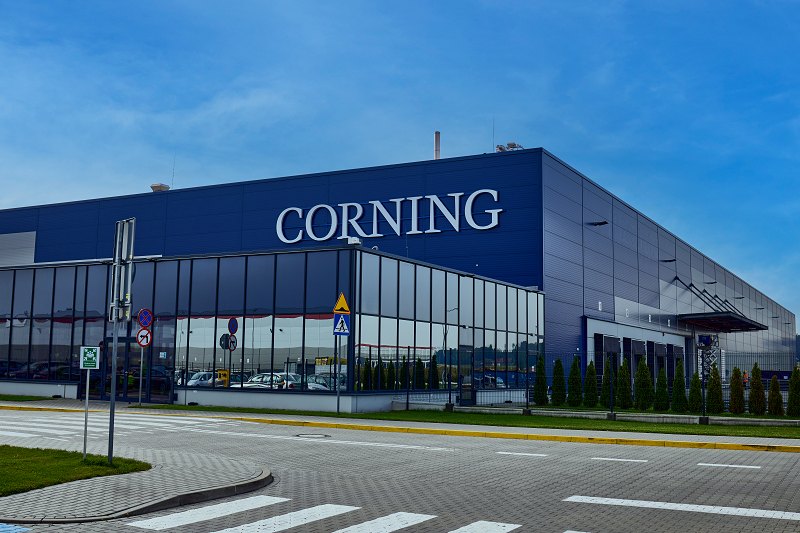
Corning might not be building your 5G radio, but they're absolutely fundamental to the entire telecom ecosystem. They pioneered low-loss fiber all the way back in 1970, and they're still leading the charge with innovations like 800G Ethernet for the next generation of networks. They command about 10.4% of the fiber optics market, which is a significant chunk of a very important segment. They pour over a billion dollars into R&D annually, constantly pushing the boundaries of what fiber can do. Their innovations serve telecom operators and data centers globally, essentially bridging the gap between the electronic equipment and the physical infrastructure. Without companies like Corning, none of the high-speed networks we take for granted would exist. My only real frustration? Corning makes fantastic fiber, but trying to get large, custom orders fulfilled quickly during a global fiber shortage? That's when you really feel the pinch in the supply chain.
9. Prysmian Group
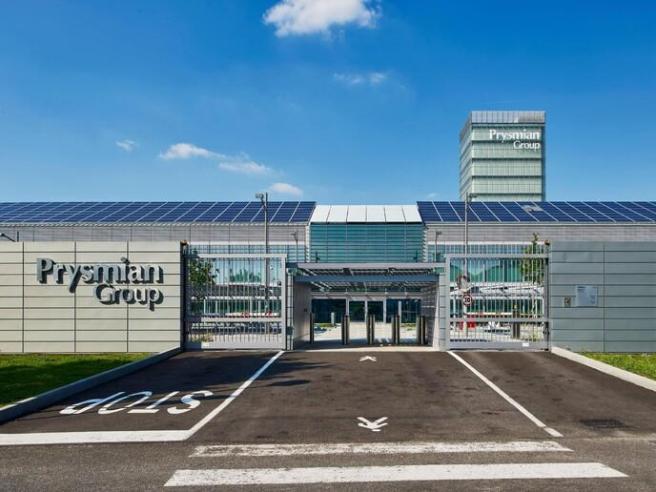
The Prysmian Group is another one of those foundational players you might not hear about every day, but they're absolutely massive. They're the world's largest cable maker, supplying high-capacity fiber optics that literally run the world's submarine and terrestrial networks. With 9-15% of the cables and fiber market, and over 108 facilities in more than 50 countries, their reach is unparalleled. They're essential for 5G fiber densification, providing the physical arteries for all that data to flow. Their consistent quality standards are what position them as a go-to for major operators globally. Prysmian cables are everywhere, and for good reason, but their sheer size can sometimes make them less flexible for smaller, highly specialized projects where you need quick, custom turns. It's a "big company" problem, but a problem nonetheless.
10. Yangtze Optical Fibre and Cable

Related Posts

Top 10 Richest Chefs in USA 2026: How They Built Culinary Empires
In recent years, the world of celebrity chefs has developed into a multi-billion dollar industry that combines culinary expertise with media savvy, entrepreneurialism, and the development of distinctive brands. In the year 2026, a number of the wealthiest chefs in the United States have not only established themselves as influential figures in the kitchen, but […] More

Top 10 Best Skaters in the World 2026: The Ultimate Showdown Awaits
As we move through 2026, a few skaters stand out for their extraordinary skills, creativity, and contributions to the sport. Here’s a look at the top 10 skaters in the world right now, each pushing the boundaries of skateboarding in their own unique way. Skateboarding has evolved into a highly dynamic sport, showcasing remarkable talent […] More

Top 10 Highest Paid Female Footballers In The World 2026: Salaries That Shocked the Industry
Top 10 Highest Paid Female Footballers In The World 2026 1. Sam Kerr One of the most notable players in women’s football is Sam Kerr, who hails from Australia and operates as a striker. Kerr has emerged as a significant personality in the sport as a result of her remarkable speed, her extraordinary ability to […] More

The Largest Oil Refineries In The World 2026: Essential Insights for Energy Stakeholders
As of the year 2026, the following is a list of the top ten largest refineries in the world, which are known for their enormous processing capacities and strategic significance. Refineries play an important part in the global energy sector because they convert crude oil into valuable products such as gasoline, diesel, and other petrochemicals. […] More
6 Comments
Join the discussion and share your thoughts