Top 10 Worst Police Forces in Africa 2026: A Deep Dive into Corruption and Abuse

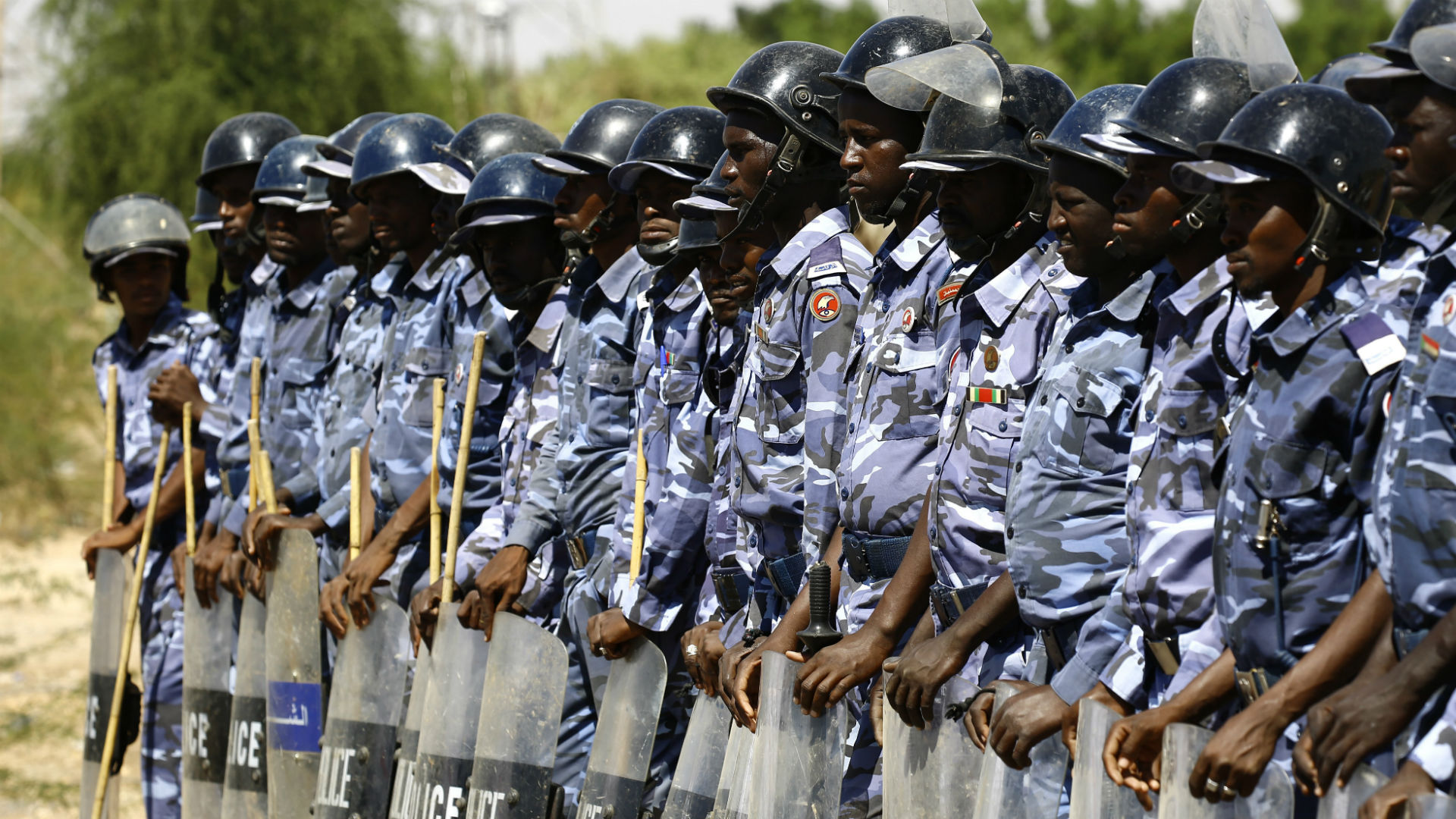
Table of Contents
The state of law enforcement across Africa remains a critical concern, with numerous police forces struggling against systemic issues like corruption, human rights abuses, and operational inefficiency. These challenges severely undermine public trust and the rule of law. As of 2026, our analysis identifies the Top 10 Worst Police Forces In Africa 2026, based on a range of performance indicators and public perception surveys.
Assessing Law Enforcement Performance: Our Metrics
To identify the top 10 worst police forces in Africa for 2026, we aggregated data from 2024 to 2026 across several key metrics. Our assessment considered corruption levels, primarily utilizing Transparency International's Corruption Perceptions Index (CPI) scores, where lower scores out of 100 indicate higher perceived corruption. We also factored in human rights abuses, drawing on reports from Human Rights Watch and Amnesty International, which document incident counts.
Furthermore, our evaluation included brutality complaints, as reported by Afrobarometer surveys (latest Wave 10, 2024-2025 data, showing the percentage of respondents reporting abuse). Effectiveness was measured using the World Justice Project Rule of Law Index safety and security subscore (0-1 scale, lower indicating worse performance from 2025 data), alongside crime solve rates from UNODC homicide clearance rates (percentage solved, with 2024 data extrapolated to 2026 trends). All sources were weighted equally, and the top 10 were ranked by their composite score, reflecting the lowest aggregate performance across these critical indicators. Our data is current as of Q1 2026 reports.
The Top 10 Worst Police Forces In Africa 2026:
1. Nigeria Police Force
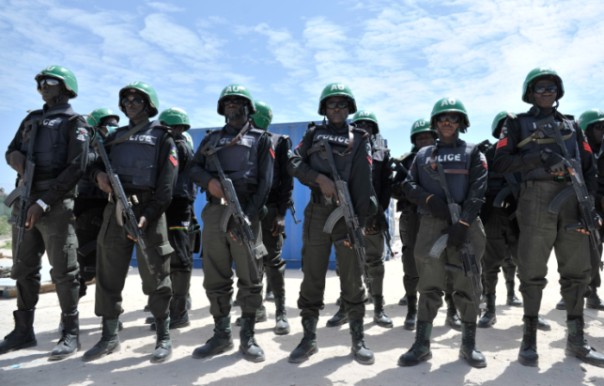
The Nigeria Police Force consistently ranks as one of Africa's least effective and most distrusted law enforcement agencies. Our 2026 analysis places it as the worst on the continent, with its officers frequently perceived as threats rather than protectors. Transparency International's 2025 Corruption Perceptions Index awarded Nigeria a score of 25 out of 100, indicating severe corruption. Reports from Amnesty International in 2025 documented 1,247 extrajudicial killings attributed to the force, while Transparency International estimated annual extortion by police at $2 billion in 2026.
Public dissatisfaction is profound; Afrobarometer surveys in 2025 revealed that 68% of citizens reported experiencing police brutality. The UNODC's 2024 data shows a dismal homicide clearance rate of just 12%, highlighting significant operational inefficiency. These issues collectively underscore the deep-seated problems within Nigeria's primary law enforcement institution.
2. Egyptian National Police
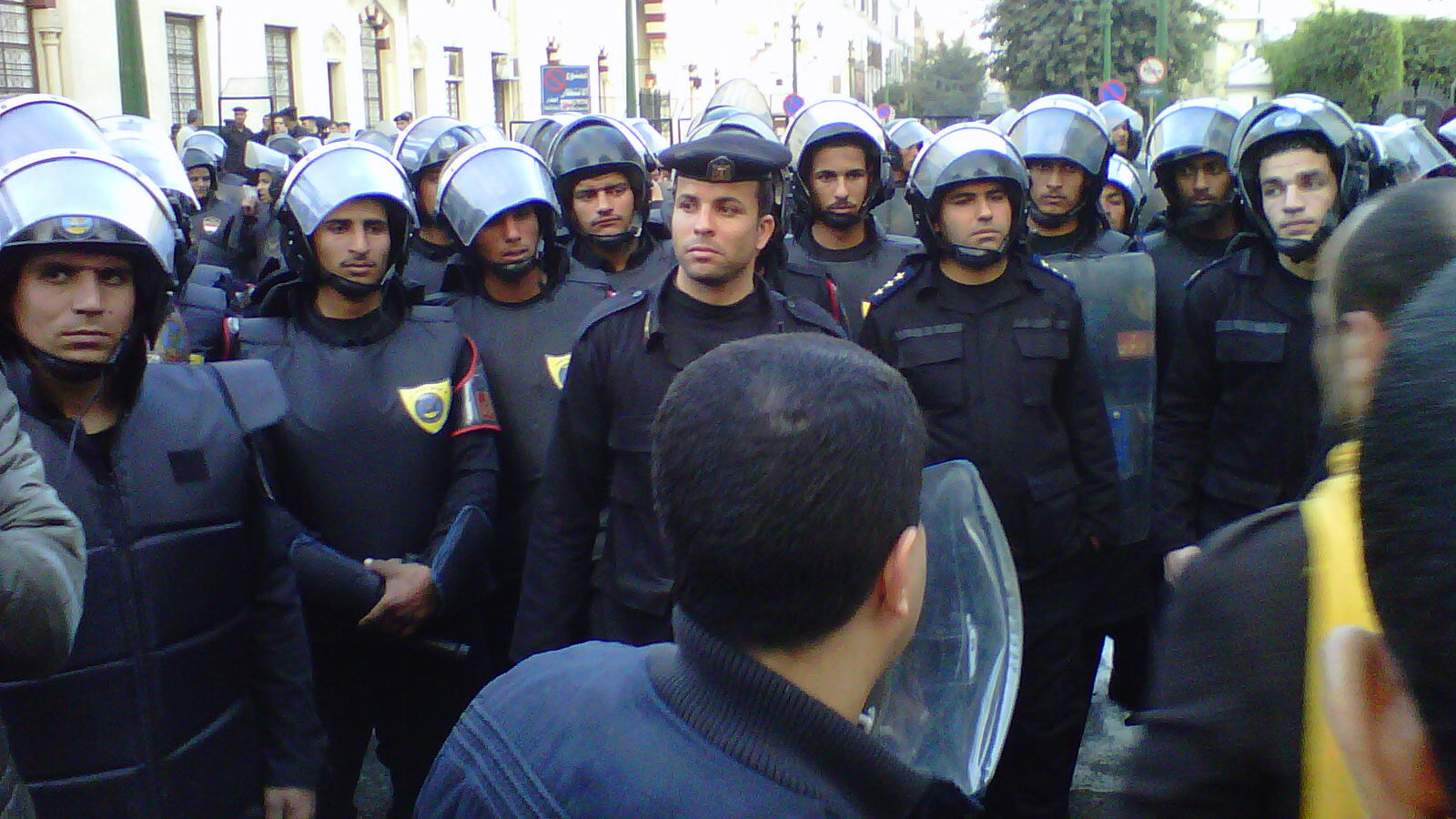
The Egyptian National Police ranks as the second worst police force in Africa, facing widespread criticism for human rights abuses and a lack of accountability. In 2025, the force received a CPI score of 35 out of 100, reflecting substantial perceived corruption within its ranks. The World Justice Project's 2025 Rule of Law Index assigned Egypt a safety and security subscore of 0.28, indicating poor performance in maintaining public order and safety.
Human Rights Watch reported 892 cases of torture in Egypt during 2025, with the police heavily implicated. Furthermore, mass arrests during public protests are a frequent occurrence, drawing international condemnation. Afrobarometer surveys indicate that 62% of citizens have reported experiences of police brutality, underscoring a significant trust deficit between the public and law enforcement.
3. South African Police Service
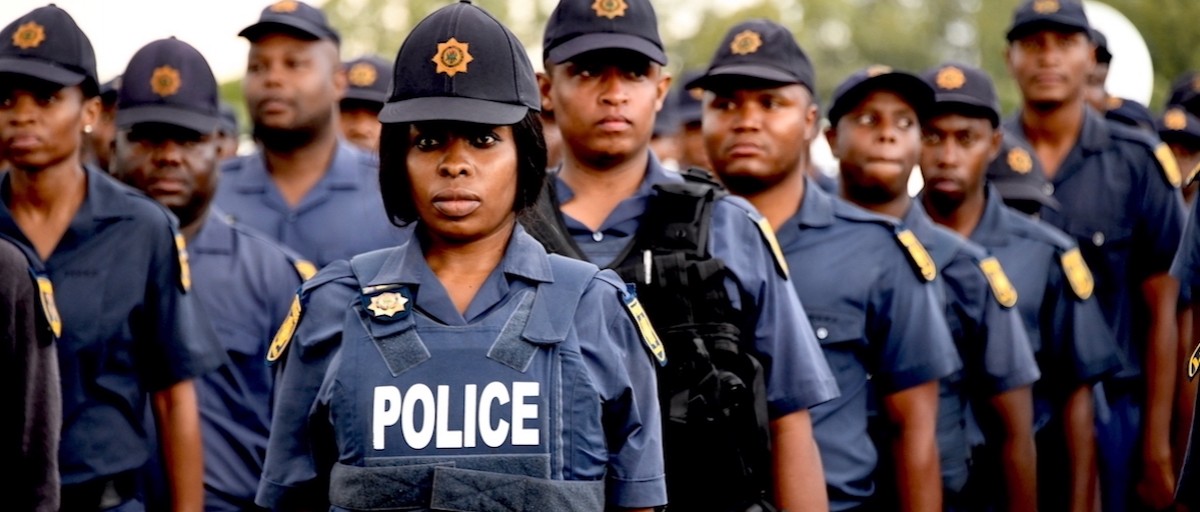
The South African Police Service (SAPS) is identified as the third worst police force on the continent, struggling with high crime rates and persistent allegations of misconduct. The 2025 Corruption Perceptions Index gave SAPS a score of 41 out of 100, suggesting notable corruption challenges. Operational inefficiency is a major concern, with UNODC data from 2025 showing a homicide clearance rate of only 15%.
The Independent Police Investigative Directorate (IPID) reported 312 officer-involved shootings ruled unjustified in its 2025 annual assessment. Public sentiment, as captured by Afrobarometer surveys, indicates that 55% of respondents have reported instances of police brutality. These figures paint a picture of a police service struggling to gain public confidence while grappling with internal issues and a high burden of crime.
4. Kenyan National Police Service
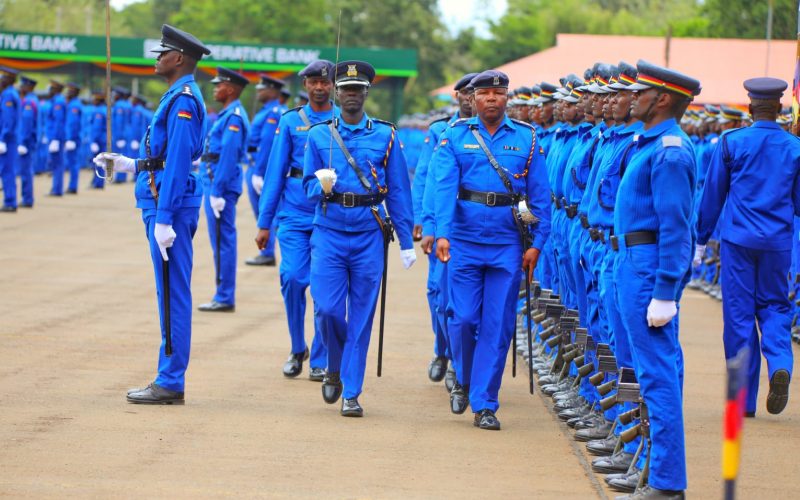
The Kenyan National Police Service ranks as the fourth worst police force in Africa, consistently facing allegations of human rights abuses and corruption. Transparency International's 2025 CPI score for Kenya was 27 out of 100, indicating a significant level of perceived corruption within public institutions, including the police. The Kenya National Commission on Human Rights (KNCHR) reported 456 extrajudicial killings by police in 2025, highlighting severe issues with the use of force.
The World Justice Project's Rule of Law Index gave Kenya a safety and security subscore of 0.32 in 2025, reflecting concerns about public order. Despite a reported $150 million reform fund allocated for 2026, KNCHR assessments suggest these efforts have largely failed to address core problems. Frequent crackdowns on protests and a reported 28% public trust deficit further underscore the challenges facing the service.
5. Zimbabwe Republic Police
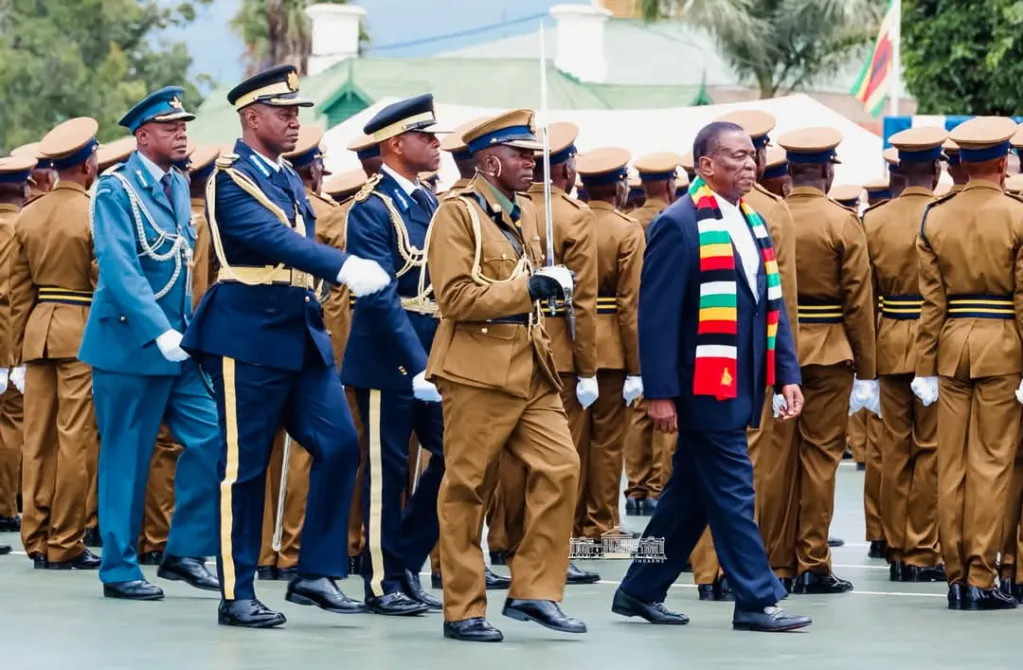
The Zimbabwe Republic Police is ranked as the fifth worst police force in Africa, characterized by widespread corruption and a history of suppressing dissent. Zimbabwe's 2025 Corruption Perceptions Index score was 24 out of 100, indicating a high level of perceived corruption. Afrobarometer surveys from Wave 10 reported that 71% of citizens experienced police brutality, one of the highest rates on the continent.
The force's operational effectiveness is also in question, with a homicide clearance rate of only 9% according to UNODC data. Human Rights Watch documented 1,100 arbitrary arrests during the 2025 elections, illustrating the force's role in political repression. These issues contribute to deep-seated public distrust and a perception of the police as an instrument of control rather than a protector of citizens.
6. Sudanese Police Forces
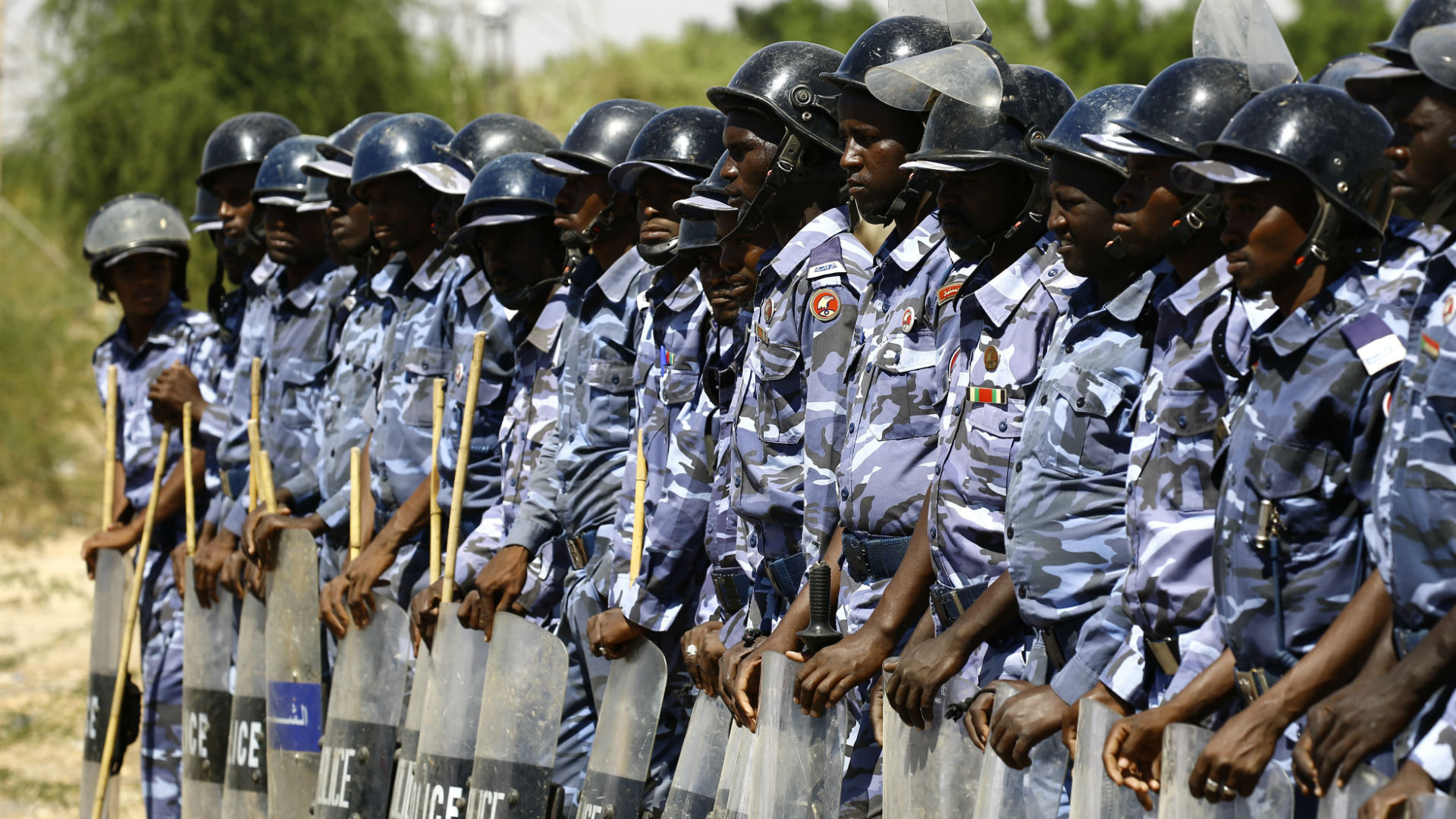
Sudanese Police Forces are identified as the sixth worst in Africa, operating in a highly volatile environment marked by conflict and severe human rights violations. Sudan received a CPI score of 20 out of 100 in 2025, placing it among the countries with the highest perceived corruption levels. The World Justice Project's 2025 Rule of Law Index assigned Sudan a safety and security subscore of 0.22, one of the lowest recorded.
Amnesty International's 2025 report on Sudan detailed 2,340 incidents of conflict-related abuses involving police and other security forces. These forces have been heavily implicated in the escalation of violence, particularly in regions like Darfur. The ongoing instability and the police's role in these conflicts severely undermine their ability to provide public safety and uphold human rights.
7. Ethiopian Federal Police
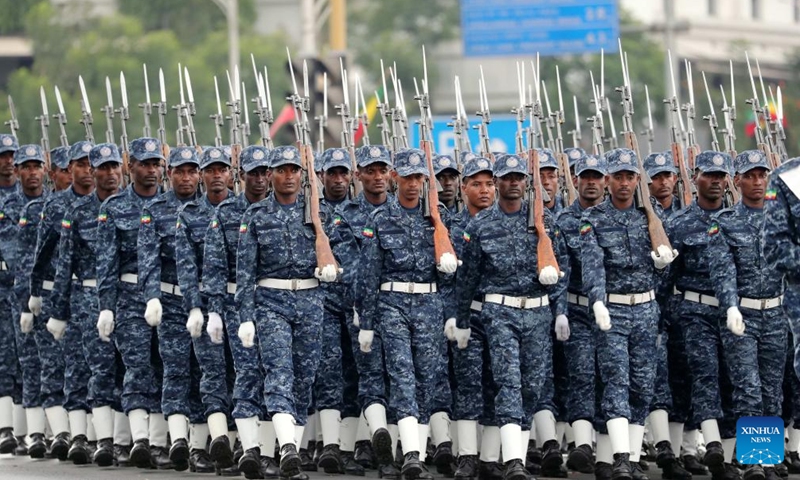
The Ethiopian Federal Police ranks as the seventh worst police force in Africa, grappling with ethnic clashes and allegations of excessive force. Ethiopia's 2025 CPI score was 37 out of 100, indicating significant concerns about corruption within its public sector. Afrobarometer surveys show that 59% of citizens have reported experiences of police brutality, reflecting a pervasive issue of misconduct.
Human Rights Watch reported 784 extrajudicial deaths in 2025 in regions such as Tigray and Oromia, with the Federal Police implicated in some of these incidents. The force's effectiveness in crime resolution is low, with a reported 11% solve rate for homicides, according to UNODC 2024 data. These factors combined highlight the critical challenges facing law enforcement in Ethiopia amidst ongoing internal conflicts.
8. Democratic Republic of Congo Police Nationale Congolaise
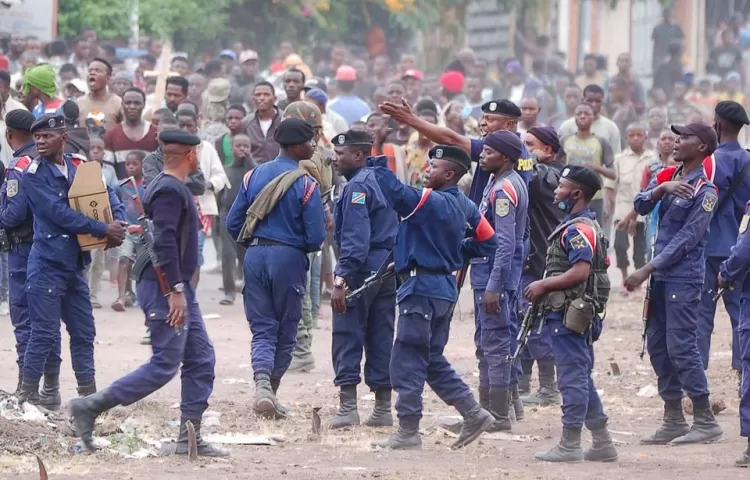
The Democratic Republic of Congo Police Nationale Congolaise (PNC) is ranked as the eighth worst police force in Africa, operating in a nation plagued by instability and deep corruption. The DRC's 2025 CPI score was a stark 19 out of 100, indicating extremely high levels of perceived corruption. The PNC's operational effectiveness is severely compromised, with UNODC data showing a homicide clearance rate of only 8%.
The United Nations Organization Stabilization Mission in the Democratic Republic of Congo (MONUSCO) reported 1,892 abuses by security forces, including the PNC, in 2025. These abuses are particularly rampant in the eastern conflict zones, where the police are often perceived as contributors to instability rather than peacekeepers. The pervasive corruption and human rights violations have severely eroded public trust in the PNC.
9. Ugandan Police Force
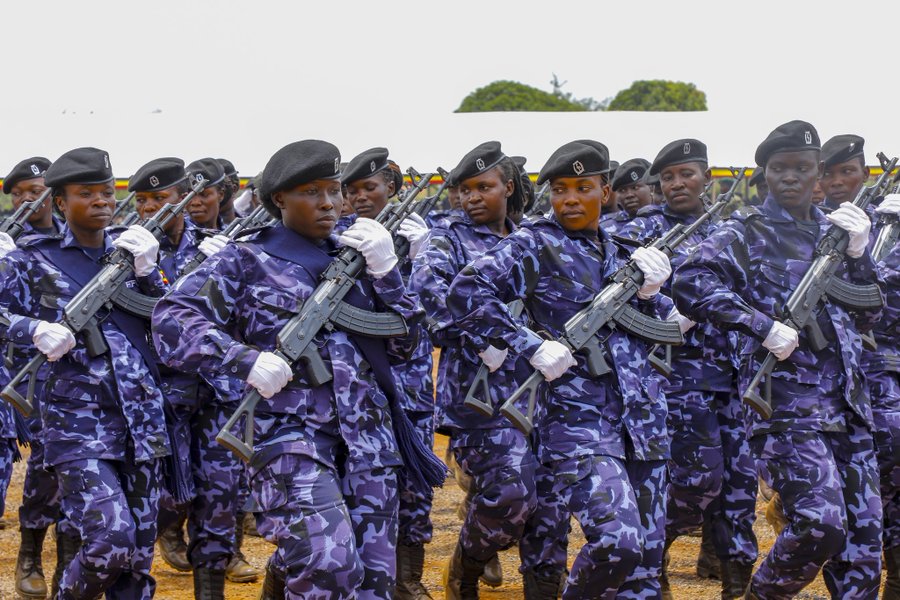
The Ugandan Police Force is identified as the ninth worst police force in Africa, facing persistent accusations of human rights abuses and political interference. Uganda's 2025 CPI score was 26 out of 100, reflecting significant corruption within its public institutions. Human Rights Watch reported 3,450 arbitrary arrests by the police in 2025, often targeting political opponents.
Afrobarometer surveys indicate that 64% of Ugandans have reported experiencing police brutality. The force has also been criticized for violently suppressing opposition rallies in 2025, further damaging its reputation for impartiality and adherence to democratic principles. These actions contribute to a climate of fear and distrust among the populace.
10. Cameroonian Police/Défense Forces
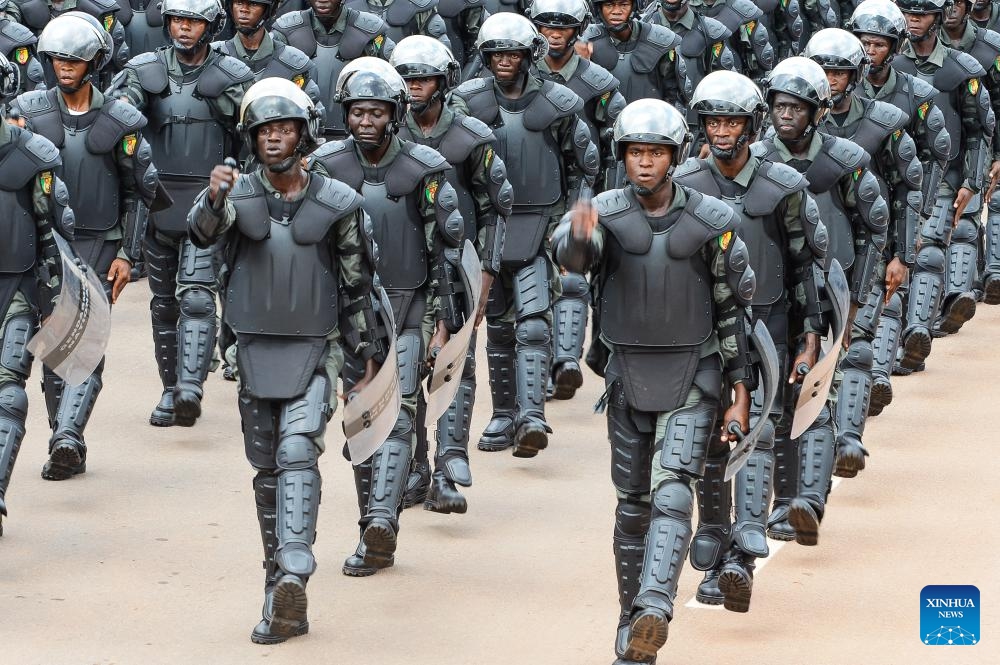
The Cameroonian Police and Défense Forces rank as the tenth worst police force in Africa, particularly in the context of the ongoing Anglophone crisis. Cameroon received a CPI score of 27 out of 100 in 2025, indicating significant corruption within its public sector. The World Justice Project's 2025 Rule of Law Index gave Cameroon a safety and security subscore of 0.30, reflecting concerns about public order and safety.
Amnesty International reported 512 extrajudicial killings by security forces, including the police, in 2025, largely in connection with the Anglophone crisis. Public distrust is notably high, with a 52% distrust rate reported by Afrobarometer in 2025. These issues highlight the profound challenges to establishing effective and rights-respecting law enforcement in the country.
The challenges facing many African police forces are systemic and complex, ranging from pervasive corruption to severe human rights violations and operational inefficiencies. Our analysis of the Worst Police Forces In Africa 2026 reveals a consistent pattern of low public trust and a dire need for fundamental change. Nations with high corruption and conflict-prone environments show particularly low composite scores in our ranking, with Nigeria's police force leading due to the scale of documented brutality and extortion.
Related Posts

Top 10 Richest Chefs in USA 2026: How They Built Culinary Empires
In recent years, the world of celebrity chefs has developed into a multi-billion dollar industry that combines culinary expertise with media savvy, entrepreneurialism, and the development of distinctive brands. In the year 2026, a number of the wealthiest chefs in the United States have not only established themselves as influential figures in the kitchen, but […] More

Top 10 Best Skaters in the World 2026: The Ultimate Showdown Awaits
As we move through 2026, a few skaters stand out for their extraordinary skills, creativity, and contributions to the sport. Here’s a look at the top 10 skaters in the world right now, each pushing the boundaries of skateboarding in their own unique way. Skateboarding has evolved into a highly dynamic sport, showcasing remarkable talent […] More

Top 10 Highest Paid Female Footballers In The World 2026: Salaries That Shocked the Industry
Top 10 Highest Paid Female Footballers In The World 2026 1. Sam Kerr One of the most notable players in women’s football is Sam Kerr, who hails from Australia and operates as a striker. Kerr has emerged as a significant personality in the sport as a result of her remarkable speed, her extraordinary ability to […] More
The Largest Oil Refineries In The World 2026: Essential Insights for Energy Stakeholders
As of the year 2026, the following is a list of the top ten largest refineries in the world, which are known for their enormous processing capacities and strategic significance. Refineries play an important part in the global energy sector because they convert crude oil into valuable products such as gasoline, diesel, and other petrochemicals. […] More
2 Comments
Join the discussion and share your thoughts