World's Top 10 Technologically Advanced Arenas 2026

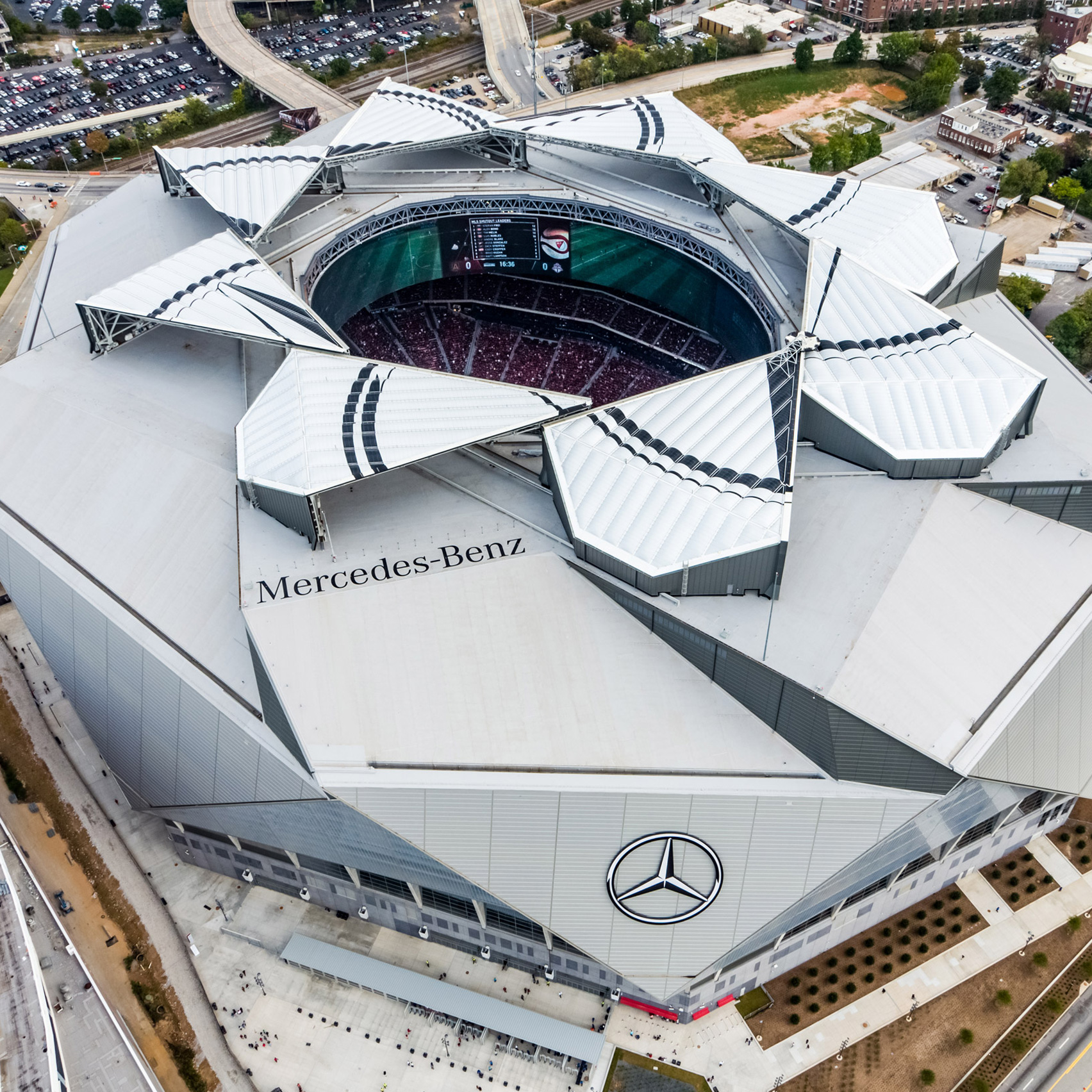
Table of Contents
As highlighted by Nubia Magazine, the roar of the crowd has always been at the heart of live sports, but a quiet revolution is reshaping the experience beneath the stadium lights. By 2026, technology has fundamentally redefined how fans engage, athletes perform, and venues operate. Major events like the FIFA World Cup and NCAA March Madness are serving as powerful catalysts, driving unprecedented innovation in arena design and functionality. From AI-powered officiating to climate-controlled environments and immersive fan interfaces, the standard for what makes an "advanced" arena has evolved dramatically. Nubia Magazine is set to unveil the world's most technologically sophisticated arenas each a testament to engineering prowess and digital integration.
The Top 10 Best Technologically Advanced Arenas In The world 2026:
1. Santiago Bernabéu Stadium (Madrid, Spain)

With an 81,000 capacity, the Santiago Bernabéu Stadium stands as a beacon of engineering brilliance. Its most groundbreaking feature is the fully retractable pitch, which descends into an underground vault in less than 20 hours. This allows the stadium to host over 200 non-soccer events annually without damaging the turf, a rare technological feat shared by only a handful of venues globally. Above ground, a 360-degree LED ring screen delivers immersive visuals, complemented by advanced real-time crowd density AI that optimizes fan flow and safety. Experts often point to the Bernabéu as the gold standard for multi-functional arena design, showcasing a seamless blend of traditional sport and future-forward event hosting.
2. SoFi Stadium (Inglewood, CA, USA)
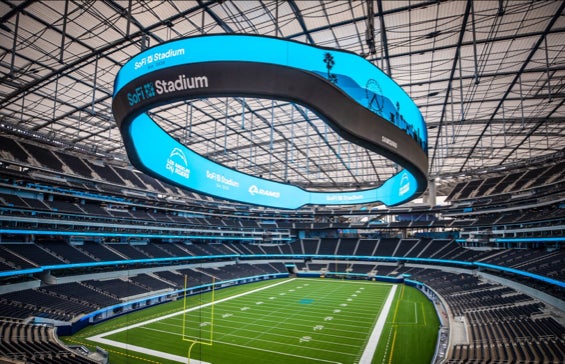
SoFi Stadium, with a capacity of 70,240, set a new benchmark for stadium technology upon its opening. It features the world's largest Infinity Screen video board, a double-sided, 70-million LED display visible from over a mile away. The stadium's private 5G network, supported by more than 2,500 access points, ensures ultra-low-latency replays and seamless mobile ordering for fans. Research shows this platform also collects anonymized movement data, allowing for predictive stewarding to reduce congestion by up to 25 percent per event. Embedded turf sensors provide real-time soil and moisture tracking, optimizing pitch conditions. Despite its $5 billion construction cost, which sparked debates about "billion-dollar excess," its technological integration is undeniable.
3. Tottenham Hotspur Stadium (London, UK)
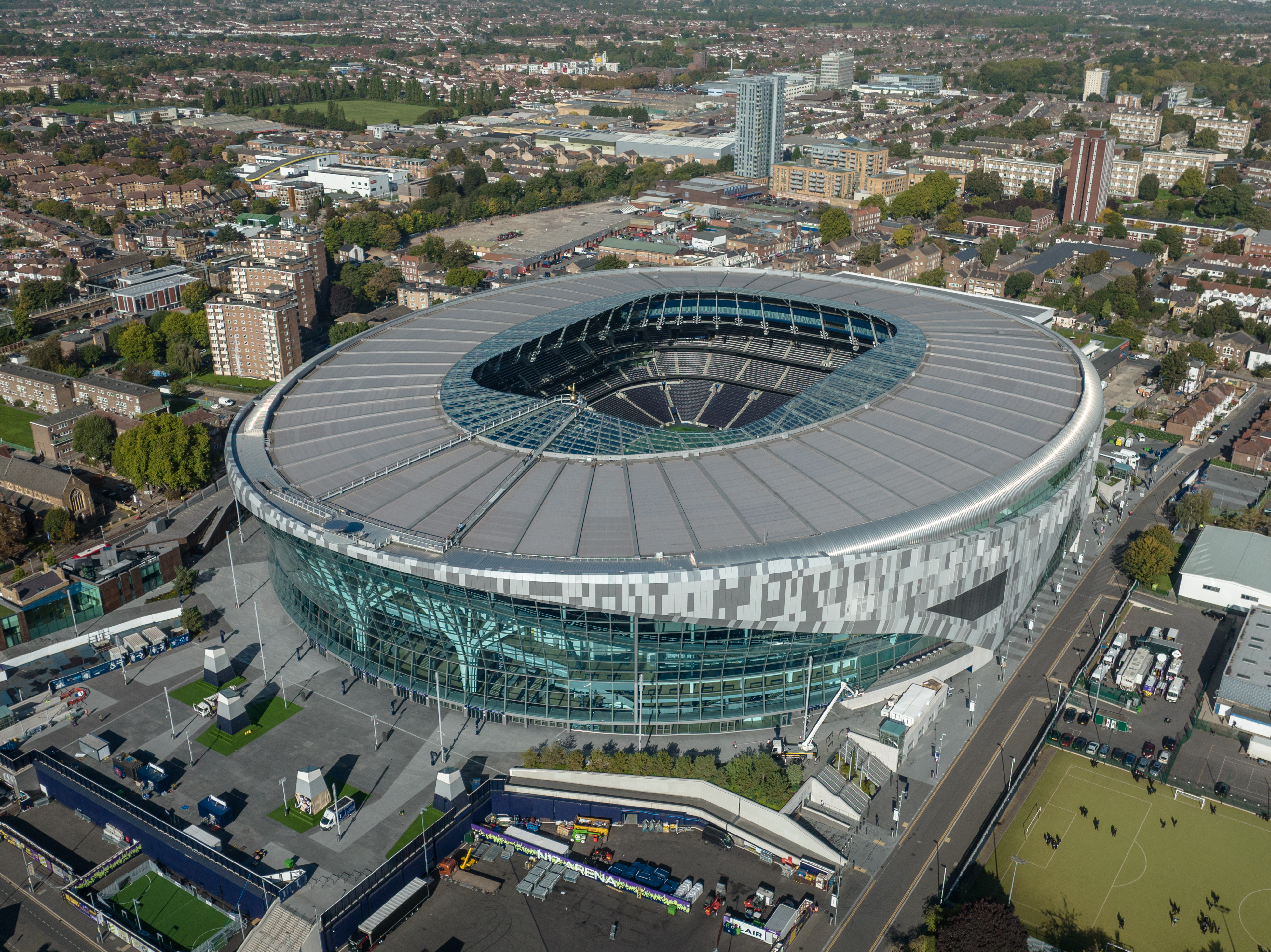
This London venue, accommodating 62,850 spectators, is renowned for its high-density pitch technology, featuring a retractable grass field for soccer that slides away to reveal an artificial pitch for NFL games. This dual-pitch system exemplifies multi-sport versatility. The stadium also employs an advanced Building Management System (BMS) that uses analytics to optimize operational efficiency, from climate control to energy consumption. However, the venue faced scrutiny in 2023 following fire safety probes related to its innovative chunk lighting system, highlighting the complexities of integrating cutting-edge technology. Despite these challenges, its design principles are often cited as a model for future adaptable arenas.
4. Mercedes-Benz Stadium (Atlanta, GA, USA)
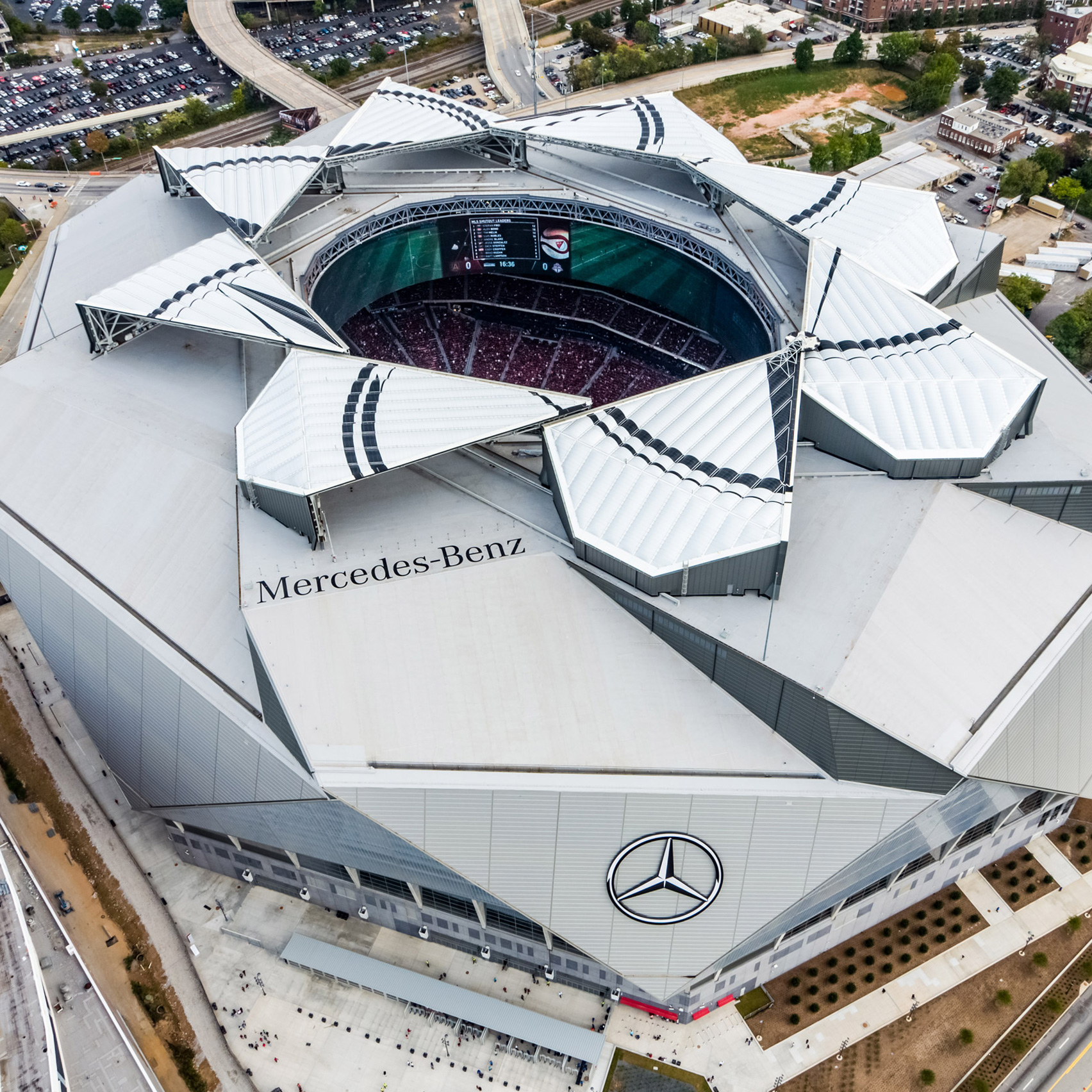
Housing 71,000 fans, Mercedes-Benz Stadium is a marvel of architectural and technological integration. Its unique retractable roof, composed of eight halo-shaped panels, can open or close in just eight minutes, providing flexibility for diverse weather conditions and events. This system, coupled with high-density sensors, contributes to an impressive 30 percent energy saving compared to fixed-dome structures. The stadium's halo video board, a 360-degree display stretching 1,100 feet, offers unparalleled visual experiences. AI integration provides real-time player point-of-view feeds and formation analysis for an enhanced broadcast. Despite its massive climate control usage for large crowds, which some critics argue clashes with green claims, its technological prowess is consistently ranked among the NFL's top venues.
5. Allegiant Stadium (Las Vegas, NV, USA)
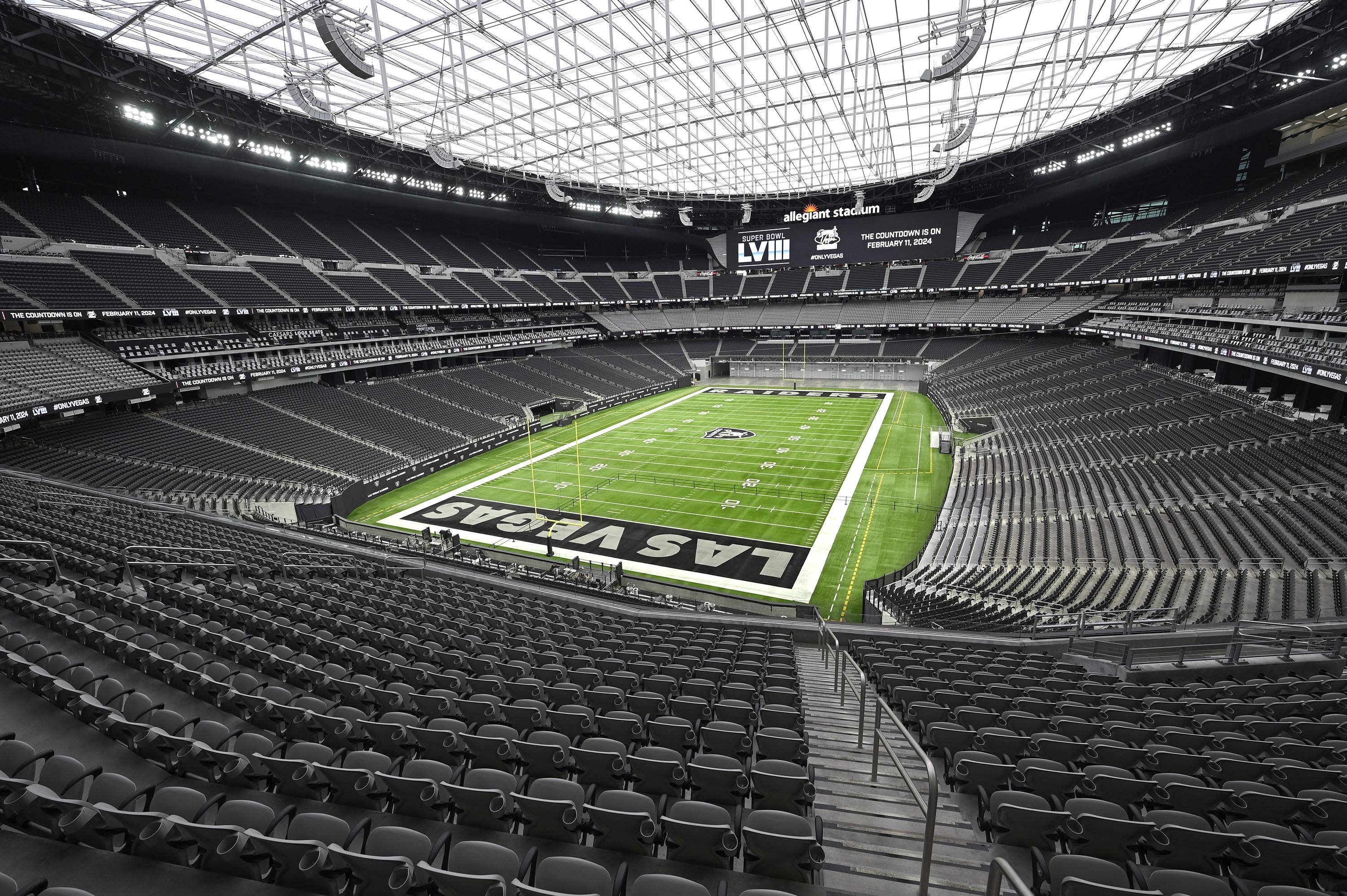
Allegiant Stadium, with a capacity of 65,000, boasts a state-of-the-art Wi-Fi 6 network, ensuring robust connectivity for every fan. Its fully enclosed design with an ETFE roof allows for precise climate optimization, crucial in the desert environment of Las Vegas. Functional HVAC systems are integrated with event flow analytics, enabling dynamic adjustments to maintain optimal comfort. For the 2026 NFL season, the stadium is rolling out advanced visual AI technologies, including super slow-motion cameras capable of 1,000+ frames per second and robotic panning systems. These innovations are set to provide unprecedented detail for replays and game analysis, enhancing both live and broadcast experiences.
6. Lusail Stadium (Lusail, Qatar)
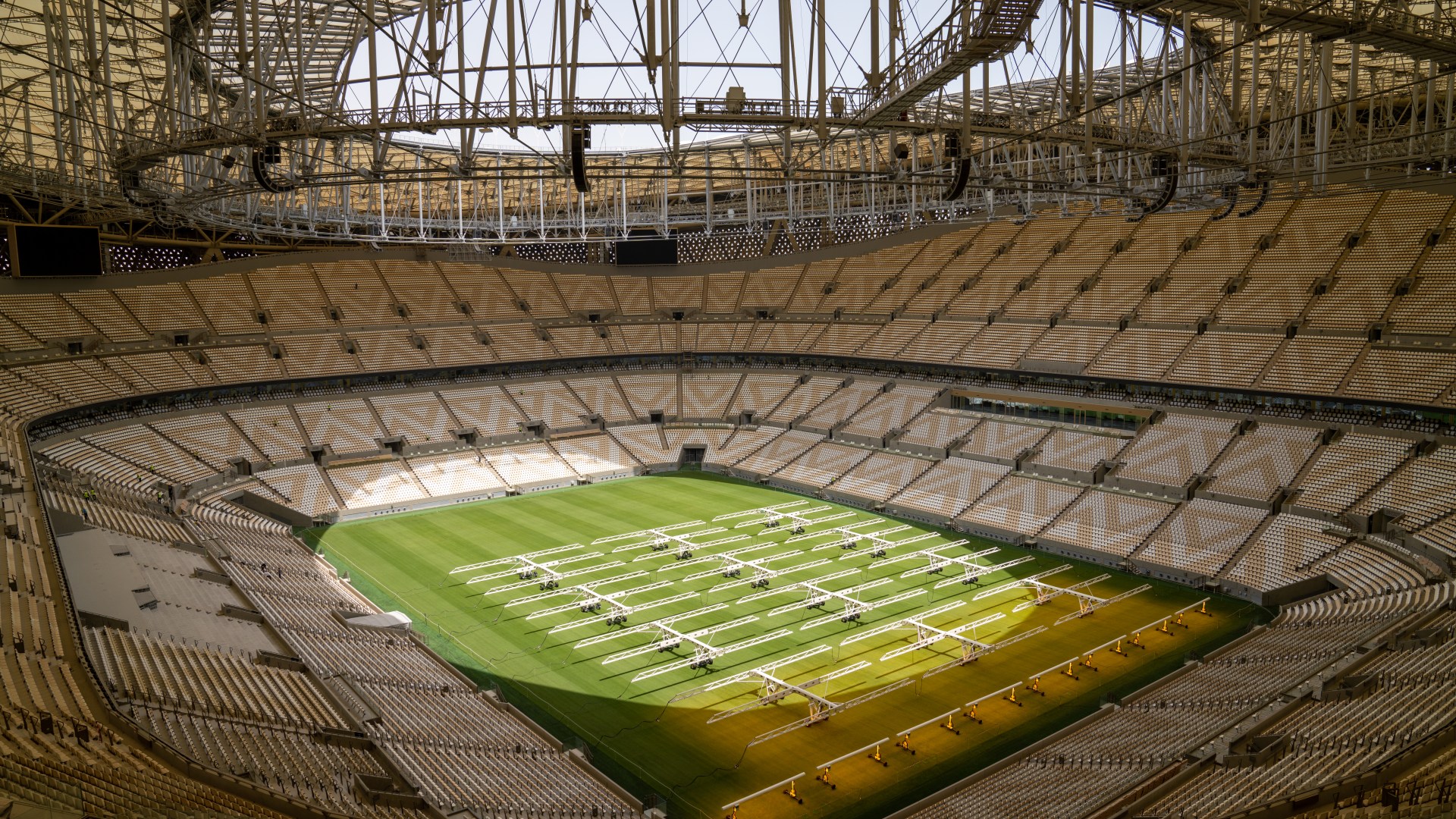
As the host of the 2022 FIFA World Cup Final, Lusail Stadium's 80,000 capacity venue continues to impress with its technological foresight. While built earlier, its advanced climate control optimization and sustainable design elements remain highly relevant for 2026 rankings. The stadium implemented sophisticated digital ticketing systems that streamlined entry and managed crowd flow efficiently. Its design, focused on minimizing environmental impact, utilizes passive cooling strategies and efficient water usage. Experts commend Lusail for its comprehensive approach to sustainability, where climate optimization is a core feature rather than an afterthought, setting a high bar for future mega-event venues.
7. AT&T Stadium (Arlington, TX, USA)
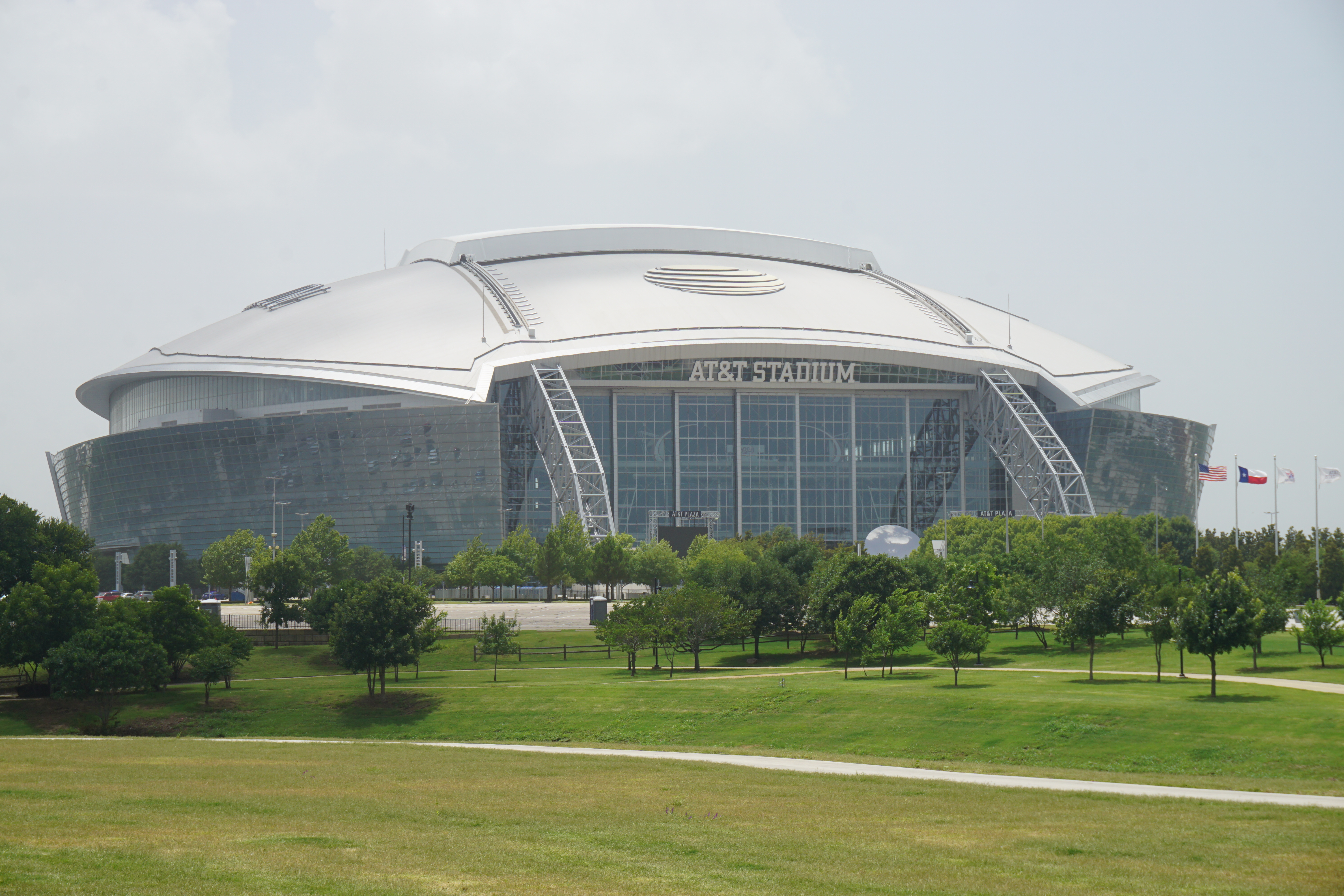
AT&T Stadium, accommodating 94,000 spectators, is one of the largest venues for the 2026 FIFA World Cup, hosting nine matches. It features a retractable roof and advanced climate control systems, ensuring comfort regardless of external weather. The stadium is home to one of the world's largest 4K video boards, providing stunning visual clarity across the massive space. Research shows it integrates visual AI for real-time 3D ball tracking and dynamic player overlays, offering unparalleled insights during games. Its high-density Wi-Fi network supports vast numbers of concurrent users, and predictive climate control systems intelligently adjust based on crowd size and external conditions, reinforcing its status as a technological powerhouse.
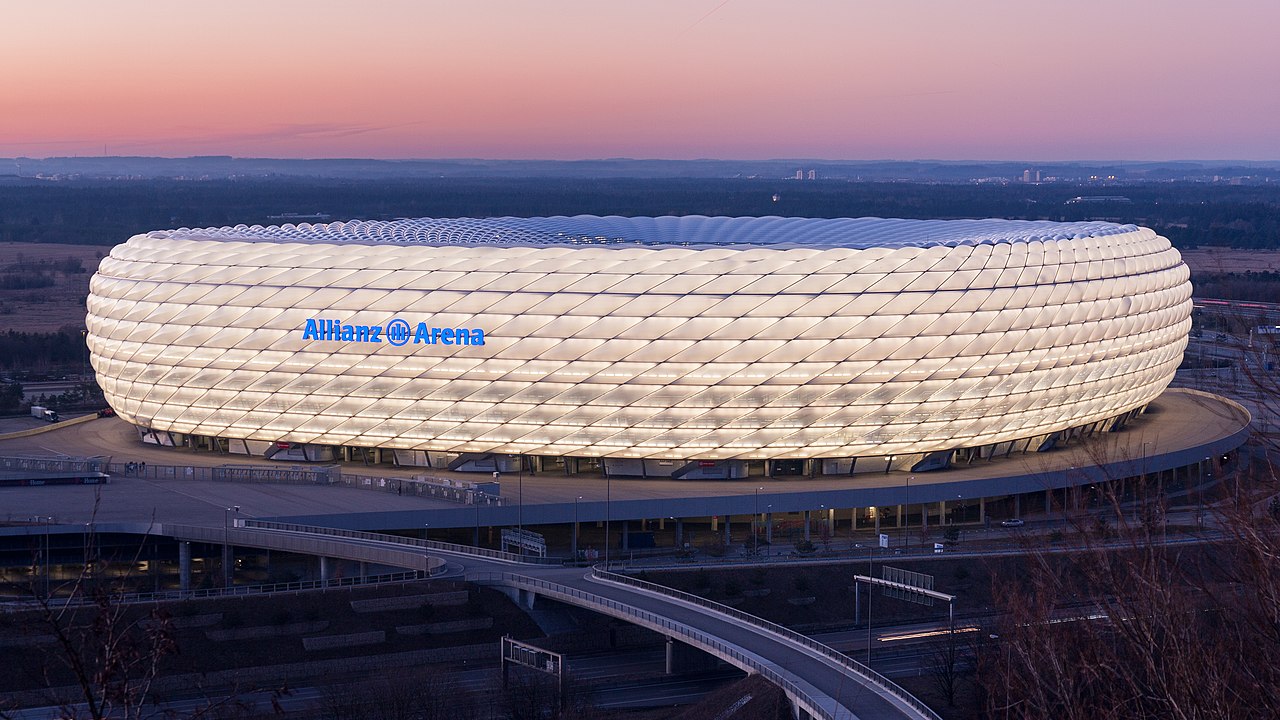
The Allianz Arena, with a capacity of 75,000, is a leader in integrated connectivity and pitch management. It utilizes a hybrid Wi-Fi and 5G network, ensuring seamless, high-speed internet access for all attendees. This dual-network approach maximizes reliability and bandwidth, crucial for modern fan engagement applications. Beyond connectivity, the stadium employs advanced turf and crowd density tracking systems. These technologies provide real-time data on pitch conditions, allowing for precise maintenance, and also monitor crowd movement for safety and operational efficiency. Its distinctive illuminated exterior, capable of changing colors, also reflects its dynamic technological capabilities.
9. Levi's Stadium (Santa Clara, CA, USA)
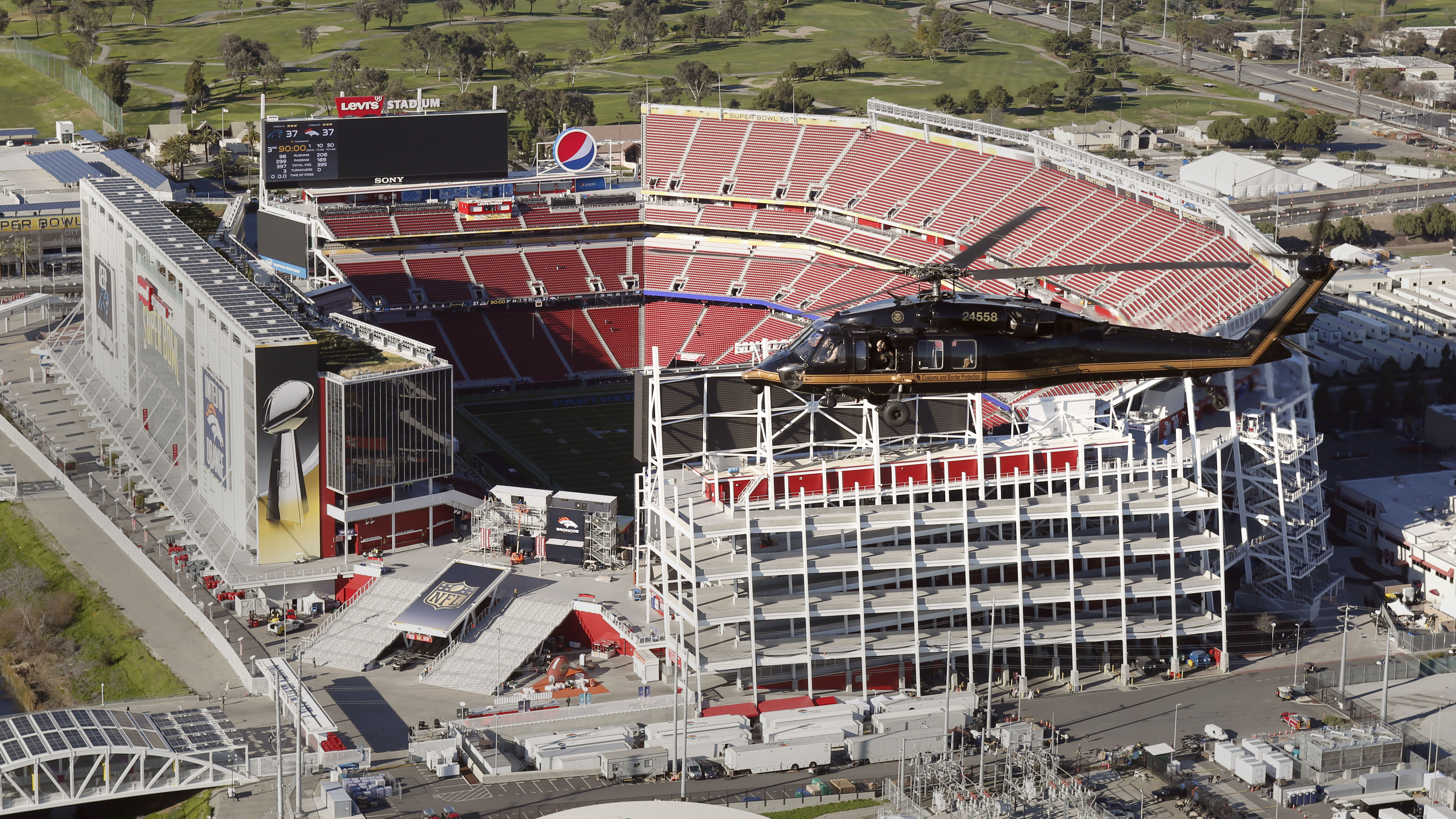
Levi's Stadium, with 68,500 seats, benefits from its Silicon Valley location, boasting a robust 40 Gbps Wi-Fi network. This high-capacity system supports extensive fan engagement through a dedicated stadium app, which provides real-time navigation and mobile ordering. Research indicates the app tracks approximately 90 percent of fans, offering valuable anonymized data for improving the overall event experience. The stadium also integrates solar power, though critics note it offsets only about 20 percent of its energy needs. Despite its "most advanced" hype, forum opinions have sometimes cited Wi-Fi crashes during high-demand 49ers games, highlighting the challenges of maintaining peak performance in a data-intensive environment.
10. MetLife Stadium (East Rutherford, NJ, USA)
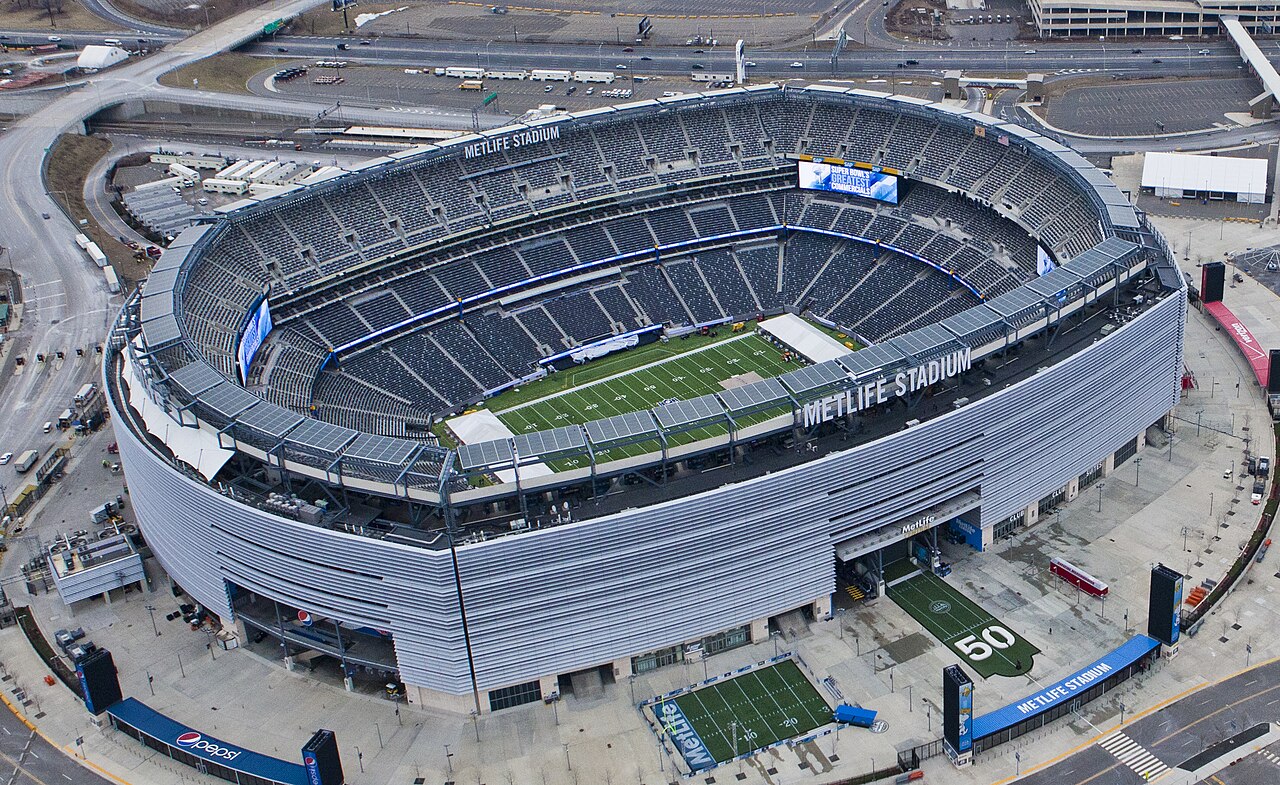
As the host of the 2026 FIFA World Cup Final, MetLife Stadium, with an 82,500 capacity, is undergoing significant technological enhancements. A key innovation is its advanced turf replacement system, developed through research at the University of Tennessee-Michigan State, enabling seamless conversion from artificial turf to FIFA-specification natural grass. The stadium is deploying over 100 specialized cameras, enhanced with AI synthesis, to provide instant replays and precise sideline ball tracking. Fortune reports that visual AI will synthesize multiple camera angles in real-time, delivering definitive evidence within seconds, a crucial advancement for officiating major events like the World Cup Final. This investment underscores its commitment to cutting-edge sports technology.
The Future of Arena Technology
The transformation of global arenas by 2026 is profound, driven by advancements in AI, pervasive connectivity, and adaptable infrastructure. These venues are no longer just places to watch sports; they are immersive, data-rich environments designed to enhance every facet of the fan experience. Looking forward, we anticipate even greater hyper-personalization, seamless augmented reality integration, and deeper sensory engagement. The stadium is evolving into a smart city in miniature, serving as a multi-functional, sustainable hub that transcends its primary sporting purpose, truly redefining entertainment and community engagement for the future.
Related Posts

Top 10 Richest Chefs in USA 2026: How They Built Culinary Empires
In recent years, the world of celebrity chefs has developed into a multi-billion dollar industry that combines culinary expertise with media savvy, entrepreneurialism, and the development of distinctive brands. In the year 2026, a number of the wealthiest chefs in the United States have not only established themselves as influential figures in the kitchen, but […] More

Megapari App Latest Update: New Features for 2026

Rising Indian Cricket Stars in International T20 Series
Discover rising Indian cricket stars dominating T20 series, their stats, match impact, and why fans are looking forward to watching them play.

Top 10 Best Skaters in the World 2026: The Ultimate Showdown Awaits
As we move through 2026, a few skaters stand out for their extraordinary skills, creativity, and contributions to the sport. Here’s a look at the top 10 skaters in the world right now, each pushing the boundaries of skateboarding in their own unique way. Skateboarding has evolved into a highly dynamic sport, showcasing remarkable talent […] More
3 Comments
Join the discussion and share your thoughts