Top 10 Richest Royal Families In The World 2026: Unveiling Their Billions

Table of Contents
In an era where modern finance and ancient lineage intersect, the world's royal families continue to command fortunes that dwarf even the wealthiest private individuals. As of 2026, these dynasties have not only preserved their historical wealth but have actively expanded it through sovereign funds, global investments, and strategic diversification. Our analysis of the top 10 richest royal families in the world reveals a landscape dominated by hydrocarbon wealth, but increasingly defined by sophisticated financial management and international asset portfolios. The collective wealth of these families represents a significant concentration of global capital, influencing everything from real estate markets to international policy.
Our Ranking Methodology
Compiling a definitive list of royal family wealth presents unique challenges, as much of their fortune is intertwined with state assets, held in complex trusts, or deliberately kept private. Our ranking for 2026 is based on a synthesis of the most recent credible financial reports, sovereign wealth fund disclosures, and analyses from global wealth-tracking institutions. We focus on the collective, attributable wealth of the core ruling family, including assets held through official bureaus, sovereign vehicles, and significant private holdings. Estimates for state-controlled resources are carefully apportioned to reflect the family's beneficial interest rather than total national wealth. This methodology aims for a consistent, comparative view of dynastic financial power in the modern age.
The Sources of Royal Wealth
The fortunes of these top families stem from a few key sources. For Middle Eastern dynasties, oil and natural gas reserves remain the foundational pillar, channeled through national oil companies and then multiplied by sovereign wealth funds like the Qatar Investment Authority or the Kuwait Investment Authority. European royal families, conversely, often derive wealth from centuries-old land holdings, art collections, and private banking operations, as seen with the House of Liechtenstein. In Southeast Asia, institutional holdings through entities like Thailand's Crown Property Bureau create a hybrid model. A common thread in 2026 is the strategic shift from passive resource wealth to active, globalized investment portfolios spanning technology, real estate, and infrastructure.
The List Of The Top 10 Richest Royal Families In The World 2026:
1. House of Saud (Saudi Arabia)
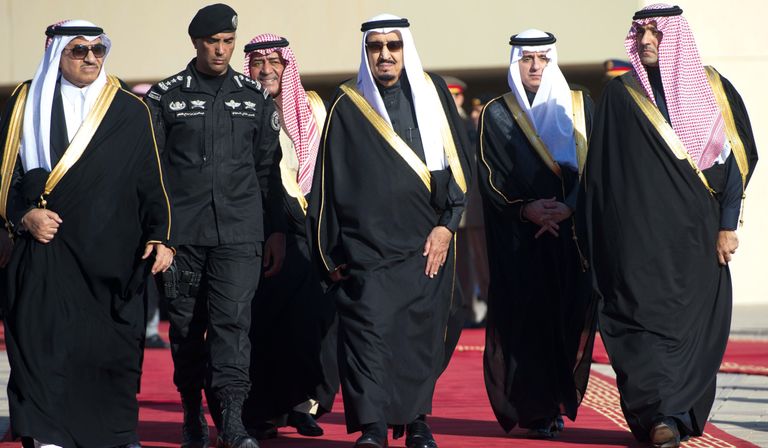
The House of Saud stands in a financial category of its own, with an estimated collective wealth exceeding $1.4 trillion as of 2026. This staggering figure is anchored by the family's control over Saudi Aramco, the world's most valuable oil company, which went through a partial public offering but remains predominantly state-owned. The family's wealth is not a single treasury but a vast network of resources flowing through the state, with senior princes controlling various ministries and economic fiefdoms. Under the leadership of King Salman and the de facto administrative control of Crown Prince Mohammed bin Salman, the family is executing Vision 2030, a plan to diversify the kingdom's economy. This involves massive investments through the Public Investment Fund (PIF) into sectors like tourism, entertainment, and technology, including headline-grabbing investments in companies like Uber and Lucid Motors. The family's personal assets include palaces, yachts, and extensive real estate holdings across the globe, but their true power lies in their stewardship of the kingdom's hydrocarbon resources and their strategic redirection of that capital for the 21st century.
2. Al Sabah Family (Kuwait)
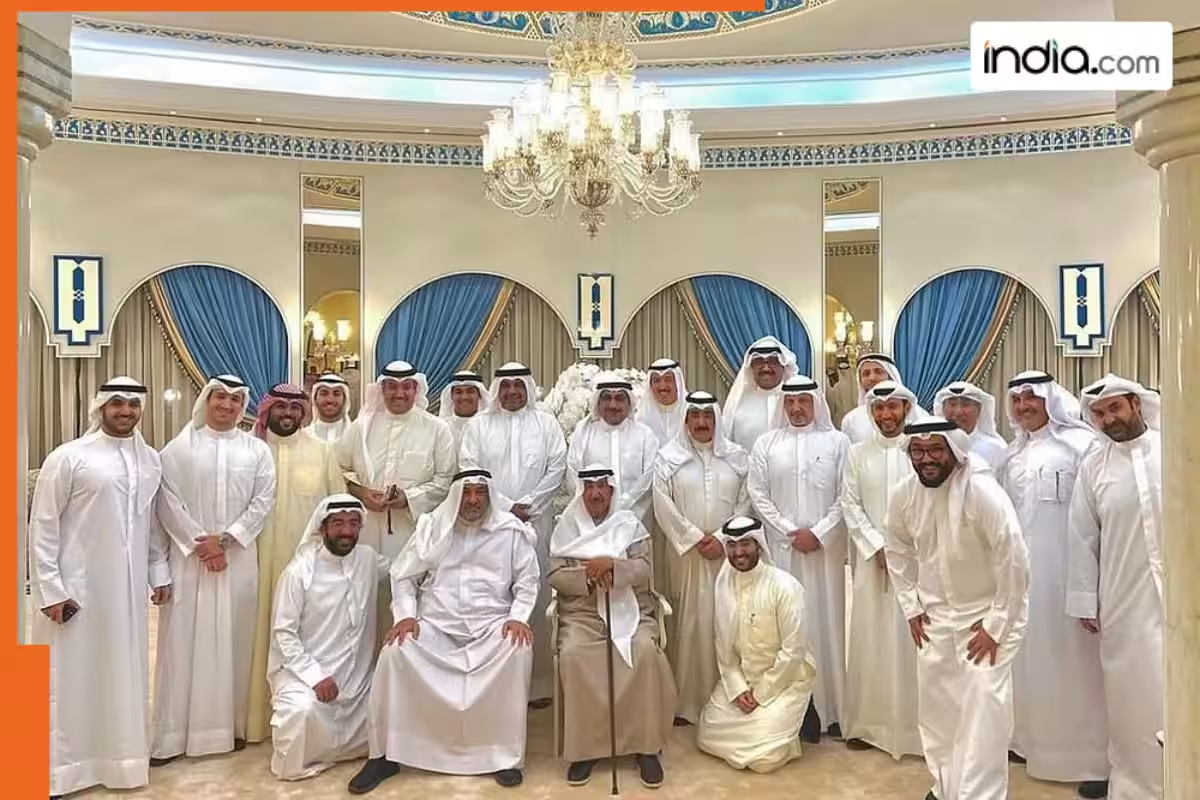
With an estimated wealth of approximately $360 billion, Kuwait's Al Sabah family claims the second position. Their fortune is deeply entwined with the country's oil reserves, which are among the world's largest. The family's financial clout is exercised through the Kuwait Investment Authority (KIA), one of the oldest and largest sovereign wealth funds globally, established in 1953. The KIA manages the country's General Reserve Fund and the Future Generations Fund, with assets spread across global equities, bonds, real estate, and alternative investments. The Al Sabah family has ruled since 1752, and their governance model traditionally distributes oil revenue to citizens through a generous welfare state, while the family and its close associates maintain control over the state's financial apparatus. Their investments are known for being conservative yet substantial, with significant stakes in European and American blue-chip companies, luxury London real estate, and infrastructure projects worldwide. This prudent, long-term investment strategy has insulated their wealth from regional volatility and cemented their status.
3. Al Thani Family (Qatar)
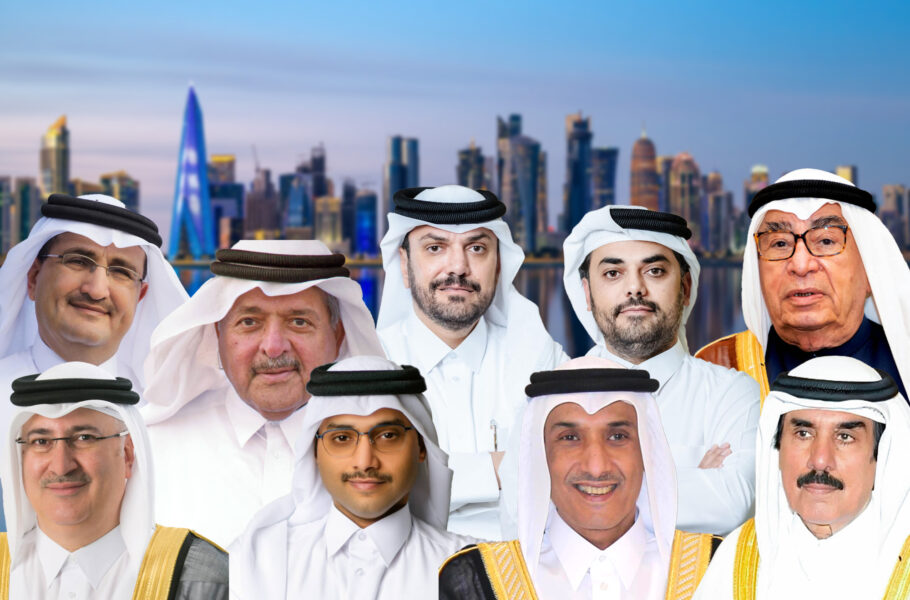
The Al Thani family of Qatar commands an asset base surpassing $335 billion. While oil provides a revenue stream, the cornerstone of their wealth is Qatar's position as the world's leading exporter of liquefied natural gas (LNG). The family, led by Emir Tamim bin Hamad Al Thani, channels this resource wealth through the Qatar Investment Authority (QIA). The QIA has become a formidable force in global finance, known for its aggressive acquisitions. It holds major stakes in entities like Volkswagen, Glencore, and Heathrow Airport, and owns iconic properties such as London's Shard skyscraper, New York's Empire State Building, and large portions of Paris's luxury district. The family also spent lavishly to host the 2022 FIFA World Cup, a project that boosted national infrastructure but also served to project Qatari soft power and diversify its international profile. Beyond the sovereign fund, the Al Thani family has extensive private investments and is known for its patronage of high-end art, sports teams like Paris Saint-Germain, and luxury brands.
4. Chakri Dynasty (Thailand)
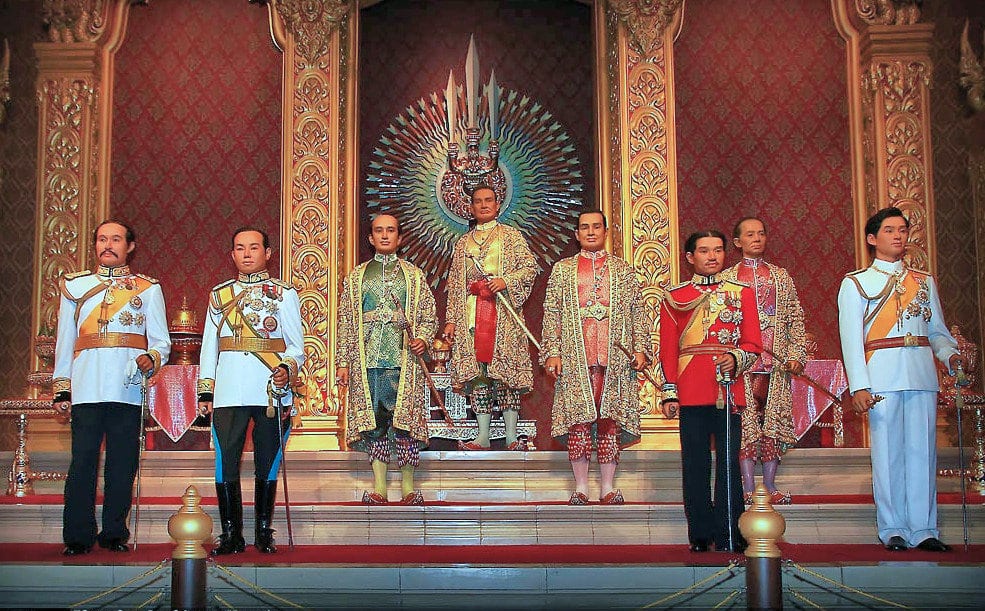
Thailand's Chakri Dynasty, with an estimated wealth of $43 billion, presents a unique model of royal wealth management in Southeast Asia. King Maha Vajiralongkorn (Rama X) oversees the family's fortune, which is largely administered by the Crown Property Bureau (CPB). The CPB, while legally distinct from the king's private wealth, effectively manages assets for the benefit of the monarchy. Its portfolio is immense and deeply integrated into the Thai economy. It is the largest shareholder in Siam Cement Group, one of Southeast Asia's biggest industrial conglomerates, and holds a major stake in Siam Commercial Bank. The Bureau's real estate holdings are vast, including thousands of acres of land in central Bangkok, much of it leased for commercial development. The king has also taken direct personal control of several key assets since ascending the throne, including billions of dollars' worth of CPB holdings. This concentration of economic power, combined with the monarchy's revered constitutional status, makes the Chakri Dynasty one of the most financially potent and institutionally embedded royal families in the world.
5. House of Bolkiah (Brunei)
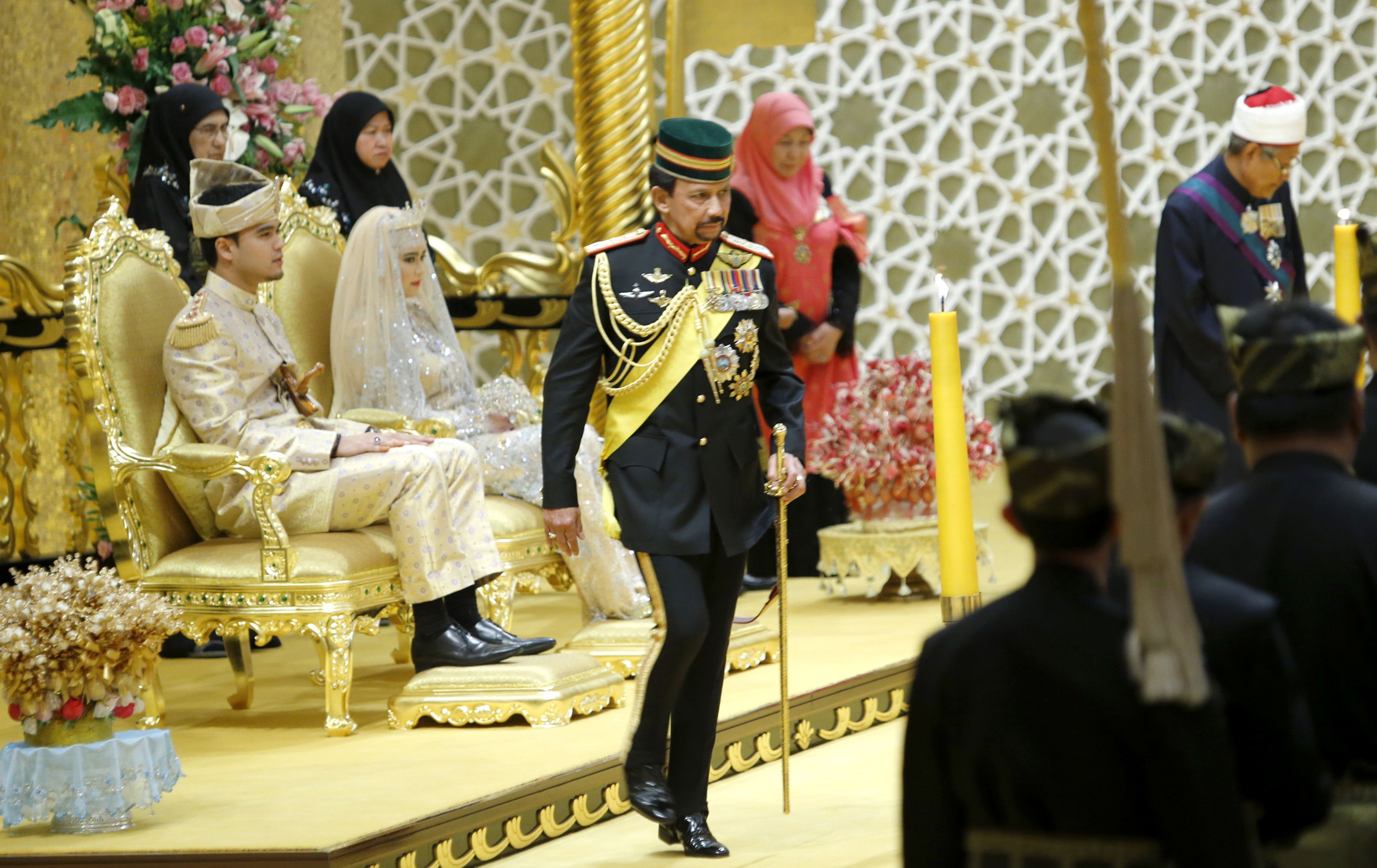
Sultan Hassanal Bolkiah and the House of Bolkiah possess an estimated family fortune of $30 billion, derived almost exclusively from Brunei's extensive oil and gas fields. The Sultan, one of the world's last absolute monarchs, personally controls the state's resources. His legendary opulence became global news in the late 20th century, symbolized by the 1,788-room Istana Nurul Iman palace, a gold-domed private mosque, and a collection of over 7,000 luxury cars. While personal spending remains high, the family's wealth is professionally managed through the Brunei Investment Agency (BIA). The BIA, established in 1983, invests the country's foreign reserves globally, with a portfolio that includes significant luxury real estate in London, such as the Dorchester Hotel and a large stake in the Beverly Hills Hotel. The challenge for the family has been diversifying the economy as oil reserves gradually decline, leading to increased investment in overseas ventures and a push to develop domestic sectors like halal manufacturing and financial services.
6. House of Windsor (United Kingdom)
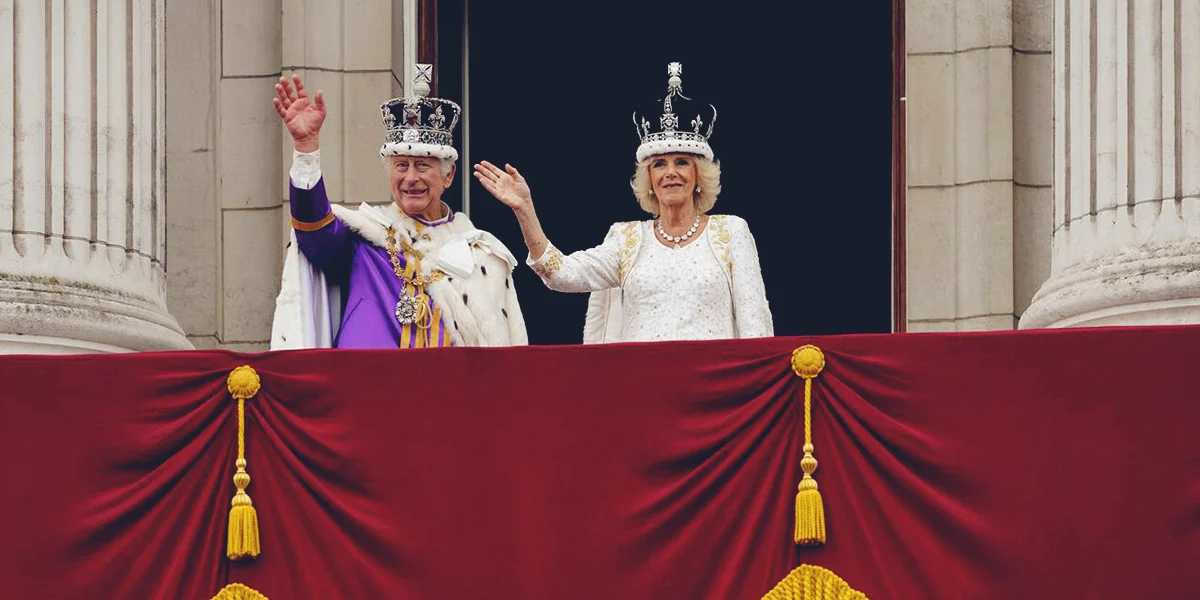
The British Royal Family's wealth, estimated at around $28 billion, is perhaps the most complex and debated on this list. Led by King Charles III, the family's finances are a mix of private wealth, trust-held assets, and state-held properties that fund their official duties. The Crown Estate, a vast portfolio of lands and assets including much of central London's real estate, generates hundreds of millions in annual revenue for the UK Treasury, which then funds the monarchy via the Sovereign Grant. This is not the family's personal wealth. Their private fortune stems from two sources: the Duchies of Lancaster and Cornwall. The Duchy of Lancaster, a private estate of commercial and agricultural holdings, provides income to the sovereign, while the Duchy of Cornwall funds the heir to the throne. These duchies are worth billions. Additionally, the family owns private estates like Sandringham and Balmoral, and holds the Royal Collection, an unparalleled assemblage of art and jewels that is held in trust for the nation. Their financial power is less about liquid cash and more about immense, inalienable capital assets and a globally valuable brand.
7. House of Al Maktoum (Dubai, UAE)
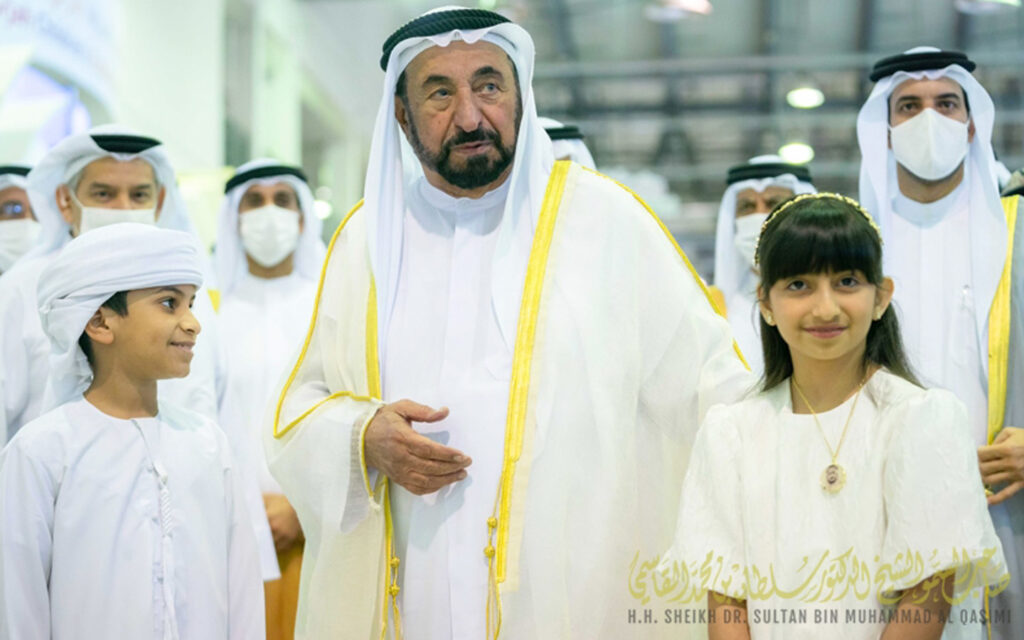
The Al Maktoum family, rulers of Dubai, hold an estimated $18 billion in wealth. Their story is one of transformational vision. While oil discovery funded Dubai's initial modernization, reserves are limited. Under the leadership of Sheikh Mohammed bin Rashid Al Maktoum, the family plowed resource revenue into ambitious diversification projects that now generate the emirate's wealth. The family holds major stakes in a web of iconic, state-linked enterprises. These include Emirates Airline, one of the world's largest carriers; DP World, a global ports operator; and the vast real estate developments of Dubai Holding, which built landmarks like the Burj Khalifa and the Palm Jumeirah. Their wealth is thus directly tied to Dubai's success as a global hub for trade, tourism, and finance. The family's personal investments are also significant, particularly in global horse racing and breeding, where Sheikh Mohammed's Godolphin stable is a world leader. Their fortune is dynamic, entrepreneurial, and deeply leveraged to the continued growth of their city-state.
8. House of Alaouite (Morocco)
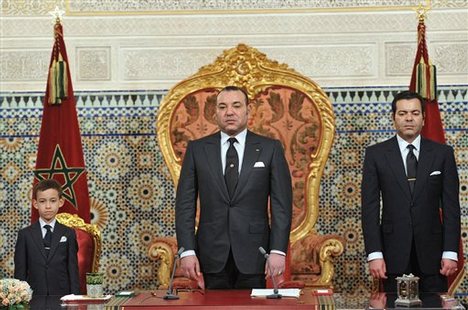
Morocco's Alaouite dynasty, led by King Mohammed VI, possesses an estimated $8.2 billion in family wealth. The king is often described as the largest shareholder in the Moroccan economy. His wealth is channeled through the Société Nationale d'Investissement (SNI), a massive industrial and financial holding company. SNI has stakes in nearly every key sector of the Moroccan economy, including banking (Attijariwafa Bank), mining (Managem Group), insurance, telecommunications, and retail through the Marjane supermarket chain. The king also owns extensive agricultural land and has invested heavily in the country's tourism sector, developing luxury resorts along the Atlantic and Mediterranean coasts. Since ascending the throne in 1999, Mohammed VI has positioned himself as a modernizing businessman-king, using his personal wealth and influence to drive national economic projects. This model blends traditional monarchical authority with corporate-style investment strategy, creating a fortune that is both vast and directly tied to the development of the nation.
9. House of Liechtenstein (Liechtenstein)
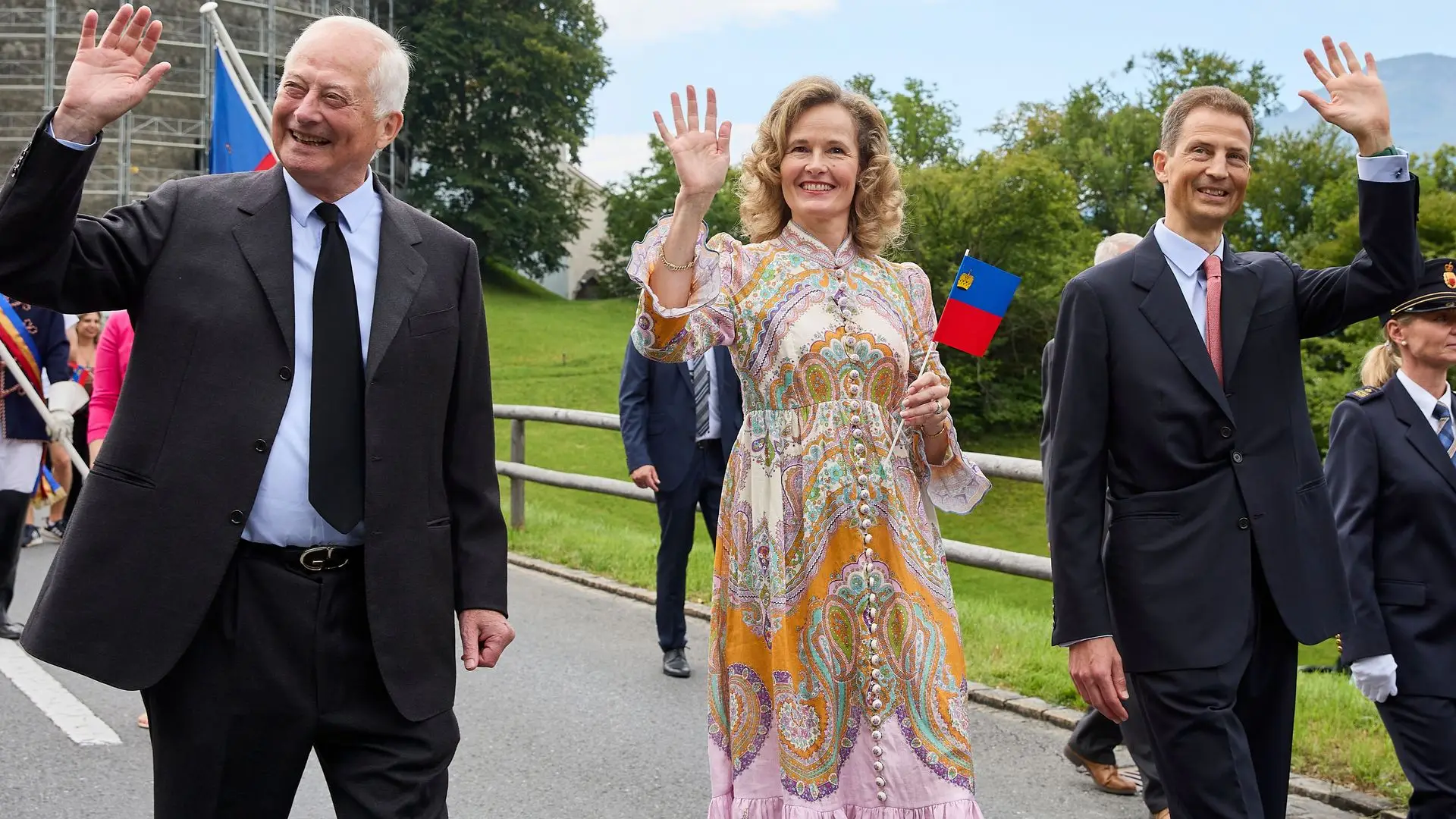
The House of Liechtenstein is unique among European royals: its estimated $7.2 billion fortune is largely private and self-made in the financial world. Prince Hans-Adam II, who handed executive power to his son Prince Alois but remains head of the family, is the majority owner of LGT Group. LGT is a fully private international private banking and asset management group, making the Liechtensteins the only European royal family to own a bank of this scale. Their wealth is not derived from a state civil list but from centuries of astute financial management. The family also owns vast forested estates and agricultural lands across Austria and the Czech Republic, reclaimed after post-Cold War restitution, and possesses one of the world's most important private art collections. Notably, the prince has often used personal funds to cover state expenses, emphasizing the family's financial independence from the tiny principality's budget. Their wealth is a classic example of aristocratic capital preserved and grown through modern finance.
10. Grand Ducal House of Luxembourg (Luxembourg)
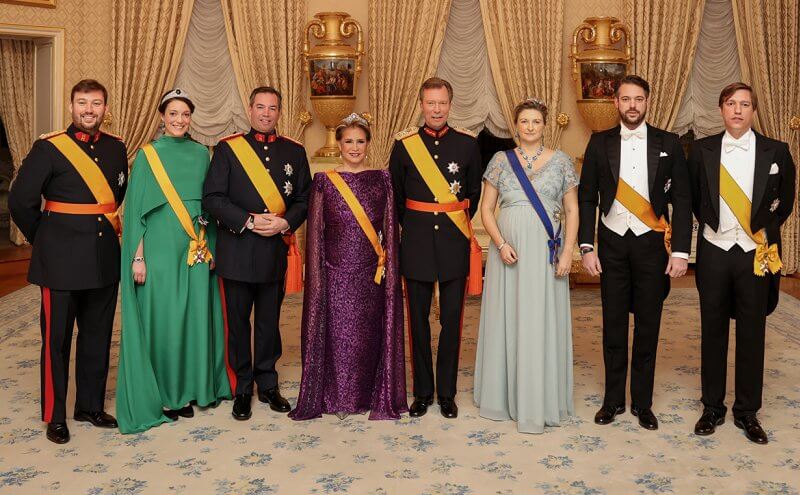
Rounding out the list is the Grand Ducal House of Luxembourg, with Grand Duke Henri's personal net worth estimated at $4.6 billion. The family's wealth supports its status as the sovereign of one of the world's wealthiest nations per capita. The fortune stems from a diversified investment portfolio managed by family offices, extensive real estate holdings including the ancestral Berg Castle, and a holiday home in France. The grand duke also receives an annual civil list from the Luxembourg state to fund official activities, though this is relatively modest. Much of the family's historical wealth was tied to land and forestry, but over generations it has been successfully transitioned into financial instruments and private equity. The family maintains a relatively low public profile regarding their finances, but their investments are known to be global and conservative, aligned with Luxembourg's own position as a stable, financial services-focused European nation.
The richest royal families in the world in 2026 demonstrate the enduring and adaptable nature of dynastic wealth. From the hydrocarbon titans of the Gulf to the financial stewards of Europe, these families have navigated the transition from feudal landholders to modern institutional investors. Their continued financial dominance hinges on several factors: the prudent management of sovereign wealth funds, the strategic diversification away from single resources, and, in some cases, a delicate balance with democratic institutions and public sentiment. As global markets evolve and pressures for transparency grow, the ability of these families to legitimize their wealth through national development, cultural patronage, or direct investment will be critical. Their fortunes are more than personal riches; they are capital reserves that influence global investment patterns, shape national economies, and preserve cultural heritage, ensuring these ancient institutions remain formidable players on the world's financial stage for the foreseeable future.
Related Posts

Top 10 Greatest Packer Players in the World 2026: Surprising Picks & Legends
The Green Bay Packers, which are considered to be one of the most illustrious franchises in the history of the National Football League, have, throughout its existence, boasted a roster of remarkable talent. The history of the Packers is filled with players that have stood out for some reason, whether it be their iconic Super […] More
Top 10 Best Skaters in the World 2026: The Ultimate Showdown Awaits
As we move through 2026, a few skaters stand out for their extraordinary skills, creativity, and contributions to the sport. Here’s a look at the top 10 skaters in the world right now, each pushing the boundaries of skateboarding in their own unique way. Skateboarding has evolved into a highly dynamic sport, showcasing remarkable talent […] More

Top 10 Highest Paid Female Footballers In The World 2026: Salaries That Shocked the Industry
Top 10 Highest Paid Female Footballers In The World 2026 1. Sam Kerr One of the most notable players in women’s football is Sam Kerr, who hails from Australia and operates as a striker. Kerr has emerged as a significant personality in the sport as a result of her remarkable speed, her extraordinary ability to […] More
The Largest Oil Refineries In The World 2026: Essential Insights for Energy Stakeholders
As of the year 2026, the following is a list of the top ten largest refineries in the world, which are known for their enormous processing capacities and strategic significance. Refineries play an important part in the global energy sector because they convert crude oil into valuable products such as gasoline, diesel, and other petrochemicals. […] More
1 Comment
Join the discussion and share your thoughts