Top 10 Richest People in Tanzania 2026: Insights into Wealth and Influence

Table of Contents
Tanzania's richest people in 2026 represent concentrated industrial power across manufacturing, telecommunications infrastructure, and regional trade networks that generate billions in annual revenue. Our analysis identifies the individuals controlling the nation's most valuable private enterprises, from food processing conglomerates serving six countries to telecommunications networks connecting millions of mobile users. These rankings draw from billionaires.africa's 2026 assessments, corporate filings, and verified business ownership records to establish wealth positions in Tanzania's evolving economy.
Our Ranking Criteria
This assessment evaluates wealth through documented business ownership stakes, operational revenue of controlled enterprises, publicly available asset holdings, and real estate portfolios across Tanzania and the broader East African region. We analyze subsidiary operations, market share data, employee counts, and regional expansion footprints to establish valuations for privately held conglomerates. Corporate registry documents cross-reference with financial disclosures and industry reports to confirm asset values. All estimates reflect market conditions and currency valuations as of Q1 2026. Where family wealth structures overlap, we distinguish individual stakes from collective holdings to maintain ranking accuracy.
These Are The List Of The Top 10 Richest People In Tanzania 2026:
10. Azim Dewji
Azim Dewji holds ownership stakes in MeTL Group operations valued at approximately $40 million as of 2026. As a co-owner within the Dewji family structure, Azim manages specific divisions of the conglomerate that generates over $1.3 billion annually across 11 African countries. His responsibilities center on manufacturing operations and distribution networks that move consumer goods from MeTL's production facilities to retailers throughout East Africa. The family's collaborative management approach distributes authority across multiple members rather than concentrating control, allowing specialized expertise development in textiles, beverages, edible oils, and flour milling while maintaining unified strategic direction.
His contributions to operational efficiency and market expansion have been instrumental in MeTL maintaining competitive advantages against both regional competitors and international brands entering Tanzania's consumer markets. The conglomerate employs over 24,000 people, with Azim's oversight ensuring production consistency across manufacturing plants that include textile factories producing 30 million meters of fabric annually and flour mills controlling approximately 45% of Tanzania's milling capacity. His role demonstrates how Tanzania's largest business empires rely on distributed family management structures to oversee complex operations spanning multiple countries and industrial sectors simultaneously.
9. Michael Shirima
Michael Shirima built a $45 million fortune through Precision Air Services, which he founded in 1993 and developed into one of Tanzania's premier airlines before his death in 2023. His estate maintains control of the airline, which continues connecting major cities across Tanzania, Kenya, and Uganda while serving as essential infrastructure for the country's tourism industry. Shirima started with small charter operations using propeller aircraft to reach remote airstrips that larger carriers ignored, gradually expanding into a full-fledged commercial airline through obsessive focus on safety records and on-time performance that earned trust among business travelers and tour operators who needed reliability.
His journey from aircraft performance engineer - trained in Scotland before returning to Tanzania - to airline founder demonstrated that Tanzanian entrepreneurs could succeed in capital-intensive, technically demanding industries traditionally dominated by state-owned enterprises and international corporations. Precision Air survived challenges that destroyed other regional carriers, including volatile fuel prices, economic downturns, and the COVID-19 pandemic that grounded global aviation. Strategic partnerships with larger international airlines and a decision to focus on underserved routes rather than competing head-on with major carriers allowed the airline to carve out a sustainable niche. The estate's continued operation of Precision Air maintains Shirima's legacy as a pioneer in East African private aviation.
8. Salim Bakhresa
Salim Bakhresa has accumulated $280 million through independent business interests in food processing, packaging solutions, and urban real estate while maintaining connections to the broader Bakhresa family conglomerate. His operations focus on specialty food products and modern packaging designed for Tanzania's expanding urban middle class rather than competing directly with the family's core commodity businesses. Manufacturing facilities produce convenience foods, snacks, and packaged beverages targeting consumers with rising disposable incomes who prioritize quality and convenience. His packaging operations supply both his own production lines and other manufacturers across Tanzania, creating additional revenue streams beyond finished consumer products.
Real estate investments in Dar es Salaam and Arusha have appreciated substantially as Tanzania's urbanization accelerates, with holdings including commercial office buildings in central business districts, residential developments for middle-income families, and industrial warehouses positioned near transportation hubs. The Bakhresa family's approach to wealth management - allowing individual members to develop specialized businesses while maintaining family cohesion - has enabled wealth preservation across generations without the fragmentation that often destroys family fortunes. Salim's operations complement rather than compete with other family businesses, demonstrating sophisticated family wealth management that leverages the Bakhresa brand's reputation while establishing independent market positions in emerging consumer segments.
7. Naushad Merali
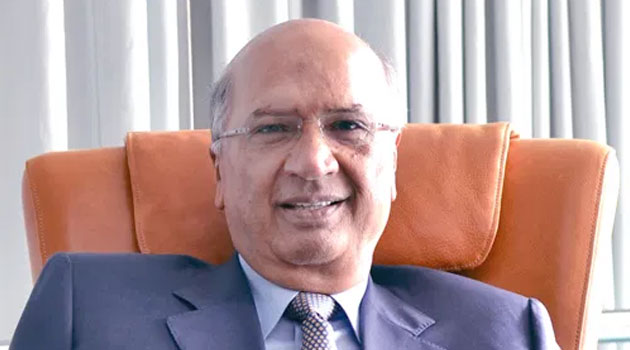
Kenyan business magnate Naushad Merali's Tanzanian holdings are valued at approximately $320 million in 2026, securing his position among the country's wealthiest despite operating primarily from Nairobi. His Sameer Group maintains substantial investments across Tanzania's telecommunications infrastructure, agricultural estates, construction materials, and commercial real estate that have generated returns for decades. Merali entered East Africa's mobile phone market when penetration rates sat in single digits, recognizing that the region would bypass landline infrastructure entirely. His stakes in regional telecom operations and infrastructure companies positioned him to benefit as mobile adoption soared to near-universal coverage across Tanzania and neighboring countries.
The Sameer Group's agricultural estates produce tea, coffee, and horticultural products for export markets, employing thousands in rural areas while generating foreign exchange earnings. Manufacturing facilities serve both domestic demand and regional export markets across construction materials and consumer goods sectors. Merali's cross-border investment philosophy reflects how East Africa's most sophisticated business operators think regionally rather than nationally, building wealth by operating across multiple countries simultaneously to capture economies of scale and diversify risk. His ability to identify infrastructure sectors before they reach maturity - then invest aggressively while competitors hesitate - has been the defining characteristic of his wealth accumulation across telecommunications, agriculture, and manufacturing throughout his decades-long business career.
6. Mohammed Enterprises
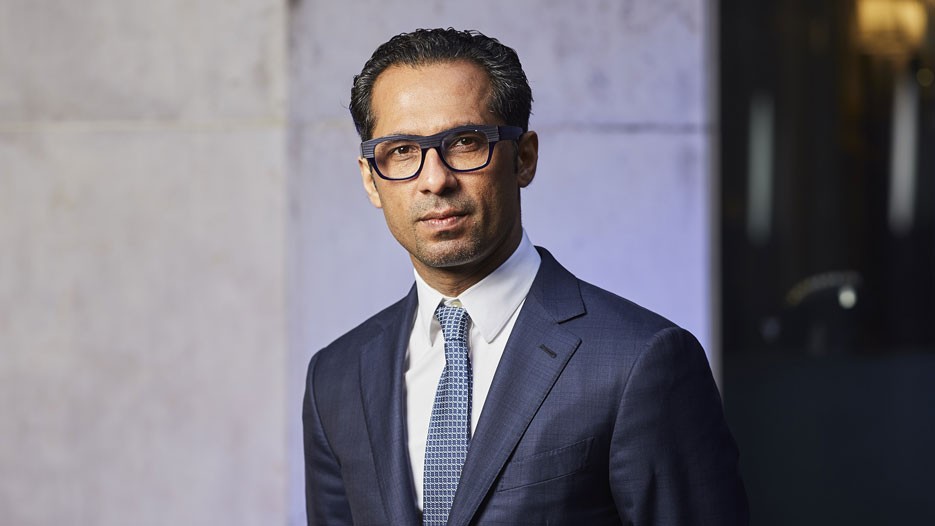
The Mohammed family's collective business interests, distinct from Mohammed Dewji's personal MeTL Group holdings, represent approximately $350 million in assets as of 2026. These enterprises reflect multigenerational wealth accumulation across manufacturing, agricultural processing, distribution networks, and prime commercial real estate with roots extending back to the mid-20th century. The family's business model emphasizes controlling entire value chains from raw material sourcing through final retail distribution, with manufacturing facilities producing consumer goods that reach markets throughout Tanzania and neighboring countries. Agricultural processing operations handle cashews, sisal, and other export crops, providing essential links between smallholder farmers and international buyers who demand consistent quality and reliable delivery schedules.
Real estate holdings across Dar es Salaam have appreciated dramatically as Tanzania's commercial capital has expanded, with the family owning office buildings in the central business district, residential complexes in desirable neighborhoods, and retail centers in high-traffic locations. Unlike wealthy families who moved capital offshore during periods of economic uncertainty, the Mohammed family consistently reinvested profits in Tanzanian operations, contributing to local employment and industrial capacity development. This approach to wealth preservation through diversification and patient capital has created an enduring business dynasty that adapts to economic changes while maintaining core competencies developed over generations, demonstrating how Tanzania's old-money families sustain wealth through continuous reinvestment rather than capital extraction.
5. Said Salim Bakhresa
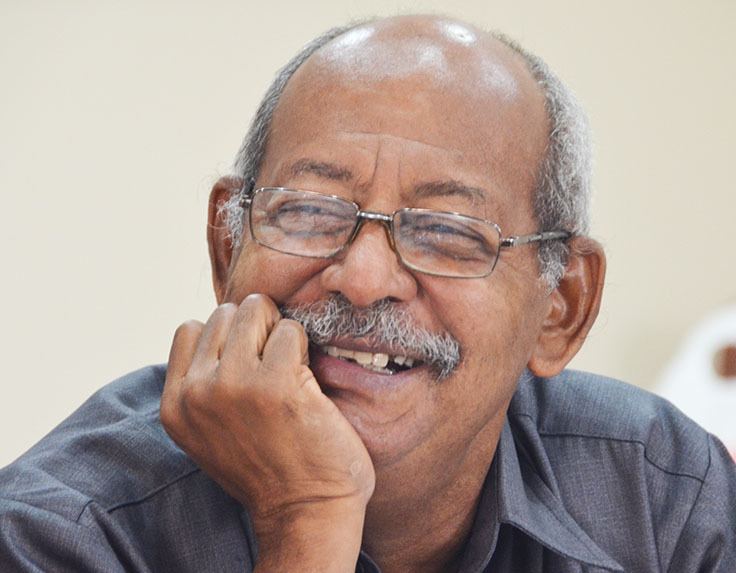
Said Salim Bakhresa's $400 million fortune stems from the Bakhresa Group, which he founded and chairs as one of East Africa's preeminent food manufacturing conglomerates. Born in Zanzibar in 1949, Bakhresa dropped out of school at age 14 to work as a potato mix salesman before opening a modest restaurant in Dar es Salaam during the 1970s. That humble beginning evolved into an industrial empire that now operates across Tanzania, Zanzibar, Kenya, Uganda, Malawi, and Mozambique. The Bakhresa Group's production facilities process over 1,500 tons of wheat daily through flour mills that dominate regional markets, producing bread, pasta, confectionery, beverages, and edible oils under brands that have become household names across East Africa.
His Saba Saba brand represents one of East Africa's most recognized consumer products, synonymous with consistent quality and accessible pricing for millions of families. Bakhresa's business philosophy centers on vertical integration that reduces dependence on external suppliers and distributors - his transportation division operates hundreds of trucks that move products from factories to retailers across the region, ensuring delivery reliability while controlling logistics costs. Real estate holdings include strategically located warehouses and distribution centers near major urban markets. At 76 years old in 2026, Bakhresa remains actively involved in strategic decisions, though succession planning has accelerated with family members assuming management roles in specific divisions. His self-made success story - from teenage school dropout to regional industrial titan controlling operations in six countries - continues inspiring Tanzania's entrepreneurial class and demonstrates the wealth-creation potential in consumer goods manufacturing.
4. Rostam Aziz (Telecommunications Focus)
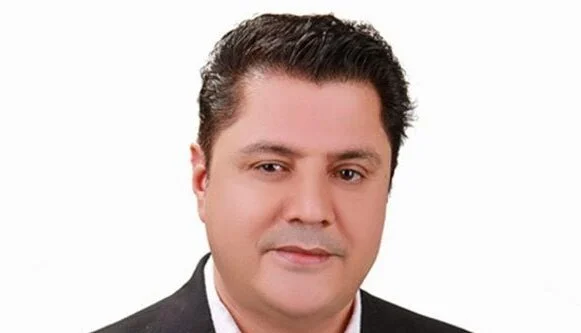
Rostam Aziz's telecommunications-specific investments contribute an estimated $450 million to his overall wealth portfolio as of 2026, reflecting the extraordinary returns generated by East Africa's mobile revolution. His strategic partnerships in the telecom sector through MIC Tanzania - a joint venture with Malagasy businessman Hassanein Hiridjee's Axian Group - have positioned him as a major beneficiary of Tanzania's digital transformation. His stakes in Tigo Tanzania and Zantel, two of the country's three major mobile operators, deliver substantial returns as mobile penetration reached 87% in 2025 and data usage continues climbing across urban and rural areas.
Tanzania's telecommunications market has matured from basic voice services to mobile money platforms, internet connectivity, and digital services that touch nearly every economic transaction in the country. Aziz's early recognition of mobile technology's potential - investing when skeptics questioned whether Tanzanians could afford phones - has generated outsized returns over two decades. The telecommunications infrastructure investments extend beyond consumer-facing operations to include tower companies and fiber optic networks that form the physical backbone of Tanzania's digital economy, generating steady cash flows through lease agreements with multiple operators while appreciating as data demand grows. His ability to identify and invest in critical infrastructure sectors before they reach maturity has been a defining characteristic of his wealth accumulation strategy across multiple industries.
3. Reginald Mengi (Estate)
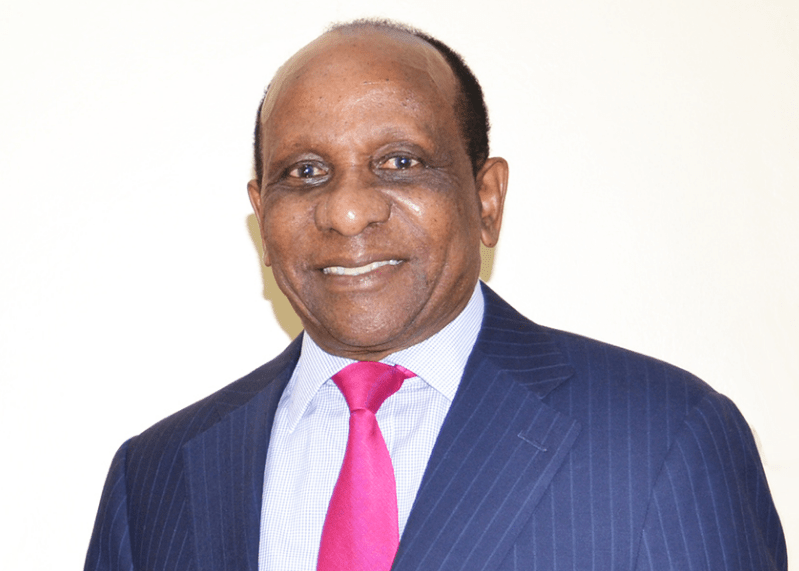
The estate of the late Reginald Mengi maintains a valuation of approximately $560 million in 2026, continuing to operate one of Tanzania's most diversified business empires years after his death in 2019. His IPP Group spans media, manufacturing, mining, telecommunications, and real estate sectors with operations that remain influential across Tanzania's economy. IPP Media controls some of Tanzania's most prominent media outlets, including The Guardian newspaper, Radio One, and multiple television stations that shape public discourse. The conglomerate's manufacturing divisions produce beverages, bottled water, and consumer goods distributed nationally through extensive retail networks, while Mengi's mining interests - where he began his entrepreneurial journey - continue generating revenue through gold and gemstone operations in Tanzania's mineral-rich regions.
What distinguished Mengi's legacy was his journey from complete obscurity to billionaire status entirely within Tanzania without inherited wealth or family connections. He built his fortune by identifying opportunities in emerging sectors and moving decisively while competitors hesitated, starting in mining before expanding into telecommunications through partnerships with international carriers that positioned IPP strategically as mobile communications transformed Tanzania's economy. The estate's professional management has maintained operations across all divisions, ensuring the Mengi business empire remains a significant force in Tanzania's industrial landscape. His story represents the possibility of wealth creation through entrepreneurship in African markets for those with vision and execution capability, demonstrating that Tanzania's economy can produce self-made billionaires without overseas connections or inherited capital.
2. Rostam Aziz
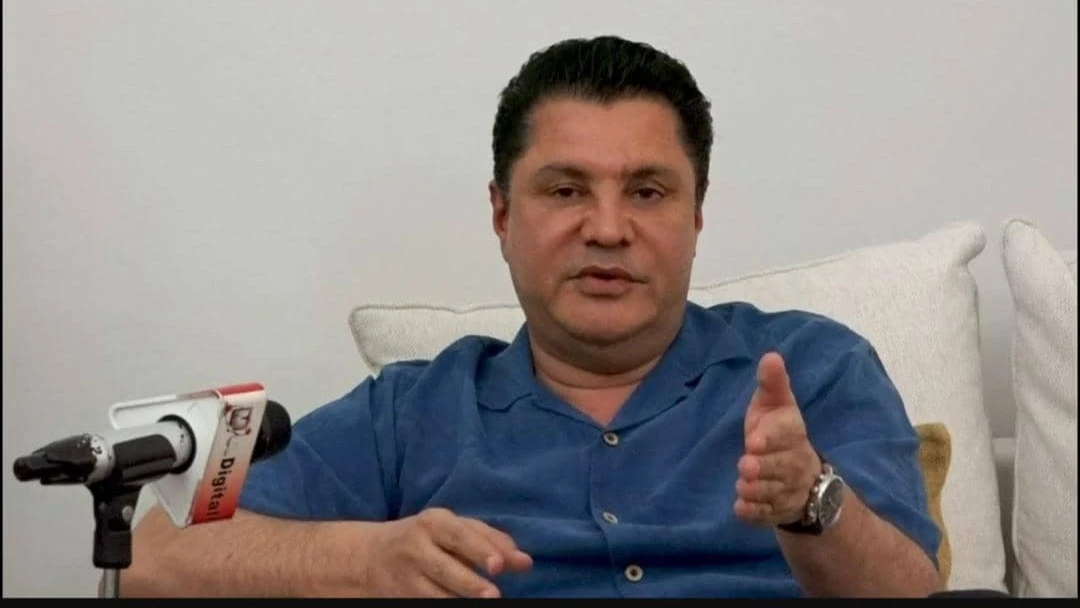
With an estimated net worth of $800 million in 2026, Rostam Aziz operates as Tanzania's most strategically diversified businessman while maintaining an exceptionally low profile. Unlike contemporaries who court media attention, Aziz builds wealth quietly through controlling stakes in telecommunications, energy distribution, mining services, media, and aviation - sectors that form the infrastructure backbone of Tanzania's economy. Beyond his telecommunications holdings, Aziz controls Taifa Gas, which dominates Tanzania's liquefied petroleum gas distribution market with operations extending into Uganda, Rwanda, and South Sudan. This positions him to benefit from East Africa's ongoing transition away from charcoal and firewood toward cleaner cooking fuels as LPG demand continues climbing among middle-class families seeking convenience and governments pushing environmental policies that discourage deforestation.
His Caspian Limited serves as Tanzania's leading mining contractor, providing heavy equipment and technical services to major gold and gemstone operations. Rather than taking the higher-risk path of operating mines directly, Aziz positioned himself as the essential service provider that mines can't operate without - a strategic choice that generates steady revenues without commodity price exposure. He also owns Coastal Aviation, one of Tanzania's premier safari airlines connecting luxury lodges and national parks, and controls media assets through New Habari (2006) Ltd., which publishes Swahili-language newspapers with significant readership. His Wembere Hunting Safaris manages elite private concessions that generate substantial foreign exchange from international clients willing to pay premium rates. This breadth across strategic sectors makes Aziz one of Tanzania's most economically influential figures, even if most citizens can't name him - his wealth derives from controlling essential infrastructure rather than consumer-facing brands.
1. Mohammed Dewji
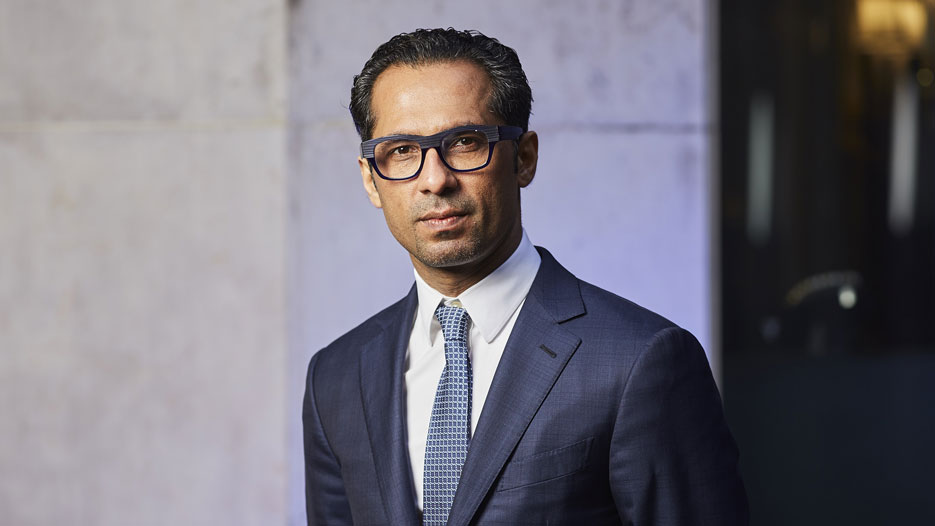
Mohammed "Mo" Dewji stands at the pinnacle of Tanzanian wealth with a net worth exceeding $1.5 billion as of 2026, making him not just Tanzania's richest person but Africa's youngest billionaire. Born in Singida in 1975, Dewji transformed his family's modest trading business into MeTL Group, now one of Africa's largest conglomerates with operations spanning 11 countries and generating annual revenues exceeding $1.3 billion. MeTL Group employs over 24,000 people across manufacturing sectors that dominate East African consumer markets, with his Asas Textiles producing 30 million meters of fabric annually to supply clothing manufacturers across the region. MeTL's flour mills control approximately 45% of Tanzania's milling capacity, making Dewji a central figure in the country's food security infrastructure, while the conglomerate's beverage operations, edible oil production, and retail chains reach consumers in Tanzania, Kenya, Uganda, Rwanda, and beyond.
Dewji assumed control of the family business in his twenties after earning his MBA from Georgetown University, aggressively expanding manufacturing capacity while competitors focused on importing finished goods. His bet that controlling production would generate superior long-term returns proved correct as East African populations grew and demand for consumer goods soared. Despite a high-profile kidnapping in 2018 that he survived, Dewji maintained his business expansion trajectory without reducing his public profile. He's also Tanzania's most visible philanthropist, having signed the Giving Pledge in 2016 to commit at least half his fortune to charitable causes. This commitment, combined with his business success and relatively young age at 50 in 2026, positions Dewji as a generational figure in African business - someone who demonstrates that African entrepreneurs can build world-class conglomerates that compete globally while creating employment and economic opportunity across the continent.
The concentration of wealth among Tanzania's richest people in 2026 reflects patterns across East Africa, where industrial conglomerates and strategic infrastructure investments generate the largest fortunes. The common thread connecting these individuals is diversification across multiple sectors, long-term reinvestment strategies, and willingness to expand operations across regional markets rather than limiting businesses to Tanzania alone. From Mohammed Dewji's manufacturing empire to Rostam Aziz's infrastructure holdings and Said Salim Bakhresa's food processing dominance, these business leaders control billions in assets that shape Tanzania's economic trajectory through investment decisions, employment generation, and industrial capacity development across the nation and broader East African region.
Related Posts

Top 10 Richest Chefs in USA 2026: How They Built Culinary Empires
In recent years, the world of celebrity chefs has developed into a multi-billion dollar industry that combines culinary expertise with media savvy, entrepreneurialism, and the development of distinctive brands. In the year 2026, a number of the wealthiest chefs in the United States have not only established themselves as influential figures in the kitchen, but […] More

Top 10 Best Skaters in the World 2026: The Ultimate Showdown Awaits
As we move through 2026, a few skaters stand out for their extraordinary skills, creativity, and contributions to the sport. Here’s a look at the top 10 skaters in the world right now, each pushing the boundaries of skateboarding in their own unique way. Skateboarding has evolved into a highly dynamic sport, showcasing remarkable talent […] More

Top 10 Highest Paid Female Footballers In The World 2026: Salaries That Shocked the Industry
Top 10 Highest Paid Female Footballers In The World 2026 1. Sam Kerr One of the most notable players in women’s football is Sam Kerr, who hails from Australia and operates as a striker. Kerr has emerged as a significant personality in the sport as a result of her remarkable speed, her extraordinary ability to […] More
The Largest Oil Refineries In The World 2026: Essential Insights for Energy Stakeholders
As of the year 2026, the following is a list of the top ten largest refineries in the world, which are known for their enormous processing capacities and strategic significance. Refineries play an important part in the global energy sector because they convert crude oil into valuable products such as gasoline, diesel, and other petrochemicals. […] More
3 Comments
Join the discussion and share your thoughts