Top 10 Richest People In Kenya 2026

Table of Contents
You ever wonder who the real movers and shakers are in Kenya? The ones with the serious money, the kind of wealth that shapes economies and influences politics? Well, for 2026, we dug deep to find out. We're talking about a mix of old political dynasties, savvy business minds, and some unexpected players who've quietly built empires. These aren't just names on a list; they're the people whose decisions ripple through the country, from the price of milk to the latest infrastructure project. It's a fascinating, sometimes frustrating, look at where power and money truly reside.
Kenya's economy keeps growing, and with it, the fortunes of those at the top. We're seeing some familiar faces, sure, but also a new breed of wealth creators. The total net worth of these top ten people? It's mind-boggling, easily topping KSh 2.5 trillion. That's a quarter of Kenya's entire blue-chip stock market value wrapped up in just ten names. It tells you something about where the opportunities are, doesn't it? Real estate, finance, agribusiness-these are the bedrock of Kenyan wealth, and they're not slowing down.
How We Figured This Out: Our Methodology
Alright, so how did we get these numbers? It's not like these folks publish their bank statements. Our team spent weeks sifting through public records, market analyses, and even some of those YouTube deep dives that try to guess who's got what. We pulled data from the Nairobi Securities Exchange (NSE), looking at publicly held shares and company valuations for early 2026. We cross-referenced political wealth estimates-because let's be honest, politics and money are often tied together here-and dug into reports on big family holdings in real estate, manufacturing, and agribusiness. We had to convert some figures, mostly from US dollars, at an approximate KSh 130 per dollar to keep things consistent.
Listen, pinning down exact net worth for people who prefer to keep their finances quiet is always a bit of an art, not a perfect science. We prioritized the most recent and credible estimates, especially those with clear breakdowns of assets. If figures varied wildly, we leaned on the higher, more substantiated range. We know private deals and offshore accounts exist, and those are always harder to quantify, but our goal was to paint the clearest possible picture of Kenya's wealth landscape for 2026. We specifically excluded general bank market values unless they directly reflected an individual's or family's identifiable stake. It's a snapshot, really, but it's one built on solid detective work.
The Big Picture: Money, Power, and What It Means for Kenya
Kenya's wealth story in 2026 is a fascinating mix. You've got the old money, the families whose names have been synonymous with power and riches for decades. Then there are the self-made titans, often from finance or industry, who built their empires brick by brick. What's clear is that money talks, and in Kenya, it often talks loudest in Nairobi's booming real estate market, in the country's massive banking sector, and in the quiet, steady profits of agribusiness. These sectors aren't just making a few people rich; they're creating jobs, driving development, and, sometimes, fueling public debate about inequality.
There's a definite upward trend. We're seeing about a 15-20% increase in wealth year-over-year for many of these individuals and families. The NSE, despite its ups and downs, has been a significant driver for those with diversified portfolios. Post-2025 election stability seems to have given investors a boost, and regional trade agreements are opening new doors. But let's not pretend it's all sunshine. This concentration of wealth, while a sign of economic growth, also raises questions about who truly benefits and if the rising tide is lifting all boats, or just the yachts.
The Top 10 Richest People In Kenya 2026 List:
1. Samir Nashid Morali
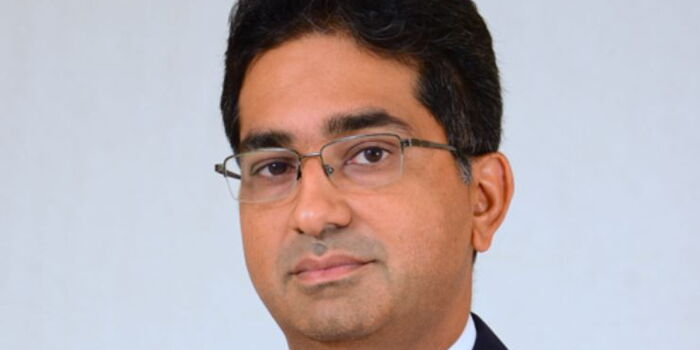
Samir Nashid Morali sits at the top of our list for 2026, commanding an estimated net worth of KSh 790 billion. This isn't just about inheritance; it's about smart, relentless reinvestment. Morali's wealth is deeply rooted in a diversified portfolio, especially in prime Nairobi real estate and a sprawling agribusiness empire. He's known for keeping a low profile, preferring to let his business moves speak for themselves rather than chasing headlines. His family's legacy has been expertly managed and expanded, with strategic acquisitions in agriculture paying off big time, especially with Kenya's growing export market to East Africa.
His quiet approach sometimes leads to public frustration. People often wonder about the true scope of his holdings, given how little public information is out there. It's a common complaint with inherited wealth; it feels less transparent than the fortunes built in public view. But there's no denying the scale of his success. His moves into new agribusiness ventures are expected to solidify his position for years to come, making him a formidable, if somewhat mysterious, figure in Kenya's economic landscape.
2. Jimmy Wanjigi
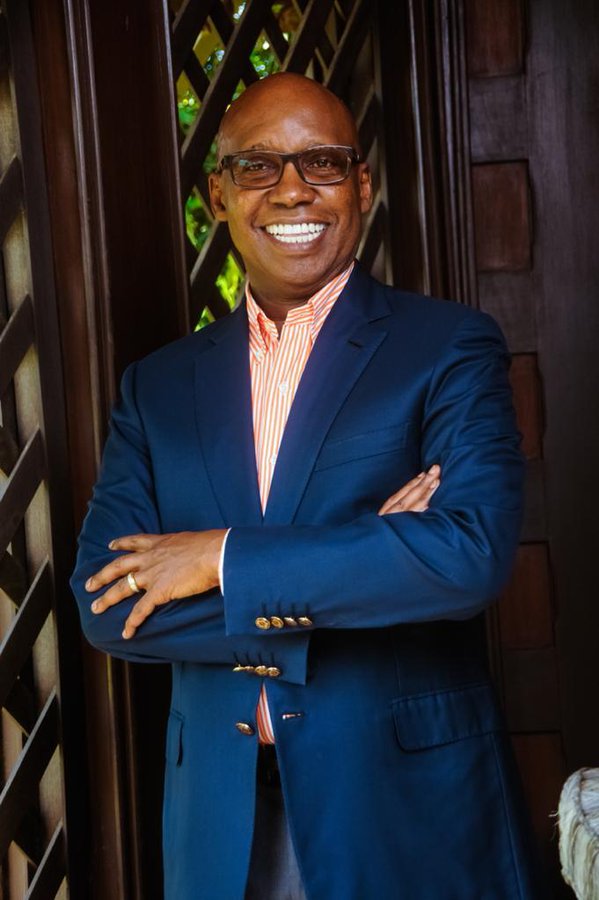
Jimmy Wanjigi, often called Kenya's "invisible billionaire," holds an estimated KSh 80-540 billion. That's a wide range, I know, but it reflects the opaque nature of his dealings. His fortune comes from a web of government supply contracts, major construction projects, and import-export businesses, all lubricated by his deep political connections. His power isn't about holding office; it's about pulling strings behind the scenes, making sure his companies land those lucrative infrastructure deals. His wealth surge in 2026 is directly tied to a flurry of new government tenders, with his networks proving invaluable in cutting through red tape.
The constant whispers about his political financing and the sheer lack of transparency around his business dealings can be a real sore point for many Kenyans. It feels like he's playing a different game than everyone else, one where connections matter more than public accountability. Despite the scrutiny, Wanjigi continues to thrive, with recent reports pointing to his expanded interests in energy and logistics, riding the wave of Kenya's ongoing infrastructure boom.
3. Mama Ngina Kenyatta & Family
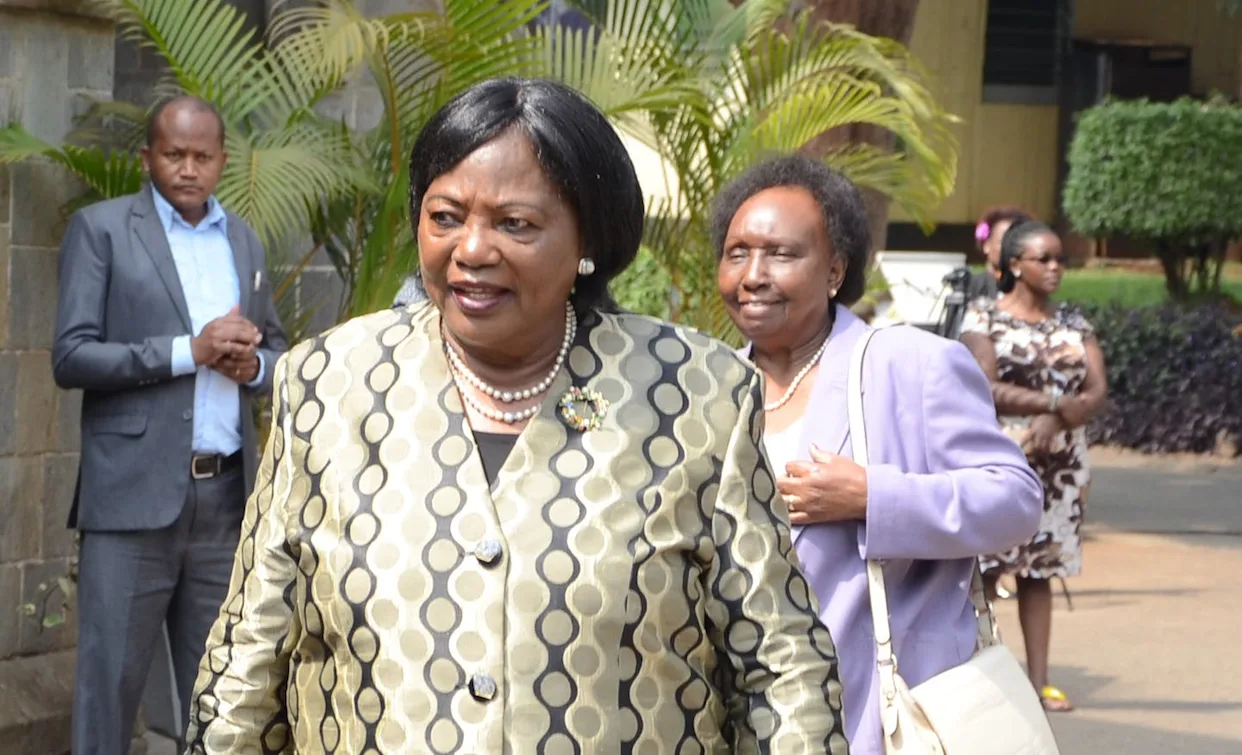
Mama Ngina Kenyatta, the revered matriarch of Kenya's most prominent political family, along with her family, controls a fortune estimated between KSh 400-500 billion. Their wealth is anchored firmly in Brookside Dairy, which remains the highest-valued dairy company in East Africa, alongside vast holdings in the Nairobi Securities Exchange (NSE). This isn't just about current business; it's about legacy capital-real estate, banking interests, and family trusts that have been accumulating for generations. Uhuru Kenyatta's own substantial wealth is part of this broader dynastic picture.
The "family wealth" aspect can be a bit of a sticky wicket. While their business acumen is undeniable, there's always the question of how much of this fortune was built on genuine entrepreneurial spirit versus the advantages that come with being Kenya's founding family. It's a criticism often leveled at political dynasties globally, and the Kenyattas are no exception. Still, Mama Ngina's influence in philanthropy and continued expansion of their agribusiness ventures solidifies the Kenyatta clan's enduring economic dominance.
4. Philip Ndegwa Family
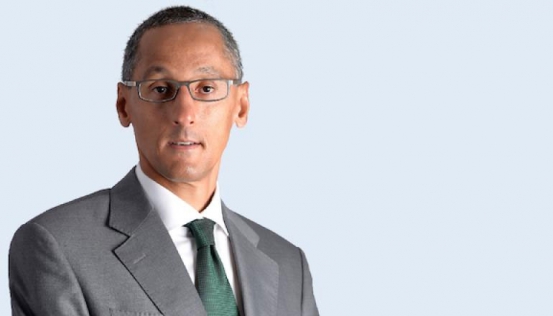
The Philip Ndegwa family comes in with an estimated KSh 350-450 billion, making them one of the most significant forces on the Nairobi Securities Exchange. They're not just investors; they're architects of Kenya's financial markets. Their portfolio is a blend of agriculture and finance, with major stakes in the Pyrethrum Company of Kenya and significant holdings in various financial institutions. Andrew S.M. Ndegwa, a director at NCBA Group with a 4.71% stake, continues the legacy of his father, the late Central Bank Governor, in the boardroom.
One common critique of families like the Ndegwas, who have deep roots in both government and finance, is the perception that their wealth is built on insider knowledge or privileged access. While their business acumen is clear, the lines between public service and private gain can sometimes blur in the public imagination. Still, their quiet influence in banking mergers and strategic stock plays for 2026 positions them as enduring, powerful figures in Kenya's economic narrative.
5. Uhuru Muigai Kenyatta
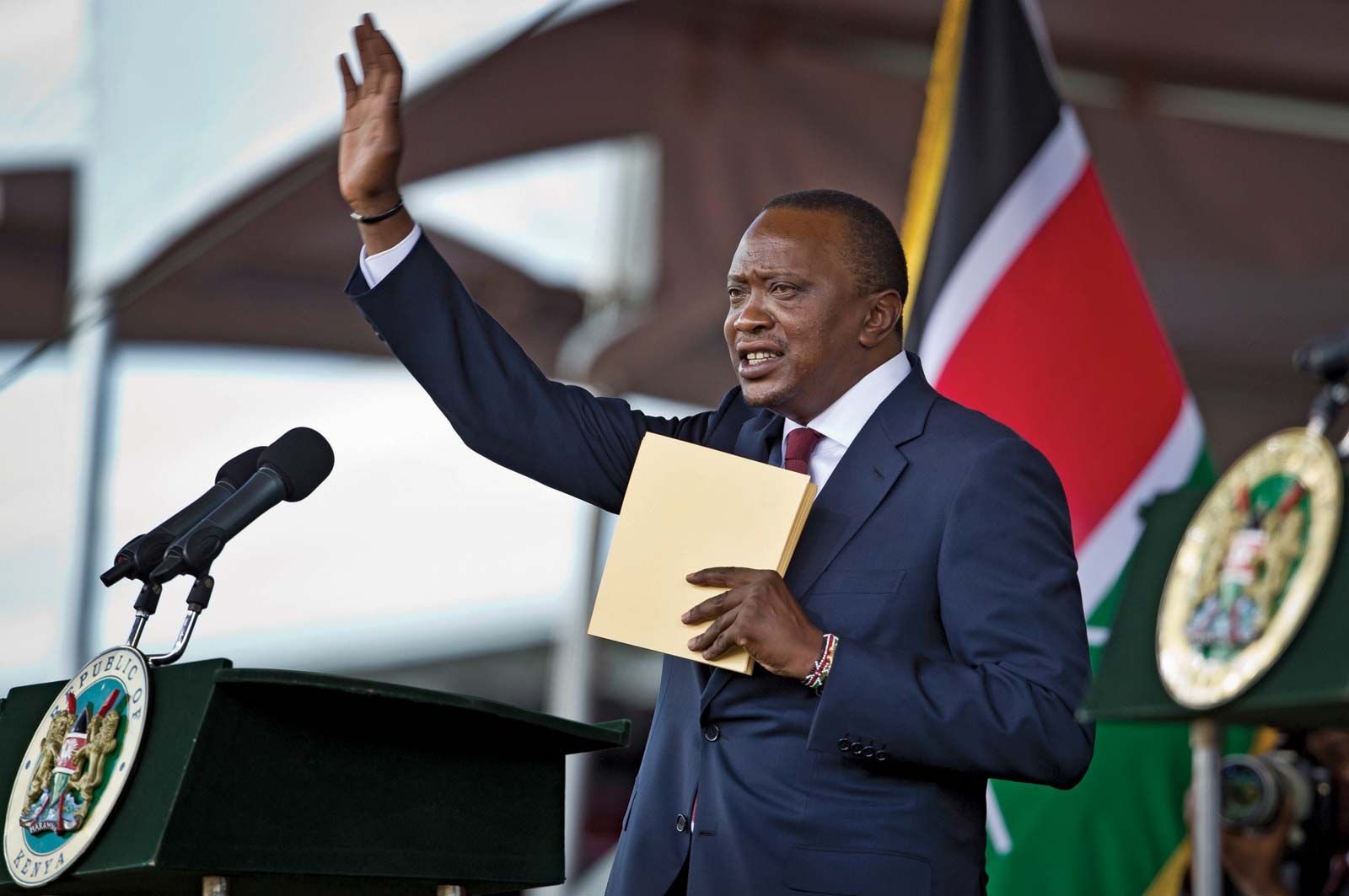
Former President Uhuru Kenyatta's personal fortune is estimated at KSh 70 billion, a figure that's often intertwined with his family's broader assets. His wealth stems from a diverse portfolio that includes significant real estate holdings, media interests, and stakes in the banking sector. Even after leaving office, his financial standing remains strong, thanks to strategic private deals and international partnerships struck post-presidency. He's managed to diversify his interests, ensuring a stable economic footprint despite the shifting political sands.
The sticky point with Uhuru, and frankly, with any former head of state, is the persistent question of how much of this wealth was accumulated or influenced by his time in power. It's a shadow that follows political figures, and it often leads to public skepticism about the source of such fortunes. While his team would point to sound business decisions, the public conversation often circles back to the advantages of being at the top. His trajectory, however, clearly shows how former leaders can parlay their global networks into continued economic success.
6. Raila Odinga
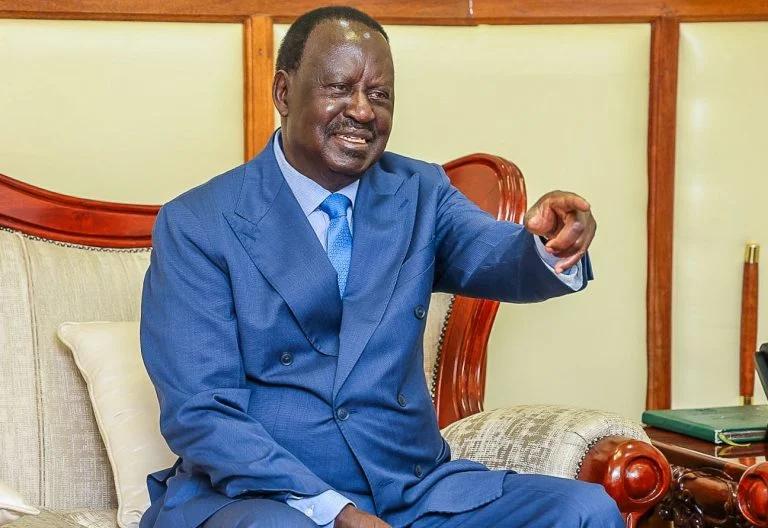
Raila Odinga, a political giant who's made repeated bids for the presidency, still commands a personal net worth estimated at KSh 100 billion. His fortune isn't solely from politics; it's built through extensive elite business circles, significant real estate investments, and ties to the manufacturing sector. Despite the intense political battles, his business interests have remained robust, often through international partnerships and developments in Nairobi. His ability to maintain such wealth, even without holding the top political office, speaks volumes about his enduring influence and connections.
The constant political campaigning, and the sheer cost of it, often leaves people wondering how these figures sustain such wealth. There's a persistent public perception that political influence, even from the opposition benches, can open doors to business opportunities that aren't available to the average citizen. While Odinga's family enterprises are well-established, the interplay between his political ambitions and his financial success is always a point of discussion, sometimes with a hint of frustration from those outside his inner circle.
7. Gideon Moi
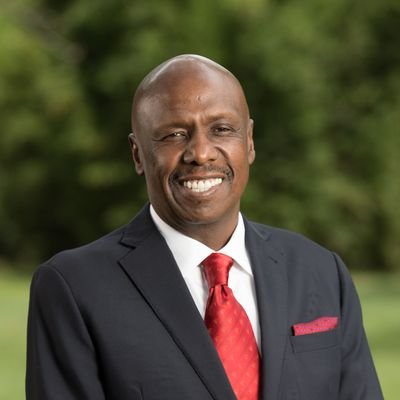
Gideon Moi, son of the late President Daniel arap Moi, holds an estimated KSh 120-150 billion, proving that the Moi family legacy extends far beyond politics. His wealth is deeply invested in banking, extensive real estate across Nairobi and Nakuru, and various ventures tied to the Kabarak institutions. He's played his cards carefully, maintaining a relatively low profile while his assets have seen steady growth. The 2026 estimates for his fortune got a bump from property revaluations, reflecting the ongoing appreciation of land in key Kenyan regions.
The "inherited wealth" tag often comes with its own set of public grumbles. While Gideon has certainly made his own moves, the foundation of his wealth traces back to his father's long tenure as president, raising questions about the fairness of such a starting point. It's a common complaint about dynastic wealth-that it's built on a playing field tilted heavily in their favor. Still, Gideon Moi acts as a bridge between the old guard's political power and modern, diversified investments, ensuring the Moi name remains a significant economic force.
8. James Mwangi (The Banking Revolutionary)
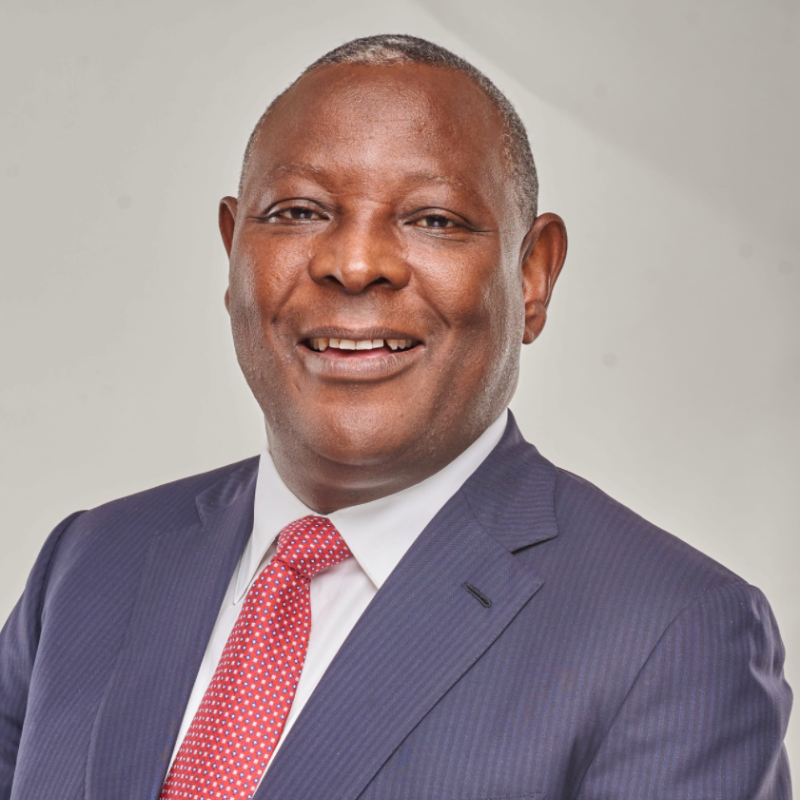
James Mwangi, the visionary CEO of Equity Group Holdings, is a true self-made success story, with a net worth estimated between KSh 100-200 billion. His wealth is directly tied to the incredible growth and market value of Equity Bank, a financial institution he helped transform into a regional powerhouse. Mwangi is globally recognized for his work in financial inclusion, bringing banking services to millions of ordinary Kenyans who were previously excluded. His rise in 2026 is fueled by Equity's aggressive regional expansions, solidifying his reputation as a genuinely transformative business leader.
While Mwangi is largely celebrated, some critics occasionally point to the sheer dominance of Equity in certain market segments, questioning if such scale can sometimes stifle smaller, local players. It's not a direct criticism of him, but rather a broader concern about market concentration. However, his story remains a powerful example of how a focus on community and accessibility can lead to monumental personal and corporate success, breaking down barriers in the process.
9. Zarin Merali & Family
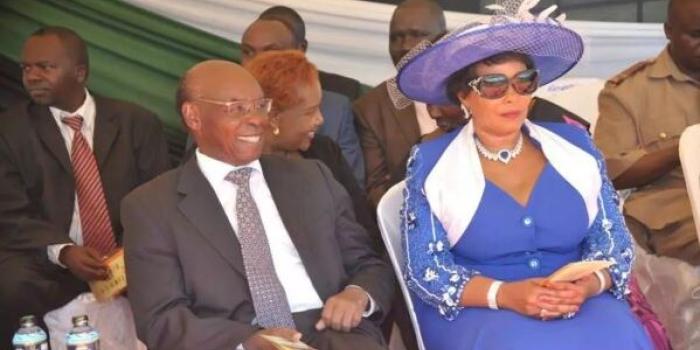
The Zarin Merali and family clan command an impressive KSh 150-250 billion, showcasing their deep footprint across several critical sectors. Their dominance on the Nairobi Securities Exchange is notable, with significant holdings in telecommunications, infrastructure, and Sameer Agriculture. This family has a knack for strategic stock accumulation, and their portfolio growth in 2026 mirrors Kenya's booming digital economy. They've been smart about investing in tech, especially with the ongoing 5G rollouts across the country.
A common sentiment, particularly among smaller businesses, is the feeling that established dynasties like the Meralis can sometimes make it harder for new entrants to compete, especially in capital-intensive sectors like telecom and infrastructure. Their sheer scale and existing networks can be a barrier. However, their investments certainly contribute to national development, creating jobs and pushing technological advancement. The Merali family continues to be a quiet, yet powerful, force in shaping Kenya's economic future.
10. Gideon Maina Muriuki
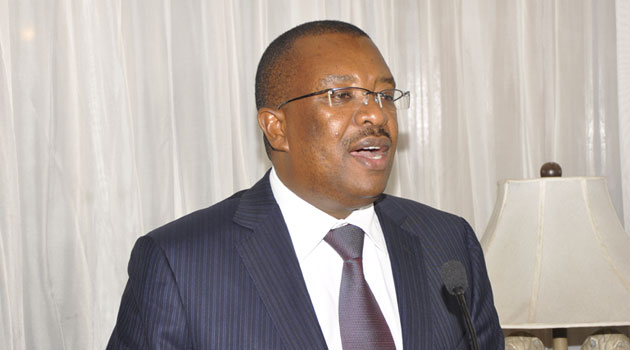
Gideon Maina Muriuki, the long-serving CEO of Co-operative Bank of Kenya, rounds out our top ten with an estimated net worth of KSh 80-120 billion. His fortune is inextricably linked to the bank's success, holding a 2.3% stake in Co-op Bank and 6% in CIC Insurance. Muriuki is widely credited with turning the Co-operative Bank around since he took the helm in 2001, transforming it into a major player. His national honors, like the MBS and CBS, speak to his impact not just on the bank but on the broader economy. His 2026 wealth continues to grow as the Co-op Group scales its operations internationally.
The only real "annoyance," if you can even call it that, is the perceived lack of fresh blood at the top of some of these established institutions. While Muriuki's leadership has been undeniably successful, some in the younger generation might wish for more opportunities for new talent to rise to such influential positions. However, his story is a testament to consistent, dedicated leadership and how a focus on community banking can translate into global recognition and substantial personal wealth.
Related Posts

Top 10 Richest Chefs in USA 2026: How They Built Culinary Empires
In recent years, the world of celebrity chefs has developed into a multi-billion dollar industry that combines culinary expertise with media savvy, entrepreneurialism, and the development of distinctive brands. In the year 2026, a number of the wealthiest chefs in the United States have not only established themselves as influential figures in the kitchen, but […] More
Top 10 Best Skaters in the World 2026: The Ultimate Showdown Awaits
As we move through 2026, a few skaters stand out for their extraordinary skills, creativity, and contributions to the sport. Here’s a look at the top 10 skaters in the world right now, each pushing the boundaries of skateboarding in their own unique way. Skateboarding has evolved into a highly dynamic sport, showcasing remarkable talent […] More

Top 10 Highest Paid Female Footballers In The World 2026: Salaries That Shocked the Industry
Top 10 Highest Paid Female Footballers In The World 2026 1. Sam Kerr One of the most notable players in women’s football is Sam Kerr, who hails from Australia and operates as a striker. Kerr has emerged as a significant personality in the sport as a result of her remarkable speed, her extraordinary ability to […] More
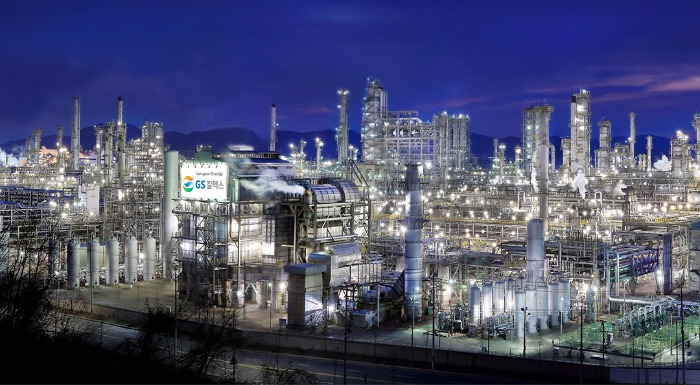
The Largest Oil Refineries In The World 2026: Essential Insights for Energy Stakeholders
As of the year 2026, the following is a list of the top ten largest refineries in the world, which are known for their enormous processing capacities and strategic significance. Refineries play an important part in the global energy sector because they convert crude oil into valuable products such as gasoline, diesel, and other petrochemicals. […] More
22 Comments
Join the discussion and share your thoughts