Top 10 Richest People In America (2026 Update)


Table of Contents
The landscape of American wealth has shifted dramatically in 2026. The combined net worth of the top 10 richest people in the United States now exceeds $2 trillion, a figure that surpasses the GDP of most nations. This concentration of capital reflects a broader trend: the dominance of technology, artificial intelligence, and space exploration in driving wealth creation.
To build this ranking, we looked at the most recent Forbes estimates for 2026, factoring in public stock holdings, private company valuations, real estate portfolios, and diversified investment arms. We weighed criteria like revenue growth in core business segments, returns from emerging ventures such as AI and biotech, and the performance of philanthropic-linked investment strategies. The result is a snapshot of who holds the most financial power in America right now.
1. Elon Musk - $421 Billion
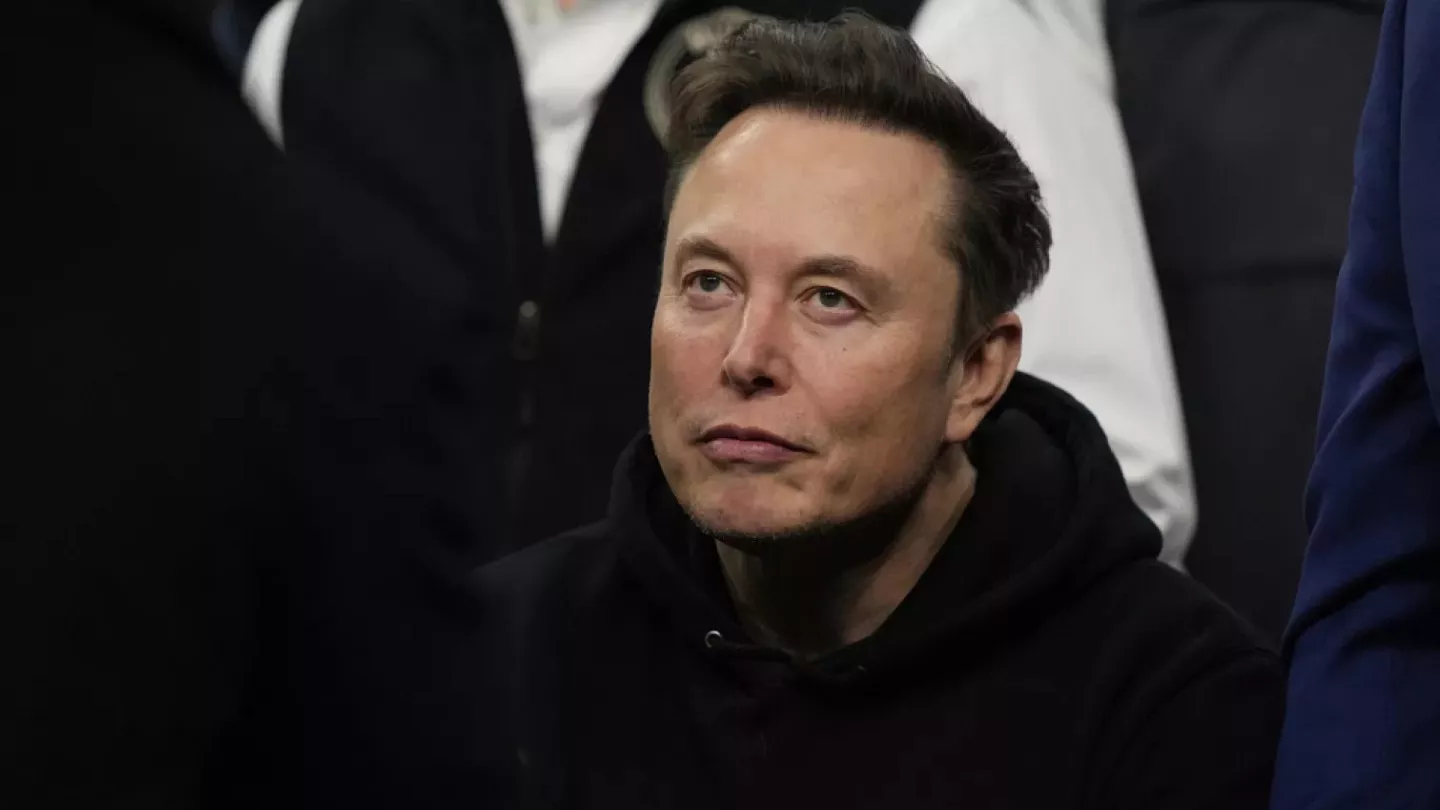
Elon Musk retains the top spot with a staggering $421 billion net worth, according to 2026 Forbes estimates. His fortune is built on the twin pillars of Tesla and SpaceX. Tesla's market capitalization surpassed $2 trillion in 2026, driven by AI integrations in autonomous driving that have made the company more than just an automaker. SpaceX continues to dominate space exploration, with its Starship program securing lucrative NASA contracts for lunar missions.
Musk's newer ventures have added significantly to his wealth. His xAI venture raised $24 billion in 2025, developing advanced AI models that rival global leaders. Neuralink completed its first human trials in 2026, adding an estimated $50 billion in valuation from biotech investors who see the brain-computer interface as a breakthrough in treating neurological disorders. Musk's ability to straddle multiple high-growth sectors - electric vehicles, space, AI, and biotech - has created a wealth portfolio that outpaces every other tech peer.
2. Jeff Bezos - $248 Billion
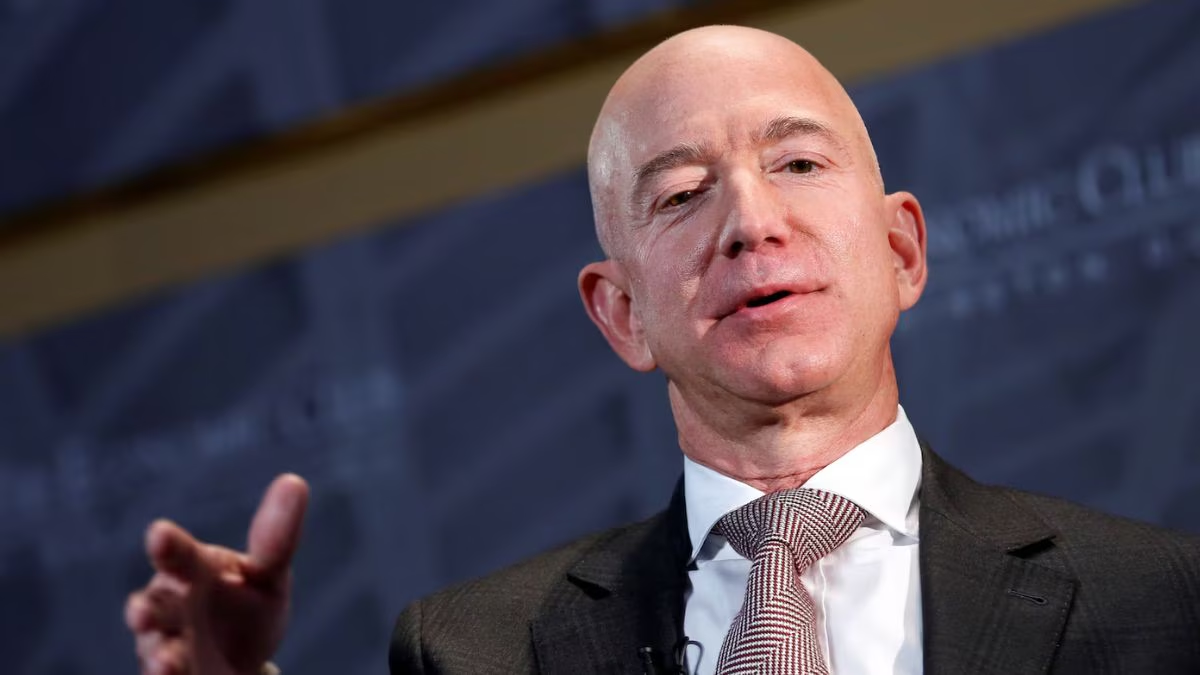
Jeff Bezos holds the second position with $248 billion. Amazon's cloud division, AWS, generated $120 billion in revenue in 2025, proving that the e-commerce giant's most profitable arm remains its enterprise cloud services. Bezos stepped down as CEO years ago, but his post-CEO investments have been aggressive. Blue Origin launched its first orbital flight in 2026, finally competing with SpaceX in the commercial space race.
Bezos has also diversified into real estate and climate tech. He spent $500 million to purchase Hawaiian islands for sustainable resort developments. His investment vehicle, Bezos Expeditions, poured $10 billion into climate tech startups that achieved breakthroughs in carbon capture technology. The Washington Post, which he acquired in 2013, remains a valuable asset, though it represents a small fraction of his overall holdings. Bezos' strategy of using Amazon cash flow to fund ambitious side ventures has kept his wealth growing even as his day-to-day involvement with the company has waned.
3. Mark Zuckerberg - $216 Billion
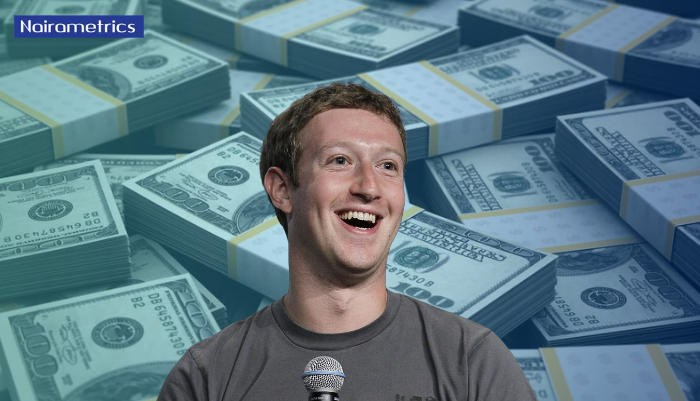
Mark Zuckerberg's net worth climbed to $216 billion as Meta's bet on the metaverse finally paid off. Reality Labs, Meta's division focused on virtual and augmented reality, hit $50 billion in revenue in 2026. The Quest 5 headset outsold competitors three-to-one globally, establishing Meta as the dominant hardware player in immersive computing. Zuckerberg's decision to rename the company Meta in 2021 was widely mocked at the time, but the long-term strategy has validated his vision.
AI has been another massive driver. Meta's AI-driven ad revenue surged 45% year-over-year to $180 billion, powered by the Llama 4 model deployment across its platforms. Zuckerberg's personal investments in Anduril, a defense technology company, yielded $15 billion in returns from U.S. military contracts. Unlike some of his peers who have stepped back from daily operations, Zuckerberg remains deeply involved in product decisions at Meta, a hands-on approach that has helped the company navigate the shift from social media to immersive computing.
4. Larry Ellison - $195 Billion
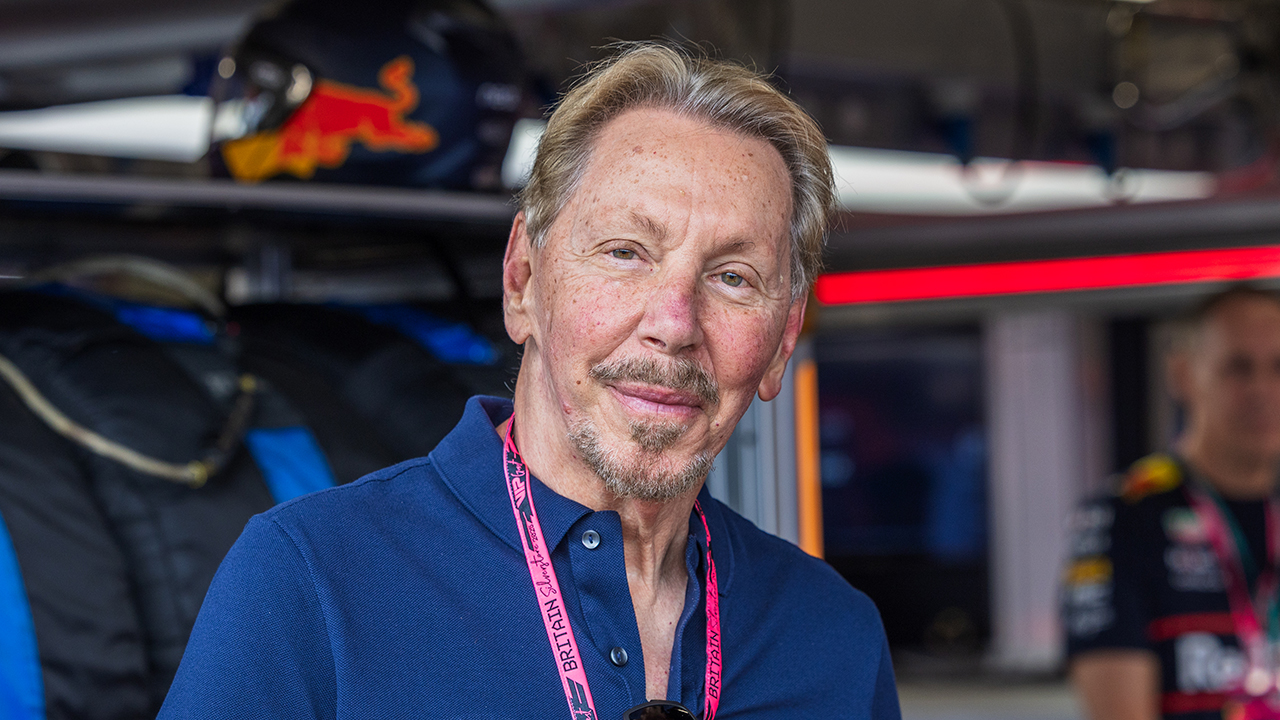
Larry Ellison, the co-founder and chairman of Oracle, sits at $195 billion. Oracle Cloud Infrastructure captured 25% of the U.S. enterprise market share in 2026, a remarkable feat for a company that was late to the cloud game. Oracle now generates $80 billion in annual recurring revenue from AI database services, as enterprises rush to integrate machine learning into their operations. Ellison's early investments in database technology positioned Oracle to become the backbone of corporate AI workloads.
Ellison has also turned his personal real estate into a business asset. His developments on the Hawaiian island of Lanai included a $2 billion data center hub that attracted other tech firms to the island. His stake in NetSuite, the cloud software company Oracle acquired in 2016, grew 30% after post-acquisition synergies boosted profitability. Ellison's wealth is a testament to the enduring value of enterprise software, a sector that often gets less attention than consumer tech but generates enormous cash flows.
5. Bill Gates - $162 Billion
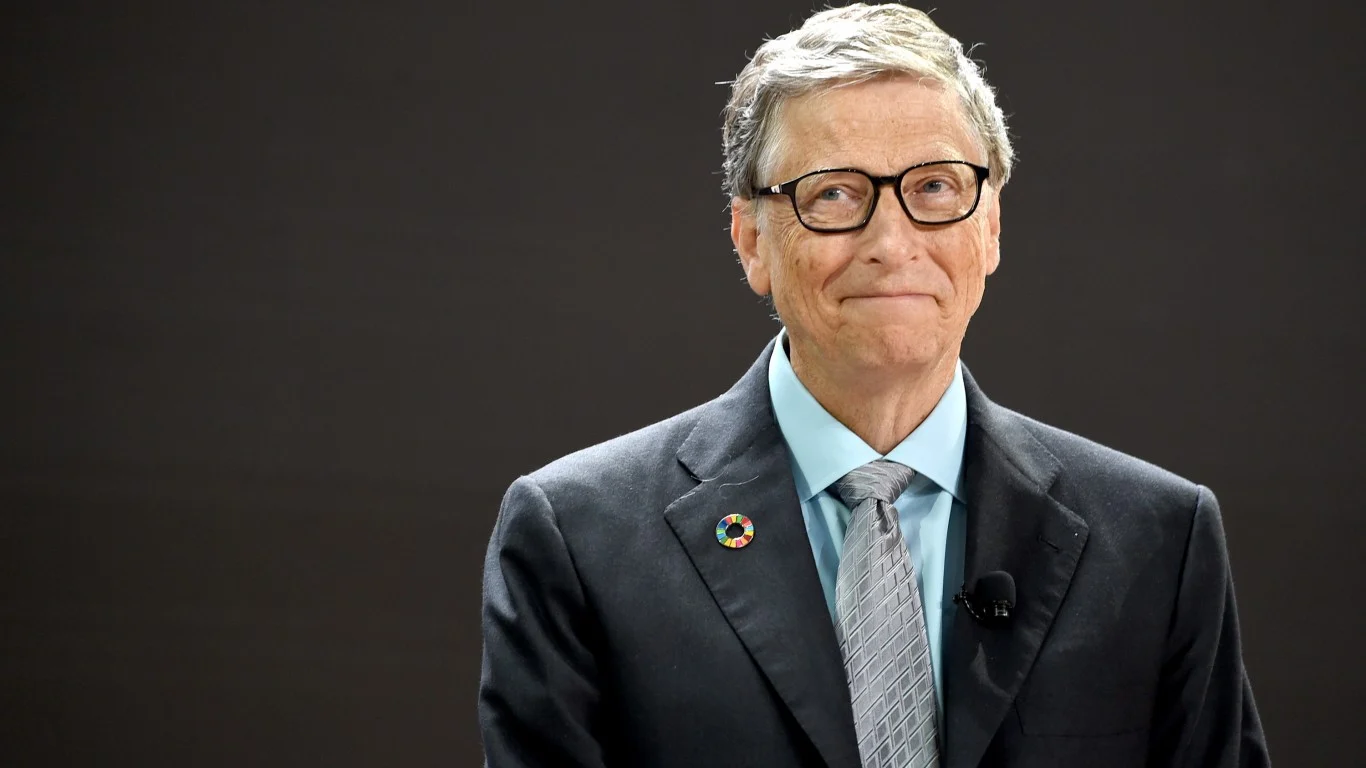
Bill Gates ranks fifth with $162 billion. His wealth is managed through Cascade Investment, a vehicle that oversees $70 billion in diversified assets. In 2026, Cascade took significant stakes in nuclear fusion startups that reached prototype milestones, betting on a technology that could revolutionize energy production. Gates has long argued that solving climate change requires breakthrough technologies, and his investment portfolio reflects that conviction.
The Bill and Melinda Gates Foundation allocated $15 billion to global health tech in 2026, with returns coming from mRNA vaccine patents that continue to generate royalty income. Gates' farmland holdings expanded to 300,000 acres across the United States, producing $5 billion in sustainable agricultural output. His strategy of combining philanthropy with for-profit investments has created a unique model where charitable goals and financial returns reinforce each other. Gates remains one of the largest shareholders in Microsoft, though his stake has been diluted over decades of selling shares to fund his foundation.
6. Warren Buffett - $148 Billion
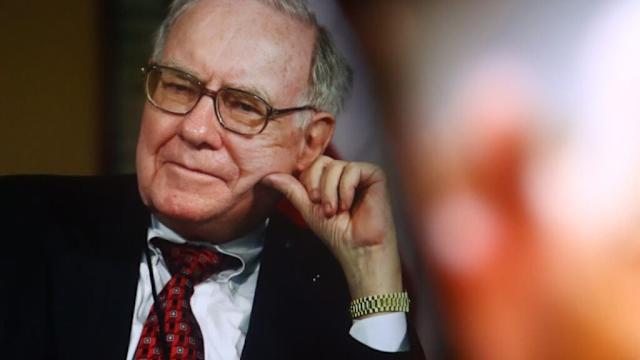
Warren Buffett, the 95-year-old "Oracle of Omaha," comes in at $148 billion. Berkshire Hathaway's portfolio returned 22% in 2025, driven by massive holdings in Apple and Occidental Petroleum that together are valued at $300 billion. Buffett's insurance subsidiaries, including Geico and General Re, wrote $90 billion in premiums in 2025, using climate-resilient underwriting models that have proven prescient as weather-related claims increase.
Buffett's cash reserves hit $350 billion in 2026, a war chest that positions Berkshire for major acquisitions in the renewable energy sector. He has been criticized for holding too much cash, but Buffett's discipline in waiting for the right opportunities has consistently paid off over his seven-decade career. His annual shareholder letters remain must-read documents for investors worldwide, combining financial analysis with folksy wisdom. Unlike the tech billionaires above him, Buffett built his fortune through value investing, buying undervalued companies and holding them for the long term.
7. Larry Page - $142 Billion

Larry Page, the co-founder of Google, holds $142 billion. Alphabet's Waymo autonomous vehicle division expanded to 50,000 vehicles in 2026, generating $20 billion in revenue from ride-hailing services in major U.S. cities. Waymo has finally moved beyond pilot programs into commercial operations, establishing a lead over competitors like Cruise and Tesla's autonomous efforts. Page's personal project, Kitty Hawk, achieved FAA certification for its electric vertical takeoff and landing aircraft, valuing the division at $40 billion.
Page has also invested heavily in quantum computing through Alphabet's X lab, producing breakthroughs in optimization algorithms that could transform industries from logistics to drug discovery. He stepped down as Alphabet's CEO in 2019, but he remains on the board and is deeply involved in the company's most ambitious projects. Page has always been the more visionary of Google's two founders, pushing the company into moonshot bets that other executives might have rejected. His wealth reflects the enduring dominance of Google's search and advertising businesses, which continue to generate enormous profits even as the company expands into new frontiers.
8. Sergey Brin - $138 Billion
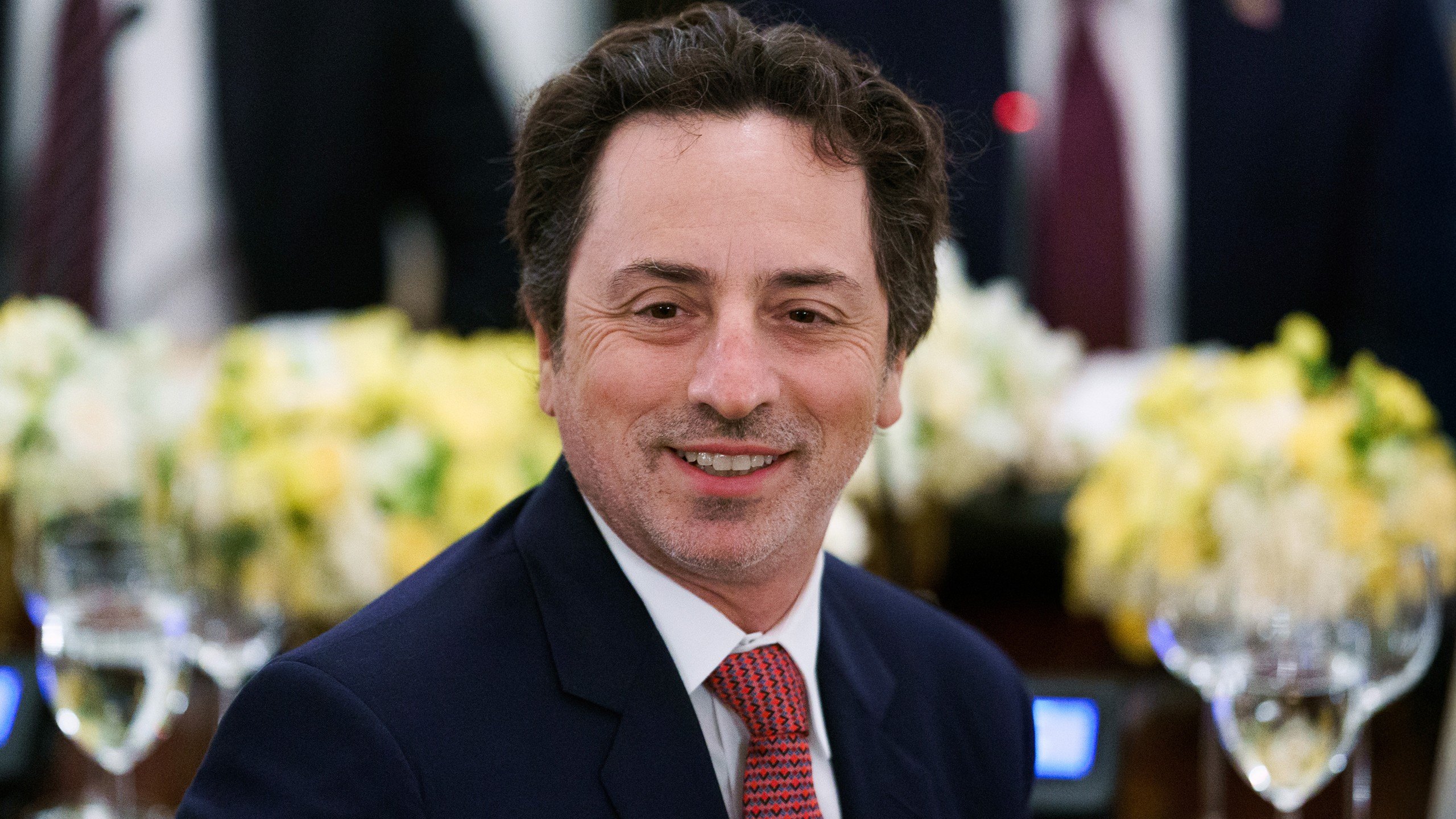
Sergey Brin, Page's Google co-founder, ranks eighth with $138 billion. Brin has focused his personal ventures on longevity research through Calico, a biotech company that in 2026 conducted clinical trials showing promise in reversing aging markers in mice. The results have attracted significant investment from other billionaires interested in extending human lifespan. Alphabet's Verily health AI platform served 100 million users in 2026, adding $30 billion to Brin's stake in the company.
Brin has also invested in deep-sea mining operations that yielded $10 billion from rare earth extractions, positioning him to benefit from the growing demand for materials used in electric vehicle batteries and electronics. He and Page remain the largest individual shareholders in Alphabet, though both have diversified into personal ventures. Brin's technical background - he holds a Ph.D. in computer science - gives him a credibility in the tech world that few other billionaires can match. His wealth is a reminder that Google's founding team still controls a significant portion of the company's value.
9. Steve Ballmer - $131 Billion
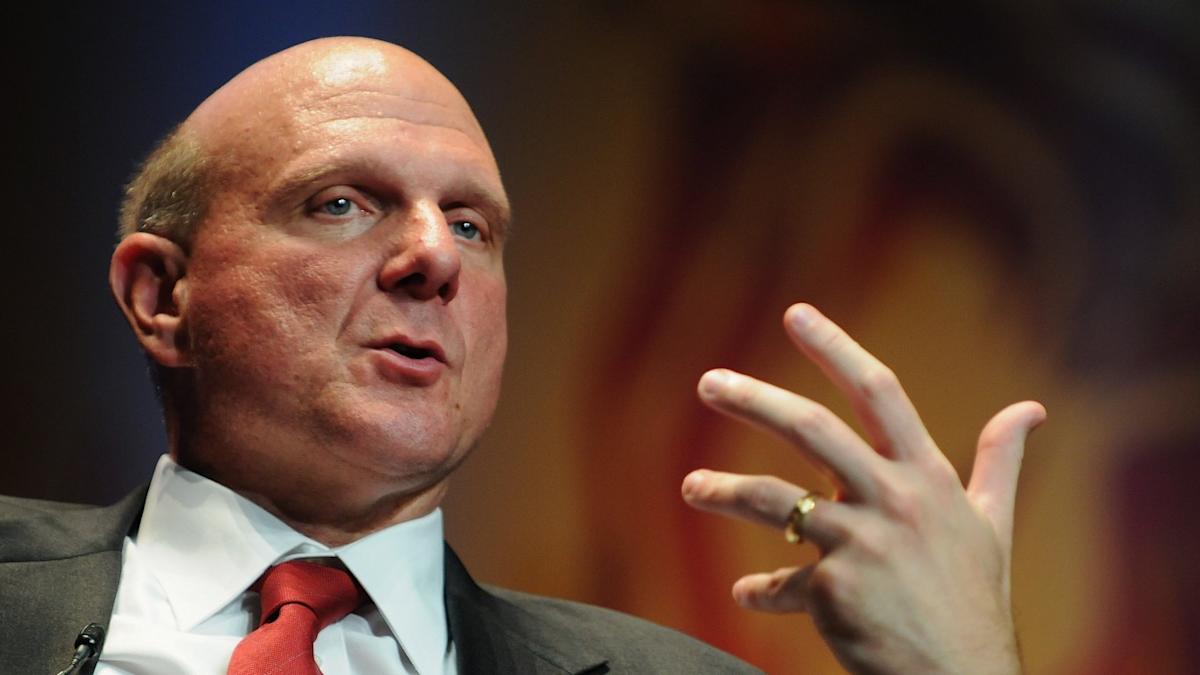
Steve Ballmer, Microsoft's former CEO, is worth $131 billion. His wealth is almost entirely tied to Microsoft stock, which appreciated 28% in 2025 as Azure captured 35% of the cloud market. Microsoft's Copilot AI subscriptions hit 500 million users in 2026, making the company one of the biggest beneficiaries of the AI boom. Ballmer was CEO from 2000 to 2014, a period when Microsoft's stock was largely stagnant, but his massive equity stake has multiplied in value since Satya Nadella took over and transformed the company.
Ballmer also owns the Los Angeles Clippers, which he purchased for $2 billion in 2014. The franchise is now valued at $8 billion following arena upgrades and new media rights deals. His real estate portfolio includes $12 billion in industrial warehouses optimized for e-commerce logistics. Ballmer is known for his energetic, sometimes bombastic style - a contrast to the more reserved personalities of other tech billionaires. He remains active in philanthropy, focusing on education and community development in underserved areas.
10. Michael Bloomberg - $124 Billion
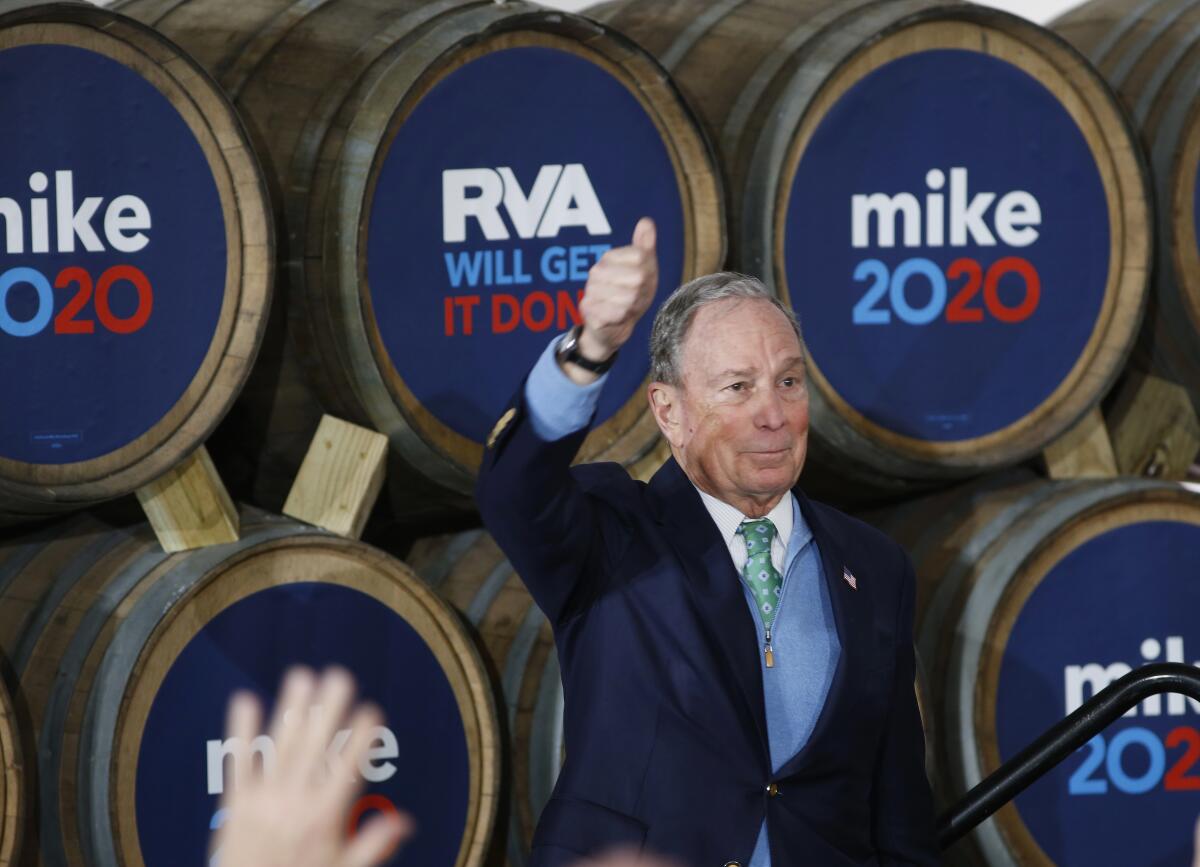
Michael Bloomberg rounds out the top 10 with $124 billion. Bloomberg LP, the financial data and media company he founded, now has 400,000 terminal subscribers, generating $15 billion in revenue from AI-enhanced financial data analytics. The terminals remain an indispensable tool for Wall Street traders and analysts, giving Bloomberg a moat that competitors like Reuters have struggled to breach. His company has successfully integrated AI into its products, offering predictive analytics that help clients make faster trading decisions.
Bloomberg served as New York City's mayor from 2002 to 2013, and his political connections have helped him influence policy through Bloomberg Philanthropies, which invested $20 billion in urban climate initiatives worldwide. His personal real estate collection, including multiple mansions in New York City, is appraised at $3 billion with sustainable retrofits that reduce energy consumption. Bloomberg's wealth is unique among this list because it comes from a media and data company rather than pure technology. His terminal business has proven remarkably resilient, with subscriber numbers growing even as cheaper alternatives have emerged.
The 2026 ranking of America's richest people shows a clear pattern: those who bet on artificial intelligence, space exploration, and cloud computing have seen their fortunes soar. The tech sector now dominates the top of the list in a way that would have been unthinkable a generation ago, when industrialists and financiers held the top spots. As AI continues to reshape industries and space becomes a commercial frontier, these ten individuals are positioned to maintain their wealth for years to come.
Related Posts




1 Comment
Join the discussion and share your thoughts