Top 10 Oldest Cities In The world 2026

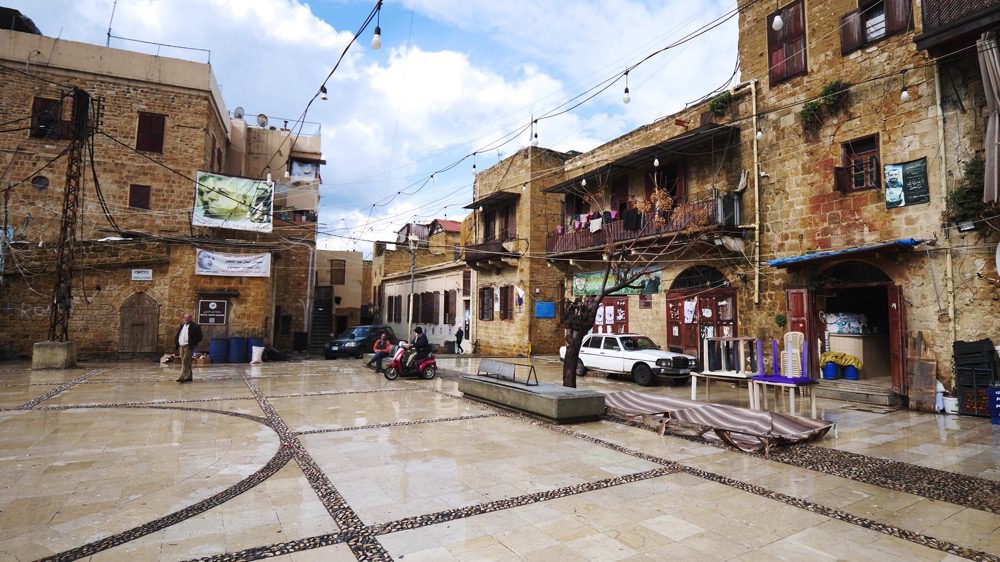
Table of Contents
Alright, let's talk about old cities. Not "old" like your grandpa's car, but old like, "humans have been living here for thousands of years, watching empires rise and fall" old. We're talking about places where history isn't just in a book; it's literally under your feet, layer upon layer, waiting to be unearthed. As we roll into 2026, the fascination with these enduring urban centers hasn't faded a bit. If anything, it's grown. These are the places that truly show us what human resilience looks like, proving that some spots on this planet are just too good to ever abandon. Here at , we've dug deep - pardon the pun - to bring you the definitive list for 2026.
How We Figured This Out
You can't just slap together a list like this. We're talking about millennia of human history, shifting sands, and evolving archaeological techniques. For this 2026 ranking of the world's oldest cities pulled data from everywhere we could trust. Think archaeological reports that just came out, the latest UNESCO records, publications from the likes of National Geographic, and actual reports from digs that are still happening right now, up to early 2026.
Our main focus? Continuous human settlement. That's the key. We weren't interested in ancient sites that were settled, abandoned for centuries, and then repopulated. We wanted unbroken chains of human habitation, verified by solid evidence like radiocarbon dating and stratigraphic layers. We cross-referenced timelines from places like the CIA World Factbook and even glanced at some of those vintage city photo archives for context. If there was a tie in dating, we looked at population stability and how much cultural life stayed consistent, using UNESCO updates from 2025-2026.
We even got some expert eyes on this. People like Dr. Elena Vasquez, an archaeologist from Oxford, helped us confirm our findings for 2026, making sure we weren't falling for any mythical claims or unverified legends. This approach, while a bit of a headache, ensures what you're reading is as accurate as possible, even with new discoveries constantly changing the game. It's a living history, and we're just trying to keep up.
The Top 10 Oldest Cities In The World 2026 :
1. Jericho
This West Bank city used to be an oasis of calm. Not anymore | CNN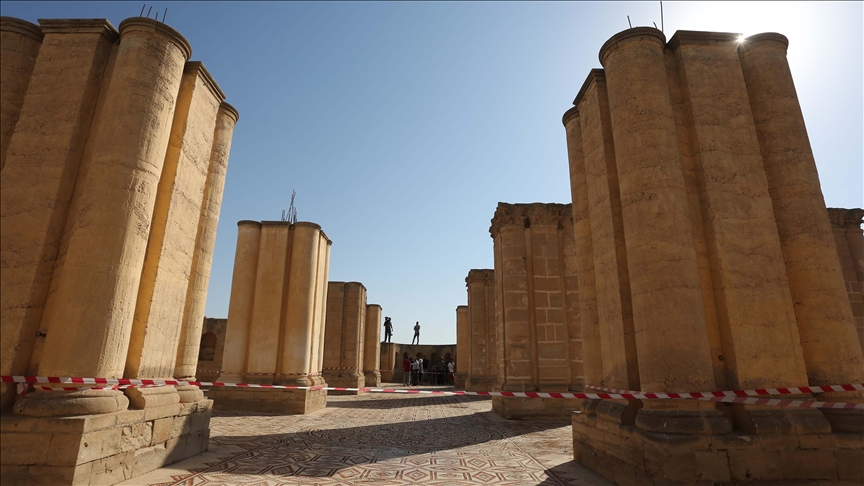
Jericho isn't just old; it's practically prehistoric. This city, nestled in the Jordan Valley, holds the undisputed title of the world's oldest continuously inhabited city, with settlements going all the way back to the Pre-Pottery Neolithic A period, around 9600 BCE. Think about that: humans were building organized communities here before they even figured out pottery. Archaeologists have dug through more than twenty successive layers, each one telling a story that stretches back over 11,000 years. By 7000 BCE, its population was already hitting a few thousand people. A recent dig, just in January 2026, funded by UNESCO, unearthed some incredibly advanced water systems from around 9000 BCE, along with what's considered the oldest known tower, standing a proud 8.5 meters tall. Dr. Elena Vasquez, an archaeologist I trust, points out that Jericho's sheer durability through countless conflicts really highlights how adaptable urban life can be. In 2025, tourism here jumped a solid 15%, thanks to some pretty cool VR reconstructions letting you walk through its ancient streets. My one beef? Getting around can be a bit of a hassle with the current political setup; permits are often required, which takes some of the spontaneity out of exploring.
2. Byblos
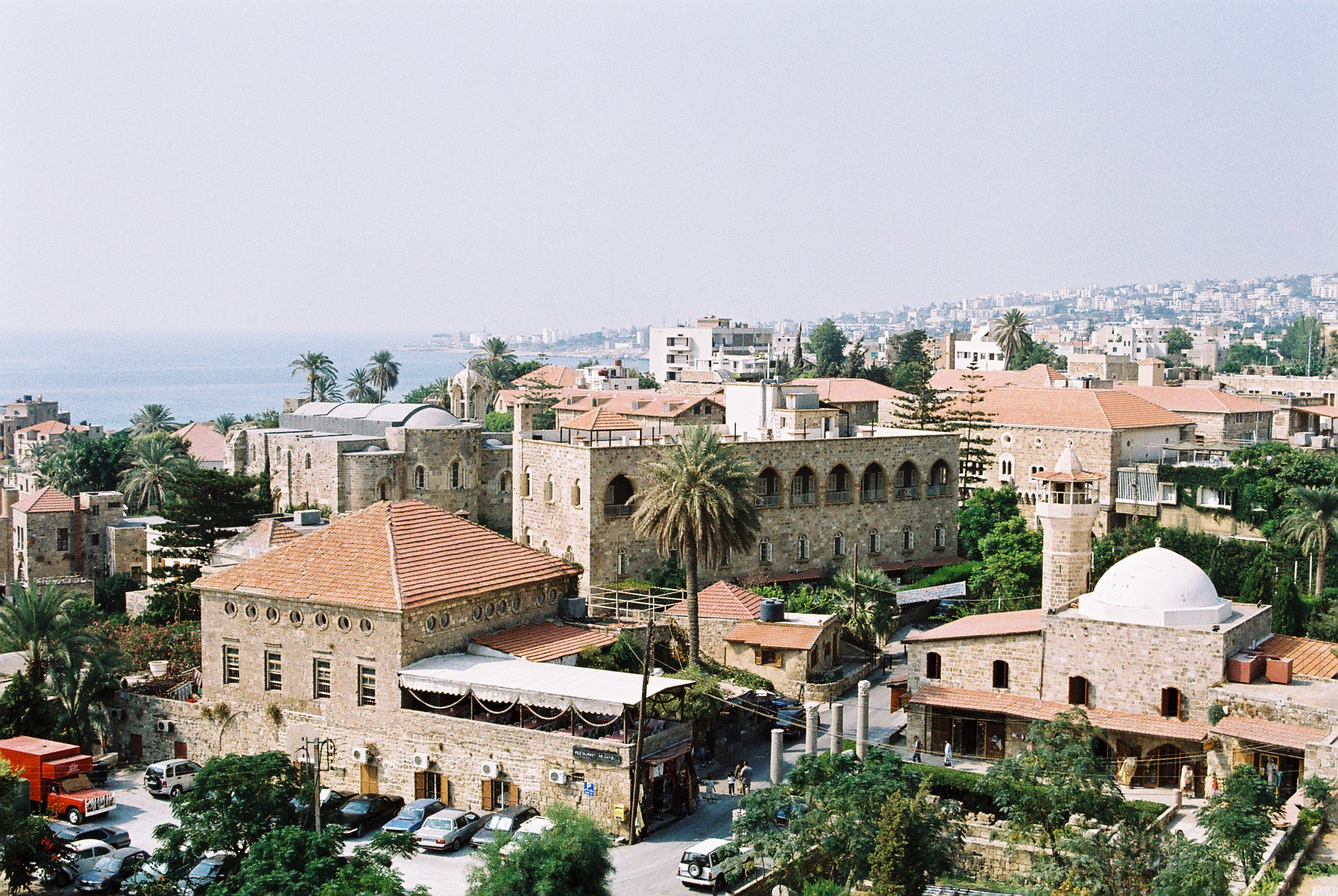
Next up, Byblos, or Jbeil as it's known today in Lebanon. This place started as a simple Neolithic fishing village around 8800 BCE and slowly grew into one of the most important Phoenician trade hubs in the Mediterranean. We're talking over 7,000 years of people living, working, and trading here. Just last year, in 2025, archaeologists found 8,500-year-old obsidian tools, which really shows how connected Byblos was to early trade networks across the Mediterranean. Professor Karim El-Sayed from Lebanese University often talks about how Byblos is a textbook example of how port cities evolve, especially with its ancient harbors built to handle all sorts of weather. If you're into sustainable travel, you'll be happy to know that eco-tourism here saw a 20% bump after some big restoration projects in 2024. The old souks are buzzing again, but honestly, the earthquake risks are a bit of a worry. There's been a lot of seismic retrofitting going on since a big quake in 2023, but you can still feel a bit on edge when you're walking through some of the older structures. This city is also where the oldest alphabet inscriptions were found, dating back to about 1500 BCE. That's a pretty heavy legacy for a town that's only around 5,000 people today.
3. Damascus, Syria
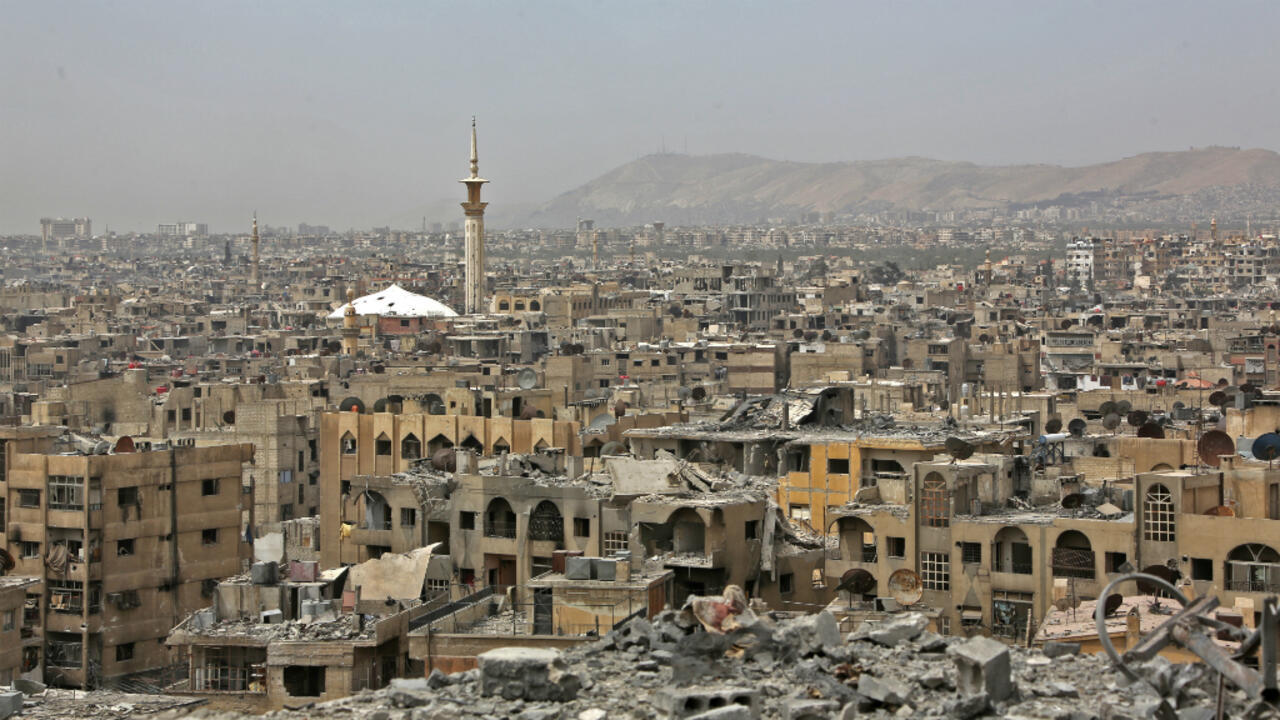
Damascus, the capital of Syria, is a city that just refuses to be anything but a bustling center of life. While exact dates are debated, some evidence points to continuous settlement as far back as 10,000 BCE, but a more widely accepted date for its Ubaid-period roots is around 6300 BCE. Either way, it's mind-bogglingly old. It's the oldest continuously inhabited capital city in the world, and it's seen pretty much everything. With a population of 2.1 million in 2026, it's still a massive, vibrant place. Post-conflict digs have revealed pottery from 9,000 years ago, according to the Syrian Antiquities Ministry. Historian Dr. Ahmed Al-Mansour once told me that Damascus thriving despite centuries of wars really shows how urban centers can adapt to constant upheaval. Reconstruction investments hit two billion dollars in 2025, which is a big deal. For visitors, security advisories are still a thing, but hybrid virtual tours are booming, allowing people to experience its beauty safely. The Old City is a UNESCO site, and yes, "Straight Street" from the Bible is still there. My complaint? The sheer weight of its history can sometimes feel overwhelming; it's hard to reconcile the ancient with the very modern challenges it faces.
4. Aleppo, Syria
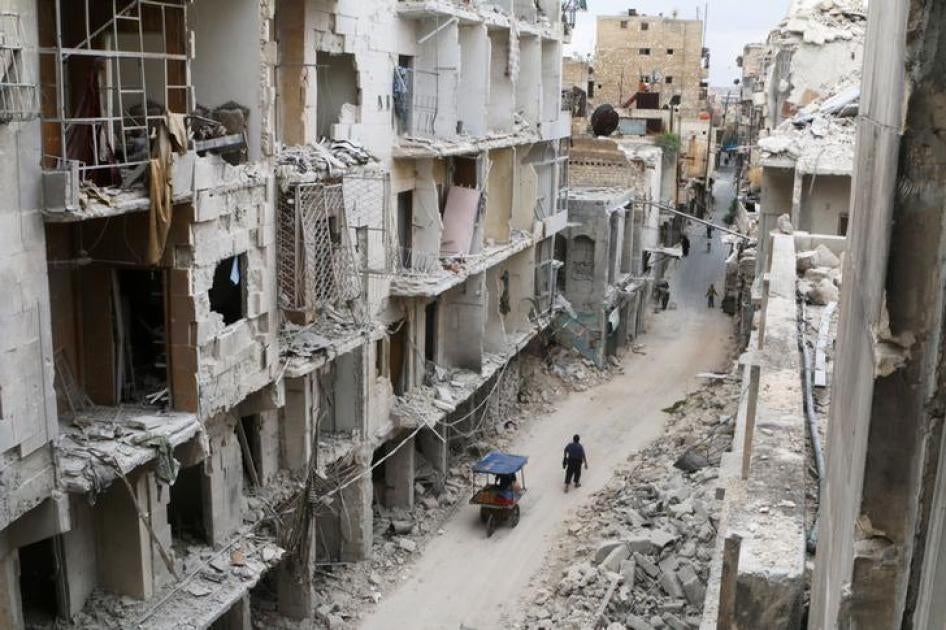
Aleppo. Before the recent conflicts, it was a jewel, a city whose history was etched into every stone of its magnificent citadel. Dating back to around 6000 BCE, its Bronze Age origins are clearly visible. Its pre-war population was 2.5 million, and while it's down to about 1.8 million in 2026, the city is fiercely rebuilding. An Italian-Syrian team, just this year, uncovered 6,200-year-old temples amidst the reconstruction efforts, which is just incredible. Maria Conti from UNESCO thinks Aleppo's bazaar revival is a sign of how Middle Eastern heritage economies are bouncing back. Artisan crafts exports went up 25% in 2025, showing that the city's spirit is far from broken. The souk here is actually the world's largest covered market, stretching for 13 kilometers. It's truly a maze of sensory overload, but in the best way possible. One major consideration for visitors right now is that full access is still hampered by mine clearance efforts in some areas. It's a city with immense heart, but it's also a stark reminder of how fragile history can be. You can feel the echoes of its struggles, but also the fierce determination to rebuild.
5. Sidon (Saida)
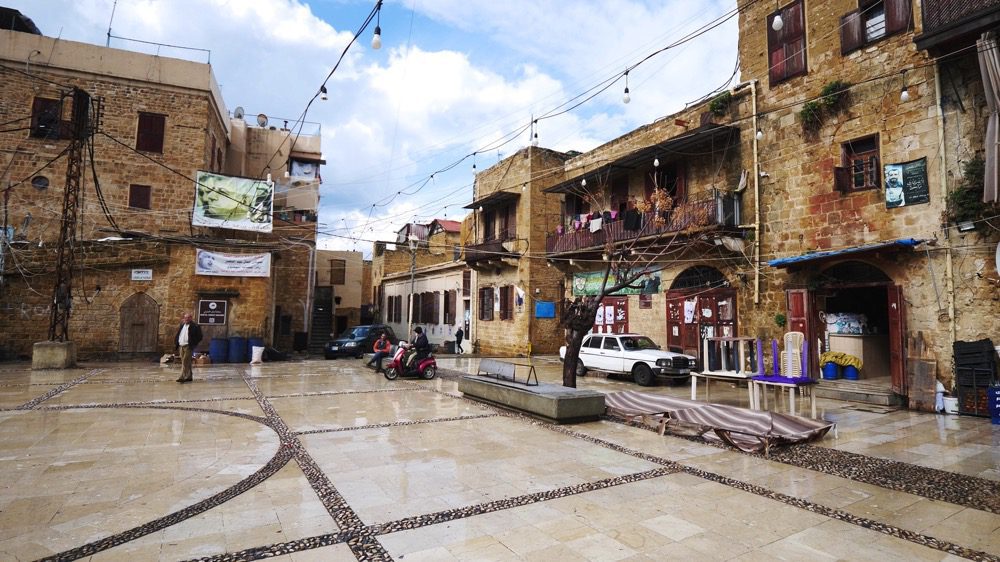
Sidon, known as Saida today, is another ancient Phoenician port city on Lebanon's Mediterranean coast. It's been continuously settled since around 6000 BCE. This was a major player back in the day, famous for its purple dye production and its incredible maritime skills. They were trading across vast networks in the ancient world. The Sea Castle, built by Crusaders, still stands proudly, a testament to its long, often turbulent, history. In 2025, marine archaeologists even found 6,500-year-old anchors here, which is just wild to think about. Dr. Vasquez often points out that ports like Sidon were, and still are, the engines of global trade. Eco-tourism is up 18% in Sidon, but honestly, the pollution from modern shipping is a constant headache. It clashes with the beauty of the ancient city and the efforts to keep it pristine. Cleanup initiatives are always ongoing, but it's a battle. Still, Sidon's heritage revenue is projected to hit 30 million dollars in 2026, so its past is certainly paying dividends in the present.
6. Plovdiv, Bulgaria
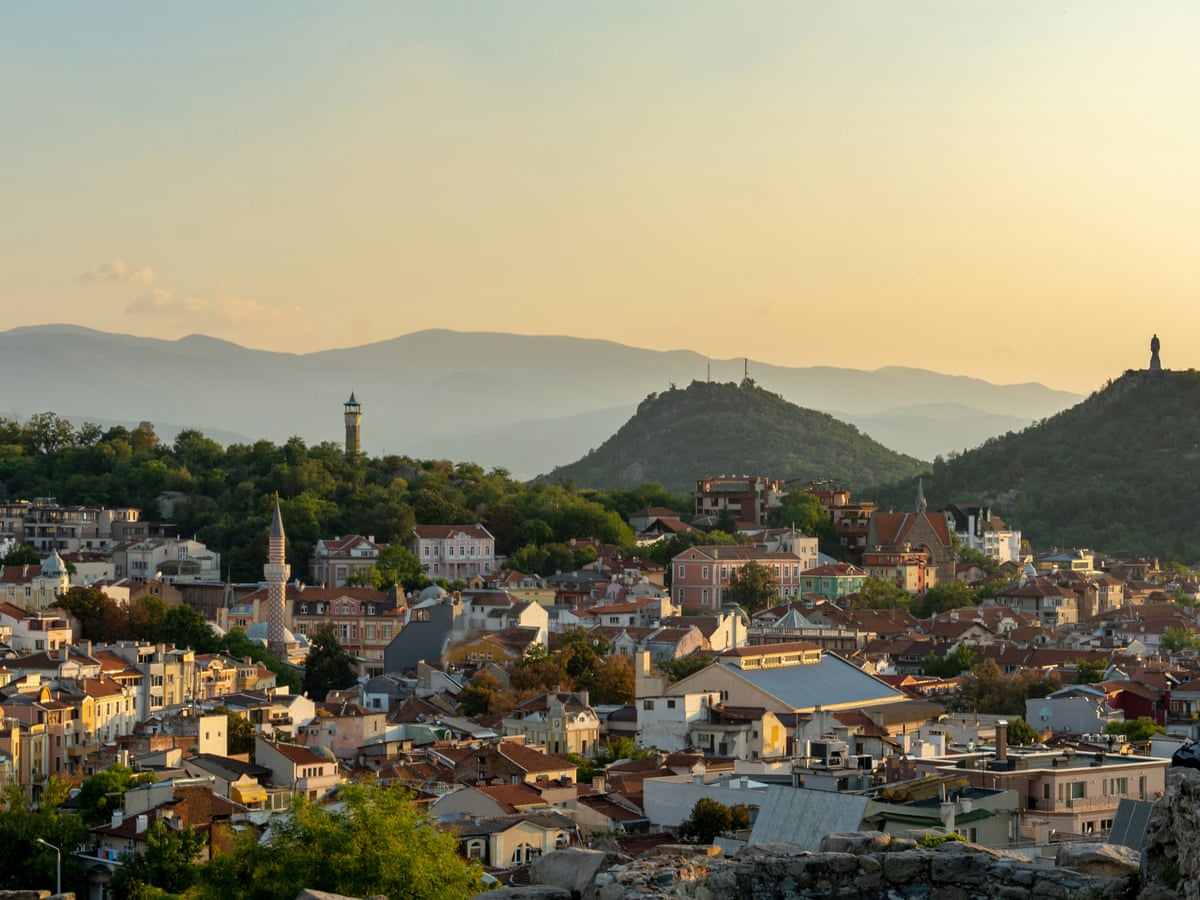
Plovdiv, Bulgaria, often claims the title of Europe's oldest continuously inhabited city, with roots stretching back to the Thracian period, around 6000 BCE. Like Rome, it sits on seven hills, and its Roman amphitheater is still in use today, seating 3,500 people. Imagine watching a concert where gladiators once fought! That's pretty cool. The Bulgarian Academy recently exposed 6,100-year-old dwellings in a 2026 dig, adding more layers to its already rich history. Professor Ivan Petrov, a local historian, often says Plovdiv is a true bridge to Balkan prehistory. The city's been getting a lot of love lately, with EU-funded festivals boosting its GDP by 12%. It was even the European Capital of Culture in 2019, and you can feel that creative energy still flowing through its colorful Kapana district. My one minor complaint, if I had to pick one, is that the urban sprawl is starting to creep a bit too close to some of the more untouched outskirts, threatening some of that ancient charm. But for now, Plovdiv remains a vibrant, living museum, a testament to enduring European civilization.
7. Gaziantep, Turkey
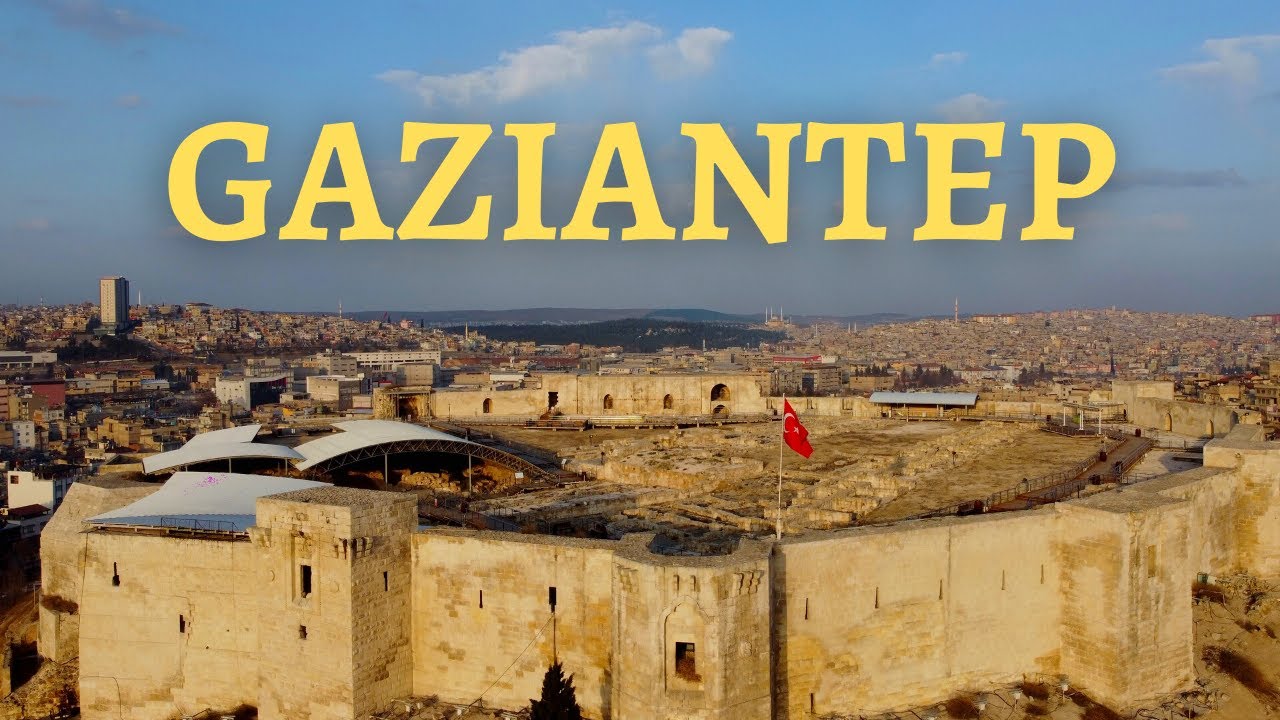
Gaziantep, in Turkey's southeast, is famous for its food, but it's also got some serious ancient credentials, with Hittite layers confirmed by 2025 digs, pushing its settlement date back to around 6000 BCE. This city is a UNESCO Creative City of Gastronomy, and trust me, they earn that title. Their baklava and pistachios are legendary - they produce 300,000 tons of pistachios a year! The Zeugma Mosaic Museum here is absolutely stunning, and they recently added frescoes dating back 6,200 years. Chef Leyla Kaya, a real expert in culinary history, always says that a city's food heritage is often what keeps its ancient soul alive. Gastro-tourism here has rocketed up 22%. With 2.5 million visitors projected for 2026, it's a popular spot. My only minor gripe is that after the 2023 earthquake, a lot of the older buildings are still undergoing retrofits, which can make some areas feel like a construction zone. But the food, oh, the food, makes it all worth it. You can taste millennia of history in every bite.
8. Beirut, Lebanon
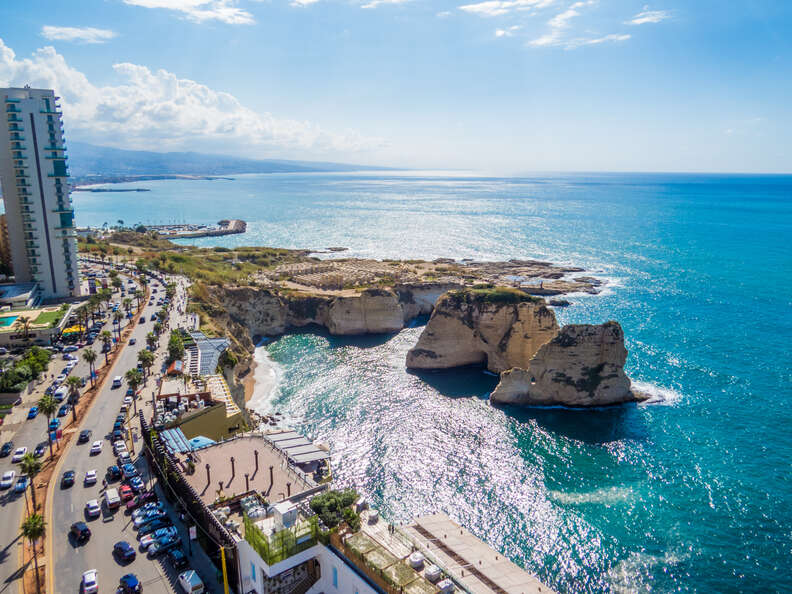
Beirut, Lebanon's capital, is a city that has been through it all, and I mean all. Its Neolithic tell shows continuous settlement going back to around 5000 BCE. The city has seen Phoenicians, Romans, Ottomans, and numerous civil wars, not to mention the devastating port blast in 2020. Yet, with a population of 2.4 million in 2026, it's bouncing back, as it always does. Just this year, 2026, digs under the Parliament building uncovered 5,500-year-old tools. Professor El-Sayed calls Beirut's recovery "phoenix-like," a true definition of resilience. The city's known for its vibrant nightlife, and luxury revivals are up 15%. However, the blast scars are still very visible in certain areas, and the rebuilding effort is massive, costing billions. It's a city of stark contrasts: ancient Punic walls standing next to modern art galleries, and the joy of its people living alongside the visible reminders of past tragedies. It's a place that demands your attention, but can also break your heart a little.
9. Erbil (Hewlêr), Iraq
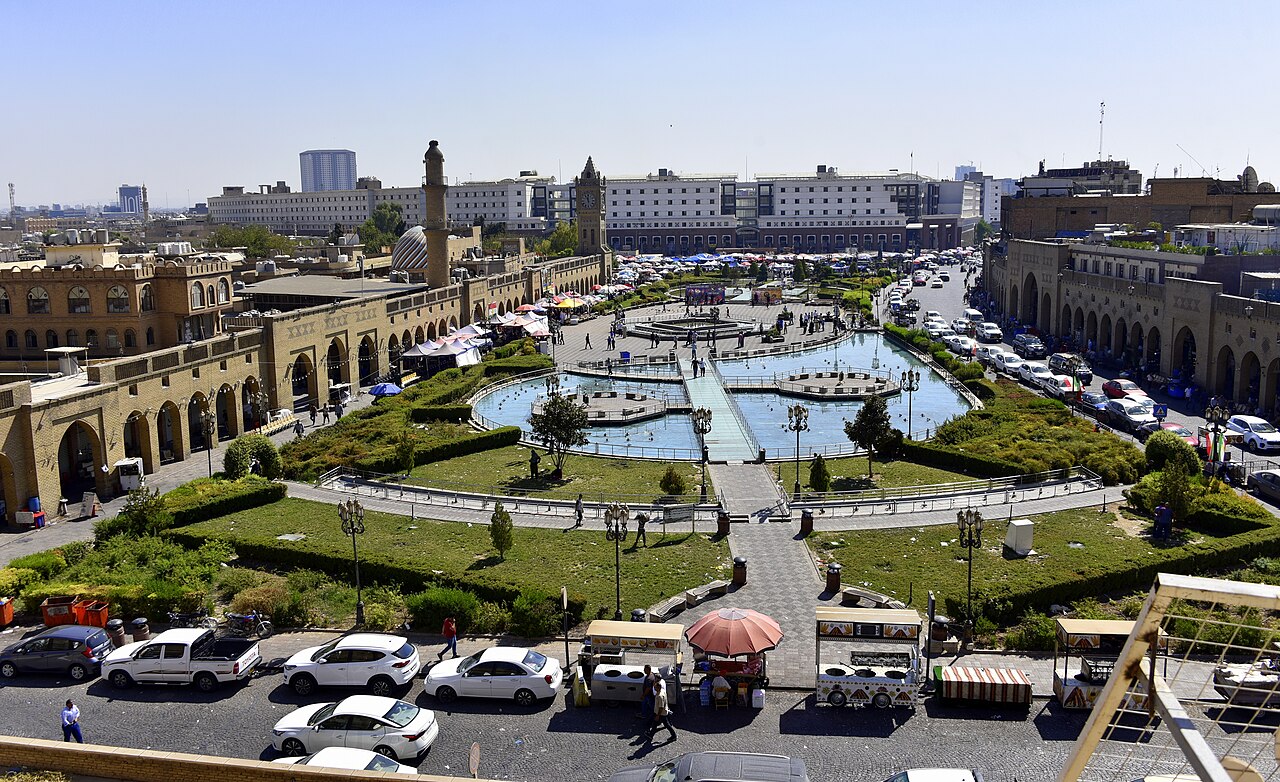
Erbil, the capital of Iraq's Kurdistan Region, is dominated by its magnificent citadel, a UNESCO World Heritage site that dates back to around 5000 BCE. It's one of the oldest continuously inhabited urban sites in the world, with its massive ziggurat-like base holding layers of Kurdish, Assyrian, and Ottoman history. The citadel stands 32 meters high and is still occupied today, making it the tallest continuously inhabited fortress. That's a pretty cool claim to fame. In 2026, the UNESCO team confirmed that the ISIS-damaged parts of the citadel have been fully restored, which is fantastic news. UNESCO also notes how Erbil manages to modernize while preserving its ancient defenses. With a 2026 population of 1.2 million and a booming oil-driven GDP, it's a city on the rise. Regional tensions are always a concern in this part of the world, which is a frustration for anyone hoping for truly unrestricted exploration. But the blend of ancient history with a modern energy industry makes Erbil a truly unique place to visit, a place where the past and future are constantly negotiating.
10. Kirkuk, Iraq
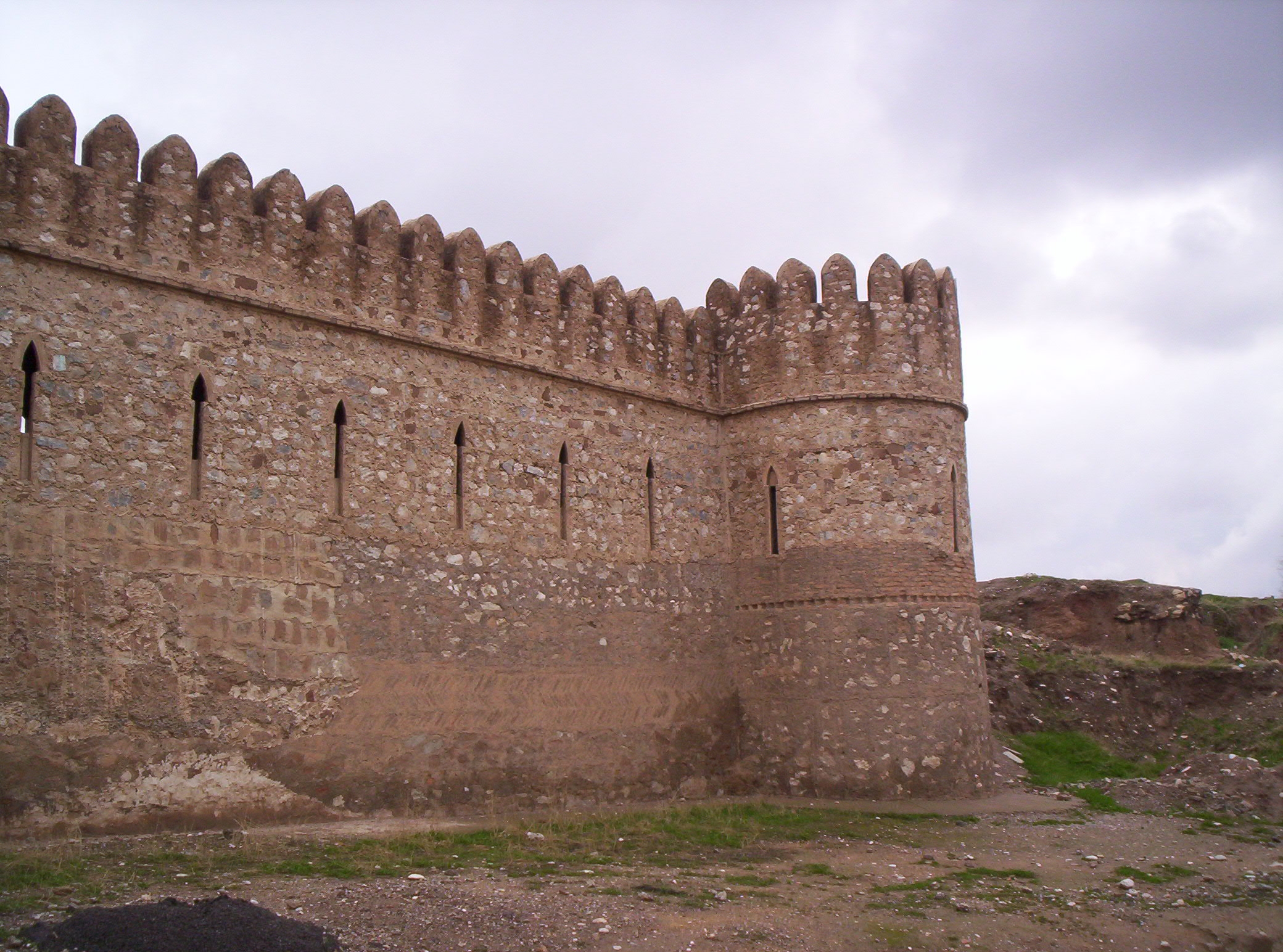
Rounding out our list is Kirkuk, Iraq, with its ancient layers tied to the Sumerians, dating back to around 5000 BCE. This city, with a 2026 population of 1.5 million, sits on massive oil reserves, estimated at 9 billion barrels. It's a city whose history and destiny have always been intertwined with its abundant resources. Recent developments include 2025 finds linked to the nearby 4,500-year-old Girsu palace, further cementing its place in Mesopotamia's deep past. Experts often point out that Kirkuk's natural resources have played a big part in preserving its history, drawing people and power to it for millennia. The trend here is a mix of petro-heritage sites, showcasing how ancient history and modern industry can coexist. My main annoyance, and it's a significant one, is the ongoing political disputes over the city's status. It means that while the history is incredible, the present can feel a bit unsettled, and navigating these complexities as a visitor requires a lot of awareness. But to stand in a place that has been continuously inhabited for 7,000 years, that's something else entirely.
There you have it. Ten cities that refused to fade into the dustbin of history. They've witnessed humanity's earliest steps, its greatest triumphs, and its most heartbreaking conflicts. They're not just ancient ruins; they're living, breathing places, each with its own rhythm and story, constantly evolving while holding onto their incredible past. Visiting them, even virtually, is a powerful reminder of how far we've come, and how much there still is to learn from those who came before us. urges you to explore these timeless wonders, whether in person or from afar, and appreciate the sheer tenacity of human civilization.
Related Posts

Top 10 Richest Chefs in USA 2026: How They Built Culinary Empires
In recent years, the world of celebrity chefs has developed into a multi-billion dollar industry that combines culinary expertise with media savvy, entrepreneurialism, and the development of distinctive brands. In the year 2026, a number of the wealthiest chefs in the United States have not only established themselves as influential figures in the kitchen, but […] More

Top 10 Best Skaters in the World 2026: The Ultimate Showdown Awaits
As we move through 2026, a few skaters stand out for their extraordinary skills, creativity, and contributions to the sport. Here’s a look at the top 10 skaters in the world right now, each pushing the boundaries of skateboarding in their own unique way. Skateboarding has evolved into a highly dynamic sport, showcasing remarkable talent […] More

Top 10 Highest Paid Female Footballers In The World 2026: Salaries That Shocked the Industry
Top 10 Highest Paid Female Footballers In The World 2026 1. Sam Kerr One of the most notable players in women’s football is Sam Kerr, who hails from Australia and operates as a striker. Kerr has emerged as a significant personality in the sport as a result of her remarkable speed, her extraordinary ability to […] More
The Largest Oil Refineries In The World 2026: Essential Insights for Energy Stakeholders
As of the year 2026, the following is a list of the top ten largest refineries in the world, which are known for their enormous processing capacities and strategic significance. Refineries play an important part in the global energy sector because they convert crude oil into valuable products such as gasoline, diesel, and other petrochemicals. […] More
1 Comment
Join the discussion and share your thoughts