Top 10 Most Beautiful Natural Heritage Sites In The World 2026 : A Journey Through Earth's Wonders

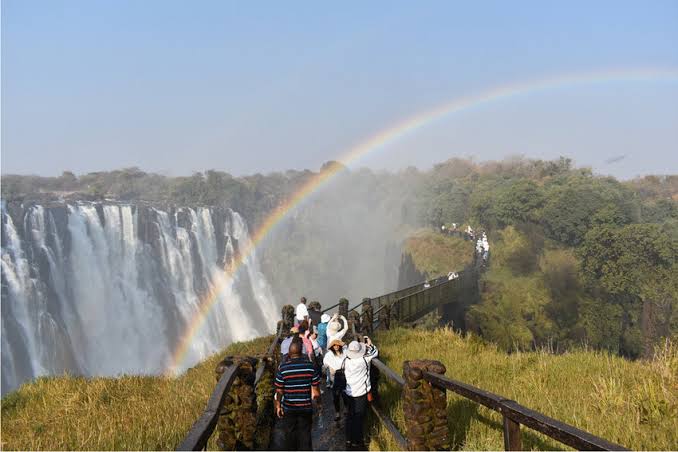
Table of Contents
Our publication presents the World's Top 10 Most Beautiful Natural Heritage Sites in 2026, a definitive ranking of Earth's most stunning natural wonders. This selection reflects our commitment to highlighting sites of exceptional aesthetic, ecological, and geological significance, drawing from rigorous scientific assessments and current conservation data. These locations represent the pinnacle of natural splendor and global ecological importance.
Our Evaluation Framework
To compile this authoritative list for the Top 10 Best Most Beautiful Natural Heritage Sites In The World 2026, our editorial board implemented a structured evaluation framework. This framework prioritizes sites officially designated by UNESCO as Natural World Heritage Sites, emphasizing those recognized under specific criteria that underscore their intrinsic value and aesthetic appeal.
Our analysis considers several key factors. First, we prioritize sites that meet UNESCO's Criterion (vii) for superlative natural phenomena or areas of exceptional natural beauty and aesthetic importance. This ensures a focus on visual impact, dramatic landscapes, and unique geological formations. Second, Criterion (viii) guides our inclusion of sites representing major stages of Earth's history, ongoing geological processes, or outstanding geomorphic features, such as deep canyons or volcanic archipelagos.
Beyond aesthetic and geological considerations, our framework also evaluates ecological and biological significance. Sites meeting Criterion (ix) for significant ongoing ecological and biological processes, and Criterion (x) for containing the most important natural habitats for biodiversity conservation-especially for threatened species-are highly weighted. This dual focus ensures that beauty is intrinsically linked to ecological health and global rarity. Finally, we assess the integrity, protection status, and management effectiveness of each site, acknowledging current threats and conservation successes, while also considering global recognition and visitor appeal as secondary indicators of perceived importance.
The Top 10 Most Beautiful Natural Heritage Sites In The World 2026:
1. Galápagos Islands, Ecuador
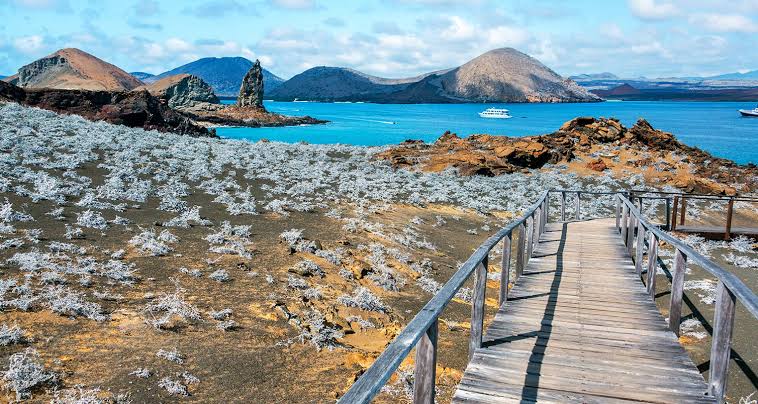
The Galápagos Islands, a volcanic archipelago situated approximately 563 miles off the coast of Ecuador, hold a singular place in natural history. Inscribed with UNESCO World Heritage status in 1978, these islands are renowned as a living laboratory, where unique geological isolation fostered unparalleled biodiversity. Our research confirms that this sanctuary is home to approximately 2,900 documented animal species, many of which are endemic to the islands.
The distinctive ecosystems of the Galápagos famously inspired Charles Darwin's theory on evolution following his 1835 visit. Visitors to this 7,880 square kilometer protected area can observe remarkably fearless species such as the Blue-Footed Boobies, Flightless Cormorants, Giant Tortoises, and Marine Iguanas, which demonstrate unique adaptations to their environment. Ongoing conservation efforts, including strict visitor caps and invasive species eradication programs as of 2026, aim to preserve the delicate balance of this irreplaceable natural wonder.
2. Yellowstone National Park, USA
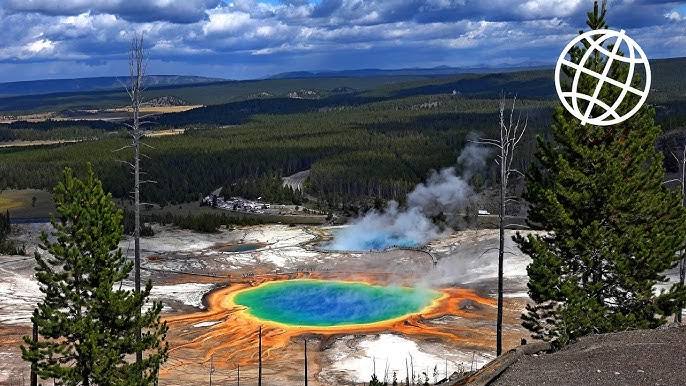
Yellowstone National Park, established as the world's first national park in 1872, remains a foundational pillar of nature and wildlife conservation. Spanning 3,468 square miles across Wyoming, Montana, and Idaho, this vast rugged wilderness is globally recognized for its diverse geothermal features, including iconic geysers like Old Faithful and vibrant hot springs such as the Grand Prismatic Spring. Its UNESCO inscription in 1978 underscored its exceptional geological processes and natural beauty.
Our analysis reveals Yellowstone's critical role in preserving abundant wildlife populations, including black bears, bison, bighorn sheep, elk, and moose. The park's successful wolf reintroduction program, which sustains over 100 packs, has significantly enhanced the ecosystem's health. Millions of visitors annually experience its unique landscapes and thermal wonders, while park management continues to balance public access with ongoing recovery efforts from past wildfires and the protection of its 2.2 million acres of pristine wilderness.
3. Serengeti National Park, Tanzania
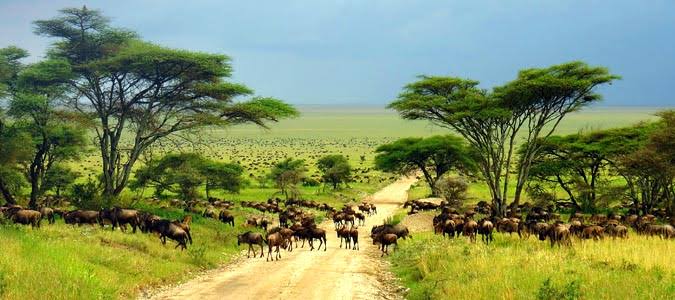
Serengeti National Park in Tanzania is a testament to the raw power and beauty of African wildlife. This protected area, covering over 1 million hectares of vast grasslands, is globally celebrated for one of nature's most compelling spectacles: the Great Migration. Our data indicates that this annual event involves the movement of 1.5 million wildebeest and 250,000 zebra across the plains, an extraordinary display of natural resilience and predator-prey dynamics.
Inscribed as a UNESCO World Heritage Site in 1981, the Serengeti provides a crucial habitat for a diverse array of wildlife, including the "Big Five"-lion, leopard, elephant, rhino, and buffalo. Its classic African scenes of expansive plains and dramatic wildlife interactions offer an unforgettable experience. Conservation initiatives, including enhanced anti-poaching measures, continue to safeguard this vital ecosystem and its inhabitants, ensuring the long-term survival of its iconic species.
4. Iguazu Falls, Argentina/Brazil
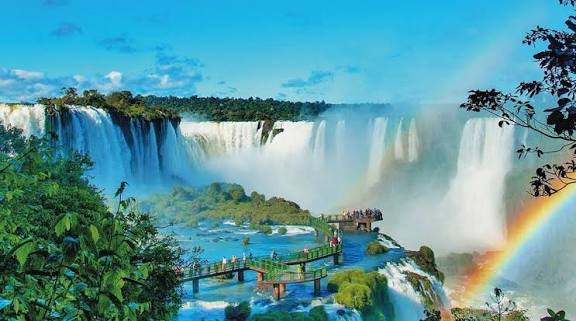
Iguazu Falls, straddling the border between Argentina and Brazil, is an awe-inspiring natural wonder that captivates with its sheer power and lush surroundings. Renowned for its immense scale and beauty, this site forms one of the world's largest waterfall systems, comprising 275 individual falls cascading over a vast geological fault. This natural marvel was designated a UNESCO World Heritage Site in 1984, highlighting its exceptional aesthetic and ecological value.
The falls plunge an average of 80 meters into a subtropical rainforest, creating a breathtaking panorama of mist and rainbows. The surrounding Iguazu National Parks on both sides of the border protect a rich biodiversity, including jaguars, ocelots, and numerous bird species. Recent efforts in 2026 focus on expanding biodiversity corridors within the 252,900 hectares of protected land, reinforcing its ecological significance and ensuring the preservation of this magnificent natural boundary.
5. Mosi-oa-Tunya / Victoria Falls, Zambia/Zimbabwe
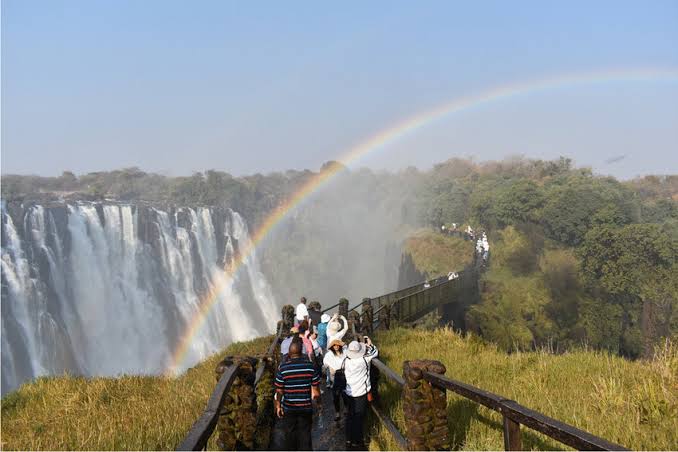
Mosi-oa-Tunya, internationally recognized as Victoria Falls, stands as a spectacular natural heritage site on the Zambezi River, forming a significant boundary between Zambia and Zimbabwe. UNESCO's designation in 1989 acknowledges its recognition as the world's greatest sheet of falling water, a colossal curtain plunging into a gorge. The thunderous roar and perpetual cloud of spray, visible for miles, create a unique microclimate supporting diverse flora and fauna.
This immense waterfall system, approximately 1,708 meters wide and 108 meters high at its deepest point, represents an outstanding example of ongoing geological processes. The surrounding Mosi-oa-Tunya National Park on the Zambian side and Victoria Falls National Park on the Zimbabwean side protect a critical habitat for elephants, giraffes, zebras, and various bird species within its 6,600 hectares. Our analysis shows the falls continue to draw significant global attention, reinforcing its status as a premier natural attraction.
6. Yosemite National Park, USA
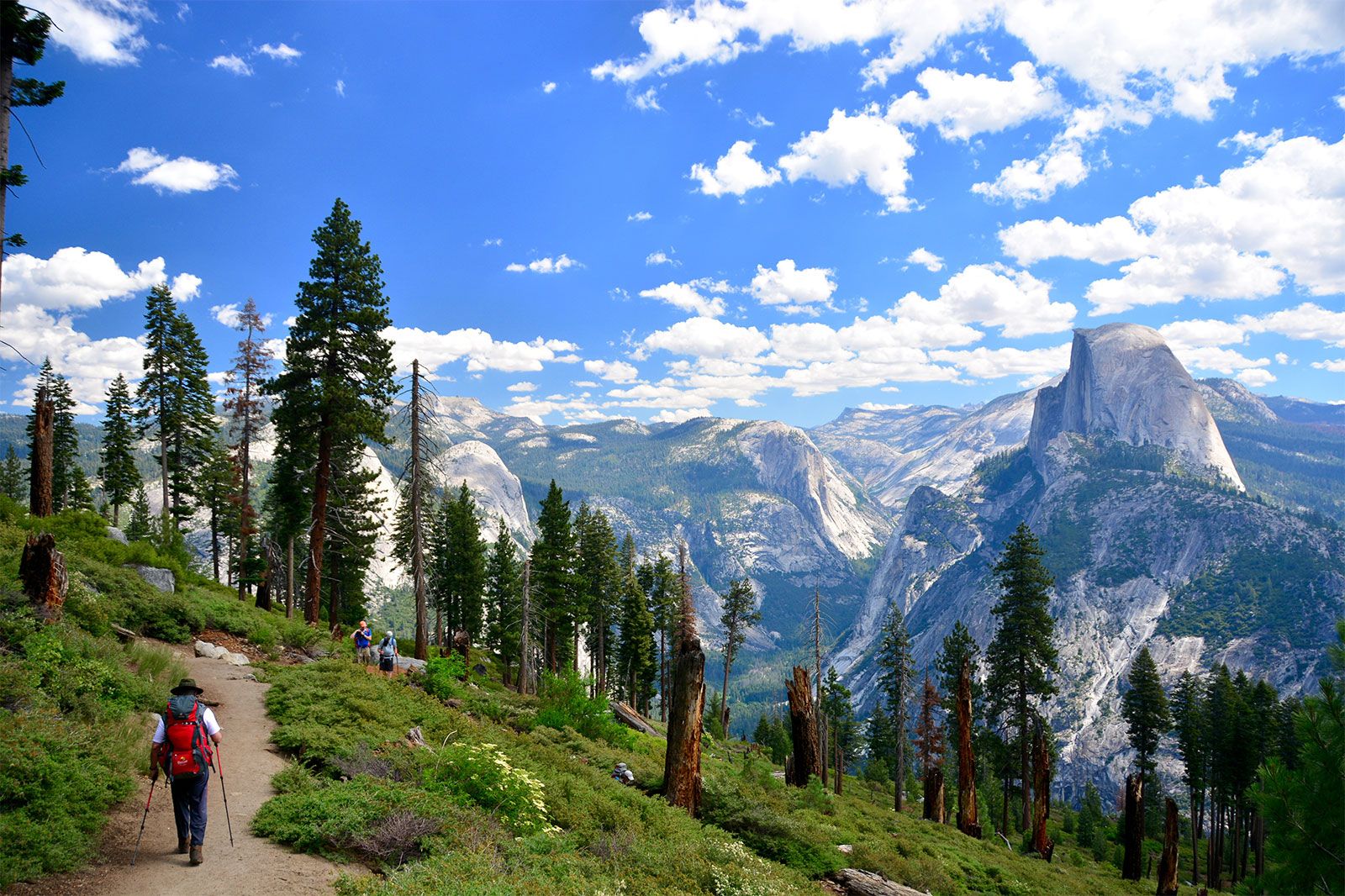
Yosemite National Park, located in California's Sierra Nevada mountains, is celebrated for its spectacular landscapes and breathtaking views. Covering an area of 1,169 square miles (3,027 square kilometers), the park's iconic features include colossal granite cliffs such as El Capitan and Half Dome, pristine alpine lakes, and majestic waterfalls like Yosemite Falls. It was inscribed as a UNESCO World Heritage Site in 1984, recognized for its exceptional natural beauty and geological formations.
The park is also home to ancient groves of giant sequoias, including the Mariposa Grove, which offer a profound sense of timeless natural grandeur. These massive trees stand as living monuments, some thousands of years old. Yosemite's diverse ecosystems support a wide array of wildlife, from black bears to mule deer. Park management in 2026 continues to focus on balancing visitor experience with the preservation of its fragile ecosystems and unique geological heritage.
7. Pantanal Conservation Area, Brazil
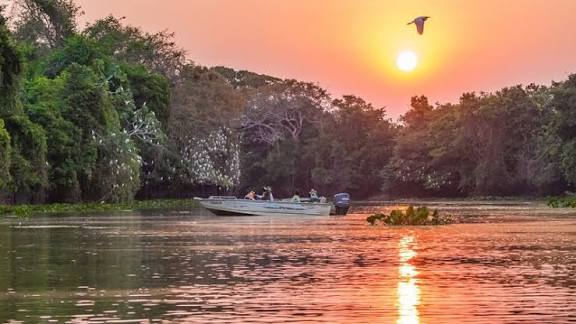
The Pantanal Conservation Area, primarily located in Brazil but extending into Bolivia and Paraguay, represents the world's largest tropical wetland. This sprawling natural expanse is a global treasure of unparalleled ecological significance, earning its UNESCO World Heritage status in 2000. It covers approximately 187,818 square kilometers, an area larger than many European countries.
Our research indicates that the Pantanal supports an exceptionally rich biodiversity, providing critical habitats for numerous rare and endangered species. These include the vibrant Hyacinth Macaw, the elusive Jaguar, the Capybara, the distinctive Maned Wolf, and the majestic Jabiru Stork. The unique seasonal flooding cycles create dynamic ecosystems that foster this incredible array of wildlife, making it a captivating destination for nature enthusiasts and a vital area for global conservation efforts.
8. Lord Howe Island Group, Australia
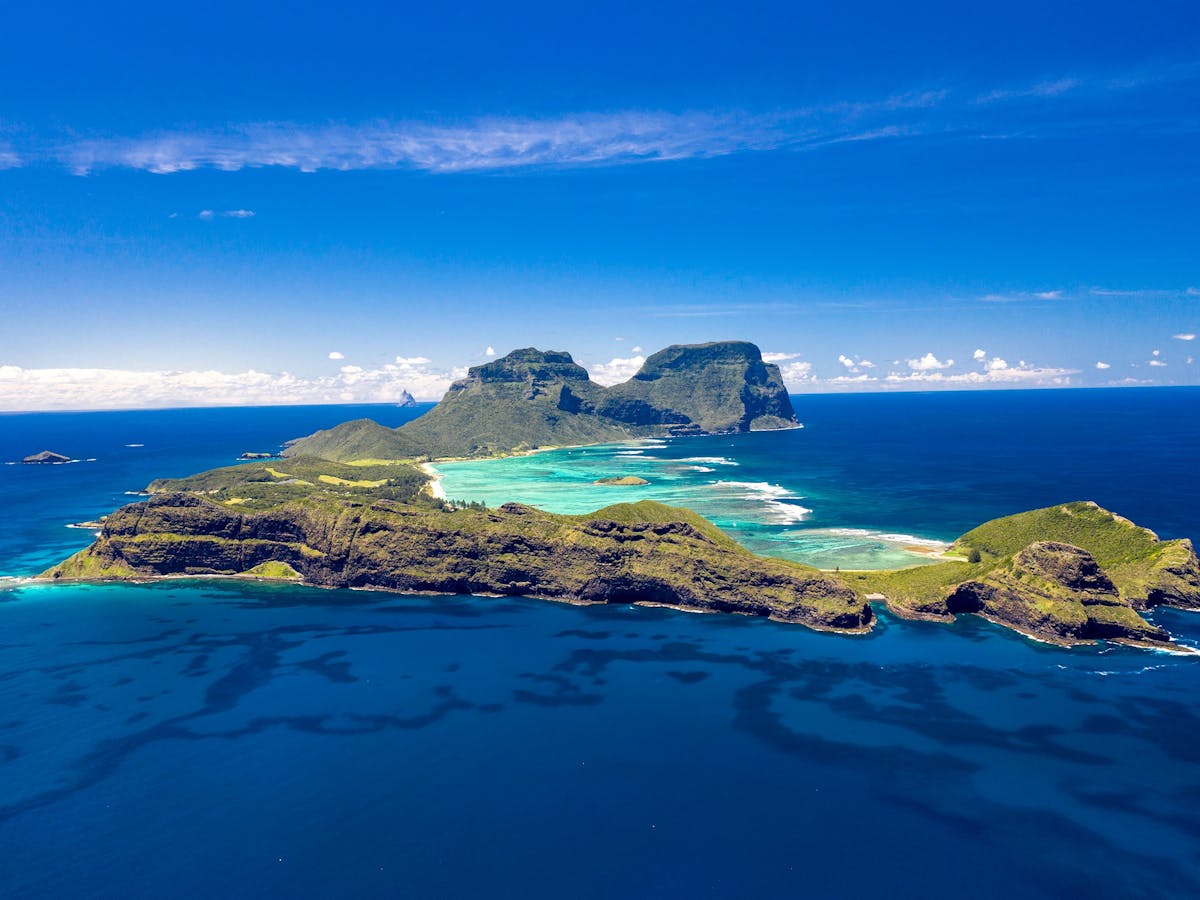
The Lord Howe Island Group, an isolated oceanic island system off the eastern coast of Australia, possesses outstanding universal value. Inscribed as a UNESCO World Heritage Site in 1982, its remote location has fostered the evolution of several endemic species of plants and animals, presenting a unique case study in island biogeography. The group covers a land area of approximately 14.55 square kilometers, with a much larger marine protected area.
A key feature of the Lord Howe Island Group is its distinction as the world's most southerly coral reef, which adds to its unique natural beauty and ecological significance. Originating from an ancient volcano 2,000 meters under the sea, the islands' dramatic volcanic peaks, pristine beaches, and clear waters host a rich marine life. Conservation efforts as of 2026 continue to protect its fragile ecosystems and endemic species, making it a vital site for scientific study and ecological preservation.
9. Grand Canyon National Park, USA
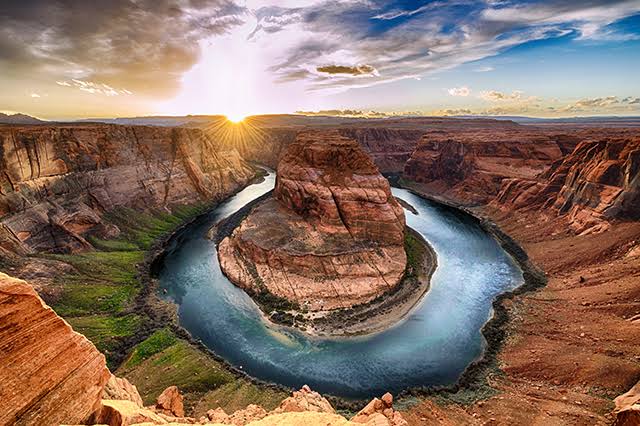
Grand Canyon National Park in Arizona is an immense and visually stunning chasm, stretching for hundreds of miles and plunging over a mile deep. Recognized for its vast geological formations, the canyon was carved by the Colorado River over millions of years, revealing billions of years of Earth's geological history. Its inscription as a UNESCO World Heritage Site in 1979 acknowledges its profound scientific and aesthetic significance.
Our analysis confirms that the Grand Canyon's sheer scale and intricate patterns of erosion offer breathtaking vistas and a profound sense of natural wonder. The park encompasses 4,927 square kilometers (1,902 square miles) of protected land, supporting diverse ecosystems from desert scrub to pine forests. Conservation efforts in 2026 focus on managing visitor impact and preserving the canyon's pristine environment for future generations, ensuring its status as one of the world's most studied and admired landscapes.
10. Lake Baikal, Russia
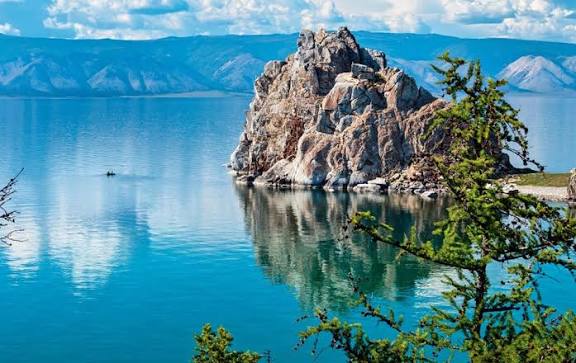
Lake Baikal, situated in Siberia, Russia, is a natural heritage site of immense proportions and ecological importance. Recognized as the world's largest freshwater lake by volume, it is also the deepest and oldest lake on Earth, holding approximately 20% of the world's unfrozen freshwater. Its UNESCO World Heritage designation in 1996 highlights its unique limnological features and unparalleled biodiversity.
The total protected area around Lake Baikal spans 8,550,838 hectares, preserving its pristine waters and surrounding wilderness. This vast ecosystem supports a unique and diverse array of endemic flora and fauna, including the Baikal seal, the only freshwater seal in the world. Our research indicates that ongoing scientific studies continue to uncover the lake's ecological complexities, underscoring its critical role as a site for biodiversity and understanding long-term environmental change.
Our analysis confirms that these ten natural heritage sites represent the pinnacle of Earth's beauty and ecological significance in 2026. Their continued protection and careful management are imperative for preserving these irreplaceable wonders for future generations. The evidence points to the urgent need for global cooperation in conservation efforts to safeguard these natural treasures.
Related Posts

Top 10 Richest Chefs in USA 2026: How They Built Culinary Empires
In recent years, the world of celebrity chefs has developed into a multi-billion dollar industry that combines culinary expertise with media savvy, entrepreneurialism, and the development of distinctive brands. In the year 2026, a number of the wealthiest chefs in the United States have not only established themselves as influential figures in the kitchen, but […] More

Top 10 Best Skaters in the World 2026: The Ultimate Showdown Awaits
As we move through 2026, a few skaters stand out for their extraordinary skills, creativity, and contributions to the sport. Here’s a look at the top 10 skaters in the world right now, each pushing the boundaries of skateboarding in their own unique way. Skateboarding has evolved into a highly dynamic sport, showcasing remarkable talent […] More

Top 10 Highest Paid Female Footballers In The World 2026: Salaries That Shocked the Industry
Top 10 Highest Paid Female Footballers In The World 2026 1. Sam Kerr One of the most notable players in women’s football is Sam Kerr, who hails from Australia and operates as a striker. Kerr has emerged as a significant personality in the sport as a result of her remarkable speed, her extraordinary ability to […] More

The Largest Oil Refineries In The World 2026: Essential Insights for Energy Stakeholders
As of the year 2026, the following is a list of the top ten largest refineries in the world, which are known for their enormous processing capacities and strategic significance. Refineries play an important part in the global energy sector because they convert crude oil into valuable products such as gasoline, diesel, and other petrochemicals. […] More
3 Comments
Join the discussion and share your thoughts