Top 10 Most Populous Countries In The World 2026: See the Demographic Giants

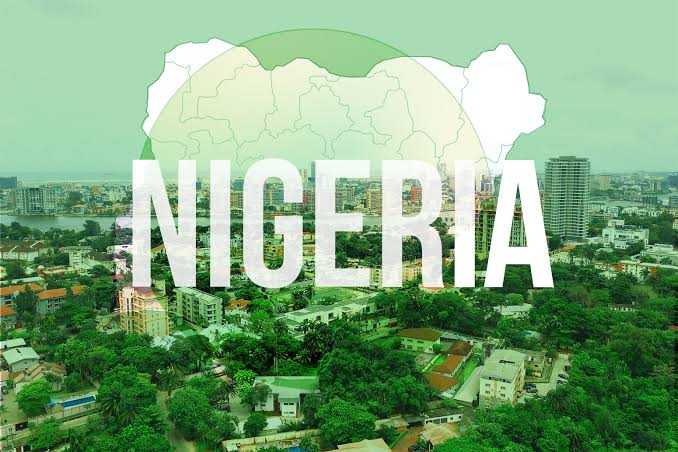
Table of Contents
As we look ahead to 2026, the global population is projected to reach approximately 8.23 billion, with significant concentrations in a handful of nations. Our analysis of the Top 10 Most Populous Countries in the World 2026 reveals the demographic giants shaping the future, based on the latest projections from authoritative sources. This article examines each country's population figures, growth trends, and broader implications for global economics and geopolitics. From South Asia to the Americas, these nations collectively house over half of the world's inhabitants, highlighting stark contrasts in density, policy, and development.
Our Methodology for Ranking the Most Populous Countries
To compile this list of the Top 10 Most Populous Countries in the World 2026, we relied on data projections from the U.S. Census Bureau's population clock, World Population Review, and supplementary reports such as the UN World Population Highlights 2026. Our rankings are based on estimated population figures for July 1, 2026, ensuring a consistent snapshot across all countries. These sources provide detailed demographic models that account for birth rates, mortality rates, migration patterns, and historical data trends.
We prioritized verifiable statistics over speculative estimates, cross-referencing multiple datasets to confirm accuracy. Where discrepancies arose, we deferred to the U.S. Census Bureau as the primary authority due to its rigorous methodology and global scope. Our goal was to present a clear, data-driven picture of population distribution, enriched with contextual analysis of economic and social factors influencing each nation's trajectory.
Why Population Rankings Matter
Population size is more than just a number; it's a key driver of economic potential, political influence, and resource allocation on a global scale. Countries with large populations often wield significant power in international forums, but they also face unique challenges like urbanization, healthcare demands, and environmental strain. Understanding the Top 10 Most Populous Countries in the World 2026 offers insight into where global priorities may shift in the coming years, from labor markets to climate policies.
Our research underscores the uneven distribution of the world's inhabitants, with Asia and Africa dominating the top ranks. This concentration shapes everything from trade dynamics to cultural exchange, and we aim to unpack these implications for each nation listed below. Readers interested in related topics, such as global migration trends or urbanization challenges, may find our upcoming features on these subjects particularly relevant.
The List Of The Top 10 Most Populous Countries In The World 2026:
1. Republic of India
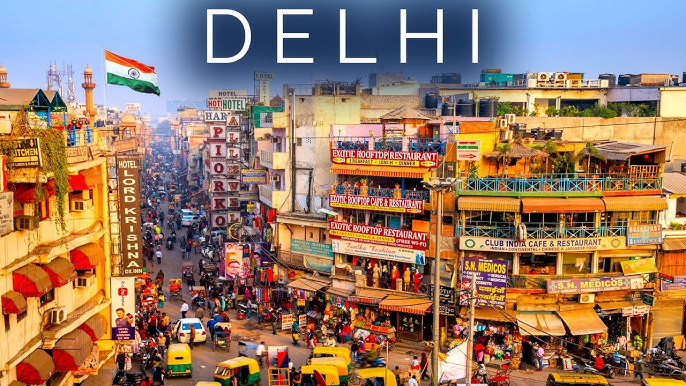
Topping our list, the Republic of India is projected to be the most populous country in the world by 2026, with an estimated population of 1,429,700,205 as of July 1, according to the U.S. Census Bureau. Having surpassed China in recent years, India's demographic ascent is driven by a youthful population and declining fertility rates paired with improved healthcare. Projections indicate that this growth could peak at around 1.65 billion by 2060, per UN World Population Highlights 2026.
India's large youth cohort is a double-edged sword. On one hand, it fuels economic potential, with education initiatives for girls and reduced adolescent fertility correlating with higher household incomes, as noted in UN reports. On the other, it strains infrastructure and urban centers like Delhi and Mumbai, where population density already poses significant challenges. Our analysis suggests that India's global influence will only grow as it navigates these dynamics.
South Asia's cultural and economic hub, India also stands as the world's largest democracy. Its population size amplifies its role in international trade and diplomacy, making it a focal point for policies on climate change and technology. We see India's demographic trends as a critical area to watch over the next decade.
2. People's Republic of China
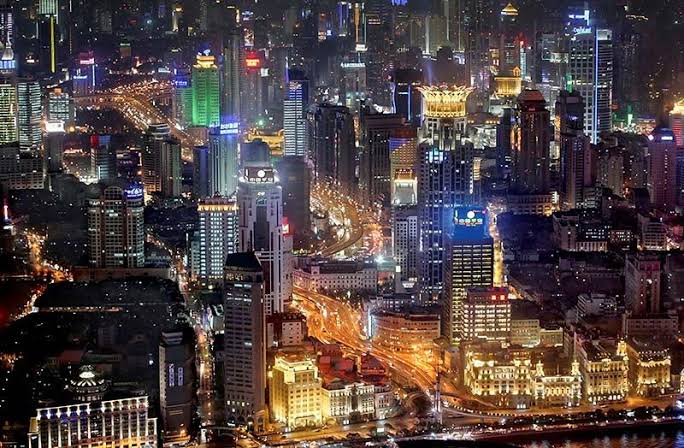
Ranking second, the People's Republic of China is projected to have a population of 1,405,918,803 by July 1, 2026, per U.S. Census Bureau data. Once the global leader in population size, China now faces a decline of 0.23% annually as of 2026, a consequence of its historical one-child policy and shifting societal norms. Despite this, it remains a demographic titan, accounting for a substantial share of the world's total inhabitants.
China's aging population presents unique economic challenges, with a shrinking workforce and rising dependency ratios. According to Databoks Katadata, the country's demographic policies are slowly adapting, but the long-term effects of past restrictions linger. Urban centers like Shanghai and Beijing continue to swell, even as rural areas depopulate, creating uneven growth patterns.
As the world's second-largest economy, China's population trends directly impact global markets. We anticipate that its demographic shifts will influence labor costs, consumer demand, and international trade balances in the years ahead, a topic we plan to explore in future articles on economic forecasting.
3. United States of America

The United States of America holds the third spot with a projected population of 342,620,143 as of July 1, 2026, according to the U.S. Census Bureau. With a net gain of one person every 56 seconds as of March 2026, the U.S. maintains steady growth driven by both natural increase and immigration. This demographic strength underpins its position as a global economic and political leader.
Unlike the top two nations, the U.S. benefits from a vast land area, resulting in lower population density. However, states like California and Texas face significant pressure on resources due to concentrated urban growth. Data from the Census Bureau highlights how immigration continues to play a pivotal role in sustaining population increases, especially as birth rates stabilize.
We view the U.S. population as a key factor in its geopolitical influence. Its diverse demographic makeup also shapes domestic policy debates on healthcare and education, topics we've covered extensively in related analyses of North American trends.
4. Republic of Indonesia
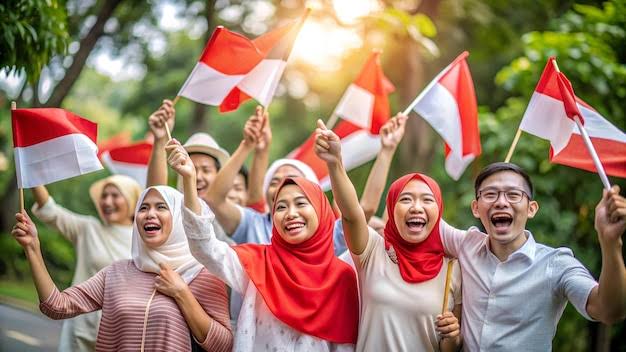
Coming in fourth, the Republic of Indonesia is projected to have a population of 285,562,809 by July 1, 2026, as reported by the U.S. Census Bureau. With an annual growth rate of 0.76% in 2026, Indonesia stands as the largest island nation and the most populous Islamic country globally. Its unique geography, spanning over 17,000 islands, adds complexity to demographic management.
Indonesia's population is heavily concentrated on islands like Java, which houses over half of the nation's inhabitants despite comprising just 7% of its land area, per Nations Online data. This imbalance fuels challenges in infrastructure and resource distribution. At the same time, the country's youthful demographic offers economic promise, particularly in sectors like technology and tourism.
5. Islamic Republic of Pakistan
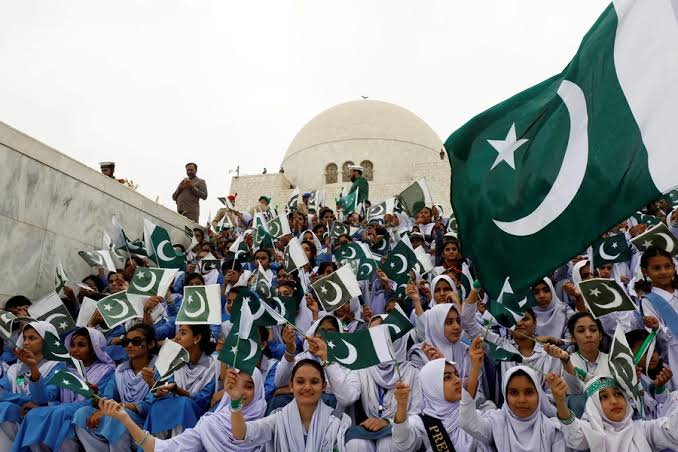
The Islamic Republic of Pakistan ranks fifth with a projected population of 261,714,024 as of July 1, 2026, according to the U.S. Census Bureau. Its annual growth rate of 1.6% in 2026 underscores rapid demographic expansion, positioning Pakistan as a significant contributor to the concentration of over half the world's population within just ten countries.
Located in South Asia, Pakistan faces pressures from urbanization and resource scarcity, particularly in cities like Karachi and Lahore. Data from World Population Review indicates that high fertility rates and a young population drive this growth, though access to education and healthcare remains uneven. We see potential for Pakistan to harness its demographic dividend if these challenges are addressed.
Geopolitically, Pakistan's population size amplifies its strategic importance, especially given its borders with India and Afghanistan. Its role in regional stability is a subject we've touched on in prior coverage of South Asian dynamics.
6. Federal Republic of Nigeria
In sixth place, the Federal Republic of Nigeria is projected to reach a population of 250,228,859 by July 1, 2026, per U.S. Census Bureau estimates. As Africa's most populous nation, Nigeria's annual growth rate of 2.06% in 2026 signals its rising global significance. This rapid increase cements its nickname as the "Giant of Africa."
Nigeria's demographic boom is most evident in urban hubs like Lagos, one of the fastest-growing cities worldwide. According to Worldometer, high birth rates and improving life expectancy contribute to this trend, though challenges like political instability and economic inequality persist. We believe Nigeria's young population could drive innovation if supported by robust policy frameworks.
7. Federative Republic of Brazil
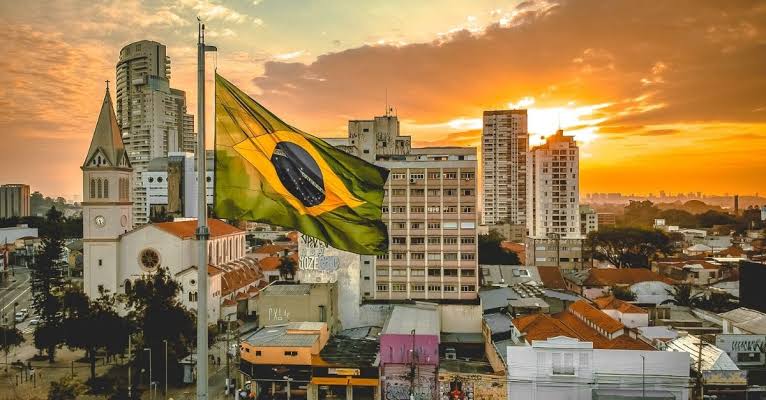
Seventh on our list, the Federative Republic of Brazil is projected to have a population of 222,624,000 by July 1, 2026, as per the U.S. Census Bureau. With a moderate growth rate of 0.35% in 2026, Brazil remains South America's most populous nation and a key player among the BRIC economies (Brazil, Russia, India, China).
Brazil's vast land area, including the Amazon rainforest, contrasts with densely populated cities like São Paulo and Rio de Janeiro. World Population Review data suggests that social inequality and environmental concerns complicate demographic growth, yet Brazil's cultural and economic influence endures. Our perspective is that Brazil's population dynamics will shape Latin American development for decades.
8. People's Republic of Bangladesh

Ranking eighth, the People's Republic of Bangladesh is projected to reach 175,927,589 people by July 1, 2026, according to the U.S. Census Bureau. Despite its small land area, Bangladesh boasts one of the highest population densities globally, with a growth rate of 1.21% in 2026. Investments in education and reproductive health have fueled economic progress, per UN World Population Highlights 2026.
The capital, Dhaka, exemplifies the strain of rapid urbanization, with millions living in tightly packed conditions. Our analysis points to Bangladesh's success in social development as a model for other densely populated nations, though climate vulnerability remains a pressing concern.
9. Russian Federation
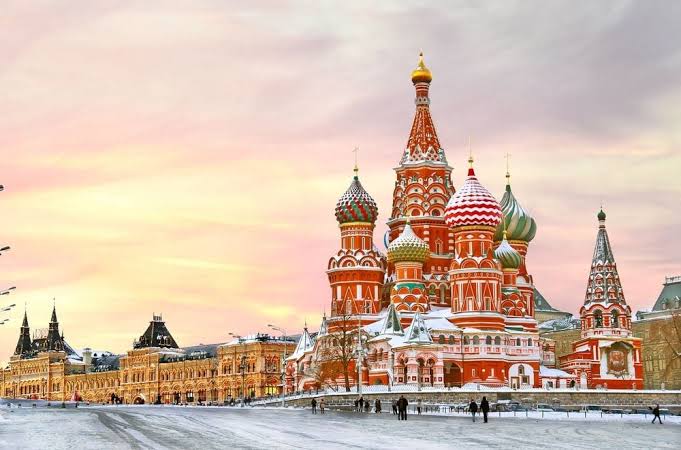
Ninth on the list, the Russian Federation is projected to have a population of 139,450,252 by July 1, 2026, per U.S. Census Bureau data. Despite being the largest country by land area, Russia faces a population decline of 0.42% in 2026, driven by low birth rates and emigration. It remains a significant global player and part of the BRIC group.
Russia's demographic challenges are compounded by an aging population and regional disparities, with vast rural areas losing inhabitants to urban centers like Moscow. Databoks Katadata notes that economic and political factors further complicate growth prospects. We see Russia's population trends as a counterpoint to the rapid increases seen in other top-ranked nations.
10. United Mexican States
Rounding out our list, the United Mexican States, commonly known as Mexico, is projected to have a population of 132,807,523 by July 1, 2026, according to the U.S. Census Bureau. As the most populous Spanish-speaking country globally, Mexico's growth rate of 0.8% in 2026 reflects a steady demographic increase. Its proximity to the United States shapes significant migration and economic ties.
Mexico City, one of the largest urban centers in the Western Hemisphere, exemplifies the challenges of managing population density, from traffic congestion to water scarcity. Worldometer data highlights how Mexico's cultural influence and trade partnerships amplify its global presence. We anticipate that Mexico's demographic trends will continue to play a key role in North American policy discussions.
Reflecting on the Most Populous Countries in the World 2026, it's clear that demographic trends are reshaping global priorities. From the Republic of India's staggering 1.4 billion inhabitants to the United Mexican States' steady growth, these nations collectively highlight the diversity of challenges and opportunities tied to population size. Our analysis, grounded in data from the U.S. Census Bureau and other authoritative sources, underscores the profound impact of these figures on economics, politics, and sustainability.
Related Posts

Top 10 Female Hockey Players in 2026: Meet the Game's Brightest Stars
Women’s ice hockey has experienced significant growth and development by 2026, with players from all over the world demonstrating outstanding skill, leadership, and commitment to the sport. The following is a detailed summary of the top ten female hockey players in the world in 2026, emphasizing their contributions to the game and their impact on […] More

Top 10 Best Hospitality Schools In The World (2026 Update): Where Tomorrow's Leaders Train
The world’s top hospitality schools continue to be essential in the context of a global economy because of their emphasis on offering exceptional guest experiences and high-quality service. People who want to work in hotels and other hospitality-related fields are actively looking for educational opportunities that will equip them with the skills and knowledge they […] <a class="g1-link g1-link-more" href="https://nubiapage.com/top-10-best-hospitality-schools-in-the-world-2024-up

Top 10 Greatest Packer Players in the World 2026: Surprising Picks & Legends
The Green Bay Packers, which are considered to be one of the most illustrious franchises in the history of the National Football League, have, throughout its existence, boasted a roster of remarkable talent. The history of the Packers is filled with players that have stood out for some reason, whether it be their iconic Super […] More

Top 10 Biggest Concert Stadiums In The World 2026
In 2026, the world of concert venues includes some of the biggest and most famous stadiums, known for hosting huge crowds and providing live music experiences that are unmatched. The following is a list of the ten largest concert stadiums in the world: List Of Top 10 Biggest Concert Stadiums In The World 2026 1. […] More
2 Comments
Join the discussion and share your thoughts