Top 10 Most Greenest Countries in 2026: Sustainability Rankings Revealed

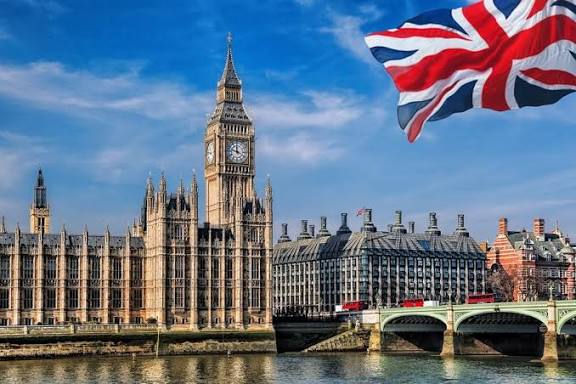
Table of Contents
As global environmental challenges intensify, identifying the world's greenest countries requires a sophisticated, multi-faceted analysis. Our 2026 ranking of the top 10 greenest countries moves beyond simple carbon metrics to evaluate true sustainability. This assessment synthesizes data from leading global indices, including the UN Sustainable Development Solutions Network's SDG Index, Climate Action Tracker ratings, and the Global Social Progress Index. We prioritize nations that demonstrate excellence not only in domestic environmental policy but also in managing their international spillover effects and ensuring social equity. The result is a list that highlights global leaders in creating a balanced, sustainable future for their citizens and the planet.
Our Evaluation Framework
To determine the greenest countries for 2026, our analysis employs a weighted framework built on three core pillars. First, we assess performance against the UN's 17 Sustainable Development Goals, which provides a comprehensive score (0-100) for environmental health, clean energy, and responsible consumption. Second, we integrate critical spillover and equity metrics, such as the International Spillover Index and the Leave-No-One-Behind Index, to account for a nation's global environmental footprint and internal social disparities. Finally, we evaluate the ambition and feasibility of national climate commitments. This methodology ensures our ranking reflects holistic leadership, rewarding countries that excel in governance, innovation, and fairness while acknowledging the complex challenges of measuring true sustainability in an interconnected world.
1. Denmark
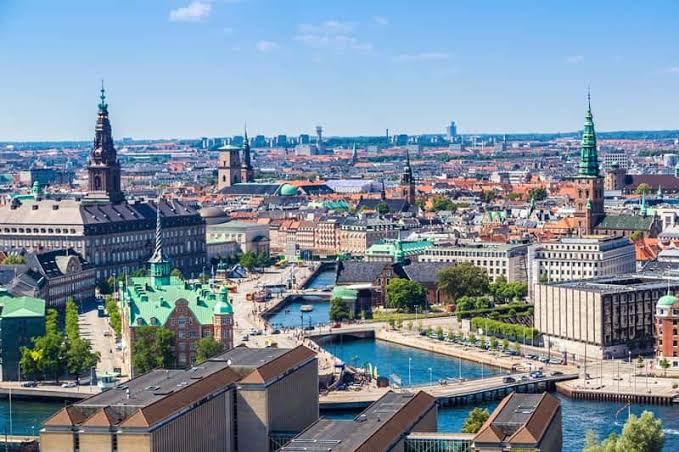
Denmark secures the top position as the world's greenest country in 2026 with an overall score of 82.5. This Nordic nation's leadership is built on a decades-long, cross-party political commitment to sustainability, resulting in some of the world's most robust environmental policies. Denmark consistently earns a "very high" rating in the Climate Change Performance Index, a testament to its effective climate governance. The capital, Copenhagen, is a global benchmark for sustainable urban planning, famously aiming to become the world's first carbon-neutral capital by 2025 through initiatives like extensive cycling infrastructure and district heating systems powered by waste-to-energy plants. Beyond its cities, Denmark is a pioneer in wind energy, with wind turbines frequently supplying over 50% of the nation's electricity demand.
2. Luxembourg
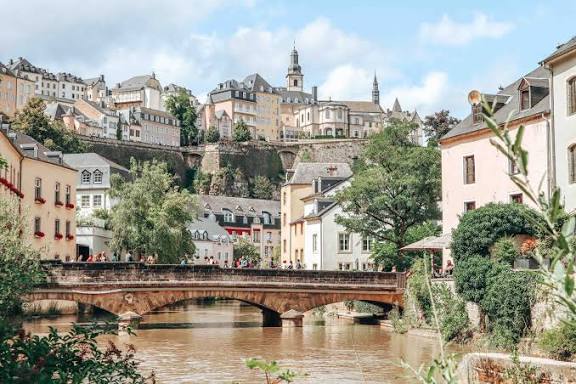
With a score of 82.3, Luxembourg ranks a close second. This small Grand Duchy punches far above its weight in environmental protection, with approximately 55% of its land designated as protected areas - nearly double the European Union's 2030 target. Luxembourg's environmental strategy extends beyond conservation into the financial sector through its innovative Luxembourg Green Exchange (LGX), a dedicated platform for listing sustainable bonds and funds that channels global capital toward green projects. The country maintains exceptional cleanliness through highly efficient waste management infrastructure and a culture of rigorous recycling. Its high population density and wealth are managed through strict environmental governance, proving that economic prosperity and ecological stewardship can be successfully integrated.
3. Switzerland
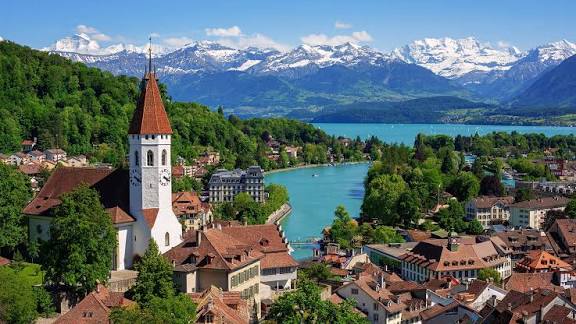
Switzerland, scoring 81.5, is renowned for its meticulous and effective environmental management. The country operates one of the world's most advanced waste management systems, recycling about 52% of all municipal waste and using state-of-the-art incineration plants to convert the rest into electricity and heat, drastically reducing landfill use. Its famous landscapes are protected by strict laws like the Spatial Planning Act, which prevents urban sprawl and preserves green belts. Switzerland has committed to achieving 100% renewable energy and carbon neutrality by 2050. Its infrastructure includes plants that clean over 90 million liters of wastewater daily, ensuring pristine water quality in its rivers and lakes, which are central to both its ecosystem and national identity.
4. United Kingdom
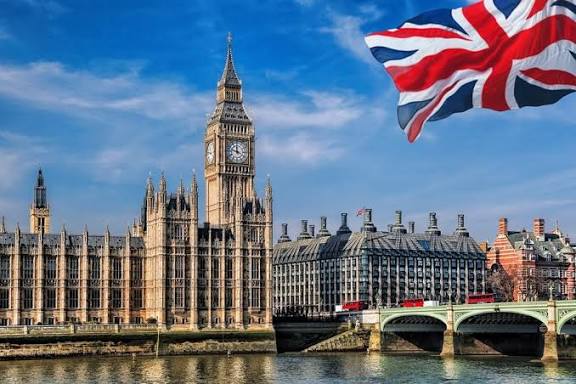
The United Kingdom achieves a score of 81.3, demonstrating significant and sustained progress in its green transition. The UK has rapidly decarbonized its electricity grid, with coal power nearly phased out and offshore wind capacity becoming a major energy source. It performs "high" in the G20 section of the Climate Change Performance Index, reflecting its substantial policy framework, including a legally binding target to reach net zero emissions by 2050. Investments in cleaner public transport, such as electric bus networks and cycling superhighways in cities like London, complement nationwide reductions in industrial pollution. The UK's environmental standards remain high, though it continues to face challenges in areas like biodiversity loss and heating decarbonization for older building stock.
5. France

France enters the ranking with a score of 80, recognized for its balanced approach to managing both dense urban centers and vast natural reserves. The country has made notable strides in pollution control and the adoption of renewable energy, particularly in expanding its solar and wind capacity. France scores highly in biodiversity and habitat protection, maintaining significant tracts of protected forests and agricultural land. Its Environmental Performance Index (EPI) score improved by +6.4 over a recent ten-year period, indicating consistent, positive trajectory. A key component of France's strategy is its focus on sustainable agriculture, promoting agroecology and reducing pesticide use, which protects its renowned culinary heritage while safeguarding ecosystems.
6. Austria
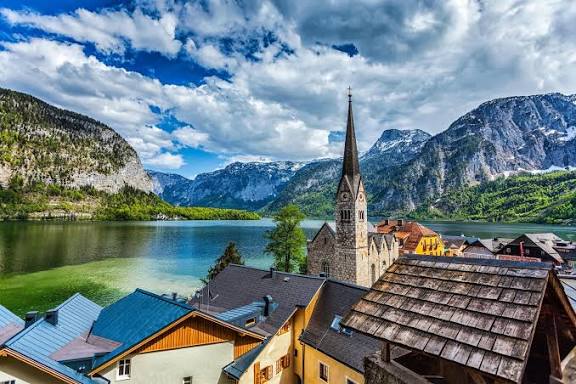
Austria, with a score of 79.6, leverages its alpine geography to champion renewable energy and nature conservation. The country generates a large portion of its electricity from hydropower, with additional contributions from wind and solar, supported by stringent national environmental policies. Its well-preserved natural ecosystems, including the Alps and numerous protected biosphere reserves, benefit from strict legal protections that maintain water quality and air purity. Vienna, the capital, is consistently ranked among the world's most livable cities, due in part to its prioritization of green spaces, excellent public transit, and sustainable housing projects. Austria's model integrates environmental health directly into its urban planning and quality of life.
7. Finland
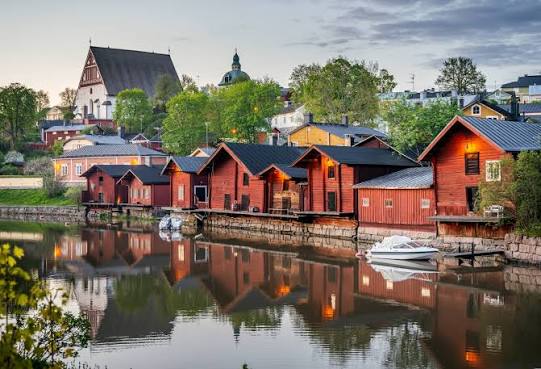
Finland earns a score of 78.9, consistently topping global metrics for air and water quality. The "Land of a Thousand Lakes" has invested heavily in renewable energy, with wind power capacity seeing significant growth. Finnish innovation extends to sustainable materials, exemplified by companies like Spinnova, which developed a process to create textile fiber from wood pulp using 99% less water than conventional cotton production. By 2022, its demonstration facility was already producing 1,000 tonnes of this fiber annually. Finland's environmental policy is deeply connected to its cultural relationship with nature, or "everyman's right," which fosters a societal-wide ethic of conservation and responsible outdoor access.
8. Sweden
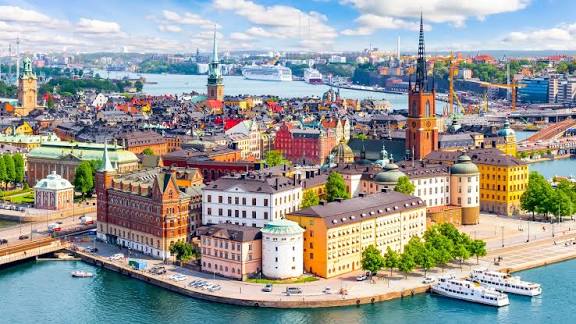
Sweden scores 78.7, maintaining its status as a global leader in environmental performance. The country's electricity mix is overwhelmingly low-carbon, relying on hydropower, nuclear energy, and a rapidly expanding wind power sector. Sweden pioneered a robust carbon tax in the early 1990s, which has been instrumental in reducing emissions. Its waste management system is exceptionally advanced, with less than 1% of household waste going to landfill; instead, waste is either recycled or converted into energy. This circular approach is backed by long-term legislation that prioritizes clean growth, demonstrating how environmental and economic objectives can be aligned through consistent, forward-looking policy.
9. Norway
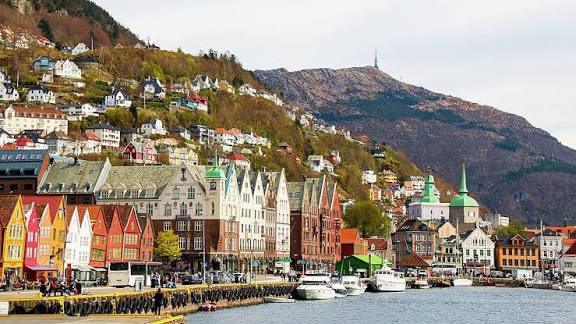
Norway, with a score of 77.7, leverages its natural resources for sustainable ends. Nearly all its electricity is generated from low-carbon hydropower, providing the foundation for its clean air and ambitious plans to electrify its transport sector. Norway is a frontrunner in protecting marine biodiversity and is driving climate technology innovation, most notably through the Northern Lights project - a major European carbon capture and storage initiative. The country also boasts one of the world's most efficient recycling systems, incorporating smart solutions like solar-powered, self-compacting public bins to optimize collection. Norway's sovereign wealth fund, built on oil revenues, now applies strict environmental, social, and governance (ESG) criteria to its global investments, amplifying its green influence worldwide.
10. Germany
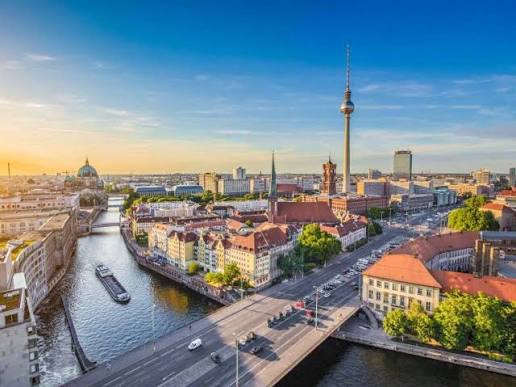
Germany rounds out the top ten with a score of 77.2. The country has codified ambitious targets into law, aiming for climate neutrality by 2045 and negative emissions by 2050. Its "Energiewende" (energy transition) represents one of the world's most significant shifts from fossil fuels and nuclear power to renewables, requiring massive investments in wind, solar, and grid infrastructure. Germany closed its last nuclear power plants in 2022, accelerating this transition. The country's environmental success is also rooted in its "Pfand" bottle deposit system, which achieves high recycling rates, and its strong support for clean tech innovation. As Europe's largest economy, Germany's green policies have a substantial ripple effect across the continent.
The 2026 ranking of the world's greenest countries reveals a continued stronghold by European nations, particularly in the Nordic region, driven by long-term policy commitment, public support, and technological innovation. However, true leadership is increasingly defined by a country's ability to manage its global environmental footprint and ensure an equitable transition. As the climate crisis evolves, the benchmark for being "green" will rise, demanding more holistic strategies that address international spillovers and social inclusion. The nations on this list provide valuable blueprints, but the ongoing challenge for all will be to accelerate action and turn ambitious targets into tangible, global environmental benefits.
Related Posts

Top 10 Female Hockey Players in 2026: Meet the Game's Brightest Stars
Women’s ice hockey has experienced significant growth and development by 2026, with players from all over the world demonstrating outstanding skill, leadership, and commitment to the sport. The following is a detailed summary of the top ten female hockey players in the world in 2026, emphasizing their contributions to the game and their impact on […] More

Top 10 Best Hospitality Schools In The World (2026 Update): Where Tomorrow's Leaders Train
The world’s top hospitality schools continue to be essential in the context of a global economy because of their emphasis on offering exceptional guest experiences and high-quality service. People who want to work in hotels and other hospitality-related fields are actively looking for educational opportunities that will equip them with the skills and knowledge they […] <a class="g1-link g1-link-more" href="https://nubiapage.com/top-10-best-hospitality-schools-in-the-world-2024-up

Top 10 Greatest Packer Players in the World 2026: Surprising Picks & Legends
The Green Bay Packers, which are considered to be one of the most illustrious franchises in the history of the National Football League, have, throughout its existence, boasted a roster of remarkable talent. The history of the Packers is filled with players that have stood out for some reason, whether it be their iconic Super […] More

Top 10 Biggest Concert Stadiums In The World 2026
In 2026, the world of concert venues includes some of the biggest and most famous stadiums, known for hosting huge crowds and providing live music experiences that are unmatched. The following is a list of the ten largest concert stadiums in the world: List Of Top 10 Biggest Concert Stadiums In The World 2026 1. […] More
0 Comments
Join the discussion and share your thoughts
No Comments Yet
Be the first to share your thoughts on this article!