Top 10 Most Expensive Foods in the World 2026: Unveiling Culinary Luxury

Table of Contents
The global luxury food market continues to captivate culinary enthusiasts and collectors willing to pay extraordinary sums for the rarest ingredients on Earth. These premium delicacies command prices that often exceed precious metals, reflecting not just exceptional taste but extreme scarcity, labor-intensive production methods, and centuries of tradition. From caviar harvested once per century to mushrooms that cannot be cultivated, these foods represent the pinnacle of gastronomic exclusivity.
Our analysis examines the world's most expensive foods based on verified market prices as of 2026, drawing from international luxury food suppliers, auction records, and specialty importers. Prices reflect per-kilogram wholesale rates for authentic products from verified sources. The ranking accounts for both absolute cost and market availability, with items priced significantly above $300 per kilogram qualifying for this elite category. Geographic restrictions, production volumes, and legal trade limitations all factor into these valuations.
Understanding Luxury Food Pricing
The extraordinary costs attached to these ingredients stem from several converging factors. Natural scarcity plays the dominant role, whether through endangered species protections, inability to farm-raise certain organisms, or geographic limitations that restrict production to single regions. Labor intensity compounds these costs - saffron requires hand-harvesting thousands of flowers for a single ounce, while traditional ham producers invest three years aging each leg.
Market dynamics have shifted considerably between 2024 and 2026. Conservation regulations tightened import restrictions on wild-caught seafood, pushing prices higher for remaining legal supplies. Climate change reduced natural truffle habitats across Europe, while demand from emerging luxury markets in Asia created bidding wars for limited harvests. These pressures ensure that authentic luxury ingredients maintain astronomical price points despite occasional market corrections.
The List Of The Top 10 Most Expensive Foods in the World 2026:
1. Almas Caviar

Almas Caviar stands alone at the summit of luxury foods with a staggering price of $25,000 per kilogram, making it more valuable per weight than most precious metals. This extraordinary caviar comes from albino sturgeon in Iran, fish so rare they appear approximately once every 100 years. The eggs possess a distinctive pale golden color that distinguishes them from standard caviar varieties, with a delicate, creamy texture that connoisseurs describe as unmatched in the caviar world.
The century-long wait for viable albino sturgeon creates supply constraints unlike any other food product. Iranian producers package Almas exclusively in 24-karat gold tins, a presentation befitting its status as potentially the world's single most expensive ingredient by weight. A single kilogram represents the equivalent cost of multiple luxury automobiles, placing it firmly beyond reach except for the ultra-wealthy collectors and Michelin-starred establishments seeking the ultimate prestige ingredient.
The name "Almas" translates to "diamond" in Russian, an apt comparison given both the rarity and the price point. Traditional caviar houses in Iran guard their albino sturgeon sources closely, with some fish reportedly living over 100 years before producing eggs of sufficient quality. The combination of extreme biological rarity, century-scale production timelines, geopolitical complexities around Iranian exports, and luxury packaging creates a perfect storm of scarcity that no other food ingredient can match.
2. Beluga Caviar
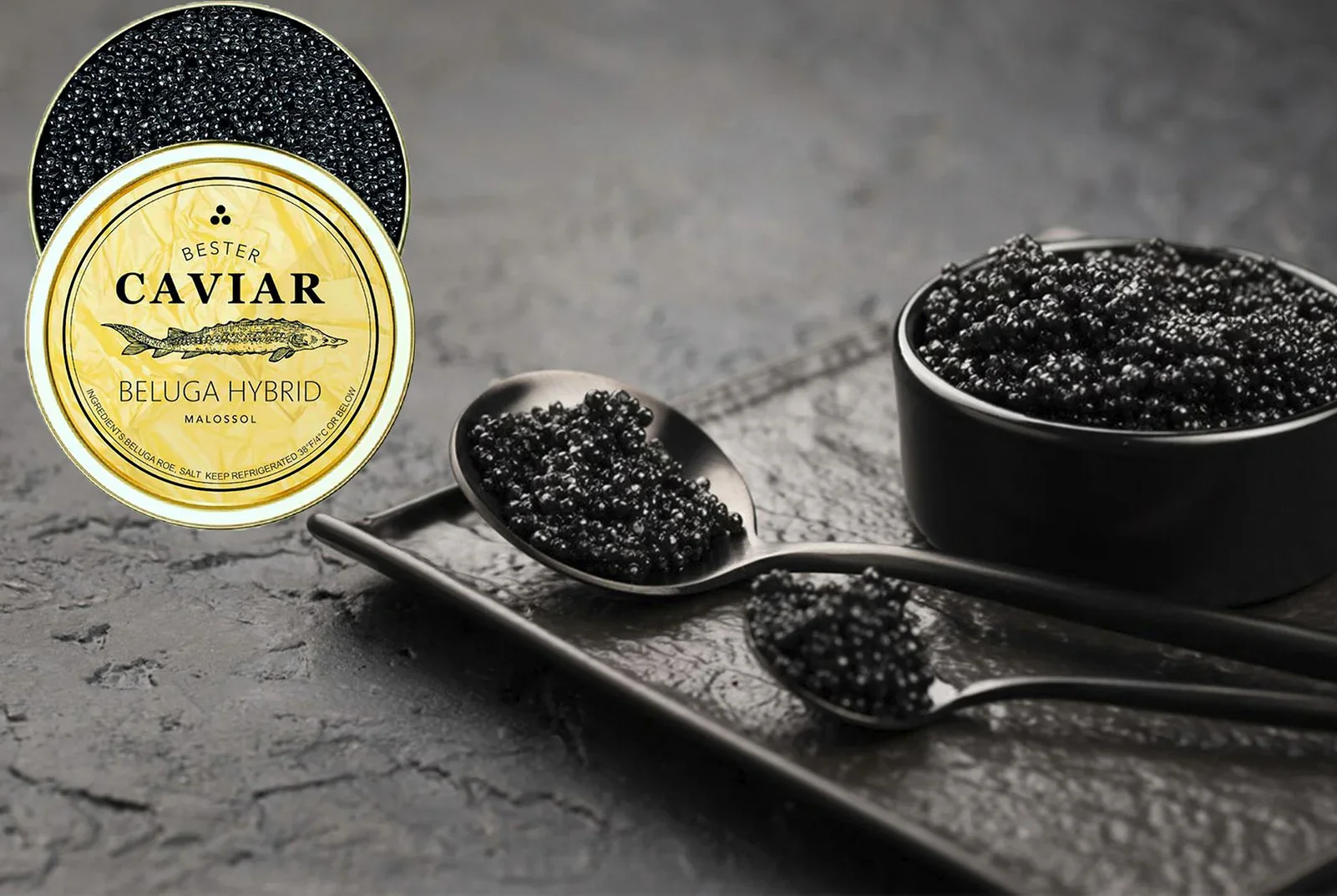
Beluga Caviar from the Caspian Sea commands approximately $7,000 per kilogram, positioning it as the second most expensive food globally despite being somewhat more accessible than Almas. These large, pearl-gray eggs come from the Beluga sturgeon (Huso huso), the largest freshwater fish species, which can live over 100 years and doesn't reach reproductive maturity until age 18-20. This extended maturation cycle fundamentally limits production capacity.
The United States banned wild Beluga caviar imports in 2005 after the species received endangered status due to decades of overfishing in the Caspian Sea. This created a luxury void that Florida-based Sturgeon AquaFarms filled in 2020 when it received a rare exemption to produce American-farmed purebred Beluga caviar. Their product sells for approximately $770 per ounce (28 grams), making even small tastings a significant investment. The farm-raised alternative demonstrates how conservation measures can paradoxically increase prices by creating legal scarcity even when wild populations technically exist.
International regulations through CITES (Convention on International Trade in Endangered Species) now govern all Beluga sturgeon products, requiring extensive documentation and limiting legal trade channels. Russia and several Caspian nations produce small quantities under strict quotas, but export volumes remain a fraction of historical levels. The caviar's buttery flavor profile, large egg size, and long cultural association with Russian and Persian royalty maintain its prestige despite competition from other luxury caviars.
3. White Truffle
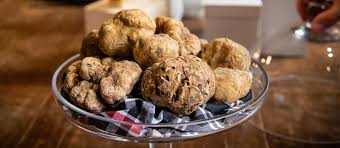
Italian White Alba Truffles occupy third position at approximately $5,000 per kilogram, with premium specimens from specialized suppliers like Regalis Foods currently selling around $300 per ounce. This pricing reflects roughly two servings worth of shavings, illustrating how even modest portions represent substantial expenses. These rare fungi grow exclusively in specific regions of Piedmont, Italy, particularly around the town of Alba, and cannot be cultivated despite decades of scientific attempts.
The impossibility of truffle farming creates absolute dependency on wild foraging during limited seasonal windows, typically October through December. Trained truffle dogs (historically pigs, though dogs are now preferred) work with experienced hunters to locate the fungi growing underground near the roots of oak, hazel, and poplar trees. The truffle's intense, earthy aroma - often described as garlicky with hints of fermented cheese and gasoline - begins degrading within days of harvest, requiring immediate sale and consumption.
Climate patterns dramatically affect annual yields, with warm, dry summers followed by wet autumns producing the best harvests. Poor weather years can reduce supply by 50-70%, causing prices to spike unpredictably. Record-setting truffles occasionally sell at auction for tens of thousands of dollars for a single specimen, though these represent publicity events rather than typical market rates. The white truffle's legendary status in Italian cuisine, its ephemeral nature, and the romantic image of nocturnal hunts through Piedmont forests all contribute to prices that continue climbing despite global economic pressures.
4. Saffron
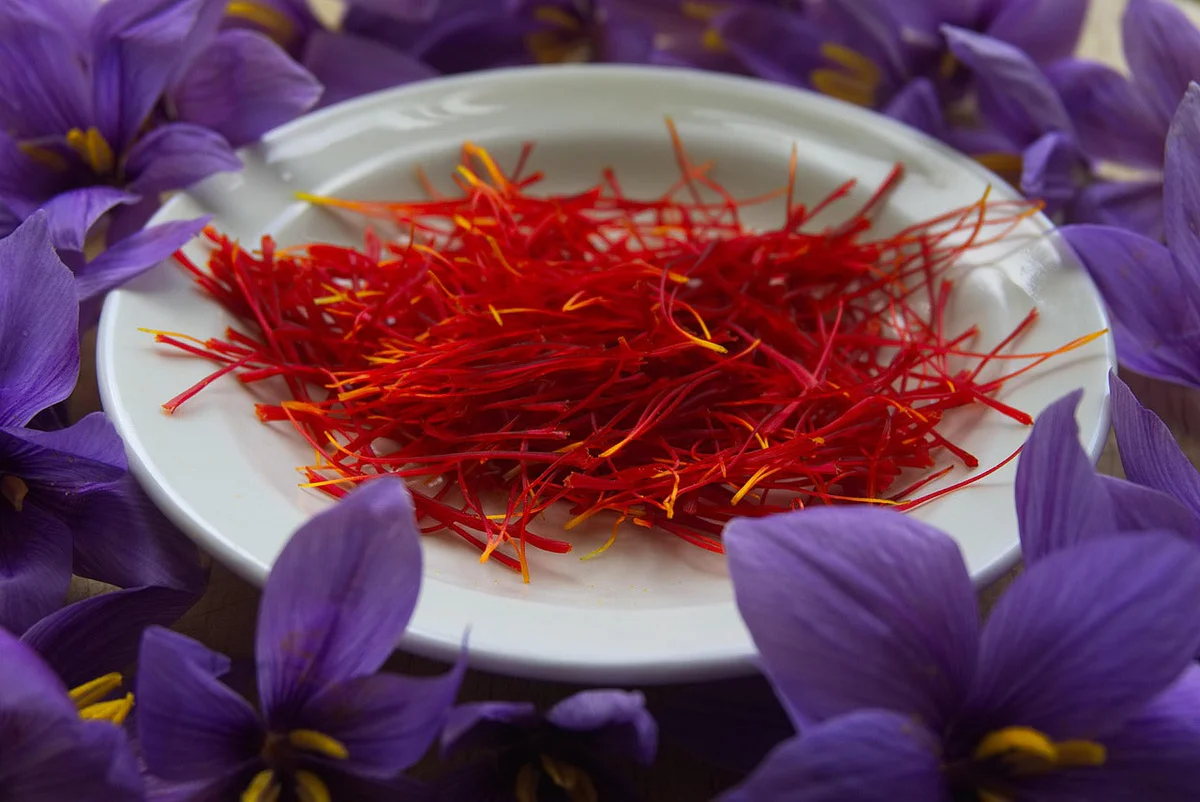
Saffron earns its nickname "Red Gold" with prices ranging from $500 to $2,000 per pound ($5,000 per kilogram at the premium end), often exceeding the value of actual gold by weight. This crimson spice consists of the dried stigmas of Crocus sativus flowers, which bloom for just 2-3 weeks each fall. Each flower produces exactly three stigmas, requiring roughly 150,000 flowers to yield one kilogram of dried saffron - equivalent to harvesting an area twice the size of a football field.
Iran dominates global production, accounting for approximately 90% of the world's saffron supply, with smaller quantities from Spain, Greece, Morocco, and Kashmir. The harvesting process remains stubbornly resistant to mechanization; workers must hand-pick flowers before dawn when they first open, then manually separate the delicate red stigmas from yellow styles and purple petals. A skilled harvester can process about 2,000 flowers per hour, yielding roughly 12 grams of fresh stigmas that reduce to 2-3 grams after drying.
Saffron's distinctive flavor profile combines floral, honey-like sweetness with subtle earthy bitterness and a penetrating aroma that transforms dishes even in minute quantities. Its golden-yellow color stains rice in Persian tahdig, Spanish paella, and Italian risotto alla milanese. Beyond culinary applications, saffron has traditional uses in Ayurvedic medicine and as a textile dye. Adulteration remains a persistent problem, with unscrupulous sellers mixing genuine saffron with safflower, turmeric, or dyed corn silk, making authentication critical for premium-priced products.
5. Moose Cheese

Swedish moose cheese commands approximately $2,200 per kilogram ($500 per pound), making it one of the world's most expensive dairy products despite remaining virtually unknown outside niche gourmet circles. Moose House farm in Sweden maintains the exclusive global production, operating what is essentially a moose dairy where three moose - Gullan, Haelga, and Juna - produce milk for only five months annually, from May through September.
The production constraints are staggering compared to conventional dairy. A single moose yields just 1.5-2 liters of milk per day, versus 60 liters from dairy cows, and milking can only occur when the moose willingly cooperates. It requires more than 25 liters of moose milk to produce one kilogram of cheese, and the animals must be hand-milked in a stress-free environment or they simply won't produce. The farm creates three varieties: a white-mold rind cheese similar to Camembert, a feta-style cheese, and a blue cheese, each with distinctive gamey notes that reflect the moose's forest diet.
Moose milk contains higher fat and protein content than cow's milk, contributing to the cheese's rich, creamy texture and complex flavor profile. The operation faces inherent scaling limitations since moose cannot be conventionally farmed like cattle, and expanding production would require establishing entirely new moose dairy operations elsewhere - a daunting prospect given the specialized knowledge and infrastructure required. This creates an almost perfectly inelastic supply that keeps prices astronomical for the tiny quantities produced annually.
6. Matsutake Mushroom
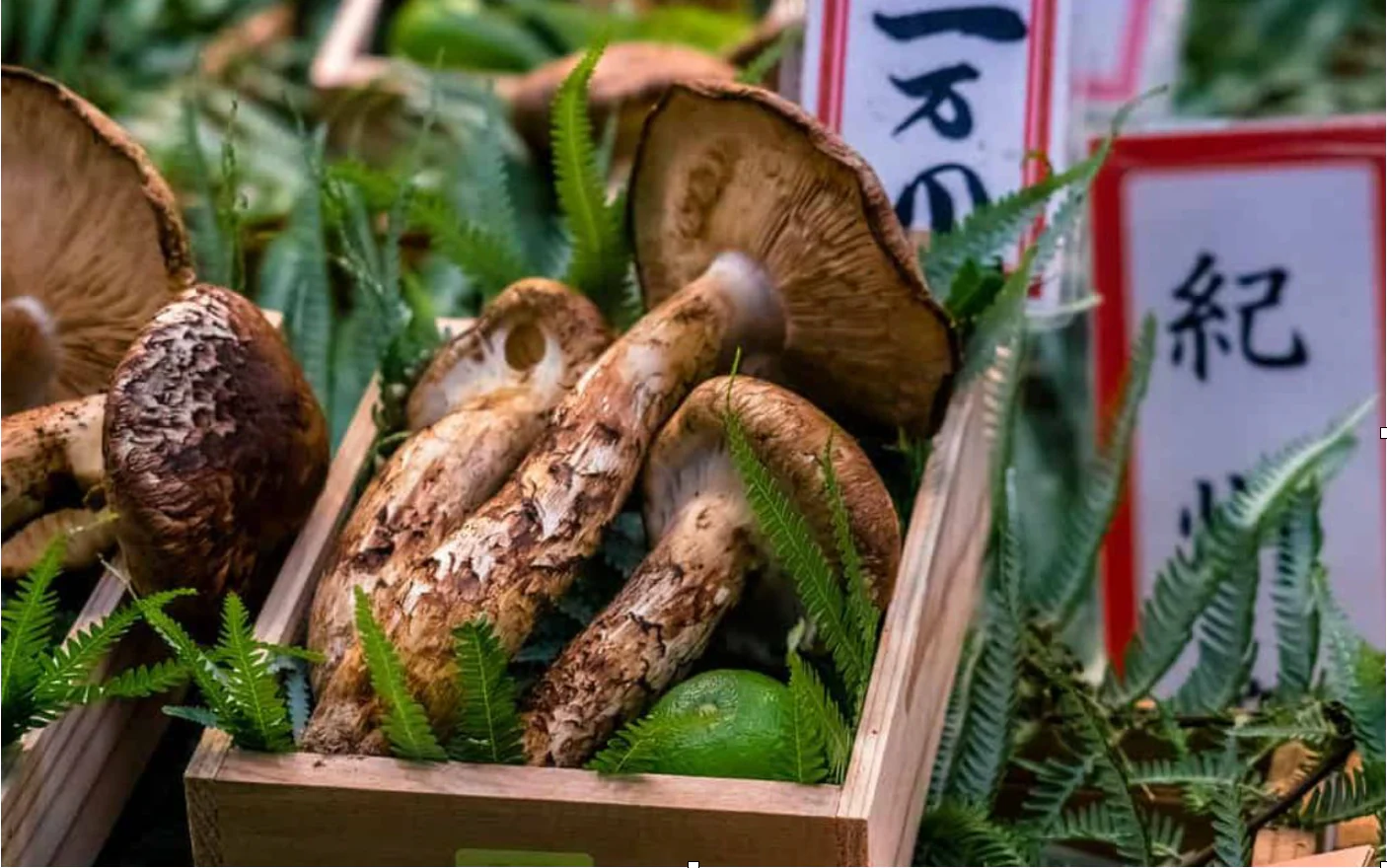
Japanese Matsutake mushrooms fetch up to $2,000 per kilogram during peak season, though prices fluctuate dramatically based on harvest quality and availability. These aromatic fungi grow in symbiotic relationships with specific pine tree species in Japan, Korea, China, and limited North American forests, but they cannot be commercially cultivated despite intensive research efforts spanning decades. This absolute dependency on wild foraging creates supply uncertainty that drives premium pricing.
The mushroom's distinctive spicy-aromatic odor - often compared to cinnamon mixed with pine resin - makes it immediately recognizable to experienced foragers. Its firm, meaty texture holds up well in cooking, making it prized for traditional Japanese autumn dishes like matsutake gohan (rice), dobinmushi (soup), and sukiyaki hot pot. In Japanese culture, matsutake represents autumn itself, featuring prominently in seasonal gift-giving traditions where pristine specimens are presented in elegant wooden boxes.
Climate change and pine tree diseases have devastated natural matsutake habitats over the past three decades, reducing Japanese harvests by more than 90% since the 1970s. Pine wilt disease, caused by nematodes carried by beetles, has killed millions of red pines that hosted matsutake mycorrhizal networks. This ecological crisis transformed matsutake from a relatively common seasonal ingredient into an extreme luxury, with top-grade Japanese specimens now commanding prices comparable to precious truffles. Korean and Chinese matsutake varieties typically sell for lower prices but still represent premium forest products in their respective markets.
7. Iberico Ham
Spanish Jamón Ibérico, particularly the premium Jamón Ibérico de Bellota grade, reaches approximately $1,000 per kilogram for the finest examples, though prices vary considerably based on aging duration and breed purity. This cured ham comes exclusively from black Iberian pigs, a heritage breed that has roamed the oak forests of southwestern Spain and Portugal for thousands of years. The pigs' genetics give their meat distinctive marbling characteristics and the ability to infiltrate fat deep into muscle tissue.
The bellota designation requires that pigs spend the montanera season (roughly October through March) roaming oak forests and consuming acorns almost exclusively. A single pig can eat 10 kilograms of acorns daily during this period, gaining 50% of their final body weight while the acorn diet transforms the fat composition, infusing it with nutty, sweet flavors. After slaughter, the hams undergo a curing process extending 36 months or longer in temperature-controlled cellars where they lose 35-40% of their weight through moisture evaporation.
Master ham makers (maestros jamoneros) monitor each leg throughout aging, adjusting placement and occasionally inserting bone needles to test aroma development. The finished product displays deep red meat with extensive white fat marbling, offering complex flavors combining nuttiness, sweetness, and savory umami notes. Regional designations like Jabugo and Guijuelo indicate specific production areas, similar to wine appellations. The combination of heritage genetics, free-range acorn finishing, multi-year aging, and artisanal craftsmanship creates a delicacy that represents Spain's pinnacle contribution to global charcuterie.
8. Kopi Luwak Coffee
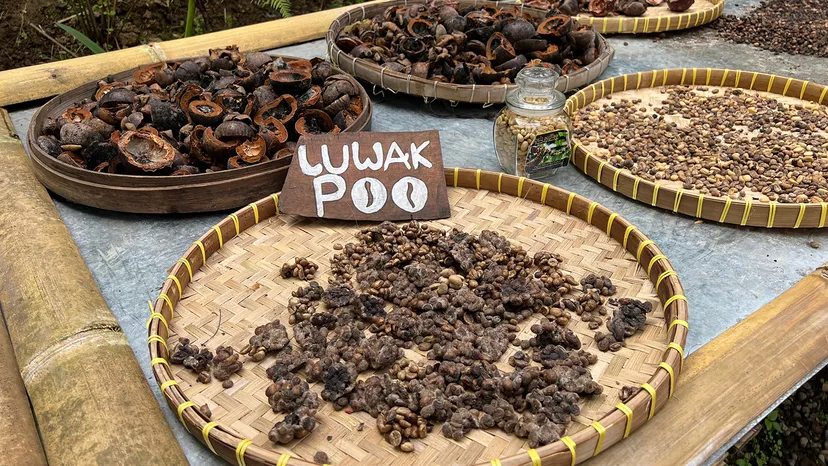
Kopi Luwak commands $600 per kilogram for the product generally, though genuinely wild-harvested beans can exceed $300 per pound when verified authentic. This Indonesian coffee derives from beans that have passed through the digestive system of the Asian palm civet (Paradoxurus hermaphroditus), a small nocturnal mammal native to Southeast Asian forests. The civets selectively consume only the ripest coffee cherries, and their digestive enzymes ferment the beans during intestinal transit, supposedly reducing acidity and bitterness.
The production process involves collecting civet droppings from forest floors, extracting the intact beans (which survive digestion due to their tough inner parchment), washing them thoroughly, and then drying and roasting using conventional methods. Proponents claim the resulting coffee offers uniquely smooth flavors with reduced bitterness compared to standard arabica, though blind taste tests have produced mixed results, with some experts unable to distinguish it from high-quality conventional coffee.
The industry faces serious ethical scrutiny due to civet farming operations that emerged to meet demand. Many producers now cage civets and force-feed them coffee cherries, creating conditions that animal welfare organizations condemn as cruel. Truly wild-harvested kopi luwak represents a tiny fraction of the market, with most commercial products coming from farmed civets. This distinction dramatically affects both price and ethical considerations, though distinguishing between wild and farmed product remains difficult for consumers. The coffee's reputation increasingly suffers as awareness of production conditions spreads, yet it maintains cult status among collectors seeking exotic brewing experiences.
9. Kobe Beef
Authentic Kobe beef sells for approximately $500 per kilogram, representing the gold standard of Japanese Wagyu cattle breeding. This beef can only come from Tajima or Tajiri cattle strains raised, bred, and slaughtered exclusively in Japan's Hyōgo prefecture, creating geographical exclusivity similar to Champagne from France. The designation carries strict requirements: cattle must score between 4-5 on Japan's beef marbling scale, demonstrate specific fat color and distribution patterns, and pass rigorous quality inspections.
The cattle receive specialized diets and care for approximately 30 months before slaughter, much longer than the 18-20 months typical for standard beef cattle. This extended feeding period allows intramuscular fat to develop the extreme marbling that gives Kobe beef its characteristic appearance - meat so heavily infiltrated with white fat that it resembles pink marble. The fat's low melting point means it literally dissolves at body temperature, creating the velvety, buttery texture that defines the Kobe experience.
Contrary to popular myths, Kobe cattle are not routinely massaged or fed beer, though some farmers may occasionally use these practices. The marbling results primarily from genetics, extended feeding periods, and carefully controlled diets rather than unusual husbandry techniques. Export restrictions mean genuine Kobe beef remains rare outside Japan, with most "Kobe" beef sold in foreign restaurants actually being American or Australian Wagyu that lacks the Kobe designation. The Japanese government maintains strict certification and export documentation requirements, and only a handful of restaurants outside Japan receive authorization to serve certified Kobe beef, maintaining its status as one of the world's most exclusive meat products.
10. Bluefin Tuna Otoro
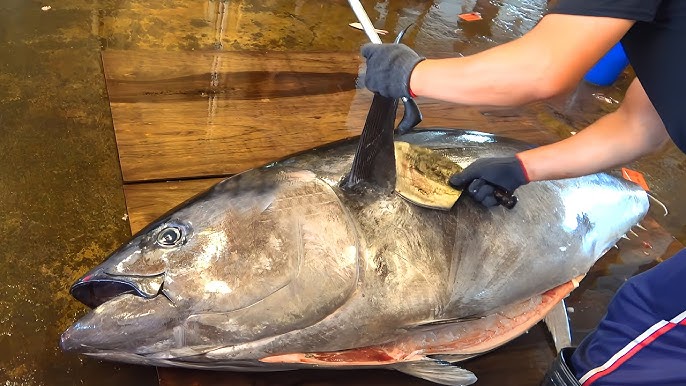
The fatty belly portion (otoro) of bluefin tuna represents the most prized section of an already valuable fish, with wholesale prices around $300 per kilogram for the cut itself, though whole premium bluefin tuna sell for $19,000 to $75,000 at Tokyo's Toyosu Market. The otoro comes from the lowest part of the tuna's belly, where fat content reaches 25-30% compared to 5-10% in standard tuna cuts. This extreme fattiness creates a texture that practically melts on contact with the palate, delivering intense umami flavor.
Bluefin tuna can exceed 600 kilograms and live over 40 years, but most commercial catches occur long before maturity as fishing pressure has decimated populations across the Atlantic and Pacific. The species' migratory patterns, spanning thousands of miles between feeding and spawning grounds, make population management exceptionally challenging. International conservation bodies like ICCAT (International Commission for the Conservation of Atlantic Tunas) now impose strict catch quotas, though enforcement remains inconsistent across different nations' fleets.
The otoro's rich omega-3 and omega-6 fatty acid content contributes to its buttery flavor and nutritional profile, making it particularly valued for high-end sushi and sashimi preparations. Top sushi restaurants in Tokyo, New York, and Los Angeles compete at auctions for the finest specimens, with the first bluefin sold at Tokyo's New Year auction often fetching symbolic prices exceeding $3 million for a single fish. This combination of biological scarcity, conservation-driven supply restrictions, cultural significance in Japanese cuisine, and intense competition among elite restaurants maintains otoro's position as the ocean's most luxurious ingredient, despite ongoing concerns about the species' long-term survival.
Related Posts
Top 10 Richest Chefs in USA 2026: How They Built Culinary Empires
In recent years, the world of celebrity chefs has developed into a multi-billion dollar industry that combines culinary expertise with media savvy, entrepreneurialism, and the development of distinctive brands. In the year 2026, a number of the wealthiest chefs in the United States have not only established themselves as influential figures in the kitchen, but […] More

Top 10 Best Skaters in the World 2026: The Ultimate Showdown Awaits
As we move through 2026, a few skaters stand out for their extraordinary skills, creativity, and contributions to the sport. Here’s a look at the top 10 skaters in the world right now, each pushing the boundaries of skateboarding in their own unique way. Skateboarding has evolved into a highly dynamic sport, showcasing remarkable talent […] More

Top 10 Highest Paid Female Footballers In The World 2026: Salaries That Shocked the Industry
Top 10 Highest Paid Female Footballers In The World 2026 1. Sam Kerr One of the most notable players in women’s football is Sam Kerr, who hails from Australia and operates as a striker. Kerr has emerged as a significant personality in the sport as a result of her remarkable speed, her extraordinary ability to […] More
The Largest Oil Refineries In The World 2026: Essential Insights for Energy Stakeholders
As of the year 2026, the following is a list of the top ten largest refineries in the world, which are known for their enormous processing capacities and strategic significance. Refineries play an important part in the global energy sector because they convert crude oil into valuable products such as gasoline, diesel, and other petrochemicals. […] More
3 Comments
Join the discussion and share your thoughts