World's 10 Coldest Places - 2026 Update: The Absolute Lowest Temperatures

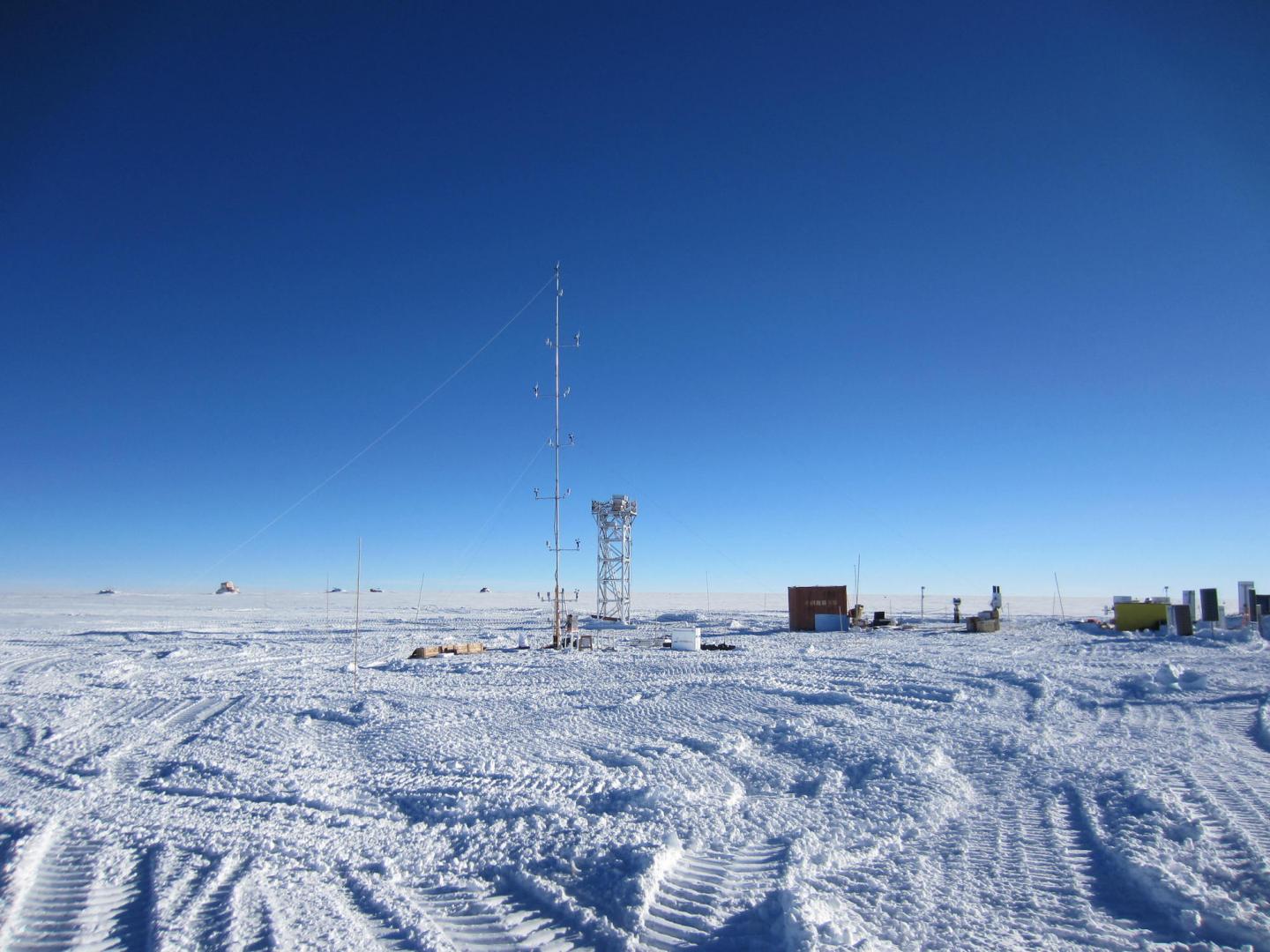
Table of Contents
Our publication presents an authoritative analysis of the Top 10 Most Coldest Places In The World 2026, synthesizing the latest validated meteorological data and scientific understanding. This review provides a definitive ranking based on the lowest recorded air temperatures, drawing from verified weather records and ongoing climate monitoring up to March 2026. While extreme historical cold records remain largely unsurpassed, our examination delves into the unique geographical and atmospheric conditions that render these locations the Earth's most frigid, offering insights into their scientific significance and the remarkable adaptations required for survival.
Methodology and Ranking Criteria
Our ranking of the world's coldest places is meticulously derived from World Meteorological Organization (WMO)-recognized lowest temperatures, prioritizing instrumentally measured surface air temperatures. These measurements are collected at 1.5 meters above the ground under standard meteorological conditions. This approach ensures accuracy and comparability across diverse global regions.
The primary criterion for inclusion and ranking is the absolute lowest temperature officially recorded at a given location. This necessitates stringent verification processes. We exclusively consider WMO-approved measurements obtained from manned or automated weather stations. Satellite-derived surface skin temperatures, such as those indicating −90°C or lower, are explicitly excluded from this ranking. While valuable for understanding ground surface thermodynamics, these satellite readings measure the temperature of the ground or ice surface itself, not the ambient air temperature, which is the standard for meteorological records.
Our data is current through March 2026, incorporating any post-1983 validations or reinterpretations of historical records. It is important to note that no colder air temperatures have been recorded since the benchmark set by Vostok Station in 1983, a fact confirmed by ongoing analysis. The geographic scope for this ranking is global, with a specific focus on continental and polar extremes. Fleeting or ephemeral low temperatures, such as those observed within snow caves or localized microclimates, are not considered for this definitive list.
In instances of tied temperatures, locations are ranked by their absolute lowest recorded temperature, with priority given to earlier verified dates if all other factors are equal. For the 2026 timeframe, climate data from ENSO-neutral conditions, characterized by a Niño 3.4 index at approximately −0.6°C, suggests stable polar cold snaps. This indicates that current atmospheric patterns are not expected to enhance extreme cold events beyond historical precedents, though variability persists. Our analysis cross-references comprehensive tables from sources like Wikipedia against NOAA and other climate archives to ensure the highest degree of accuracy and reliability in these critical temperature records.
The Top 10 Most Coldest Places In The World 2026:
1. East Antarctic Plateau
This remote expanse on the East Antarctic Plateau holds the distinction of recording the coldest surface temperature ever detected on Earth. Satellite measurements conducted between 2003 and 2013 identified numerous pockets where surface temperatures plummeted, with a specific record of -94.7°C (-135.8°F) observed in August 2010. While these are satellite-measured surface temperatures, they are indicative of near-surface air temperatures that could reach as low as -94°C (-137°F). This makes the East Antarctic Plateau the absolute coldest measured point on the planet, a stark testament to the extreme conditions possible in Earth's polar regions.
The conditions on the plateau are dominated by extreme radiative cooling, particularly during the prolonged polar night when the sun remains below the horizon for months. The high elevation of the ice sheet, combined with the incredibly dry air, allows heat to escape into space with minimal atmospheric insulation. This phenomenon creates a persistent temperature inversion, where the coldest air settles directly on the surface. NASA Earthdata 2026 composites continue to depict this region as a vast, unbroken expanse of white, featureless ice, underscoring its unparalleled frigidity and isolation.
2. Vostok Station, Antarctica
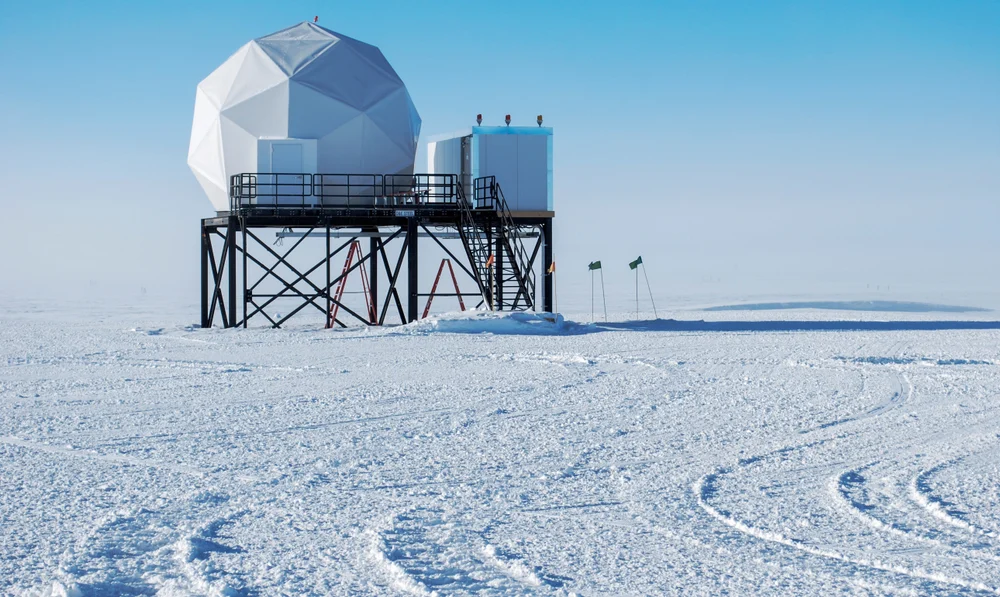
Vostok Station, a Russian research outpost situated at the southern Pole of Cold, holds the undisputed record for the lowest directly measured air temperature on Earth. On July 21, 1983, instruments at Vostok recorded an astounding -89.2°C (-128.6°F). This station is located at an elevation of 3,488 meters in the heart of the East Antarctic ice sheet, a position that contributes significantly to its perpetually frigid conditions. The extreme isolation, high altitude, and prolonged polar night, which lasts approximately four months, are critical factors in allowing such temperatures to develop.
Established in 1957, Vostok has been instrumental in glaciological and climate research. Its ice core drilling operations have provided invaluable data, revealing over 420,000 years of Earth's climate history, including variations in atmospheric CO2 concentrations and past temperature fluctuations. Modern TMYx (Typical Meteorological Year) data for 2026 confirms annual mean temperatures around -55°C, reinforcing the consistent extreme cold of this site. High-resolution 2026 Landsat 8/9 images depict Vostok as a vast white plateau, with the station's domes appearing as small, resilient structures amid an endless expanse of ice, reflecting the harsh environment where liquid oxygen can solidify at -89°C.
3. Plateau Station, Antarctica
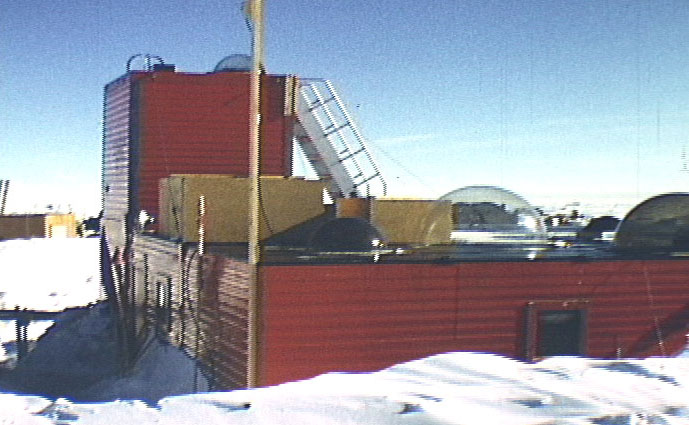
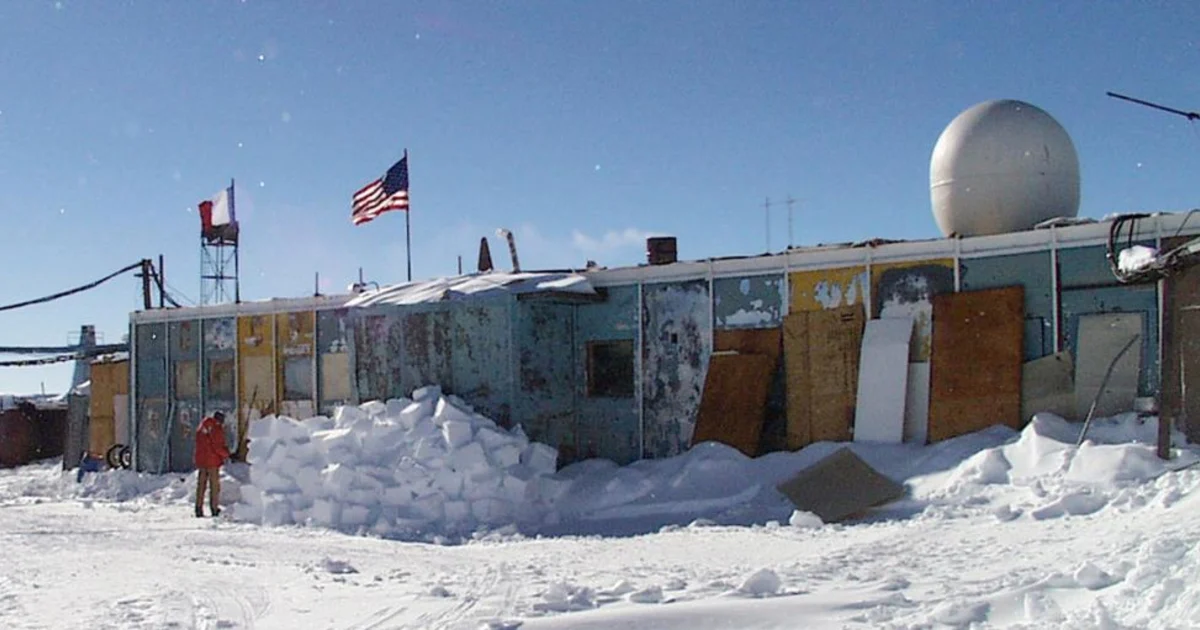
Plateau Station was an American research and support base strategically located on the central Antarctic Plateau. Active from 1966 to 1969, the station recorded exceptionally low temperatures during its operational period. On July 20, 1968, a temperature of -86.2°C (-123.1°F) was measured. While this did not surpass Vostok's absolute record, Plateau Station consistently experienced some of the lowest average temperatures during its years of measurement due to its high elevation and remoteness.
The station's design and operational challenges provided crucial insights into human endurance and technological limits in extreme cold. The sustained cold at Plateau Station was a direct consequence of its location on a high ice plateau, which facilitates efficient radiative cooling. Although the station is no longer active, its historical data remains a critical component of understanding Antarctic climate dynamics. The site continues to be monitored by satellite, with recent imagery showing the ice sheets remaining unchanged, affirming the persistent cold conditions that characterize this part of the continent.
4. Dome Argus
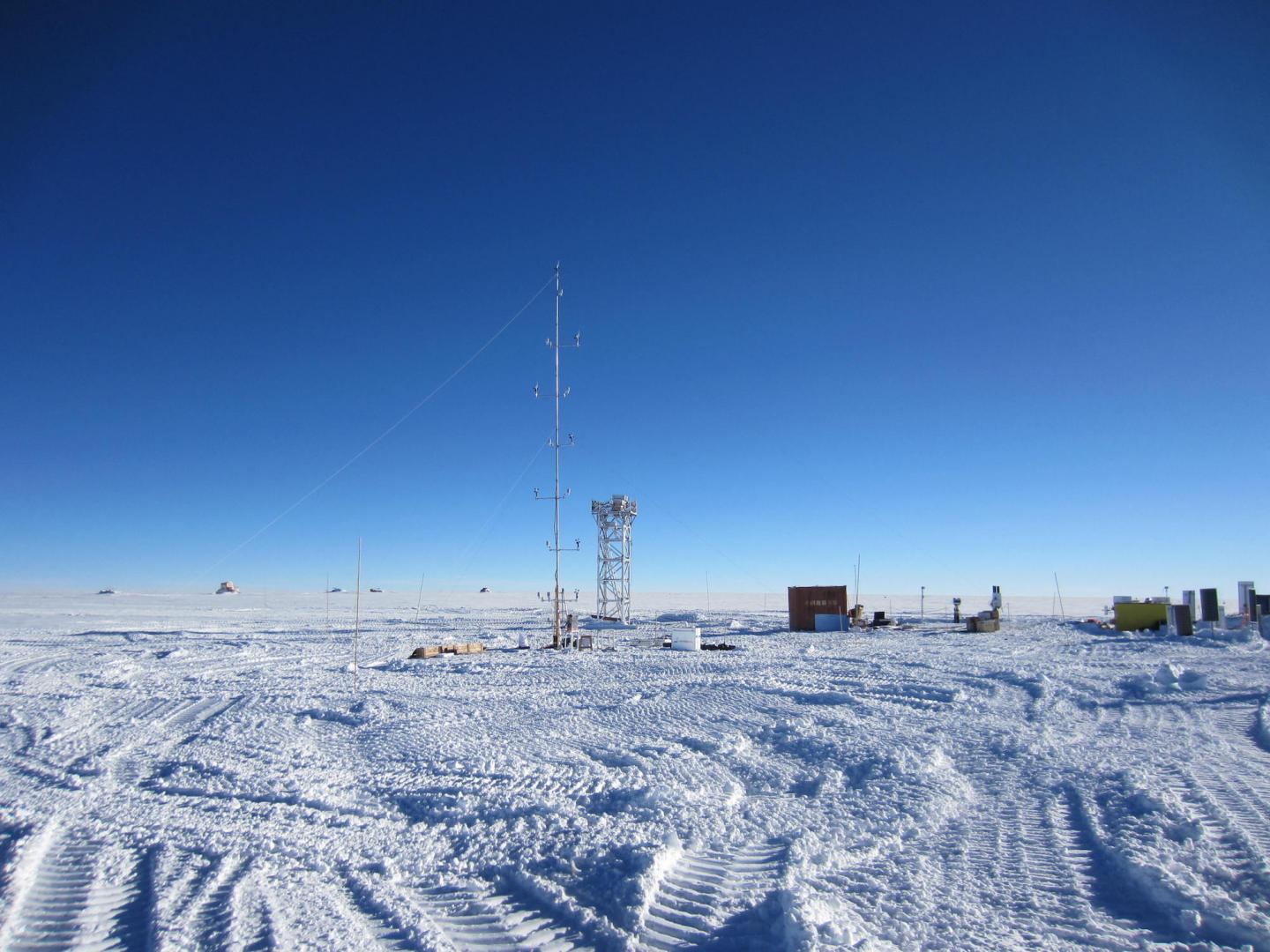
Dome Argus, often referred to as Dome A, represents the highest ice feature in Antarctica, reaching an impressive elevation of 4,093 meters (13,428 feet) above sea level. Its extreme altitude and position on the vast East Antarctic Plateau make it one of the coldest locations on Earth. In July 2005, a direct measurement at Dome Argus recorded a temperature of -82.5°C (-116.5°F). This measurement underscores the severe cold experienced at such high elevations on the Antarctic continent.
The conditions at Dome A are particularly conducive to extreme cold due to the reduced atmospheric pressure at altitude, which allows for more rapid radiative heat loss. The area is also known for its exceptionally dry air, making it a prime location for astronomical observations despite the challenging environment. China's Kunlun Station is located nearby, utilizing these conditions for scientific research. TMYx (Typical Meteorological Year) data from 109 Antarctic files affirm the consistent extreme cold, with satellite observations also noting surface skin temperatures that can drop to -90°C or below, further highlighting the intense frigidity of this elevated ice dome.
5. Amundsen-Scott South Pole Station, Antarctica
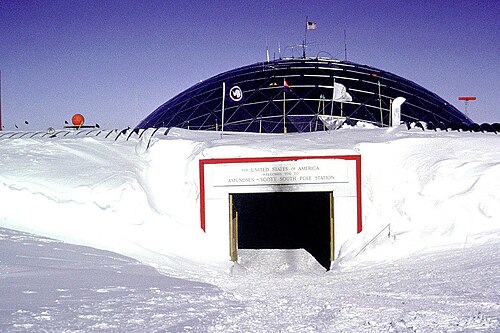
The Amundsen-Scott South Pole Station, situated precisely at the geographic South Pole, experiences six months of continuous darkness during the Antarctic winter. This prolonged polar night leads to profound radiative cooling and exceptionally low temperatures. On September 17, 1957, during the station's early years of operation, a temperature of -74.5°C (-102.1°F) was recorded. This places Amundsen-Scott among the coldest places on Earth, a direct result of its unique polar position and significant elevation on the Antarctic ice sheet.
As a United States research station, Amundsen-Scott serves as a critical hub for glaciology, astrophysics, and climate science. The station is a testament to human ingenuity, with its advanced infrastructure designed to withstand temperatures that frequently dip below -70°C. Researchers at the station must contend with not only the extreme cold but also the challenges of high altitude and isolation. High-resolution 2026 NASA Earthdata composites illustrate solar-powered huts at the station, dwarfed by sastrugi snow ridges, symbolizing the constant battle against nature's extremes at the bottom of the world.
6. Klinck Automatic Weather Station, Greenland (Summit Camp)
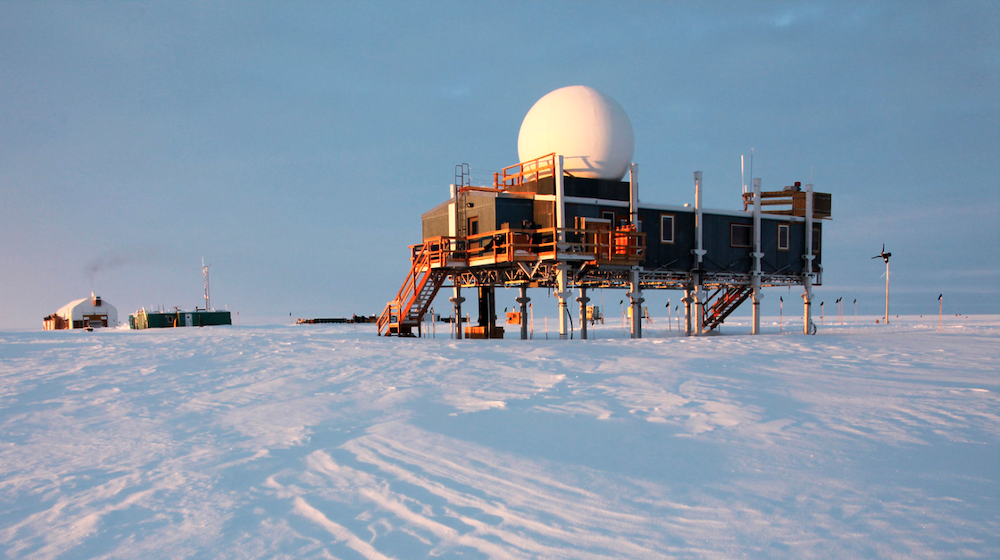
The Klinck Automatic Weather Station, located near the summit of the Greenland ice sheet, holds the confirmed record for the lowest temperature ever recorded in the Northern Hemisphere. On December 22, 1991, this station registered a temperature of -69.6°C (-93.3°F), a record officially validated by the World Meteorological Organization in 2020. Situated at an elevation of approximately 3,105 meters (10,187 feet), Klinck's high latitude and altitude, coupled with the immense mass of the Greenland ice sheet, create conditions conducive to extreme cold.
The Greenland ice sheet, a vast expanse of glacial ice, acts as a massive thermal sink, radiating heat away during the long Arctic winter. Katabatic winds, dense cold air flowing downslope, further amplify the chilling effect. Research conducted at sites like Klinck is crucial for understanding Arctic climate dynamics, ice sheet mass balance, and the broader implications for global sea-level rise. While less extreme than the Antarctic interior due to higher moisture content, Greenland's interior still presents an environment of profound frigidity, challenging both human presence and technological capabilities.
7. Verkhoyansk, Russia
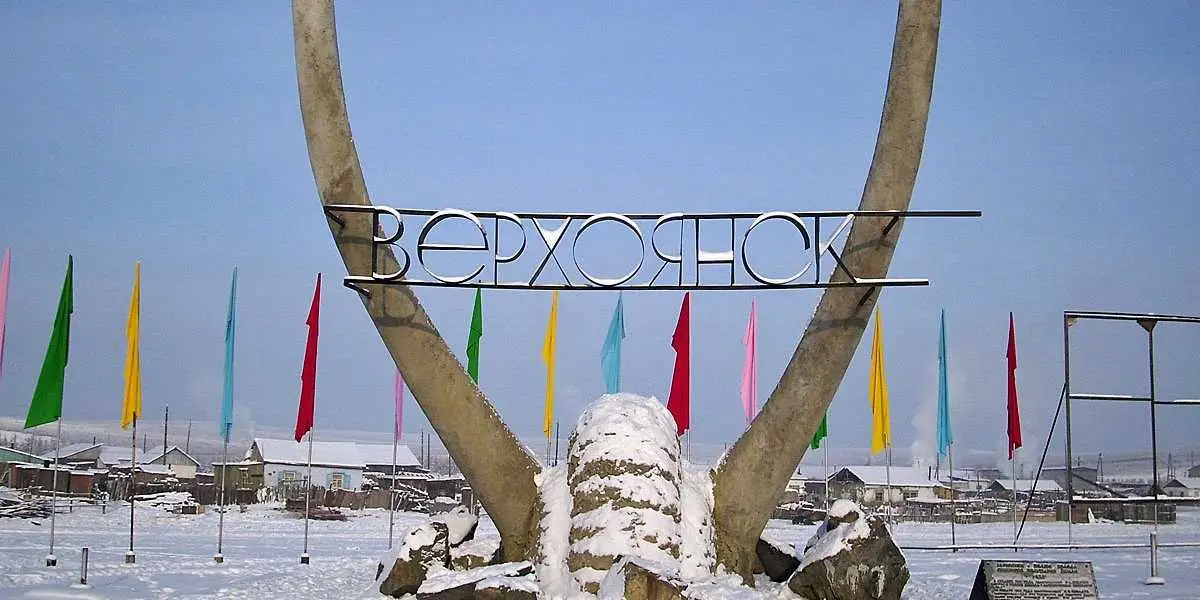
Verkhoyansk, a town in Russia's Sakha Republic, is one of the two "Poles of Cold" in Siberia and stands as one of the coldest permanently inhabited places on Earth. This location is renowned for its exceptionally harsh, protracted winters and experiences one of the largest temperature ranges globally. On January 15, 1885, and again on February 5 and 7, 1892, Verkhoyansk officially recorded a temperature of -67.8°C (-90.0°F). Its geographical position, nestled within a basin surrounded by mountains, effectively traps cold air, contributing to these extreme lows.
The town's history is deeply intertwined with its extreme climate, originally serving as a center for fur trading and later as a place of exile during the Tsarist and Soviet eras. Residents have developed robust adaptations to survive the long, dark winters, where daylight can be minimal. Recent observations during the 2025-2026 winter season have seen temperatures near -65°C, a persistence affirmed by neutral Pacific sea surface temperatures (Niño 3.4 at -0.6°C). High-resolution 2026 NASA Earthdata composites feature Verkhoyansk with thermometers often showing readings around -62°C, frequently under aurora-lit skies, emphasizing the stark reality of life in this Siberian extreme.
8. Oymyakon, Russia
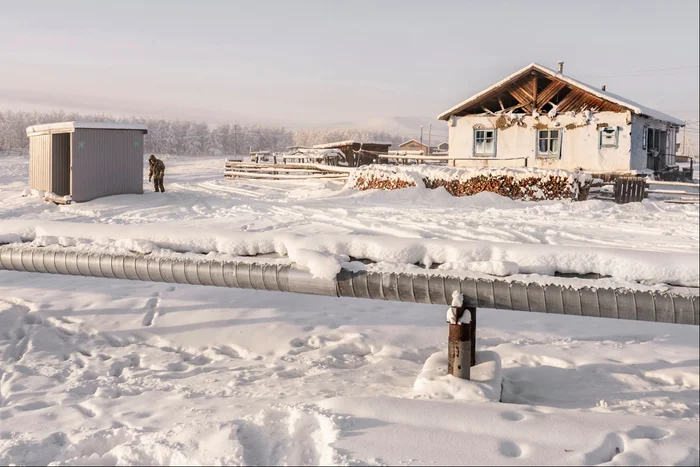
Oymyakon, another Siberian village located in Russia's Sakha Republic, frequently vies with Verkhoyansk for the title of the coldest inhabited place on the planet. On February 6, 1933, Oymyakon recorded an official temperature of -67.7°C (-89.9°F). Its distinctive location within a valley allows cold, dense air to settle and become trapped, leading to incredibly low temperatures during its extended winters. The village is situated along the Indigirka River, a waterway that freezes solid for much of the year.
With a population of around 500 indigenous Even people, Oymyakon exemplifies remarkable human resilience. Residents employ specialized infrastructure and survival strategies, including triple-glazed windows and heavy fur clothing. Schools in Oymyakon typically close only if temperatures drop below -52°C. The local Yakut horses are notable for their adaptation, growing a thick 7-centimeter fur coat to withstand the cold. Our analysis shows that 2026 winters in Oymyakon routinely approach -60°C. High-resolution 2026 Landsat 8/9 images depict Oymyakon with snow-buried wooden homes and the frozen Indigirka River, showcasing the profound impact of this extreme environment on daily life.
9. North Ice, Greenland
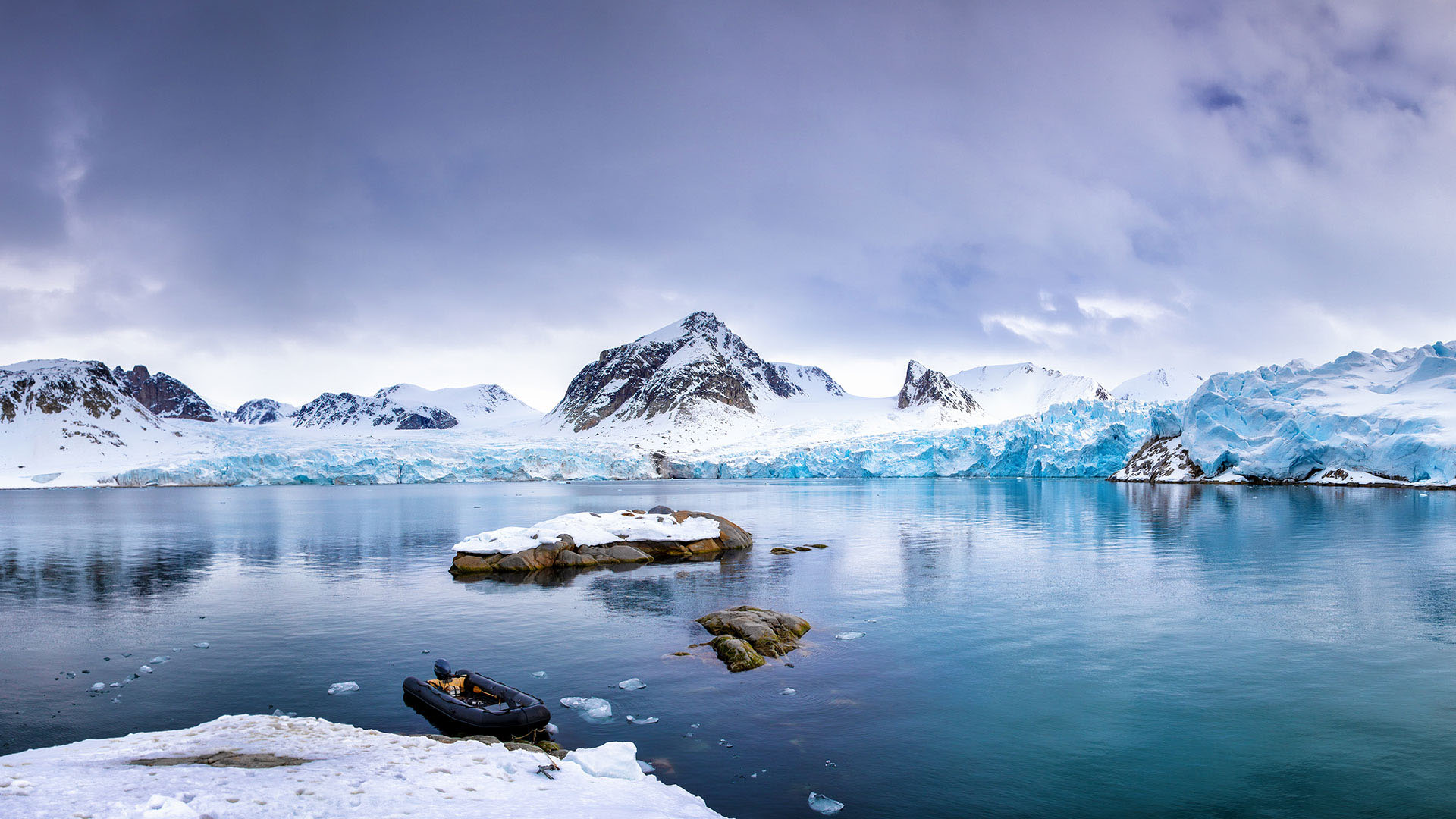
North Ice was a British research station established deep within the Greenland ice sheet during the British North Greenland Expedition of the 1950s. During its operational period, this remote Arctic station recorded an extreme temperature of -66.1°C (-86.98°F) in January 1954. This measurement stands as one of the coldest ever observed in the Northern Hemisphere. The vast expanse and significant elevation of the Greenland ice sheet create atmospheric conditions highly conducive to such severe cold, similar to but generally less extreme than the Antarctic interior due to differences in landmass and atmospheric moisture.
The establishment and operation of North Ice were pivotal for polar research, offering critical data on glaciology, meteorology, and the physiological effects of extreme cold on humans. The challenges faced by the expedition members underscored the immense difficulties of conducting scientific work in such an isolated and hostile environment. The station's data continues to contribute to our understanding of Arctic climate patterns and the dynamics of large ice sheets, providing historical context for current climate change studies, even as the Arctic region experiences more pronounced warming trends than Antarctica.
10. Snag, Yukon, Canada
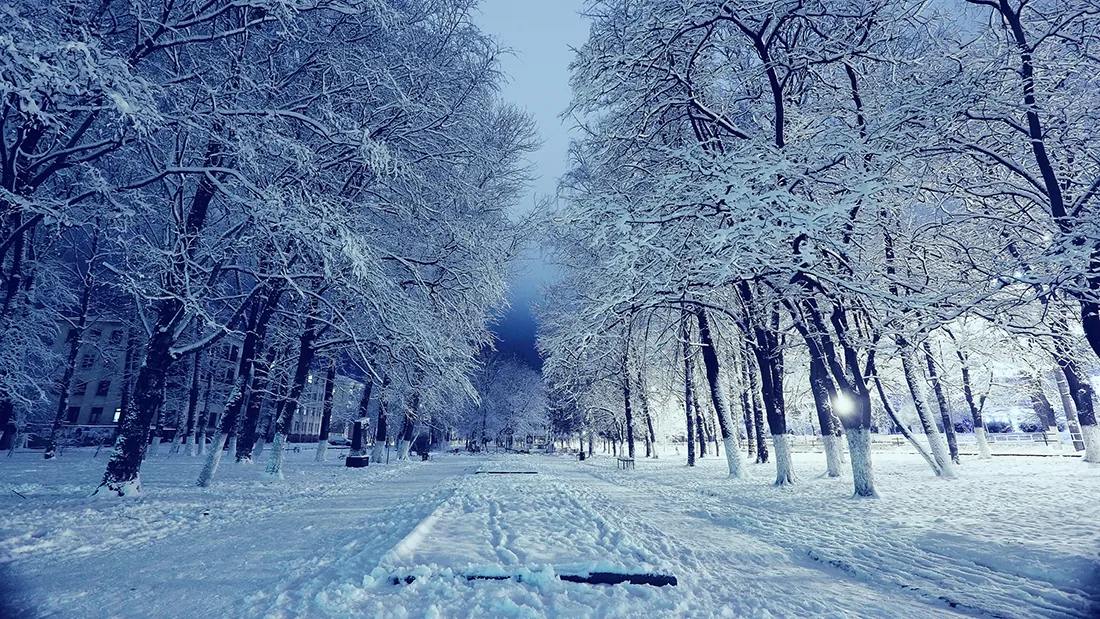
Snag, a former village located in Canada's Yukon Territory, holds the record for the lowest temperature ever officially recorded in North America. On February 3, 1947, a staggering -63.0°C (-81.4°F) was measured here. This extreme cold was attributed to Snag's unique topography-a bowl-shaped valley that effectively traps cold, dense air, preventing it from dispersing. The air mass that settled over Snag on that day was exceptionally dry and stable, allowing for maximum radiative cooling.
Eyewitness accounts from that historic day describe an environment where sounds carried for miles due to the stillness of the air and human breath froze instantly, creating a visible "ice fog." The extreme conditions presented immense challenges to the small community, primarily consisting of Indigenous peoples and a weather station staff. The record at Snag highlights the capacity for intense cold in continental interiors at high latitudes, even outside the direct influence of polar ice sheets. This event remains a benchmark for extreme cold in North America, demonstrating the powerful influence of local geography on temperature extremes.
Our comprehensive analysis of the Most Coldest Places In The World 2026 reaffirms the unparalleled thermal extremes found on Earth. The Antarctic plateaus, with Vostok Station as its benchmark, remain unrivaled, holding the record for the lowest directly measured air temperature at -89.2°C. These regions continue to exhibit remarkable resilience to climatic shifts, even amidst 2026's neutral climate patterns.
Understanding the scientific mechanisms driving these extremes, the rigorous validation processes for temperature records, and the extraordinary human and ecological adaptations required for survival in such environments is paramount. This knowledge is not only vital for advancing our understanding of Earth's climate system but also crucial for informing future climate policy. The uneven impacts of global warming, which may spare absolute temperature minima while threatening overall habitability and ecosystems, highlight the ongoing need for vigilant monitoring through advanced tools like TMYx datasets and satellite observations. The profound cold of these regions serves as a constant reminder of our planet's diverse and formidable natural forces.
Related Posts

Top 10 Richest Chefs in USA 2026: How They Built Culinary Empires
In recent years, the world of celebrity chefs has developed into a multi-billion dollar industry that combines culinary expertise with media savvy, entrepreneurialism, and the development of distinctive brands. In the year 2026, a number of the wealthiest chefs in the United States have not only established themselves as influential figures in the kitchen, but […] More

Top 10 Best Skaters in the World 2026: The Ultimate Showdown Awaits
As we move through 2026, a few skaters stand out for their extraordinary skills, creativity, and contributions to the sport. Here’s a look at the top 10 skaters in the world right now, each pushing the boundaries of skateboarding in their own unique way. Skateboarding has evolved into a highly dynamic sport, showcasing remarkable talent […] More

Top 10 Highest Paid Female Footballers In The World 2026: Salaries That Shocked the Industry
Top 10 Highest Paid Female Footballers In The World 2026 1. Sam Kerr One of the most notable players in women’s football is Sam Kerr, who hails from Australia and operates as a striker. Kerr has emerged as a significant personality in the sport as a result of her remarkable speed, her extraordinary ability to […] More

The Largest Oil Refineries In The World 2026: Essential Insights for Energy Stakeholders
As of the year 2026, the following is a list of the top ten largest refineries in the world, which are known for their enormous processing capacities and strategic significance. Refineries play an important part in the global energy sector because they convert crude oil into valuable products such as gasoline, diesel, and other petrochemicals. […] More
2 Comments
Join the discussion and share your thoughts