Top 10 Largest Warehouses In The World 2026: Insights into Global Supply Chains

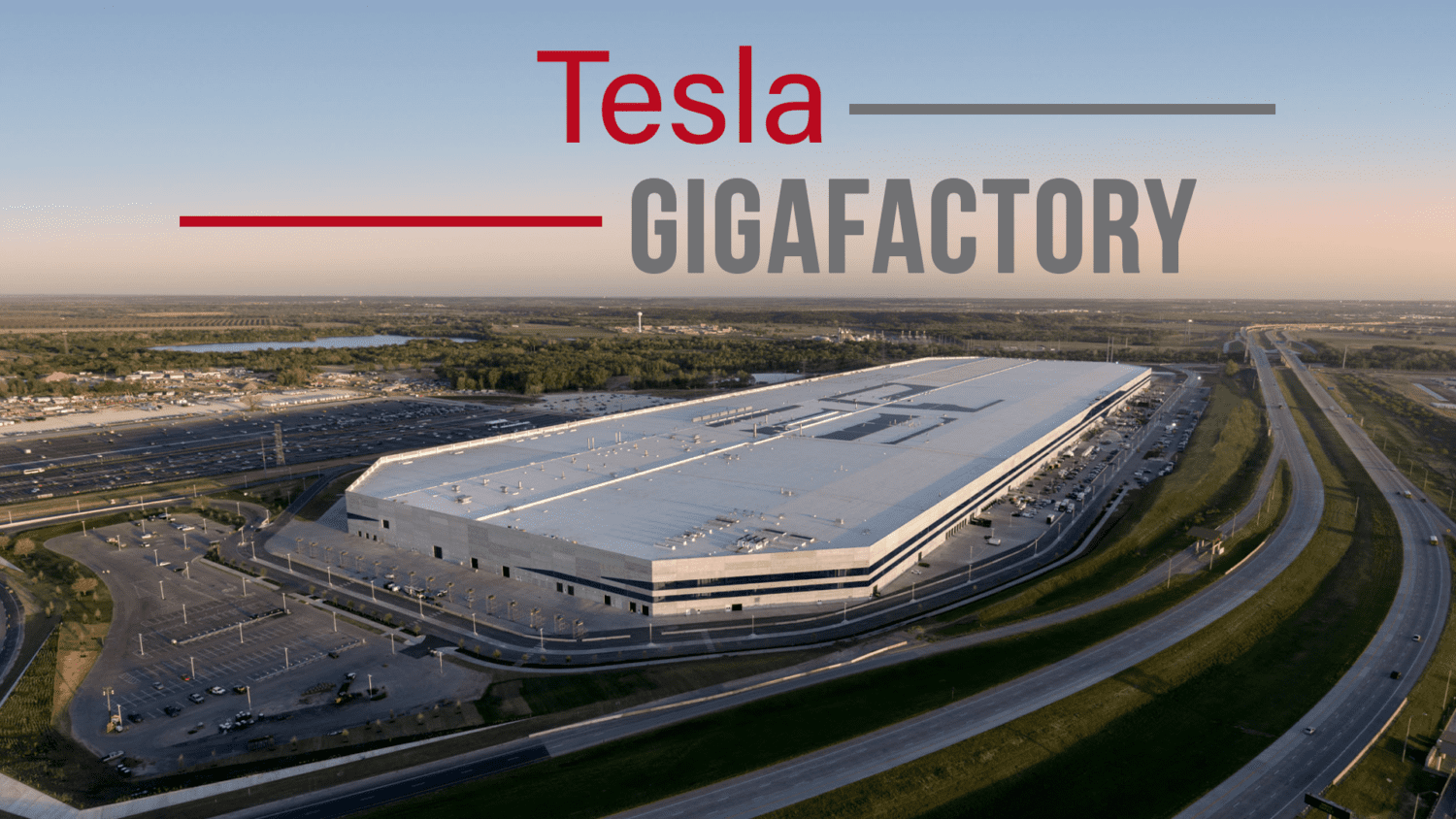
Table of Contents
The global supply chain continues to undergo significant transformation, driven by the relentless growth of e-commerce, advancements in automation, and a renewed focus on regional logistics. At the heart of this evolution are the world's largest warehouses, colossal structures that serve as critical hubs for distribution, manufacturing, and fulfillment. Our analysis for 2026 highlights the immense scale and technological sophistication of these facilities, which are indispensable to modern commerce. This report provides an in-depth look at the Top 10 Largest Warehouses In The World 2026, examining their operational capabilities, strategic importance, and the innovative technologies that define their leadership in global logistics.
Methodology and Ranking Criteria
To understand the magnitude and impact of the world's largest warehouses, a clear methodology for measurement and ranking is essential. We consider various factors beyond mere physical dimensions, encompassing operational efficiency and strategic value.
How Warehouses Are Measured and Ranked
Warehouse size metrics often vary, but our assessment primarily focuses on total floor space and operational volume. The most common measurement is square footage (sq ft) or square meters (m²), which represents the aggregate floor space used for storage, handling, and processing. However, for facilities with advanced vertical storage, cubic capacity offers a more accurate representation of storage potential. For specialized logistics hubs, particularly those handling intermodal freight, storage capacity might be expressed in Twenty-foot Equivalent Units (TEU) or the number of pallets. Moreover, a facility's true impact is often reflected in its throughput capacity, which measures the annual processing volume of inbound and outbound shipments, demonstrating its operational efficiency.
Our 2026 warehouse ranking data draws from a diverse array of reliable sources, including real estate research firms, commercial property databases, reports from third-party logistics (3PL) providers, company annual reports, and official facility announcements. We also reference commercial real estate advisory firms and industry trade publications specializing in logistics and supply chain operations. While we strive for precision, we acknowledge certain limitations. Complete, verified data for all of the world's largest warehouses often remains proprietary, especially for facilities operated by private companies that do not publicly disclose exact specifications. Regional variations in measurement standards, coupled with diverse facility configurations-ranging from single-story to multi-story structures and climate-controlled environments to open-air storage-can complicate direct comparisons. Furthermore, warehouse rankings are dynamic, shifting as new mega-facilities become operational and companies adjust their expansion or consolidation strategies.
The Top 10 Largest Warehouses In The World 2026:
1. Amazon Fulfillment Center, Redwood City, California, USA
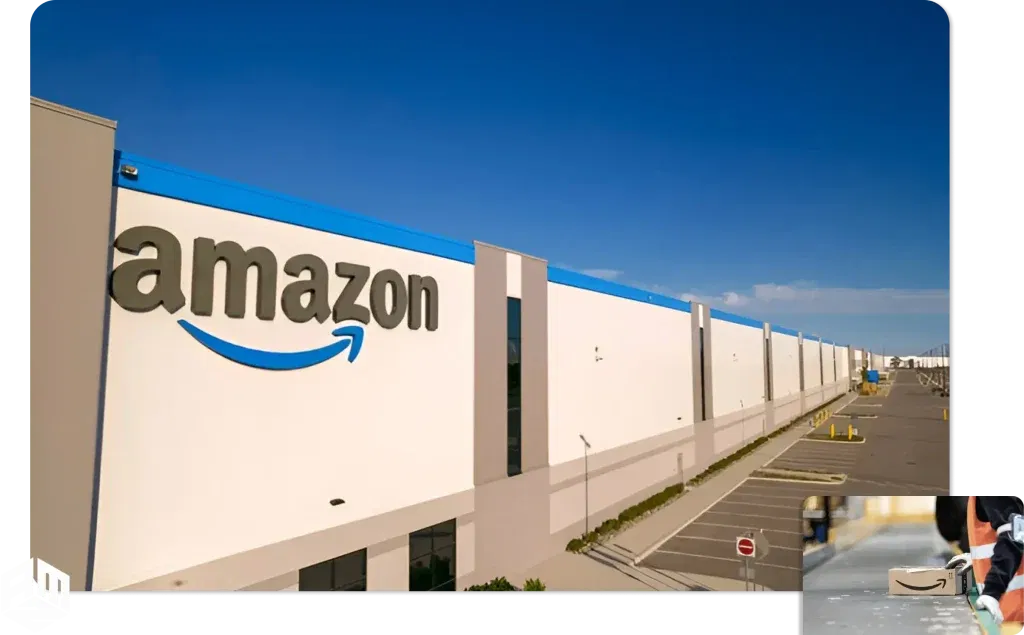
This colossal Amazon facility, reported in March 2026, stands as a technological marvel in Silicon Valley, encompassing an astounding 17.1 million square feet. Its strategic location allows it to serve Northern California, Southern Oregon, and parts of Washington with remarkable efficiency. We understand this facility to be one of Amazon's most automated centers, featuring advanced robotic fulfillment lines that streamline the movement of goods from storage to packaging. The integration of tilt-tray sorters ensures rapid and accurate parcel routing, while climate-controlled storage zones are dedicated to perishable goods and high-demand electronics. The immense size of this Redwood City facility, coupled with its cutting-edge technology, is absolutely crucial for Amazon's ability to meet its rapid delivery promises across the region, especially given the dense urban and suburban populations it supports.
2. Amazon Fulfillment Center, Roswell, New Mexico, USA
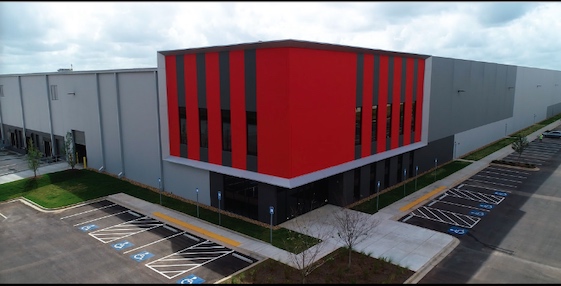
Sited in the industrially strategic Roswell region, this sprawling Amazon hub measures an impressive 16.9 million square feet as of March 2026. It plays a critical role in the company's Midwest-to-West Coast logistics corridor, acting as a key intermediary for goods moving across the country. The Roswell facility significantly leverages robotics for rapid sorting, enhancing the speed at which packages are organized for shipment. It also employs Picking-to-Light systems, which guide associates to specific items, thereby streamlining the assembly of fulfillment batches and minimizing errors. Its expansive roof and open internal layout are designed to support mixed-automation workflows, allowing for the flexible deployment of various technologies, including automated guided vehicles (AGVs) that navigate high-bay storage zones. This combination of scale and automation makes it a cornerstone of Amazon's national distribution network.
3. Amazon Fulfillment Center, Fresno, California, USA
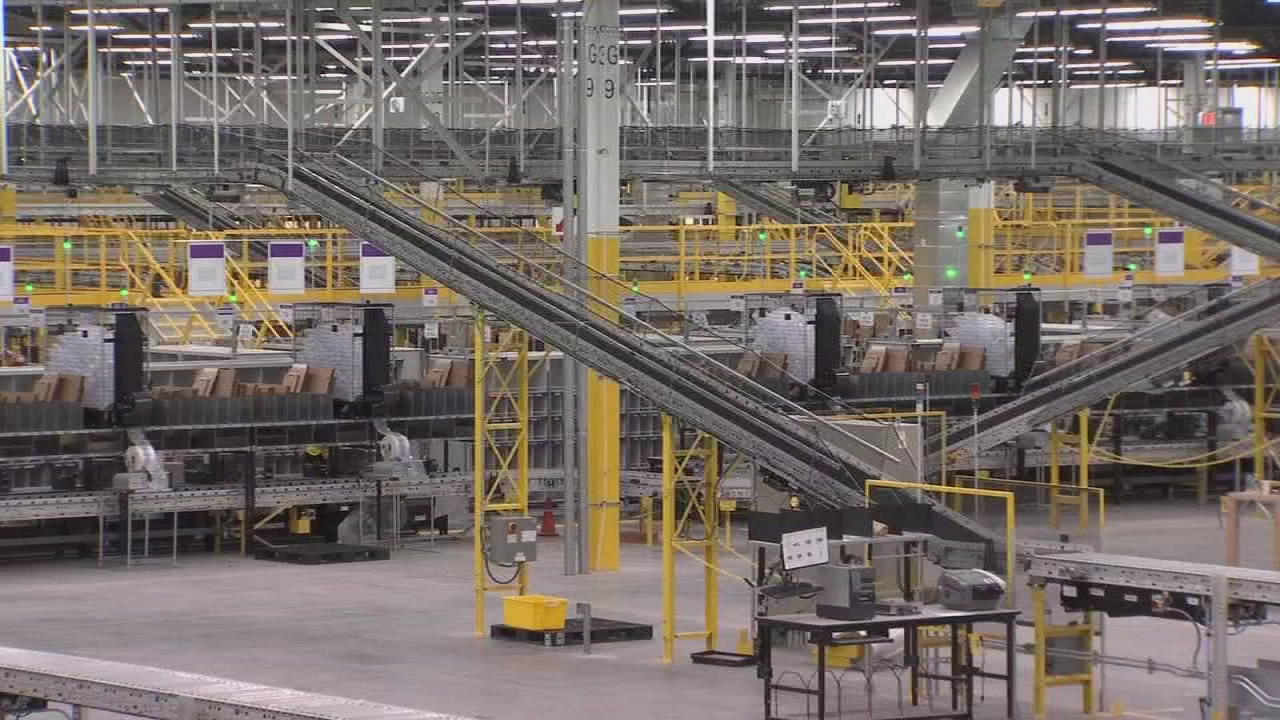
Serving California's agricultural heartland and surrounding urban centers, this Amazon warehouse, updated in March 2026, spans 14.8 million square feet. Its vast footprint allows it to combine high-volume general merchandise storage with specialized fresh foods logistics, a critical capability in a region known for its produce. The facility leverages automated refrigeration units to maintain optimal conditions for perishable items, ensuring quality from storage to delivery. Advanced conveyor systems manage the flow of its immense inventory, moving products efficiently through various stages of processing. The sheer size of this Fresno facility supports both regular operations and surge operations during seasonal harvest cycles and holiday rushes, making it a critical seasonal pressure point and a vital asset for Amazon's diverse fulfillment network, particularly for its grocery and fresh food initiatives.
4. Amazon Fulfillment Center, Atlanta, Georgia, USA
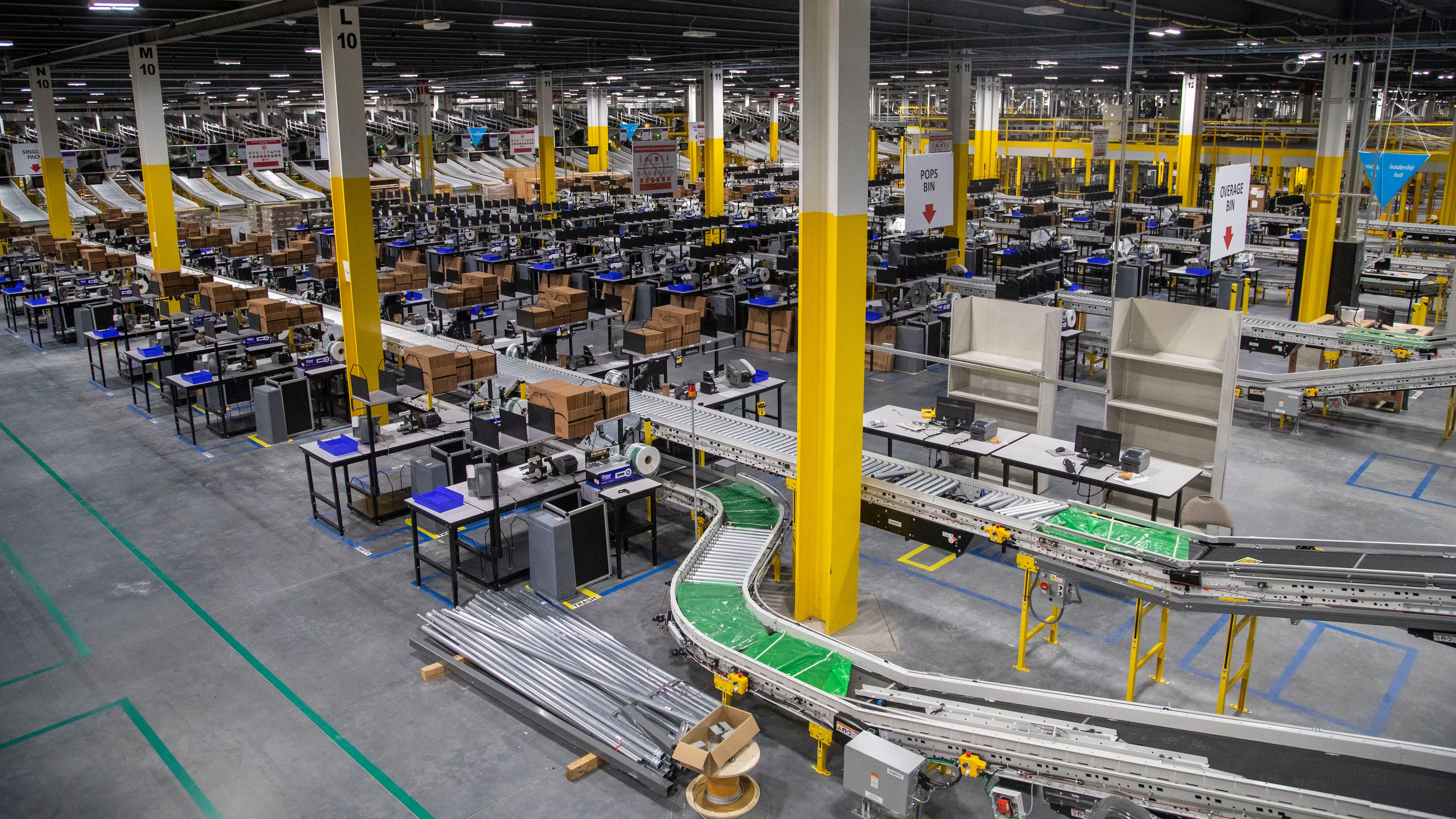
As a key logistics gateway to the Southeastern U.S., this Atlanta mega-facility, reported in March 2026, covers 14.5 million square feet. It plays an instrumental role in connecting shipments from numerous warehouse clusters across the region, acting as a central nexus for distribution. With an estimated 5,000+ full-time employees, this facility is known for its high order velocity, processing a substantial volume of packages daily. It boasts seamless integration with Amazon's last-mile delivery drone network, optimizing the final stages of package delivery. The strategic location of this Atlanta facility, coupled with its advanced operational capabilities, makes it vital for Amazon's extensive delivery network throughout the populous southeastern states, enabling rapid and efficient fulfillment to millions of customers.
5. Amazon Fulfillment Center, Temple, Texas, USA
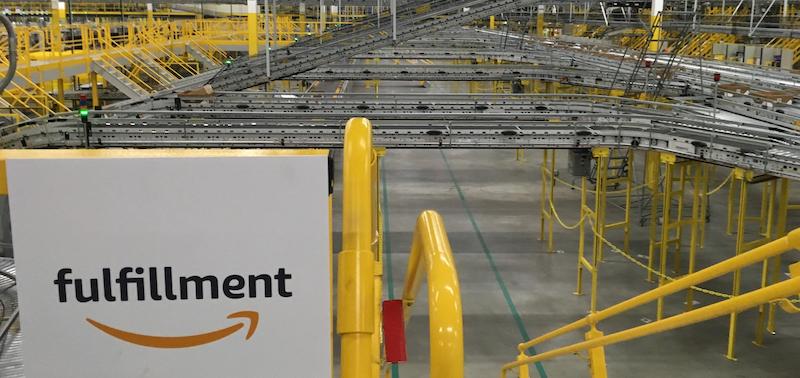
Temple's vast Amazon facility, as of March 2026, extends across 13.4 million square feet. This sophisticated center integrates IoT-enabled sensors and real-time inventory tracking systems across more than 80 distinct allocation zones, providing granular control over its massive stock. It is heavily utilized for bulk inventory consolidation, optimizing space and reducing transport costs. The facility also serves as a regional pivot for a diverse range of products, including perishables, electronics, and big-box retail items, efficiently moving them eastward into central and eastern U.S. markets. This facility's advanced technology and massive scale are essential for efficient regional distribution, allowing Amazon to manage complex logistics flows for a wide variety of goods.
6. Amazon Fulfillment Center, Greenville, North Carolina, USA
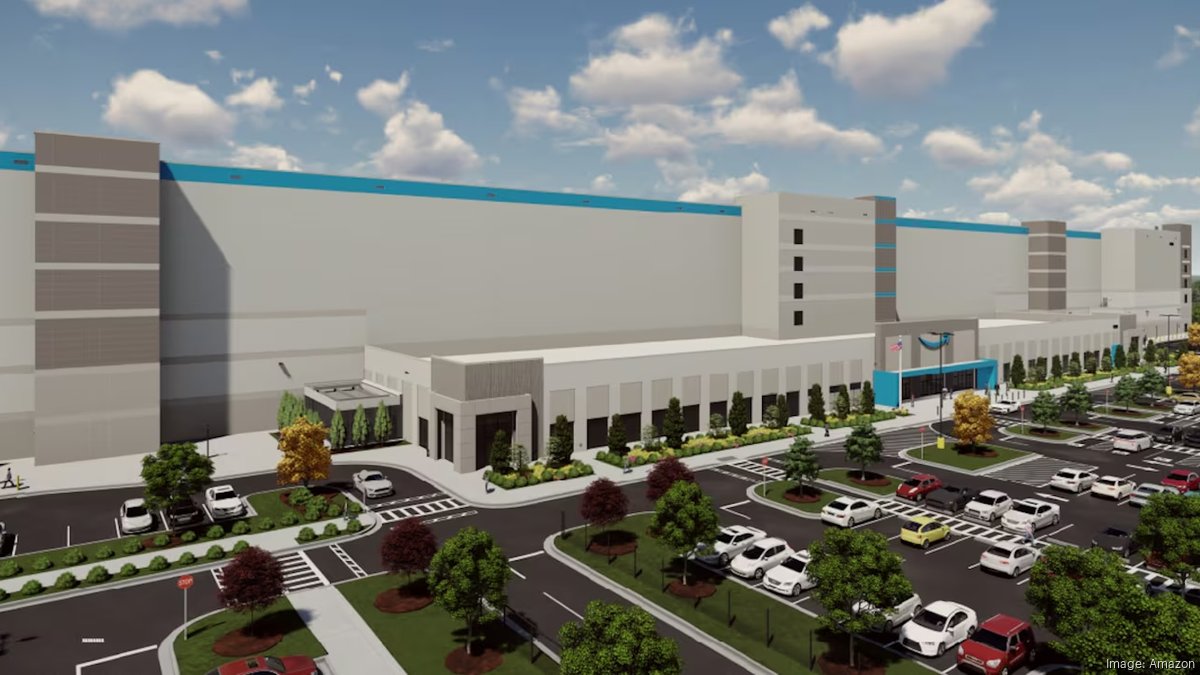
Positioned in the Carolinas' burgeoning logistics hub, this Amazon center, detailed in March 2026, spans 12.9 million square feet. It employs sophisticated autonomous conveyor networks that intelligently route packages and products, minimizing manual intervention. The facility also utilizes AI-optimized picking algorithms, which significantly enhance efficiency and contribute to an impressive 99.8% order accuracy rate. This high level of precision reduces errors and improves customer satisfaction. The significant size and advanced technological integration of the Greenville facility contribute to its high efficiency in handling millions of packages daily, solidifying its role as a prime example of Amazon's investment in advanced automation for its extensive supply chain network.
7. Tesla Gigafactory Texas (Giga Texas), Austin, Texas, USA
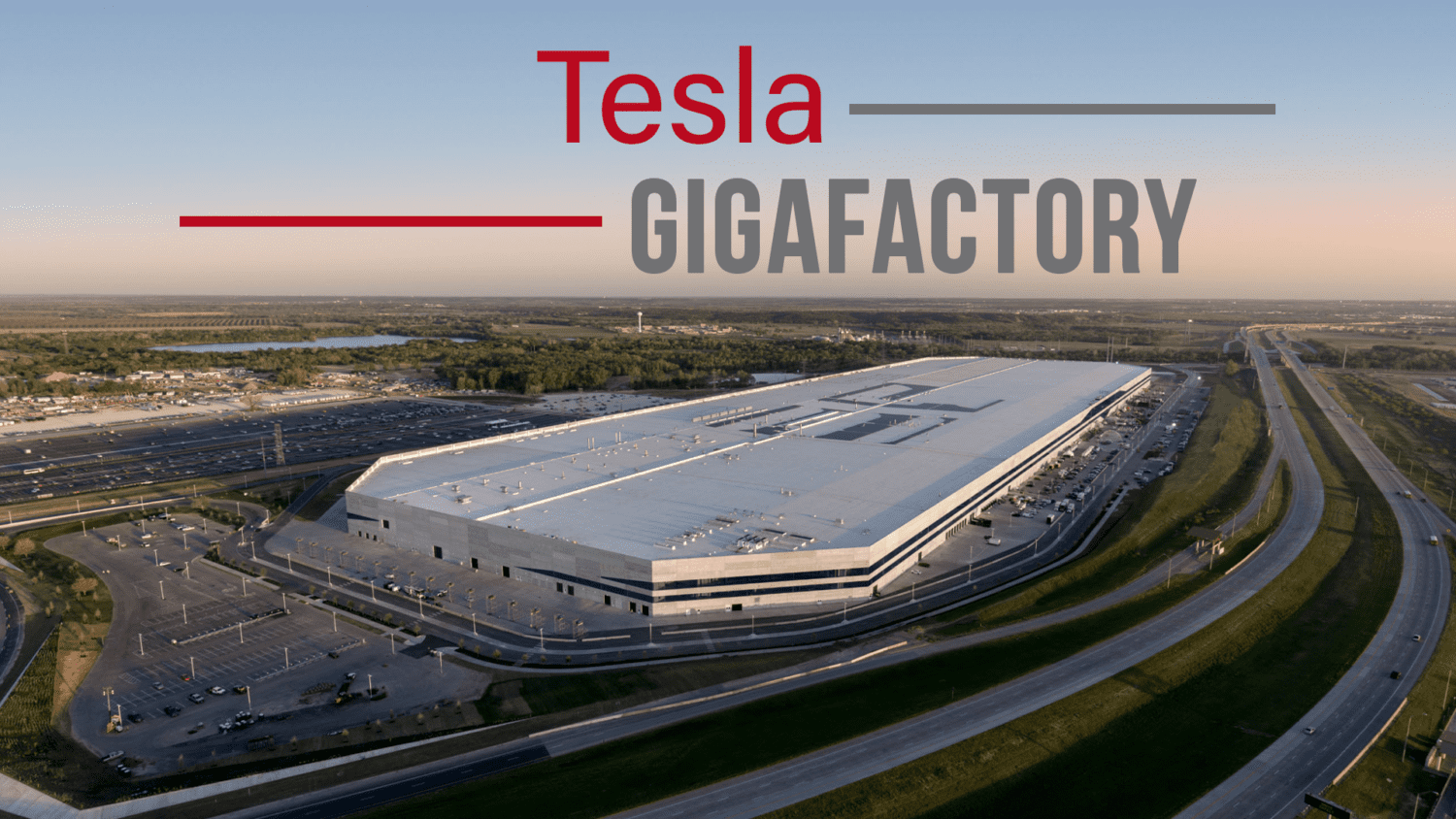
Operational since 2022, Tesla's Austin facility, known as Giga Texas, spans over 10 million square feet of operational space, making it the largest warehouse in the U.S. by this metric and the world's largest solar-powered facility. This immense factory is responsible for the production of Tesla Model Y sedans, and it is designed to churn out an impressive up to 10,000 vehicles per week. Giga Texas is not merely a storage facility; it represents a manufacturing-distribution hybrid, where raw materials enter one end and finished vehicles exit the other, with integrated warehousing throughout the production process. Its vast footprint and advanced manufacturing capabilities solidify its position as a global leader in industrial scale and sustainable production, minimizing the need for extensive external warehousing for its core products.
8. Tesla Gigafactory Nevada, Sparks, Nevada, USA
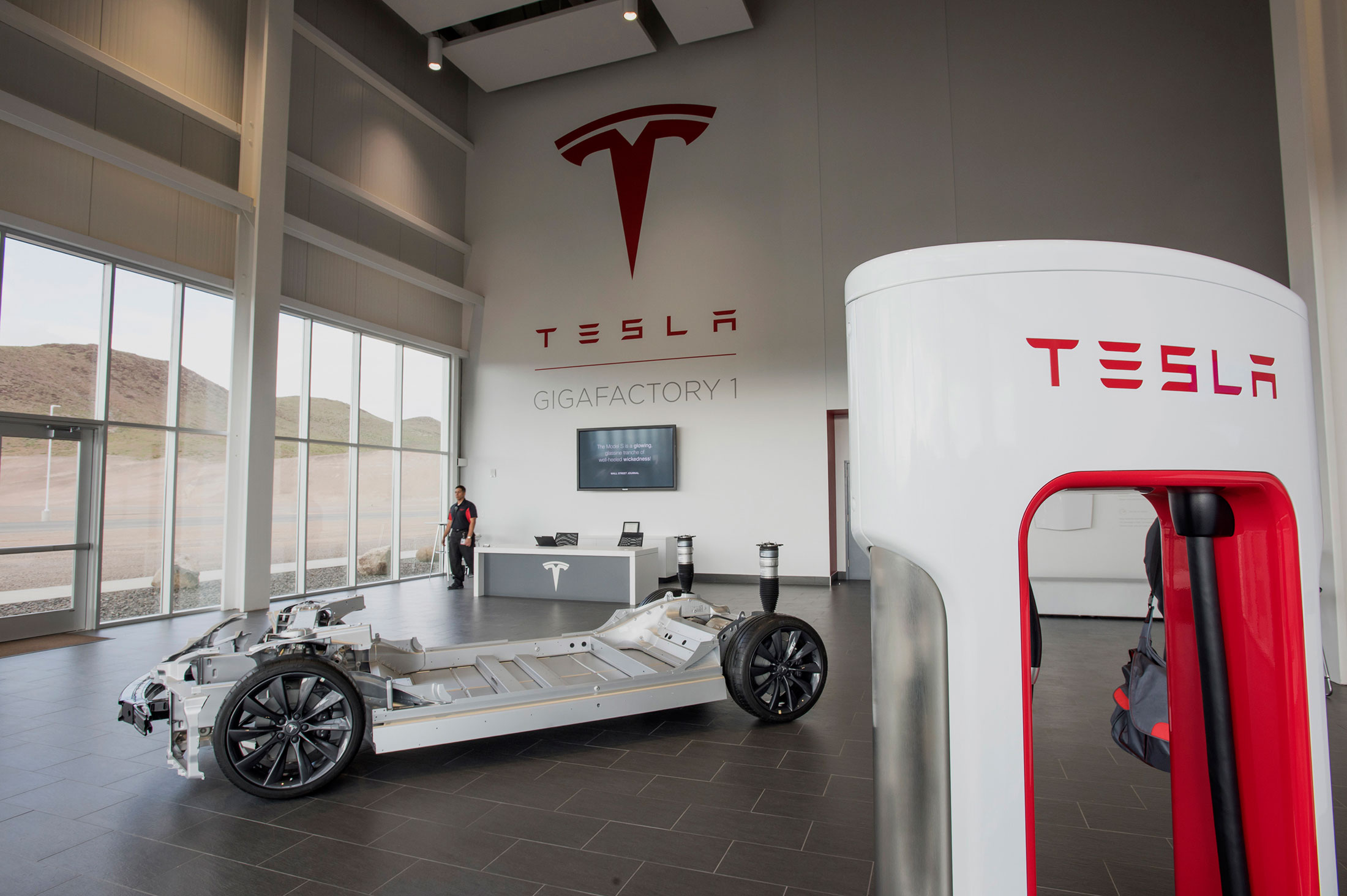
With 5.3 million square feet of operational space, Gigafactory Nevada is a critical facility for Tesla, housing the production of batteries and motors for its electric vehicles, as well as its energy storage solutions. Opened in 2014, this multi-floor building was strategically designed with future expansion in mind, with plans to ultimately exceed 10 million square feet. A significant long-term goal for Gigafactory Nevada is to be powered entirely by renewable energy, aligning with Tesla's broader sustainability objectives. This factory plays a crucial role in Tesla's global manufacturing and supply chain, providing essential components that drive the company's vehicle and energy products, and serving as a large-scale storage point for these high-value components before integration or shipment.
9. Amazon Fulfillment Center, Ontario, California, USA
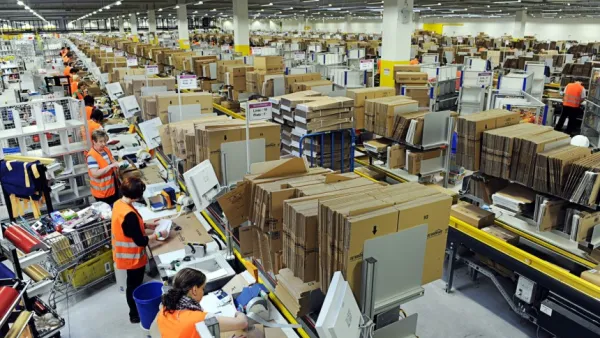
As Amazon's largest operational warehouse in the world as of October 2025 (prior to the newer 2026 data revealing even larger facilities), this six-story fulfillment center in Ontario, California, covers 4.5 million square feet. It serves as a key hub for West Coast deliveries, strategically positioned to optimize distribution in one of the most populous regions of the United States. Its multi-level design, a common feature in land-constrained urban areas, allows for a massive volume of goods to be processed efficiently within a compact footprint. The facility utilizes advanced robotics to manage inventory and streamline order fulfillment. Its strategic location near the vital Los Angeles and Long Beach Ports provides direct access to imported goods, supporting ultra-fast delivery to millions of customers across Southern California and beyond.
10. Boeing Everett Factory, Everett, Washington, USA
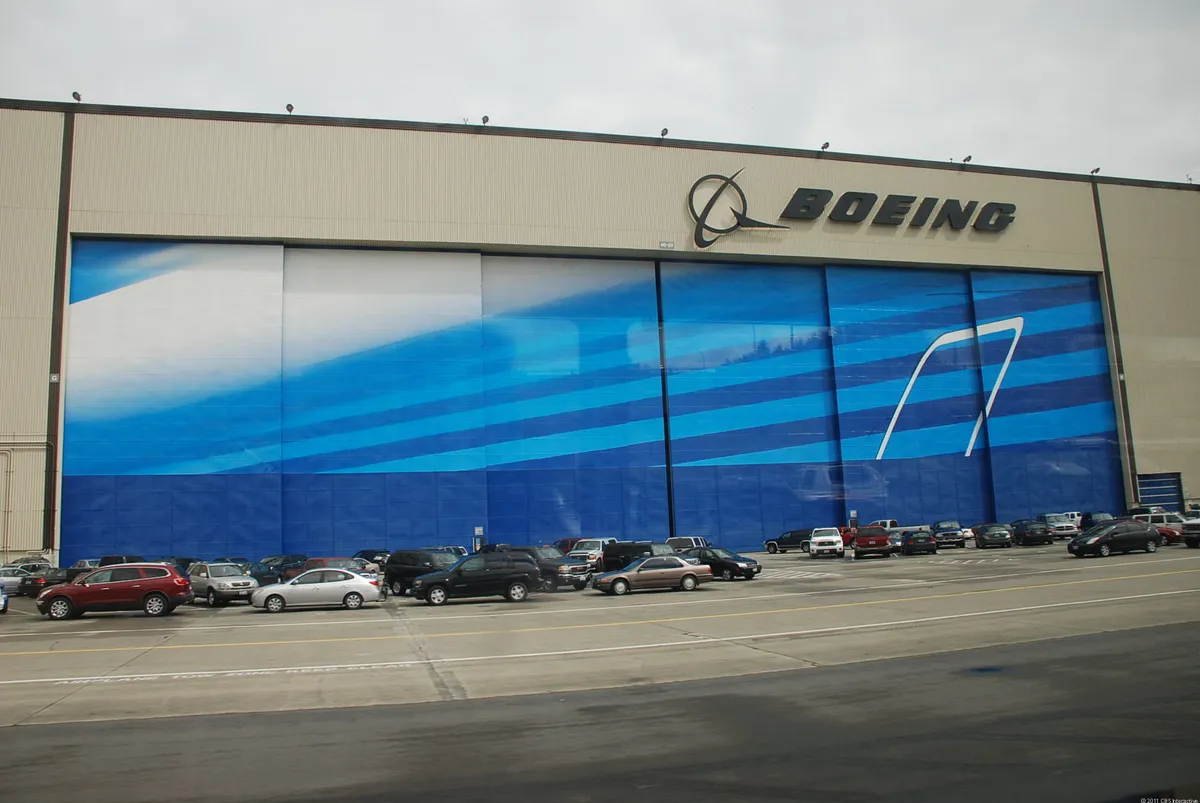
The Boeing Everett Factory is an iconic airplane assembly facility and storage warehouse, covering 4.3 million square feet of floor area. What truly sets it apart, however, is its volume, boasting the largest building in the world by this metric, at over 472 million cubic feet. Built in 1967 specifically for the production of the Boeing 747, it has undergone multiple expansions to accommodate various aircraft programs, including the 767, 777, and the advanced 787 Dreamliner. The sheer scale of the facility means it functions much like a small city, complete with its own complex infrastructure, including internal transportation systems for moving large aircraft components and a network of underground tunnels. It employs thousands of workers dedicated to the assembly and temporary storage of some of the world's largest commercial aircraft, making it a critical asset for global aviation.
Comprehensively covering the Largest Warehouses In The World 2026 demands an examination that extends far beyond mere facility dimensions. The modern mega-warehouse ecosystem is a sophisticated integration of physical infrastructure, advanced automation, digital connectivity, specialized labor, rigorous regulatory compliance, and strategic supply chain positioning. Current trends, including significant pharmaceutical reshoring initiatives, automation investment exceeding USD 34 billion annually, innovative responses to labor shortages, and geopolitical shifts in supply chain restructuring, are fundamentally reshaping how mega-facilities operate and where new capacity emerges.
Related Posts

Top 10 Richest Chefs in USA 2026: How They Built Culinary Empires
In recent years, the world of celebrity chefs has developed into a multi-billion dollar industry that combines culinary expertise with media savvy, entrepreneurialism, and the development of distinctive brands. In the year 2026, a number of the wealthiest chefs in the United States have not only established themselves as influential figures in the kitchen, but […] More

Top 10 Best Skaters in the World 2026: The Ultimate Showdown Awaits
As we move through 2026, a few skaters stand out for their extraordinary skills, creativity, and contributions to the sport. Here’s a look at the top 10 skaters in the world right now, each pushing the boundaries of skateboarding in their own unique way. Skateboarding has evolved into a highly dynamic sport, showcasing remarkable talent […] More

Top 10 Highest Paid Female Footballers In The World 2026: Salaries That Shocked the Industry
Top 10 Highest Paid Female Footballers In The World 2026 1. Sam Kerr One of the most notable players in women’s football is Sam Kerr, who hails from Australia and operates as a striker. Kerr has emerged as a significant personality in the sport as a result of her remarkable speed, her extraordinary ability to […] More
The Largest Oil Refineries In The World 2026: Essential Insights for Energy Stakeholders
As of the year 2026, the following is a list of the top ten largest refineries in the world, which are known for their enormous processing capacities and strategic significance. Refineries play an important part in the global energy sector because they convert crude oil into valuable products such as gasoline, diesel, and other petrochemicals. […] More
0 Comments
Join the discussion and share your thoughts
No Comments Yet
Be the first to share your thoughts on this article!