Top 10 Largest Volcanoes In The World 2026

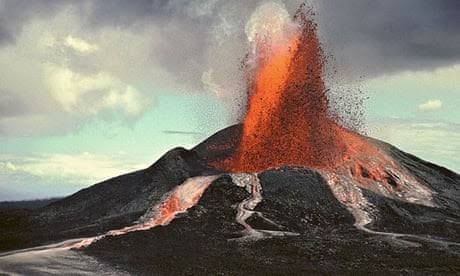
Table of Contents
The measurement of a volcano's true scale extends beyond its height above sea level. To determine the Top 10 Largest Volcanoes In The World 2026, we consider factors such as total volume, basal area, and overall mass, which offer a more accurate representation of a volcanic structure's magnitude. Our analysis for 2026 presents these colossal geological formations, focusing on the most current scientific understanding and available data regarding their dimensions and activity levels.
Understanding these immense natural features requires examining both terrestrial and extraterrestrial examples, as well as considering those that are active, dormant, or long-extinct. This overview highlights their unique characteristics and the geological forces that shaped them, drawing upon recent scientific reports and observations.
Understanding Volcanic Scales And Activity
Volcanoes vary dramatically in shape, size, and activity. Shield volcanoes, for instance, are known for their broad, gently sloping profiles, built up by effusive lava flows, often resulting in vast volumes. Stratovolcanoes, by contrast, are typically steeper and conical, formed by alternating layers of lava, ash, and rock fragments from explosive eruptions.
Our assessment for 2026 integrates data from various geological surveys and monitoring programs. These sources provide the foundational metrics for ranking, allowing us to present a precise and evidence-based compilation of the world's largest volcanoes.
The List Of The The Top 10 Largest Volcanoes In The World 2026:
1. Mauna Loa
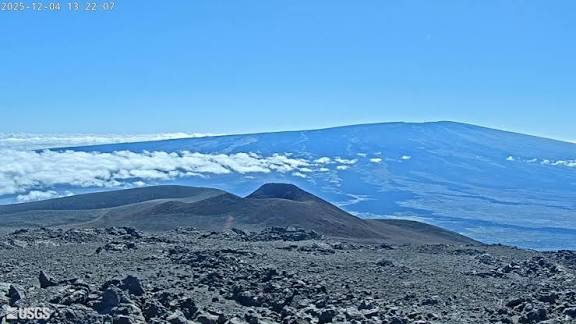
Mauna Loa, located on Hawaii's Big Island in the United States, stands as the largest volcano on Earth by volume and mass. Its summit reaches 4,169 meters (13,679 feet) above sea level, yet its true height from the ocean floor is an astounding 13,679 meters (44,869 feet), making it taller than Mount Everest when measured from its base. According to 2023 data, its estimated volume is approximately 75,000 cubic kilometers. This immense shield volcano has erupted over 33 times since 1843, with its most recent major activity occurring in 2022. The USGS Volcano Hazards Program and the Smithsonian Institution's Global Volcanism Program note low activity levels as of 2026, though its massive magma system indicates the potential for future flank eruptions.
2. Haleakalā
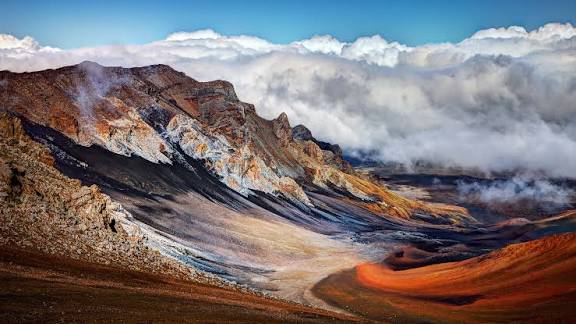
Haleakalā, the dominant shield volcano on Maui, Hawaii, forms the majority of the island. It rises to a height of 3,055 meters (10,023 feet) and possesses an estimated volume of 40,000 cubic kilometers. The volcano is particularly recognized for its massive caldera, which measures 12 kilometers by 3.6 kilometers, making it one of the largest single volcanic structures globally. Its last eruption occurred around 1480 CE, but ongoing geothermal activity is observed by the USGS Hawaiian Volcano Observatory and documented by NASA Earth Observatory.
3. Mount Etna
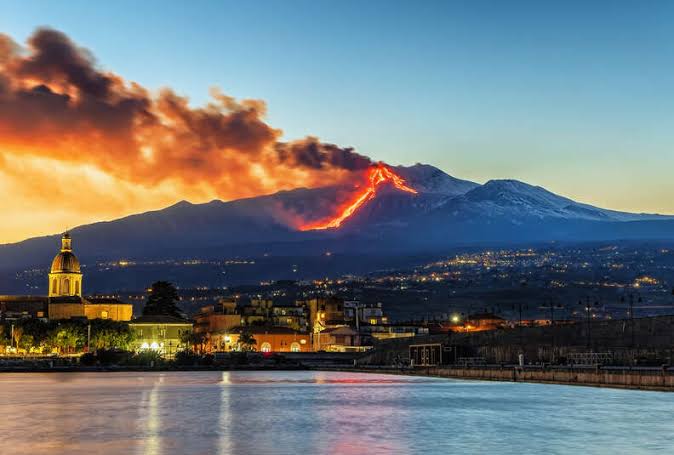
Europe's tallest active volcano, Mount Etna, dominates the landscape of Sicily, Italy. As of September 2024, its height was recorded at 3,403 meters (11,165 feet), a measurement that fluctuates due to its frequent eruptions. This stratovolcano has a basal area of 1,190 square kilometers and a circumference of 140 kilometers, with over 355 active vents. The Global Volcanism Program reported an eruption in January 2026, featuring a flank fissure at 2,100 meters that descended to 1,420 meters, following a pyroclastic flow in June 2025 that reached a height of 6.5 kilometers. Mount Etna is designated a Decade Volcano due to its persistent activity and its significant impact on nearby populations.
4. Tamu Massif
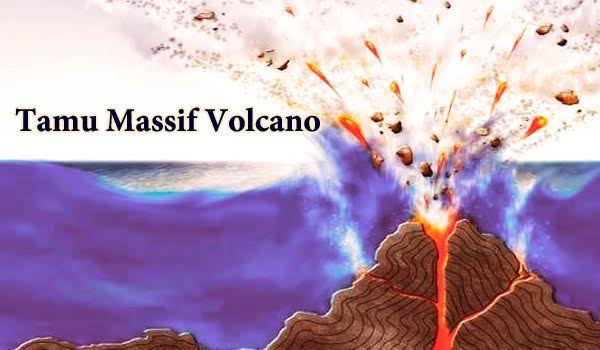
The Tamu Massif holds the distinction of being the world's largest known shield volcano by volume, slumbering on the Shatsky Rise oceanic plateau in the Pacific Ocean floor. Its colossal volume is estimated at 553,000 cubic kilometers, with a diameter of 650 kilometers and a height of 4,460 meters above the seafloor. This enormous underwater structure formed approximately 145-150 million years ago and is now inactive. Recent bathymetric surveys, reaffirmed in 2023, underscore its immense scale, which dwarfs all terrestrial volcanoes, as noted by NOAA Ocean Exploration and research published in Nature Geoscience.
5. Olympus Mons
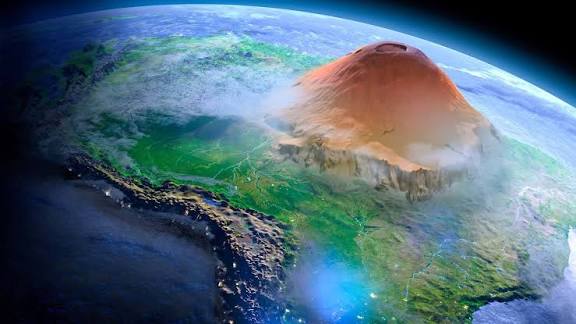
Located on Mars, Olympus Mons is the tallest volcano in our solar system. This massive shield volcano reaches an astonishing height of 21.9 kilometers (13.6 miles) and spans a diameter of 600 kilometers, with its caldera measuring 80 kilometers wide. Its estimated volume is approximately 1 million cubic kilometers. Data from NASA's Mars Reconnaissance Orbiter and reports from the Geological Society of America in 2026 continue to reveal the complex magmatic history of Olympus Mons and its surrounding region, including hidden complexities south of the nearby Pavonis Mons.
6. Yellowstone Caldera
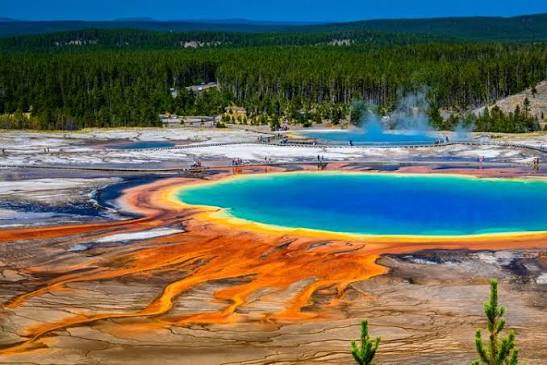
The Yellowstone Caldera, situated in Wyoming, USA, is a supervolcano known for hosting the world's largest thermal features. Its caldera spans an area of 1,500 to 2,000 square miles, with an elevation of 2,805 meters (9,203 feet). As of January 2026, the Yellowstone Volcano Observatory reported a normal alert level, despite recording 100 earthquakes, with a maximum magnitude of 2.6, during that month. While the caldera exhibits subtle uplift and subsidence, its last major eruption occurred 640,000 years ago. Scientists continue to monitor the potential for future, albeit infrequent, massive eruptive events from this significant geological system.
7. Kilauea
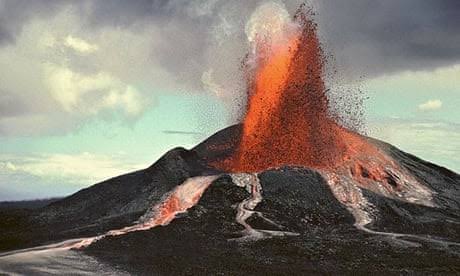
Kilauea, another of Hawaii's highly active volcanoes, has recorded over 60 eruptions since 1823. Standing at 1,247 meters (4,091 feet) in height, it remains one of the most dynamic volcanic systems globally. Its activity continued into February 2026, with reports from Global News detailing rainbow displays following an eruption. This volcano consistently contributes to the growth of the Hawaiian island, historically adding approximately 0.1 square kilometers of new land per year through ongoing summit and rift zone activity, as observed by the USGS Hawaiian Volcano Observatory.
8. Mount Semeru
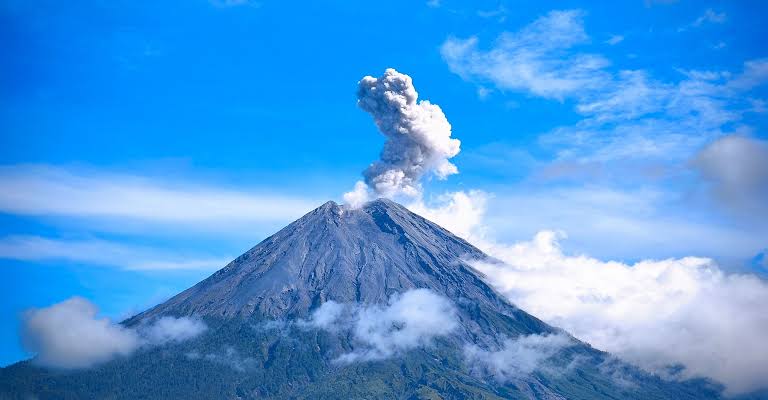
Mount Semeru is the highest volcano on Java, Indonesia, reaching 3,676 meters. In 2026 alone, it recorded 355 eruptions, making it the most active volcano in Indonesia for that period. The PVMBG data indicates 35 eruptions occurred in a single week in February 2026. On February 18, 2026, an eruption sent ash plumes up to 700 meters above its summit, reaching 4,376 meters above sea level, prompting a Level III alert. The MAGMA Indonesia platform highlights the continuous and significant volcanic activity in the region through these frequent events.
9. Nevado de T Oligue
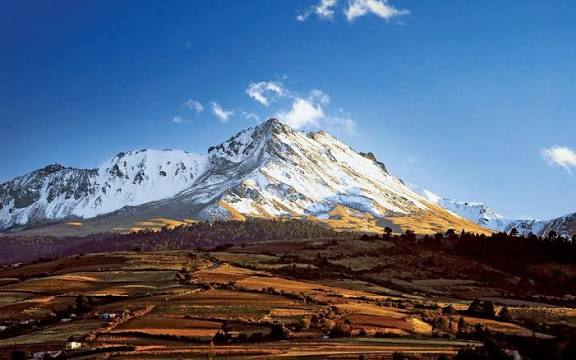
Nevado de T Oligue, a prominent stratovolcano, is located on the Chile-Peru border. It measures 6,893 meters in height and has an estimated volume of approximately 100 cubic kilometers, placing it among Earth's highest volcanoes by elevation above sea level in 2023 global assessments. While this volcano has been dormant since 1600 CE, it is continuously monitored for potential lahar risks, which are significant hazards associated with snow-capped volcanic peaks. The Smithsonian Global Volcanism Program includes it in its comprehensive volcano lists, emphasizing its geological importance despite its current repose.
10. Mount Sidley
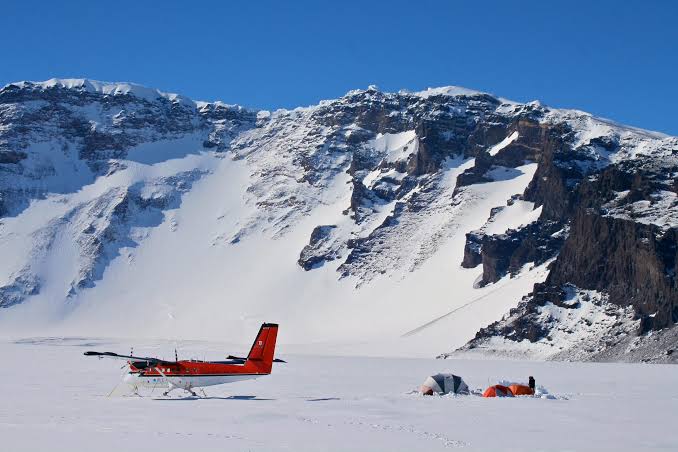
Mount Sidley is Antarctica's highest volcano, situated in the remote Marie Byrd Land. This extinct volcano rises to 4,181 meters and has an estimated diameter of 50 kilometers, with an estimated volume of 2,000 cubic kilometers. Buried under a substantial ice sheet, its massive structure was confirmed through recent ice-penetrating radar studies. Research from the British Antarctic Survey and Polar Research in 2024 emphasizes Mount Sidley's importance in understanding polar volcanism and the interactions between glacial ice and large volcanic edifices.
The Top 10 Largest Volcanoes In The World 2026 represent a diverse array of geological formations, from the vast submarine shield of Tamu Massif to the towering Martian peak of Olympus Mons. Our ongoing scientific endeavors continue to refine our understanding of these powerful natural structures, both on Earth and beyond. The data collected from various geological observatories and space missions provides crucial insights into their dimensions, activity, and the dynamic forces that shape our planets.
Related Posts

Top 10 Richest Chefs in USA 2026: How They Built Culinary Empires
In recent years, the world of celebrity chefs has developed into a multi-billion dollar industry that combines culinary expertise with media savvy, entrepreneurialism, and the development of distinctive brands. In the year 2026, a number of the wealthiest chefs in the United States have not only established themselves as influential figures in the kitchen, but […] More

Top 10 Best Skaters in the World 2026: The Ultimate Showdown Awaits
As we move through 2026, a few skaters stand out for their extraordinary skills, creativity, and contributions to the sport. Here’s a look at the top 10 skaters in the world right now, each pushing the boundaries of skateboarding in their own unique way. Skateboarding has evolved into a highly dynamic sport, showcasing remarkable talent […] More

Top 10 Highest Paid Female Footballers In The World 2026: Salaries That Shocked the Industry
Top 10 Highest Paid Female Footballers In The World 2026 1. Sam Kerr One of the most notable players in women’s football is Sam Kerr, who hails from Australia and operates as a striker. Kerr has emerged as a significant personality in the sport as a result of her remarkable speed, her extraordinary ability to […] More
The Largest Oil Refineries In The World 2026: Essential Insights for Energy Stakeholders
As of the year 2026, the following is a list of the top ten largest refineries in the world, which are known for their enormous processing capacities and strategic significance. Refineries play an important part in the global energy sector because they convert crude oil into valuable products such as gasoline, diesel, and other petrochemicals. […] More
6 Comments
Join the discussion and share your thoughts