Top 10 Largest Towers In The World 2026: Engineering Marvels Unveiled

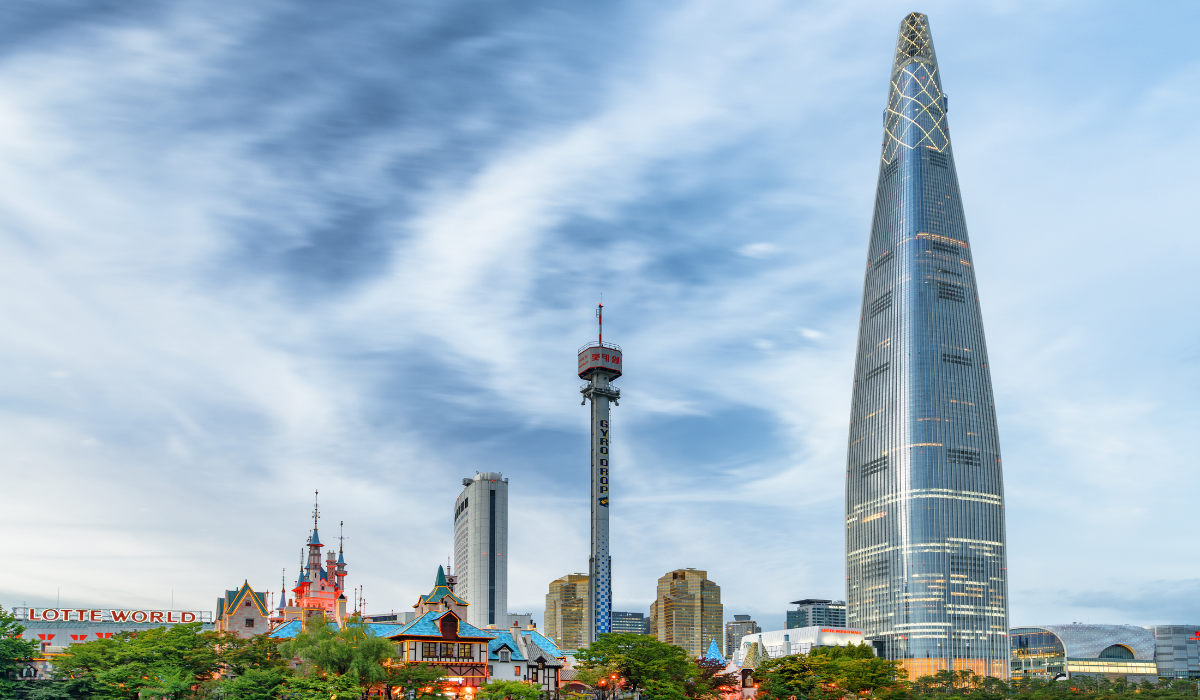
Table of Contents
The global skyline continues its ascent, with architectural ambitions reaching unprecedented heights. As we look towards 2026, the roster of the world's most imposing structures showcases both enduring marvels and more recent additions. This article presents the Top 10 Largest Towers In The World 2026, examining the engineering prowess and vision behind these monumental achievements. Our analysis focuses on their architectural height, which includes spires but excludes functional antennae, offering a definitive measure of their structural grandeur.
Our Approach to Ranking Global Towers
To provide a precise and accurate representation of the world's tallest towers for 2026, we relied on established architectural metrics and verified completion data. Our primary criterion for ranking is the architectural height, which is consistently measured from the lowest significant open-air pedestrian entrance to the structural top of the building. This measurement excludes elements such as flagpoles or other technical equipment that do not contribute to the building's inherent structural form.
Each tower's entry includes its current ranking, official name, architectural height, number of floors, and its completion or opening year. We also provide the specific city and country where each tower is situated, along with its primary function. Additionally, we highlight key features, distinctive design elements, and the broader impact each structure has on its urban landscape and global architectural discourse. This comprehensive overview ensures that our readers receive a well-rounded understanding of these engineering feats.
These Are The List Of The Top 10 Largest Towers In The World 2026:
1. Burj Khalifa
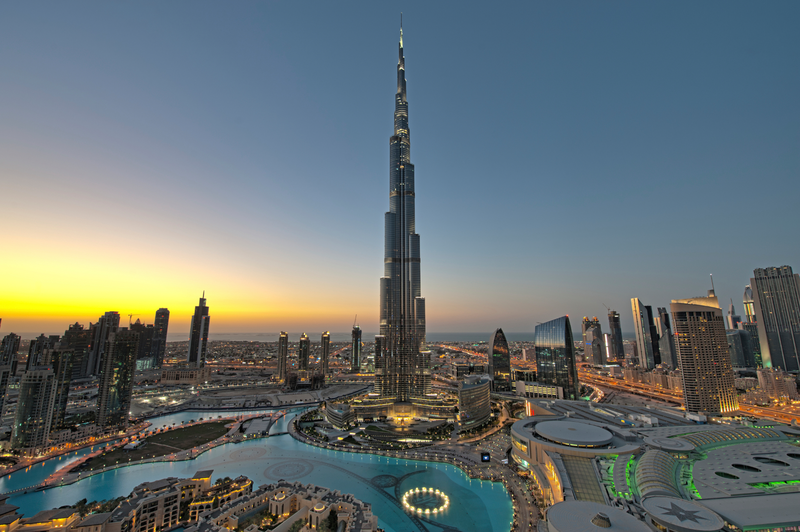
The Burj Khalifa maintains its status as the world's tallest building as of 2026, a title it has held with distinction since its completion in 2010. Standing at an architectural height of 828 meters (2,717 ft) with 163 floors, this supertall skyscraper dominates the Dubai skyline. Its design, inspired by the Hymenocallis flower, features a triple-lobed footprint that tapers as it rises, effectively mitigating wind forces. The tower serves as a residential, hotel, and corporate office complex, drawing millions of visitors annually to its observation decks.
Located in the heart of Downtown Dubai, the Burj Khalifa is more than just a structure; it is a global icon representing the United Arab Emirates' rapid development and ambition. Its construction involved innovative engineering techniques, particularly in concrete pumping and high-strength materials, to achieve its record-breaking height. The building's presence has significantly shaped Dubai's identity as a modern metropolis and a hub for luxury and tourism, offering unparalleled views that stretch across the city and into the Arabian Gulf.
2. Merdeka 118
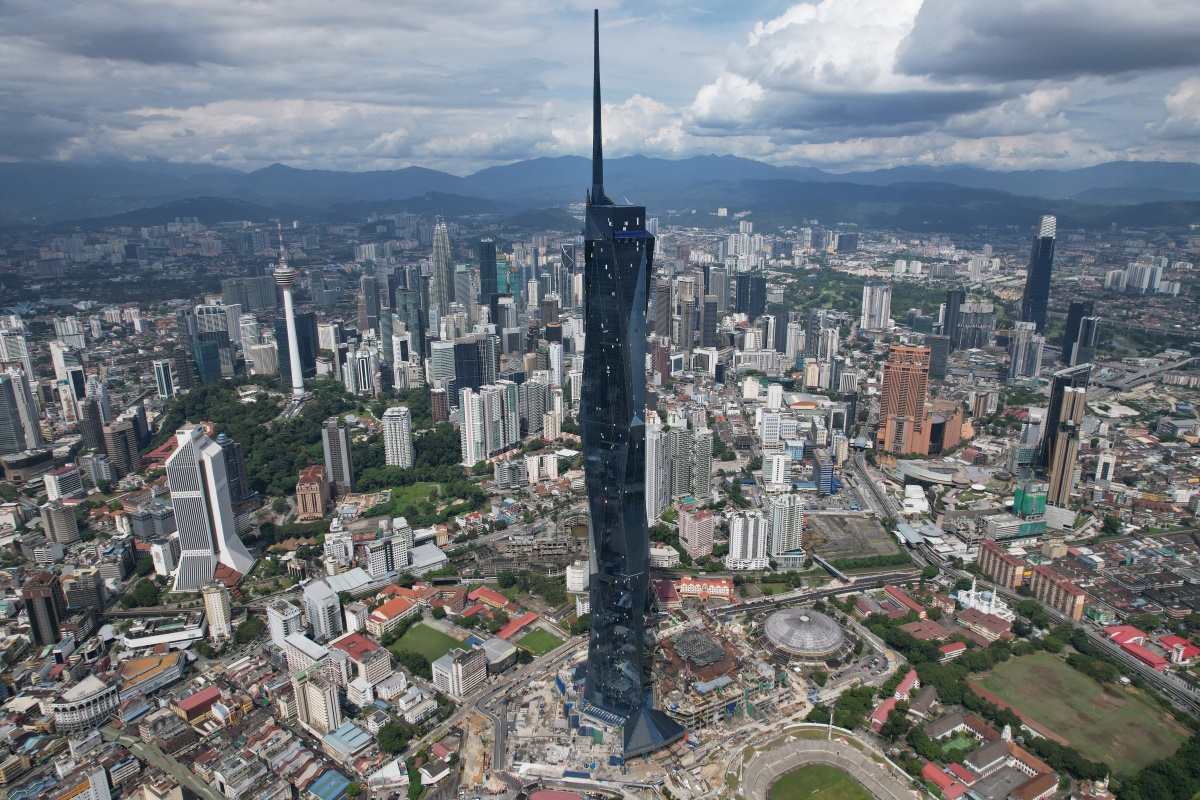
Merdeka 118, also known as PNB 118, secures its position as the second-tallest building in the world and the tallest in Southeast Asia as of 2026. Completed in 2023, this impressive Kuala Lumpur skyscraper rises to 678.9 meters (2,227 ft) across 118 floors. Its distinctive faceted design draws inspiration from traditional Malay patterns, particularly the diamond shapes found in songket weaving, symbolizing Malaysia's rich cultural heritage alongside its modern aspirations.
This mixed-use tower integrates offices, retail spaces, and a luxury hotel, contributing significantly to Kuala Lumpur's urban fabric. The name "Merdeka", meaning independence, reflects its location near Stadium Merdeka, where Malaysia declared independence in 1957. The tower's spire, which contributes substantially to its overall height, is a prominent feature that reshapes the city's skyline, making it a powerful emblem of national pride and architectural innovation in the region.
3. Shanghai Tower
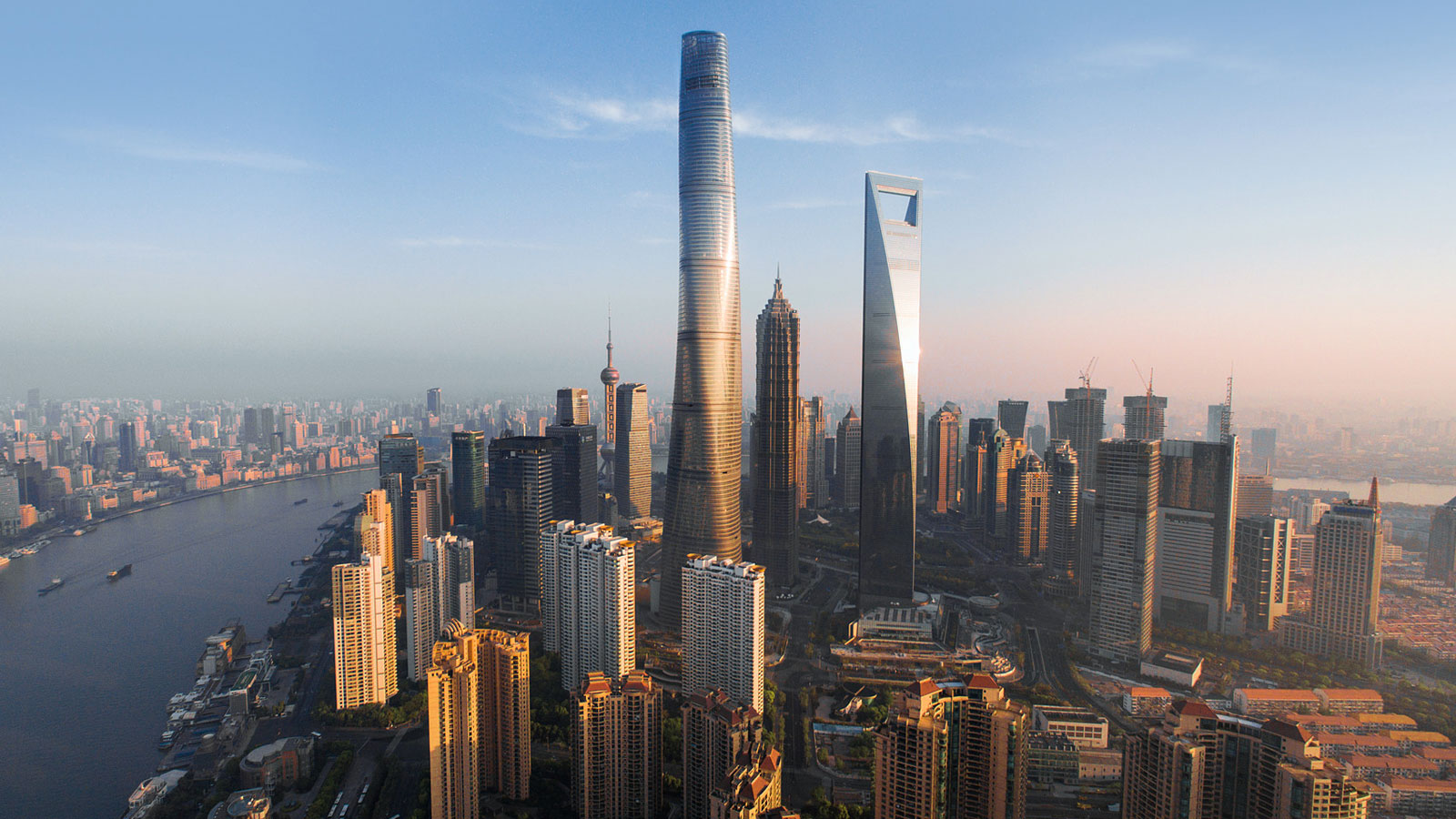
The Shanghai Tower stands as China's tallest completed building and ranks as the third-tallest globally for 2026. Finished in 2015, this skyscraper in Shanghai's Pudong district reaches 632 meters (2,073 ft) with 128 floors. Its unique twisting design, which reduces wind loads by 24 percent, is a hallmark of its innovative architecture. The tower comprises nine cylindrical buildings stacked vertically, encased within a double-skin glass facade that contributes to its energy efficiency and distinctive appearance.
Functioning as a mixed-use tower, it houses offices, retail establishments, and a hotel, along with one of the world's highest observation decks within a building. The Shanghai Tower embodies advanced sustainable design principles, including a transparent outer skin that maximizes natural light and minimizes energy consumption. Its presence solidifies Shanghai's standing as a leading global financial and architectural center, pushing the boundaries of skyscraper design and environmental performance.
4. Makkah Royal Clock Tower
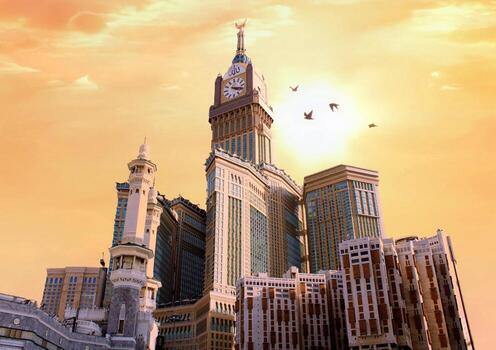
Overlooking the revered Grand Mosque in Mecca, the Makkah Royal Clock Tower is the fourth-tallest building in the world as of 2026. Completed in 2012, this colossal structure stands at 601 meters (1,972 ft) and features 120 floors. It is best known for housing one of the largest clock faces globally, visible from many kilometers away, which helps pilgrims orient themselves for prayer. The complex was designed to accommodate the millions of pilgrims visiting Mecca annually, providing extensive hotel accommodations, prayer halls, and essential services.
The tower is a central component of the Abraj Al-Bait complex, a government-owned development that includes several other skyscrapers. Beyond its impressive height, which secures its high ranking, the Makkah Royal Clock Tower holds profound cultural and religious significance. Its opulent design and strategic location near the Kaaba within the Masjid al-Haram mark it as a unique blend of modern engineering and spiritual purpose, serving as a beacon for the Islamic world.
5. Ping An Finance Center
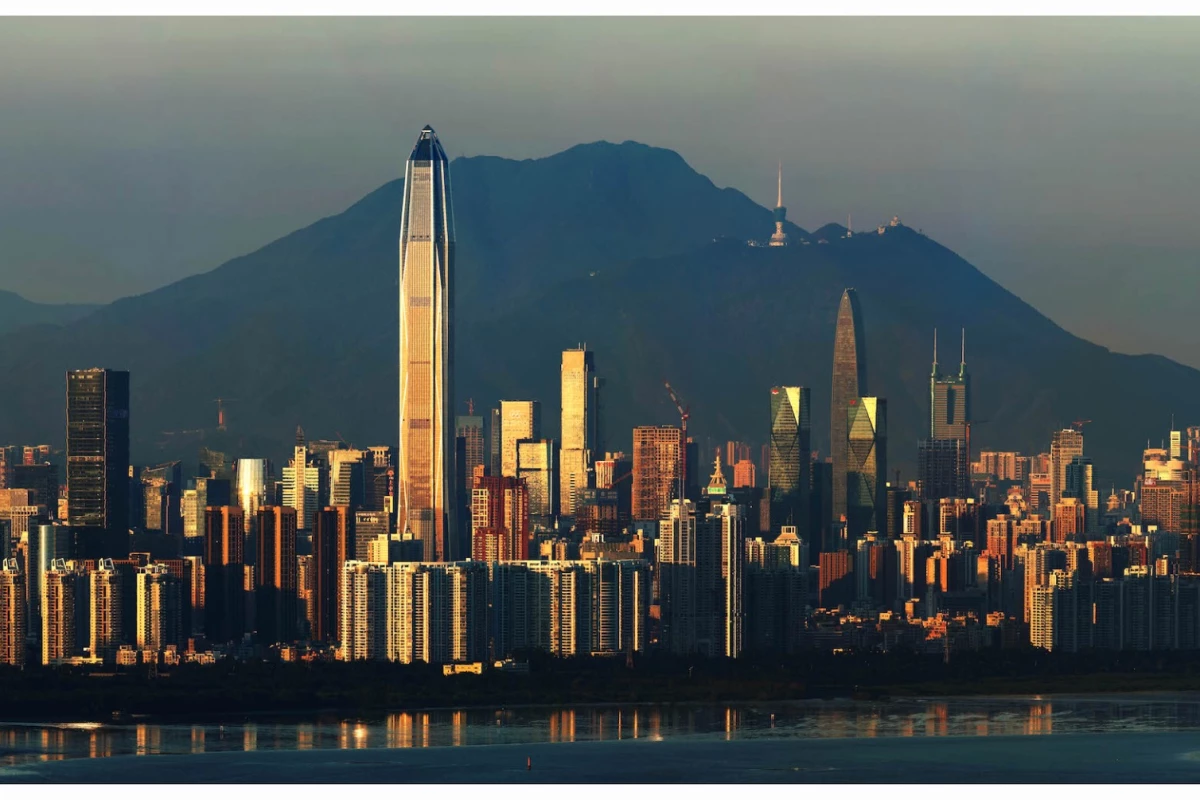
The Ping An Finance Center in Shenzhen, China, holds the distinction of being the fifth-tallest building globally for 2026. Completed in 2017, this sleek skyscraper rises to 599.1 meters (1,965 ft) with 115 floors. Its minimalist design and ultra-slender profile are emblematic of Shenzhen's rapid transformation into a global technology and financial hub. The tower's robust steel structure is meticulously engineered to withstand significant wind forces and seismic activity, ensuring its stability in a dynamic urban environment.
Primarily serving as a major financial hub, the Ping An Finance Center houses corporate offices and a luxury hotel. It also boasts one of the world's fastest elevator systems, capable of reaching high speeds to efficiently transport occupants. The building's design reflects a commitment to both aesthetic elegance and functional efficiency, cementing its status as a cutting-edge landmark in one of China's most economically vibrant cities.
6. Lotte World Tower
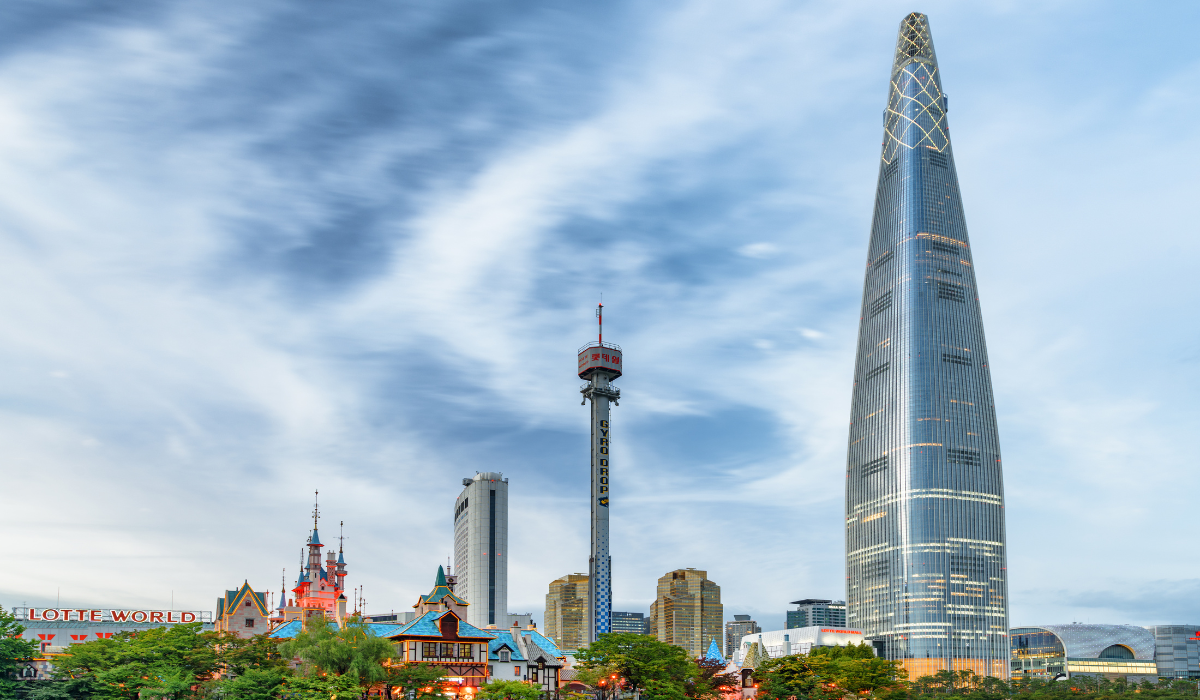
Soaring above Seoul, the Lotte World Tower is the tallest building in South Korea and the sixth-tallest in the world, completed in 2017. This impressive skyscraper reaches 554.5 meters (1,819 ft) and contains 123 floors. Its design thoughtfully blends modern engineering with cultural aesthetics, drawing inspiration from traditional Korean ceramics and calligraphy. The tower's elegant, elongated cone shape with a slightly convex curve at the top makes it a distinctive feature of the city's skyline.
The Lotte World Tower is a mixed-use development featuring retail spaces, offices, luxury residences, and a prestigious six-star hotel. Its high-altitude observation deck offers sweeping panoramic views of the Han River and the surrounding cityscape, making it a popular destination for tourists and locals alike. This structure symbolizes modern Seoul's ambition and its ability to integrate contemporary design with a deep respect for cultural heritage.
7. One World Trade Center

One World Trade Center stands as a profound symbol of resilience and renewal in New York City, ranking as the seventh-tallest building globally and the tallest in the Western Hemisphere. Completed in 2014, this 104-floor supertall skyscraper reaches a symbolic architectural height of 541 meters (1,776 ft), deliberately referencing the year of American independence. Built on the site of the former World Trade Center complex, it serves as a major commercial office tower.
The tower's design by David Childs of Skidmore, Owings & Merrill combines heightened security features with a clean, contemporary aesthetic. Its spire, which contributes to its symbolic height, is illuminated at night, serving as a beacon. One World Trade Center is more than just a building; it is a landmark tied closely to national memory and identity, representing the enduring spirit of New York City and the nation in the face of adversity.
8. Guangzhou CTF Finance Centre
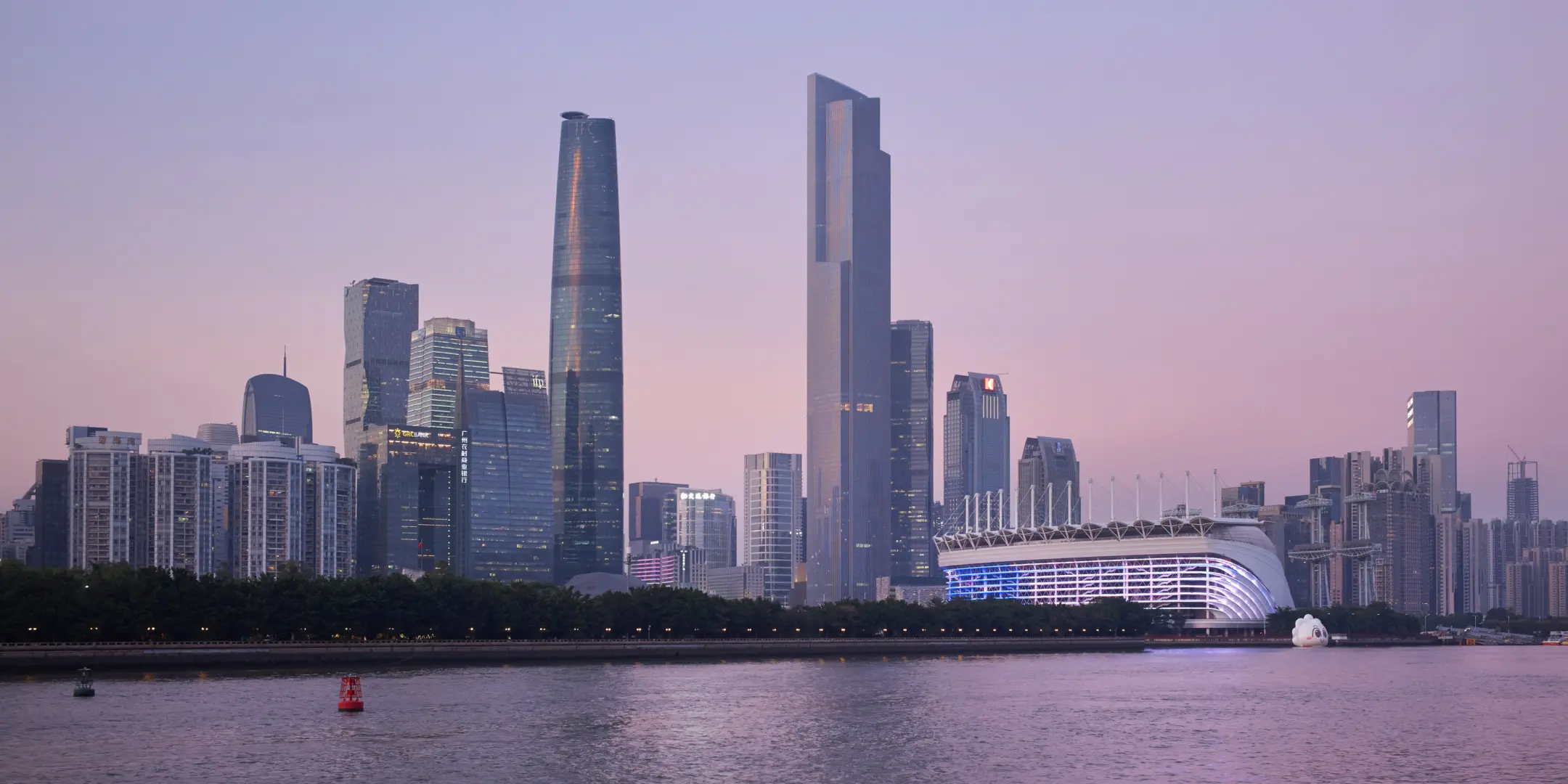
The Guangzhou CTF Finance Centre is a prominent skyscraper in Guangzhou, China, recognized as the eighth-tallest in the world. Completed in 2016, this tower stands at 530 meters (1,739 ft) with 111 floors. It forms part of a two-skyscraper complex overlooking the Pearl River and acts as a central anchor in China's rapidly developing Zhujiang New Town business district. The building is renowned for its innovative integration of residential units, retail spaces, and hospitality services within a single vertical structure.
Its design incorporates terracotta-glazed terra-cotta mullions, which are not only aesthetically pleasing but also provide shading and help reduce energy consumption. The tower was also notable for its Hitachi-designed elevators, which were once among the fastest in the world, capable of reaching speeds of up to 1,260 meters per minute. This structure exemplifies Guangzhou's economic dynamism and its commitment to high-density, mixed-use urban development.
9. Tianjin CTF Finance Centre
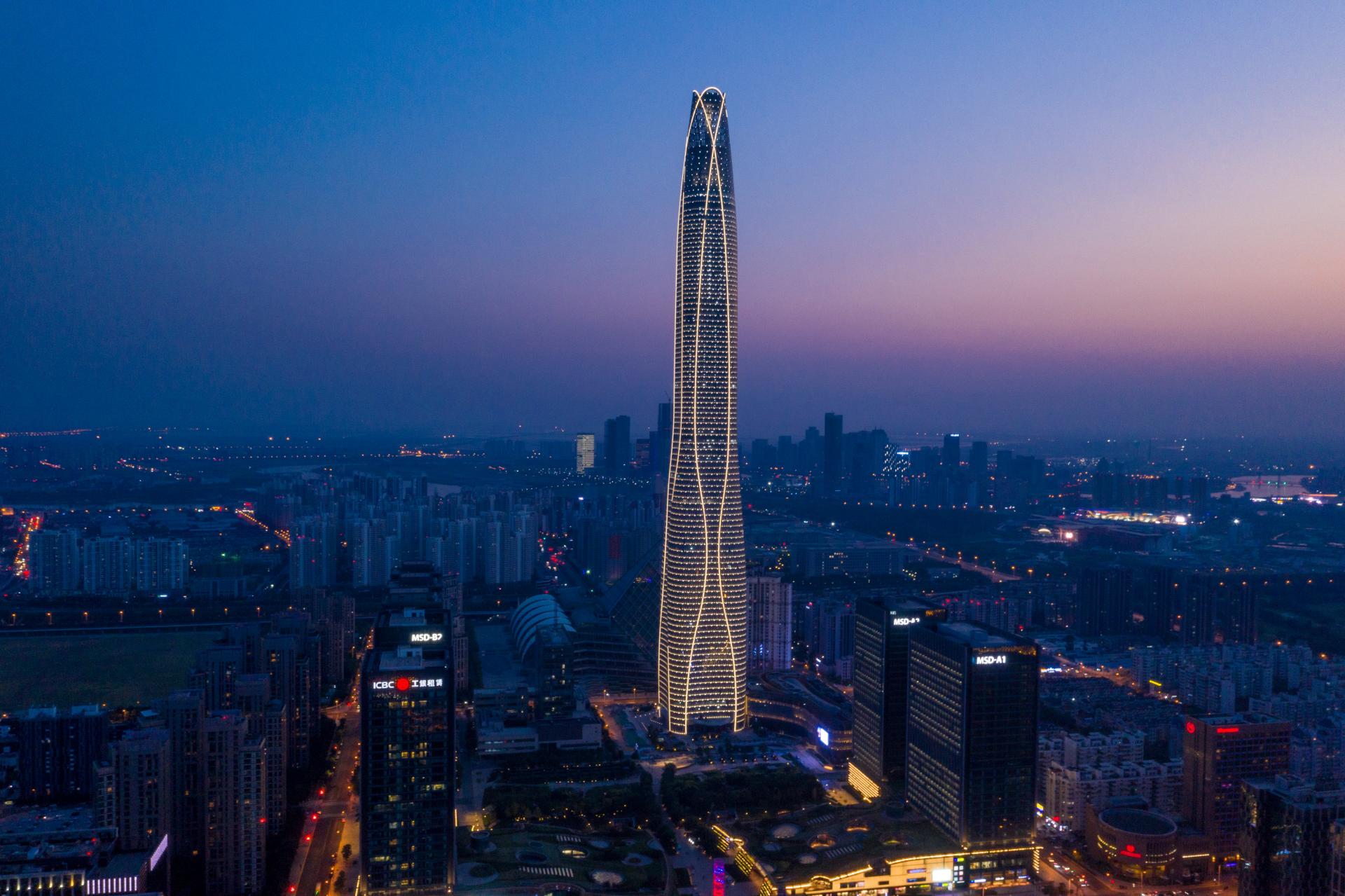
The Tianjin CTF Finance Centre shares the ninth position globally with the Guangzhou CTF Finance Centre, both standing at 530 meters (1,739 ft). Completed in 2019, this elegant glass tower in Binhai, Tianjin, features 97 floors and significantly contributes to Tianjin's evolving skyline, bringing a touch of modern architectural sophistication to the cityscape. Developed by Chow Tai Fook Enterprises, it is a testament to innovative design and superior engineering.
This mixed-use skyscraper comprises a luxury hotel, serviced apartments, and office spaces, catering to the growing demands of Tianjin's economic-technological development area. Its striking curved design, which tapers from its wider base to a narrower apex, optimizes structural performance against wind loads while creating a visually distinctive profile. The Tianjin CTF Finance Centre underscores China's continuous urban development and architectural ambition on a global scale.
10. CITIC Tower
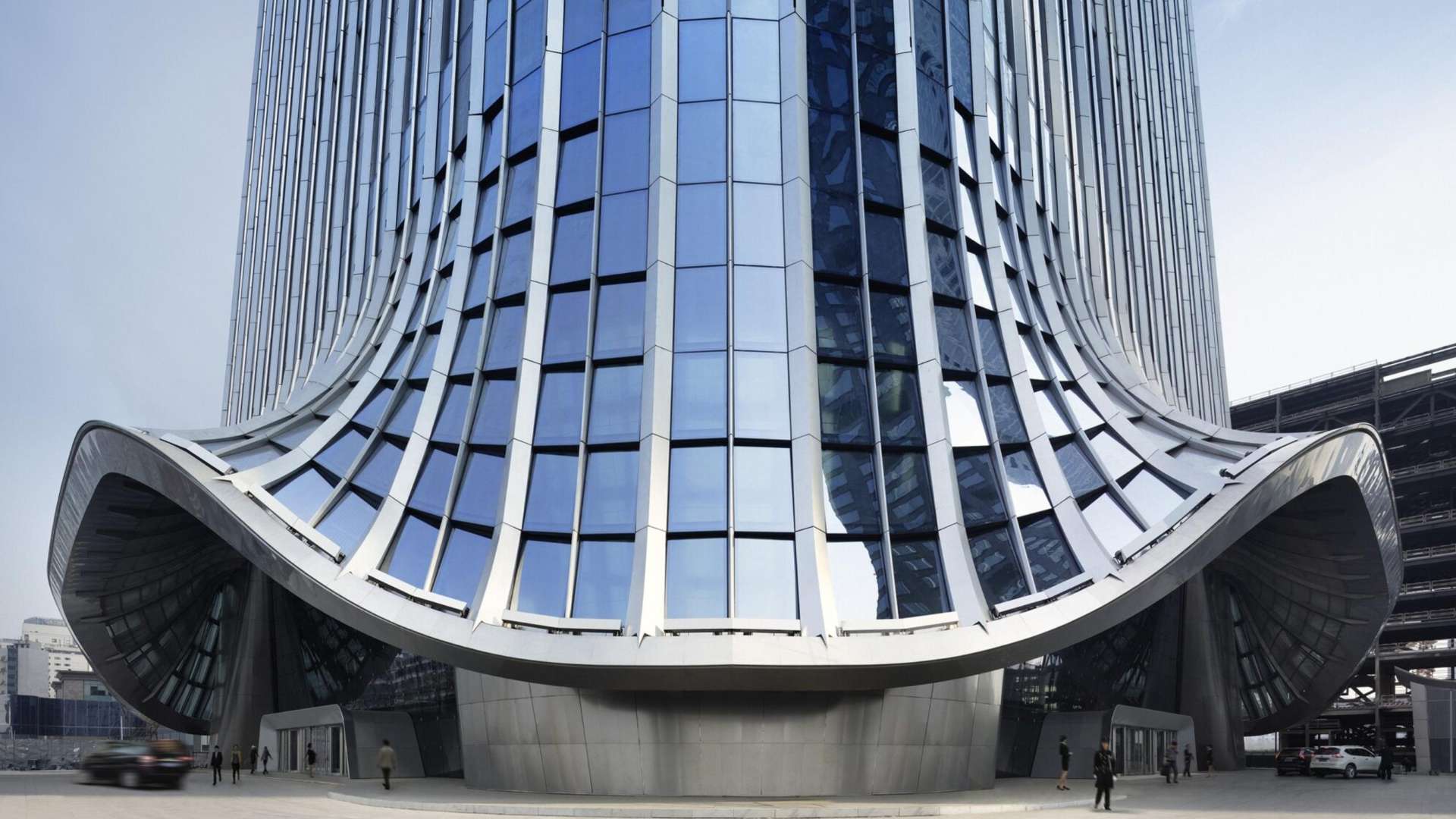
The CITIC Tower, often referred to as "China Zun," completes our list as the tenth-tallest building in the world and the tallest in Beijing. Completed in 2018, this supertall skyscraper rises to 528 meters (1,731 ft) with 109 floors. Its unique shape, which widens at the top and base while tapering in the middle, is inspired by an ancient Chinese ceremonial wine vessel known as a "zun." This culturally rooted profile gives it a distinctive and iconic presence in Beijing's Central Business District.
Primarily serving as an office tower, the CITIC Tower symbolizes Beijing's transformation into a modern financial hub while honoring its rich heritage. The building's design features advanced engineering to withstand seismic activity, a crucial consideration in its location. China Zun represents a harmonious blend of traditional aesthetics and contemporary architectural innovation, reflecting Beijing's economic ambition and its place as a global capital.
As we observe the ongoing evolution of urban landscapes, the construction of these magnificent structures highlights humanity's persistent drive to innovate and redefine the limits of engineering. The Largest Towers In The World 2026 exemplify this ambition, each standing as a testament to advanced design, structural resilience, and the economic dynamism of their respective regions. Our publication continues to monitor these architectural achievements, recognizing their profound impact on global skylines and urban development.
Related Posts

Top 10 Richest Chefs in USA 2026: How They Built Culinary Empires
In recent years, the world of celebrity chefs has developed into a multi-billion dollar industry that combines culinary expertise with media savvy, entrepreneurialism, and the development of distinctive brands. In the year 2026, a number of the wealthiest chefs in the United States have not only established themselves as influential figures in the kitchen, but […] More

Top 10 Best Skaters in the World 2026: The Ultimate Showdown Awaits
As we move through 2026, a few skaters stand out for their extraordinary skills, creativity, and contributions to the sport. Here’s a look at the top 10 skaters in the world right now, each pushing the boundaries of skateboarding in their own unique way. Skateboarding has evolved into a highly dynamic sport, showcasing remarkable talent […] More

Top 10 Highest Paid Female Footballers In The World 2026: Salaries That Shocked the Industry
Top 10 Highest Paid Female Footballers In The World 2026 1. Sam Kerr One of the most notable players in women’s football is Sam Kerr, who hails from Australia and operates as a striker. Kerr has emerged as a significant personality in the sport as a result of her remarkable speed, her extraordinary ability to […] More
The Largest Oil Refineries In The World 2026: Essential Insights for Energy Stakeholders
As of the year 2026, the following is a list of the top ten largest refineries in the world, which are known for their enormous processing capacities and strategic significance. Refineries play an important part in the global energy sector because they convert crude oil into valuable products such as gasoline, diesel, and other petrochemicals. […] More
3 Comments
Join the discussion and share your thoughts