Top 10 Largest Telescopes In The World 2026

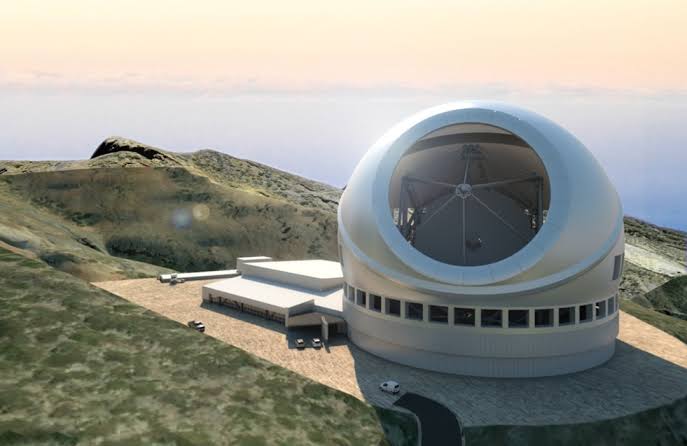
Table of Contents
The human quest to explore the cosmos drives continuous innovation in observational astronomy, leading to the development of increasingly powerful instruments. As we approach 2026, the discussion around the largest telescopes in the world 2026 centers on facilities with immense light-gathering capabilities, often defined by their primary mirror diameter. This article will detail the scale and ambition behind some of the most significant ground-based observatories, acknowledging the complexities in compiling a definitive ranking based on current, publicly available data and future projections.
Advancing Astronomical Observation: Defining Telescope Scale
Determining the largest telescopes in the world involves more than a single metric. While primary mirror diameter is often the most direct measure of light-gathering power and angular resolution, other factors like operational wavelength, adaptive optics systems, and interferometric arrays contribute significantly to a telescope's overall scientific impact. The astronomical community focuses on these instruments to push the boundaries of our understanding, from detecting exoplanets to observing the earliest galaxies. Our analysis identifies several key observatories that represent the forefront of astronomical observation, both existing and under development for the coming years.
The Top 10 Largest Telescopes In The World 2026:
1. Extremely Large Telescope
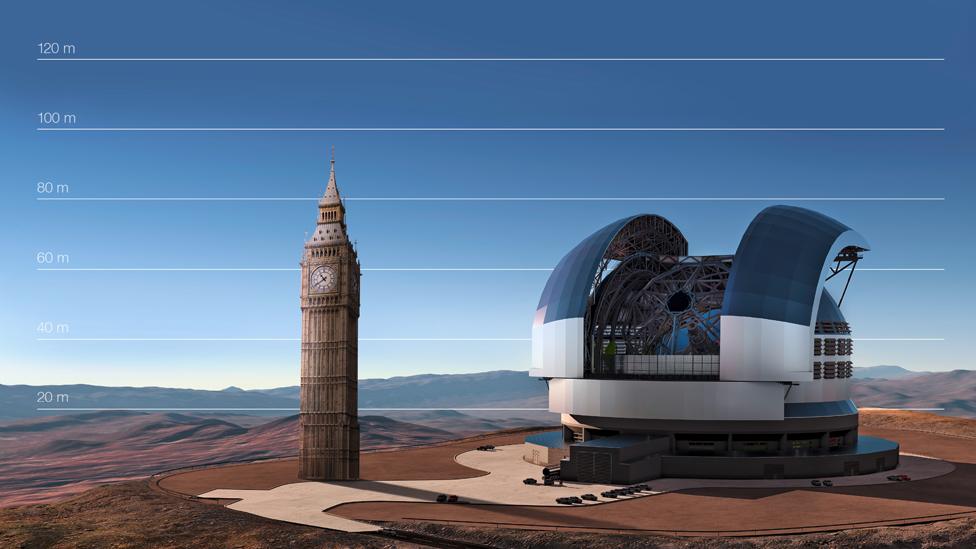
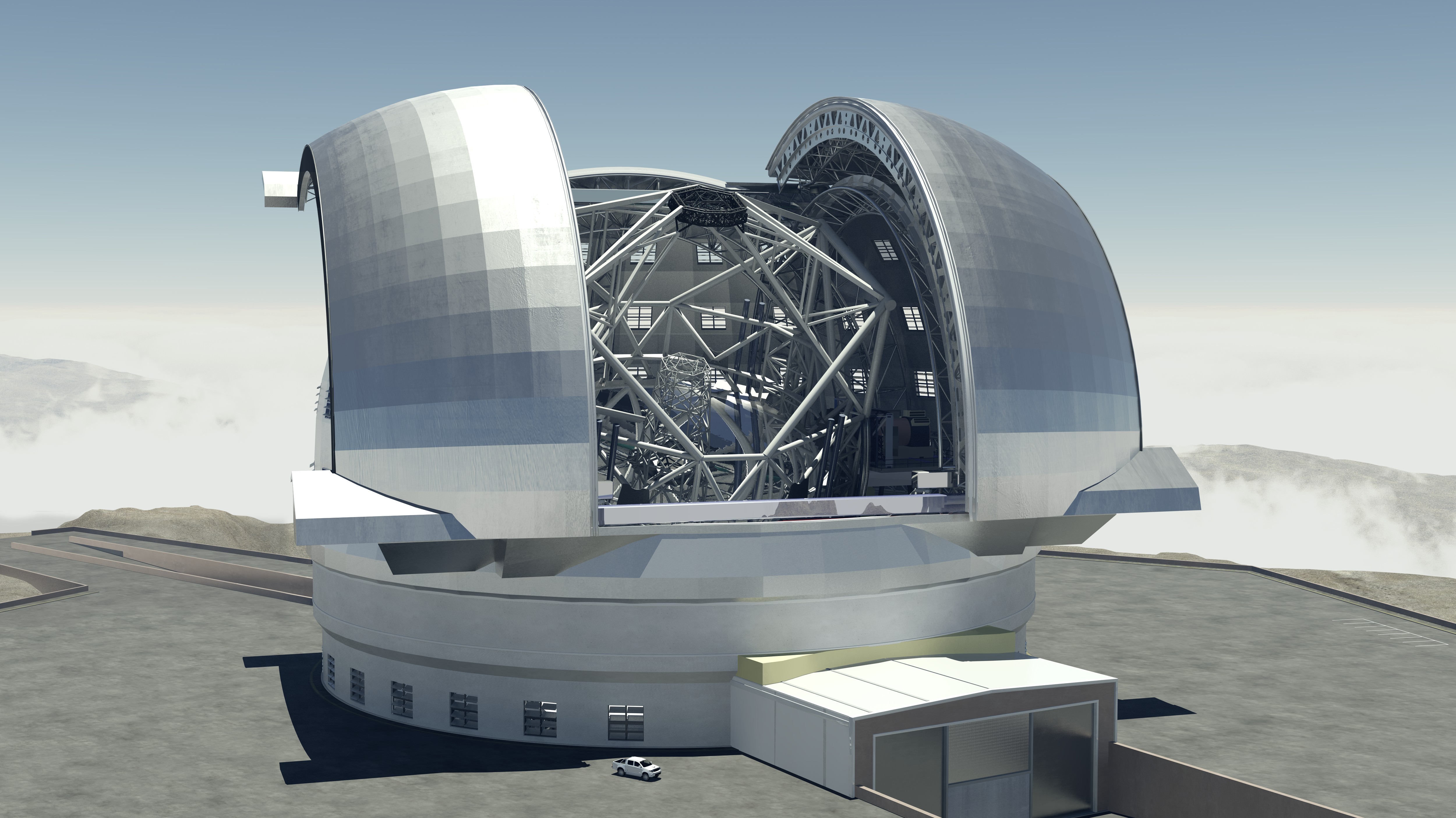
The Extremely Large Telescope, or ELT, currently under construction in Chile, is designed to be the largest optical-infrared telescope in the world upon its completion. Located on Cerro Armazones in the Atacama Desert, this European Southern Observatory (ESO) project will feature a primary mirror spanning an impressive 39.3 meters (128 feet). According to Space.com in February 2026, construction advances position it to surpass all current telescopes in light-gathering power. The ELT's segmented mirror will consist of 798 individual hexagonal segments, each about 1.4 meters across. This intricate design, coupled with advanced adaptive optics, aims to correct for atmospheric distortion, allowing the telescope to achieve unparalleled image sharpness. Its projected capabilities include the direct imaging of exoplanets, atmospheric analysis for habitability, and profound studies of star and galaxy formation, dark matter, and dark energy, enabling astronomers to probe the universe's most fundamental questions.
2. Giant Magellan Telescope
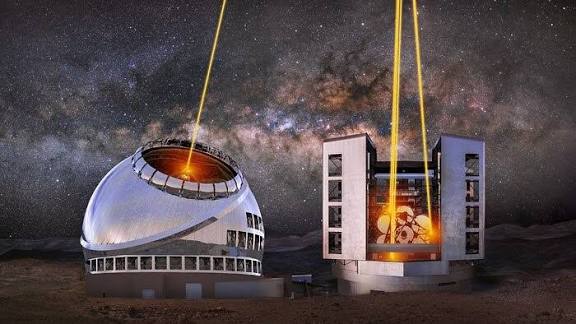
Under construction on Cerro Pachón, Chile, the Giant Magellan Telescope (GMT) represents a significant leap in ground-based astronomy. This innovative observatory features an effective aperture of 24.5 meters, created by seven individual 8.4-meter primary mirrors. The GMT Consortium reports via Space.com in 2026 indicate its first light is targeted for 2029. The GMT will employ advanced adaptive optics to deliver images ten times sharper than those produced by the Hubble Space Telescope. This capability will allow it to probe exoplanet atmospheres for biosignatures and observe the earliest galaxies in the universe with unprecedented resolution. Its unique segmented mirror design and robust funding ensure its place among the top future giants in observational science.
3. Thirty Meter Telescope
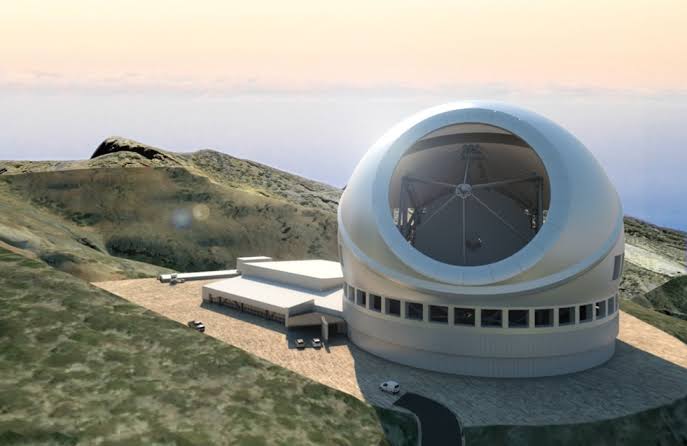
The Thirty Meter Telescope (TMT) is planned with a 30-meter primary mirror diameter, utilizing a segmented design similar to other large observatories. While originally slated for Mauna Kea, Hawaii, ongoing site disputes have led to consideration of an alternative location on La Palma, pushing its projected completion into the 2030s, as noted in TMT International Observatory updates from 2026. The TMT is designed to offer ten times the light-collecting area of the Hubble Space Telescope, making it a powerful instrument for cosmology and exoplanet studies. It will incorporate an adaptive secondary mirror to correct atmospheric distortion in real-time, ensuring high-fidelity observations. Despite legal challenges, development continues for this ambitious project, which promises to expand our understanding of the universe's structure and evolution.
4. Keck I Telescope
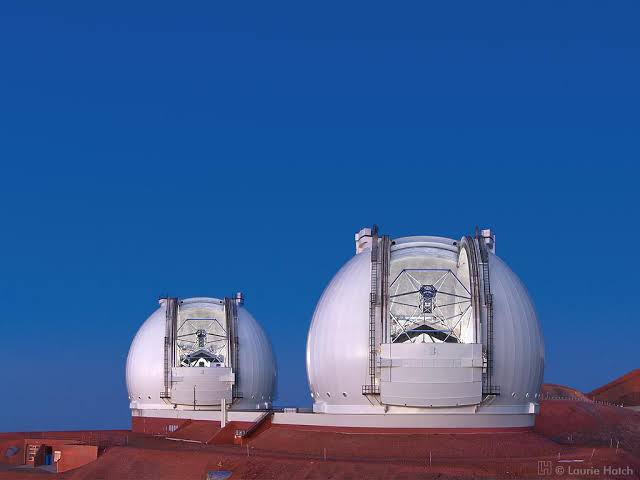
Located atop Maunakea in Hawaii, the Keck I Telescope has been operational since 1993, pioneering active optics and laser guide star technology. With its 10-meter primary mirror diameter, composed of 36 hexagonal segments, Keck I provided ten times the light gathering power of its predecessor, the Hale Telescope. For decades, it stood as the world's largest operational optical telescope, as reported by the Keck Observatory and Post-Gazette in 2026. This instrument has been instrumental in numerous discoveries, including the characterization of exoplanets and the measurement of redshifts for distant galaxies. Its ongoing upgrades continue to enhance its infrared capabilities, maintaining its position as a leading observatory for high-resolution imaging and spectroscopic analysis across various astronomical phenomena.
5. Keck II Telescope
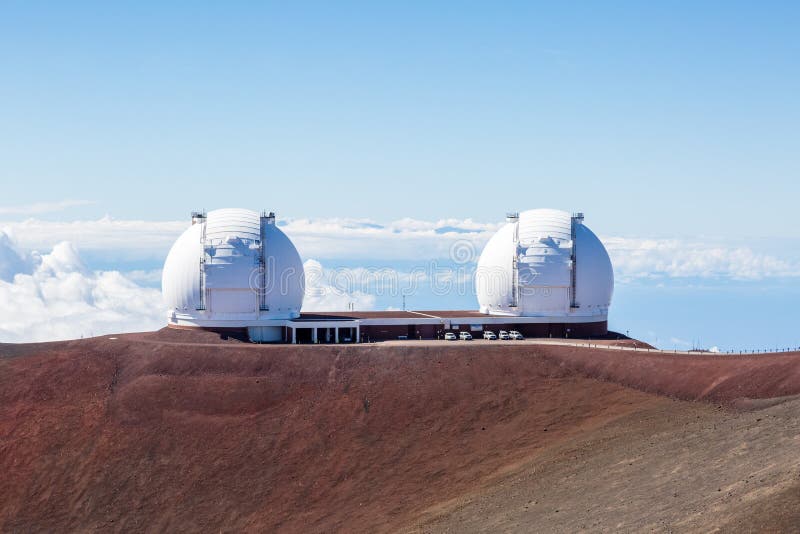
Also situated on Maunakea, the Keck II Telescope is the twin to Keck I, having been operational since 1996. It shares the same 10-meter primary mirror diameter and segmented design, forming the W.M. Keck Observatory. According to 2026 data from the Keck Observatory, these twin telescopes deliver diffraction-limited performance through their advanced adaptive optics systems. Keck II is particularly noted for its advanced spectrographs, which have been used for precise black hole mass measurements and detailed supernova studies. When combined with Keck I, the telescopes can operate as an interferometer, further boosting their resolving power. Recent instrument upgrades have significantly boosted its operational efficiency and scientific output.
6. Gran Telescopio Canarias
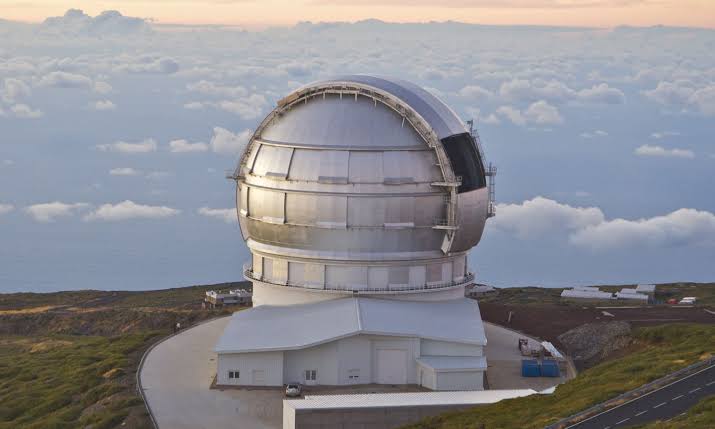
The Gran Telescopio Canarias (GTC), situated on La Palma in the Canary Islands, holds the distinction of being the largest single-mirror optical telescope currently in operation. Its primary mirror, with a diameter of 10.4 meters, captures ten times more light than 4-meter class telescopes, as reported by the Instituto de Astrofísica de Canarias in 2026. The GTC's segmented mirror actively adjusts to maintain optimal focus, enabling it to conduct crucial follow-up observations of transient events and detailed research into galaxy evolution. Its multi-wavelength observational capabilities make it a leader in studying dynamic cosmic phenomena, from stellar explosions to the formation of planetary systems.
7. Very Large Telescope
The Very Large Telescope (VLT), operated by the European Southern Observatory (ESO) on Cerro Paranal, Chile, is an array of four 8.2-meter Unit Telescopes. UT1, named Antu, has been operational since 1998 and is a cornerstone of the VLT array. ESO VLT updates from 2026 highlight its capacity for combined interferometry, effectively creating a telescope with a much larger collecting area equivalent to a 16-meter mirror. The VLT as a whole has been pivotal in imaging exoplanets and securing Nobel Prize-winning discoveries related to the supermassive black hole at the center of our galaxy. The 2026 upgrades include enhanced adaptive optics, ensuring the VLT array continues to deliver high-resolution observations of stellar evolution, galaxy formation, and black hole physics.
8. Gemini North Telescope
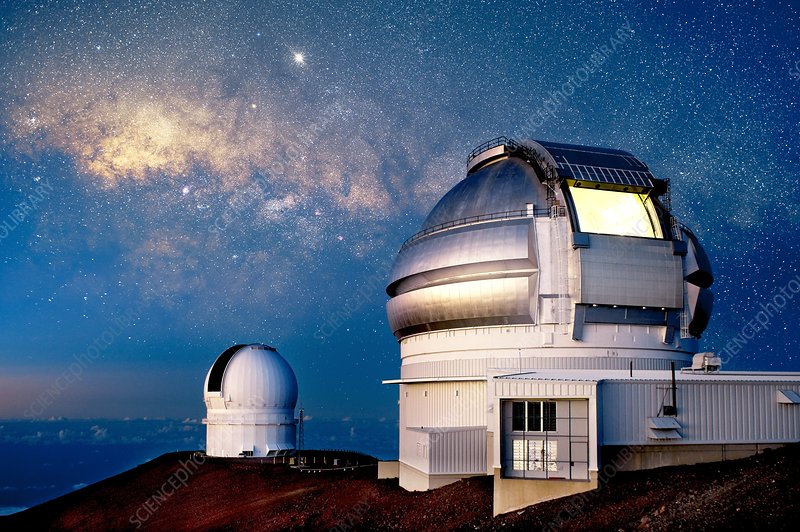
Located on Maunakea, Hawaii, the Gemini North Telescope features an 8.1-meter primary mirror and has been operational since 2000. It utilizes advanced thin-mirror technology, which allows for rapid thermal equilibrium and excellent image quality. The NOIRLab Gemini Observatory reported in 2026 on its capabilities. Gemini North excels in wide-field imaging and spectroscopy, contributing significantly to studies of supernovae, active galactic nuclei, and protoplanetary disks. Its rapid response capabilities are particularly valuable for observing transient astronomical events. This international collaborative project ensures access to cutting-edge instrumentation for a global community of astronomers.
9. Subaru Telescope
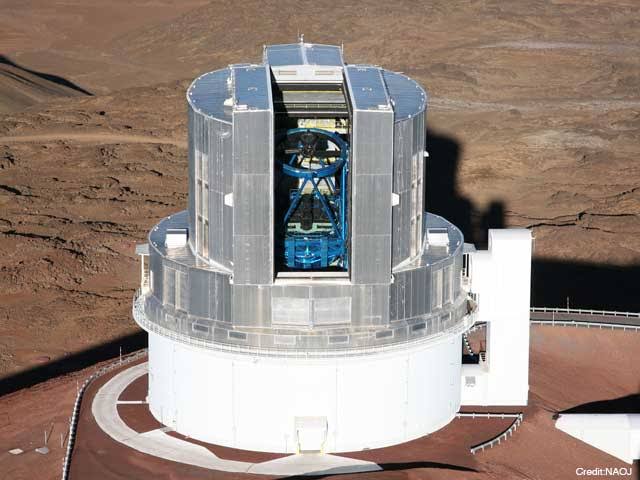
Japan's Subaru Telescope, also situated on Maunakea, Hawaii, boasts an 8.2-meter primary mirror diameter. It is renowned for its Hyper Suprime-Cam, which enables vast surveys of up to 1.5 billion galaxies. According to the National Astronomical Observatory of Japan in 2026, the telescope made headlines for discovering the most distant galaxy in recent observations. Subaru plays a leading role in weak lensing and dark energy studies through its prime focus camera. Its advanced adaptive optics systems also support the ongoing search for exoplanets and the detailed characterization of their environments. The telescope's broad field of view and high sensitivity make it a powerful instrument for understanding the large-scale structure of the universe.
10. Hale Telescope
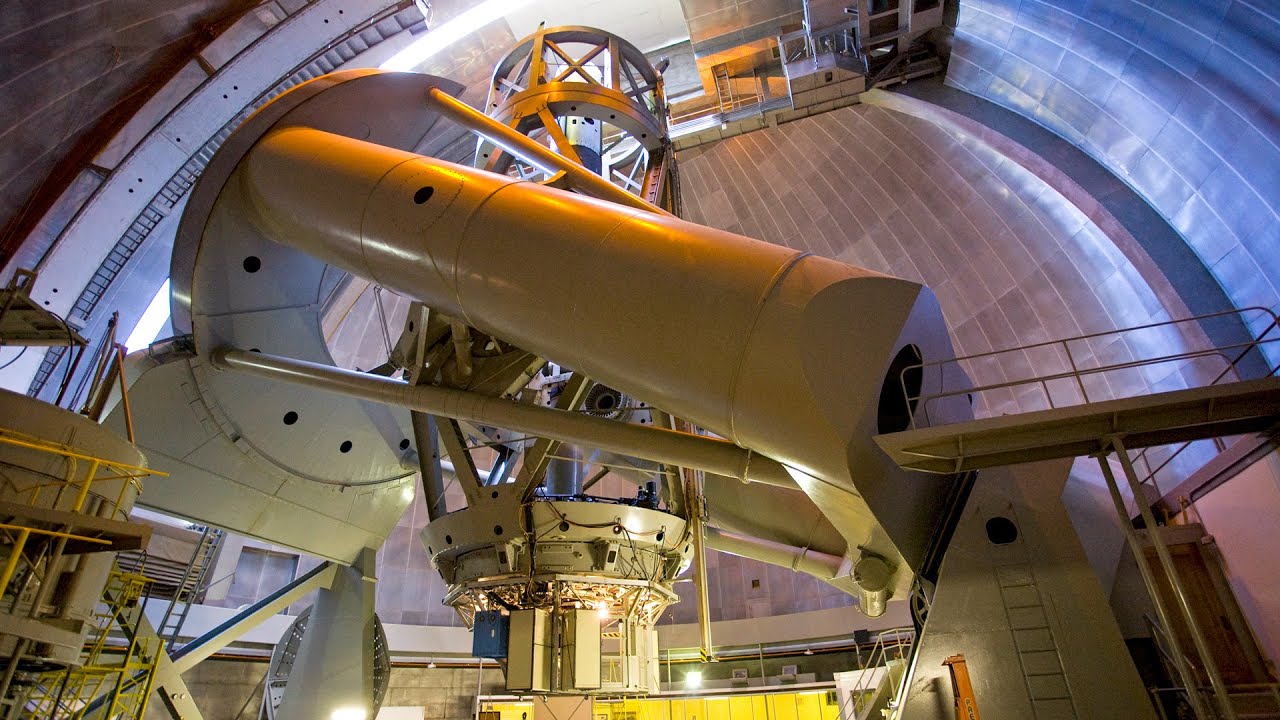
The Hale Telescope, located at Palomar Observatory in Southern California, holds a significant place in astronomical history. With its 5.1-meter (200-inch) primary mirror, it was the largest operational optical telescope for nearly three decades following its completion in 1948. This instrument was a marvel of engineering for its time and famously held the size record until 1992, as detailed by Palomar Observatory and the Post-Gazette in January 2026. Despite being surpassed in size by later observatories, the Hale Telescope remains a highly active and productive research instrument. Its legacy includes groundbreaking work on quasar discoveries and measurements of the Hubble constant, which transformed cosmology. Modern electronics and instrumentation sustain its vital research role in various fields of astronomy, including studies of asteroids, distant galaxies, and stellar populations. The ongoing development and operation of these extraordinary observatories highlight the continuous drive to expand our cosmic perspective. While a definitive list of the largest telescopes in the world 2026 remains dynamic due to ongoing construction and evolving definitions, the facilities discussed here exemplify humanity's enduring commitment to exploring the universe. These instruments, both established and emerging, promise to continue delivering groundbreaking discoveries for decades to come.
Related Posts

Top 10 Female Hockey Players in 2026: Meet the Game's Brightest Stars
Women’s ice hockey has experienced significant growth and development by 2026, with players from all over the world demonstrating outstanding skill, leadership, and commitment to the sport. The following is a detailed summary of the top ten female hockey players in the world in 2026, emphasizing their contributions to the game and their impact on […] More

Top 10 Best Hospitality Schools In The World (2026 Update): Where Tomorrow's Leaders Train
The world’s top hospitality schools continue to be essential in the context of a global economy because of their emphasis on offering exceptional guest experiences and high-quality service. People who want to work in hotels and other hospitality-related fields are actively looking for educational opportunities that will equip them with the skills and knowledge they […] <a class="g1-link g1-link-more" href="https://nubiapage.com/top-10-best-hospitality-schools-in-the-world-2024-up

Top 10 Greatest Packer Players in the World 2026: Surprising Picks & Legends
The Green Bay Packers, which are considered to be one of the most illustrious franchises in the history of the National Football League, have, throughout its existence, boasted a roster of remarkable talent. The history of the Packers is filled with players that have stood out for some reason, whether it be their iconic Super […] More

Top 10 Biggest Concert Stadiums In The World 2026
In 2026, the world of concert venues includes some of the biggest and most famous stadiums, known for hosting huge crowds and providing live music experiences that are unmatched. The following is a list of the ten largest concert stadiums in the world: List Of Top 10 Biggest Concert Stadiums In The World 2026 1. […] More
4 Comments
Join the discussion and share your thoughts