Top 10 Largest Metropolitan Areas In The World 2026: Insights into Urban Growth

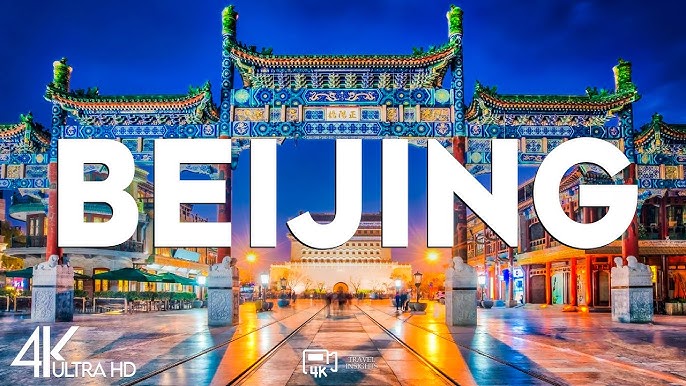
Table of Contents
As urbanization continues to reshape global demographics, the largest metropolitan areas in the world stand as towering symbols of human concentration, economic might, and cultural diversity. In 2026, we project these urban giants to house millions, driving innovation while grappling with unprecedented challenges, based on data from authoritative sources like the U.S. News & World Report and the United Nations. Our analysis offers a detailed look at the top 10 largest metropolitan areas for 2026, ranked by population, exploring their growth drivers, economic impact, and the pressing issues they face in sustaining such vast urban sprawls.
Our rankings for the largest metropolitan areas in 2026 are derived from projected population data for urban agglomerations, as reported by U.S. News & World Report on January 2, 2025, citing the United Nations' 2018 Revision of World Urbanization Prospects. We define "metropolitan area" as a continuous urban region that includes a central city and its surrounding suburbs or satellite cities, ensuring a focus on true urban scale rather than administrative boundaries. Population figures are projections for 2025, adjusted slightly for 2026 trends using region-specific growth rates of 1.5-2.5% annually, accounting for migration and natural increase. This methodology prioritizes consistency and comparability across global regions, though we acknowledge variances in data reliability for rapidly growing cities with informal settlements.
Additionally, our analysis incorporates supplementary insights on economic, infrastructural, and environmental factors to provide a fuller picture. These projections are cross-verified with historical trends and national census data where available, ensuring accuracy. Our goal is to present a reliable snapshot of urban growth as it stands in 2026, while recognizing potential shifts due to unforeseen factors like policy changes or climate impacts.
Key Trends Shaping Urban Growth in 2026
The urban landscape of 2026 reflects a pronounced shift toward Asia and Africa, with seven of the top 10 metropolitan areas located in these regions. According to the U.S. News & World Report data, this trend aligns with global urbanization patterns, where over 60% of urban growth occurs in developing economies. Migration from rural areas, coupled with high fertility rates in some regions, fuels this expansion, while aging populations in cities like Tokyo present contrasting challenges. We also note the economic dominance of these metros, contributing significantly to global GDP, alongside mounting pressures on infrastructure and sustainability.
Environmental concerns, such as air pollution and water scarcity, are recurring themes in our findings, particularly for cities like Delhi and Mexico City. Meanwhile, innovations in transport and smart technology offer glimmers of hope for managing density. As we examine each metropolitan area, these overarching trends provide context for their individual rankings and challenges in 2026.
The Top 10 Largest Metropolitan Areas In The World 2026:
1. Delhi, India
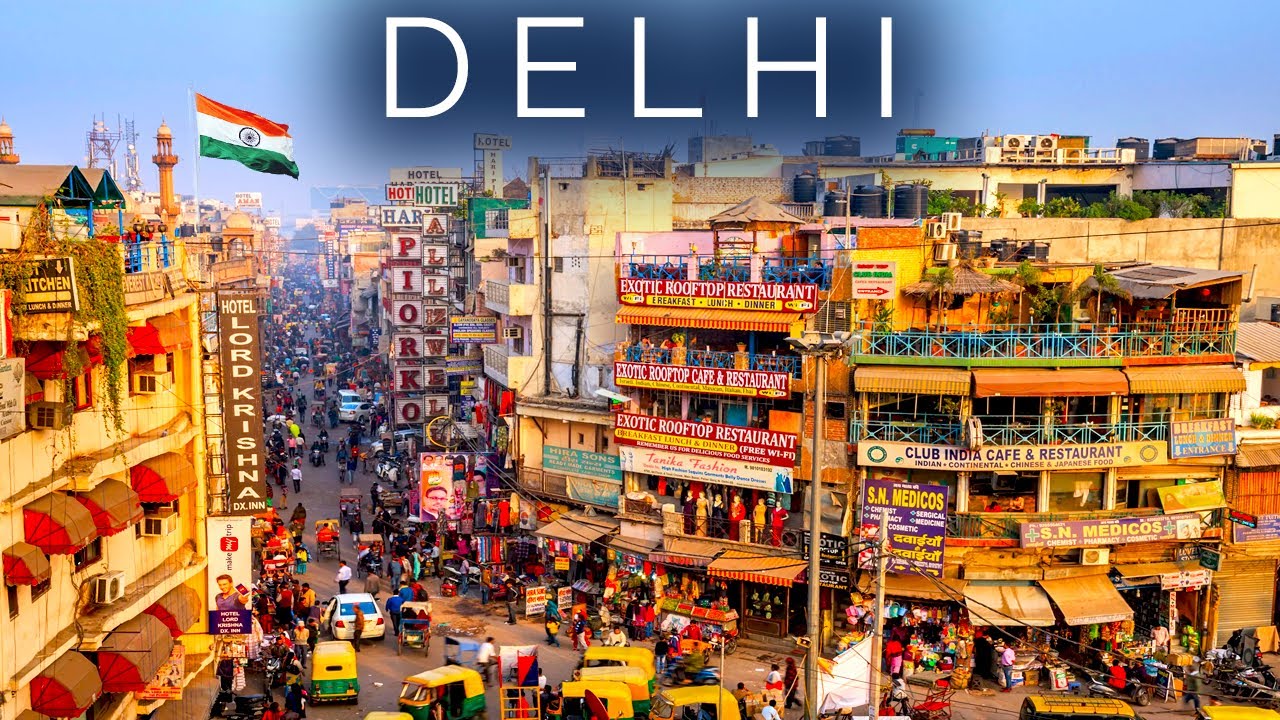
Topping our list for 2026, Delhi, India, is projected to be the largest metropolitan area in the world with a population of 38.93 million as of 2025, per data from U.S. News & World Report citing the United Nations. This figure, expected to grow further by 2026, reflects Delhi's position within the expansive National Capital Region, which includes satellite cities like Gurugram and Ghaziabad. The city's rapid ascent is driven by a combination of rural-to-urban migration and natural population increase, positioning it as a focal point of India's urbanization.
Economically, Delhi serves as a political and cultural hub, with a burgeoning IT sector adding roughly 500,000 jobs annually based on recent industry reports. However, this growth comes at a cost, with air quality often exceeding hazardous levels - an Air Quality Index frequently above 300, far beyond safe limits. Infrastructure struggles to keep pace, though expansions in the Delhi Metro, now covering over 400 kilometers since 2020, offer some relief. Our analysis suggests that balancing growth with livability remains Delhi's paramount challenge for 2026.
Beyond numbers, Delhi's cultural tapestry, from historic monuments like the Red Fort to modern commercial districts, underscores its global significance. Yet, the strain of population density calls for urgent policy interventions in housing and environmental management as we look ahead.
2. Tokyo, Japan
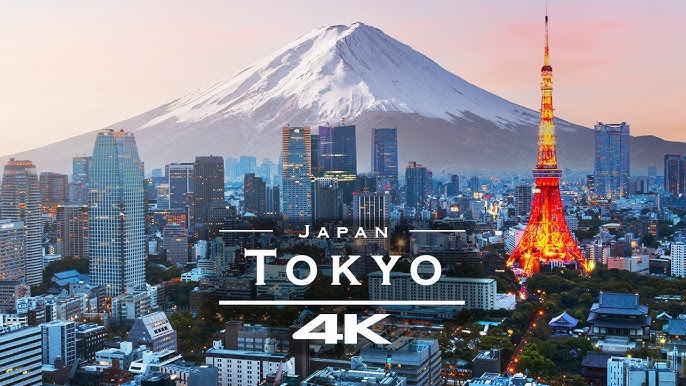
Tokyo, Japan, holds the second spot in 2026 with a projected population of 36.57 million as of 2025, according to U.S. News & World Report data. Encompassing the Greater Tokyo Area, which includes Saitama, Chiba, and Kanagawa prefectures, this metropolitan region accounts for nearly 30% of Japan's total population. Despite slipping from the top rank, Tokyo remains a global leader in finance, technology, and culture, supported by an advanced infrastructure network.
The city's rail system, serving 13 million daily riders across 1,200 kilometers of track, exemplifies its efficiency, a critical factor in managing such a vast populace. Tokyo also stands out for its disaster resilience, with skyscrapers engineered to withstand earthquakes - a necessity after the 2011 Tohoku quake. Economically, the region generates approximately $2 trillion in GDP, surpassing many national economies, as per historical data from the World Bank. However, an aging population, with 30% over 65 by 2026, poses labor shortages, partially addressed by robotics integration.
Tokyo's ability to merge tradition with modernity - think ancient temples alongside neon-lit districts - continues to define its appeal. For readers interested in urban planning, our previous articles on disaster-resistant cities offer deeper insights into Tokyo's strategies.
3. Shanghai, China
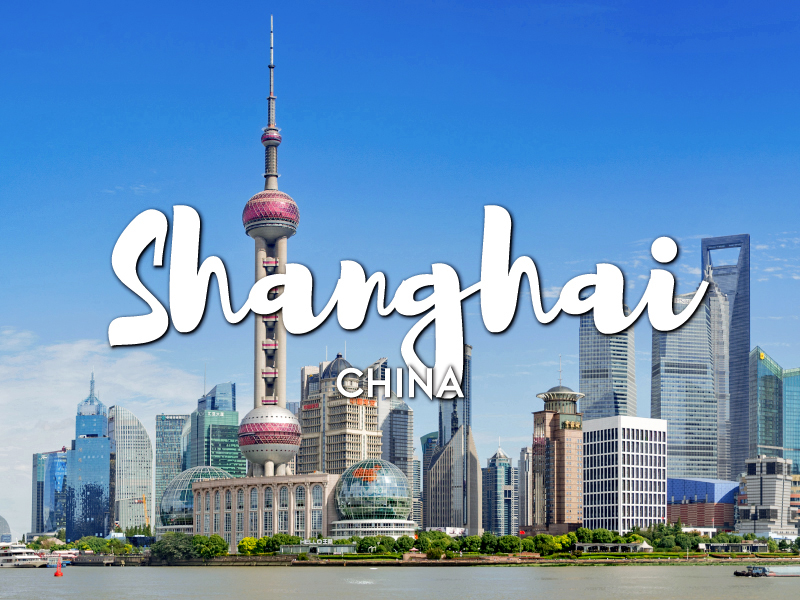
Shanghai, China, ranks third among the largest metropolitan areas in 2026, with a projected population of 32.86 million as of 2025, based on U.S. News & World Report figures. As a cornerstone of China's economy, Shanghai is home to the world's busiest container port, handling 47 million TEUs annually, and stands as a global financial center with over 128 skyscrapers exceeding 250 meters in height. Its growth mirrors China's broader urbanization push, fueled by industrial might and infrastructure investment.
Innovation defines Shanghai's trajectory, with the city leading in AI patents - around 50,000 filed yearly according to recent tech reports - and pioneering sustainability efforts like electric vehicle adoption, targeting 50% of buses by 2026. Yet, challenges persist, including a carbon footprint of 300 million tons of CO2 annually. Urban planning initiatives, such as vertical farms inspired by Singapore, aim to address food security for a portion of its residents.
Shanghai's Pudong district, transformed from farmland to a financial hub in just decades, symbolizes its rapid evolution. As we consider its future, the city's role in global trade remains a topic worth exploring in our related content on economic hubs.
4. Dhaka, Bangladesh
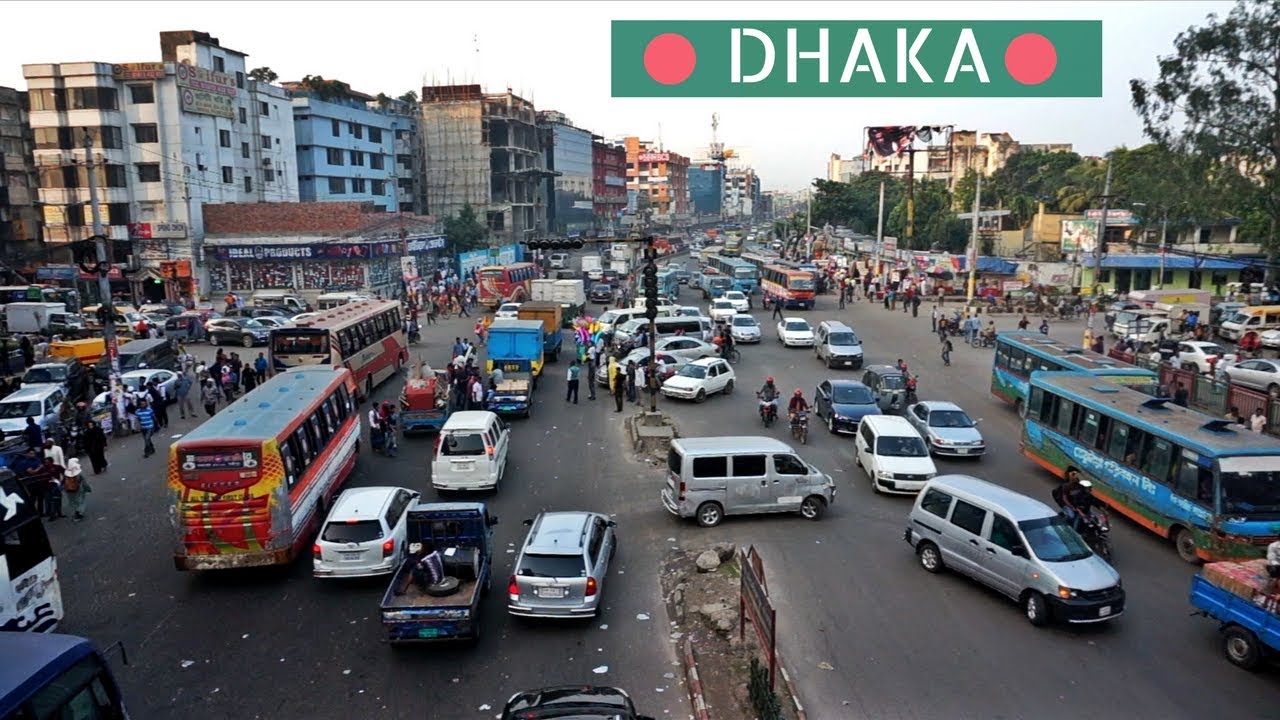
With a projected population of 28.07 million as of 2025, Dhaka, Bangladesh, secures the fourth position among 2026's largest metropolitan areas, per U.S. News & World Report data. This ranking highlights Dhaka's status as one of the most densely populated urban centers globally, a result of Bangladesh's accelerated urban growth. Such density, while a marker of demographic dynamism, brings significant hurdles in infrastructure and resource allocation.
The city's rapid expansion strains housing, with millions residing in informal settlements, and environmental management, as flooding remains a recurrent threat along the Buriganga River. Economically, Dhaka is a hub for the garment industry, contributing over 80% of Bangladesh's export earnings, based on 2023 trade statistics. Efforts to improve transport, including new metro lines launched in recent years, aim to ease congestion for its millions of daily commuters.
As Dhaka continues to grow, governance will play a pivotal role in addressing these pressures. We anticipate further discussion on such urban challenges in our upcoming features on South Asian cities.
5. Cairo, Egypt
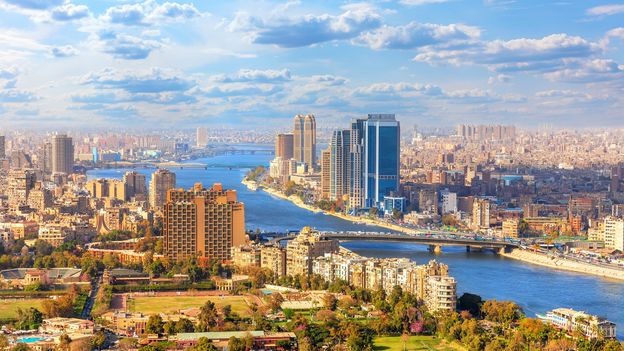
Cairo, Egypt, ranks fifth with a projected population of 25.51 million as of 2025, making it the largest metropolitan area in Africa for 2026, according to U.S. News & World Report. Including Giza and Shubrā al-Khaymah in its agglomeration, Cairo blends ancient history with modern urban demands, serving as a cultural and commercial gateway for the Arab world. Its growth showcases how historic cities adapt to contemporary population surges.
The city's economic role is bolstered by tourism, with pre-COVID figures showing 15 million annual visitors to landmarks like the Pyramids, as per historical data from Egypt's tourism ministry. However, Nile-dependent growth faces water scarcity issues, though recycling initiatives recover 20% of available resources. The development of the New Administrative Capital, designed to house 6 million, aims to decongest the old core by 2026.
Cairo's enduring significance, from pharaonic legacies to modern governance, remains a compelling narrative. Our archives on African urbanization provide additional context for readers seeking broader regional trends.
6. Mumbai, India
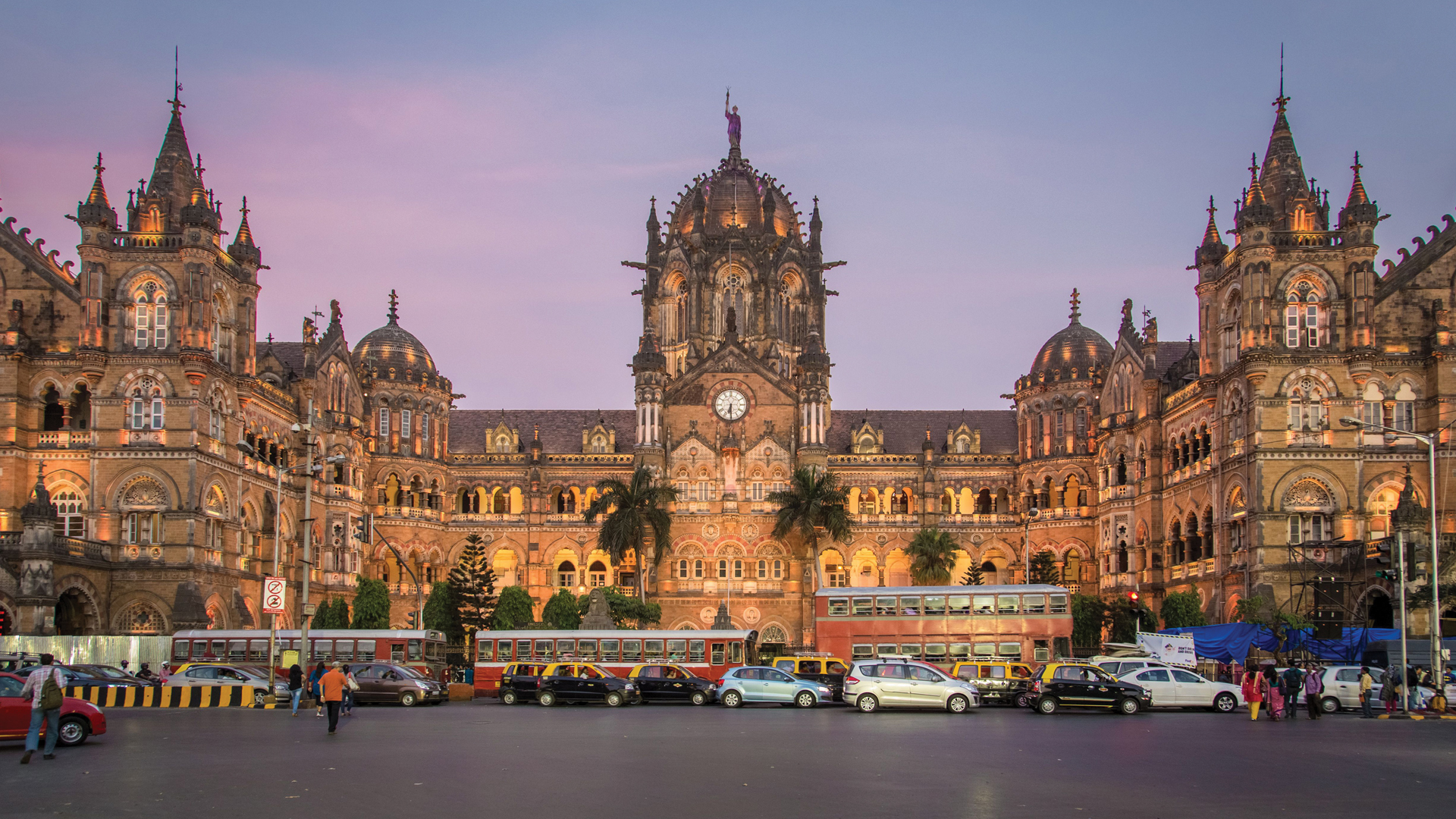
Mumbai, India, stands at sixth place with a projected population of 24.57 million as of 2025, per U.S. News & World Report data, solidifying its role as India's financial capital in 2026. A major port city, Mumbai attracts migrants with opportunities in finance, fashion, and Bollywood, managing 60 million tons of cargo yearly through its ports. Its economic clout is evident with the Bombay Stock Exchange boasting a market cap of $5 trillion as of recent estimates.
Yet, density challenges are stark, with over 32,000 people per square kilometer and 60% living in slums, based on urban studies from 2023. Infrastructure projects like the Mumbai Coastal Road aim to alleviate traffic for its 40 million daily trips. Culturally, the city thrives as a melting pot, though inequality remains a pressing concern with a Gini coefficient of 0.57.
7. Beijing, China
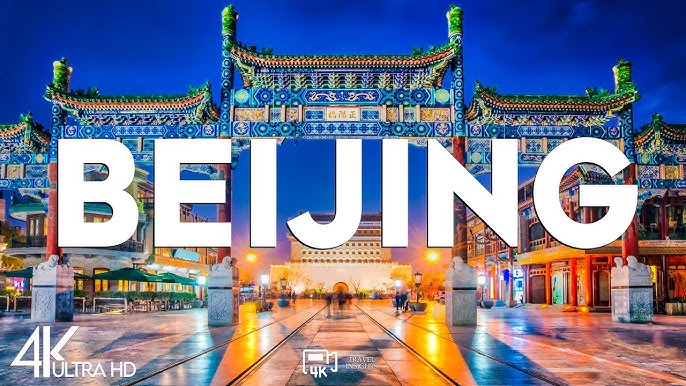
Beijing, China, ranks seventh among the largest metropolitan areas for 2026, with a projected population of 24.28 million as of 2025, according to U.S. News & World Report. As China's capital, Beijing is a political, cultural, and educational epicenter, drawing internal migrants with its economic opportunities. Its growth is underpinned by robust development and a central role in national governance.
The city's historical sites, like the Forbidden City, coexist with modern advancements, including digital currency trials and extensive CCTV networks for urban management. Economically, Beijing contributes significantly to China's GDP, with tech and education sectors leading innovation. Infrastructure, such as the high-speed rail network, supports its sprawling population, though air quality remains a concern despite recent improvements.
8. Mexico City, Mexico
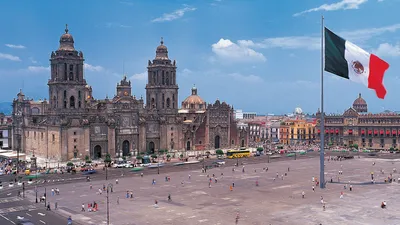
At eighth place, Mexico City, Mexico, is projected to have a population of 24.11 million as of 2025, per U.S. News & World Report, maintaining its status as a key Latin American hub in 2026. This metropolitan area faces unique challenges, including subsidence of its lakebed foundation at 40 centimeters per year, exacerbating water shortages affecting 40% of supply needs. Still, it remains a powerhouse for finance and arts.
Metro expansions planned through 2026 aim to serve an additional 5 million commuters, addressing some transport woes. Culturally, Mexico City shines with a rich heritage, from Aztec ruins to vibrant modern arts scenes. Our ongoing coverage of Latin American urban issues offers more on its environmental struggles.
9. São Paulo, Brazil
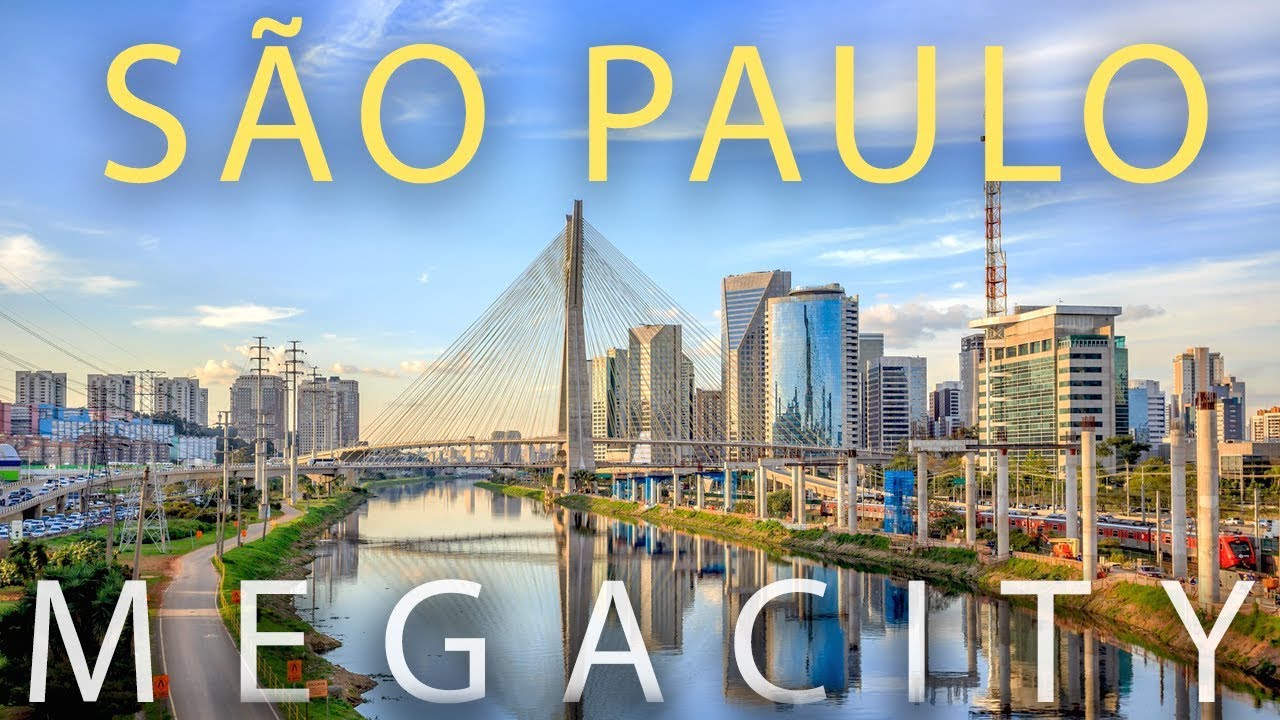
São Paulo, Brazil, ranks ninth with a projected population of 23.82 million as of 2025, according to U.S. News & World Report, standing as Latin America's largest metropolitan area in 2026. Including Guarulhos, this economic giant drives Brazil's agribusiness, exporting $100 billion in soybeans annually. Its diverse economy spans industry and tech, though traffic congestion costs an estimated $90 billion yearly.
The city's cultural institutions and architectural heritage add to its global allure, yet social disparities challenge equitable growth. Urban planning efforts focus on reducing commute times, a critical issue for its millions of residents. We see São Paulo's story as part of a broader narrative on South American megacities worth exploring further.
10. Kinshasa, Democratic Republic of the Congo
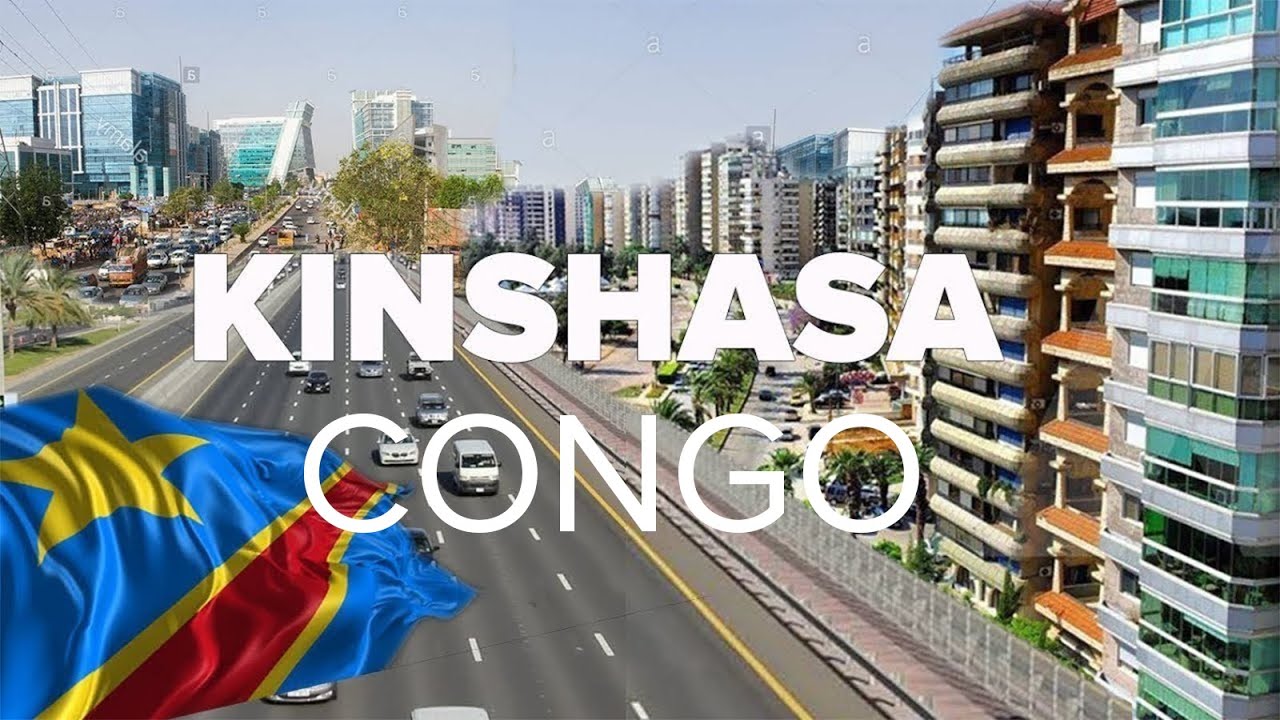
Rounding out our list at tenth, Kinshasa in the Democratic Republic of the Congo is projected to have a population of 21.91 million as of 2025, per U.S. News & World Report, marking its entry into the top 10 largest metropolitan areas for 2026. As one of Africa's fastest-growing cities, Kinshasa reflects the continent's accelerating urbanization, driven by dramatic demographic shifts and rural migration.
Challenges abound, with infrastructure lagging behind population growth and informal settlements housing a significant portion of residents. Economically, Kinshasa serves as a regional trade hub, though data on exact contributions remains sparse. Its rise signals a shift in global urban rankings, a topic we plan to cover in future articles on African urban trends.
The largest metropolitan areas in the world for 2026, led by Delhi with nearly 39 million residents, encapsulate the complexities of our urban age, concentrating wealth, innovation, and challenges across Asia, Africa, and Latin America. Our analysis, grounded in projections from U.S. News & World Report and the United Nations, reveals how these cities drive global GDP while wrestling with density, pollution, and resource constraints. As we look beyond 2026, the continued growth of places like Kinshasa hints at shifting rankings, with African cities poised to climb further. Addressing sustainability through smart technology and policy will shape their legacies, a priority for global urban strategies that we will continue to monitor in our reporting on the largest metropolitan areas.
Related Posts

Top 10 Richest Chefs in USA 2026: How They Built Culinary Empires
In recent years, the world of celebrity chefs has developed into a multi-billion dollar industry that combines culinary expertise with media savvy, entrepreneurialism, and the development of distinctive brands. In the year 2026, a number of the wealthiest chefs in the United States have not only established themselves as influential figures in the kitchen, but […] More

Top 10 Best Skaters in the World 2026: The Ultimate Showdown Awaits
As we move through 2026, a few skaters stand out for their extraordinary skills, creativity, and contributions to the sport. Here’s a look at the top 10 skaters in the world right now, each pushing the boundaries of skateboarding in their own unique way. Skateboarding has evolved into a highly dynamic sport, showcasing remarkable talent […] More

Top 10 Highest Paid Female Footballers In The World 2026: Salaries That Shocked the Industry
Top 10 Highest Paid Female Footballers In The World 2026 1. Sam Kerr One of the most notable players in women’s football is Sam Kerr, who hails from Australia and operates as a striker. Kerr has emerged as a significant personality in the sport as a result of her remarkable speed, her extraordinary ability to […] More
The Largest Oil Refineries In The World 2026: Essential Insights for Energy Stakeholders
As of the year 2026, the following is a list of the top ten largest refineries in the world, which are known for their enormous processing capacities and strategic significance. Refineries play an important part in the global energy sector because they convert crude oil into valuable products such as gasoline, diesel, and other petrochemicals. […] More
0 Comments
Join the discussion and share your thoughts
No Comments Yet
Be the first to share your thoughts on this article!