Top 10 Largest Islands In The World 2026

Table of Contents
Our planet's surface is dotted with immense landmasses that defy simple categorization, often presenting unique geographic, ecological, and cultural profiles. For 2026, our analysis provides a precise ranking of the Top 10 Largest Islands In The World, based strictly on their total land area. This assessment adheres to rigorous geographic metrics, distinguishing true islands from continental landmasses.
Defining Earth's Largest Islands by Area
In our rigorous geographic analyses, an island is defined as a landmass entirely surrounded by water that is smaller than a continent. This distinction is crucial; Australia, for instance, is considered a continent due to its unique continental plate and vast size, not an island. Our ranking criteria focus solely on the measured land area, excluding continental shelves or territories that are part of a larger continent's landmass. While minor variations in coastline definitions or ice coverage can subtly shift measurements over time, the fundamental hierarchy of the world's largest islands has remained stable in recent assessments through 2026.
The distribution of these colossal islands highlights Earth's diverse geomorphology. A significant number reside in the Arctic regions, particularly within the Canadian Arctic Archipelago, characterized by vast icy landscapes and extreme conditions. Elsewhere, concentrations are found in Southeast Asia and the Indian Ocean, where islands often feature dense rainforests, active volcanic systems, and unparalleled biodiversity. These geographic patterns reflect tectonic origins, ranging from ancient continental fragments to more recent volcanic formations.
These Are The Top 10 Largest Islands In The World 2026:
1. Greenland
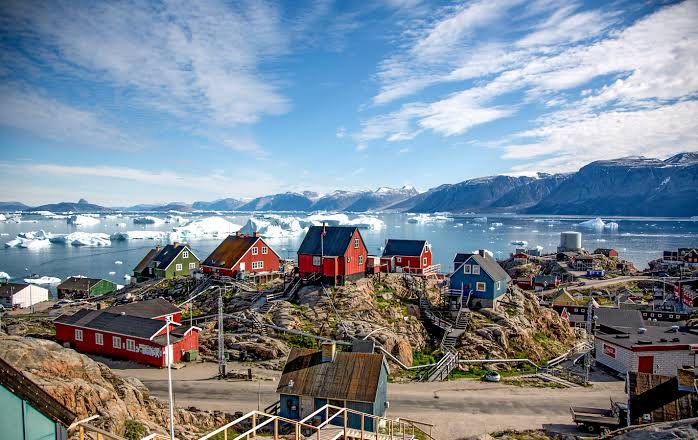
The undisputed largest island globally, Greenland spans an impressive 2,166,086 square kilometers. This autonomous territory of Denmark dominates the Arctic, with its immense ice sheet covering approximately 80 to 85 percent of its surface. During summer months, significant portions become ice-free, revealing stunning fjords and rocky terrain. Home to a population of around 56,000, primarily Inuit, Greenland is a critical site for climate research, offering vital insights into global ice dynamics and sea level rise.
2. New Guinea
At 785,753 square kilometers, New Guinea holds the distinction of being the world's second-largest island. Politically divided, its western half comprises Indonesia's West Papua region, while the eastern portion forms the independent nation of Papua New Guinea. This island is also the world's second-most populous, with approximately 14 million inhabitants. Its interior features rugged highlands and expansive rainforests, supporting an extraordinary level of biodiversity, including thousands of endemic species of flora and fauna.
3. Borneo
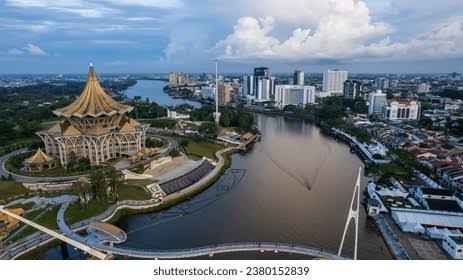
Southeast Asia's largest island, Borneo, covers 743,330 square kilometers. It is unique among the largest islands for being shared by three nations: Indonesia (which refers to its portion as Kalimantan), Malaysia, and Brunei. Borneo is renowned for its ancient, dense rainforests, some of the oldest on Earth, which serve as a critical habitat for endangered species like the orangutan. The island's economy is significantly influenced by palm oil production and oil extraction, industries that also present considerable environmental challenges.
4. Madagascar
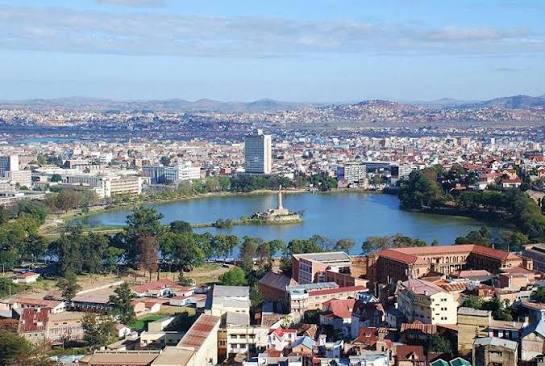
Situated in the Indian Ocean off the southeastern coast of Africa, Madagascar is an independent island nation spanning 587,713 square kilometers. This island is a global biodiversity hotspot, with an astonishing 90 percent of its species, including all lemurs, found nowhere else on Earth. Its unique ecosystems, ranging from spiny forests to tropical rainforests, are under severe threat from deforestation, driven by agricultural expansion and illegal logging. Conservation efforts are paramount to protect its irreplaceable natural heritage.
5. Baffin Island
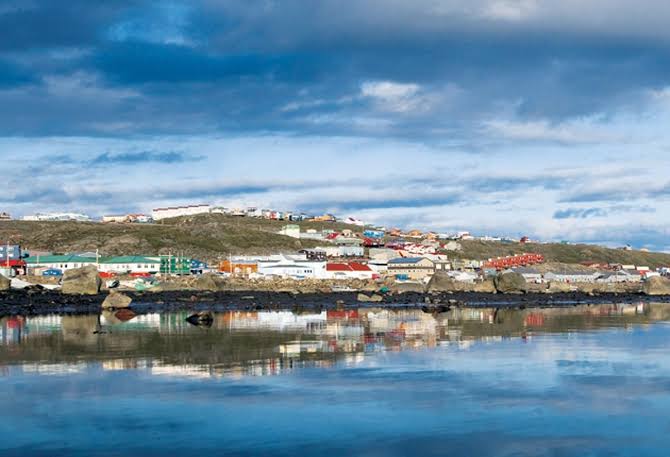
The fifth largest island globally, Baffin Island, encompasses 507,451 square kilometers within Canada's Arctic Archipelago. Characterized by vast icy landscapes, deep fjords, and rugged mountains, it is a remote and sparsely populated region. Approximately 13,000 Inuit people inhabit Baffin Island, maintaining traditional lifestyles adapted to the harsh Arctic environment. The island is also a crucial habitat for polar bears, Arctic foxes, and various marine mammals, playing a significant role in Arctic ecology.
6. Sumatra
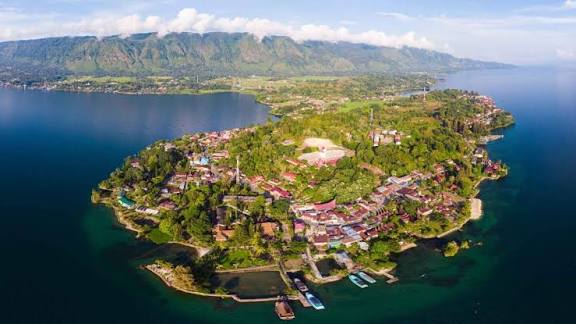
Sumatra, Indonesia's largest island within the Malay Archipelago, measures 473,481 square kilometers. This dynamic island is known for its chain of active volcanoes, which contribute to its fertile soils and dramatic landscapes. With a population of around 60 million, Sumatra is a major agricultural center, producing coffee and rubber. It is also one of the last strongholds for several critically endangered species, including Sumatran tigers, rhinos, and elephants, facing pressure from habitat loss.
7. Honshu
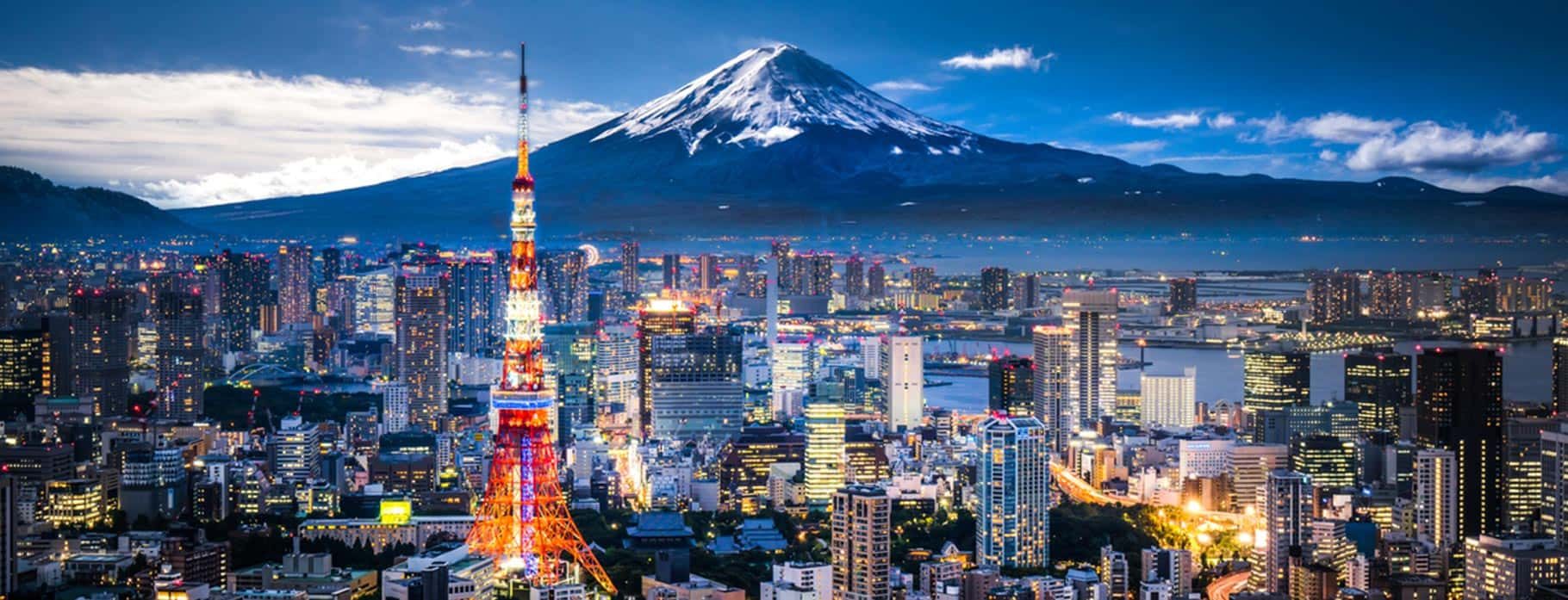
Japan's main island, Honshu, covers 227,960 square kilometers and is the most populous of the world's largest islands, home to approximately 104 million people. It hosts the megalopolis of Tokyo and iconic landmarks such as Mount Fuji. Honshu's geography is marked by a mountainous spine, numerous volcanoes, and a high susceptibility to earthquakes, reflecting its location on the Pacific Ring of Fire. Its advanced infrastructure and dense urban centers stand in contrast to its extensive natural parks.
8. Great Britain
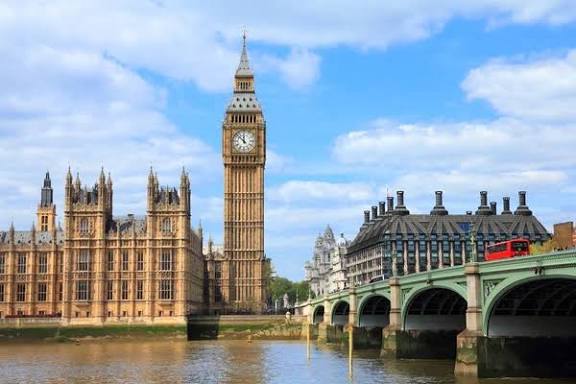
Europe's largest island, Great Britain, spans 218,595 square kilometers and forms the mainland of the United Kingdom, comprising England, Scotland, and Wales. With a population of roughly 67 million, it boasts a rich industrial history and a diverse climate that varies from temperate in the south to more rugged and cooler conditions in the north. The island's cultural and political influence has shaped global affairs for centuries, and it remains a major economic and cultural hub.
9. Victoria Island
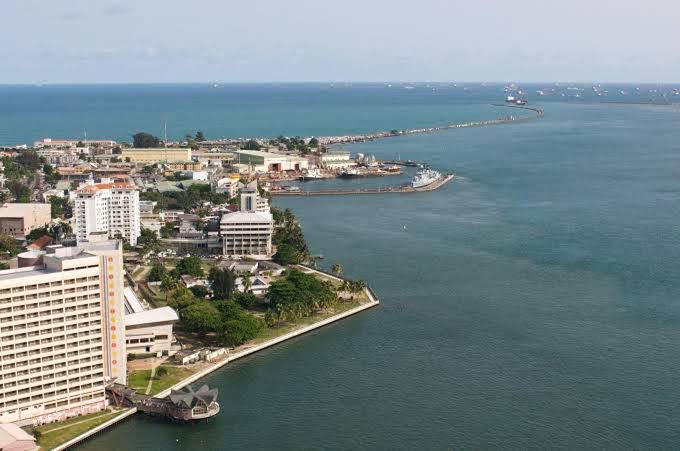
Another prominent member of the Canadian Arctic Archipelago, Victoria Island, measures 217,291 square kilometers. It is a remote territory characterized by vast expanses of permafrost and tundra. This island is primarily inhabited by Inuit communities and is notable for containing numerous smaller islands and lakes within its borders, creating a unique inland archipelago effect. Its extreme northern location makes it a subject of ongoing climate change research, as the Arctic warms at an accelerated rate.
10. Ellesmere Island
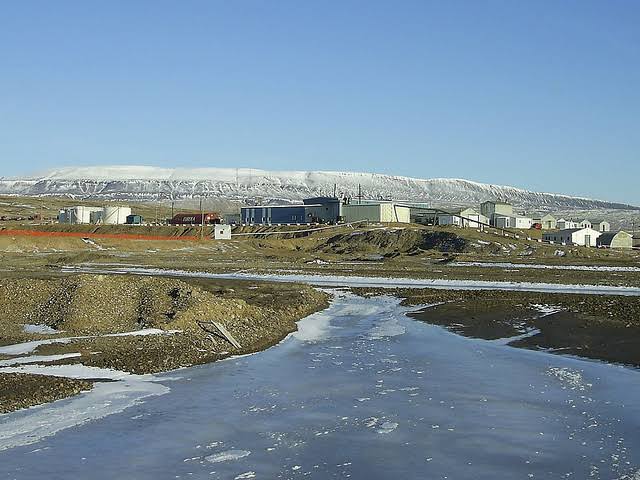
The northernmost island in the Canadian Arctic Archipelago, Ellesmere Island, covers 196,236 square kilometers. This island represents an extreme Arctic environment, featuring extensive ice shelves, glaciers, and polar deserts. It hosts several research stations dedicated to studying Arctic ecology, geology, and climate. Its rugged terrain and harsh conditions make it one of the least inhabited large landmasses globally, a pristine environment for high-Arctic wildlife and scientific exploration.
Related Posts

Top 10 Richest Chefs in USA 2026: How They Built Culinary Empires
In recent years, the world of celebrity chefs has developed into a multi-billion dollar industry that combines culinary expertise with media savvy, entrepreneurialism, and the development of distinctive brands. In the year 2026, a number of the wealthiest chefs in the United States have not only established themselves as influential figures in the kitchen, but […] More

Top 10 Best Skaters in the World 2026: The Ultimate Showdown Awaits
As we move through 2026, a few skaters stand out for their extraordinary skills, creativity, and contributions to the sport. Here’s a look at the top 10 skaters in the world right now, each pushing the boundaries of skateboarding in their own unique way. Skateboarding has evolved into a highly dynamic sport, showcasing remarkable talent […] More

Top 10 Highest Paid Female Footballers In The World 2026: Salaries That Shocked the Industry
Top 10 Highest Paid Female Footballers In The World 2026 1. Sam Kerr One of the most notable players in women’s football is Sam Kerr, who hails from Australia and operates as a striker. Kerr has emerged as a significant personality in the sport as a result of her remarkable speed, her extraordinary ability to […] More

The Largest Oil Refineries In The World 2026: Essential Insights for Energy Stakeholders
As of the year 2026, the following is a list of the top ten largest refineries in the world, which are known for their enormous processing capacities and strategic significance. Refineries play an important part in the global energy sector because they convert crude oil into valuable products such as gasoline, diesel, and other petrochemicals. […] More
6 Comments
Join the discussion and share your thoughts