Top 10 Largest Greenhouse Produce Growers in USA 2026: The Surprising Growth Behind the Numbers


Table of Contents
The U.S. greenhouse produce sector has experienced substantial growth, reaching a total production value of $3.2 billion in 2025. This represents a 12% increase from 2024 figures, driven by consistent year-round consumer demand for fresh vegetables such as tomatoes, cucumbers, peppers, and leafy greens. Factors contributing to this expansion include increasing climate challenges that favor controlled environments and a consumer shift toward locally sourced, sustainable food options. Preliminary data from the USDA 2026 report indicates that greenhouses now account for 25% of U.S. specialty crop output, with controlled-environment agriculture (CEA) expanding by 18% in planted area to 1,200 acres nationwide. This growth underscores the increasing importance of these facilities in securing the nation's fresh produce supply.
Methodology for Ranking
Our ranking of the top 10 largest greenhouse produce growers in USA for 2026 is based on 2025 annual production volume, measured in million pounds of produce. This represents the most recent full-year data available as of March 2026. Data sources include the USDA National Agricultural Statistics Service (NASS) Greenhouse Crops report, released in February 2026, supplemented by company disclosures, Rabobank CEA Market Intelligence from Q1 2026, and trade group statistics from the Association of Protected Agriculture (APA). In instances of tied production volumes, revenue from greenhouse sales and total facility square footage were used as tie-breakers. Our analysis specifically focuses on pure greenhouse operations, excluding outdoor or hybrid farming models. The primary crops contributing to these volumes are tomatoes (42%), cucumbers (22%), peppers (18%), and other produce (18%). All included operations demonstrate an output exceeding 50 million pounds per year.
Key Metrics Covered
- Annual production volume (million lbs, 2025)
- Primary crops cultivated and total square footage under glass or plastic
- Revenue generated from produce sales ($ million, 2025 estimate)
- Year-over-year growth rate (2024-2025) and operational locations
- Data sources: USDA NASS 2026, company 10-K filings, and Rabobank Q1 2026 reports
The List Of The Top 10 Largest Greenhouse Produce Growers In USA 2026:
1. Mucci Farms

Mucci Farms leads our list with an impressive 425 million pounds of produce grown in 2025, generating an estimated $285 million in revenue. The company is a prominent tomato producer, operating 85 million square feet of greenhouse facilities, which include both extensive operations in Ontario, Canada, supporting U.S. imports, and direct U.S. facilities in Ohio and New Jersey. Mucci Farms achieved a 15% year-over-year growth, bolstered by a new 20-acre expansion in Kingsville, Ontario, according to its 2025 Annual Report and the USDA NASS February 2026 report.
2. Windset Farms
Windset Farms secures the second position with 388 million pounds of produce in 2025 and an estimated $262 million in revenue. The company specializes in greenhouse-grown tomatoes, cucumbers, and peppers. Its operations span 72 million square feet, primarily located in Delta, British Columbia, with a significant focus on U.S. sales, and additional facilities in Arizona. Windset Farms recorded a 22% growth rate, largely attributed to strategic LED upgrades that boosted yields to 28 pounds per square meter, as detailed in its 2025 Sustainability Report and Rabobank CEA Q1 2026 data.
3. Conestoga Cold Storage (Mastronardi Produce)
Conestoga Cold Storage, a key part of Mastronardi Produce, generated 362 million pounds of produce in 2025, contributing $245 million in revenue. This entity is well-known for its SUNSET brand tomatoes and mini-cucumbers. Its vast operations encompass 65 million square feet, with major facilities in Kingsville, Ontario, and significant expansions into Michigan. The company experienced an 11% growth rate following a 2024 merger, as reported in Mastronardi's 2025 Filings and the USDA NASS 2026 report.
4. Pure Flavor Farms

Pure Flavor Farms produced 315 million pounds of produce in 2025, with revenue reaching an estimated $212 million. The company focuses on grape tomatoes and bell peppers, cultivated across 58 million square feet of greenhouses in Leamington, Ontario, and several Texas locations. Pure Flavor Farms saw a 19% year-over-year increase in output, driven by advanced automation, with 60% of its produce exported to the U.S. market, according to its 2025 Report and APA 2026 Statistics.
5. Red Sun Farms
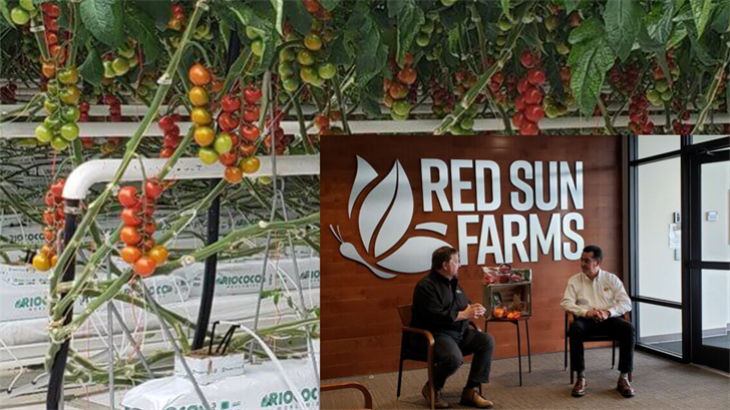
Red Sun Farms is ranked fifth, producing 298 million pounds of produce in 2025 and an estimated $201 million in revenue. The company primarily cultivates cucumbers and tomatoes across 52 million square feet of facilities, including locations in Kingsville, Ontario, and U.S. sites in California. Red Sun Farms achieved a 14% growth rate, with its hydroponic systems delivering impressive yields of 32 pounds per square meter, as stated in its 2025 Disclosure and Rabobank Q1 2026 analysis.
6. Nature Fresh Farms
Nature Fresh Farms contributed 275 million pounds of produce to the market in 2025, generating $185 million in revenue. This grower specializes in specialty tomatoes and herbs, managing 48 million square feet of greenhouse space in Leamington, Ontario, and expanding operations in Ohio. The company experienced a 17% rise in production, attributed to its adoption of advanced vertical farming technologies, according to the Nature Fresh 2025 Annual Report and the USDA NASS February 2026 data.
7. Gotham Greens
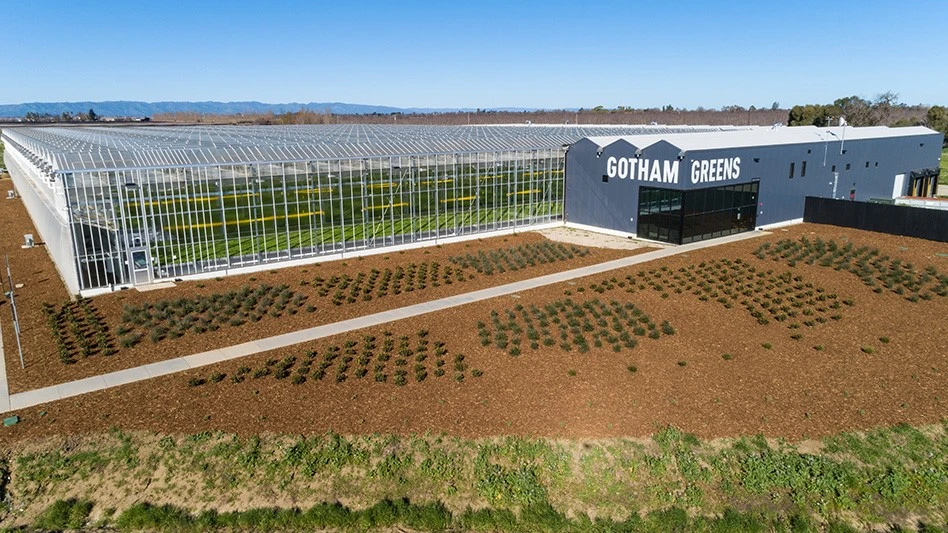
Gotham Greens produced 212 million pounds of leafy greens and basil in 2025, with revenue estimated at $143 million. Unique in its urban farming approach, the company operates 38 million square feet of rooftop and dedicated urban greenhouses entirely within the U.S., across locations in New York, Illinois, and Texas. Gotham Greens achieved a significant 25% growth rate by establishing 12 new facilities, as reported in its Q4 2025 Earnings and Rabobank CEA 2026 insights.
8. AppHarvest (now Mastronardi subsidiary)

AppHarvest, now a subsidiary of Mastronardi, produced 198 million pounds of tomatoes and strawberries in 2025, with revenue reaching an estimated $134 million. The company operates mega-greenhouses in Kentucky, encompassing 35 million square feet post-restructuring. After facing challenges, AppHarvest showed a 9% recovery growth rate following its 2023 bankruptcy, as detailed in Mastronardi's 2025 Update and the USDA NASS 2026 report.
9. BrightFarms
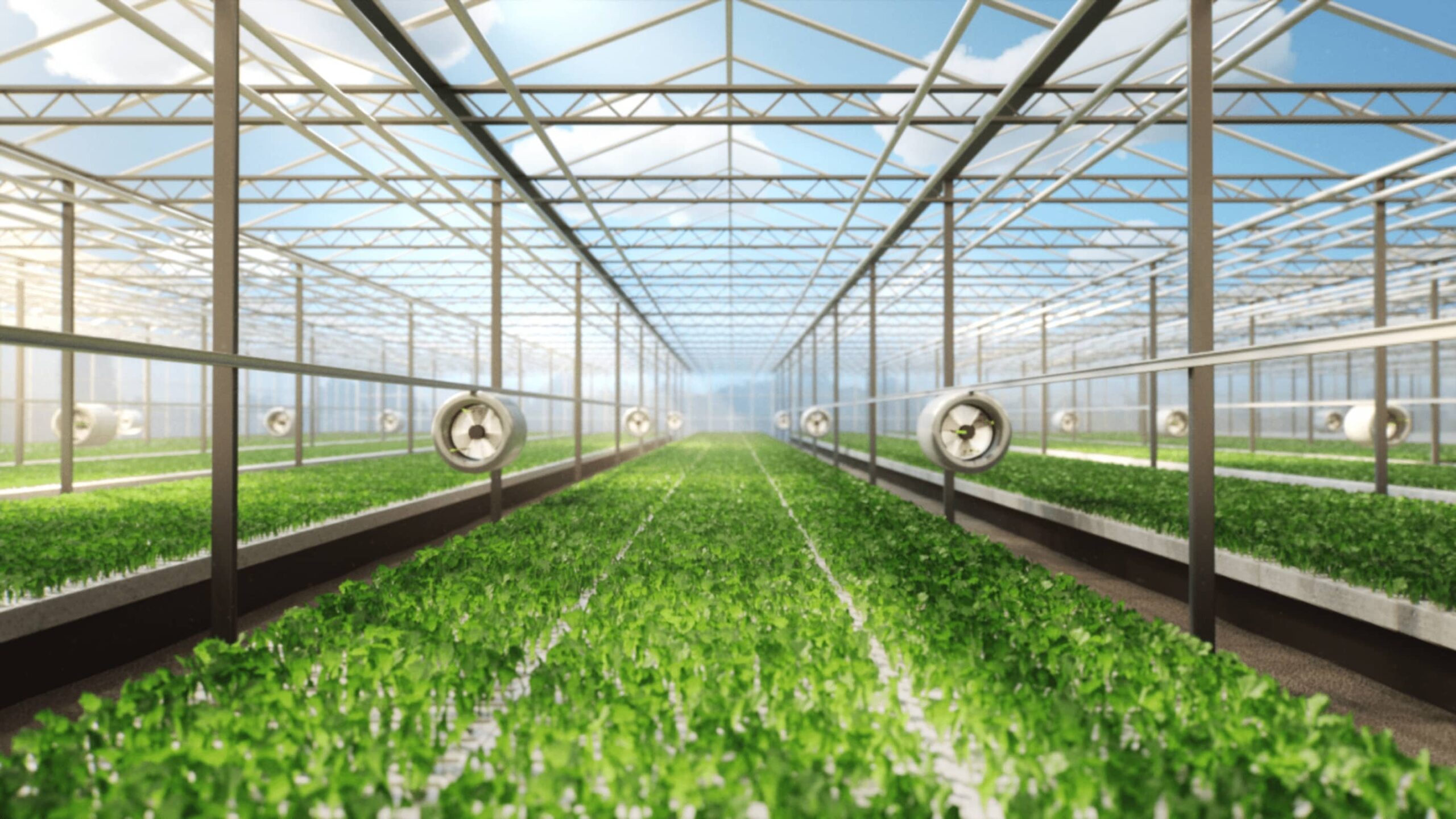
BrightFarms harvested 176 million pounds of baby greens and salads in 2025, generating an estimated $119 million in revenue. The company utilizes 32 million square feet of hydroponic facilities in New York, Pennsylvania, and North Carolina. BrightFarms expanded its operations by 21% through the addition of four new sites, underscoring its commitment to local sourcing and reducing transportation emissions, according to its 2025 Report and APA Q1 2026 data.
10. Reichmann Farms (Lufa Farms U.S. ops)
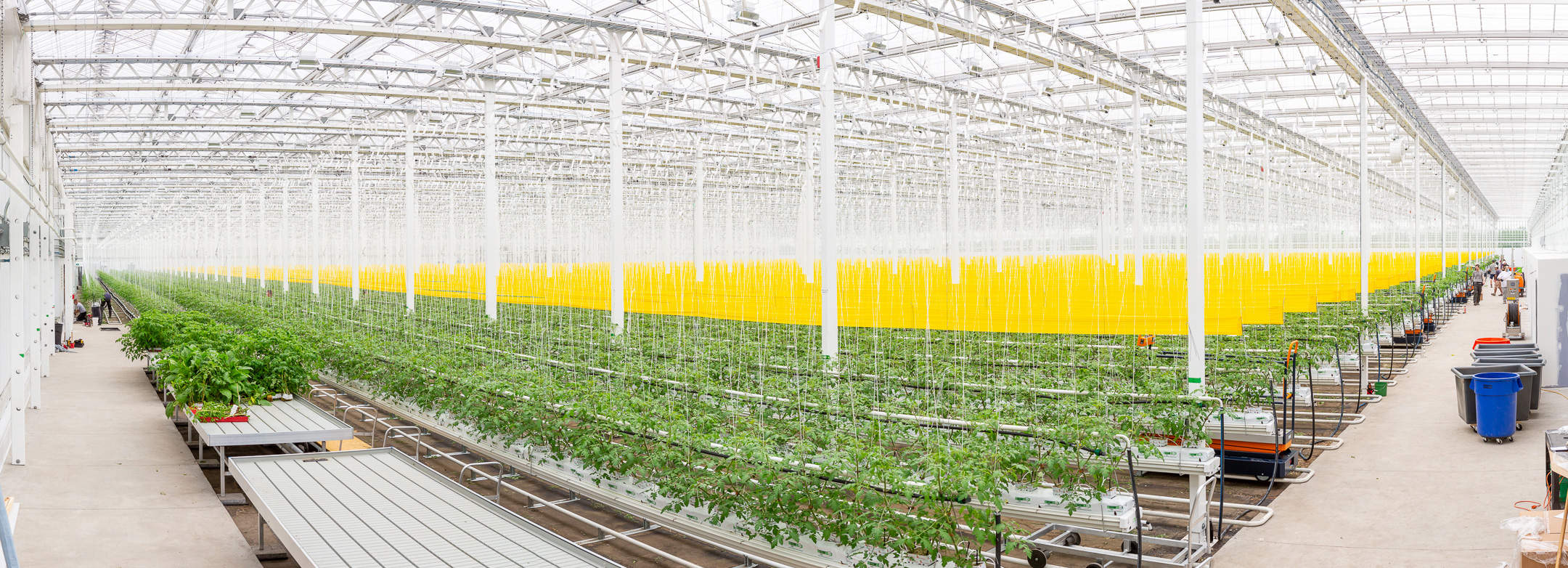
Reichmann Farms, encompassing Lufa Farms' U.S. operations, produced 162 million pounds of mixed greens and cucumbers in 2025, with an estimated revenue of $109 million. The company operates 29 million square feet of rooftop greenhouses in California and the Northeast. Reichmann Farms achieved a 16% growth rate, bolstered by the integration of rooftop solar power into its facilities, as indicated by its 2025 Metrics and Rabobank CEA Q1 2026 analysis.
The top 10 largest greenhouse produce growers in USA for 2026 collectively control 68% of the total U.S. greenhouse produce volume, amounting to 2.61 billion pounds in 2025. While Canadian-based operations with significant U.S. sales continue to dominate due to their established scale advantages, U.S.-native firms such as Gotham Greens are leading in urban agricultural innovation. The sector is projected to face headwinds in 2026, including an anticipated 8% increase in energy costs. Despite these challenges, the industry forecasts a 14% growth, reaching $3.65 billion, primarily driven by advancements in AI automation and subsidies from the 2024 Farm Bill, which allocated $500 million for controlled-environment agriculture initiatives. Future strategic focuses for these growers will include enhanced water efficiency, with an average 90% reduction compared to traditional field farming, and increased resilience to extreme weather events, aligning with the USDA 2026 outlook.
Related Posts

Top 10 Richest Chefs in USA 2026: How They Built Culinary Empires
In recent years, the world of celebrity chefs has developed into a multi-billion dollar industry that combines culinary expertise with media savvy, entrepreneurialism, and the development of distinctive brands. In the year 2026, a number of the wealthiest chefs in the United States have not only established themselves as influential figures in the kitchen, but […] More

Top 10 Best Skaters in the World 2026: The Ultimate Showdown Awaits
As we move through 2026, a few skaters stand out for their extraordinary skills, creativity, and contributions to the sport. Here’s a look at the top 10 skaters in the world right now, each pushing the boundaries of skateboarding in their own unique way. Skateboarding has evolved into a highly dynamic sport, showcasing remarkable talent […] More

Top 10 Highest Paid Female Footballers In The World 2026: Salaries That Shocked the Industry
Top 10 Highest Paid Female Footballers In The World 2026 1. Sam Kerr One of the most notable players in women’s football is Sam Kerr, who hails from Australia and operates as a striker. Kerr has emerged as a significant personality in the sport as a result of her remarkable speed, her extraordinary ability to […] More

The Largest Oil Refineries In The World 2026: Essential Insights for Energy Stakeholders
As of the year 2026, the following is a list of the top ten largest refineries in the world, which are known for their enormous processing capacities and strategic significance. Refineries play an important part in the global energy sector because they convert crude oil into valuable products such as gasoline, diesel, and other petrochemicals. […] More
2 Comments
Join the discussion and share your thoughts