Top 10 Largest Forests In The World 2026: Essential Insights for Conservation

Table of Contents
The vast, verdant expanses of our planet's forests are more than just collections of trees; they are the very lungs of Earth, indispensable for regulating climate, sustaining countless species, and maintaining the delicate balance of our global ecosystems. As we look ahead to 2026, understanding the scale and significance of the world's largest forests becomes ever more critical. We believe these immense natural wonders demand our unwavering attention and protection, for their health directly impacts the future of all life.
In this comprehensive guide, we examine the Top 10 Largest Forests In The World 2026, highlighting their unique characteristics, immense ecological value, and the pressing threats they face. Our position is clear: these forests are not mere resources to be exploited, but vital systems requiring urgent, collective stewardship.
Methodology and Ranking Approach
Our ranking of the world's largest forests is grounded in rigorous data analysis, focusing on the total forest area measured in hectares (ha), a standardized metric employed by leading international environmental organizations. The data presented reflects the most recent comprehensive assessments available as of 2026, drawing from satellite imagery analysis and official government forestry records. We acknowledge that forest areas are dynamic, subject to both natural processes and human impact, making continuous monitoring essential.
To provide a truly comprehensive understanding, we considered several critical factors beyond mere size. These include the percentage of global forest area each forest represents, its regional distribution patterns, and the ecological biodiversity value it holds. We also factored in current deforestation rates, carbon sequestration capacity - a measure of its role in climate regulation - and its overall conservation status, including protected areas and ongoing management initiatives. The primary ranking data is sourced from Jagranjosh.com, while supplementary details on deforestation trends and conservation efforts are informed by recent reports from international forestry monitoring organizations, with tree cover loss figures extending through 2023, the latest comprehensive year for global deforestation analysis.
These Are The Top 10 Largest Forests In The World 2026:
1. Taiga (Boreal Forest)
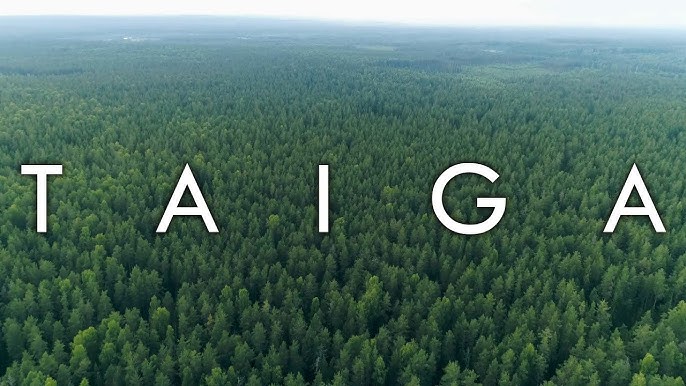
The Taiga, also known as the Boreal Forest, stands as the single largest forest biome on Earth. It forms an immense, unbroken band across the Northern Hemisphere, stretching predominantly through Russia and Canada. Covering an astonishing approximately 11,500,000 square kilometers, this forest is defined by its dense coniferous trees - spruce, pine, and fir - which are remarkably adapted to its cold, often harsh climates. We recognize the Taiga's critical role as a major global carbon sink, absorbing vast amounts of atmospheric carbon dioxide, a function that is indispensable in our fight against climate change. This immense forest provides essential habitat for a diverse array of wildlife, from the majestic moose and various bear species to elusive wolves, underscoring its unparalleled ecological significance.
2. Amazon Rainforest
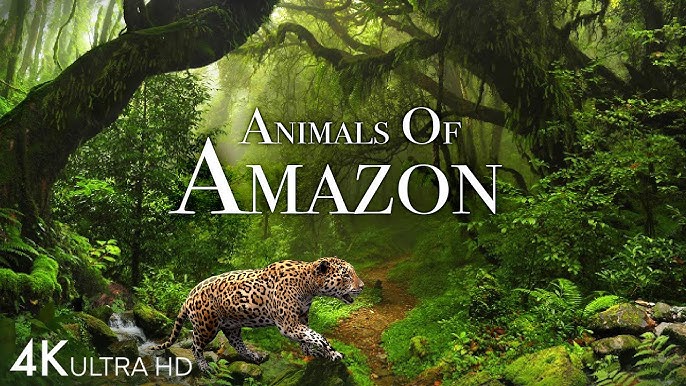
The Amazon Rainforest is unequivocally the world's largest tropical rainforest, a true marvel of nature. Primarily situated in South America, it spans across nine countries, with Brazil holding the most substantial portion. Estimates place its area at approximately 5,500,000 square kilometers, though some figures suggest it could be as large as 6,700,000 square kilometers. We assert that the Amazon is an unparalleled hub of biodiversity; it is home to an estimated one in ten species existing on Earth, including iconic jaguars, agile spider monkeys, and thousands of unique plant species yet to be fully documented. The mighty Amazon River, the world's largest by discharge volume, flows through this forest, playing a crucial role in global rainfall patterns and climate regulation. Its continued existence is fundamental to planetary health.
3. Siberian Taiga
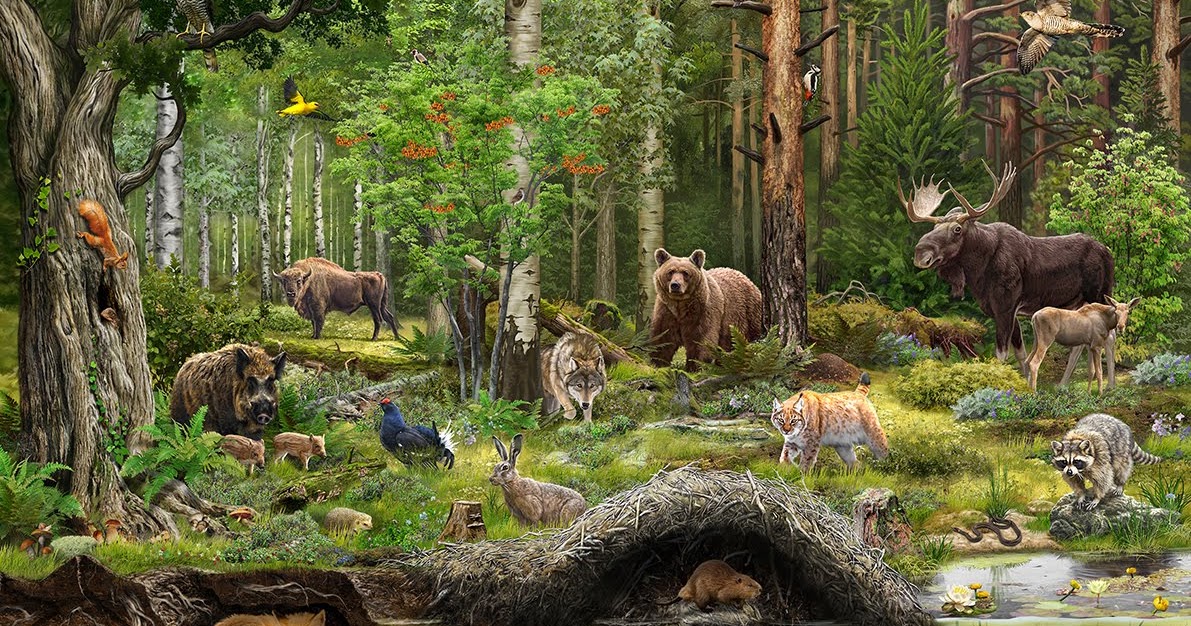
As the largest continuous stretch of boreal forest globally, the Siberian Taiga is a colossal natural entity located predominantly within Russia. This vast expanse, covering approximately 3,100,000 square kilometers, is characterized by its dense coniferous forests of larch, pine, spruce, and fir, all thriving despite extremely cold winters. Our analysis shows that this region serves as a vital ecosystem for unique and often endangered wildlife, such as the elusive Siberian tiger, as well as various species of bears and reindeer. We emphasize that the Siberian Taiga is not just a regional treasure but a crucial component of global climate and biodiversity, its sheer scale influencing atmospheric conditions far beyond its borders.
4. Congo Basin
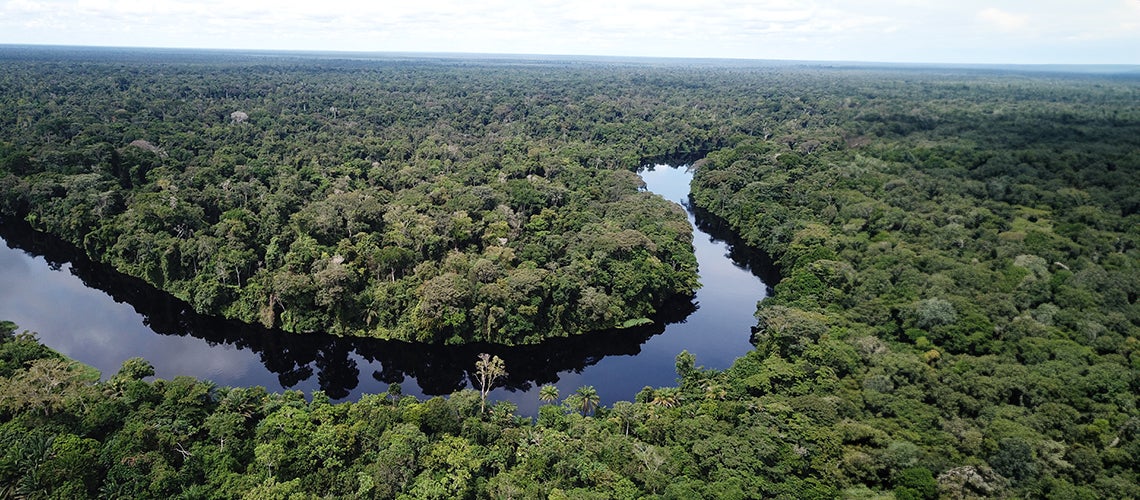
The Congo Basin holds the distinction of being the second-largest tropical rainforest worldwide, a region often referred to as the "Lungs of Africa." Extending across six countries in Central Africa, this forest covers approximately 2,000,000 square kilometers. We observe that this region boasts extraordinary biodiversity, providing critical habitat for iconic and endangered species such as forest elephants, gorillas, and bonobos. Beyond its immense ecological importance, the Congo Basin is essential for the livelihoods of millions of local communities who depend on its resources. It functions as a significant carbon sink, vital for mitigating global warming, and its preservation is a global priority that we strongly advocate for.
5. Tropical Andes
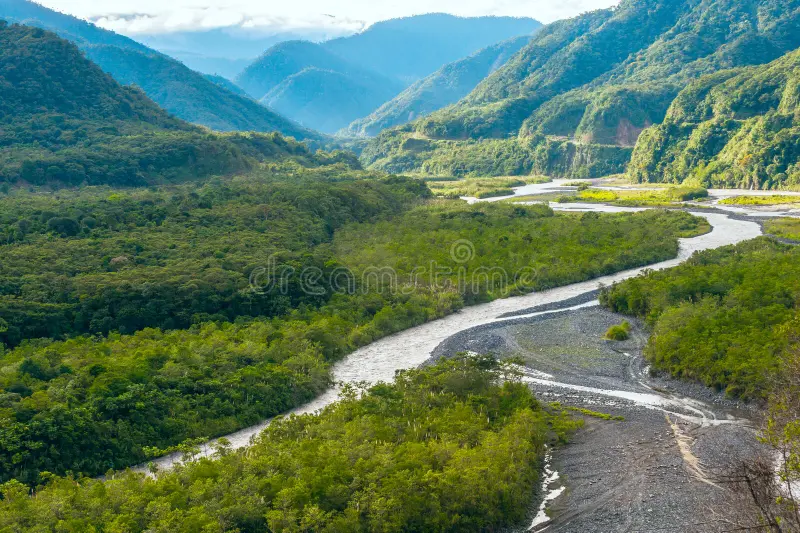
Located in South America, the Tropical Andes region stretches along the majestic Andes mountain range, encompassing a vast area of diverse forest ecosystems, approximately 1,800,000 square kilometers. This region is particularly renowned for its extensive cloud forests and high-altitude habitats, which host an incredible array of endemic species, including countless birds and amphibians found nowhere else. We recognize this forest region as one of the world's top biodiversity hotspots, supporting a vast number of plant and animal species found exclusively within its unique environment. Its varied elevations create microclimates that foster an astonishing range of life, making it a priceless asset for ecological study and conservation.
6. Borneo Rainforest
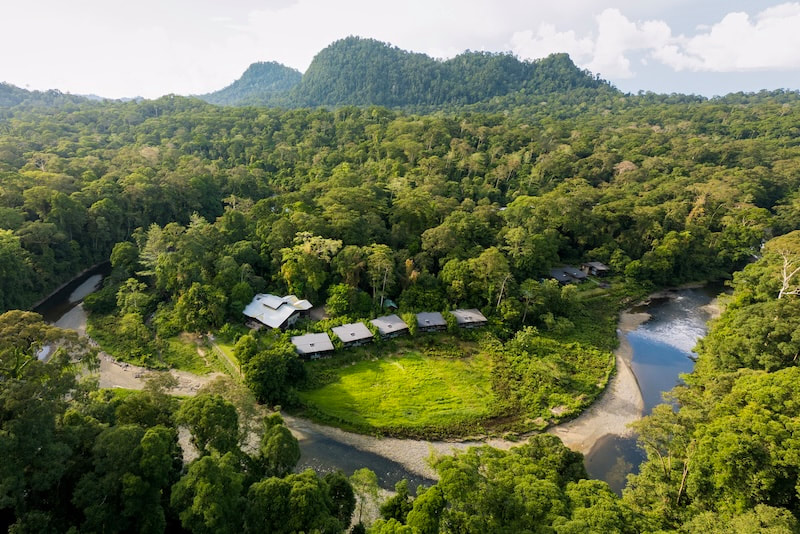
The Borneo Rainforest, situated on the island of Borneo and shared by Indonesia, Malaysia, and Brunei, is one of the oldest rainforests globally, covering approximately 743,330 square kilometers. This ancient forest provides critical habitat for numerous endemic and critically endangered species, most notably the Bornean orangutan, pygmy elephants, and the Sumatran rhinoceros. We are deeply concerned that this vital ecosystem faces severe threats from ongoing deforestation, driven primarily by the relentless expansion of palm oil plantations and illegal logging. These activities significantly impact its rich biodiversity, pushing many species closer to extinction and disrupting a forest system that has evolved over millions of years.
7. Valdivian Temperate Rainforest

Nestled in the southern regions of Chile and Argentina, the Valdivian Temperate Rainforest is a unique ecosystem, approximately 248,100 square kilometers in size, distinguished by its exceptional biodiversity and ancient tree species. It includes the endemic Fitzroya cupressoides, or Alerce tree, which can live for over 3,000 years, making it one of the longest-living species on Earth. This forest provides a sanctuary for the endangered huemul deer and unique avian species like the Magellanic woodpecker. We emphasize that the forest's geographical isolation has fostered a high degree of endemism, making it a priceless site for ecological and scientific research into ancient forest dynamics and species evolution.
8. Tongass National Forest
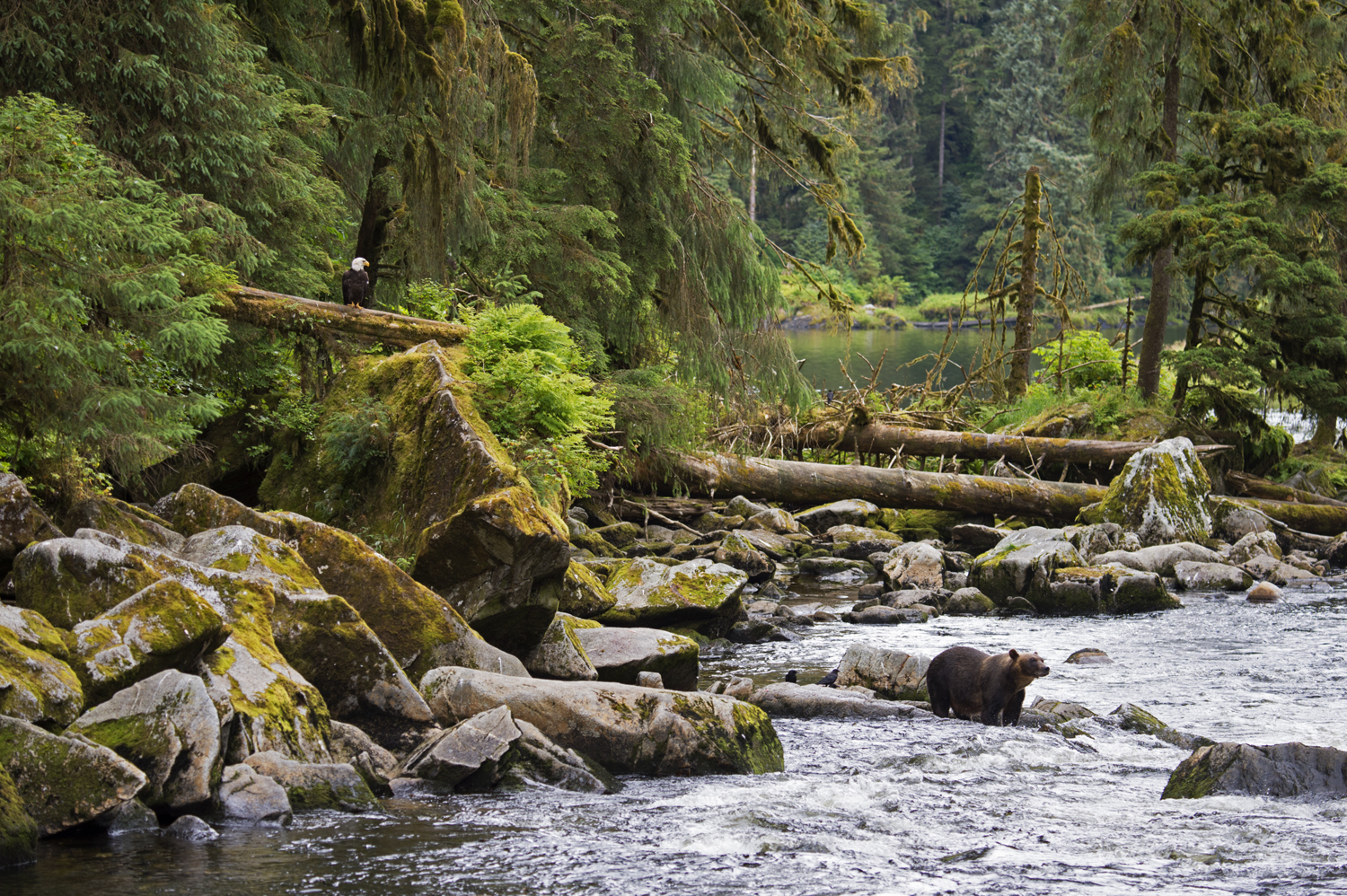
Located in Southeast Alaska, USA, the Tongass National Forest holds the distinction of being the largest U.S. National Forest and the largest intact temperate rainforest worldwide, spanning approximately 68,062 square kilometers. It is characterized by majestic old-growth stands of Sitka spruce, western hemlock, and red cedar. We affirm that this forest is vital for its abundant wildlife, including grizzly bears, bald eagles, and all five distinct species of Pacific salmon, which are crucial to the regional ecosystem. The Tongass also supports the livelihoods of 75,000 people across various communities, demonstrating the intricate link between natural resources and human prosperity. Its preservation is a testament to effective conservation strategies in a developed nation.
9. Sundarbans
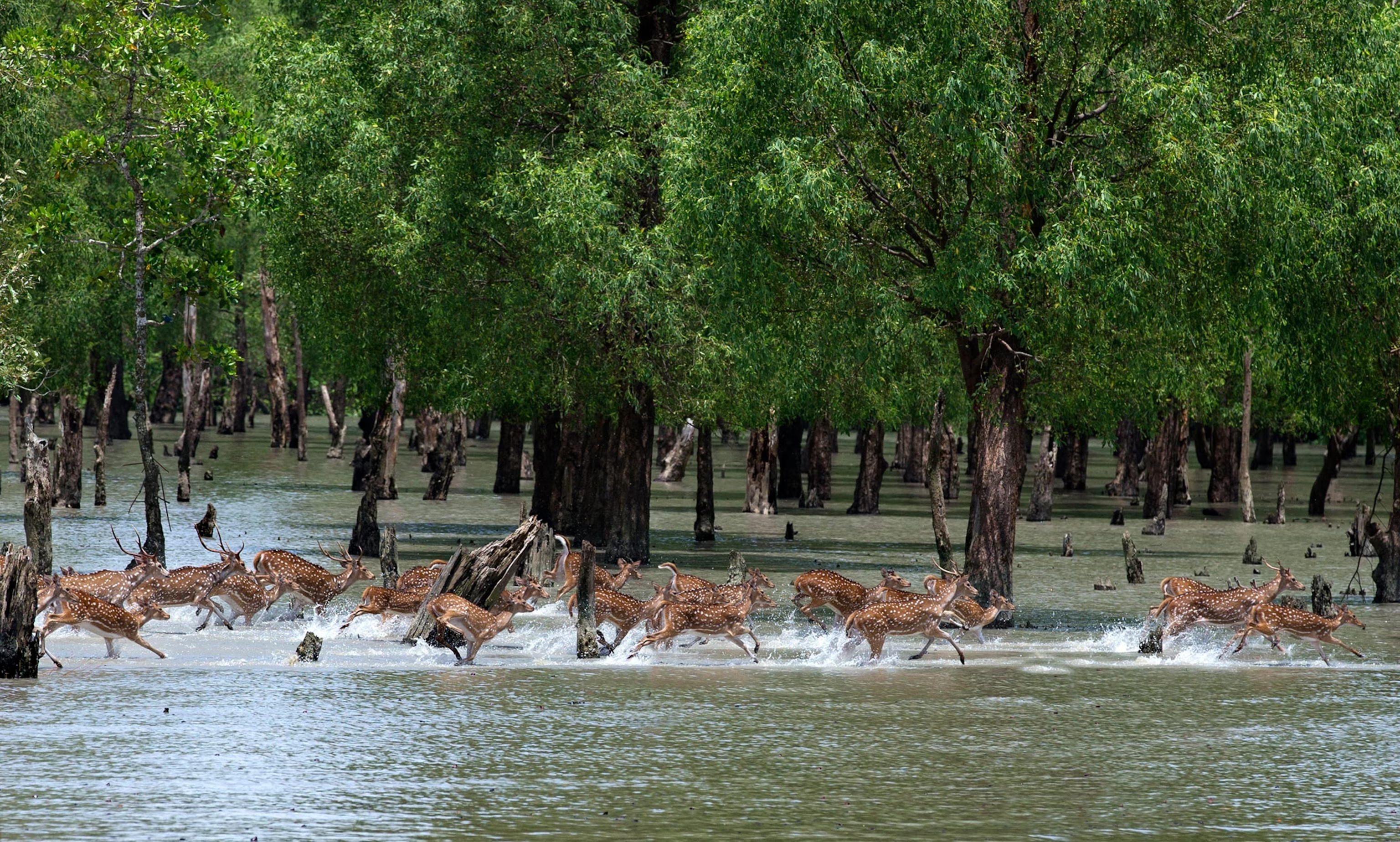
The Sundarbans is a vast coastal mangrove forest shared between India and Bangladesh, recognized as the world's largest single block of tidal halophytic mangrove forest, approximately 10,000 square kilometers in area. As a UNESCO World Heritage Site, it is famously the only mangrove habitat for the iconic Bengal tiger. We observe that this unique and resilient ecosystem acts as a natural barrier, protecting inland areas from devastating cyclones and tsunamis, while simultaneously supporting a rich diversity of aquatic and terrestrial wildlife. Its complex network of waterways and dense mangrove roots provides a nursery for fish and crustaceans, underpinning regional fisheries and protecting human populations from extreme weather events.
10. Daintree Rainforest
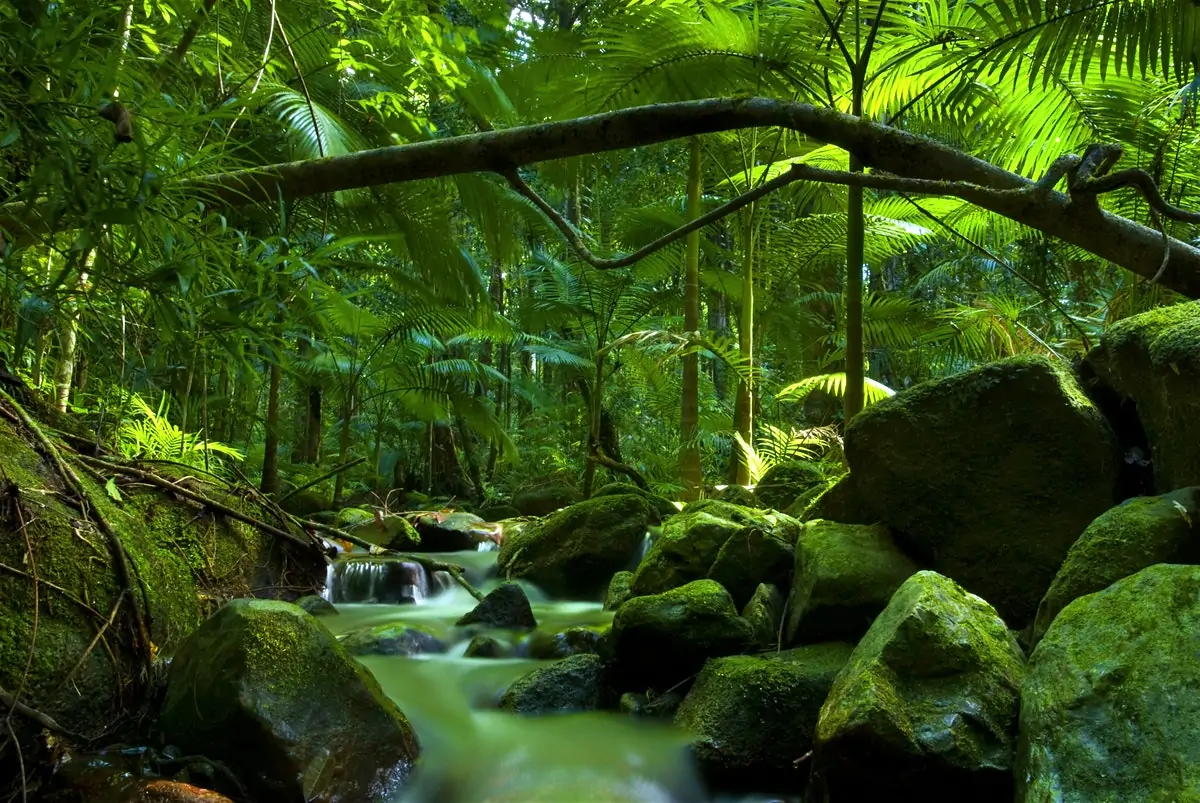
Situated in Queensland, Australia, the Daintree Rainforest is celebrated as the oldest continually surviving tropical rainforest on Earth, with an estimated age exceeding 100 million years, covering approximately 1,200 square kilometers. This UNESCO World Heritage Site is renowned for its exceptional biodiversity and ancient plant lineages, providing invaluable insights into the evolution of plant life. We highlight the Daintree's unique characteristic: it borders another UNESCO site, the Great Barrier Reef, offering a rare and breathtaking "reef meets rainforest" natural spectacle. This juxtaposition of two globally significant ecosystems within such close proximity makes the Daintree an irreplaceable natural treasure, offering unique research opportunities and a powerful symbol of nature's enduring power.
The world's ten largest forests represent the planet's most critical terrestrial ecosystems, collectively containing the majority of Earth's forest-dependent biodiversity and sequestering vast quantities of atmospheric carbon. From the immense Taiga stretching across Russia and Canada to the unparalleled biodiversity of the Amazon and Congo Basin, these regions exemplify the geographic concentration of forest resources and the corresponding concentration of environmental stewardship responsibility among a limited number of nations. We believe the future of our planet is inextricably linked to the health of these magnificent forests.
Related Posts

Top 10 Richest Chefs in USA 2026: How They Built Culinary Empires
In recent years, the world of celebrity chefs has developed into a multi-billion dollar industry that combines culinary expertise with media savvy, entrepreneurialism, and the development of distinctive brands. In the year 2026, a number of the wealthiest chefs in the United States have not only established themselves as influential figures in the kitchen, but […] More

Top 10 Best Skaters in the World 2026: The Ultimate Showdown Awaits
As we move through 2026, a few skaters stand out for their extraordinary skills, creativity, and contributions to the sport. Here’s a look at the top 10 skaters in the world right now, each pushing the boundaries of skateboarding in their own unique way. Skateboarding has evolved into a highly dynamic sport, showcasing remarkable talent […] More

Top 10 Highest Paid Female Footballers In The World 2026: Salaries That Shocked the Industry
Top 10 Highest Paid Female Footballers In The World 2026 1. Sam Kerr One of the most notable players in women’s football is Sam Kerr, who hails from Australia and operates as a striker. Kerr has emerged as a significant personality in the sport as a result of her remarkable speed, her extraordinary ability to […] More

The Largest Oil Refineries In The World 2026: Essential Insights for Energy Stakeholders
As of the year 2026, the following is a list of the top ten largest refineries in the world, which are known for their enormous processing capacities and strategic significance. Refineries play an important part in the global energy sector because they convert crude oil into valuable products such as gasoline, diesel, and other petrochemicals. […] More
8 Comments
Join the discussion and share your thoughts