Top 10 Largest Food Manufacturers in the World 2026: Insights Into Market Giants

Table of Contents
The global food sector continues its dynamic evolution, driven by innovation, expansive scale, and a persistent focus on sustainability. The leading entities in this industry, ranging from century-old conglomerates to more recent powerhouses, nourish billions daily and significantly influence dietary patterns worldwide. Our analysis identifies the Top 10 Largest Food Manufacturers In The World 2026 based on projected revenue, market capitalization, global presence, brand influence, and product diversity.
The Dynamics of Global Food Production
The landscape of food manufacturing is characterized by intense competition and rapid adaptation. Companies that excel in this environment demonstrate a capacity for continuous product innovation, efficient supply chain management, and responsiveness to consumer preferences. From staple goods to specialty items, these manufacturers must navigate complex logistical challenges while meeting diverse cultural demands. Our assessment considers how these corporations not only achieve immense scale but also maintain agility in a constantly shifting market, reflecting a blend of traditional strength and forward-looking strategies.
Key Trends Shaping the Industry in 2026
Several critical trends are influencing the strategies and performance of the world's largest food manufacturers in 2026. Consumer demand for health and wellness products, including organic, natural, and plant-based alternatives, continues to grow significantly. There is also an increasing preference for convenience and ready-to-eat options, alongside a heightened focus on value and affordability amidst economic pressures. Furthermore, supply chain resilience remains a paramount concern, with companies investing in digital transformation, AI, and automation to mitigate disruptions and optimize operations. Sustainability initiatives, encompassing ethical sourcing, eco-friendly packaging, and carbon footprint reduction, are not merely regulatory requirements but core components of corporate strategy for these industry leaders.
The Top 10 Largest Food Manufacturers In The World 2026:
1. Nestlé S.A.
Nestlé S.A. maintains its standing as the world's largest food and beverage company. Headquartered in Switzerland, this global corporation commands a vast portfolio that encompasses beverages, dairy products, confectionery, pet care, and prepared meals. Operating across nearly 200 countries, Nestlé's enduring success is attributed to its strong brand recognition, extensive geographic diversification, and consistent innovation in nutrition, health, and wellness categories.
Our analysis of market projections indicates Nestlé's revenue is estimated to reach USD 90-95 billion in 2026. The company's strategic focus includes a commitment to sustainability, with an ambitious goal of achieving net-zero emissions by 2050. This involves significant investments in advancing regenerative farming practices across its supply chain, reflecting a broader industry shift towards environmental responsibility.
Nestlé's portfolio features globally recognized brands such as Nescafé, KitKat, Maggi, and Purina. The company consistently adapts to evolving consumer preferences, investing in new product development that aligns with healthier lifestyles and plant-based trends, while also optimizing its manufacturing processes for greater efficiency and reduced environmental impact.
2. PepsiCo, Inc.
PepsiCo, Inc. stands as a significant global force, distinguished by its diverse portfolio of snacks and beverages. This U.S.-headquartered company owns iconic brands including Lay's, Doritos, Gatorade, and Quaker Oats. PepsiCo operates globally, demonstrating a strong ability to meet changing consumer needs through continuous product innovation and expansion into categories such as zero-sugar and functional drinks.
Projections for 2026 estimate PepsiCo's revenue to be in the range of USD 90-92 billion. The operational complexity of the company involves managing multi-billion-dollar networks, thousands of stock-keeping units (SKUs), and an extensive global manufacturing footprint. This scale allows PepsiCo to maintain a robust presence in both mature and emerging markets, leveraging its distribution capabilities to reach a broad consumer base.
The company actively invests in sustainable practices across its operations, focusing on water stewardship, packaging innovation to reduce plastic waste, and sustainable agricultural sourcing for its key ingredients. These efforts underscore PepsiCo's commitment to long-term environmental and social responsibility, alongside its financial objectives.
3. Cargill, Incorporated
Cargill, Incorporated holds the distinction of being the largest privately held food producer globally, based in the U.S. Its operations are extensive, spanning food, agriculture, financial services, and industrial products. The food segment of Cargill is a dominant entity in the production of meat, oils, cocoa, grain milling products, and various food ingredients, distributing these items in over 125 countries.
For fiscal year 2024, Cargill's food revenue is estimated to be approximately USD 70-90 billion. The company plays a critical role in the global food supply chain, acting as a key intermediary from farm to table. Its strategic focus includes significant investments in sustainable practices and enhancing traceability throughout its vast network, addressing growing consumer and regulatory demands for transparency in food sourcing.
Cargill's scale and reach allow it to influence global commodity markets and food trends. The company's private ownership structure provides flexibility for long-term strategic planning and investments in areas like advanced agricultural technologies and supply chain digitalization, which are critical for future growth and resilience.
4. JBS S.A.
JBS S.A., a Brazilian-based company, is recognized as the world's largest meat processor. Its operations encompass the handling of beef, chicken, pork, and salmon products on a massive scale. With revenues estimated at approximately USD 77 billion in 2024, JBS operates over 250 production facilities across more than 180 countries, solidifying its dominant position in the global protein processing industry.
Revenue projections for JBS S.A. in 2026 range from USD 70-75 billion. The company's immense scale and geographic diversification are key drivers of its market leadership. JBS continues to pursue strategies of diversification across various protein types and expanding its presence in new markets, aiming to strengthen its global footprint and adapt to evolving protein consumption trends.
Challenges for JBS, like other large meat processors, include managing environmental impacts, ensuring animal welfare, and navigating complex international trade regulations. The company has made efforts to implement sustainable production practices and improve transparency within its supply chain, responding to increasing scrutiny from consumers and stakeholders.
5. Unilever PLC
Unilever PLC is a multinational consumer goods company with a substantial presence in the food and beverage sector. Its extensive portfolio includes well-known brands such as Hellmann's, Lipton, Ben & Jerry's, and Knorr. Established in 1929, Unilever has cultivated deep consumer trust through its consistent delivery of quality and accessible products, maintaining a diverse brand portfolio and extensive global reach.
Unilever reported a revenue of US$71.3 billion. The company is widely recognized as a pioneer in sustainability, having set ambitious targets for environmental responsibility. These commitments include achieving net-zero emissions by 2039, significantly reducing plastic waste across its product lines, and actively driving regenerative agriculture practices within its sourcing networks.
Unilever's strategic approach combines robust brand management with a strong emphasis on purpose-driven initiatives. The company consistently invests in product innovation, particularly in areas aligning with health, plant-based alternatives, and ethical consumption, ensuring its brands remain relevant to a global consumer base increasingly focused on social and environmental impact.
6. Anheuser-Busch InBev SA/NV
Anheuser-Busch InBev SA/NV is the world's largest brewer, known for its portfolio of iconic brands like Budweiser, Corona, and Stella Artois. While primarily focused on beverages, its unparalleled global scale and extensive distribution network firmly secure its position among the top food and beverage manufacturers worldwide. The company's brewing heritage dates back to 1366, underscoring centuries of expertise in beverage production.
Revenue estimates for Anheuser-Busch InBev in 2026 fall between USD 55-60 billion. The company's global operations are characterized by a strong focus on water efficiency, carbon reduction initiatives, and the promotion of sustainable agriculture within its supply chain. These efforts are integrated into its core business strategy, reflecting a long-term commitment to environmental sustainability.
Anheuser-Busch InBev leverages its vast market presence to innovate across its product categories, introducing new brands and expanding into non-alcoholic and craft beverage segments. Its distribution channels, built over decades, provide a significant competitive advantage, allowing its products to reach consumers in virtually every corner of the globe.
7. Tyson Foods, Inc.
Tyson Foods, Inc. stands as a leading global producer of meat and prepared foods, operating as a powerhouse in processing chicken, beef, and pork on a massive scale. Headquartered in Arkansas, the company serves a broad range of markets including retail, foodservice, and further processed product segments, supported by a strong and efficient distribution network.
Projections for 2026 estimate Tyson Foods' revenue to be approximately USD 52-53 billion. The company has been actively investing in sustainable practices, implementing animal welfare initiatives, and enhancing labor standards across its operations. These efforts are critical for maintaining consumer trust and meeting evolving industry expectations regarding ethical production.
Tyson Foods is also expanding its offerings in organic products and integrating advanced technologies like blockchain for greater supply chain transparency. This strategic diversification and commitment to responsible practices help position the company for continued growth in a competitive and increasingly scrutinized protein market.
8. Mars, Incorporated
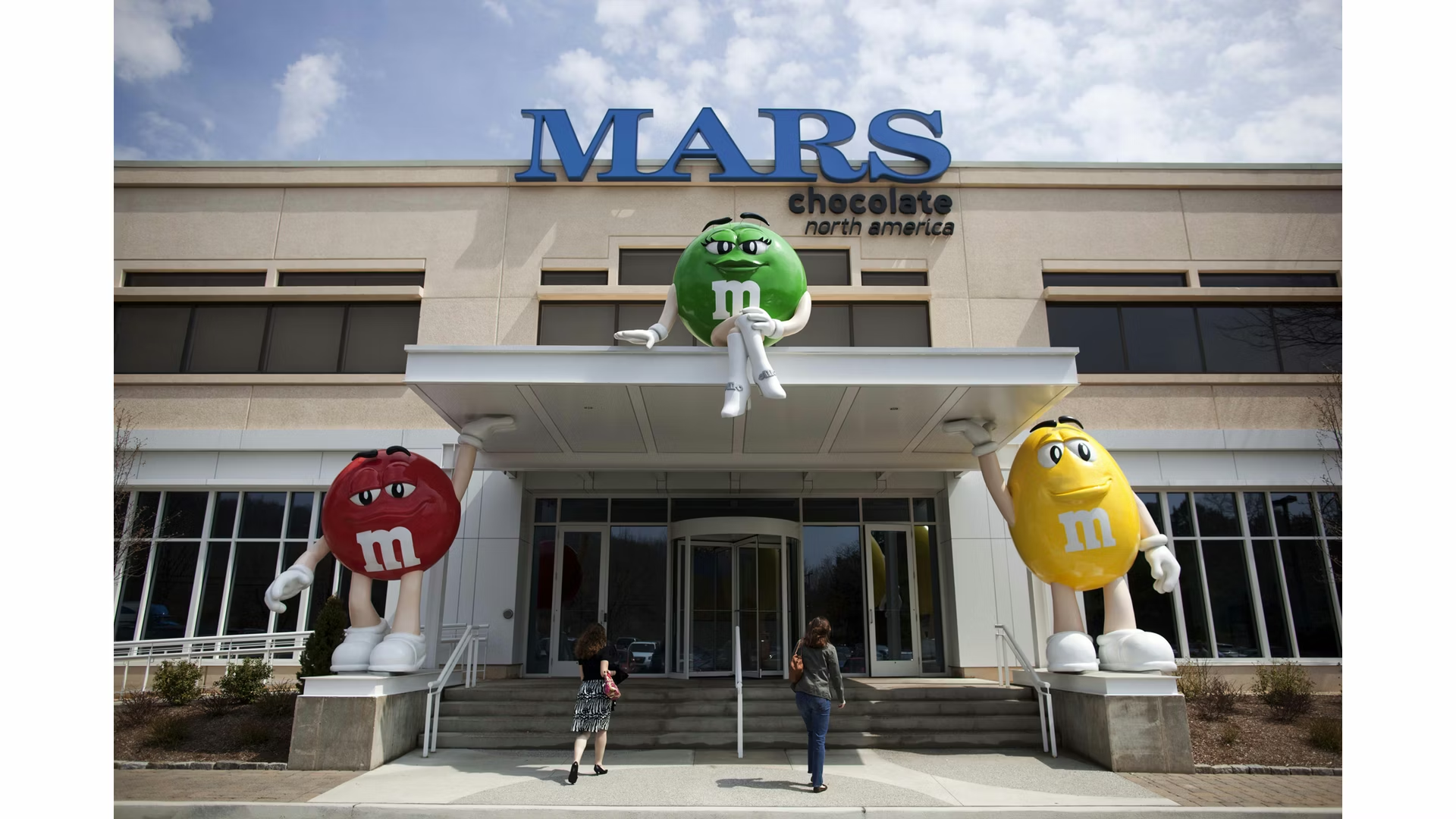
Mars, Incorporated is a global leader with significant operations in confectionery, snacks, and pet care. The privately-held company boasts a collection of well-known brands such as M&M's, Snickers, Twix, and Uncle Ben's rice. Mars combines deep brand trust with continuous investment in innovation, nutrition, and sustainable packaging solutions across its diverse product lines.
Revenue estimates for Mars, Incorporated in 2026 are projected to be between USD 45-50 billion. The company is committed to ambitious sustainability goals, aiming to achieve net-zero emissions by 2050. This involves advancing responsible sourcing practices across its extensive global operations and supply chains, particularly for key ingredients like cocoa and palm oil.
Mars' private ownership allows for long-term strategic planning and significant investments in research and development, enabling the company to adapt to changing consumer preferences and maintain its competitive edge in both established and emerging markets. Its focus on pet care, through brands like Pedigree and Whiskas, also provides a stable and growing revenue stream.
9. Mondelez International, Inc.
Mondelez International, Inc. specializes as a global snacking powerhouse, producing a wide array of cookies, crackers, chocolate, candy, and other snack foods. Its portfolio includes globally recognized brands such as Oreo, Cadbury, and belVita. Headquartered in the U.S., Mondelez operates in over 150 countries, with a strategic emphasis on expanding its presence in emerging snack markets and catering to evolving consumer tastes worldwide.
Mondelez International's revenue is estimated to reach USD 36-37 billion in 2026. The company's innovation strategy focuses on developing new products and flavors that resonate with local preferences, while also investing in healthier snacking options. A key environmental target for Mondelez is to make all its packaging recyclable by 2025, demonstrating a commitment to reducing its environmental footprint.
The company actively explores consumer preferences, particularly in dynamic regions like Asia-Pacific, to inform its product development and market entry strategies. This consumer-centric approach, combined with efficient global manufacturing and distribution, underpins Mondelez's continued leadership in the snack food segment.
10. Danone S.A.
Danone S.A. is a French multinational food company that specializes in fresh dairy products, plant-based alternatives, bottled water, and advanced nutrition solutions. Its brand portfolio includes Activia, Alpro, and Evian. Danone's core strategy centers on health-driven innovations, particularly in rapidly evolving categories such as yogurt, gut health, high-protein products, and plant-based alternatives.
Revenue projections for Danone S.A. in 2026 are estimated to be in the range of USD 29-30 billion. The company is actively investing in new production lines and forming partnerships with technology companies to embed artificial intelligence in its demand planning and energy optimization processes for its global operations. These technological advancements aim to enhance efficiency and sustainability.
Danone's commitment to health and wellness aligns with increasing global consumer awareness. The company continuously adapts its product offerings to address dietary trends and consumer demands for nutritious and sustainable food choices, reinforcing its position as a leader in health-focused food manufacturing.
The Largest Food Manufacturers In The World 2026 exemplify the scale and complexity of the global food industry. These corporations are not only responsible for feeding a significant portion of the world's population but also for driving innovation in product development, sustainability, and supply chain resilience. As consumer preferences continue to shift towards healthier, more sustainable, and convenient options, these industry giants will undoubtedly continue to shape the future of food production and consumption.
Related Posts

Top 10 Richest Chefs in USA 2026: How They Built Culinary Empires
In recent years, the world of celebrity chefs has developed into a multi-billion dollar industry that combines culinary expertise with media savvy, entrepreneurialism, and the development of distinctive brands. In the year 2026, a number of the wealthiest chefs in the United States have not only established themselves as influential figures in the kitchen, but […] More

Top 10 Best Skaters in the World 2026: The Ultimate Showdown Awaits
As we move through 2026, a few skaters stand out for their extraordinary skills, creativity, and contributions to the sport. Here’s a look at the top 10 skaters in the world right now, each pushing the boundaries of skateboarding in their own unique way. Skateboarding has evolved into a highly dynamic sport, showcasing remarkable talent […] More

Top 10 Highest Paid Female Footballers In The World 2026: Salaries That Shocked the Industry
Top 10 Highest Paid Female Footballers In The World 2026 1. Sam Kerr One of the most notable players in women’s football is Sam Kerr, who hails from Australia and operates as a striker. Kerr has emerged as a significant personality in the sport as a result of her remarkable speed, her extraordinary ability to […] More
The Largest Oil Refineries In The World 2026: Essential Insights for Energy Stakeholders
As of the year 2026, the following is a list of the top ten largest refineries in the world, which are known for their enormous processing capacities and strategic significance. Refineries play an important part in the global energy sector because they convert crude oil into valuable products such as gasoline, diesel, and other petrochemicals. […] More
7 Comments
Join the discussion and share your thoughts