Top 10 Busiest Ports In The World 2026: The Global Trade Drivers

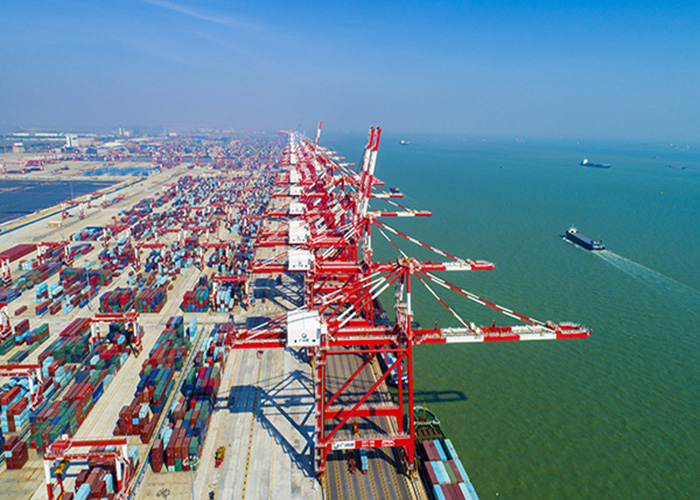
Table of Contents
The global economy moves on water. As we look ahead to 2026, the world's busiest ports remain the critical nodes in a vast, interconnected supply chain that fuels international trade. These hubs are more than just points of loading and unloading; they are sophisticated economic engines, technological testbeds, and strategic assets. According to the International Maritime Organization, maritime transport continues to carry over 90% of global trade by volume. The ranking of the top 10 busiest ports in the world for 2026 reflects not just raw container volume, but also strategic location, technological adoption, and resilience in the face of shifting trade winds. This list is dominated by Asian powerhouses, with a notable presence from the United States, underscoring the continued eastward shift of economic gravity and the enduring importance of trans-Pacific trade routes.
How We Rank the World's Busiest Ports
Our annual ranking of the busiest ports is based on a composite analysis of several key performance indicators, with the primary metric being total container throughput measured in twenty-foot equivalent units (TEU). We source our core data from port authority annual reports, global maritime databases like those maintained by Lloyd's List, and projections from industry analysts such as Drewry. For the 2026 outlook, we incorporate confirmed expansion plans, infrastructure investments, and regional trade growth forecasts. It is important to note that while cargo tonnage is significant for ports like Ningbo-Zhoushan, the TEU standard provides the most consistent cross-comparison for containerized trade, which represents the lion's share of high-value goods movement. This ranking focuses on container ports, though we acknowledge the critical role of bulk and break-bulk terminals within many of these same facilities.
The Top 10 Busiest Ports In The World 2026:
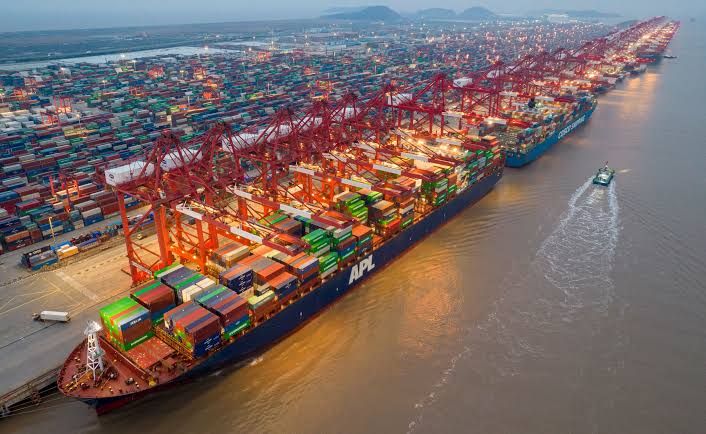
The Port of Shanghai is projected to maintain its undisputed title as the world's busiest container port for the 16th consecutive year in 2026. In 2025, it handled a staggering 55 million TEU, a volume that underscores China's export dominance and Shanghai's role as the primary gateway to the Yangtze River Delta economic zone. The port's scale is almost incomprehensible, featuring 124 berths that serve over 150 international shipping routes. Its operations are a case study in modern logistics, with advanced automation systems deployed across its Yangshan Deep-Water Port phase, where unmanned cranes and automated guided vehicles work around the clock. Looking to 2026, the port is not resting on its laurels. Expansion projects are underway to push its annual capacity beyond 60 million TEU, ensuring it can accommodate the next generation of mega-vessels. Its success is intrinsically linked to the hinterland it serves, which includes one of the world's most productive manufacturing regions.
2. Port of Singapore
Strategically perched at the crossroads of major East-West sea lanes, the Port of Singapore is the world's premier transshipment hub. It is projected to handle approximately 39.9 million TEU in 2025, solidifying its second-place ranking. What Singapore lacks in domestic market size, it more than makes up for in geographical advantage and operational excellence. Over 130,000 vessel calls are made annually from more than 120 countries. The port boasts some of the deepest container berths globally at 18 meters and was a pioneer in automated quay crane technology. To maintain its competitive edge for 2026 and beyond, the Maritime and Port Authority of Singapore is implementing AI-driven traffic management systems within its port waters to optimize vessel arrivals and departures, a critical upgrade to handle increasing Asia-Europe trade flows. Its resilience and efficiency make it the relay station of choice for global carriers.
3. Port of Ningbo-Zhoushan
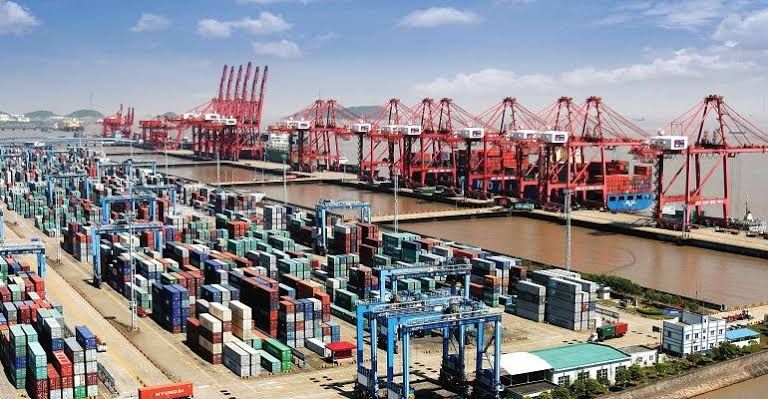
While often measured by its impressive 35.8 million TEU container volume, the Port of Ningbo-Zhoushan's true claim to global scale is its title as the world's largest port by total cargo tonnage, moving 1.22 billion tons annually. This integrated port complex is a powerhouse for both containers and bulk commodities, featuring massive terminals dedicated to iron ore and crude oil that are vital for China's industrial base. Its ranking is bolstered by its extensive rail-sea intermodal network, which connects over 20 Chinese provinces directly to its wharves. This integration allows for seamless movement of commodities and manufactured goods deep into the interior. For 2026, its strategic importance is tied to global commodity supply chains, making it a barometer for industrial demand. The port's ability to handle the very largest bulk carriers and container ships simultaneously is a key differentiator.
4. Port of Shenzhen
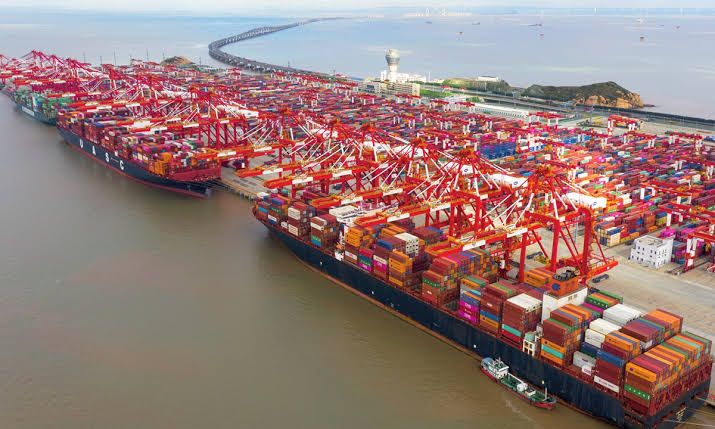
The Port of Shenzhen, a cluster of several terminals including Yantian, Shekou, and Chiwan, is the technology hub of global shipping. Handling an estimated 30.0 million TEU, it is the primary export gateway for the Pearl River Delta's vast electronics manufacturing sector, with over 300 vessel calls on an average day. The port has aggressively adopted smart technologies, deploying 5G-enabled gantry cranes and blockchain-based logistics tracking platforms to ensure speed and security for high-value cargo. Its proximity to megacities like Guangzhou and Dongguan, coupled with its deep-water channels capable of handling the largest container ships, secures its top-tier position. Looking to 2026, the port authority is pushing forward with major electrification initiatives, aiming to convert a significant portion of its yard equipment to electric power to meet stringent environmental targets, a move closely watched by the global industry.
5. Port of Guangzhou
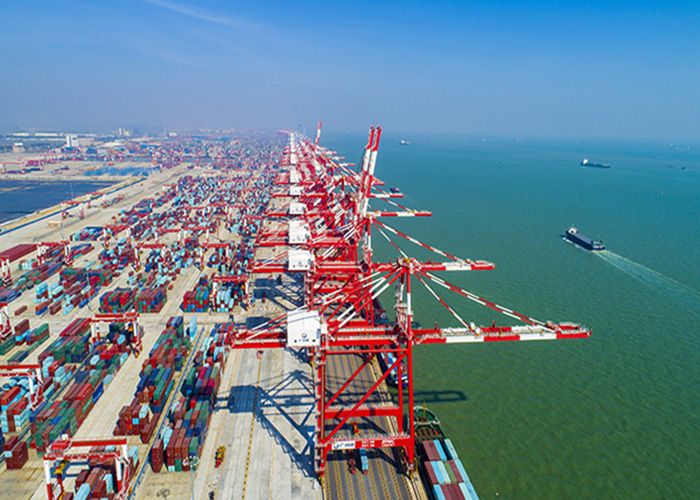
As the main port for the Pearl River Delta's western flank, the Port of Guangzhou is a diversified powerhouse handling an estimated 25.5 million TEU. Its strength lies in its integration with China's extensive inland waterway system, which moves an additional 150 million tons of cargo yearly, feeding its deep-sea terminals. The port's Nansha phase can accommodate mega-ships of up to 24,000 TEU capacity. It has also carved out a niche as a leading hub for perishable goods, operating one of the world's most advanced fruit reefer cargo facilities. This diversification beyond standard containers helps insulate it from market volatility. For the 2026 outlook, Guangzhou's ranking is supported by the sustained trade boom in southern China and ongoing infrastructure investments that enhance its connectivity to inland manufacturing centers, ensuring a steady flow of export goods.
6. Port of Busan
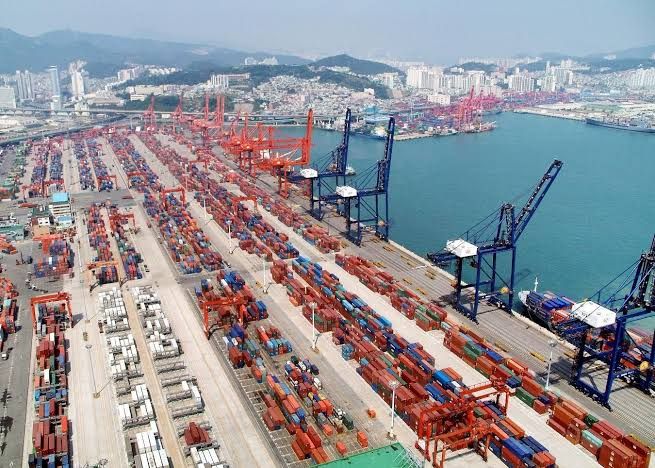
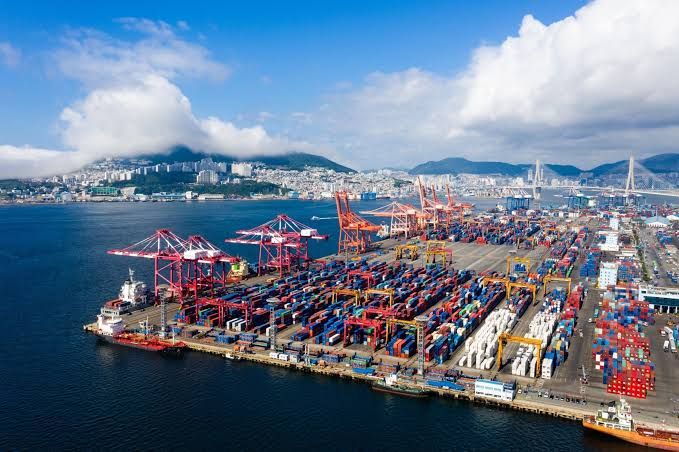
South Korea's Port of Busan is the linchpin of Northeast Asian transshipment, handling a projected 22.8 million TEU. Approximately 40% of its volume is relay cargo, moving between mainline vessels and feeder ships serving Japan, Russia, and other regional destinations. The port is equipped with over 50 super post-Panamax cranes and benefits from high-speed rail connections that link its terminals directly to the national logistics grid. Its ranking is a testament to its operational resilience, having maintained fluid operations during regional trade disruptions. A key initiative for 2026 is the development of green hydrogen fueling stations for port equipment and possibly bunkering, positioning Busan as a leader in maritime decarbonization. This forward-thinking approach, combined with its strategic location, ensures its continued role as a critical regional hub.
7. Port of Qingdao
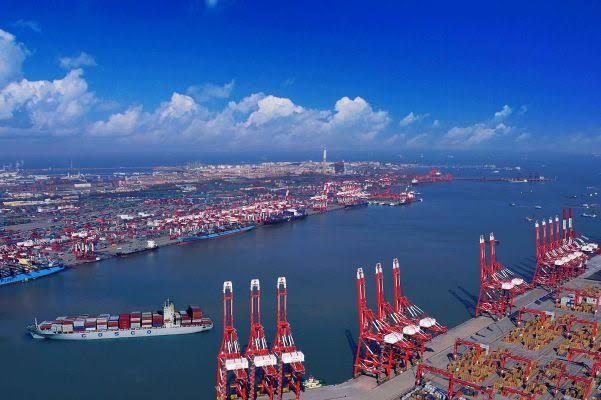
The Port of Qingdao in Shandong province is the northern counterpart to Shenzhen and Guangzhou, with a unique dual identity. It handles an estimated 21.0 million TEU in containers while simultaneously being China's leading import center for iron ore, moving 120 million tons of bulk cargo annually. This balance gives it remarkable economic stability. Qingdao made history by launching the world's first fully automated container terminal in 2017, a facility operated entirely by remote control and robotics. Its high ranking is further propelled by its strategic role in China's Belt and Road Initiative, serving as a key maritime link for Eurasian land-sea intermodal routes. The port's ability to efficiently process both raw materials for industry and finished goods for export from the same location is a significant competitive advantage as we move into 2026.
8. Port of Tianjin
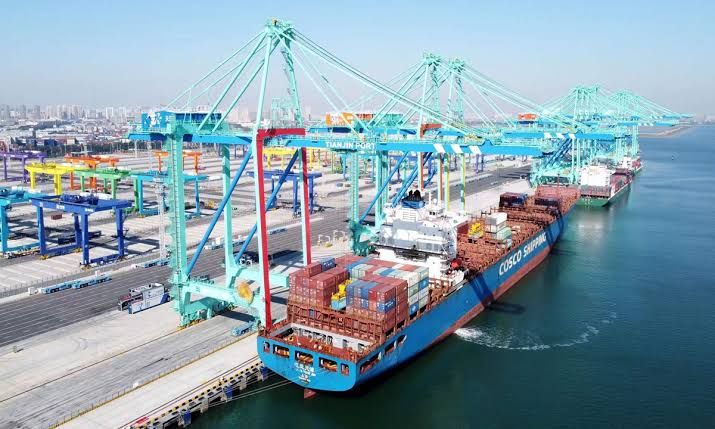
Often called the maritime gateway to Beijing, the Port of Tianjin is the largest port in Northern China and a vital conduit for the capital region's imports and exports. It handles approximately 20.0 million TEU. The port spans an impressive 150 kilometers of waterfront and utilizes automated stacking cranes to optimize yard density. It has demonstrated strong recovery and growth following past disruptions, nearly reaching 22 million TEU in pre-2024 volumes. Beyond containers, Tianjin possesses massive grain storage capacity, holding up to 20 million tons, which secures food supply for a vast population. Its ranking is earned through this combination of container throughput and its dominance in critical bulk sectors for the northern Chinese economy. Ongoing expansions focus on enhancing rail links directly into its terminals to streamline logistics for the hinterland.
9. Port of Los Angeles
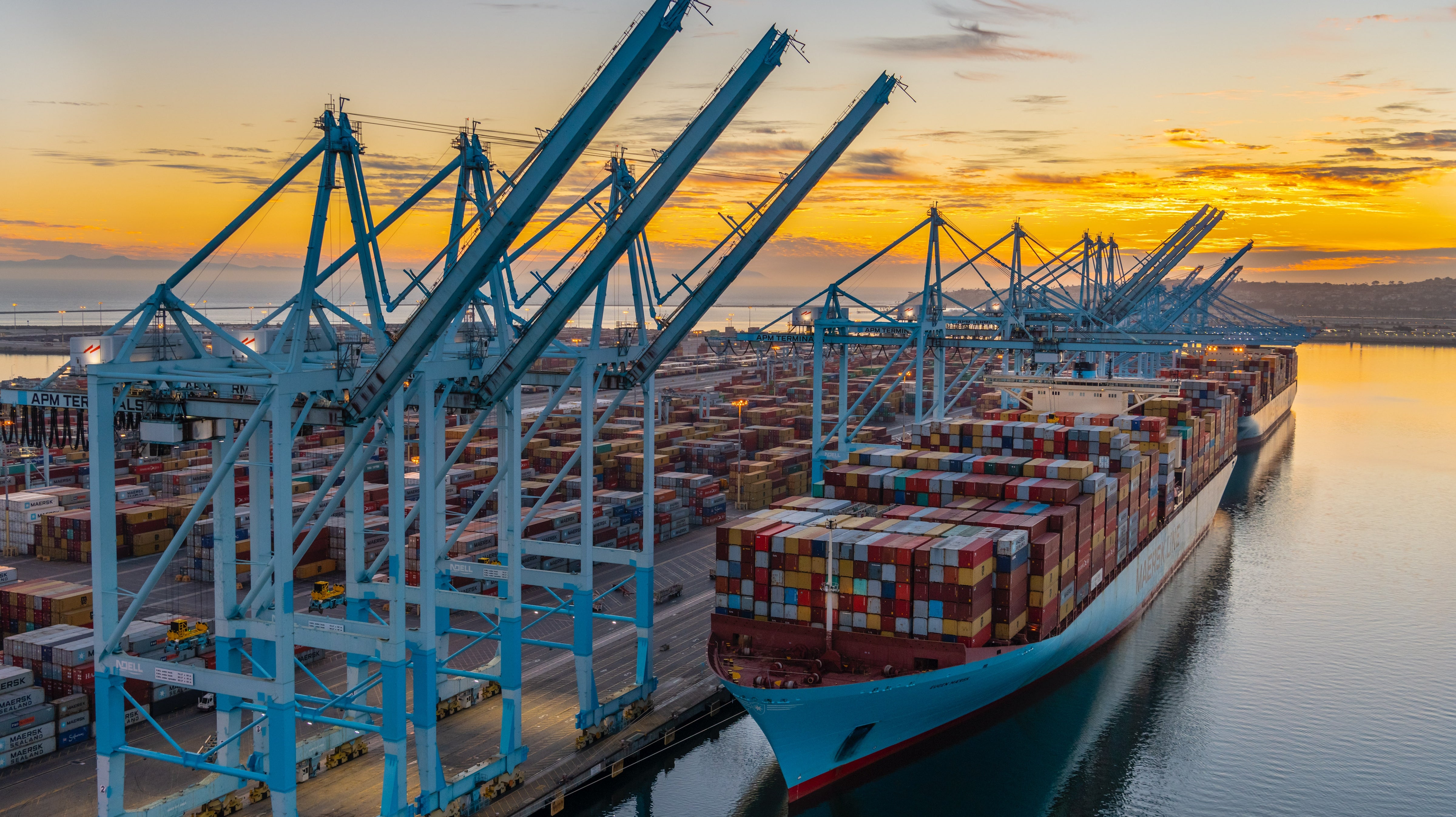
The Port of Los Angeles is the busiest container port in the Western Hemisphere and the sole representative of the Americas in the global top 10 for 2026, with a projected volume of 9.5 million TEU. It serves as the primary entry point for U.S. consumer goods, handling about 40% of all containerized imports to the country. A key to its efficiency is its extensive on-dock rail network, which connects to major rail lines serving over 30 states. The port is also a global leader in environmental policy, with ambitious clean air initiatives that mandate a transition to zero-emission cargo-handling equipment by 2030. Its ranking, while lower in TEU volume compared to Asian giants, reflects the immense value and volume of trans-Pacific trade. The challenges of congestion have spurred significant investment in data infrastructure and supply chain visibility tools to improve fluidity for 2026.
10. Port of Long Beach
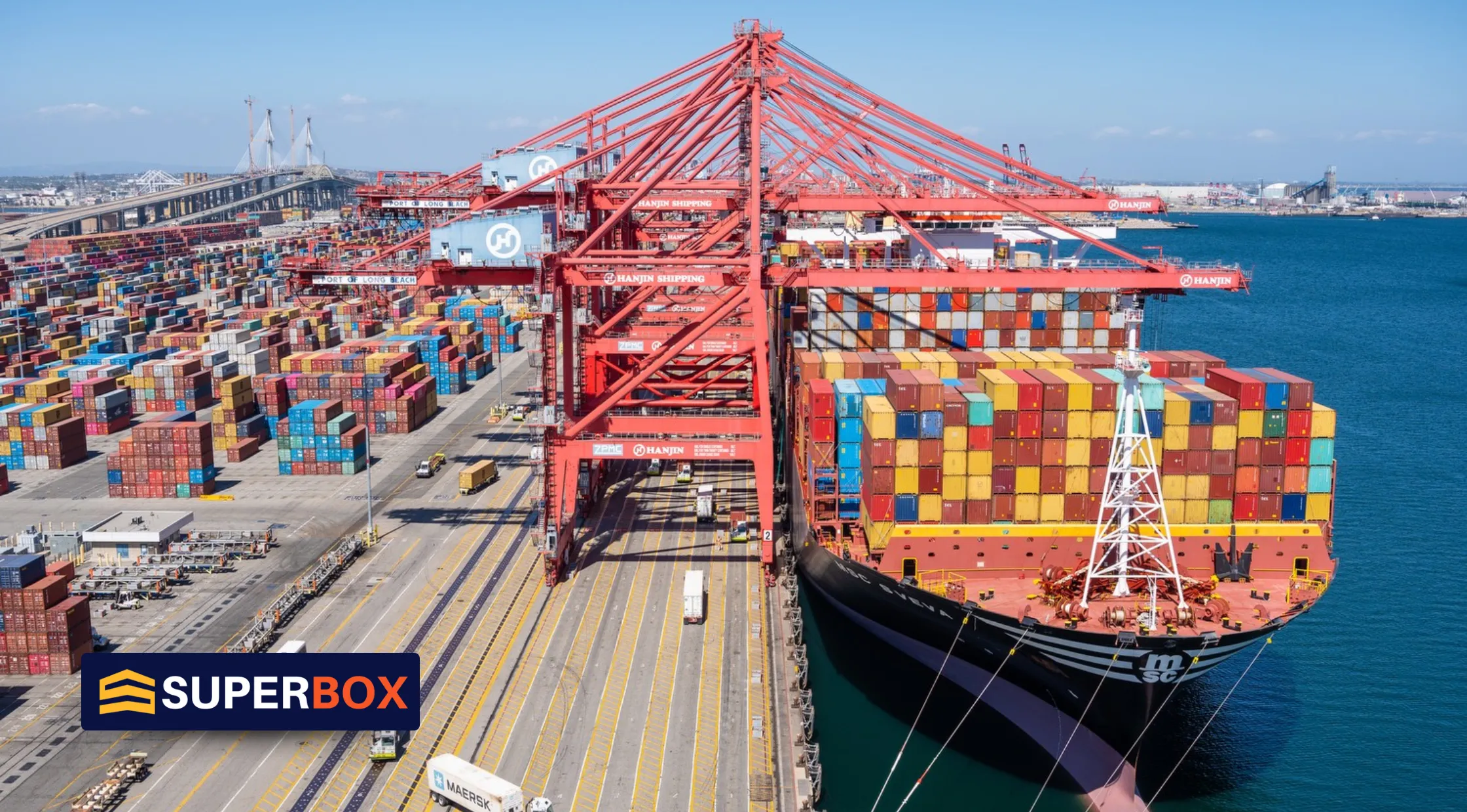
Adjacent to the Port of Los Angeles, the Port of Long Beach forms the Southern California gateway complex. It rounds out our list with an estimated 8.8 million TEU. The port's crown jewel is the Middle Harbor terminal, a $1.5 billion redevelopment project that increased capacity by 3.3 million TEU and stands as one of the most technologically advanced and environmentally sustainable terminals in the world. Long Beach is also a major hub for automobile trade, processing around 9 million vehicles annually. Its ranking in the global top 10 is secured by its rapid recovery from supply chain bottlenecks and its aggressive investments in sustainability, including widespread shore power infrastructure that allows vessels to plug into the electrical grid instead of running auxiliary engines. This twin-port system with Los Angeles remains indispensable to U.S. trade.
The landscape of the world's busiest ports in 2026 continues to be defined by scale, technology, and strategic location. The dominance of Chinese ports highlights the country's central role in global manufacturing and trade, while the presence of Singapore and Busan underscores the critical importance of transshipment hubs in optimizing global shipping networks. The entry of Los Angeles and Long Beach into the top 10 reaffirms the strength and volume of trans-Pacific trade routes. As we look forward, the trends shaping these ports are clear: accelerated automation, a relentless push for decarbonization and environmental sustainability, and increased investment in hinterland connectivity through rail and inland waterways. These ports are not static entities; they are dynamic ecosystems constantly adapting to the demands of global commerce. Their performance and capacity will directly influence the efficiency, cost, and resilience of the global supply chain for years to come.
Related Posts

Top 10 Best Hospitality Schools In The World (2026 Update): Where Tomorrow's Leaders Train
The world’s top hospitality schools continue to be essential in the context of a global economy because of their emphasis on offering exceptional guest experiences and high-quality service. People who want to work in hotels and other hospitality-related fields are actively looking for educational opportunities that will equip them with the skills and knowledge they […] <a class="g1-link g1-link-more" href="https://nubiapage.com/top-10-best-hospitality-schools-in-the-world-2024-up

Top 10 Greatest Packer Players in the World 2026: Surprising Picks & Legends
The Green Bay Packers, which are considered to be one of the most illustrious franchises in the history of the National Football League, have, throughout its existence, boasted a roster of remarkable talent. The history of the Packers is filled with players that have stood out for some reason, whether it be their iconic Super […] More

Top 10 Biggest Concert Stadiums In The World 2026
In 2026, the world of concert venues includes some of the biggest and most famous stadiums, known for hosting huge crowds and providing live music experiences that are unmatched. The following is a list of the ten largest concert stadiums in the world: List Of Top 10 Biggest Concert Stadiums In The World 2026 1. […] More

Top 10 Richest Chefs in USA 2026: How They Built Culinary Empires
In recent years, the world of celebrity chefs has developed into a multi-billion dollar industry that combines culinary expertise with media savvy, entrepreneurialism, and the development of distinctive brands. In the year 2026, a number of the wealthiest chefs in the United States have not only established themselves as influential figures in the kitchen, but […] More
1 Comment
Join the discussion and share your thoughts