Top 10 Biggest Concert Stadiums In The World 2026


Table of Contents
In 2026, the world's biggest concert stadiums are colossal venues that define the scale of live entertainment. These arenas are not just sports cathedrals; they are the epicenters for historic musical performances, capable of hosting over 100,000 fans in a single night. Our analysis of the largest stadiums in the world focuses on their official seating capacity and their proven ability to host major concerts and events. From a Coldplay show in India to a record-breaking country concert in Texas, these venues represent the pinnacle of mass-audience experiences. This list ranks the top 10 biggest concert stadiums in the world for 2026 based on their maximum capacity for such events.
How We Ranked The Venues
Our ranking is based on a straightforward assessment of each stadium's maximum capacity for a concert or large-scale entertainment event as of 2026. We prioritized verified, recent capacity figures from stadium authorities and industry reports. While many of these venues are primarily sports facilities, their inclusion here is predicated on their active use and infrastructure for hosting major concerts. We considered recent concert history, venue modifications for entertainment events, and overall logistical capability to handle crowds exceeding 100,000 people. The order reflects the raw seating and standing capacity available for a centrally-staged event.
1. Strahov Stadium

With a staggering capacity of 220,000, Strahov Stadium in Prague, Czech Republic, is in a league of its own. It is the world's largest concert venue by pure capacity. Originally constructed in the early 20th century for mass gymnastics displays known as Sokol rallies, its primary use for competitive sports ended decades ago. Today, its vast field and towering concrete stands are used almost exclusively for massive concerts and festivals. The venue's history includes a legendary Pink Floyd concert in 1994 that drew approximately 110,000 fans. Its sheer size presents unique production challenges, but for artists seeking the absolute largest possible audience in one place, Strahov remains the ultimate venue. The stadium's future as a concert site is periodically debated, but its place in the record books is secure.
2. Narendra Modi Stadium

The Narendra Modi Stadium in Ahmedabad, India, redefines the modern mega-venue with a capacity of 132,000. As the largest cricket stadium on the planet, it was designed from the ground up to be a multi-purpose entertainment hub. Its pillar-less design ensures unobstructed views from every seat, while an advanced LED lighting system and a highly efficient drainage system allow for quick turnarounds between events. The stadium entered the global concert conversation emphatically in January 2025 by hosting British rock band Coldplay, demonstrating its world-class infrastructure for international touring acts. This event proved the stadium's viability as a premier destination for global music tours looking to tap into India's vast and passionate fan base, solidifying its status as a key player in the live entertainment landscape for 2026 and beyond.
3. Rungrado 1st of May Stadium
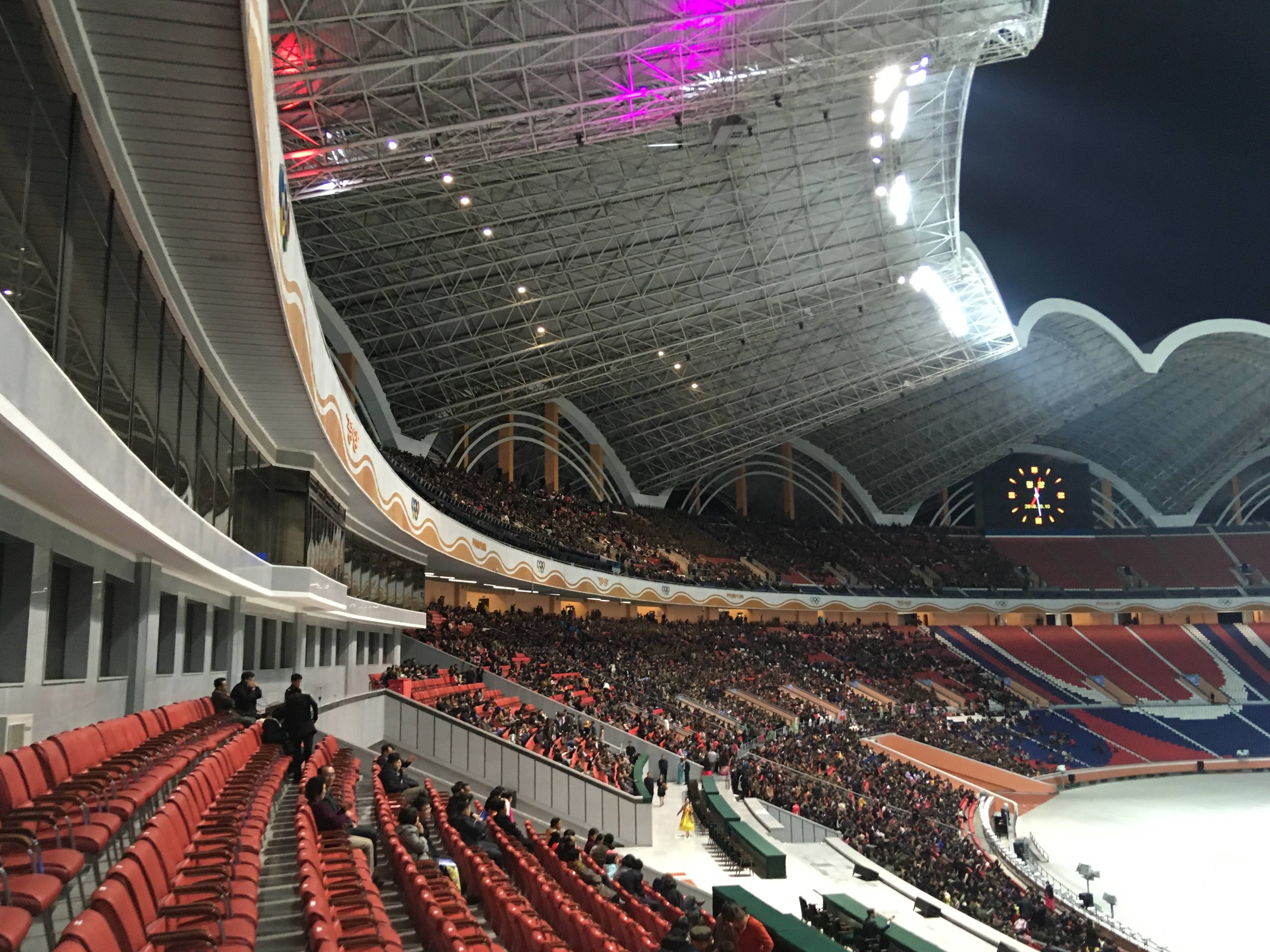
The Rungrado 1st of May Stadium in Pyongyang, North Korea, is an architectural marvel with a capacity of 114,000. Completed in 1989 for the 13th World Festival of Youth and Students, its most distinctive feature is the sixteen arched segments that form its scalloped roof, designed to resemble a magnolia flower. The interior floor space is vast enough to accommodate elaborate mass games involving tens of thousands of performers, a feature that also makes it theoretically suitable for the most ambitious concert stage productions. While its use is predominantly for state-organized events and athletic competitions, its scale is undeniable. Following renovations in 2014, its capacity was adjusted from its original 150,000 figure. It remains one of the most visually striking and largest enclosed stadiums ever built.
4. Michigan Stadium
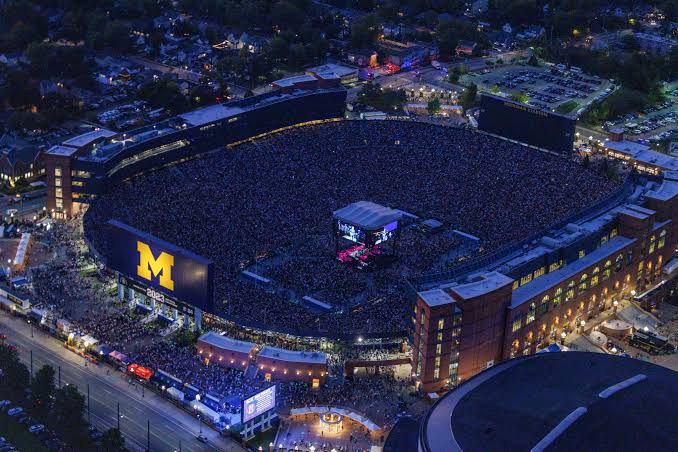
Michigan Stadium, known as "The Big House," in Ann Arbor, Michigan, USA, is the largest stadium in the United States and the Western Hemisphere with a capacity of 107,601. For decades, it was a fortress reserved solely for University of Michigan football. That changed in September 2025 when it hosted its first-ever concert, featuring singer-songwriter Zach Bryan. The event sold over 112,000 tickets, showcasing the venue's immediate potential in the live music market. Recent major upgrades have prepared it for this new role, including the installation of massive 8K resolution Jumbotrons at each end zone, a completely new stadium-wide audio system, and significant concourse improvements to handle crowd flow. These investments transform this historic college football venue into a modern concert powerhouse for 2026.
5. Beaver Stadium
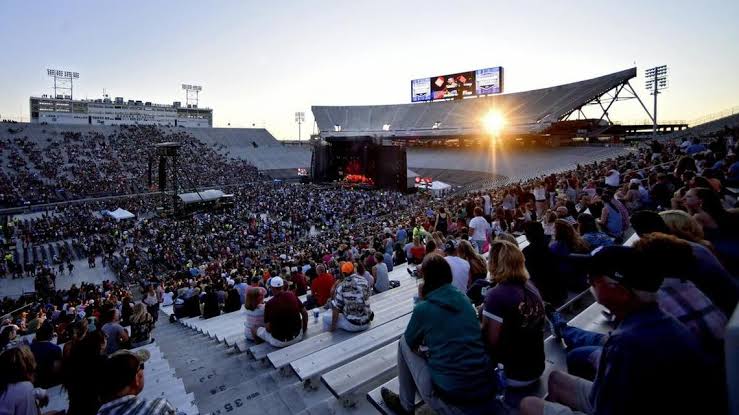
Beaver Stadium in State College, Pennsylvania, is the home of Penn State Nittany Lions football and boasts a capacity of 106,572. Its engineering is its legacy; the stadium's core is an elliptical concrete bowl supported by 36 distinctive arches, a pioneering design from the 1920s that has influenced sports architecture for a century. Despite its age, the venue has continuously evolved. Recent years have seen the addition of premium seating options, major improvements to accessibility for guests, and a push for greater digital integration throughout the facility. While it has yet to host a concert on the scale of its peers, its massive capacity and continuous modernization make it a sleeping giant in the live event space, with the underlying infrastructure to support a major touring production should the opportunity arise.
6. Ohio Stadium

Ohio Stadium in Columbus, Ohio, with a capacity of 102,780, is a historic landmark and a consistent favorite for large-scale concerts in the American Midwest. Its iconic horseshoe design is not just aesthetic; it naturally enhances crowd acoustics, creating a powerful atmosphere for musical performances. The venue has a long history of hosting major touring acts, leveraging its central location and immense size. Modernization efforts have carefully balanced progress with preservation. Key upgrades include enclosing the south end of the stadium to create a more intimate bowl effect, preserving its historic facade, and implementing a sophisticated 5G-enabled signage and communication grid. This blend of historic charm and modern tech secures its place as a go-to venue for the biggest tours passing through the region in 2026.
7. Kyle Field
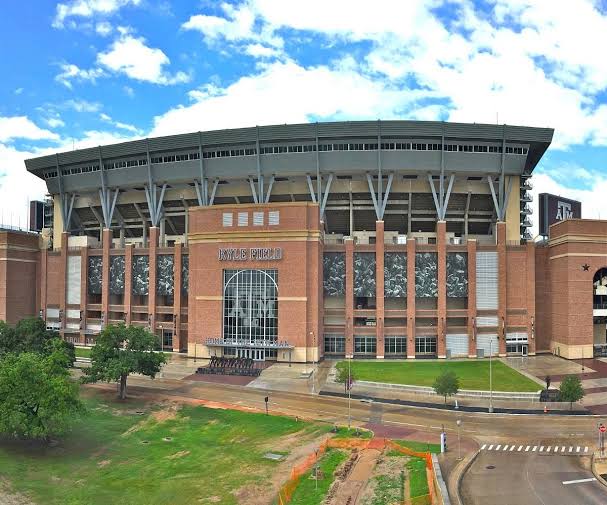
Kyle Field in College Station, Texas, home to the Texas A&M Aggies, has a capacity of 102,733 and recently made concert history. In June 2024, it hosted country music legend George Strait for a concert that drew 110,905 paid attendees, setting a new United States record for a ticketed concert. This event proved the venue's exceptional capability to manage a crowd beyond its official football capacity. The stadium's enclosed bowl design contains sound effectively, while its structure of luxury suites and upper decks creates a steep, immersive environment. The success of the Strait concert has likely opened the door for more major touring acts to consider Kyle Field, transforming it from a purely collegiate football fortress into a proven, top-tier concert destination for 2026.
8. Neyland Stadium
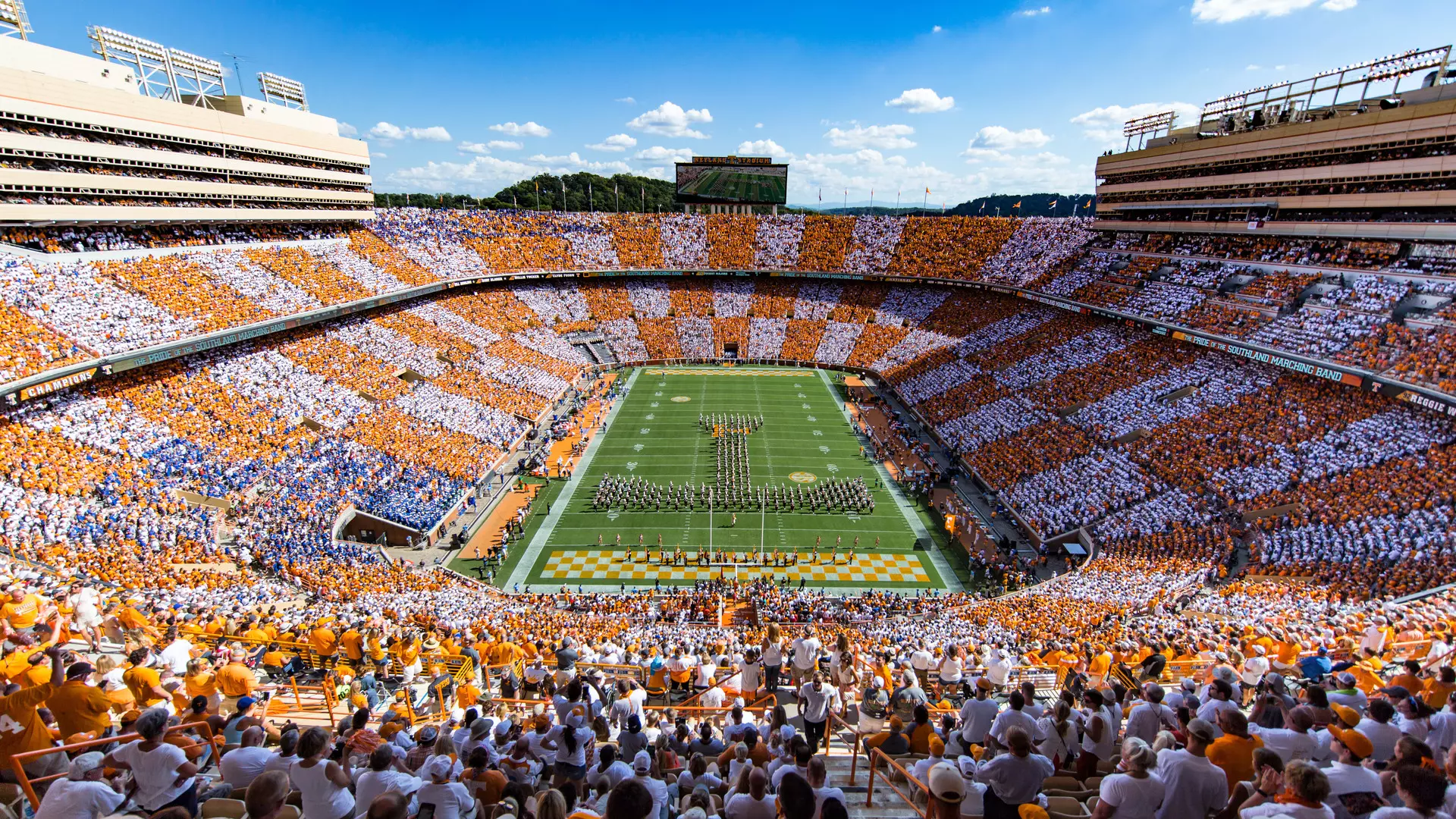
Neyland Stadium in Knoxville, Tennessee, holds 102,455 fans and is synonymous with the passionate following of the Tennessee Volunteers. The stadium's modernization journey has focused significantly on improving the fan experience, which directly benefits its potential as a concert venue. Expansions to concourses have alleviated congestion, while upgraded amenities cater to a broader audience. One of its most unique features is direct access from the Tennessee River, allowing fans to arrive by boat - a logistical quirk that could be leveraged for unique event planning. While its primary identity is football, the underlying infrastructure of a top-tier SEC stadium, combined with ongoing facility improvements, provides a solid foundation for hosting large-scale entertainment events that require robust crowd management and technical support.
9. Tiger Stadium
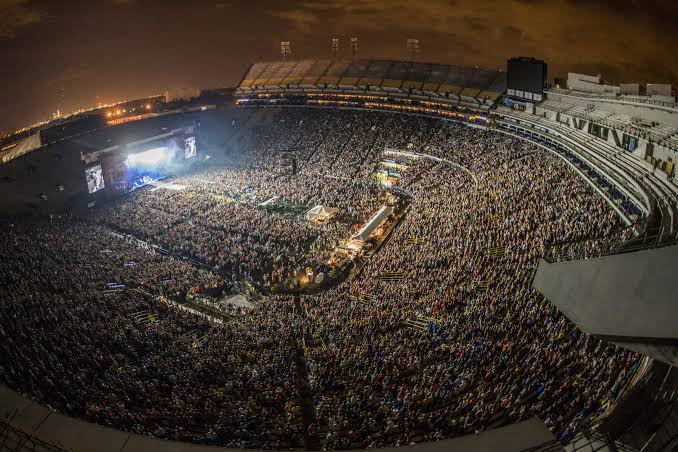
Tiger Stadium in Baton Rouge, Louisiana, known as "Death Valley," has a capacity of 102,321. Its reputation is built on creating one of the most intense atmospheres in all of sports, particularly during night games. The noise levels recorded here regularly rank among the highest in college football, a testament to both the design and the passion of the fans. This acoustic energy translates perfectly to the concert environment, where sound is paramount. The stadium's large, steep lower bowl brings the crowd close to the field, ideal for creating a connection between performer and audience. While its concert history is less extensive than some peers, the raw ingredients - massive capacity, legendary acoustics, and a location in a music-rich region - position it as a venue with significant untapped potential for major live music events in the coming years.
10. Darrell K Royal - Texas Memorial Stadium

Rounding out the list is Darrell K Royal - Texas Memorial Stadium in Austin, Texas, with a capacity of 100,119. The home of the Texas Longhorns has undergone significant renovations to enhance its appeal for all types of events. A new, massive video board - colloquially known as "Godzillatron" - dominates the south end zone, providing an unparalleled visual experience for attendees. The addition of premium club seats and the enclosure of the south end zone have modernized the fan experience. Located in the "Live Music Capital of the World," the stadium is a natural fit for expanding the city's concert offerings to the largest possible scale. Its size and recent technological investments make it a formidable venue capable of hosting the kind of mega-tours that define the global concert industry in 2026.
The top 10 biggest concert stadiums in the world for 2026 are a mix of specialized entertainment grounds and adapted sports coliseums, all united by their ability to gather audiences well in excess of 100,000 people. From the unparalleled scale of Prague's Strahov Stadium to the modern, multi-purpose design of India's Narendra Modi Stadium, these venues are where musical history is made on a grand scale. The recent foray of traditional American football stadiums like Michigan Stadium and Kyle Field into the concert business signals a growing convergence between sports and entertainment infrastructure. As touring artists seek to maximize their reach and fans crave ever-more-communal experiences, these gigantic venues will continue to serve as the primary stages for the most ambitious live performances on the planet.
Related Posts

Top 10 Richest Chefs in USA 2026: How They Built Culinary Empires
In recent years, the world of celebrity chefs has developed into a multi-billion dollar industry that combines culinary expertise with media savvy, entrepreneurialism, and the development of distinctive brands. In the year 2026, a number of the wealthiest chefs in the United States have not only established themselves as influential figures in the kitchen, but […] More

Top 10 Best Skaters in the World 2026: The Ultimate Showdown Awaits
As we move through 2026, a few skaters stand out for their extraordinary skills, creativity, and contributions to the sport. Here’s a look at the top 10 skaters in the world right now, each pushing the boundaries of skateboarding in their own unique way. Skateboarding has evolved into a highly dynamic sport, showcasing remarkable talent […] More

Top 10 Highest Paid Female Footballers In The World 2026: Salaries That Shocked the Industry
Top 10 Highest Paid Female Footballers In The World 2026 1. Sam Kerr One of the most notable players in women’s football is Sam Kerr, who hails from Australia and operates as a striker. Kerr has emerged as a significant personality in the sport as a result of her remarkable speed, her extraordinary ability to […] More
The Largest Oil Refineries In The World 2026: Essential Insights for Energy Stakeholders
As of the year 2026, the following is a list of the top ten largest refineries in the world, which are known for their enormous processing capacities and strategic significance. Refineries play an important part in the global energy sector because they convert crude oil into valuable products such as gasoline, diesel, and other petrochemicals. […] More
2 Comments
Join the discussion and share your thoughts