Top 10 Best Transportation Services In Dubai 2026

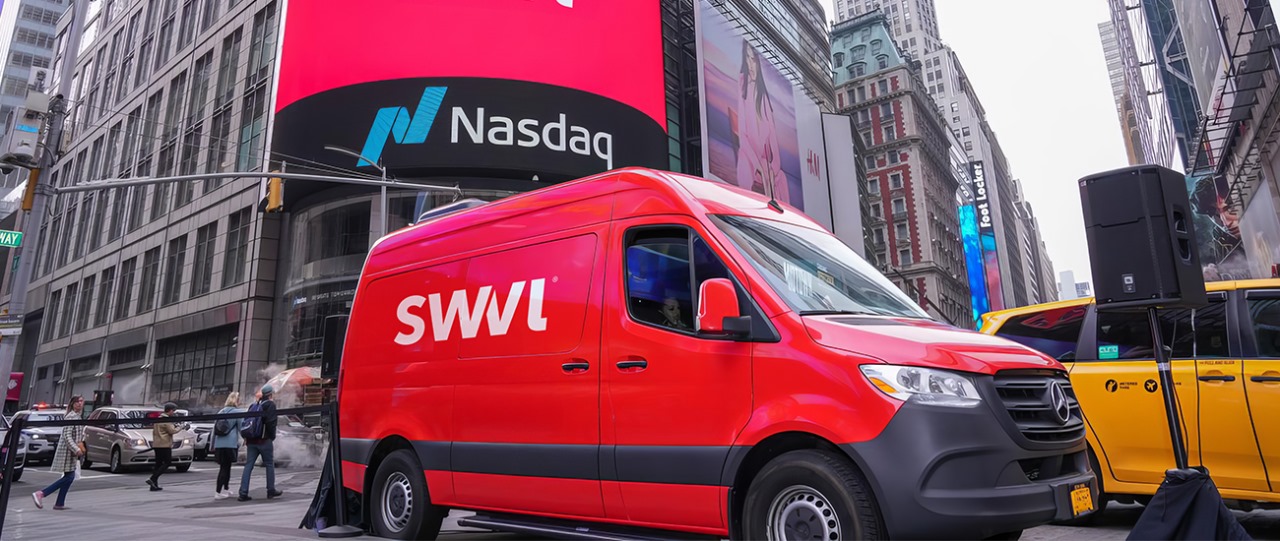
Table of Contents
Dubai moves faster than almost any city on earth, and the companies keeping it in motion deserve closer scrutiny. For this ranking of the top 10 best transportation services in Dubai for 2026, we weighed a mix of factors: revenue scale, passenger volume, technological integration, regulatory authority, and real-world reliability. We pulled data from public transit records, corporate filings, and operator reports to build a picture that reflects both the everyday commuter experience and the massive logistics machinery running beneath the surface.
Some entries on this list move people. Others move goods. A few do both. That distinction matters because Dubai's transportation ecosystem is unusually layered. The Roads and Transport Authority (RTA) runs the public backbone, ride-hailing apps handle the on-demand middle, and global logistics firms manage the freight that makes Dubai a re-export capital. Each plays a distinct role, and our ranking accounts for that diversity rather than forcing a single metric across wildly different business models.
Passenger experience factored heavily, but so did economic impact. A bus rental company serving 50 people at a time and a port operator handling millions of containers serve different purposes, yet both are essential to how Dubai functions. We also considered 2026 developments, including the launch of Etihad Rail's passenger service, which changes the ground transport picture significantly. What follows is our assessment of the ten most important transportation services operating in Dubai this year.
The List Of The Top 10 Best Transportation Services In Dubai 2026:
1. RTA (Roads and Transport Authority)
The RTA is not just another transport provider in Dubai. It is the entity that decides how the city moves, operating the Dubai Metro, the Dubai Tram, the public bus network, and water taxis under one regulatory umbrella. The Metro alone runs over 80 trains and carries more than 600,000 passengers daily, making it the busiest driver of public transit in the emirate.
What sets the RTA apart is integration. The Nol card system works across Metro, bus, tram, and marine transport, so residents and visitors move between modes without juggling separate tickets or apps. The Route 2020 extension to Expo City added a crucial southern corridor, and the authority continues to push toward autonomous transport pilots and smart mobility initiatives.
Our ranking places the RTA first because no other entity in Dubai combines scale, regulatory power, and infrastructure ownership. Every ride-hailing trip, every bus journey, and every Metro ride ultimately operates within the framework the RTA sets. It is the backbone, and the rest of the system builds around it.
2. Emirates Group (Emirates Airline and dnata)
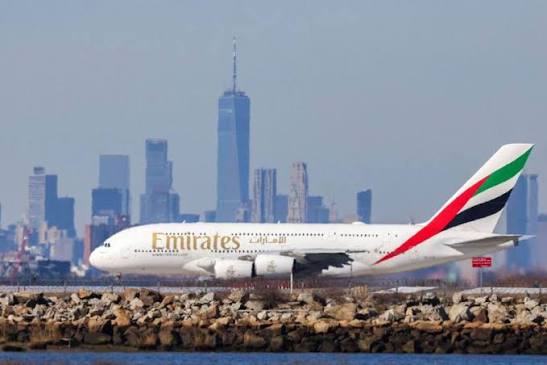
Emirates Group reported $32.6 billion in revenue, ranking it the number one transportation company in the UAE by that measure. The group's Dubai presence extends far beyond its famous airline. Emirates SkyCargo moves freight through one of the world's busiest international airports, while dnata handles ground services, catering, and cargo logistics for dozens of other carriers operating at Dubai International Airport.
The airline itself is the world's largest international carrier by passenger kilometers, and its hub model funnels enormous volumes of people through Dubai. For many travelers, the Emirates experience begins and ends with ground transport in Dubai, whether that means the dedicated chauffeur service for first and business class passengers or the efficient transfer infrastructure at Terminal 3.
Emirates Group earns its second-place spot through sheer economic weight and logistical capacity. It connects Dubai to over 130 destinations and anchors the aviation ecosystem that makes the city a global crossroads. No other transportation entity in the emirate generates comparable revenue or employs as many people.
3. Careem

When Uber acquired Careem in 2020 for $3.1 billion, it cemented the Dubai-born company's position as the dominant ride-hailing platform in the Middle East. Careem now facilitates over one million daily rides across its network, with its Hala service operating in partnership with the RTA to provide licensed taxis booked through the app.
Careem's evolution into a super-app sets it apart from conventional ride-hailing competitors. Beyond car transport, the platform offers food delivery, package courier services, and micro-transit options. For Dubai residents, Careem has become a default utility, whether they are hailing an economy ride, booking a business-class vehicle, or sending a document across town.
The company's integration with RTA systems gives it a regulatory legitimacy that pure-play apps lack. Its driver network is extensive, and the service quality bar is consistent across vehicle classes. Careem ranks third because it dominates the on-demand passenger segment that most visitors and many residents interact with daily.
4. DP World
DP World reported $24.4 billion in revenue, ranking second among UAE transportation companies by that measure. The company operates Jebel Ali Port, the largest man-made deep-sea harbor in the world, and manages supply chain infrastructure across more than 60 countries. While passengers never board a DP World vessel, the company moves the goods that fill Dubai's malls, construction sites, and warehouses.
Jebel Ali handles the overwhelming majority of maritime cargo entering the UAE, connecting Dubai to major shipping lanes that link Asia, Europe, and Africa. The port's proximity to Al Maktoum International Airport creates a sea-air transshipment corridor that few global logistics hubs can match.
DP World's inclusion in a list of transportation services might seem unusual at first glance. But Dubai's economy depends on the company's ability to move containers efficiently, and its investments in automation and digital trade platforms keep the emirate competitive as a re-export hub. The ranking reflects that outsized economic role.
5. Swvl
Swvl has carved out a specific niche in Dubai's transport market: corporate and workforce mobility. The platform provides dedicated employee shuttle services across Dubai, Sharjah, and Abu Dhabi, giving companies a central dashboard for live GPS tracking, automated route optimization, and real-time cost reporting.
The appeal for businesses is straightforward. Traditional employee transport often involves fixed routes, underutilized vehicles, and opaque billing. Swvl's technology layer addresses those inefficiencies, letting companies adjust routes based on actual demand and monitor service delivery in real time. For 2026, our research indicates Swvl leads the shuttle service segment in the UAE.
Swvl ranks fifth because its B2B focus fills a gap that ride-hailing apps and public transit do not address well. Companies moving dozens or hundreds of employees daily need dedicated capacity with predictable costs, and Swvl delivers that through a software-first approach rather than a traditional fleet model.
6. DHL Express UAE
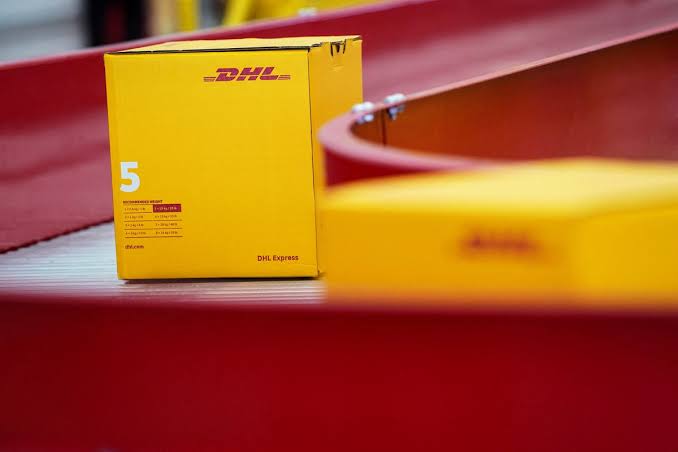
DHL Express operates one of the most recognizable logistics networks in the world, and its UAE division handles a substantial share of international courier traffic moving through Dubai. The company specializes in time-definite shipping, meaning customers pay for a guaranteed delivery window rather than a vague estimate.
DHL has invested heavily in Dubai's logistics infrastructure, including expanded facilities at Dubai South and continued development of its aviation network through the DHL hub at Dubai World Central. The company has also piloted drone deliveries in the region and committed to electric vehicles for last-mile operations, aligning with the UAE's sustainability targets.
For businesses shipping documents, parcels, or freight internationally, DHL offers the tracking transparency and reliability that the market expects. Its global reach means a package dropped at a DHL service point in Dubai can reach virtually any major city within days. That consistency earns DHL the sixth position on our list.
7. Aramex
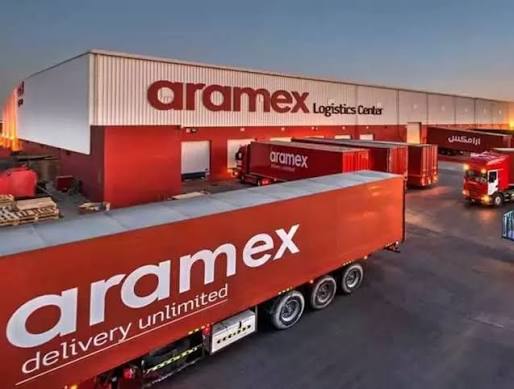
Aramex started in Dubai and grew into one of the most recognized logistics brands in the Middle East. The company offers domestic delivery across the UAE, international shipping to hundreds of destinations, freight forwarding, and e-commerce logistics for online retailers.
What distinguishes Aramex from global competitors like DHL is its regional depth. The company understands the Gulf market's specific requirements, from same-day delivery in Dubai to cross-border e-commerce into Saudi Arabia and other neighboring markets. Its Shop and Ship service gives Middle East consumers a US and UK shipping address for purchases that merchants will not deliver internationally.
Aramex ranks seventh based on its dual strength in local and regional logistics. For Dubai-based businesses shipping to other Gulf markets, Aramex often provides faster and more cost-effective options than international carriers. The company's Dubai roots also mean local decision-making and customer service that understands the market context.
8. Etihad Rail
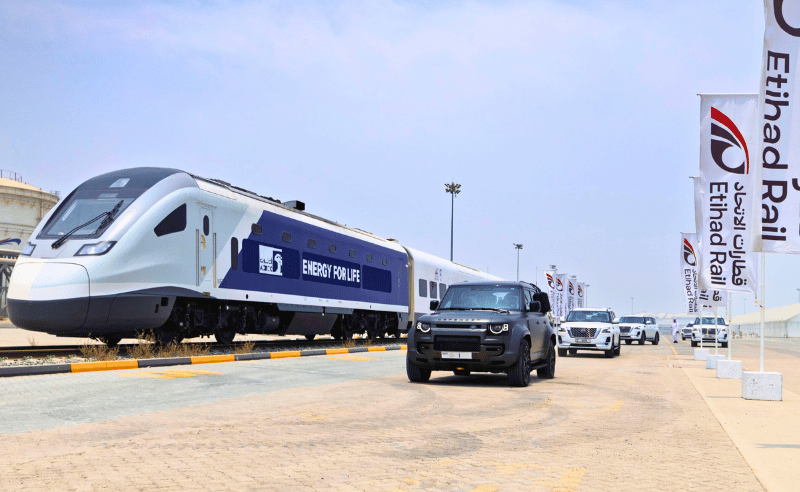
Etihad Rail represents the UAE's entry into national rail transport, and 2026 marks a pivotal year for the network. The first passenger service launched on June 30, 2026, connecting Abu Dhabi and Fujairah in one hour and 45 minutes. An integrated feeder shuttle service connects stations to key commercial destinations, bridging the gap between rail stops and final destinations.
The freight network has operated for years, moving sulfur and other bulk commodities across the emirates. But passenger service transforms what Etihad Rail means for everyday travelers. The route through the Hajar Mountains between Abu Dhabi and Fujairah offers a journey that previously required a multi-hour drive, and the rail option provides a consistent, comfortable alternative.
Etihad Rail ranks eighth because of its future potential rather than its current passenger volume. The network is designed to eventually connect all seven emirates, and as more routes open, it could reshape intercity travel in the UAE. For 2026, the Abu Dhabi to Fujairah line is operational, but the full vision remains in development.
9. AAli Bus Rental and Transport Company
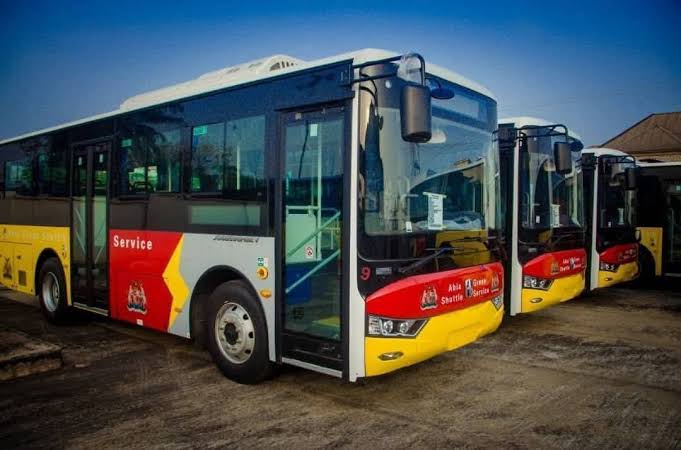
AAli Bus Rental has built a reputation as one of the most reliable group transport providers in Dubai. The company operates a substantial fleet of buses serving corporate events, school transport routes, and tourism groups across the UAE. Its consistent placement at the top of specialized bus rental lists reflects strong customer satisfaction and dependable service.
Group transport in Dubai operates differently from standard public transit. Companies need vehicles for staff accommodation transfers, hotels need shuttles for guests, and event organizers need coordinated movement for large numbers of people. AAli addresses these requirements with a range of vehicle sizes and professional drivers who know Dubai's road network well.
The company's ninth-place ranking reflects its specialization. AAli does not compete with the RTA on public transit scale or with Careem on on-demand flexibility. But for organizations that need dedicated bus capacity with reliable scheduling, it has become a go-to operator in Dubai's transport ecosystem.
10. Al Weam Transport
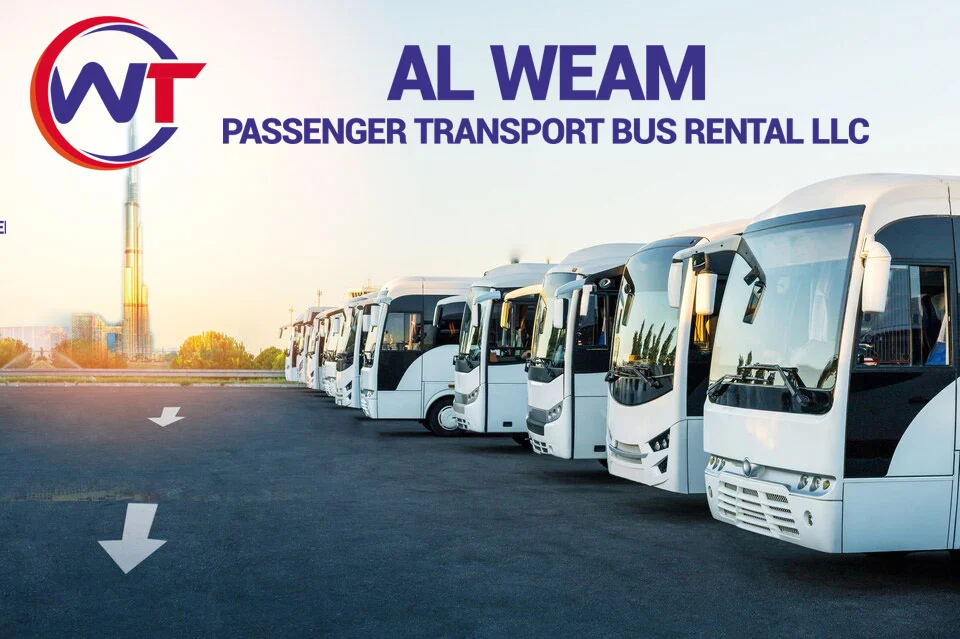
Al Weam Transport rounds out our top ten with a versatile ground transport operation serving events and large-scale gatherings. The company provided transport solutions for major exhibitions including the Arabian Travel Market (ATM) and Arab Health, moving attendees between venues, hotels, and airports.
Al Weam's pricing structure is notably transparent. A half-day rental for a 50-seater bus starts at 700 AED, while a full-day 35-seater runs 950 AED. That clarity helps event planners budget accurately, and the company's fleet spans minibuses to large coaches to match group sizes.
The tenth position reflects Al Weam's role in Dubai's events economy. The city hosts hundreds of conferences and exhibitions annually, each requiring coordinated transport for attendees. Al Weam has established itself as a reliable operator in that specific niche, with pricing and fleet flexibility that suit the demands of large-scale gatherings.
Related Posts




0 Comments
Join the discussion and share your thoughts
No Comments Yet
Be the first to share your thoughts on this article!