Top 10 Best Tech Companies In Dubai 2026


Table of Contents
Dubai's technology sector enters 2026 with more momentum than at any point in its history. The emirate now hosts regional headquarters for global enterprise giants, homegrown unicorns that have reshaped daily life across the Middle East, and a growing cluster of specialized software firms serving regulated industries. Our ranking of the top 10 best tech companies in Dubai draws on company filings, acquisition records, verified review platforms, and employment data to identify the organizations doing the most consequential work in the region.
The list spans ride-hailing super apps, AI infrastructure builders, e-commerce challengers, and IT consultancies. What unites them is scale: combined, these companies employ tens of thousands of people in the UAE and generate billions in regional economic activity.
How We Ranked These
We weighed four factors: market valuation or global revenue, regional footprint and headcount, verified client or user satisfaction data, and strategic importance to Dubai's digital economy. Companies with confirmed acquisition values or public financials carried more weight than those with self-reported figures. For service firms, we factored Clutch ratings and certification standards. Government backing and international partnerships also influenced placement, since they signal long-term stability in a market where regulatory relationships matter. No company paid for inclusion.
These Are The Top 10 Best Tech Companies In Dubai 2026:
1. Careem

Careem remains the single most important technology company to emerge from Dubai. Founded in 2012 as a car-booking app, it became the Middle East's first unicorn and now operates in more than 100 cities across 15 countries. Uber's $3.1 billion acquisition in 2020 stands as the region's largest tech exit.
The company has since transformed into a full super app. Ride-hailing is still the core, but Careem now runs food delivery, digital payments through Careem Pay, and a growing suite of everyday services. Its Dubai headquarters employs thousands, and senior engineering roles reportedly command salaries above $90,000 USD, putting compensation in line with global tech hubs.
What makes Careem's position durable is its localization. The company built payment rails and driver networks that Western competitors struggled to replicate, and it did so before the region's venture funding matured. That head start compounds every year.
2. Talabat
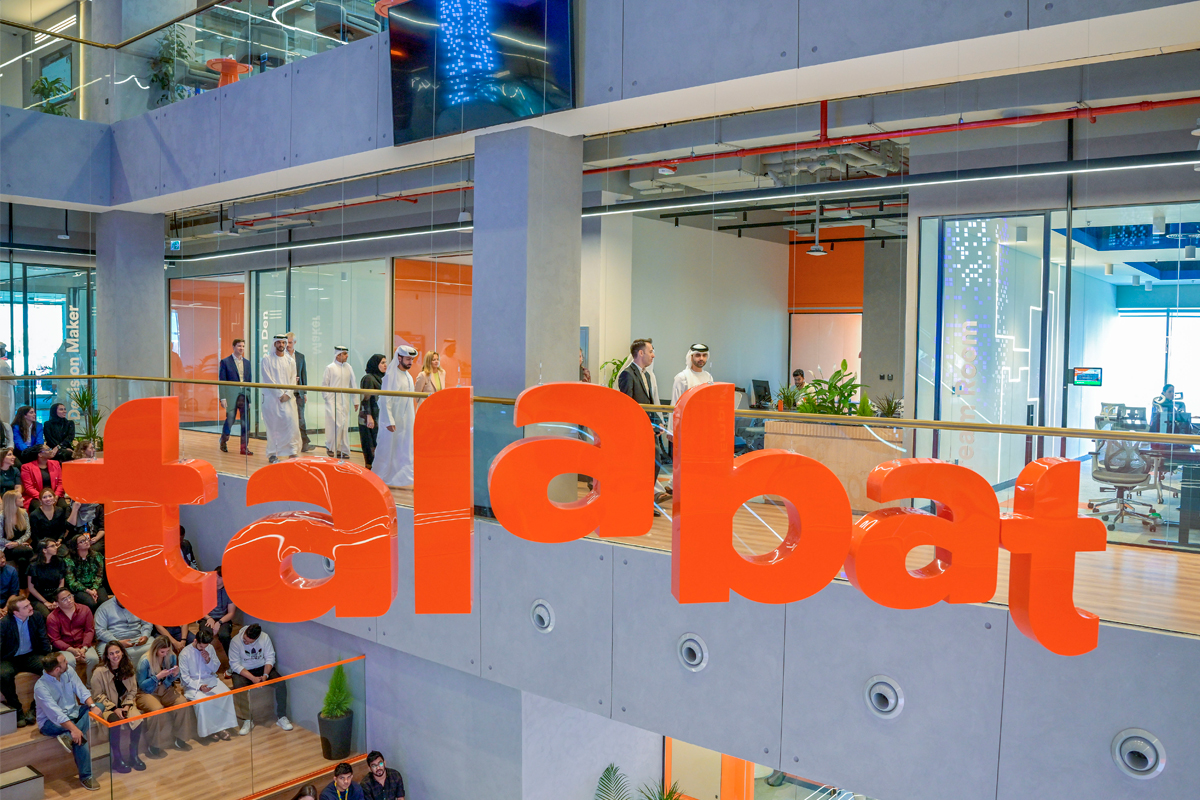
Food and grocery delivery has become one of Dubai's most competitive technology battlegrounds, and Talabat sits at the top. The platform processes over 1 million orders daily across eight MENA countries, according to company figures. German delivery giant Delivery Hero, which carries a market capitalization of roughly €39 billion, acquired the business in 2020.
Talabat's Dubai operations serve as its regional headquarters and one of the largest tech employment centers in the emirate. Engineering, product, and data roles there offer packages comparable to global tech firms, which has helped the company pull talent from across the region.
The grocery expansion deserves attention. Talabat Mart and related quick-commerce services have moved the company beyond restaurant delivery into direct competition with traditional retail, a shift that broadens both revenue and risk.
3. G42
No company better represents the UAE's strategic bet on artificial intelligence than G42. Valued at over $10 billion and backed by Mubadala Investment Company, the group builds AI platforms, sovereign cloud infrastructure, and healthcare technology from its base in Abu Dhabi with major operations in Dubai.
G42's partnership with Microsoft gave it access to compute and enterprise distribution that few regional firms can match. Its cloud division provides sovereign hosting for government entities and regulated industries, a segment where data residency requirements create natural protection from foreign competitors.
The company's healthcare work, including genomics and AI-assisted diagnostics, positions it at the intersection of two national priorities. Government backing gives G42 both capital and a pipeline of public-sector contracts that startups cannot easily challenge.
4. Noon
Mohamed Alabbar, the Emaar founder behind the Burj Khalifa, launched Noon in 2017 with backing from Saudi Arabia's Public Investment Fund. The e-commerce platform now operates across the UAE, Saudi Arabia, and Egypt, and has pushed into grocery delivery, food delivery, and digital payments.
Noon's $1 billion-plus valuation makes it one of the region's most valuable private tech companies. Its core business competes directly with Amazon.ae, a contest that has forced both sides to invest heavily in logistics and last-mile delivery infrastructure.
The Dubai headquarters functions as Noon's technology and innovation hub, where the company develops the marketplace systems and payment tools that support its broader ecosystem. Competing with Amazon is expensive, and Noon's ability to sustain that fight depends on continued sovereign backing.
5. IBM Middle East
IBM's regional presence predates the UAE's tech boom by decades. The company has maintained operations in Dubai since the 1960s, when its mainframes powered government and enterprise systems across the Gulf. Today the Dubai office serves as a regional hub for cloud, AI, and blockchain services.
The numbers behind IBM remain enormous: $62.7 billion in global revenue and 270,300 employees worldwide as of its most recent reporting. The company's Watson platform anchors its enterprise AI offerings, and its consulting arm works with governments across the Middle East on large-scale digital programs.
IBM's advantage in Dubai is institutional trust. Government entities and banks that have run IBM systems for decades tend to stay with IBM, which gives the company a stable revenue base even as newer competitors chase the same accounts.
6. HCL Technologies
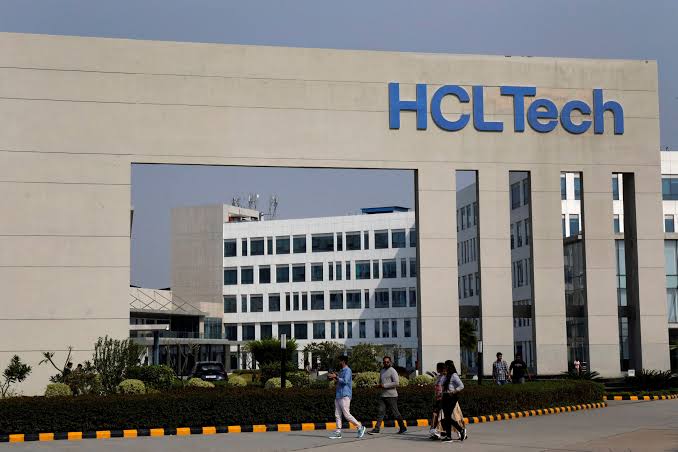
India's HCL Technologies operates one of the larger IT services footprints in Dubai, serving clients in aerospace, finance, mining, and life sciences. The company employs more than 22,000 people across 51 countries and generates over $12 billion in annual revenue.
HCL's Dubai office focuses on cloud migration, AI implementation, engineering services, and digital transformation for Fortune 500 clients with regional operations. The work is unglamorous compared to consumer apps, but it represents a substantial share of enterprise technology spending in the Gulf.
What sets HCL apart from smaller consultancies is delivery capacity. The company can staff large multi-year programs with a global network behind it, a requirement for major government and banking contracts in the UAE.
7. Oracle Middle East
Oracle's Dubai office anchors its cloud and enterprise software operations across the Middle East. The company reported $57.4 billion in global revenue with 162,000 employees worldwide, and its regional business has grown alongside demand for sovereign cloud infrastructure.
Oracle Cloud Infrastructure has become a significant player in the UAE's public-sector cloud market. Government agencies and regulated industries that need data to remain within national borders have turned to Oracle's regional data centers, a trend that accelerated as the UAE tightened data protection rules.
The database business remains the foundation. Oracle's installed base across Gulf banks, telecoms, and government ministries gives it a captive audience for cloud migrations, and the company has converted much of that base to subscription cloud contracts over the past several years.
8. Accenture Middle East
Accenture's Dubai practice is the largest technology consulting operation in the emirate. The firm employs 774,000 people globally and generated $64.9 billion in revenue, with its Middle East business supporting digital transformation, cloud migration, and AI programs for governments and enterprises across the GCC.
The consulting model gives Accenture visibility into projects before they become public tenders, which translates into implementation work downstream. Its regional growth tracks directly with the UAE's digital economy expansion, including smart city initiatives and federal AI programs.
For technology professionals, Accenture offers something rare in Dubai: exposure to large-scale enterprise programs across multiple industries without leaving the region. That breadth explains why the firm remains a training ground for the local tech workforce.
9. Fingent

Founded in 2003, Fingent is among the longest-serving technology companies in the Dubai market. Its office in Dubai Silicon Oasis handles custom software development, enterprise digital transformation, and IT consulting, with a client roster that includes Sony, Johnson & Johnson, PwC, and Mastercard.
Verified reviews on Clutch give Fingent a 4.8 out of 5 rating across 65 reviews, with hourly rates between $80 and $140. Those rates sit at the premium end of the regional market, consistent with the company's enterprise positioning.
Certifications matter in regulated sectors, and Fingent holds ISO 27001 along with SAP Silver Partner status. For banks, healthcare providers, and government contractors that require documented security controls, those credentials often determine which vendors can bid at all. The combination of longevity, premium clients, and verified ratings makes Fingent a reliable choice for compliance-heavy projects.
10. Apptunix
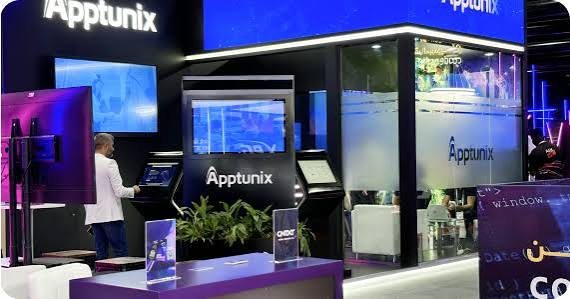
Apptunix operates from One Central at Dubai World Trade Centre, delivering mobile app development, marketplace platforms, AI and machine learning integration, blockchain, and IoT solutions. The company was founded in 2013 and has built a reputation for consumer-facing products with complex backend requirements.
Its flagship regional project, the "Expo City Eats" food delivery ecosystem for Expo City Dubai, included Apple Pay and Google Pay integration along with drone delivery extensions. Work for Namshi, the Middle East fashion retailer, rounds out a portfolio weighted toward high-profile UAE brands.
Clutch reviewers rate Apptunix 4.9 out of 5 across 89 reviews, one of the highest verified scores among Dubai-based development firms. Hourly rates of $30 to $50 make the company more accessible than enterprise consultancies while its ISO 27001, ISO 9001, and CMMI Level 3 certifications satisfy procurement requirements that trip up smaller shops.
The top 10 best tech companies in Dubai 2026 reflect a market with two distinct tiers. Consumer platforms like Careem, Talabat, and Noon built regional audiences and now compete on payments and logistics. Enterprise players like IBM, Oracle, Accenture, and HCL bring global scale to government and corporate contracts.
Related Posts




2 Comments
Join the discussion and share your thoughts