Top 10 Best Music Schools in the World 2026: Unlock Your Musical Future Today

Table of Contents
Choosing the right music school is a foundational decision for any aspiring musician, composer, or industry professional. The world's best music schools in 2026 offer more than just instruction; they provide access to legendary faculty, unparalleled performance opportunities, and networks that launch global careers. Our analysis for this year identifies institutions that combine historic prestige with forward-thinking curricula, preparing students not only to master their craft but to shape the future of music itself. While definitive global rankings for 2026 are still being finalized by major bodies like QS and Times Higher Education, certain institutions consistently dominate conversations about excellence based on their selectivity, alumni success, and resources. This list highlights those standout schools that represent the pinnacle of music education as we move through the mid-2020s.
How We Identify Excellence
Compiling a list of the top music schools requires a multi-faceted approach, as there is no single, universally accepted ranking. Our editorial team does not simply republish existing lists. Instead, we conduct a comparative analysis based on several key metrics that signal institutional quality and student outcomes. For this 2026 outlook, we examined data points including historic and recent placement in subject-specific rankings from QS World University Rankings (Performing Arts) and similar bodies. We placed significant weight on selectivity and admissions statistics, as these reflect the competitive caliber of the student body. The professional achievements of alumni - measured through major awards, orchestral placements, and commercial success - served as a critical indicator of a school's ability to launch careers.
We also evaluated faculty credentials, looking for a mix of resident master teachers and active professional performers and composers. The availability of significant financial aid, including full-tuition scholarships, was a major factor, as it impacts access and diversity. Finally, we considered the breadth and innovation of program offerings, from classical conservatory training to cutting-edge programs in music technology, business, and film scoring. The schools featured here excel across these categories, maintaining their status through consistent results rather than fleeting trends.
The Evolving Landscape of Music Education in 2026
The field of higher music education continues to adapt rapidly. A defining trend as of 2026 is the increasing integration of technology and entrepreneurship into traditional curricula. Schools are no longer siloed; a top-tier classical conservatory now likely offers robust courses in audio engineering, digital marketing for musicians, and music licensing. Furthermore, the post-pandemic normalization of hybrid learning has expanded access to masterclasses and collaborations across continents, making the student experience more global even at geographically focused institutions. Another shift is the growing emphasis on mental and physical wellness for performers, with more schools incorporating Alexander Technique, performance psychology, and injury prevention into required coursework. These developments mean that the best schools are those that honor deep tradition while aggressively preparing students for the realities of a 21st-century music career.
The List Of The Top 10 Best Music Schools In The World 2026:
1. Curtis Institute of Music
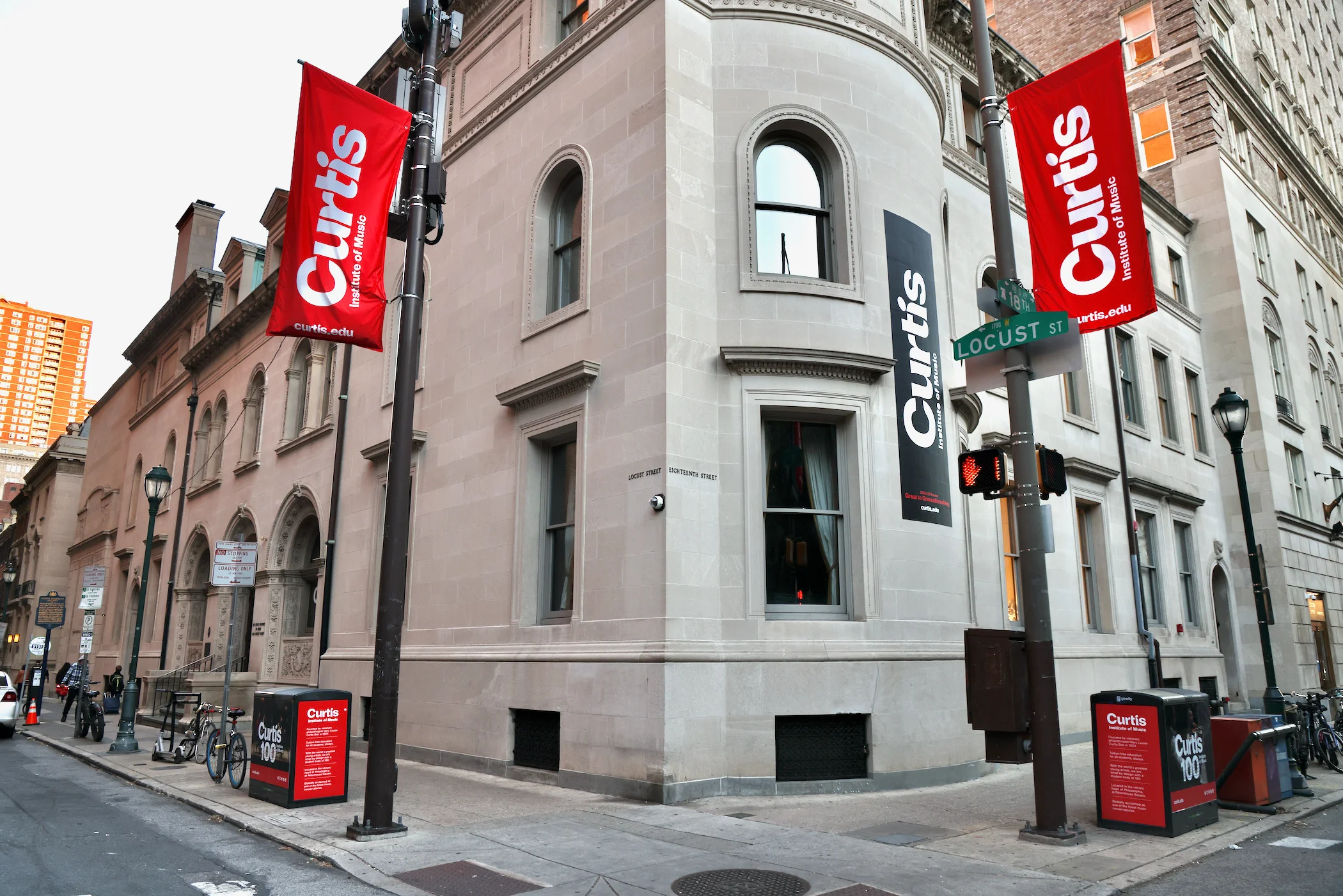
Located in Philadelphia, the Curtis Institute of Music maintains its legendary status as perhaps the most exclusive conservatory on the planet. Its defining characteristic is a full-tuition scholarship awarded to every enrolled student, a policy that removes financial barriers and attracts the most gifted young musicians from around the world. With a student body intentionally kept near 160, Curtis offers an intensely personalized education with a student-to-faculty ratio that approaches one-to-one. Admission is famously competitive, with an acceptance rate typically hovering around 4%, lower than that of Ivy League universities. The school's "learn by doing" philosophy means students perform in over 200 concerts each year, both on campus and in the professional venues of Philadelphia.
The list of Curtis alumni reads like a who's who of 20th and 21st-century classical music, including luminaries like Leonard Bernstein, Samuel Barber, Jennifer Higdon, and the contemporary violin virtuoso Hilary Hahn. Its faculty consists almost entirely of principal players from The Philadelphia Orchestra, ensuring that instruction is grounded in the highest standards of professional orchestral performance. In 2026, Curtis continues to focus exclusively on classical performance, composition, conducting, and opera, offering a pure, immersive conservatory experience unmatched in its depth and intensity. For the prodigiously talented student seeking a direct path to a major orchestral or solo career, Curtis remains the ultimate aspiration.
2. The Juilliard School
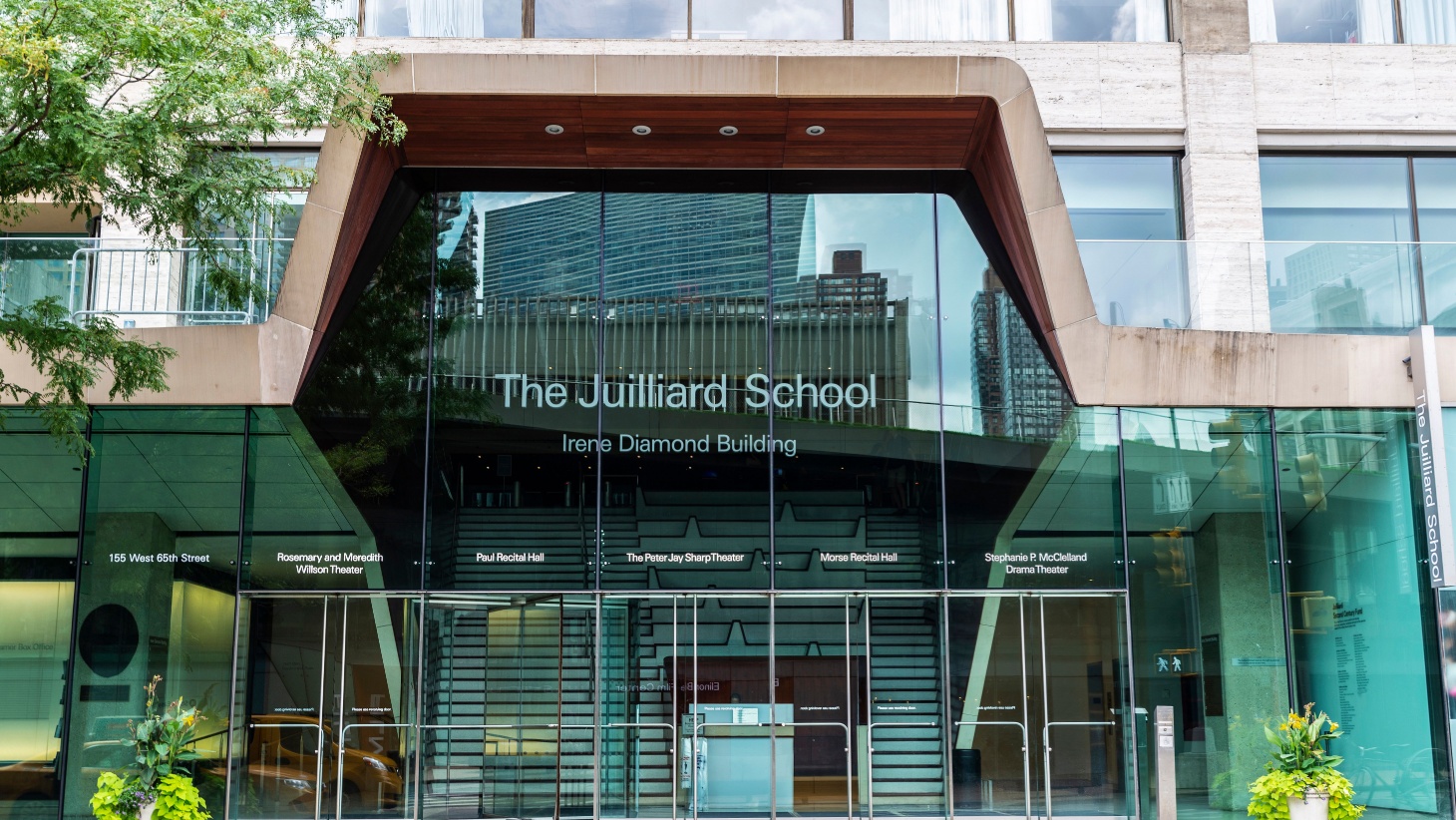
Synonymous with performing arts excellence, The Juilliard School in New York City exerts a gravitational pull on aspiring artists globally. While it houses renowned divisions for dance and drama, its music department is a cornerstone of its reputation. Juilliard's strength lies in its location at the heart of the world's cultural capital, providing students with immediate access to the stages of Carnegie Hall, Lincoln Center, and the Metropolitan Opera, as well as a faculty populated by New York Philharmonic musicians and celebrated soloists. The school's focus is on cultivating individual artistic voice alongside technical mastery, preparing students for leadership roles on the world's stages.
Juilliard's alumni network is arguably the most powerful in the arts, spanning generations and genres within the classical world and beyond. Its orchestral training is particularly noted, with the Juilliard Orchestra regularly performing under top international conductors. The school has also expanded its scope in recent years, incorporating more contemporary music, jazz studies, and historical performance into its core offerings. With immense resources, including one of the world's finest music libraries and state-of-the-art practice and performance facilities, Juilliard provides an environment where exceptional talent is expected to flourish. Its admissions process is famously rigorous, seeking not just technical proficiency but also clear artistic potential and intellectual curiosity.
3. Berklee College of Music
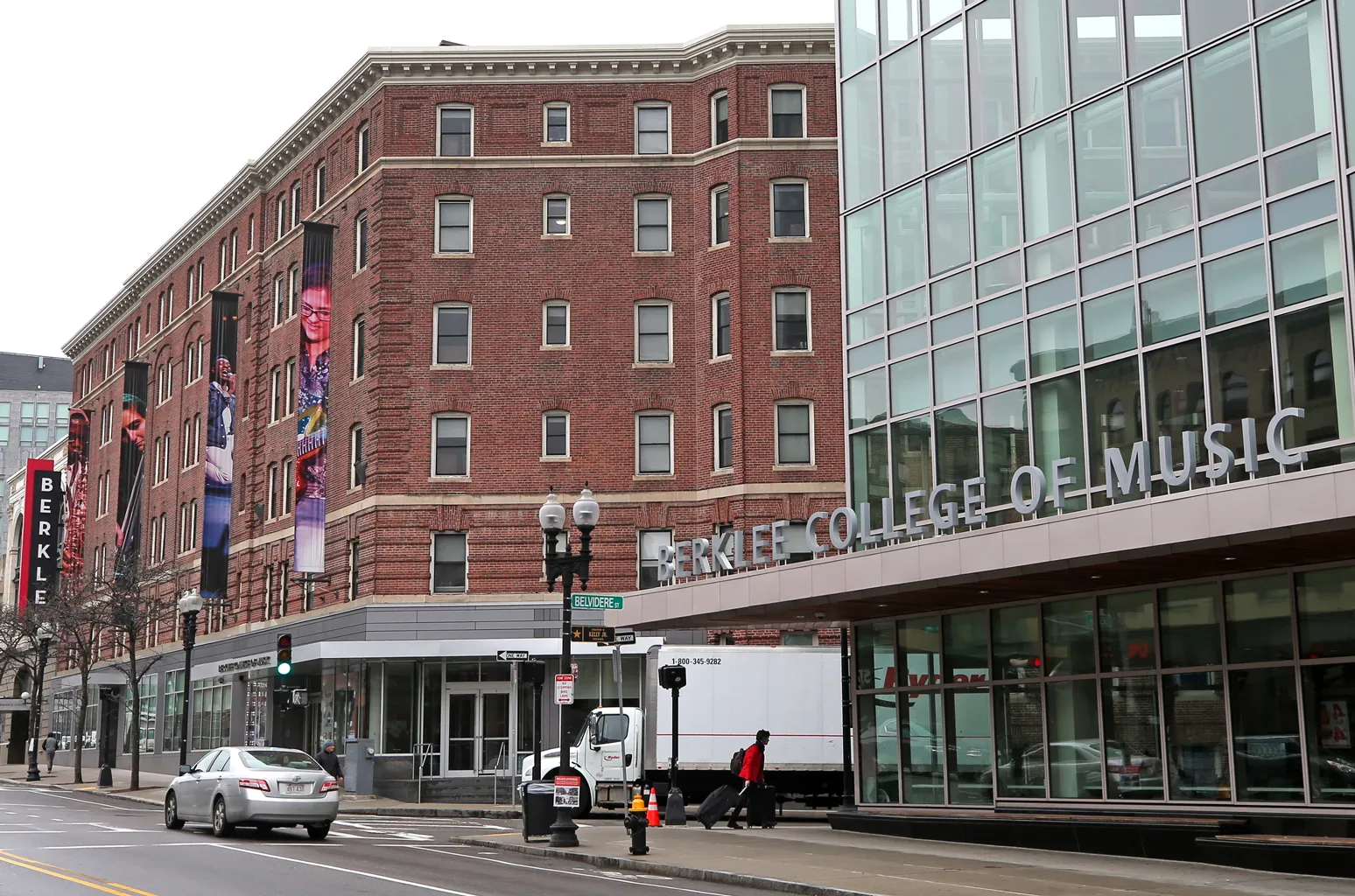
Berklee College of Music in Boston represents the epicenter of contemporary music education. Unlike the classical focus of many conservatories, Berklee built its reputation on jazz, rock, pop, film scoring, and music production. It is a magnet for students aiming for careers as performers, songwriters, producers, and entrepreneurs in the commercial music industry. Berklee's curriculum is relentlessly practical, emphasizing improvisation, composition, and collaboration in real-world scenarios. The school's connection to the industry is direct and profound; its campus regularly hosts visits from major label executives, Grammy-winning artists, and top producers.
Berklee's alumni have collectively won hundreds of Grammy Awards, and its graduates permeate every level of the music business. The school's strengths in music technology and business are particularly relevant in 2026, with comprehensive programs in music marketing, licensing, and audio design. Berklee's global footprint has also expanded with the opening of Berklee Valencia in Spain and numerous international exchange programs. The student body is large and diverse, creating a dynamic, cross-pollinating environment where a film scoring major might collaborate with an electronic producer and a vocalist. For musicians whose compass points toward Billboard charts, film credits, or studio consoles rather than concert halls, Berklee offers an unmatched launchpad.
4. Royal Academy of Music (RAM), London
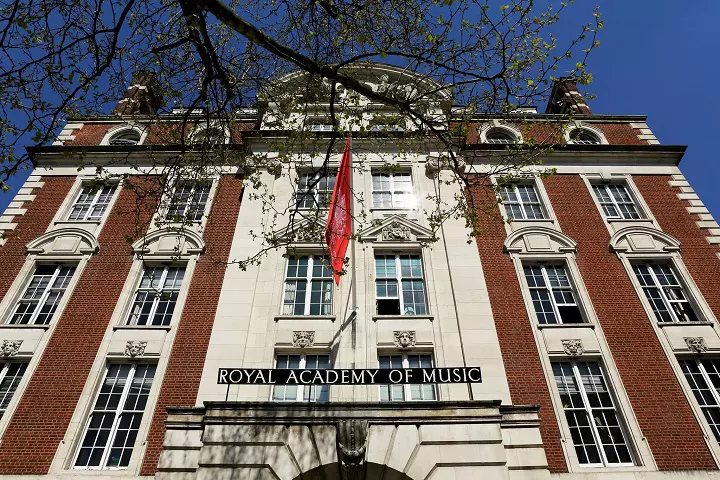
As part of the University of London and a member of the UK's conservatoire group, the Royal Academy of Music holds a unique position as one of the oldest and most prestigious music schools in the world. Founded in 1822, it blends centuries of tradition with a strikingly modern outlook. RAM's location in Marylebone, central London, places students within a short walk of the BBC, major concert halls, and West End theaters, facilitating a steady stream of professional opportunities from the outset. The Academy trains musicians across classical performance, jazz, musical theatre, and opera, with a strong emphasis on developing creative, thinking artists.
RAM's museum houses a priceless collection of instruments and manuscripts, providing students with a direct link to music history. Its performance schedule is relentless, with over 500 events each year ranging from solo recitals to fully staged operas. The school has particularly strong relationships with the London symphony orchestras, and its collaborative projects with other arts institutions are a hallmark of its approach. In 2026, RAM continues to be a leader in music research and innovation, hosting centers for the science and psychology of music alongside its performance training. The international student body contributes to a vibrant, cosmopolitan atmosphere, preparing graduates for careers that are global in scope.
5. New England Conservatory (NEC)
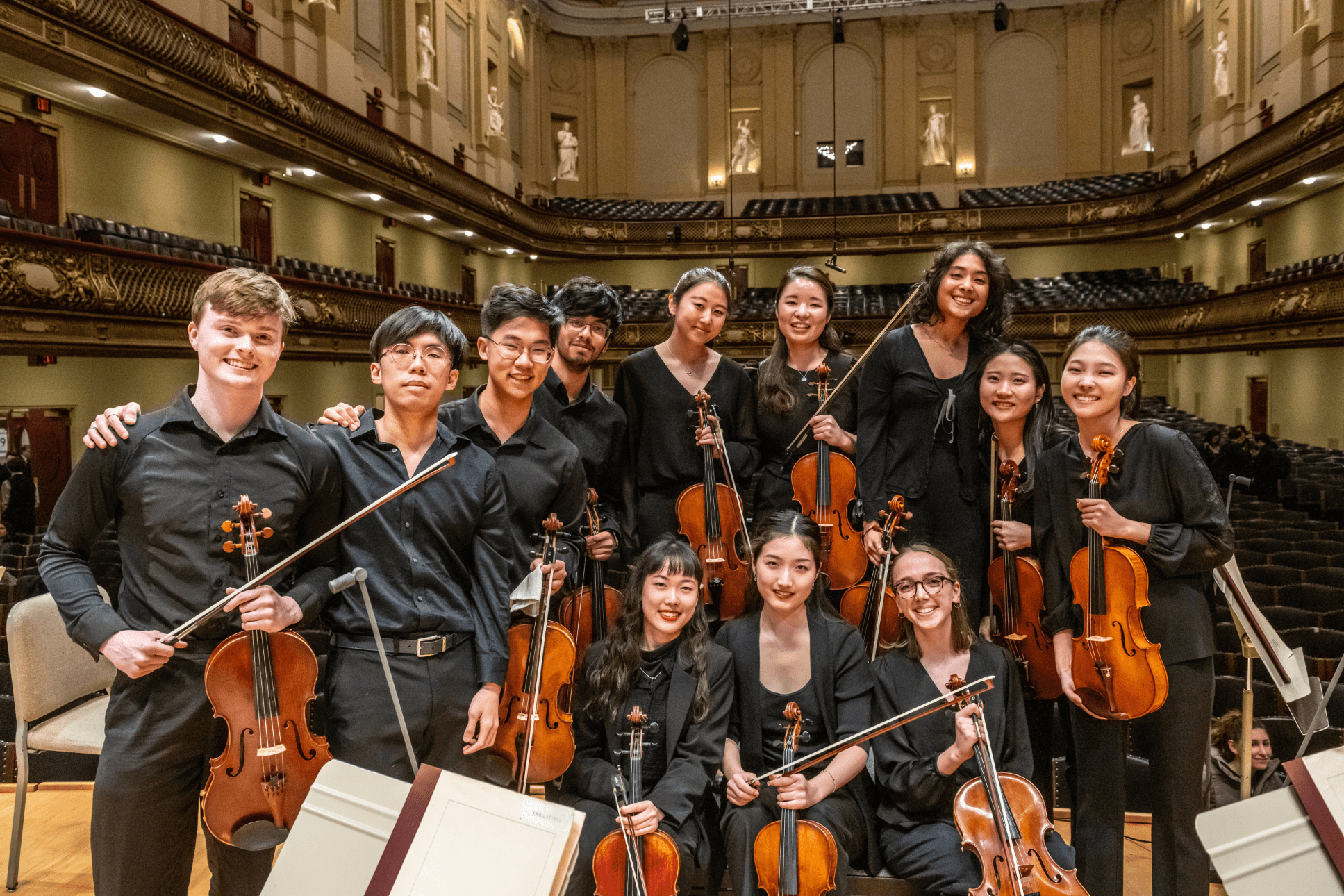
The New England Conservatory, situated in Boston's Fenway Cultural District, is the oldest independent conservatory in the United States. NEC is distinguished by its deep connection to the Boston Symphony Orchestra (BSO); many faculty are BSO members, and the school's relationship with the orchestra is integral to its identity. This provides students with a pipeline to one of the world's great ensembles. NEC balances a rigorous classical curriculum with a celebrated jazz studies program and a commitment to new music, housing the renowned Fromm Foundation and regularly commissioning new works.
A key feature of NEC's philosophy is its "entrepreneurial musician" initiative, which encourages students to create their own career paths through community engagement, interdisciplinary projects, and business skills training. The conservatory's Jordan Hall is an acoustically pristine, historic venue that serves as the primary performance laboratory for students. NEC also places a strong emphasis on chamber music, considering it essential training for musical communication and collaboration. With a mid-sized student body, it fosters a close-knit community while leveraging the cultural resources of Boston. Its alumni include pioneering figures across genres, from classical conductor Michael Tilson Thomas to jazz innovator Cecil Taylor, reflecting its broad artistic embrace.
6. Indiana University Jacobs School of Music
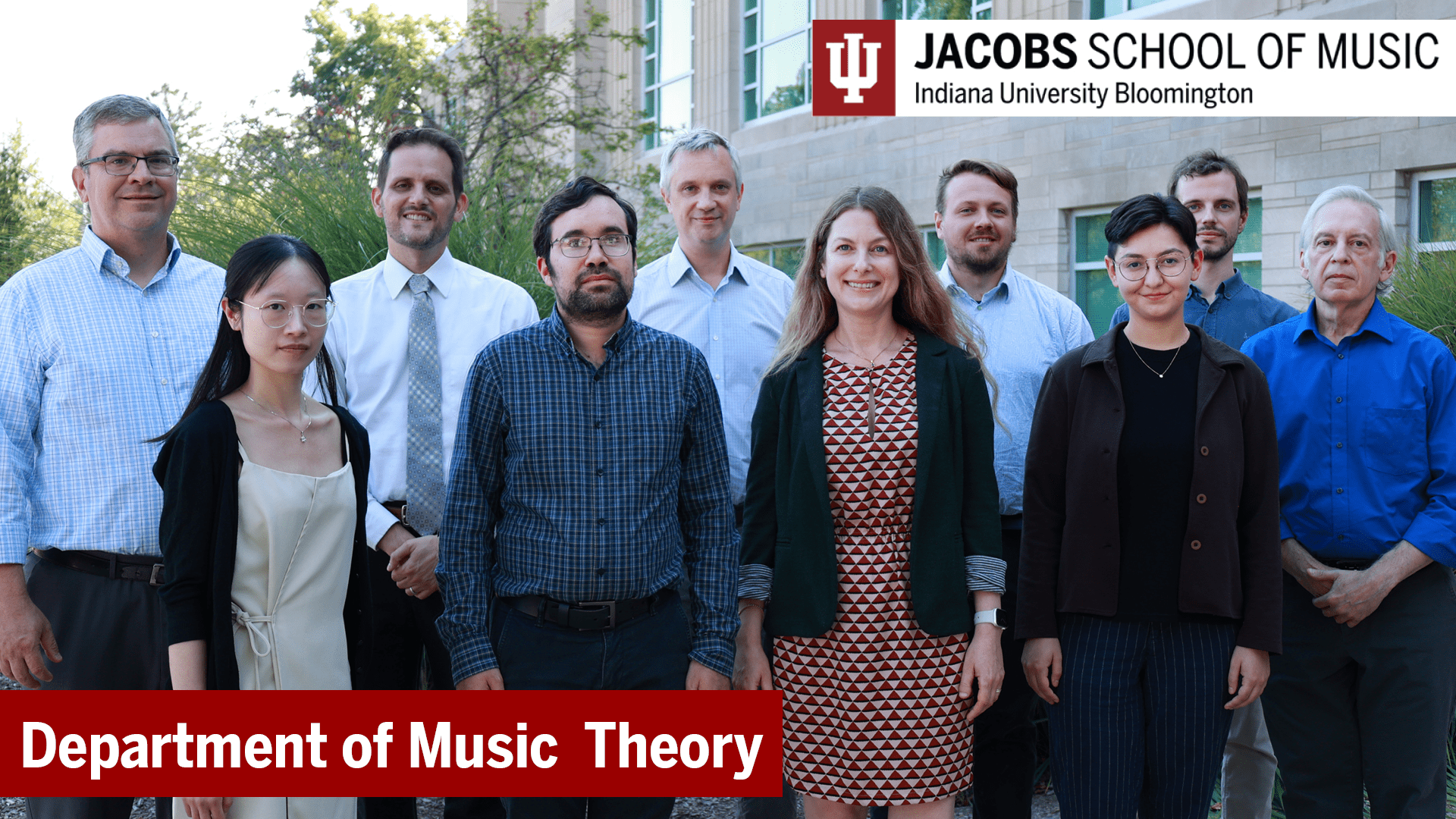
The Jacobs School of Music at Indiana University Bloomington stands as one of the most comprehensive and largest music schools in the world. Its scale is its superpower: it offers over 1,600 performances annually, more than many professional presenting organizations. This immense volume ensures that students gain extensive stage experience in opera, orchestral, chamber, and solo settings. Jacobs boasts world-class facilities, including three opera theaters and a world-renowned music library. Its faculty includes internationally recognized performers, scholars, and composers, providing a depth of expertise across all specializations.
Jacobs is particularly noted for its string and vocal programs, which regularly place graduates in top orchestras and opera houses. The school's affordability as part of a major public university makes this high-level training accessible to a wide range of students, a significant factor in 2026's economic landscape. Beyond performance, Jacobs has strong academic programs in musicology, theory, and education, fostering a well-rounded intellectual environment. The annual "Jacobs Live" streaming initiative broadcasts student performances globally, offering early career exposure. For students seeking a conservatory-level education within a vibrant Big Ten university setting, with vast resources and performance opportunities, Jacobs is a premier destination.
7. University of Southern California Thornton School of Music
The USC Thornton School of Music leverages its prime location in Los Angeles to create a unique hybrid of classical conservatory training and music industry immersion. Situated at the crossroads of the global entertainment industry, Thornton offers students unparalleled access to studios, recording sessions, and networking opportunities in film, television, and popular music. Its programs are deliberately designed to bridge artistic disciplines, with initiatives that connect composers with filmmakers, performers with game audio designers, and scholars with music startups.
Thornton's strengths are multifaceted. Its classical performance departments are top-tier, with the USC Thornton Symphony regularly performing at prestigious venues. Simultaneously, its Popular Music program, Songwriting program, and Music Technology program are leaders in their fields, taught by active industry professionals. The school's Arts Leadership program equips students with entrepreneurial skills to navigate the changing cultural economy. This dual identity - honoring tradition while engaging directly with the commercial and technological forefront of music - defines the Thornton experience in 2026. Alumni success spans from Pulitzer Prize-winning composers to chart-topping producers and artists, demonstrating the school's effective career preparation across the musical spectrum.
8. Yale School of Music
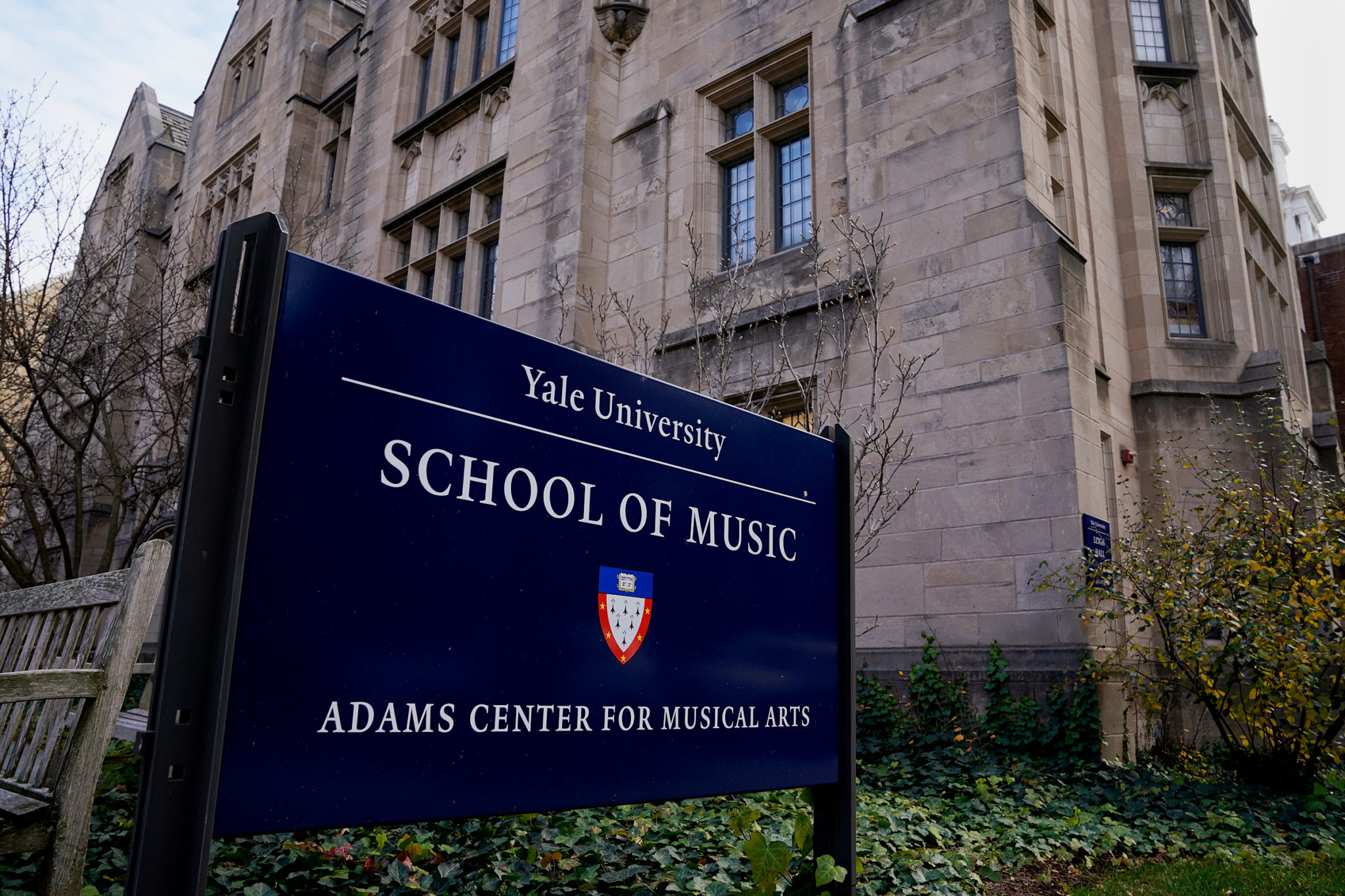
Yale School of Music operates with a distinct model among top-tier institutions: it is a graduate-level professional school exclusively, offering the Master of Music, Artist Diploma, and Doctor of Musical Arts degrees. This creates an intensely focused environment of advanced study for musicians who have already demonstrated exceptional ability at the undergraduate level. A cornerstone of the Yale experience is its full-tuition scholarship for all degree candidates, similar to Curtis, which allows students to pursue their artistry without the burden of debt.
Integration with Yale University is a key benefit, granting students access to the vast intellectual resources of an Ivy League institution. The school's renowned faculty includes members of the Yale faculty and principal players from major East Coast orchestras. Yale is particularly strong in composition, music theory, and conducting, with a legacy that includes Charles Ives as an alumnus. The Yale Philharmonia is the school's flagship orchestra, known for its ambitious programming and high performance level. The school also houses the Yale Collection of Musical Instruments, an extraordinary resource for historical performance practice. For the advanced student seeking a scholarly yet deeply practical environment within a great university, Yale provides a unique and powerful platform.
9. Royal College of Music (RCM), London
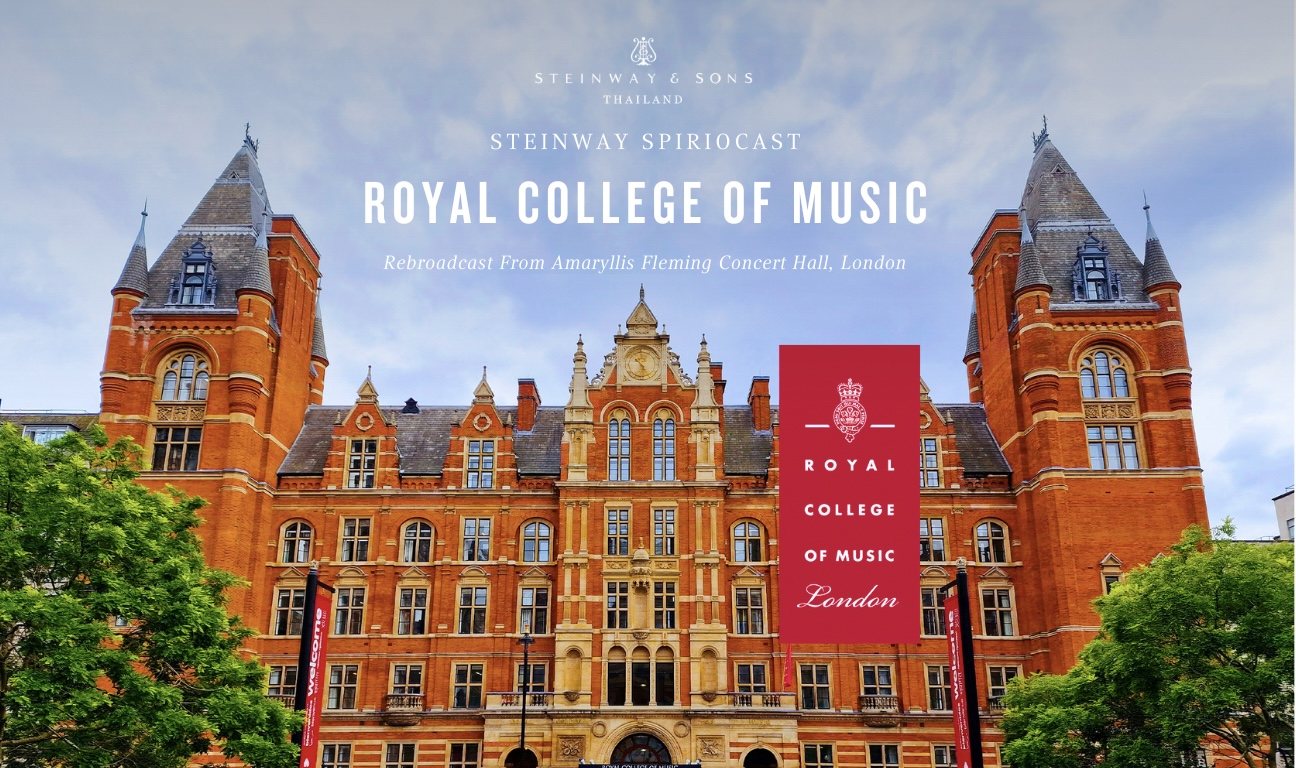
The Royal College of Music in London, a neighbor and friendly rival to the Royal Academy, is another of the world's great conservatoires. Founded in 1882, its alumni list is a roll call of British musical greatness, from Gustav Holst and Benjamin Britten to more recent stars like composer Thomas Adès and tenor Ian Bostridge. The RCM's focus is intensely performative, with a belief that public performance is the core of a musician's development. Its concert calendar is packed, and students regularly perform in the College's own Britten Theatre and the adjacent Royal Albert Hall.
The RCM's museum holds an internationally significant collection, including instruments owned by Handel and Haydn. The college has made significant investments in technology, with state-of-the-art recording studios and practice facilities. Its Global Conservatoire initiative partners with leading schools worldwide to deliver joint masterclasses and projects via digital platforms, expanding its reach. The RCM's training is comprehensive, with particularly renowned programs in historical performance, brass, and woodwinds. Its location in South Kensington, amidst London's museum district, fosters a rich cultural life. The college's emphasis on cultivating not just technicians, but communicative and expressive artists, keeps it at the forefront of music education.
10. Conservatoire de Paris (CNSMDP)
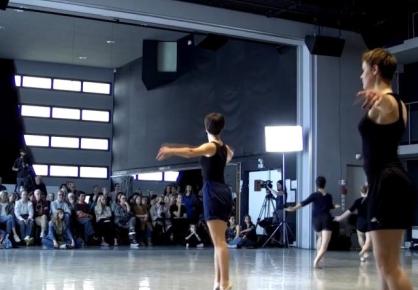
No global list of elite music schools is complete without the Conservatoire de Paris, formally known as the Conservatoire National Supérieur de Musique et de Danse de Paris. Steeped in history, having trained composers from Berlioz to Messiaen and Boulez, it remains a powerhouse of European musical training. The conservatoire's pedagogy is deeply rooted in the French tradition, known for its technical rigor, clarity of sound, and intellectual approach to music. Admission is highly competitive for international students, with a strong preference for those who have come through the French regional conservatoire system.
The school's strengths are across the board but it is especially famed for its training of wind and string players, who populate the ranks of Europe's finest orchestras. Its analysis and musicology departments are profoundly influential. The conservatoire's modern campus at La Villette provides spectacular facilities, including multiple concert halls and studios. As a public institution, tuition is minimal, even for international students, making it an attractive destination. In 2026, the Conservatoire de Paris continues to represent the gold standard of a certain philosophical approach to music-making: one that values precision, tradition, and deep structural understanding, producing musicians of formidable skill and authoritative musical presence.
The top music schools in the world for 2026 offer a spectrum of philosophies, from the intimate, tuition-free focus of Curtis to the vast, industry-integrated ecosystem of USC Thornton. The choice for a prospective student is not simply about ranking, but about fit: identifying the environment that will best nurture their specific voice and career aspirations. The trends are clear - successful schools are those that provide not just exceptional training in a specialty, but also the tools for entrepreneurship, technological fluency, and holistic wellness. As the musical landscape continues to evolve at a rapid pace, these institutions are tasked with preserving centuries of tradition while fearlessly innovating. The best advice for any applicant is to look beyond prestige and closely examine the culture, resources, and outcomes of each school, ensuring it aligns with their personal vision for a life in music.
Related Posts

Top 10 Richest Chefs in USA 2026: How They Built Culinary Empires
In recent years, the world of celebrity chefs has developed into a multi-billion dollar industry that combines culinary expertise with media savvy, entrepreneurialism, and the development of distinctive brands. In the year 2026, a number of the wealthiest chefs in the United States have not only established themselves as influential figures in the kitchen, but […] More
Top 10 Best Skaters in the World 2026: The Ultimate Showdown Awaits
As we move through 2026, a few skaters stand out for their extraordinary skills, creativity, and contributions to the sport. Here’s a look at the top 10 skaters in the world right now, each pushing the boundaries of skateboarding in their own unique way. Skateboarding has evolved into a highly dynamic sport, showcasing remarkable talent […] More

Top 10 Highest Paid Female Footballers In The World 2026: Salaries That Shocked the Industry
Top 10 Highest Paid Female Footballers In The World 2026 1. Sam Kerr One of the most notable players in women’s football is Sam Kerr, who hails from Australia and operates as a striker. Kerr has emerged as a significant personality in the sport as a result of her remarkable speed, her extraordinary ability to […] More

The Largest Oil Refineries In The World 2026: Essential Insights for Energy Stakeholders
As of the year 2026, the following is a list of the top ten largest refineries in the world, which are known for their enormous processing capacities and strategic significance. Refineries play an important part in the global energy sector because they convert crude oil into valuable products such as gasoline, diesel, and other petrochemicals. […] More
1 Comment
Join the discussion and share your thoughts