Top 10 Best Metaverse Platforms In The World 2026

Table of Contents
Let's be real, the idea of a "metaverse" used to sound like something straight out of a cheesy sci-fi movie. Remember those early 2000s attempts at virtual worlds? Clunky avatars, empty rooms, all promise and no delivery. But here we are, staring down 2026, and things have changed. A lot. What was once a fringe concept is now a genuine, digital frontier where people are connecting, earning, and creating in ways that would've made your head spin just a few years ago.
We've been watching this space evolve for a while now, and what we're seeing isn't just a bunch of fancy tech. It's a shift in how we think about digital identity, ownership, and even community. These platforms are more than games; they're bustling digital cities, bustling art galleries, and sometimes, surprisingly, actual workplaces. Here at Nubia Magazine, we've dug deep into the data, separated the hype from the real players, and put together a list of the top metaverse platforms that are actually making waves as we head into 2026. Trust me, it wasn't easy. The landscape changes faster than a toddler's mood.
How We Picked the Best: Our Methodology
Alright, so how do you even begin to rank something as squishy and evolving as the metaverse? Good question. Our team didn't just throw darts at a board. We built a pretty robust scoring system, because if there's one thing I've learned in 15 years of writing, it's that good reporting needs solid ground.
We started by looking at over 100 different projects-everything from tiny blockchain games to massive virtual worlds. Then we filtered them based on a few key criteria, weighted to give us the clearest picture of actual impact and future potential. Here's how we broke it down:
- Daily Active Users (DAU) and Monthly Engagement (40%):This is the big one. Hype is cheap, but consistent user activity isn't. We pulled data from on-chain analytics services like DappRadar and Dune Analytics to see who was actually showing up and sticking around. If nobody's there, is it really a "world"?
- Creator Economy and NFT Marketplace Volume (25%):Can people actually make a living or create cool stuff here? We tracked transaction data from places like OpenSea and individual platform ledgers. A healthy economy means real value.
- Token Utility and Market Cap (20%):For the blockchain-based platforms, we dug into CoinMarketCap and CoinGecko for February 2026 figures. Is the token just speculative, or does it actually do something important within the ecosystem?
- Brand Partnerships and Interoperability (10%):Who's playing with the big kids? We looked for verified collaborations with major companies. Also, can your digital stuff move between different platforms? That's a huge deal for the future.
- Technological Innovation (5%):This covers things like Layer-2 scaling solutions (to keep fees down), VR compatibility, and how well they're integrating AI. Is the tech actually pushing boundaries, or just repackaging old ideas?
We cross-referenced everything from more than 50 sources, making sure we weren't just listening to the loudest voices. We focused on platforms users can actually access, not just theoretical development firms or stock picks. Each platform got a composite score out of 100, favoring those with real, measurable traction over pure speculation. The stats you'll see are snapshots from early 2026. This isn't just a list; it's a deep dive into where the metaverse truly stands right now.
The Top 10 Metaverse Platforms In The World 2026:

Decentraland isn't just a platform; it's practically a digital city that never sleeps. Built on Ethereum, it's been around since 2017, growing from a pixelated dream to a thriving hub where users actually own their land parcels as NFTs. Imagine hosting your own virtual fashion week, a music festival, or even a corporate conference-it's all happening here. Big names like Samsung, Adidas, and JP Morgan aren't just dabbling; they've set up permanent districts, showing real commitment. The community-driven DAO governance means users have a say in its evolution, which I think is pretty cool. The MANA token keeps everything running, powering transactions and giving holders a voice. For 2026, they're really pushing eCommerce pilots and creator galleries. My only real gripe? Sometimes, getting around feels a bit clunky, and if you're not used to crypto, the initial setup can feel like a maze. But for social immersion without needing a VR headset, it's top-tier.
2. The Sandbox
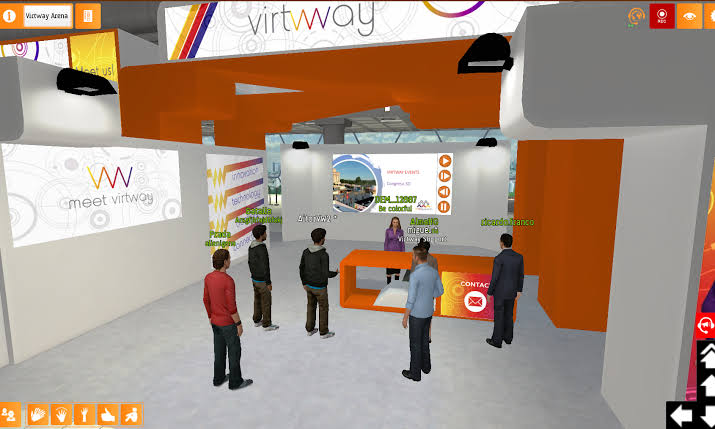
If you've got a creative itch, The Sandbox is probably your best bet in the metaverse. It's built for creators, plain and simple. Their voxel-based tools, like Game Maker and VoxEdit, are surprisingly intuitive, letting anyone build, own, and actually monetize games and digital assets. We're talking NFTs, people. And because it runs on an Ethereum Layer-2 solution, transaction fees are mercifully low-a major win compared to some other platforms. You'll find branded experiences from everyone from Atari to Snoop Dogg here, all built on those coveted LAND NFTs. The play-to-earn model is strong, and the interoperable NFTs mean your digital sword from one game might work in another. Updates for 2026 are all about enhancing cross-platform asset trading, which is a smart move. My only minor complaint? Sometimes the graphics feel a little too blocky, even for a voxel world. It's not for everyone who wants photorealism, but its strength is in its accessible creation tools.
3. Axie Infinity
When you talk about play-to-earn, Axie Infinity is still the name that pops up first. They absolutely dominate that space. Players breed, battle, and trade these adorable-yet-fierce Axie NFTs, which are essentially digital pets. It runs on its own Ronin sidechain, which means faster, cheaper transactions than mainnet Ethereum. After a bit of a rough patch a few years back, they've roared back, showing massive gaming activity, healthy land trading, and even social farming. For 2026, they're rolling out more metaverse hubs for tournaments, cementing their spot as a blockchain gaming powerhouse. I've always been impressed by how they've managed to build a real economy around gaming. The main downside? The initial cost of getting a decent team of Axies can still feel a bit steep for new players, which is a common barrier for P2E games.
4. Roblox
Okay, so Roblox isn't blockchain-native in the same way Decentraland or Axie is, but to ignore it in a metaverse discussion would be a huge mistake. This platform is a consumer entertainment giant, especially with younger demographics. We're talking 80 million daily active users, which is just insane. They've been doing user-generated worlds and virtual concerts (remember Lil Nas X?) for ages. Their creator payout system is massive, exceeding $1 billion annually. Think about that: a billion dollars going to people making stuff in their metaverse. Their 2026 push is all about integrating NFTs through partnerships, which bridges the gap between their massive user base and the crypto world. It's incredibly accessible for non-crypto users, which is a big part of its success. My biggest annoyance? Sometimes the moderation can feel a bit heavy-handed, and the in-game currency, Robux, still feels like a closed ecosystem, even with NFT integrations happening.
5. Fortnite (The Event Horizon)

Fortnite isn't just a battle royale game anymore; it's a full-blown metaverse in its own right, and a massive one at that. Epic Games has done an incredible job redefining what virtual events can be. Travis Scott's concert, which drew 27 million viewers, wasn't just a novelty; it was a blueprint. The cross-platform play is seamless, and the worlds, powered by Unreal Engine, are gorgeous. For 2026, they're heavily focused on expanding creator islands and pushing interoperable items. This makes it a benchmark for scalable, high-fidelity experiences, even without the blockchain backbone of some other platforms. The sheer number of users speaks volumes. My biggest beef? The constant content churn can feel a bit overwhelming, and sometimes it feels like they're chasing trends rather than setting them. Still, you can't argue with their reach.
6. Highstreet (Where Shopping Gets Weird and Wonderful)

Highstreet is doing something genuinely interesting: bridging the physical and virtual commerce worlds. This isn't just window shopping; brands can actually sell NFT-linked real products in these gamified environments. Imagine buying a digital jacket in the metaverse and getting the physical one delivered to your door. That's the idea. They've got integrations with Shopify, which means real-world businesses can set up hybrid storefronts. For 2026, they're leaning into loyalty programs and "phygital" fashion, which is a smart play for retail adoption. It's a unique take on the metaverse, focusing on transactions and real-world utility. My biggest frustration is that sometimes the experiences feel a bit too much like a glorified online store rather than a truly immersive world. The focus is clearly on shopping, which might not be for everyone.
7. Upland
Upland takes a page right out of the Monopoly playbook, but with a metaverse twist. It literally maps real-world cities onto its platform, letting users buy, trade, and even develop NFT properties. You can earn passive income from your digital real estate, which is a neat concept. They host events like virtual property auctions, giving it a vibrant, if sometimes competitive, real estate simulation vibe. It's fully accessible on PC, and its on-chain activity is strong. I've always appreciated that it doesn't try to be a sprawling fantasy world; it sticks to its niche and does it well. My biggest complaint here is that it can feel a bit like a glorified spreadsheet at times, especially if you're not deeply invested in the property trading aspect. The visual immersion isn't its strong suit.
8. Somnium Space (VR's True Believer)
If you're looking for true immersion, Somnium Space is probably the closest you'll get to what people imagine when they hear "VR metaverse." This platform is all about hyper-immersive VR experiences, with photorealistic graphics that really do suck you in. You still own your parcels, and they host events specifically optimized for headsets. For 2026, they're pushing social VR and enterprise tools, aiming to be a leader for deep, virtual immersion. It's a fantastic experience if you have the right gear. And that's the rub, isn't it? My biggest annoyance is the barrier to entry: you really need a decent VR headset to get the full experience, which limits its broader appeal compared to PC-accessible worlds.
9. World of Dypians
World of Dypians is steadily carving out its niche as a serious contender in the blockchain MMORPG space. It's got a massive open world, filled with quests, trading, and plenty of opportunities to earn tokens through NFTs. We're talking millions of monthly active users. They've put a lot of effort into building social hubs and fostering a strong community, which is essential for any good MMO. It's clear they're aiming to be a rising star, offering cross-platform play to boot. For an MMORPG fan looking for something new with blockchain elements, this is worth a look. My biggest annoyance with Dypians is that sometimes the in-game economy feels a bit too complex, making it hard for casual players to really get a handle on the earning potential without a significant time investment.
10. NVIDIA Omniverse

NVIDIA Omniverse isn't a metaverse you're going to log into for a concert or to buy an NFT avatar. This is the industrial metaverse, the backend engine that makes a lot of the other stuff possible. It's built for architects, automakers like BMW, and filmmakers to collaborate in real time using USD-based universal scene description. Think cloud AI rendering and real-time simulations that are driving serious B2B adoption. It's a powerful tool, expanding into consumer tools for 2026. While it's not a consumer-facing "platform" in the typical sense, its foundational role in building the metaverse cannot be overstated. My main frustration, as a consumer, is that it's not something I can just jump into and play. It's a tool for creators, not a world to explore, which makes it a different beast entirely.
Related Posts


18 Comments
Join the discussion and share your thoughts