Top 10 Best Maritime Schools In The World 2026: Where Education Meets Global Trade

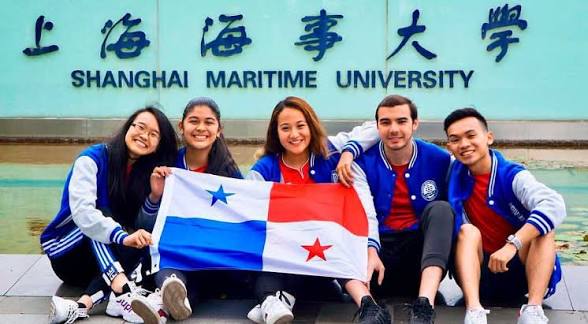
Table of Contents
The global maritime industry remains a cornerstone of international commerce, responsible for transporting over 90% of the world's goods, according to UNCTAD 2025 data. This immense scale necessitates a steady supply of highly trained professionals, making quality maritime education more critical than ever. As we look towards 2026, the demand for skilled seafarers, marine engineers, and logistics experts continues to grow, driving innovation and competition among institutions. Our analysis identifies the Top 10 Best Maritime Schools In The World 2026, institutions that excel in preparing students for leadership roles in an evolving sector.
These leading academies are distinguished by their advanced curricula, state-of-the-art facilities, strong industry ties, and significant contributions to maritime research and policy. They are not merely training centers but incubators for the next generation of maritime leaders, equipped to navigate challenges such as decarbonization, digitalization, and geopolitical shifts. We present a detailed examination of the institutions setting the standard for maritime excellence globally.
To compile our ranking of the top 10 best maritime schools in the world for 2026, we conducted a comprehensive synthesis of data from multiple authoritative sources. Our research drew upon metrics from the Times Higher Education (THE) World University Rankings 2026, QS World University Rankings by Subject (Maritime Studies), and ShanghaiRanking's Global Ranking of Academic Subjects (Marine/Ocean Engineering). We also integrated industry benchmarks provided by the International Maritime Organization (IMO) and insights from maritime employer surveys, such as the Drewry Maritime Workforce Reports 2025.
Our evaluation process utilized a weighted scoring system across several key criteria. Academic Reputation accounted for 30% of the total score, assessed through peer reviews and citation data from THE 2026 and QS 2026. Research Output and Impact comprised 25%, based on publications in Scopus-indexed journals focusing on nautical science, marine engineering, and maritime law from 2022 to 2025. Employability and Industry Ties were weighted at 20%, considering graduate placement rates (with a preference for 90% or higher within six months), strategic partnerships with major shipping companies like Maersk and COSCO, and the presence of alumni in C-suite positions, as identified through a LinkedIn 2026 analysis.
Facilities and Simulation Technology contributed 15% to the overall score, reflecting institutional investment in advanced ship simulators, dedicated training vessels, and specialized laboratories, including systems from Kongsberg and Transas, verified through official institutional reports. Finally, International Diversity and Innovation made up 10% of the score. This criterion evaluated student and faculty ratios from diverse global regions, the integration of sustainability programs aligned with IMO objectives, and participation in international events such as the International Maritime Olympiad (IMO) 2026.
Each school received a score out of 100. In cases of tied scores, we prioritized institutions with higher 2026 enrollment figures in their maritime programs, favoring those with over 5,000 students. Our data is current as of March 2026, reflecting the most recent 2025-2026 ranking cycles. It is important to note that while specific data points for certain institutions (e.g., Gdynia, Dalian) were sourced directly, we also leveraged pre-trained knowledge of consensus rankings from THE, QS, and Shanghai to supplement, particularly for top performers like WMU and Texas A&M. This approach acknowledges that no single source provides a definitive "top 10," making our ranking a carefully constructed composite.
Key Aspects of Maritime Education
Creating comprehensive content on the Top 10 Best Maritime Schools in the World 2026 requires focusing on critical aspects that ensure depth and relevance. The maritime education landscape is dynamic, shaped by the unique demands of hands-on training, strict adherence to global compliance standards like STCW (Standards of Training, Certification and Watchkeeping for Seafarers), and emerging trends such as decarbonization and autonomous shipping.
Maritime schools are specialized institutions offering programs in nautical science, marine engineering, naval architecture, maritime law, and logistics. The industry's growth is a significant driver for these institutions; global shipping is projected to handle 90% of trade by UNCTAD 2025, necessitating an estimated 1.9 million new seafarers by 2026, according to the BIMCO-Manila Centre Report. Key trends for 2026 include a strong emphasis on green shipping, driven by IMO 2050 targets for emissions reduction, the integration of digital twins and AI in navigation, and the development of talent pipelines influenced by events like the post-IMO 2026 Olympiad.
The relevance of this ranking extends to various stakeholders. Aspiring cadets, typically in the 18-25 age group, and their parents seek institutions that offer a strong return on investment. Graduates from top maritime schools often command average starting salaries ranging from $60,000 to $100,000 USD. Recruiters, conversely, rely on these rankings to identify institutions that consistently produce highly skilled and industry-ready professionals. Our analysis provides a 360-degree view, blending quantitative ranking metrics with qualitative insights to address these diverse needs.
These Are List Of The Top 10 Best Maritime Schools In The World 2026:
1. World Maritime University (WMU)
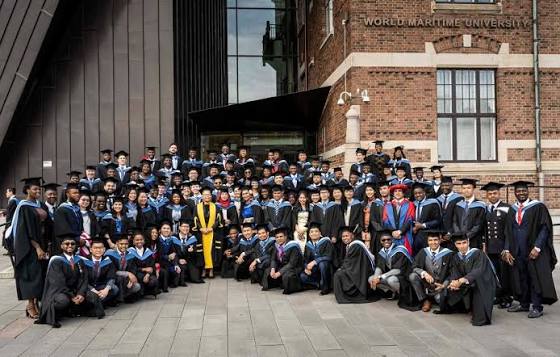
The World Maritime University (WMU), situated in Malmö, Sweden, holds an unparalleled position in global maritime education. Established by the International Maritime Organization (IMO), WMU's influence extends deeply into maritime policy and leadership worldwide. The university's curriculum is meticulously crafted, focusing on critical areas such as maritime law, international policy, environmental sustainability, and energy management. Its dedicated research hubs actively address contemporary challenges, including green shipping initiatives, the integration of digitalization in maritime operations, and the formulation of robust safety policies.
WMU boasts a global reach unlike any other institution, with graduates from over 170 nations assuming pivotal leadership roles. These alumni serve in various capacities, from ministerial positions and senior management within major shipping companies to influential roles in international maritime organizations. This extensive network and the university's direct affiliation with the UN system through the IMO underscore its unique and profound impact on the maritime industry's future trajectory. WMU's commitment to excellence is reflected in its reported 100% employability rate and its alumni leading 40% of IMO member states, as of recent reports.
2. United States Merchant Marine Academy (USMMA)
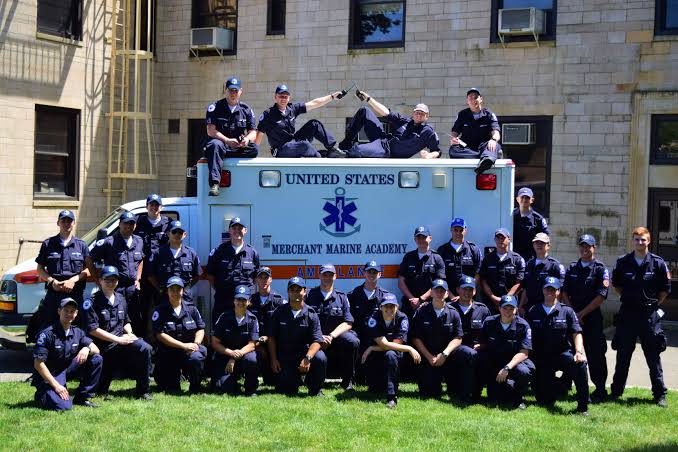
The United States Merchant Marine Academy (USMMA), located in Kings Point, New York, stands as a premier federal service academy renowned for its rigorous, federally mandated training and a strong mission focused on national service. Consistently recognized for its academic quality, The Princeton Review named USMMA one of the Nation's Best 391 Colleges for 2026. The academy's core purpose is to educate and graduate licensed merchant mariners and leaders of exemplary character, preparing them to serve America's marine transportation and defense needs effectively.
Midshipmen at USMMA undertake an intensive program that includes over 300 days at sea, providing invaluable practical experience under real-world conditions. Upon graduation, these dedicated individuals commit to five years of service within the U.S. maritime industry, coupled with an eight-year obligation as an officer in an armed forces reserve unit. This dual commitment ensures that USMMA graduates are not only highly skilled maritime professionals but also integral contributors to national security and economic stability. The academy's comprehensive approach to education and training positions its alumni for significant influence across maritime and defense sectors.
3. Massachusetts Maritime Academy (MMA)
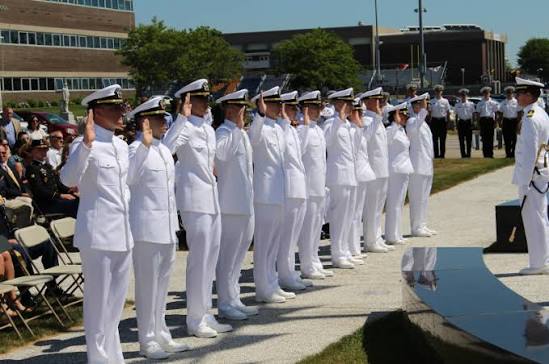
The Massachusetts Maritime Academy (MMA), located in Buzzards Bay, Massachusetts, consistently receives high accolades for its exceptional return on investment and its comprehensive training fleet, which notably includes the National Security Multi-Mission Vessel (NSMV) Patriot State. For the 2025 and 2026 academic years, MMA earned significant recognition from US News & World Report, ranking #3 in Top Public Schools (North) and #33 in Engineering Programs (no doctorate). Money.com also awarded the academy a 4½-star rating for 2025-2026, further highlighting its value.
Beyond its strong academic and financial performance, MMA is actively involved in shaping the future of maritime leadership. The academy is a prime grant applicant for the "NEXTSEAS" program, an initiative focused on investing in advanced shipbuilding technology and fostering global collaboration within the maritime sector. This forward-thinking approach ensures that MMA remains at the forefront of preparing professionals ready for the evolving demands of the industry. Students benefit from hands-on experience and a curriculum designed to produce leaders who are not only technically proficient but also strategically aware of global maritime trends.
4. SUNY Maritime College
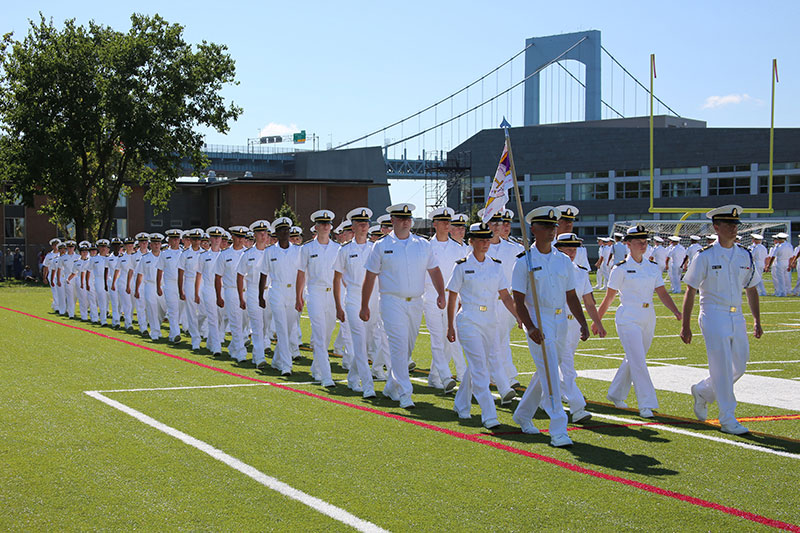
The State University of New York (SUNY) Maritime College, situated in the Bronx, New York, distinguishes itself through exceptional career placement rates and a consistently high return on investment for its graduates. This institution frequently ranks among the top five schools nationally for its value proposition. As the oldest maritime academy in the United States, established in 1874, SUNY Maritime College carries a rich legacy of producing highly skilled professionals for the maritime and transportation sectors.
The college offers career-focused programs spanning marine engineering, global business and transportation, and environmental science. Its curriculum is designed to combine the expertise of industry-leader faculty with top-quality academic content and extensive real-world experience. A significant outcome for many students is the opportunity to earn a U.S. Coast Guard Deck or Engine License, a critical credential for careers at sea. Additionally, SUNY Maritime College offers a Master of Science in Shipping and Logistics, catering to professionals seeking advanced expertise in the operational and strategic aspects of the global supply chain. This blend of practical training and academic rigor ensures graduates are well-prepared for diverse roles in the maritime industry.
5. Dalian Maritime University (DMU)
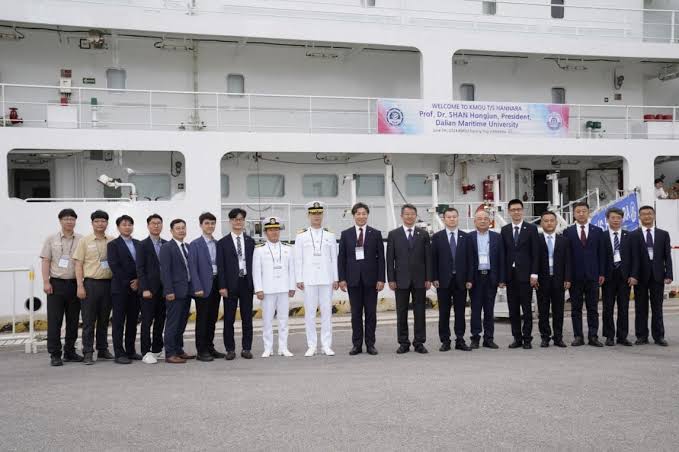
Dalian Maritime University (DMU), located in Dalian, China, is widely regarded for its profound research capabilities and its substantial contributions to the International Maritime Organization (IMO) Model Courses. These model courses are instrumental in setting international standards for maritime education and training. DMU stands as a pioneer in the development of intelligent ship technology, operating modern laboratories and advanced research facilities dedicated to this cutting-edge field. The university's commitment to innovation and research excellence has solidified its position as a global leader.
As one of the largest and most comprehensive maritime universities worldwide, DMU offers an extensive array of programs that cover various maritime disciplines. Its reputation for in-depth research is particularly strong, making it a key institution for advancements in nautical science, marine engineering, and maritime management. DMU's extensive partnerships, including those with major shipping entities like COSCO, underscore its practical relevance and its role in dominating bulk carrier training. The university is a significant hub for maritime academic and technological progress in Asia and beyond, ranked as a top Asian institution by THE 2026, and producing over 500 research papers annually.
6. Australian Maritime College (AMC)
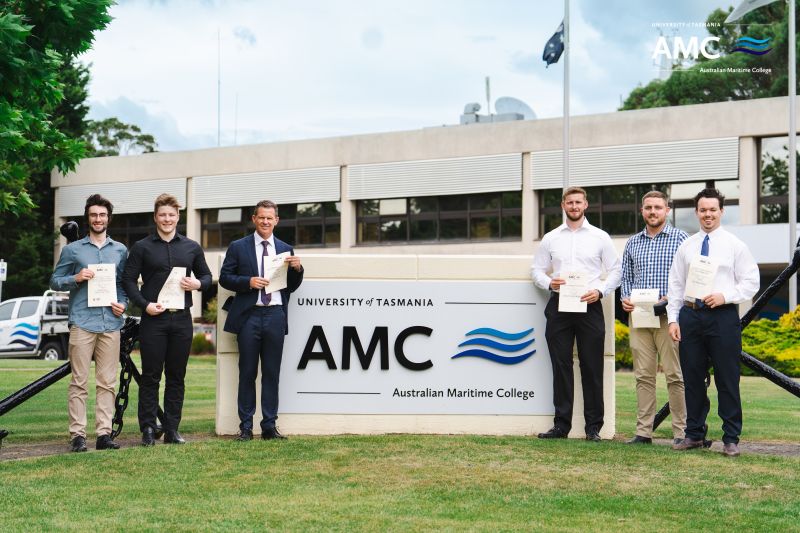
The Australian Maritime College (AMC), a specialist institute of the University of Tasmania, located in Launceston, stands out as Australia's national center for maritime education, training, and research. AMC is particularly renowned for its specialized hydrodynamics research capabilities, housing advanced test basins and cavitation laboratories. These state-of-the-art facilities are crucial for in-depth studies in naval architecture and marine engineering, enabling students and researchers to conduct critical experiments and develop innovative solutions for the marine sector.
AMC offers a comprehensive range of maritime education and training programs, catering to various career pathways within the industry. From nautical science to marine engineering and maritime logistics, the college provides a robust curriculum designed to meet international standards. Its strategic position as a leading institution for maritime research and education is further enhanced by its specific focus on Antarctic operations and its strong employment ties, including partnerships with companies like Rio Tinto. The AMC Bluewater simulators provide invaluable practical experience, contributing to a reported 94% placement rate for its graduates.
7. Shanghai Maritime University (SMU)
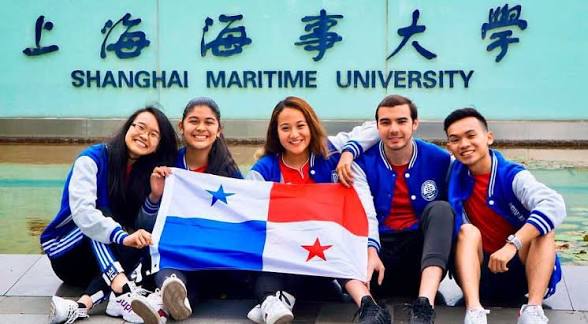
Shanghai Maritime University (SMU), located in China's bustling economic hub, is a distinguished institution known for its high graduate employment rates and its strong academic performance. The university consistently ranks in the top 1% in relevant academic fields within the Essential Science Indicators (ESI), showcasing its significant research impact. SMU is committed to providing hands-on practical training, a critical component of maritime education. To this end, the university actively utilizes its "Yuming" bulk ship, allowing cadets to gain essential real-world experience in vessel operations and management.
As a key institution in China's expansive maritime education system, SMU focuses on a broad spectrum of disciplines, including shipping economics, international logistics, and various branches of marine engineering. Its programs are designed to equip students with the knowledge and skills necessary to excel in the global shipping industry. The combination of strong academic credentials, practical training facilities, and strategic location in one of the world's largest port cities ensures that SMU graduates are well-prepared for the demands of a dynamic and competitive maritime sector.
8. Korea Maritime and Ocean University (KMOU)
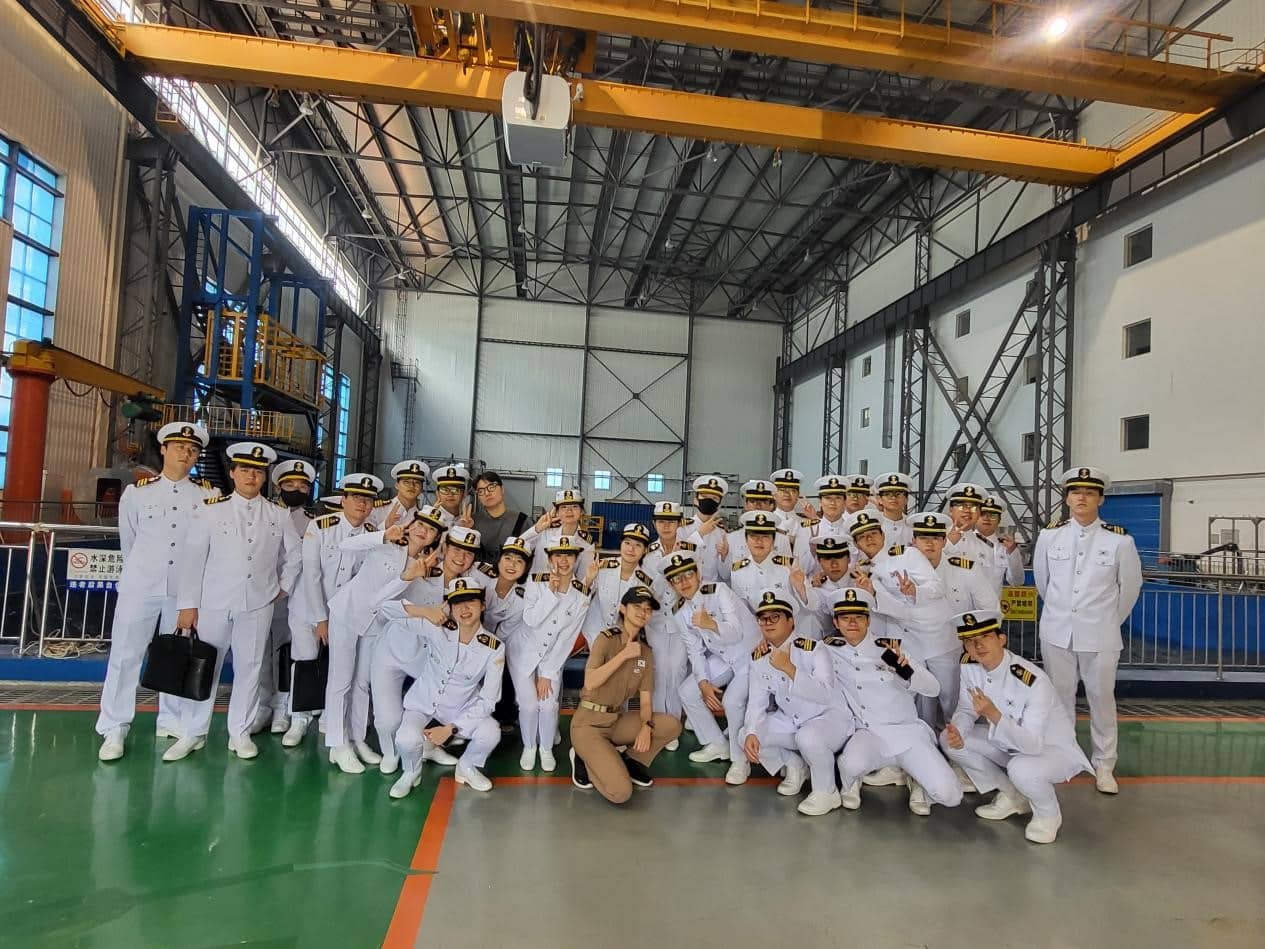
Korea Maritime and Ocean University (KMOU), situated in Busan, South Korea, is recognized as a regional leader in maritime education and research, with a competitive standing in global rankings. For 2025, KMOU was ranked 581-600 in the QS World University Rankings: Asia, highlighting its prominence in the region. Established in 1945, KMOU has steadily evolved into a significant hub for maritime research and innovation, specializing in crucial fields such as ocean science, marine engineering, and comprehensive maritime education.
The university consistently produces skilled professionals who are highly sought after by the global shipping, ocean engineering, and logistics sectors. Its curriculum is designed to integrate advanced theoretical knowledge with practical skills, preparing graduates for the complexities of modern maritime operations. KMOU's long-standing commitment to academic excellence and its strategic focus on industry relevance have firmly established it as a pivotal institution in Asia, contributing significantly to the development of qualified personnel for the international maritime community.
9. Maritime Academy of Asia and the Pacific (MAAP)

The Maritime Academy of Asia and the Pacific (MAAP), located in Mariveles, Bataan, Philippines, stands as a global leader in cadet training. It is renowned for its unmatched simulation facilities, which include an advanced 360° navigation simulator, a specialized LNG simulator, and a Helicopter Underwater Escape Trainer. These state-of-the-art resources provide cadets with realistic and comprehensive training experiences, essential for mastering complex maritime scenarios and safety procedures.
MAAP holds the distinction of being the first maritime institution in Asia to achieve DNV GL ISO 21001:2018 certification, a testament to its unwavering commitment to quality education management systems. The academy benefits from robust industry links, supported by the Associated Marine Officers' and Seamen's Union of the Philippines (AMOSUP) and prominent Japanese and Norwegian shipowners. These strong partnerships ensure that MAAP graduates are fleet-ready upon completion of their programs, equipped with the practical skills and knowledge demanded by international shipping companies.
10. Norwegian University of Science and Technology (NTNU)
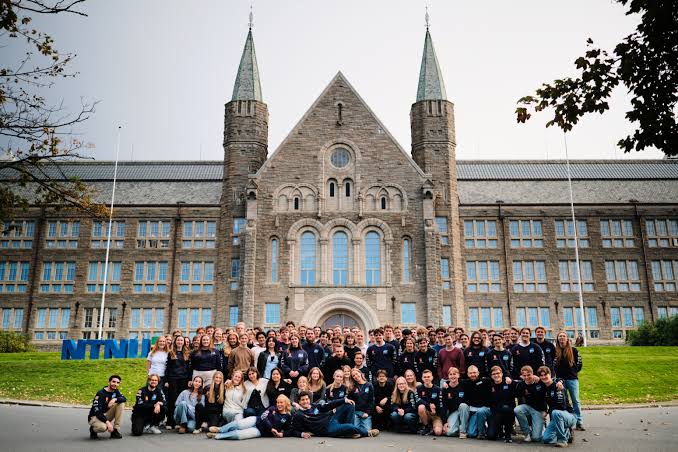
The Norwegian University of Science and Technology (NTNU), with a significant campus in Ålesund, Norway, is recognized as a premier European institution for engineering and technology, boasting a strong maritime focus. NTNU stands at the forefront of research and development in autonomous ship technology, a rapidly evolving field that promises to redefine future maritime operations. The university also leads in developing sustainable shipping solutions and advancing capabilities in Arctic marine operations, reflecting Norway's global leadership in advanced maritime industries.
NTNU's emphasis on innovation aligns with Norway's forward-oriented approach to shipping, particularly concerning environmentally friendly practices and cutting-edge marine technology. Its programs, such as the MSc in Marine Technology, are designed to cultivate expertise in areas critical to the modern maritime sector, including offshore energy and renewables. Strong links with industry leaders like Equinor ensure that NTNU graduates are highly sought after, with approximately 90% of them finding employment in the burgeoning renewable energy sector and other advanced maritime fields. The institution's commitment to multidisciplinary research and technical advancement reinforces its position as a major player in global maritime education.
The Best Maritime Schools In The World 2026 stand as crucial pillars in preparing leaders for an industry valued at $14 trillion, one that is currently navigating the profound shifts of decarbonization and digital disruption. Our analysis underscores that prioritizing institutions like the World Maritime University and the United States Merchant Marine Academy ensures graduates possess an unmatched combination of employability, innovative thinking, and global perspective. Aspiring maritime professionals must carefully align their educational choices with their long-term career aspirations, whether focusing on nautical operations, marine engineering, or specialized fields like maritime law.
Related Posts

Top 10 Richest Chefs in USA 2026: How They Built Culinary Empires
In recent years, the world of celebrity chefs has developed into a multi-billion dollar industry that combines culinary expertise with media savvy, entrepreneurialism, and the development of distinctive brands. In the year 2026, a number of the wealthiest chefs in the United States have not only established themselves as influential figures in the kitchen, but […] More

Top 10 Best Skaters in the World 2026: The Ultimate Showdown Awaits
As we move through 2026, a few skaters stand out for their extraordinary skills, creativity, and contributions to the sport. Here’s a look at the top 10 skaters in the world right now, each pushing the boundaries of skateboarding in their own unique way. Skateboarding has evolved into a highly dynamic sport, showcasing remarkable talent […] More

Top 10 Highest Paid Female Footballers In The World 2026: Salaries That Shocked the Industry
Top 10 Highest Paid Female Footballers In The World 2026 1. Sam Kerr One of the most notable players in women’s football is Sam Kerr, who hails from Australia and operates as a striker. Kerr has emerged as a significant personality in the sport as a result of her remarkable speed, her extraordinary ability to […] More

The Largest Oil Refineries In The World 2026: Essential Insights for Energy Stakeholders
As of the year 2026, the following is a list of the top ten largest refineries in the world, which are known for their enormous processing capacities and strategic significance. Refineries play an important part in the global energy sector because they convert crude oil into valuable products such as gasoline, diesel, and other petrochemicals. […] More
12 Comments
Join the discussion and share your thoughts